
Among the various factors contributing to this issue, temperature fluctuations, structural design flaws, and mechanical vibration stand out as the three most dominant triggers. This article delves deep into each of these aspects, providing authoritative, actionable insights to resolve and prevent transformer oil leakage.
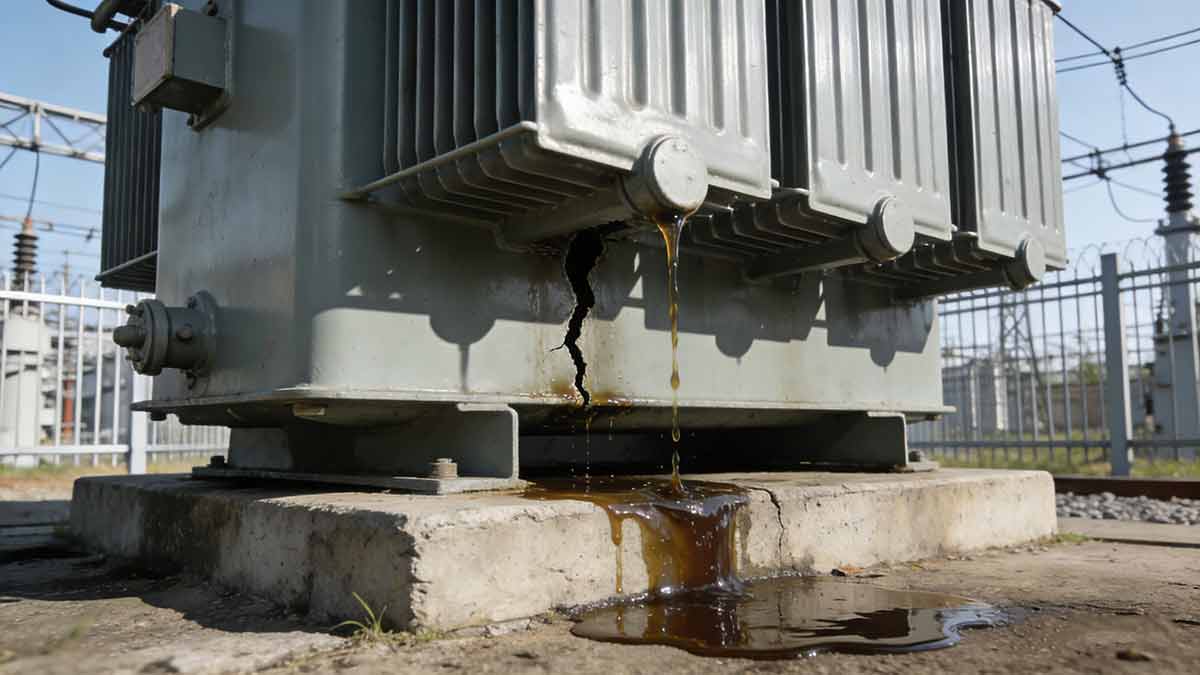
The Impact of Temperature Fluctuations on Transformer Oil Leakage
Temperature is an often-overlooked yet pivotal factor that directly impacts the integrity of transformer components and the likelihood of oil leakage. Transformers installed in outdoor substations are constantly exposed to the vagaries of weather, with seasonal and diurnal temperature swings exerting significant stress on the equipment’s metal structures and sealing elements.
Seasonal Temperature Extremes and Metal Component Deformation
Substations across many regions face drastic seasonal temperature differences that can push transformer materials to their physical limits. In summer, ambient temperatures frequently soar beyond 40°C, while winter temperatures can plummet to below -25°C in frigid climates. This extreme thermal cycling drives repeated expansion and contraction of the transformer’s metal body, including the tank, flanges, and connecting pipes.
Metallic materials have inherent coefficients of thermal expansion, meaning they expand when heated and shrink when cooled. When subjected to prolonged cycles of extreme heat and cold, these components undergo continuous shape changes that gradually weaken structural joints and compromise sealing interfaces. The problem is exacerbated in winter, when the combination of low ambient temperatures and rapid temperature drops overnight amplifies the contraction of metal parts.
A common scenario that illustrates this effect is transformers that operate without any signs of leakage under normal temperature conditions but start leaking oil after a power outage. When the transformer is shut down, its internal temperature drops rapidly, causing the metal tank and joints to contract sharply. This contraction reduces the tightness of sealing connections, creating gaps that allow transformer oil to seep out. This phenomenon underscores how temperature-driven deformation can turn a previously leak-free transformer into a problematic unit in a matter of hours.
Diurnal Temperature Variations and Sealing Gasket Deterioration
Beyond seasonal changes, daily temperature fluctuations—especially in winter—play a significant role in accelerating seal failure and oil leakage. In cold regions, nighttime temperatures can drop to extremely low levels, while daytime temperatures may rise by 15–20°C or more. This rapid daily shift puts immense pressure on the transformer’s sealing gaskets, which are typically made of rubber or composite materials.
Sealing gaskets rely on their elasticity to fill gaps between metal components and maintain a tight seal. However, low temperatures cause these materials to lose flexibility, become brittle, and undergo volume contraction. As the gasket shrinks and hardens, it can no longer conform to the irregularities of the flange surfaces, creating micro-gaps that serve as pathways for oil leakage. Even high-quality gaskets are not immune to this issue; over time, repeated diurnal thermal stress weakens the material’s molecular structure, leading to permanent deformation and loss of sealing capability.
How Design and Structural Factors Trigger Transformer Oil Leakage
The mechanical design and structural configuration of transformers are foundational to their sealing performance. Many modern transformers feature a split design with separate oil tanks and radiators, a layout that, while efficient for heat dissipation, introduces inherent structural challenges that can lead to oil leakage if not engineered and assembled with precision.
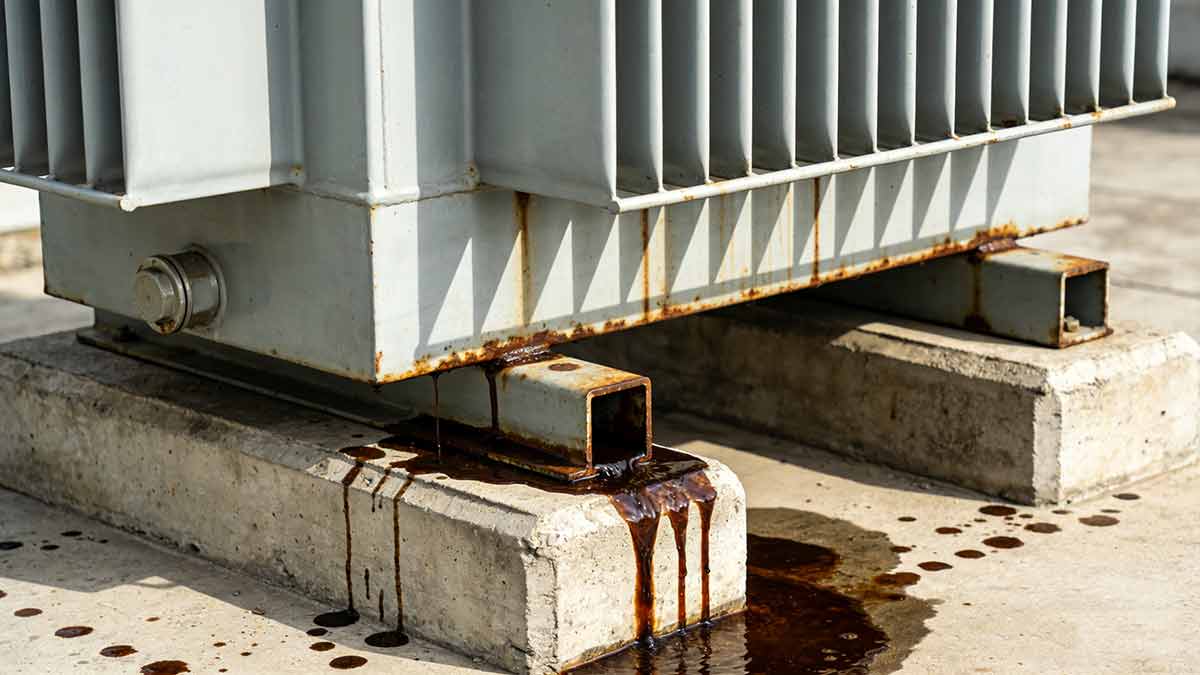
Independent System Layout of Tank and Radiator
Most power and distribution transformers consist of two relatively independent subsystems: the main oil tank (housing the core and windings) and the radiator (responsible for cooling the transformer oil). These two components are connected via horizontal pipes and sealed together using flange-gasket assemblies. The oil flow between the tank and radiator is regulated by specialized transformer butterfly valves, which control the circulation of oil during operation and isolate the systems during maintenance.
This split design creates a critical sealing interface at the tank-radiator connection point. Unlike integrated designs, where components are cast as a single unit, the split layout requires a perfect alignment between the tank flange and radiator flange to ensure an effective seal. Any misalignment at this junction can create uneven pressure on the gasket, setting the stage for future oil leakage.
Uneven Stress Distribution on Sealing Flanges
The weight of the radiator and the transformer oil it contains is a major contributor to flange misalignment and uneven gasket compression. A typical transformer radiator can hold thousands of kilograms of oil, and this weight, combined with the mass of the radiator itself, exerts a significant downward force on the connecting flanges and butterfly valves.
The challenge lies in the fact that this weight is not distributed evenly across the flange surface. Different sections of the flange assembly bear varying levels of load, depending on their position relative to the radiator’s center of gravity. This uneven loading often causes the tank flange and radiator flange to become non-parallel. When the flanges are not perfectly aligned, the gasket experiences inconsistent compression: some areas are over-compressed (leading to material fatigue), while others are under-compressed (leaving gaps between the gasket and flange surfaces).
Achieving uniform gasket compression is a difficult engineering feat, even under ideal assembly conditions. Over time, as the sealing material ages and degrades, the under-compressed areas develop visible gaps, and the over-compressed areas may experience gasket cracking or tearing. Both scenarios provide a direct route for transformer oil to leak out, especially as the transformer undergoes thermal expansion and contraction during operation.
The Role of Vibration Frequency in Inducing Transformer Oil Leakage
Transformers are not static pieces of equipment; they generate constant mechanical vibration during operation. These vibrations, while often subtle, can gradually loosen fasteners and degrade sealing performance over time, leading to oil leakage in long-term service.
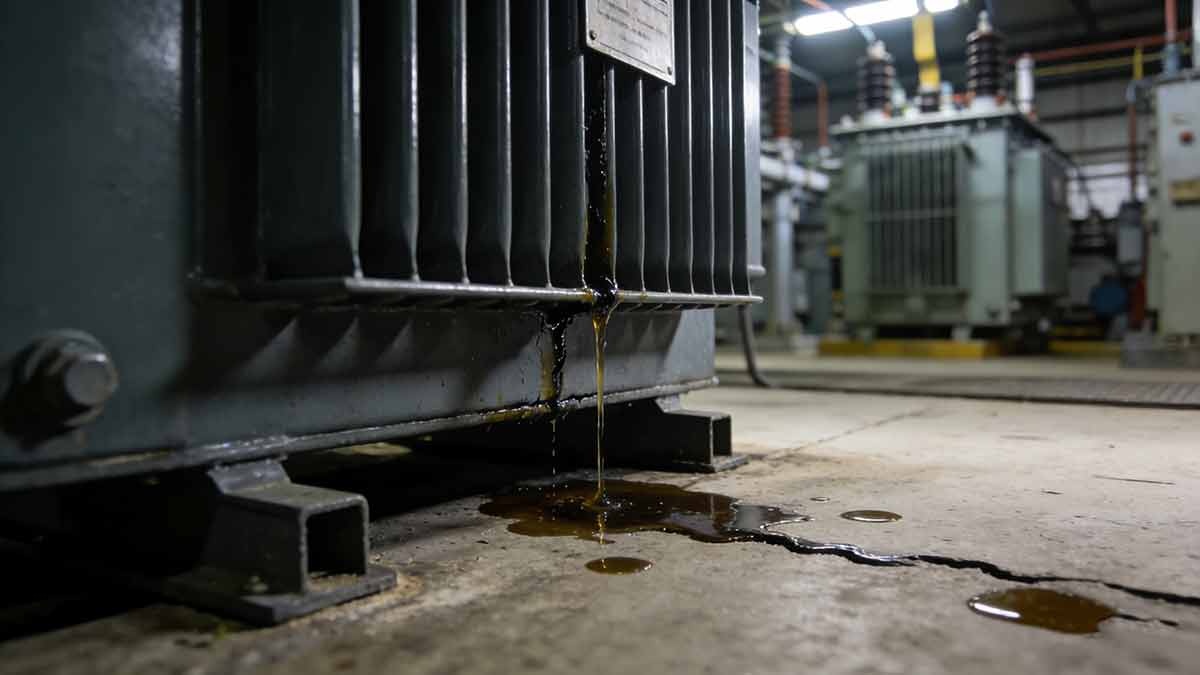
Sources of Mechanical Vibration in Transformers
Mechanical vibration in transformers originates from three primary internal sources, each contributing to the overall vibration profile of the equipment:
- Core Vibration: The transformer’s silicon steel core experiences magnetostriction—a phenomenon where the material changes shape slightly when exposed to a magnetic field. This cyclic shape change creates continuous vibration in the core, which is transmitted to the tank walls and connecting components. Additionally, magnetic flux leakage at the seams and laminations of the silicon steel sheets further amplifies core vibration.
- Winding Vibration: Load currents flowing through the transformer windings generate electromagnetic forces that cause the windings to vibrate. The amplitude of this vibration increases with higher load levels, as the electromagnetic forces become stronger.
- Tank Wall Vibration: The vibrations from the core and windings are transferred to the transformer tank, causing the tank walls to resonate at specific frequencies. This resonance can intensify the vibration experienced by the flange connections and fasteners.
Since the main tank and radiator are two separate components, each has its own natural vibration frequency. During operation, these two systems vibrate at different frequencies, creating an irregular, asynchronous vibration pattern at their connection points.
Vibration-Induced Fastener Loosening and Seal Degradation
The asynchronous vibration between the tank and radiator exerts constant cyclic stress on the bolts and nuts that secure the flange assemblies. Over months and years of operation, this stress causes the fasteners to gradually loosen—a process known as vibrational loosening. As the bolts lose their tension, the compression force applied to the sealing gasket decreases, creating gaps between the flange and gasket surfaces.
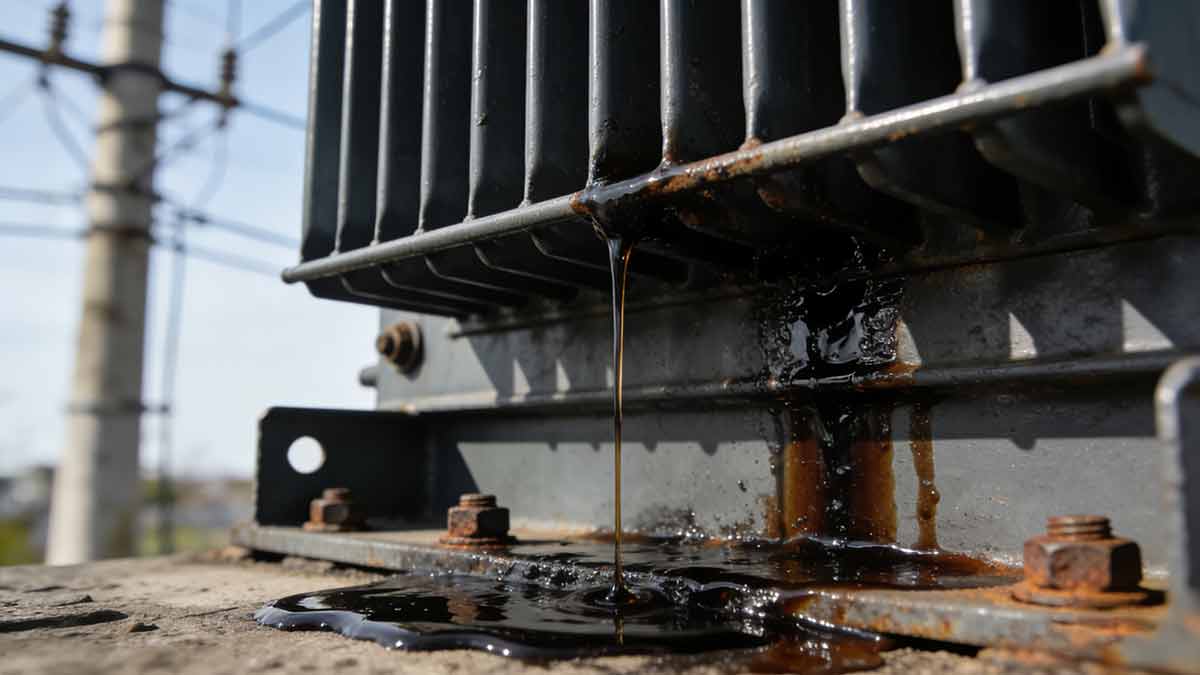
Even if the gaskets are in good condition, loose fasteners reduce the seal’s effectiveness, allowing oil to leak through the newly formed gaps. Compounding this issue, the continuous vibration can cause micro-movements between the flange surfaces, which abrade the gasket material and accelerate its aging. Over time, this combination of loosened fasteners and worn gaskets leads to persistent oil leakage that requires immediate maintenance attention.
Key Causes of Transformer Oil Leakage: A Comparative Summary
To help operators quickly identify the root cause of oil leakage in their equipment, the following table summarizes the three core factors, their primary triggers, affected components, and typical symptoms:
| Core Cause Category | Primary Triggers | Affected Components | Typical Symptoms |
|---|---|---|---|
| Temperature Fluctuations | Extreme seasonal temperature swings (-25°C to 40°C); rapid diurnal temperature changes | Transformer metal tank, flange joints, sealing gaskets | Leakage starts after power outages or temperature drops; leakage is intermittent in cold weather |
| Design & Structural Factors | Split tank-radiator layout; uneven weight distribution; flange misalignment | Tank-radiator flanges, sealing gaskets, and butterfly valves | Persistent leakage at the tank-radiator connection; leakage worsens with transformer load changes |
| Vibration Frequency | Magnetostriction-induced core vibration; winding vibration; tank wall resonance | Flange fasteners, sealing gaskets, and connection pipes | Leakage develops gradually over long-term operation; fasteners are found loose during inspection |
Conclusion
Transformer oil leakage is a complex issue driven by a combination of environmental, design, and operational factors. Temperature fluctuations cause metal deformation and gasket brittleness, structural design flaws lead to uneven flange compression, and mechanical vibration results in fastener loosening and seal degradation. By understanding these root causes, substation operators and maintenance teams can implement targeted preventive measures—such as installing thermal insulation, optimizing flange alignment during assembly, and conducting regular fastener torque checks—to minimize the risk of oil leakage.
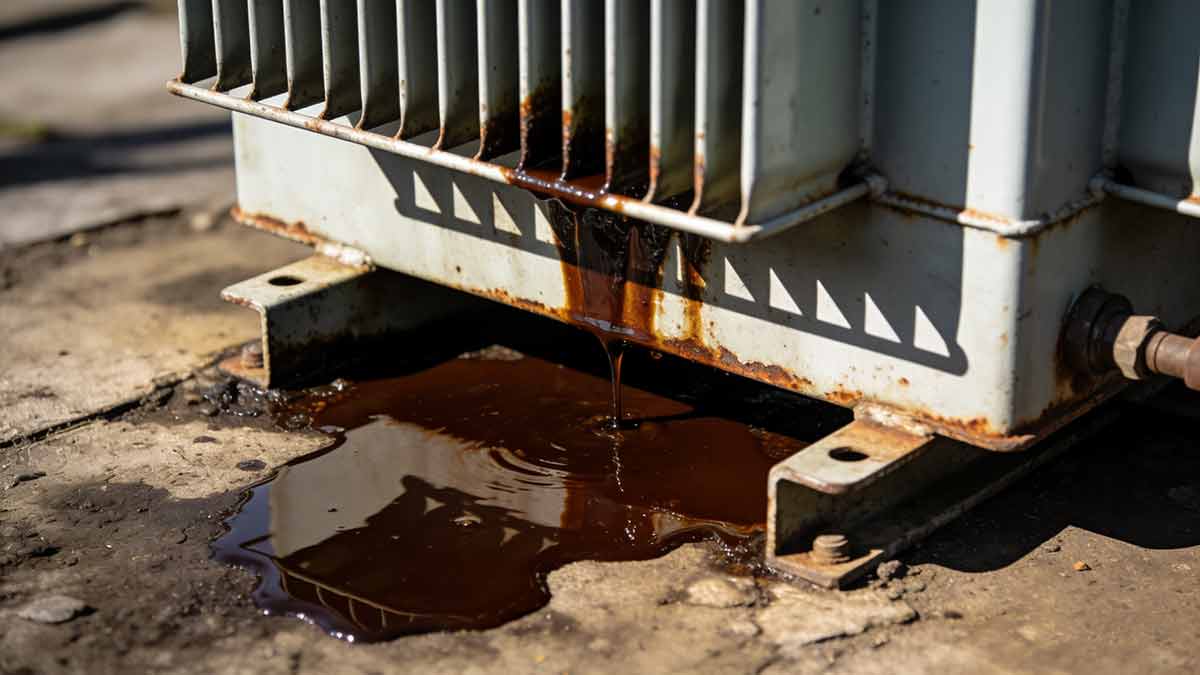
For transformer manufacturers like Lihe Transformer, addressing these factors during the design and production phases is critical to delivering reliable, leak-free equipment. By refining structural designs to reduce uneven stress, using high-performance temperature-resistant gaskets, and incorporating vibration-dampening components, manufacturers can significantly enhance the sealing performance of their transformers, ensuring long-term satisfaction for their customers.
In the field of power distribution, proactive identification and resolution of oil leakage causes are essential to maintaining the stability of the entire power grid. With the insights provided in this article, stakeholders can take concrete steps to protect their transformer assets and avoid the costly consequences of unplanned downtime and environmental contamination.