
Transformers represent one of the most vital components in power distribution systems, responsible for voltage regulation, energy transmission, and consistent power supply across residential, commercial, and industrial environments. Like any heavy electrical equipment, transformers are exposed to continuous load fluctuations, environmental stress, thermal cycles, and mechanical vibrations during operation. Without structured and consistent monitoring, minor issues can quickly escalate into costly breakdowns, unplanned downtime, safety hazards, or even irreversible damage to the unit.
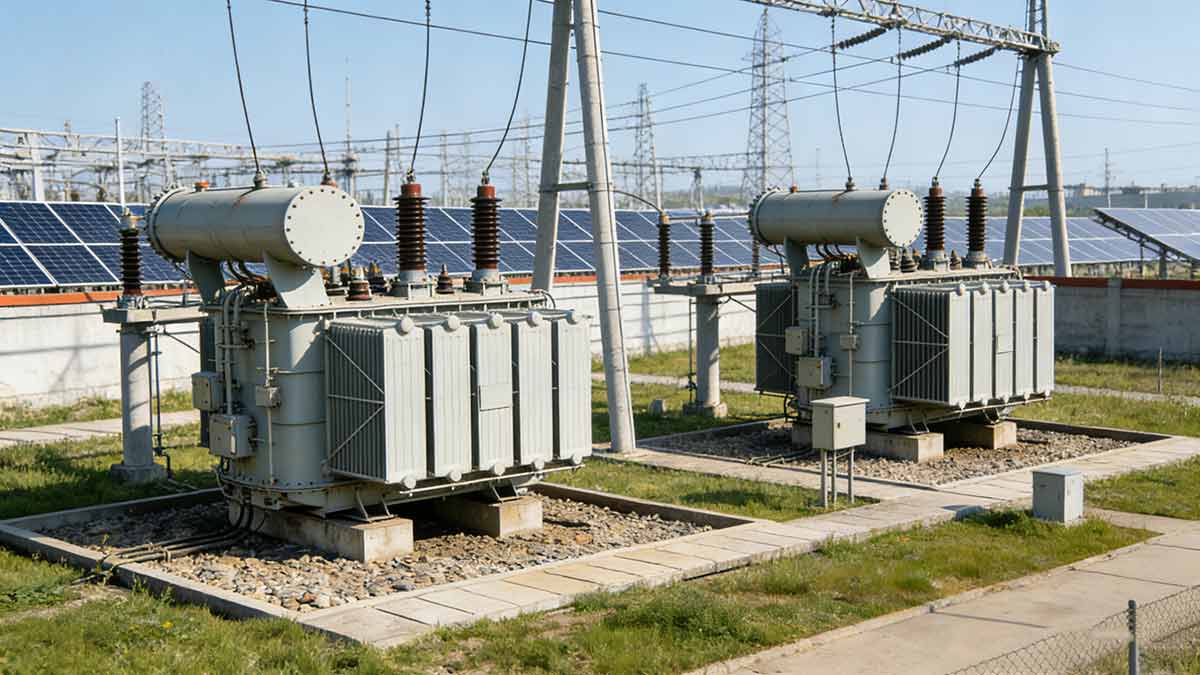
Daily inspection of transformer is not merely a routine maintenance task—it is a proactive strategy that safeguards operational stability, reduces long-term maintenance expenses, and maximizes the lifespan of the asset. By performing daily checks, technicians and facility managers can detect early warning signs of abnormalities, including abnormal temperatures, fluid leaks, unusual noises, insulation degradation, loose connections, and internal faults.
This comprehensive guide explores the importance, procedures, standards, and practical steps involved in the daily inspection of transformer. It is designed to help maintenance teams, engineers, and facility supervisors understand what to inspect, how to evaluate conditions, what abnormalities to identify, and how to maintain transformers in optimal working condition. The content follows industry best practices, emphasizes safety protocols, and provides actionable insights for both indoor and outdoor transformers.
What is the daily inspection of Transformer?
Daily inspection of transformer refers to the systematic visual, auditory, and tactile check of a transformer’s external components, operating parameters, safety devices, cooling systems, insulation fluids, and electrical connections on a daily basis. Unlike periodic comprehensive maintenance or offline testing, daily inspections focus on observable conditions that indicate immediate or emerging problems.
These inspections are typically performed by on-site maintenance personnel, electricians, or qualified technicians who record key parameters, note changes from normal operating conditions, and initiate corrective actions when irregularities appear. The goal is to maintain continuous, safe, and efficient operation while minimizing the risk of unexpected failures.
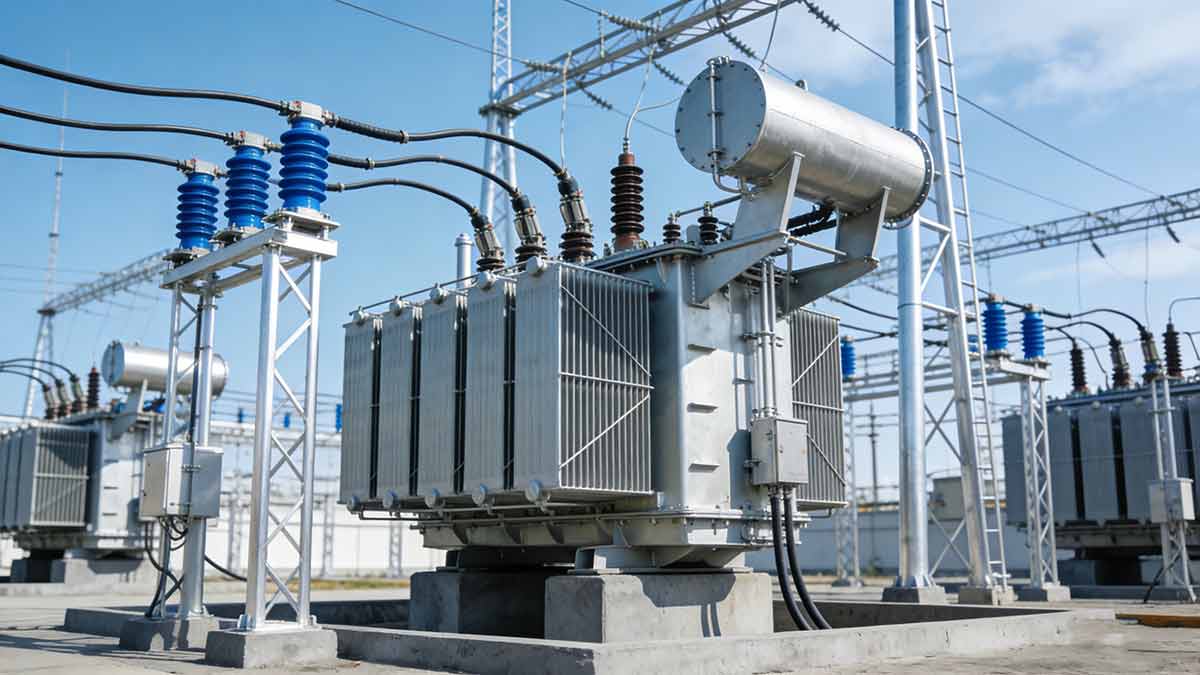
A standardized daily inspection routine covers critical areas such as oil temperature and levels, casing integrity, operational sound, cooling system performance, moisture absorption devices, cable and busbar connections, safety relief components, tap changer status, gas relay conditions, and secondary control enclosures.
Key Objectives of Daily Inspection of Transformer
Daily inspection of transformer serves several essential operational and safety objectives that directly influence overall system reliability.
- Early Fault Detection: Identify subtle defects before they develop into major failures.
- Safety Assurance: Prevent risks such as fires, oil leaks, electrical discharges, and explosions.
- Performance Optimization: Maintain transformer efficiency under varying load conditions.
- Lifespan Extension: Reduce wear, thermal stress, and internal deterioration.
- Downtime Reduction: Minimize unplanned outages that disrupt power supply.
- Compliance Support: Meet industry standards, safety regulations, and maintenance guidelines.
- Cost Efficiency: Lower repair, replacement, and emergency maintenance costs.
- Data Tracking: Establish historical records for trend analysis and predictive maintenance.
By fulfilling these objectives, daily inspection of transformer becomes an indispensable part of modern asset management and electrical system operation.
How Does Daily Inspection of Transformer Improve Operational Safety?
Safety is the top priority in any electrical installation, and transformers involve high voltage, insulating oil, thermal energy, and pressurized components. Daily inspection of the transformer directly reduces safety risks by monitoring conditions that could lead to hazardous situations.
- Oil leaks increase fire risks and environmental contamination.
- Overheating joints may cause melting, arcing, or ignition.
- Casing damage or discharge traces indicate potential insulation failure.
- Malfunctioning pressure-relief devices increase explosion risks.
- Moisture ingress compromises dielectric strength and internal components.
- Unusual noises signal mechanical or electromagnetic abnormalities.
Regular daily checks ensure these risks are identified early, allowing teams to resolve issues safely and efficiently.
Essential Items Covered in Daily Inspection of Transformer
This section breaks down the core components and parameters evaluated during daily inspection of transformer, using structured sections and tables for clarity.
Transformer Oil Temperature and Leakage Checks
Oil temperature is a primary indicator of transformer load, internal losses, and cooling efficiency. Monitoring temperature trends helps assess whether the unit is operating within safe thermal limits.
Normal Oil Temperature Standards
Each transformer has a rated temperature range specified by the manufacturer. Typically:
- Top oil temperatures must remain within the designed operating limits
- Temperature should respond logically to load changes
- Sudden spikes may indicate overload, internal fault, or cooling failure
During daily inspection of transformer, technicians verify:
- Stable and normal oil temperature
- Absence of oil leaks from gaskets, valves, pipelines, or joints
- Oil level in the conservator tank matching corresponding temperature
- No visible seepage, drips, or oil stains on the transformer body
Common Oil-Related Abnormalities
| Abnormality | Possible Cause | Recommended Action |
|---|---|---|
| High oil temperature | Overload, poor cooling, internal loss | Reduce load, check cooling system |
| Oil leakage | Damaged gasket, loose flange, cracked weld | Tighten connections, replace seals |
| Incorrect oil level | Temperature change, leakage, breather issues | Adjust oil level, inspect for leaks |
| Discolored oil | Thermal aging, contamination, oxidation | Schedule oil testing and filtration |
Timely detection through daily inspection of transformer prevents oil-related failures.
Transformer Bushing Inspection
Bushings provide an insulated electrical passage through the transformer tank and are critical for safe operation.
Bushing Oil Level and Appearance
During daily inspection of transformer:
- Bushing oil levels must appear normal and consistent
- External surfaces must be free from damage, cracks, or chips
- No heavy oil contamination or dust accumulation
- No visible discharge marks, sparks, or tracking patterns
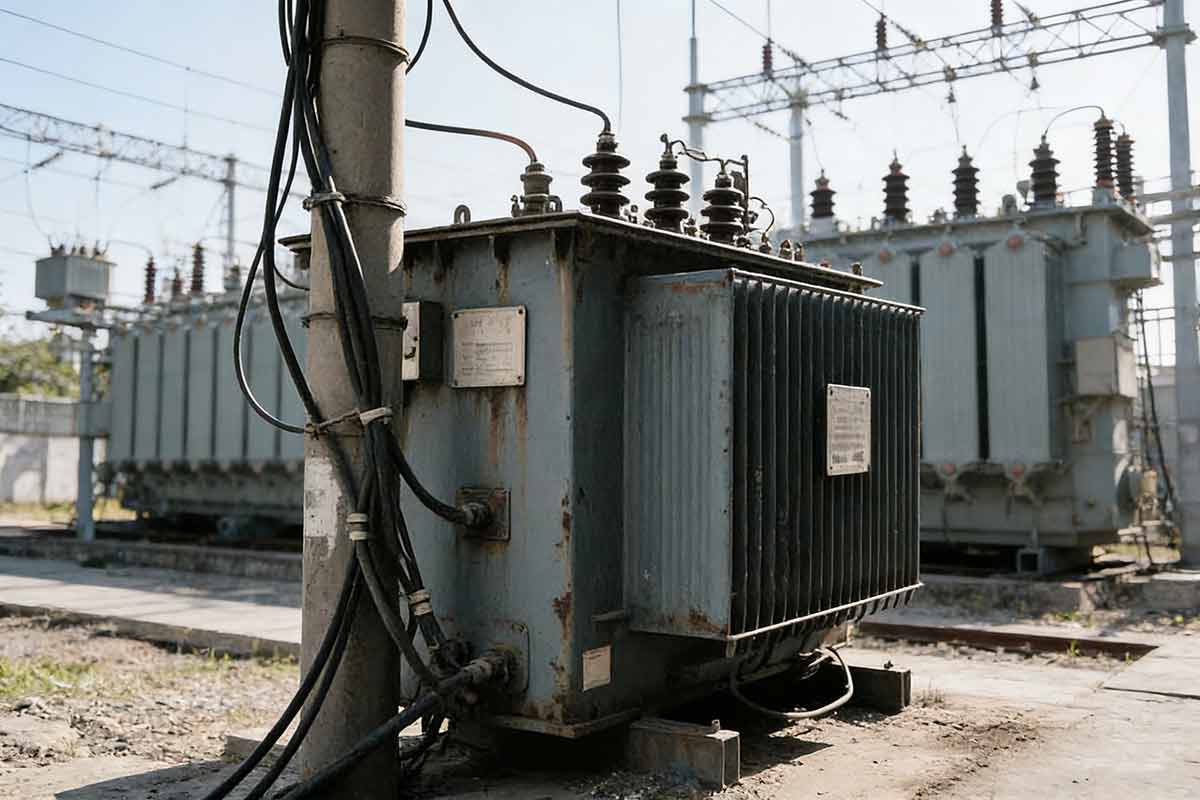
Discharges or tracking indicate reduced insulation performance, which can lead to flashovers or failure.
Bushing Condition Assessment
| Inspection Item | Acceptable Condition | Unacceptable Condition |
|---|---|---|
| Physical appearance | Clean, intact, no cracks | Broken, chipped, deeply stained |
| Oil level | Visually normal | Abnormally high or low |
| Surface condition | Dry, no contamination | Greasy, dirty, carbon traces |
| Electrical signs | No corona or discharge | Visible arcing, burning marks |
Daily inspection of transformer bushings helps avoid catastrophic bushing failure.
Transformer Operating Sound Analysis
The acoustic signature of a transformer reveals its mechanical and electromagnetic condition.
Normal and Abnormal Sounds
A healthy transformer produces a steady, uniform hum caused by core magnetostriction.
During daily inspection of transformer, listen for:
- Consistent, regular humming
- Absence of rattling, buzzing, or metallic noises
- No sudden changes in volume or tone
Deviations may indicate:
- Loose core or clamping structures
- Loose connections or windings
- Load imbalance
- Internal electrical discharges
- Magnetostriction abnormalities
Any unusual sound requires immediate attention and further diagnosis.
Radiator and Cooling System Inspection
Cooling systems dissipate heat generated during operation. Malfunctions lead to overheating and accelerated aging.
Radiator Surface Temperature
During daily inspection of transformer:
- All radiator sections should show similar temperature
- No abnormally hot or cold segments
- Cooling fans, pumps, and motors operate smoothly
- No unusual vibration or noise from cooling components
Proper airflow and heat exchange are essential for maintaining rated capacity.
Cooling System Performance Checklist
- Fans and pumps start and stop correctly with temperature
- Motors run without noise or excessive heat
- Radiator surfaces remain clean and unobstructed
- Piping and valves show no leaks or blockages
- Oil circulation operates without interruption
Daily inspection of transformer cooling systems directly improves thermal stability.
Moisture Absorber Breather Inspection
The breather or moisture absorption device prevents moisture and dust from entering the tank.
Breather Condition Requirements
During daily inspection of transformer:
- Breather housing remains intact and properly installed
- Desiccant material appears dry and functional
- Color indicators show no excessive moisture saturation
- Oil seal cups (if equipped) maintain proper oil level
Wet or saturated desiccant loses effectiveness, allowing moisture to contaminate insulating oil.
Moisture Absorber Status Evaluation
| Condition | Status | Action |
|---|---|---|
| Desiccant dry, indicator normal | Good | Continue monitoring |
| Desiccant discolored or damp | Degraded | Replace desiccant |
| Damaged housing or loose fittings | Faulty | Repair or replace the breather |
| Oil seal level too low | Abnormal | Refill to the correct level |
Daily inspection of transformer breathers preserves oil quality and internal insulation.
Cable, Lead, and Busbar Connection Checks
Loose or overheating connections cause resistance, energy loss, overheating, and fire risk.
Joint Temperature and Appearance
During daily inspection of transformer:
- All lead joints, cables, and busbars show no overheating signs
- No discoloration, melting, or oxidation on terminals
- No unusual smell or burning marks
- Connections remain tight and secure
Hot joints are a common failure point and must be resolved quickly.
Connection Inspection Criteria
- Bolts and lugs are properly torqued
- No corrosion or thermal discoloration
- Insulation layers intact and undamaged
- Clearance and distance maintained
- No contact with foreign objects
Daily inspection of transformer connections ensures electrical stability.
Pressure Relief and Safety Device Checks
Safety devices protect the transformer from excessive internal pressure.
Device Integrity Verification
During daily inspection of transformer:
- Pressure relief devices remain intact and functional
- Safety vents show no damage or blockage
- Explosion-proof membranes or discs are undamaged
- No signs of previous actuation or oil discharge
A compromised safety device increases the risk of tank rupture or explosion.
Safety Device Inspection Summary
- No deformation or physical damage
- Seals and gaskets are in good condition
- No oil seepage around the device mounting
- Device not manually blocked or sealed shut
Daily inspection of transformer safety devices is vital for operational security.
Tap Changer Position and Indicator Inspection
Tap changers adjust voltage ratios according to system needs. Incorrect positioning affects voltage quality.
Tap Position Verification
During daily inspection of transformer:
- Tap changer position matches operational requirements
- Voltage and status indicators function normally
- No abnormal display or error signals
- The mechanism shows no signs of malfunction
Incorrect tap settings lead to voltage instability and inefficiency.
Tap Changer Monitoring Points
- Tap position indicator is accurate
- Power supply to the tap control is stable
- No unusual noise during operation
- External components are clean and dry
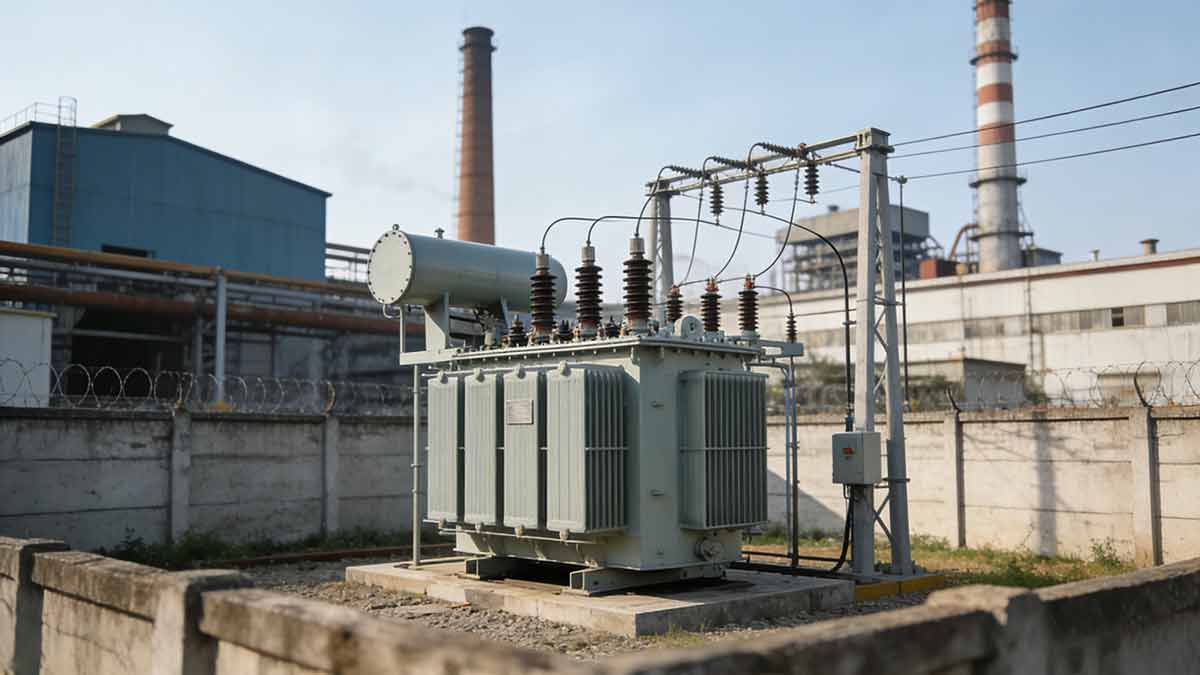
Daily inspection of transformer tap changers supports stable voltage output.
Gas Relay Condition Inspection
Gas relays (Buchholz relays) detect internal faults by accumulating gas generated by discharges or thermal decomposition.
Gas Presence Check
During daily inspection of transformer:
- No accumulated gas inside the gas relay
- Viewing window is clear and transparent
- No oil leakage or abnormal oil level
- Device remains properly sealed
Gas accumulation indicates potential internal electrical or thermal faults.
Gas Relay Response Guide
| Condition | Implication | Recommended Action |
|---|---|---|
| No gas, oil level normal | Normal operation | Continue daily checks |
| Visible gas present | Potential internal fault | Isolate the transformer, conduct a test |
| Oil leakage | Seal damage | Inspect and repair seals |
Daily inspection of transformer gas relays enables early internal fault detection.
Control Box and Secondary Terminal Box Sealing
Moisture and dust damage control wiring, sensors, and auxiliary systems.
Enclosure Sealing Integrity
During daily inspection of the transformer:
- Control boxes and terminal boxes are tightly closed
- Gaskets and seals are in good condition
- No moisture, water droplets, or condensation inside
- Locks and latches functional
Moisture causes corrosion, short circuits, and signal interference.
Enclosure Condition Standards
- Covers fully secured
- Cable glands are sealed properly
- The interior is dry and clean
- No rust or mold growth
Daily inspection of transformer control enclosures preserves auxiliary system reliability.
Step-by-Step Workflow for Daily Inspection of Transformer
A structured workflow improves consistency and completeness during the daily inspection of the transformer.
- Prepare inspection checklist, tools, and recording sheets
- Visually inspect the overall transformer condition from a safe distance
- Check oil temperature, conservator level, and leakage points
- Examine bushings for physical damage, contamination, and discharge marks
- Listen for normal or abnormal operating sounds
- Check radiator temperatures and cooling equipment operation
- Inspect the moisture absorber breather and desiccant condition
- Verify cable, lead, and busbar joints for overheating
- Confirm pressure relief, safety vents, and explosion-proof devices are intact
- Check tap changer position and electrical indicators
- Inspect the gas relay for gas accumulation
- Ensure control boxes and terminal boxes are closed and dry
- Record all parameters, observations, and abnormalities
- Report defects and initiate corrective actions
Following this sequence ensures no critical step is missed.
How to Record and Analyze Data from Daily Inspection of Transformer
Documentation turns inspection into actionable intelligence.
Effective records include:
- Date, time, and environmental conditions
- Oil temperature and ambient temperature
- Oil levels and visual conditions
- Cooling system operating status
- Any unusual sounds or vibrations
- Joint temperatures or thermal observations
- Breather and safety device status
- Abnormalities and actions taken
Over time, this data supports:
- Trend analysis
- Predictive maintenance
- Failure pattern recognition
- Performance optimization
- Compliance auditing
Accurate records enhance the long-term value of daily inspection of transformer.
Common Mistakes to Avoid During Daily Inspection of Transformer
Even experienced teams can make errors that reduce inspection effectiveness.
- Rushing checks without careful observation
- Ignoring minor oil leaks or temperature changes
- Missing unusual sounds or slight discoloration
- Failing to record data consistently
- Neglecting safety protocols
- Delaying action on identified defects
- Incomplete checklists or skipped steps
Awareness of these mistakes improves the quality and reliability of the daily inspection of transformer.
Benefits of Consistent Daily Inspection of Transformer
Maintaining a strict daily inspection routine delivers measurable advantages:
- Higher transformer reliability and availability
- Fewer unexpected failures and outages
- Longer service life and improved return on investment
- Lower risk of fire, explosion, or environmental incidents
- Reduced maintenance and repair costs
- Improved system voltage stability and power quality
- Stronger compliance with safety and industry regulations
- Better planning for maintenance and replacement
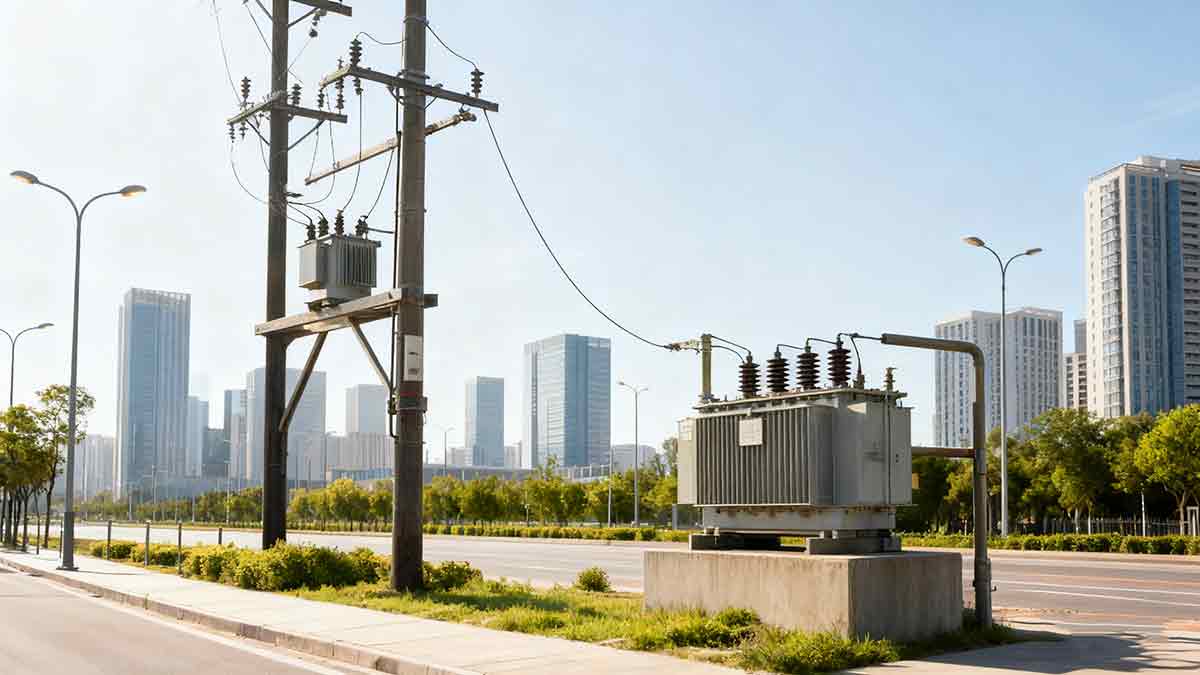
Daily inspection of transformer is a low-cost, high-impact practice for any electrical system.
Conclusion
Daily inspection of transformer is an essential maintenance practice that directly impacts safety, reliability, efficiency, and longevity. By systematically monitoring oil conditions, bushings, sound, cooling systems, breathers, connections, safety devices, tap changers, gas relays, and enclosures, operators can detect faults early, prevent failures, and maintain stable performance.
A well-implemented daily inspection program reduces risks, lowers operational costs, extends transformer life, and ensures a continuous power supply. Whether for small distribution transformers or large power units, consistent daily checks deliver significant value for facilities, grids, and businesses worldwide.
By following industry best practices, using structured checklists, maintaining accurate records, and acting promptly on abnormalities, teams can maximize the performance and safety of their transformers through effective daily inspection.