
What’s the purpose of silicon steel sheet in a transformer? For anyone working with or relying on transformers—from utility professionals to industry operators—this question is critical to understanding how these essential devices work. Silicon steel sheets, also known as electrical steel, are the unsung heroes of transformer design, playing a vital role in ensuring transformers operate efficiently, safely, and with minimal energy waste.
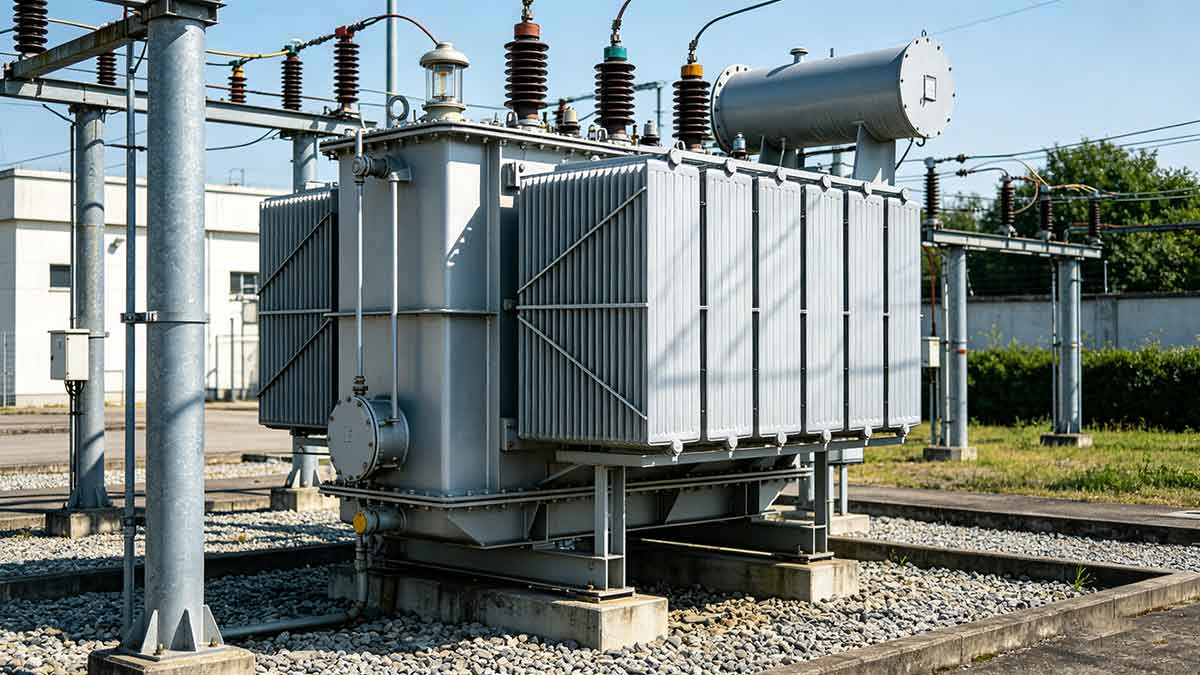
Unlike ordinary steel, silicon steel is engineered with specific properties that make it ideal for transformer cores, addressing the unique challenges of converting and distributing electrical power. In this guide, we’ll break down the core purposes of silicon steel sheets in transformers, debunk common myths, share real-world examples, and explain why this material is irreplaceable for modern transformer performance.
⚙️ Core Purpose of Silicon Steel Sheet in a Transformer
At its heart, the purpose of silicon steel sheet in a transformer is to create an efficient magnetic path that minimizes energy loss while maximizing the transfer of electrical energy. Transformers work on the principle of electromagnetic induction, where alternating current (AC) in one coil (primary winding) creates a magnetic field that induces current in a second coil (secondary winding).
The silicon steel sheet core is responsible for guiding this magnetic field—without it, most of the magnetic energy would be lost as heat, making transformers inefficient and impractical. Below are the three key purposes that make silicon steel sheets indispensable:
🔹 Minimize Energy Loss (Iron Loss) in Transformers
One of the biggest challenges in transformer design is reducing “iron loss”—the energy wasted as heat when the magnetic field alternates in the core. Iron loss has two main components: hysteresis loss and eddy current loss. Silicon steel sheets are specifically engineered to tackle both, making them far more efficient than ordinary steel:
- Hysteresis loss: This occurs when the magnetic field in the core reverses direction (as it does with AC power). Silicon steel has a narrow “hysteresis loop,” meaning it requires less energy to magnetize and demagnetize, significantly reducing this type of loss. Ordinary steel has a much wider loop, leading to more energy waste and overheating.
- Eddy current loss: Alternating magnetic fields create small, circular electric currents (eddies) in the core, which generate heat. Silicon steel sheets are thin (typically 0.18mm to 0.35mm thick) and coated with an insulating layer, which breaks up these eddy currents and limits their flow. This design cuts eddy current loss by up to 70% compared to solid steel cores.
Table: Energy Loss Comparison (Silicon Steel vs. Ordinary Steel Cores)
Core Material | Hysteresis Loss (W/kg) | Eddy Current Loss (W/kg) | Total Iron Loss (W/kg) |
|---|---|---|---|
Silicon Steel Sheet (0.35mm) | 0.8–1.2 | 0.3–0.5 | 1.1–1.7 |
Ordinary Steel (Solid) | 2.5–3.0 | 4.0–5.0 | 6.5–8.0 |
Common Question: Why not use solid silicon steel instead of thin sheets? Solid silicon steel would still have large eddy currents, as there’s no insulation to break their flow. The thin, insulated sheets are the key to minimizing this loss and keeping transformers cool and efficient.
🔹 Enhance Magnetic Permeability for Efficient Energy Transfer
Magnetic permeability refers to a material’s ability to conduct magnetic flux. For transformers, high permeability is essential— it allows the magnetic field from the primary winding to pass efficiently to the secondary winding, ensuring maximum energy transfer. Silicon steel sheets have much higher magnetic permeability than ordinary steel, thanks to the addition of silicon (typically 0.8% to 4.8% by weight):
- Silicon modifies the crystal structure of steel, making it easier for magnetic fields to pass through. This means less energy is needed to create a strong magnetic field, reducing overall power consumption.
- High permeability allows transformer cores to be smaller and lighter. A smaller core requires less copper for windings, reducing both the size and cost of the transformer while maintaining performance.
Case Study: A utility company in the U.S. upgraded its distribution transformers from ordinary steel cores to silicon steel sheet cores. The result? A 28% reduction in iron loss and a 15% smaller core size, allowing the transformers to fit in tighter spaces while cutting energy waste by hundreds of dollars per unit annually.
🔹 Ensure Thermal Stability and Long Transformer Lifespan
Transformers operate for decades, often in harsh environments—from hot industrial facilities to cold outdoor utility poles. Silicon steel sheets are designed to withstand these conditions, ensuring long-term reliability:
- Low heat generation: By minimizing iron loss, silicon steel sheets keep transformer cores cool, reducing wear and tear on other components (like windings and insulation). Overheating is one of the leading causes of transformer failure, so this thermal stability is critical.
- Corrosion resistance: Silicon steel is more resistant to rust and corrosion than ordinary steel, especially when coated with insulating layers. This protects the core from moisture and environmental damage, extending the transformer’s service life to 25–40 years.
- Mechanical durability: The thin sheets are stacked and secured tightly, creating a rigid core that can withstand vibration and physical stress—common in industrial or outdoor settings.
📊 Types of Silicon Steel Sheets for Transformers (and Their Purposes)
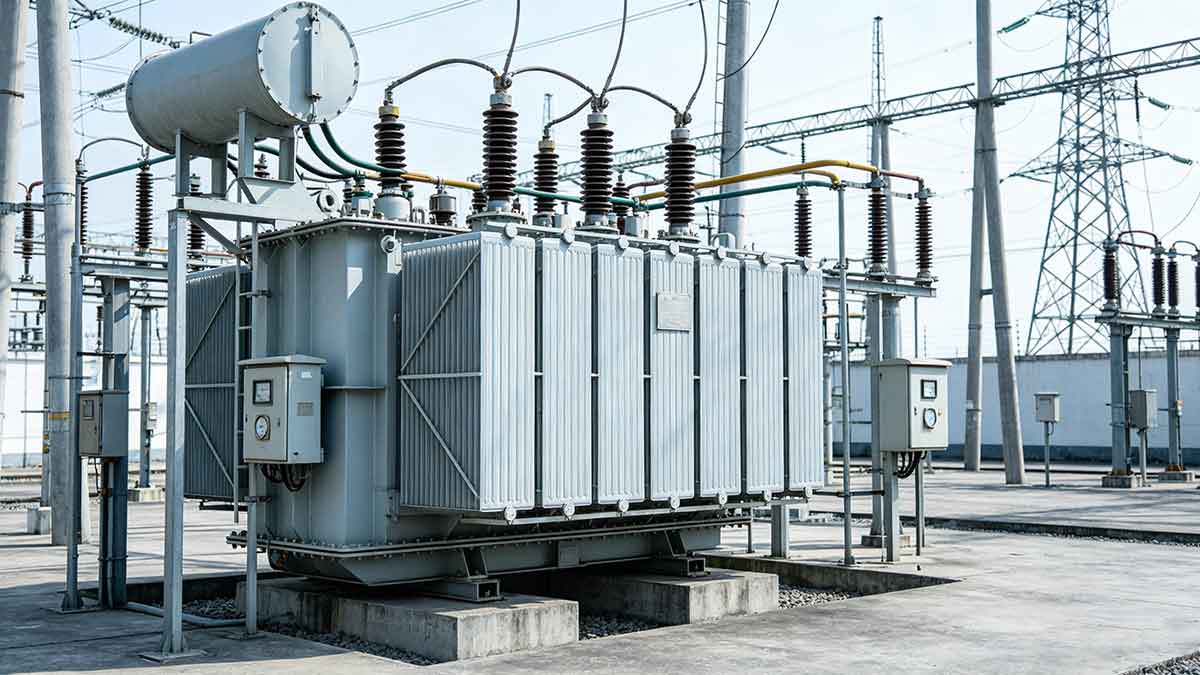
Not all silicon steel sheets are the same—different types are designed for specific transformer applications, each serving a unique purpose. Understanding these types helps utilities and operators choose the right material for their needs, ensuring optimal performance and cost-effectiveness. The two main categories are cold-rolled oriented (CRGO) and cold-rolled non-oriented (CRNGO) silicon steel sheets:
🔹 Cold-Rolled Oriented (CRGO) Silicon Steel Sheets
CRGO silicon steel sheets are the most common type used in power transformers (e.g., utility distribution transformers, power grid transformers). Their purpose is to deliver maximum efficiency in high-voltage, high-power applications:
- Grain orientation: The crystals in CRGO sheets are aligned in a single direction (along the rolling direction), which maximizes magnetic permeability and minimizes iron loss. This makes them ideal for transformers that operate at high voltages (11kV–33kV) and handle large power loads.
- Thickness: Typically 0.20mm–0.35mm thick, with thinner sheets (like 0.20mm) offering even lower loss. A recent 110kV “super grade 1” efficiency transformer used 0.20mm CRGO sheets, reducing no-load loss by 28% and breaking foreign technology monopolies.
- Applications: Utility distribution transformers, power transformers, and high-efficiency industrial transformers.
🔹 Cold-Rolled Non-Oriented (CRNGO) Silicon Steel Sheets
CRNGO silicon steel sheets have crystals aligned randomly, making them suitable for applications where magnetic fields change direction (e.g., small transformers, motor cores). Their purpose is to balance efficiency and cost for low-to-medium power needs:
- Uniform magnetic performance: Unlike CRGO, CRNGO sheets perform equally well in all directions, making them ideal for small transformers (e.g., 5kVA–100kVA) used in commercial buildings or small industrial equipment.
- Cost-effectiveness: CRNGO sheets are less expensive to produce than CRGO, making them a budget-friendly option for applications where maximum efficiency is not required.
- Applications: Small distribution transformers, control transformers, and motor cores.
Table: Comparison of CRGO and CRNGO Silicon Steel Sheets
Feature | CRGO Silicon Steel Sheets | CRNGO Silicon Steel Sheets |
|---|---|---|
Magnetic Orientation | Single direction (high permeability) | Random (uniform performance) |
Iron Loss | Low (0.6–1.2 W/kg) | Moderate (1.5–2.5 W/kg) |
Thickness | 0.20mm–0.35mm | 0.35mm–0.50mm |
Primary Purpose | High-efficiency, high-power transformers | Low-to-medium power transformers/motors |
Cost | Higher | Lower |
❓ Common Questions About Silicon Steel Sheets in Transformers (Answered)
Many people have questions about why silicon steel sheets are used in transformers and whether other materials can replace them. Below are the most frequently asked questions—answered in simple terms—to boost user understanding and address potential doubts:
🔹 Why do transformers use silicon steel sheets instead of regular steel?
Regular steel has high iron loss, low magnetic permeability, and poor thermal stability—making it inefficient for transformers. Silicon steel sheets solve these issues by adding silicon (which reduces iron loss and boosts permeability) and using a thin, insulated design (which minimizes eddy currents). Without silicon steel, transformers would waste too much energy, overheat easily, and have a short lifespan.
🔹 Can other materials replace silicon steel sheets in transformers?
While some materials (like amorphous steel) offer even lower iron loss, they are much more expensive and less durable than silicon steel. Amorphous steel is only used in specialized, high-efficiency transformers (e.g., solar power plants), while silicon steel remains the most cost-effective and reliable choice for most applications. Other materials (like copper or aluminum) are used for windings, not cores, because they conduct electricity—not magnetic flux—well.
🔹 How thick should silicon steel sheets be for a transformer?
The ideal thickness depends on the transformer’s power and application: High-power transformers (≥100kVA): 0.20mm–0.30mm CRGO sheets (thinner sheets reduce eddy current loss). Medium-power transformers (10kVA–100kVA): 0.30mm–0.35mm CRGO or CRNGO sheets.Small transformers (≤10kVA): 0.35mm–0.50mm CRNGO sheets (thicker sheets are more cost-effective). Thinner sheets aren’t always better—extremely thin sheets (≤0.18mm) are more expensive to produce and harder to handle, so manufacturers balance thickness, cost, and performance.
🔹 Do silicon steel sheets require maintenance?
Silicon steel sheets themselves require minimal maintenance, as they are protected by the transformer’s housing and insulation. However, the core (made of stacked sheets) can degrade over time if the transformer overheats or is exposed to moisture. Regular transformer maintenance (e.g., oil testing, temperature monitoring) helps protect the silicon steel core and ensure it operates efficiently for decades.
💡 Real-World Examples: How Silicon Steel Sheets Improve Transformer Performance
To illustrate the purpose and impact of silicon steel sheets in transformers, here are two real-world examples from utility and industrial settings. These cases highlight how choosing the right silicon steel sheet can reduce costs, improve reliability, and support sustainability goals:
🔹 Example 1: Utility Company Reduces Energy Waste with CRGO Silicon Steel
A large utility company in Europe serves over 1 million customers with a network of 11kV distribution transformers. The company was struggling with high energy bills and frequent transformer overheating due to outdated ordinary steel cores. They upgraded to transformers with 0.30mm CRGO silicon steel sheets, and the results were impressive:
- Iron loss reduced by 35%, cutting annual energy costs by €2.4 million across the network.
- Transformer lifespan extended by 10 years (from 20 to 30 years), reducing replacement costs by 33%.
- Overheating incidents dropped by 70%, minimizing unplanned downtime and improving customer satisfaction.
🔹 Example 2: Industrial Facility Boosts Efficiency with Custom Silicon Steel Sheets
A manufacturing plant in Asia uses 50kVA control transformers to power its production line. The plant was experiencing high energy consumption and frequent transformer failures due to poor core material. They switched to custom CRNGO silicon steel sheets (0.35mm thick) tailored to their specific load demands:
- Energy consumption for transformers reduced by 22%, saving the plant $180,000 annually.
- Transformer failure rate dropped by 80%, reducing production downtime and maintenance costs.
- The custom sheets fit the plant’s existing transformer enclosures, eliminating the need for expensive infrastructure upgrades.
📋 How to Choose the Right Silicon Steel Sheet for Your Transformer
Choosing the right silicon steel sheet is key to maximizing transformer efficiency and lifespan. Here are the key factors to consider, based on your application and goals:
🔹 Step 1: Determine Transformer Power and Voltage
- High-power (≥100kVA) or high-voltage (≥11kV) transformers: Choose CRGO silicon steel sheets (0.20mm–0.30mm) for maximum efficiency.
- Low-to-medium power (≤100kVA) or low-voltage (≤1kV) transformers: Choose CRNGO silicon steel sheets (0.35mm–0.50mm) for cost-effectiveness.
🔹 Step 2: Consider Energy Efficiency Goals
- If reducing energy waste is a top priority (e.g., utility grids, green buildings), opt for thinner CRGO sheets (0.20mm–0.23mm) with low iron loss (≤0.8 W/kg).
- If cost is more important than maximum efficiency (e.g., small commercial transformers), CRNGO sheets offer a balance of performance and affordability.
🔹 Step 3: Evaluate Operating Environment
- Outdoor or harsh environments (e.g., coastal areas, industrial zones): Choose silicon steel sheets with corrosion-resistant coatings to protect against moisture and pollution.
- Indoor, controlled environments (e.g., office buildings, labs): Standard CRGO or CRNGO sheets are sufficient.
🔹 Step 4: Balance Cost and Performance
While CRGO sheets offer better efficiency, they are more expensive than CRNGO. Calculate the long-term savings from reduced energy loss to determine if the higher upfront cost is worth it. For most utilities and large industrial facilities, CRGO sheets pay for themselves within 2–3 years through energy savings.
✅ Conclusion: The Indispensable Purpose of Silicon Steel Sheet in Transformers
What’s the purpose of silicon steel sheet in a transformer? It’s simple: to create an efficient, durable magnetic core that minimizes energy loss, maximizes energy transfer, and ensures long-term reliability. Silicon steel sheets solve the key challenges of transformer design—reducing iron loss, boosting magnetic permeability, and providing thermal stability—making them the foundation of modern transformers. Whether you’re a utility company looking to cut energy costs, an industrial operator needing reliable power, or a professional optimizing transformer performance, understanding the purpose of silicon steel sheets is critical to making informed decisions.
From CRGO sheets for high-efficiency power transformers to CRNGO sheets for small, cost-effective units, the right silicon steel sheet can transform your transformer’s performance—reducing energy waste, extending lifespan, and lowering maintenance costs. If you’re looking to upgrade your transformers or need help choosing the right silicon steel sheet for your application, our team of transformer experts is here to help. We offer tailored solutions that align with your efficiency goals, budget, and operating needs, ensuring your transformers perform at their best for decades to come.