
What situations do dry power transformers need to be powered off?
Dry-type transformers are integral to a wide range of critical infrastructure and industrial settings, including commercial high-rises, precision manufacturing facilities (such as CNC machining centers), international airports, coastal seaports, and indoor lighting systems. Unlike oil-immersed transformers, these units operate with iron cores and windings that are not submerged in insulating oil—instead, they leverage air circulation or solid insulation materials (e.g., epoxy resin) to achieve thermal management and electrical isolation. This design makes them ideal for indoor, low-risk, or environmentally sensitive locations where oil leakage would pose hazards.
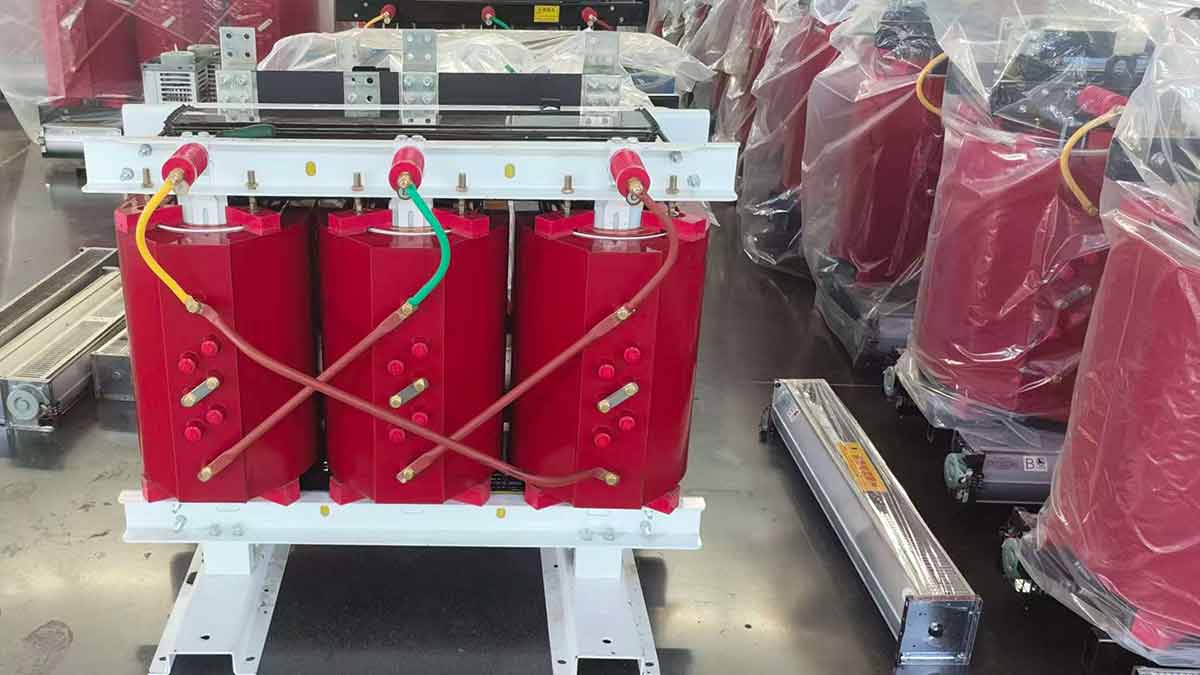
While dry-type transformers are known for their reliability and safety, certain abnormal conditions demand immediate power shutdown to prevent catastrophic failure, personnel injury, or property damage. Below are the critical scenarios that require urgent action, along with context to explain the risks and recommended next steps.
Fire or Combustion Signs
If a dry-type transformer ignites, emits thick smoke, or shows visible flames, immediate shutdown is non-negotiable. The solid insulation materials used in these transformers (such as epoxy) can become flammable when overheated, and fires can spread rapidly to surrounding equipment or structures. Delayed action increases the risk of electrical arcing, toxic fume release, or structural damage. After the shutdown, coordinate with certified firefighters to extinguish the blaze and ensure the area is safe before any inspection.
Severe Enclosure Damage with Electrical Discharge
When the transformer’s protective casing—especially the waterproof and insulating components—sustains significant damage (e.g., cracks, punctures, or detachment) and is accompanied by arcing, sparking, or audible electrical buzzing, power must be cut off immediately. Damaged insulation compromises the unit’s ability to prevent short circuits or electric shock, putting maintenance teams and nearby personnel at risk. Following shutdown, only qualified electrical technicians should inspect the enclosure, insulation integrity, and internal components to determine if repairs are feasible or replacement is necessary.
Abnormal Smoke Emission from Critical Components
Though dry-type transformers do not use oil-filled reservoirs (like oil pillows) or oil pumps, any smoke emanating from windings, terminal connections, or insulation materials indicates severe internal issues. Smoke typically signals overheating, insulation breakdown, or loose electrical connections—all of which can escalate to short circuits or fires. Even faint smoke or a burning odor (e.g., charred plastic or resin) requires immediate shutdown. Do not attempt to restart the transformer until a comprehensive diagnostic check confirms no hidden damage.
Insulation Degradation or Contamination
Signs of internal insulation failure, such as discolored solid insulation (yellowing or blackening), carbon deposits on windings or contact points, or an unusual acrid odor, mandate urgent shutdown. Carbon buildup and insulation discoloration are often caused by prolonged overheating, voltage surges, or manufacturing defects, and they significantly increase the risk of short circuits or transformer burnout. These issues cannot be resolved with temporary fixes—professional testing (e.g., insulation resistance tests, partial discharge analysis) is required to assess the extent of damage.
Excessive Noise or Mechanical Failure
Dry-type transformers normally produce low, steady humming, but loud, irregular noises (e.g., banging, crackling, or screeching) or signs of mechanical distress (such as vibration, component displacement, or near-explosive sounds) indicate critical internal problems. These noises may stem from loose core laminations, damaged windings, or bearing failure in cooling fans. Continuing operation under such conditions can lead to complete transformer breakdown, potentially causing power outages or safety hazards. Immediate shutdown prevents further mechanical damage and reduces the risk of debris ejection.
Unusual Overheating Under Normal Operating Conditions
If a dry-type transformer’s temperature rises abnormally and increases continually (e.g., exceeding the manufacturer’s rated temperature limits) despite operating within its load capacity and having fully functional cooling systems (natural convection or forced-air fans), power must be disconnected immediately. Overheating is often a symptom of blocked cooling vents, faulty temperature sensors, internal short circuits, or inadequate ventilation. Prolonged overheating accelerates insulation aging, reduces the transformer’s lifespan, and can trigger irreversible damage. Post-shutdown, inspect cooling systems, clean vents, and conduct thermal imaging tests to identify the root cause.
Conclusion
Promptly recognizing and responding to these critical scenarios is essential for maintaining the safety, reliability, and longevity of dry-type transformers. Ignoring these warning signs can lead to costly equipment replacement, unplanned downtime, and, most importantly, risks to human life. After any emergency shutdown, always engage qualified electrical engineers or technicians to perform thorough inspections, repairs, or replacements in compliance with industry standards (e.g., IEC 60076-11, ANSI/IEEE C57.12.01). By prioritizing proactive monitoring and immediate action, facility managers and maintenance teams can ensure dry-type transformers operate safely and efficiently in their intended applications.