
Without a properly designed earthing transformer, electrical systems face higher risks of insulation failure, unplanned downtime, arc flash hazards, and safety incidents.
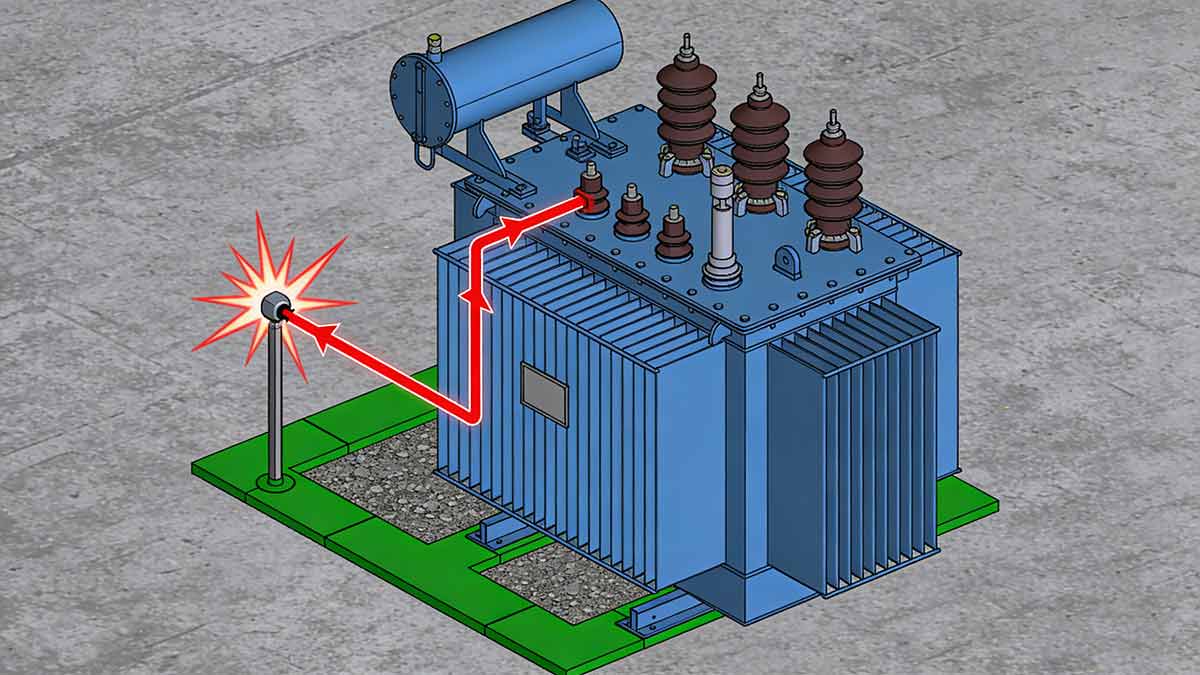
Key Definitions and Basics of Earthing Transformers
Earthing transformers (also called grounding transformers or neutral couplers) are not designed to transfer active power like standard distribution transformers. Their main role is to provide a reference neutral point for earthing in three‑phase systems.
- Earthing transformer: A three‑phase unit that forms an artificial neutral for earthing
- Grounding transformer: An alternative term widely used in North America
- Neutral grounding transformer (NGT): Focuses on neutral point creation and earthing
- Zigzag earthing transformer: Most common winding configuration for low zero‑sequence impedance
During normal operation, an earthing transformer carries only minimal magnetizing current. During a ground fault, it safely conducts high fault current for a short period until protection devices clear the fault.
How Does an Earthing Transformer Work?
The operating principle of an earthing transformer relies on winding layout and magnetic flux behavior.
- Under balanced three‑phase conditions, flux components cancel each other
- High impedance to positive‑ and negative‑sequence currents
- Very low impedance to zero‑sequence currents during ground faults
- Fault current flows through the neutral to ground, enabling detection and isolation
This unique response makes earthing transformers highly effective for grounding and protection.
Zigzag Winding Principle
The zigzag (ZN) connection is the most widely used design for earthing transformers.
- Each phase winding is split into two equal sections
- Sections wound on separate limbs to create a neutral point
- Balanced flux under normal operation
- Low impedance path for zero‑sequence fault current
This structure ensures stable voltage and reliable fault handling.
Wye‑Delta Configuration
Some earthing transformers use a wye‑delta design.
- Wye primary provides the neutral point for grounding
- Delta secondary suppresses third harmonics and stabilizes voltage
- Suitable for specific system voltage and fault level requirements
Both zigzag and wye‑delta designs serve the same core purpose: safe, effective system grounding.
Core Purposes and Functions of an Earthing Transformer
The primary purpose of an earthing transformer is to establish a secure neutral grounding point in systems without a natural neutral. Below are its essential functions.
1. Creates an Artificial Neutral Point
Many power systems use a delta connection, which has no inherent neutral.
- Solves the lack of neutrality in delta‑connected grids
- Allows neutral grounding via a resistor, reactor, or Petersen coil
- Enables phase‑to‑neutral loads and single‑phase equipment
- Essential for medium‑voltage distribution and industrial systems
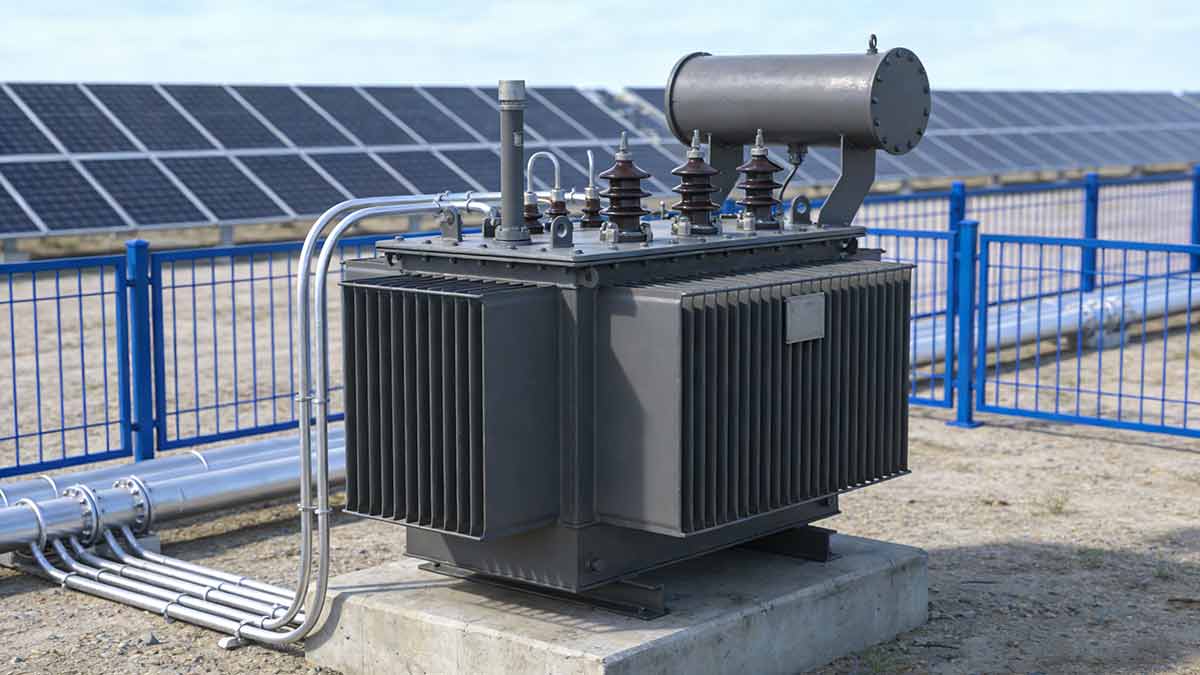
Without this neutral point, safe and stable system grounding is impossible.
2. Provides a Safe Path for Ground Fault Currents
Ground faults are the most common electrical disturbance. An earthing transformer provides a controlled discharge route.
- Low‑impedance route for zero‑sequence fault current
- Allows relays and breakers to detect and isolate faults quickly
- Prevents fault energy from damaging cables and equipment
- Reduces risk of electric shock and arc flash
This function directly protects personnel and capital assets.
3. Stabilizes System Voltage and Prevents Overvoltages
Ungrounded systems experience dangerous voltage shifts during faults.
- Restricts neutral displacement and overvoltage on healthy phases
- Limits transient overvoltages from restriking ground faults
- Maintains balanced phase‑to‑ground voltages
- Prevents insulation stress and premature failure
Voltage stabilization preserves long‑term system integrity.
4. Enables and Improves Protective Relay Performance
Protection systems need a measurable fault current to operate.
- Supplies sufficient current for earth fault relays
- Ensures selective, fast, and reliable tripping
- Reduces fault duration and equipment stress
- Supports compliance with safety and grid standards
Earthing transformers turn passive protection into active, reliable safety.
5. Protects Equipment and Extends Service Life
By controlling faults and voltage, earthing transformers reduce wear.
- Reduces thermal and mechanical stress during faults
- Minimizes insulation degradation and partial discharge
- Lowers maintenance costs and unplanned outages
- Extends the life of transformers, switchgear, motors, and drives
This protection delivers measurable financial and operational benefits.
6. Supports Single‑Phase Loads and Auxiliary Power
Many industrial and substation loads require phase‑to‑neutral voltage.
- Allows safe connection of single‑phase lighting, controls, and tools
- Can supply low‑voltage auxiliary power via a secondary winding
- Improves system flexibility and utilization
- Common in distribution, industrial, and infrastructure projects
This versatility adds value beyond basic grounding.
7. Reduces Harmonics and Improves Power Quality
Ungrounded systems allow the circulation of zero‑sequence harmonics.
- Absorbs and dampens third‑harmonic currents
- Reduces waveform distortion and neutral heating
- Improves voltage quality for sensitive electronics
- Benefits of data centers, healthcare, and manufacturing
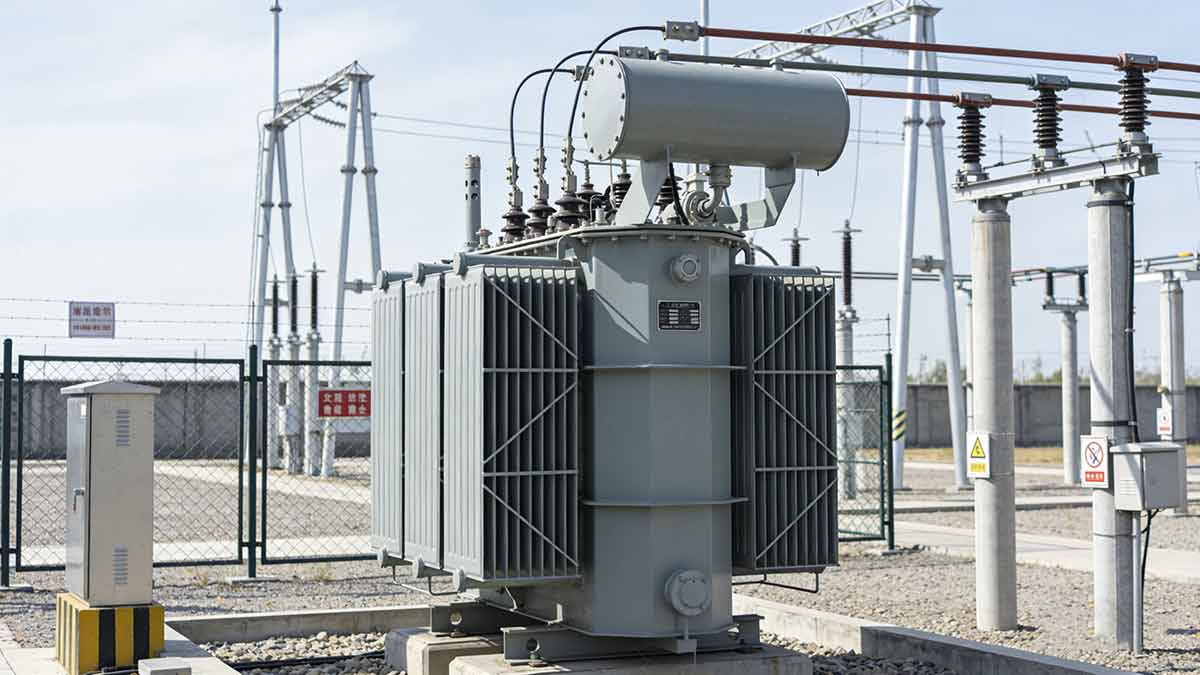
Better power quality means fewer disruptions and better efficiency.
Why Your System Needs an Earthing Transformer
Any system without a solid neutral point requires an earthing transformer for safe operation.
- Delta‑connected medium‑voltage distribution networks
- Industrial plants with heavy motors and variable frequency drives
- Renewable energy systems (solar, wind, energy storage)
- Data centers, hospitals, and critical infrastructure
- Oil and gas, mining, and heavy manufacturing facilities
- Railway and transportation electrification systems
Without earthing transformers, these systems face unacceptable risk.
Common Applications of Earthing Transformers
Earthing transformers are used across many sectors to ensure safety and reliability.
Utility Power Distribution
- 10kV, 20kV, 35kV distribution grids
- Creates neutral for cable networks and urban systems
- Works with Petersen coils or resistors to limit fault current
- Improves continuity of supply and reduces outages
Industrial Power Systems
- Manufacturing, processing, and heavy industry
- Protects motors, drives, pumps, and compressors
- Stabilizes voltage under unbalanced and nonlinear loads
- Reduces downtime and production losses
Renewable Energy Plants
- Solar PV and wind farms
- Stabilizes the grid connection and prevents neutral shift
- Supports inverter safety and compliance
- Ensures reliable integration with utility grids
Data Centers and Critical Facilities
- Requires ultra‑high availability
- Prevents voltage spikes that damage servers and storage
- Supports UPS and backup power systems
- Minimizes fire and safety risks
Transportation and Infrastructure
- Railway, metro, and airport electrification
- Provides robust grounding for dynamic loads
- Enhances safety for passengers and workers
- Ensures stable operation under variable conditions
Earthing Transformer vs. Standard Transformer: Key Differences
Many users confuse earthing transformers with conventional units. The table below clarifies the difference.
| Feature | Earthing Transformer | Standard Power Transformer |
|---|---|---|
| Main Purpose | Provides neutral grounding | Transfers power and changes voltage |
| Load Current | Minimal under normal operation | Carries full load current continuously |
| Winding Design | Zigzag or wye‑delta for neutral | Standard delta or wye for voltage ratio |
| Operating Role | Fault‑current handling and safety | Energy conversion and distribution |
| Impedance Behavior | Low zero‑sequence impedance | Matched for voltage regulation |
| Typical Duty | Intermittent fault current | Continuous full load |
This distinction helps engineers select the right equipment.
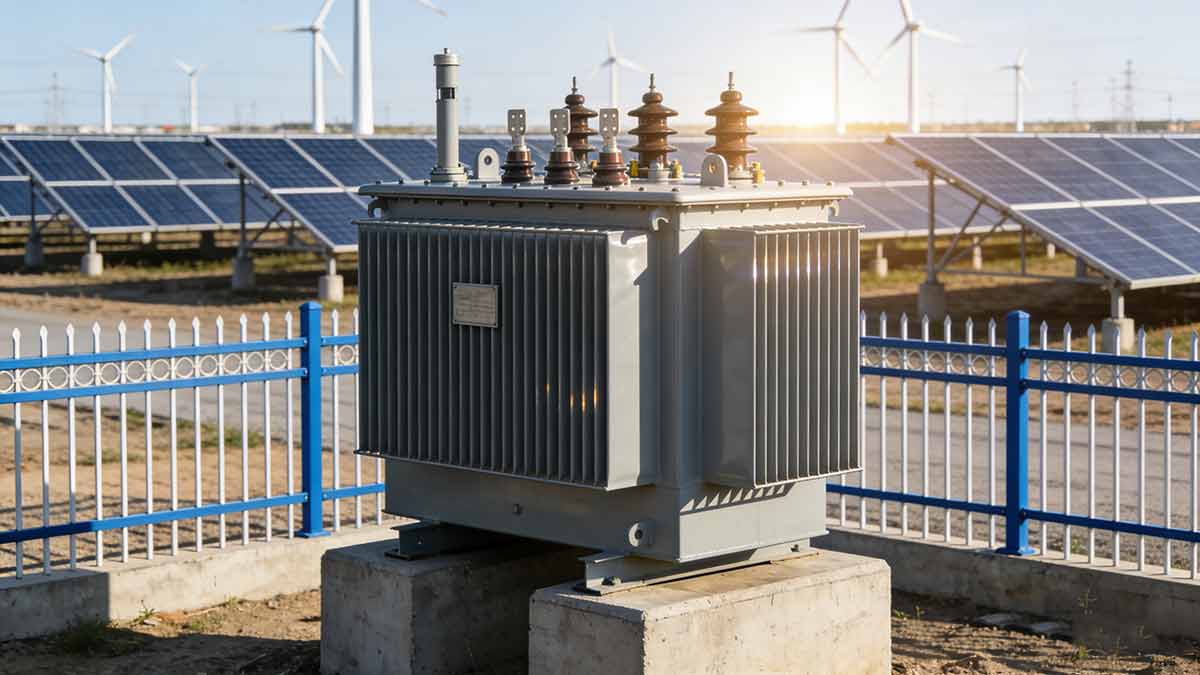
How to Select the Right Earthing Transformer
Choosing a suitable earthing transformer depends on system parameters.
- System voltage (10kV, 20kV, 35kV, 110kV, etc.)
- Required neutral earthing method (resistor, reactor, coil, solid)
- Maximum allowable ground fault current
- Duration of fault current (typically 5, 10, or 30 seconds)
- Winding configuration (zigzag or wye‑delta)
- Need for auxiliary low‑voltage winding
- Environmental conditions and cooling type
Consulting an experienced manufacturer ensures proper matching.
Safety and Reliability Benefits of Earthing Transformers
The right earthing transformer delivers clear safety and operational gains.
- Dramatically reduces electrical shock hazards
- Minimizes arc flash risk for workers
- Lowers fire risk from insulation failure
- Cuts unplanned downtime and repair costs
- Improves power quality and system efficiency
- Extends asset life and reduces the total cost of ownership
These benefits make earthing transformers a smart investment.
Real‑World Example: Earthing Transformer in a 35kV Industrial System
A large manufacturing plant operated a delta‑connected 35kV system without earthing.
- Frequent voltage fluctuations and equipment trips
- High risk of insulation failure and unplanned shutdowns
- After installing a zigzag earthing transformer with a neutral resistor:
- Voltage stabilized and balanced
- Faults detected and cleared within cycles
- Equipment stress reduced dramatically
- Annual downtime decreased by more than 60%
This example shows the real‑world impact of proper earthing.
Conclusion
The purpose of an earthing transformer is to provide a safe, stable neutral grounding point for power systems that lack a natural neutral. It delivers a reliable path for ground fault currents, stabilizes voltage, enables protective relaying, safeguards personnel and equipment, and boosts overall system reliability.
From utility grids to industrial plants, data centers to renewable energy farms, an earthing transformer is a critical component for safe, efficient, and compliant power distribution. Understanding its core functions helps engineers, operators, and decision‑makers design robust electrical systems.
If you are designing, upgrading, or maintaining a power system without a natural neutral point, selecting a high‑performance earthing transformer is one of the most important steps to ensure long‑term safety and reliability.