
Every day, grid operators, engineers, and utility managers rely on transformers to balance energy supply and demand. These units quietly perform voltage conversion, isolation, and regulation to keep lights on, factories running, and critical infrastructure operating. In this guide, we explain the full purpose, functions, benefits, and real‑world roles of transformers across the entire power grid.
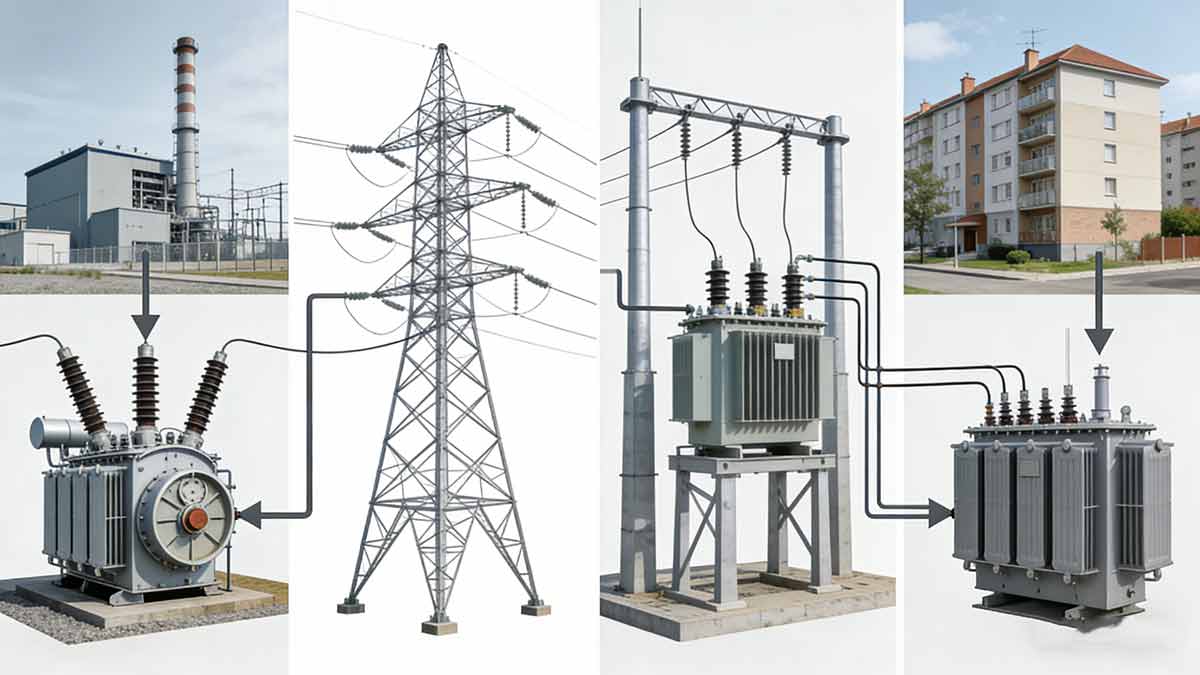
Core Purposes of a Transformer in the Electricity Grid
The primary purpose of a transformer in the electricity grid can be grouped into five non‑negotiable functions:
- Voltage transformation (step‑up and step‑down)
- Minimizing energy loss during transmission
- Electrical isolation and safety protection
- Voltage regulation and grid stability
- Enabling efficient power distribution
Each function works together to create a reliable, cost‑effective, and safe global electricity supply system.
Voltage Transformation: The Main Job of Grid Transformers
Voltage transformation is the most important purpose of a transformer in the electricity grid. This process includes two opposite but equally vital actions: step‑up and step‑down.
Step‑Up Transformers at Power Plants
Power plants generate electricity at relatively low voltages (typically 10kV to 25kV). Direct transmission at these levels would cause massive energy loss.
- Step‑up transformers increase voltage to 110kV, 220kV, 500kV, or higher
- Higher voltage reduces current in the transmission line
- Lower current drastically reduces resistive heating loss
- This makes cross‑country and cross‑border power transmission economical
Real‑world example: A wind farm or solar plant uses step‑up transformers to send renewable energy hundreds of miles to urban centers with minimal waste.
Step‑Down Transformers for Distribution
Once electricity reaches populated areas, high voltage is unsafe and unusable. Step‑down transformers reduce voltage in multiple stages:
- High voltage → medium voltage (substation level)
- Medium voltage → low voltage (local distribution)
- Low voltage → standard 208V, 220V, 380V, or 400V for homes, offices, and factories
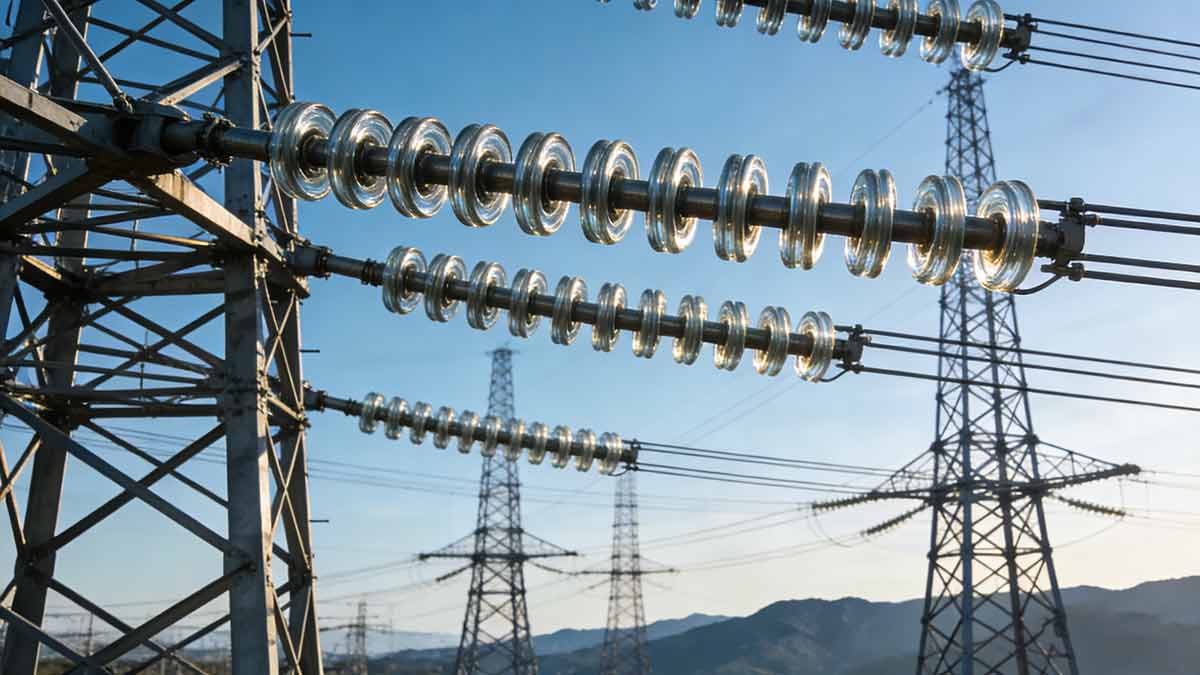
This staged voltage reduction is why the purpose of a transformer in the electricity grid directly supports daily life and industrial activity.
Why Voltage Transformation Matters
Without voltage transformation:
- Power plants could only supply local areas
- Transmission lines would need to be impossibly thick and expensive
- Energy loss would exceed 30–40% of the total generated power
- Electrical safety would be severely compromised
How Transformers Reduce Energy Loss in the Grid
A major secondary purpose of a transformer in the electricity grid is to improve efficiency and cut waste.
Basic Physics of Loss Reduction
Power loss in cables follows Joule’s Law: loss is proportional to the square of the current. By increasing voltage, transformers lower current and reduce loss exponentially.
Typical improvement:
- Low‑voltage transmission: loss rate ~5–10%
- High‑voltage transmission with transformers: loss rate ~0.5–2%
For grid operators, this difference means billions in savings and reduced carbon emissions.
Efficiency of Modern Transformers
Today’s grid transformers are designed for extremely high efficiency:
- Standard power transformers: 98–99.5% efficient
- Advanced amorphous metal transformers: up to 99.7% efficient
- Low no‑load loss for idle or light‑load conditions
High‑efficiency units directly support green energy goals and grid sustainability.
Electrical Isolation: Safety Purpose of Transformers
Safety is another key purpose of a transformer in the electricity grid. Transformers provide galvanic isolation between primary and secondary circuits.
Key isolation benefits:
- Prevents dangerous high voltage from reaching end‑user equipment
- Stops fault currents from spreading across grid sections
- Protects workers, devices, and buildings from electric shock
- Reduces damage from lightning surges and transient voltages
Isolation transformers are widely used in:
- Residential power supply
- Hospital and medical systems
- Data centers
- Industrial production lines
- Substation control systems
This safety layer makes transformers irreplaceable for grid reliability.
Voltage Regulation and Grid Stability
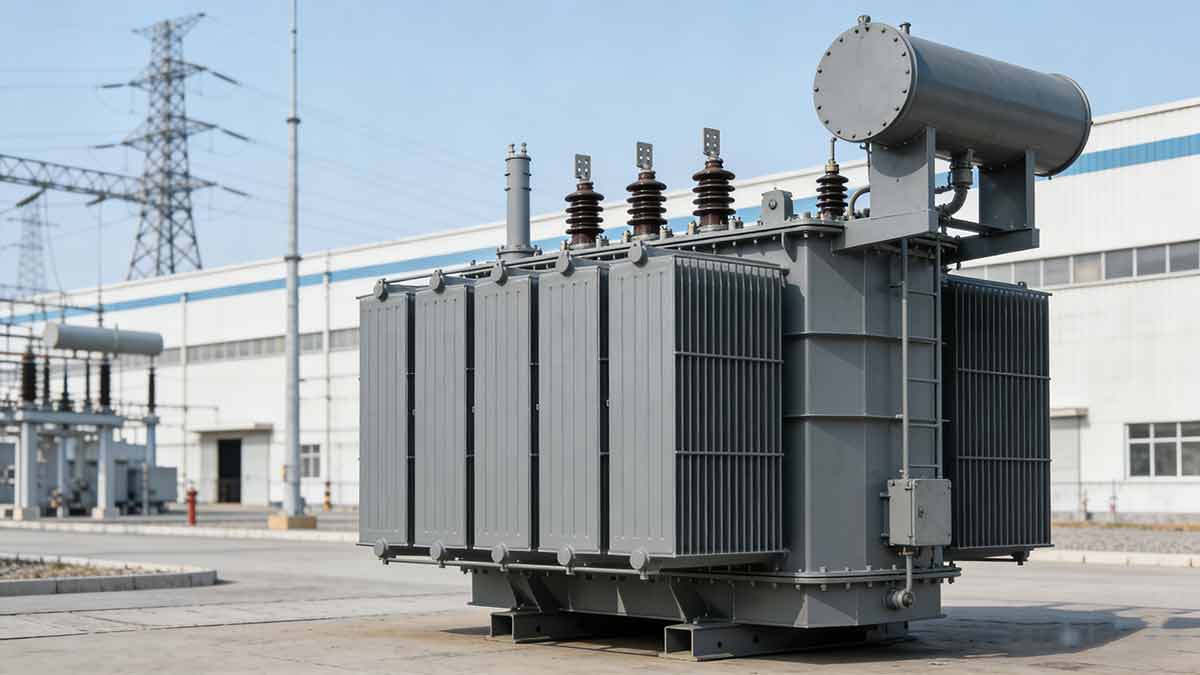
Voltage stability is essential for grid health. A key purpose of a transformer in the electricity grid is to regulate voltage under changing load conditions.
How Transformers Stabilize Voltage
- On‑load tap changers adjust the voltage ratio during operation
- Compensate for voltage drops during peak demand
- Maintain steady output even when input fluctuates
- Support frequency stability and power quality
Impact of Poor Voltage Regulation
Without proper transformer regulation:
- Lights flicker
- Motors overheat or fail
- Electronics suffer damage
- Production lines shut down
- Grid blackouts become more likely
Transformers act as the grid’s “voltage stabilizers” under all operating conditions.
Distribution Transformers: Local Power Delivery
Distribution transformers represent the final and most visible purpose of a transformer in the electricity grid. These units serve neighborhoods, commercial areas, and industrial zones.
Main distribution tasks:
- Step down medium voltage to usable low voltage
- Supply consistent power to homes and businesses
- Operate efficiently at partial load (most hours of the day)
- Withstand daily load cycles and surge events
Distribution transformers are the quiet workhorses visible on utility poles or in small ground enclosures.
Transformers in the Full Grid Cycle: From Generation to Usage
To fully understand the purpose of a transformer in the electricity grid, we map its role across the entire power system.
1. Power Generation Stage
- Generator output: low voltage
- Step‑up transformer: increases voltage for transmission
- Enables efficient long‑distance delivery
2. Transmission Stage
- High‑voltage long‑distance lines
- Large power transformers connect regional grids
- Maintain grid interconnection and balance
3. Substation Stage
- Step‑down transformers: high → medium voltage
- Voltage regulation and protection
- Fault isolation and system security
4. Distribution Stage
- Distribution transformers: medium → low voltage
- Local network supply
- Customer‑facing power delivery
5. End User Stage
- Isolation transformers for sensitive loads
- Safety and compatibility with devices
- Protection against surges and noise
At every step, transformers enable the grid to function as a unified, reliable system.
Types of Transformers and Their Grid Purposes
Different transformer designs serve specific roles in the grid. Below is a clear comparison.
| Transformer Type | Main Grid Purpose | Typical Location |
|---|---|---|
| Power Transformer | Step-up/step-down for transmission | Power plants, transmission substations |
| Distribution Transformer | Step down to user voltage | Poles, pad‑mounted, local substations |
| Isolation Transformer | Safety, noise reduction, protection | Industrial, commercial, medical |
| Regulating Transformer | Voltage stabilization | Grid nodes, load centers |
| Auto‑transformer | Cost‑efficient voltage matching | Grid interconnections |
This variety ensures that the purpose of a transformer in the electricity grid can be customized for every scenario.
Real‑World Benefits of Transformers in Modern Grids
Beyond technical functions, transformers deliver measurable value to utilities, businesses, and communities.
- Lower energy costs for consumers
- Reduced carbon footprint and higher efficiency
- Improved power quality and fewer outages
- Support for renewable energy integration (solar, wind, hydro)
- Ability to connect remote generation to demand centers
- Extended lifespan for electrical equipment
- Safer urban and industrial environments
As grids modernize, transformers remain foundational to smart grid development.
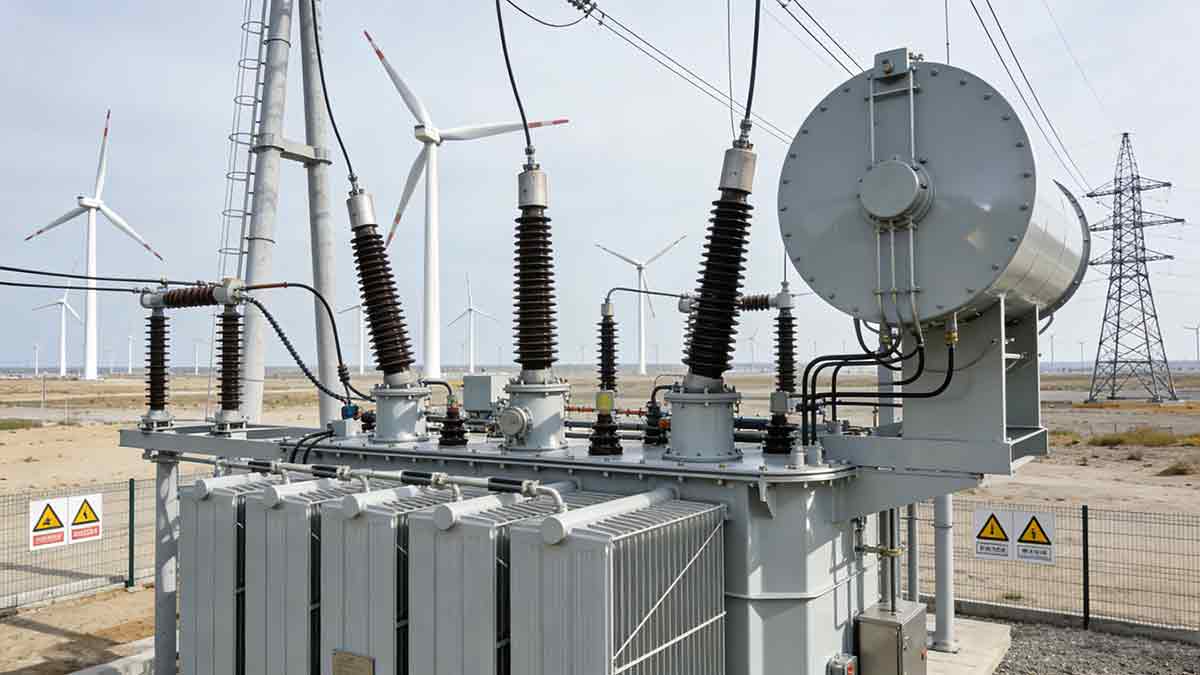
Why the Purpose of a Transformer in the Electricity Grid Matters for Future Grids
Renewable energy, microgrids, electric vehicles, and smart grids all depend on advanced transformers.
Future transformer roles:
- Support bidirectional power flow
- Integrate battery energy storage systems
- Handle variable renewable generation
- Improve grid resilience and self‑healing
- Reduce losses in decentralized energy systems
The purpose of a transformer in the electricity grid will continue evolving, but its core importance will only grow.
Frequently Asked Questions About Grid Transformers
What is the main purpose of a transformer in the electricity grid?
The main purpose is voltage transformation: step‑up for low‑loss transmission and step‑down for safe usage. It also provides isolation, regulation, and stability.
Can the grid work without transformers?
No. Without transformers, long‑distance transmission is impossible, energy loss is extreme, and power delivery is unsafe.
Do transformers consume electricity?
Transformers have small no‑load and load losses, but do not “consume” power as an active load. They transfer energy with very high efficiency.
How do transformers improve grid safety?
They provide electrical isolation, limit fault currents, prevent high voltage from reaching users, and protect equipment from surges.
What is the difference between power transformers and distribution transformers?
Power transformers handle high‑voltage transmission. Distribution transformers step down voltage for local use and operate efficiently at partial load.
Conclusion
The purpose of a transformer in the electricity grid is multi‑layered and essential. Transformers enable efficient voltage transformation, minimize energy loss, ensure electrical safety, stabilize voltage and grid performance, and support reliable power distribution across cities and continents.
From power plants to neighborhood poles, these units silently enable modern life, industry, and infrastructure. Understanding their role helps engineers, operators, and decision‑makers build stronger, more efficient, and more sustainable electrical grids.
Whether you are upgrading a substation, expanding a distribution network, or improving power quality, choosing the right transformer supports the core purpose of a transformer in the electricity grid: safe, efficient, and reliable energy for all.