
In industrial environments, transformers are the unsung backbone of daily operations—powering manufacturing lines, heavy machinery, processing equipment, and entire facility electrical systems. When an industrial transformer breaks down, the result is unplanned downtime, lost production revenue, expensive emergency repairs, and even workplace safety risks.
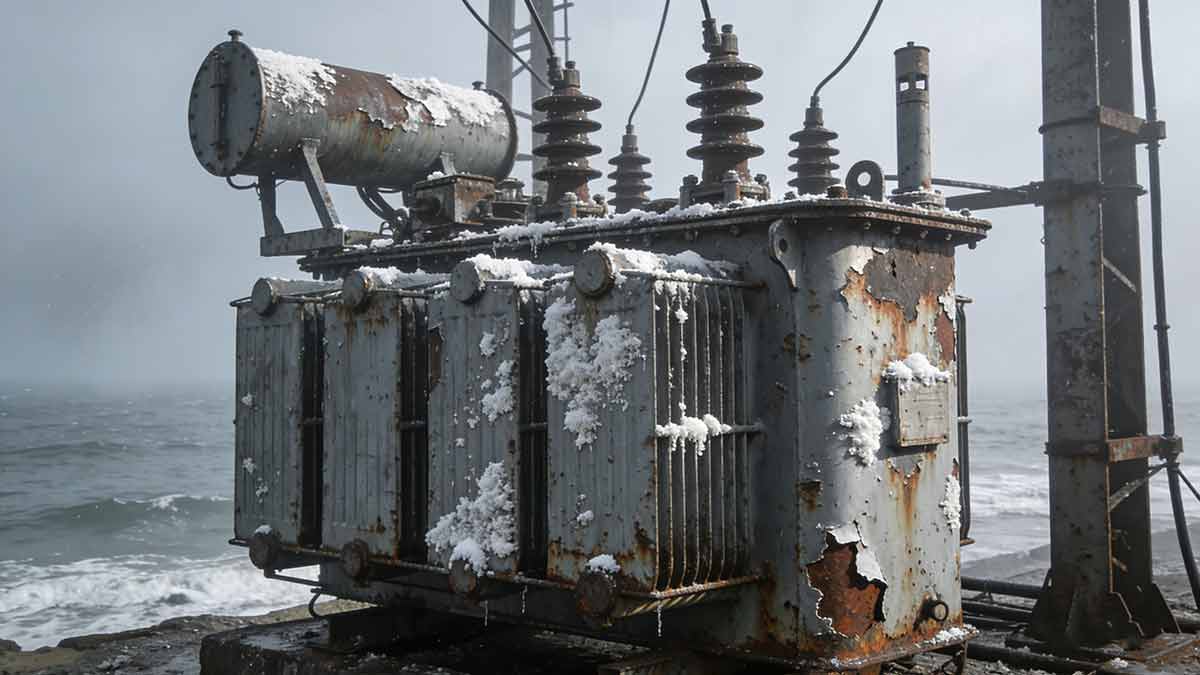
While many factors contribute to transformer failure, the main cause of transformer damage in industrial use is consistent, preventable, and often overlooked by teams focused on daily production. This article breaks down the primary culprit behind industrial transformer damage, secondary contributing factors, real-world industry case studies, and step-by-step strategies to protect your critical power equipment.
Identifying the Main Cause of Transformer Damage in Industrial Use
After analyzing thousands of industrial transformer failure reports, conducting field inspections with plant managers, and collaborating with electrical maintenance professionals, one clear trend emerges: uncontrolled and prolonged overloading is the undisputed main cause of transformer damage in industrial use. Unlike commercial or residential transformers, industrial units face extreme, fluctuating load demands that far exceed their rated capacity over extended periods—leading to gradual, irreversible damage that often ends in catastrophic failure.
Industrial transformers are engineered with a specific kVA rating, which defines the maximum safe load they can handle continuously. In manufacturing plants, mining operations, food processing facilities, and heavy industrial sites, teams frequently push transformers past this limit to meet production targets, accommodate new machinery, or compensate for undersized equipment. This chronic overloading triggers a chain reaction of damage that compromises every critical component of the transformer.
How Chronic Overloading Destroys Industrial Transformers
Overloading does not cause immediate failure in most cases; it creates slow, progressive damage that worsens over time. Below is the breakdown of how excess load damages industrial transformers:
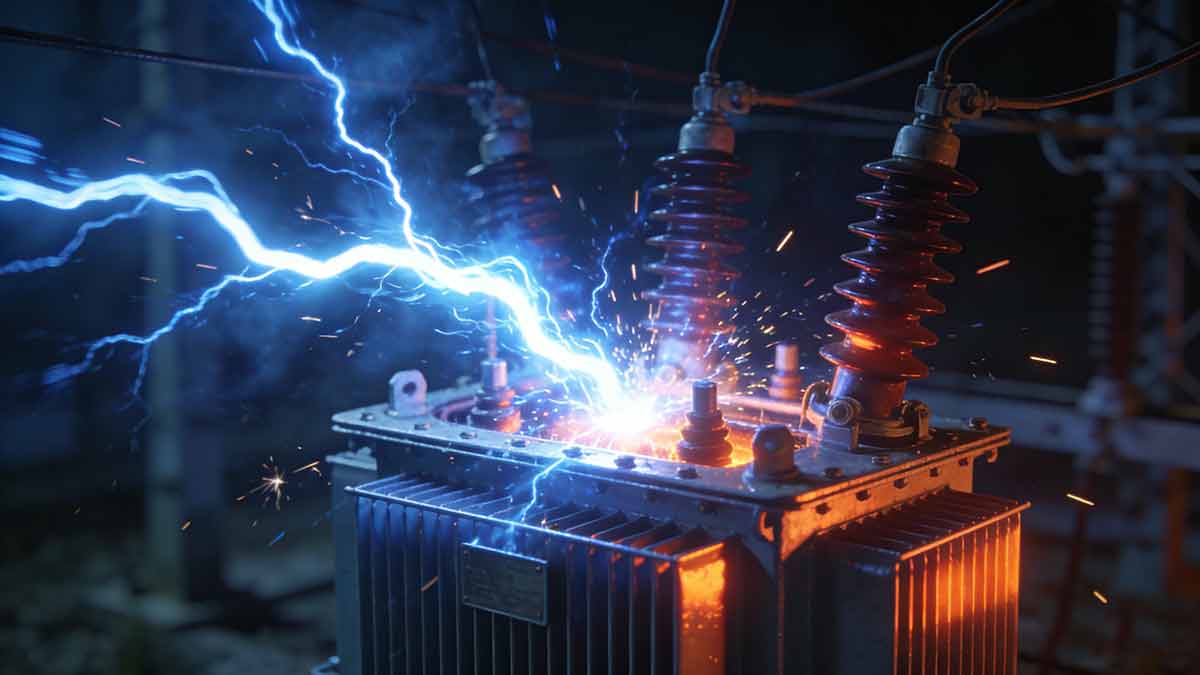
- Excessive Heat Buildup: Exceeding the rated kVA forces the transformer’s core and windings to work harder, generating intense heat that surpasses the cooling system’s capacity. For oil immersed transformers (the most common type in industry), this heat breaks down insulating oil, reducing its ability to protect windings.
- Insulation Degradation: The high heat from overloading burns and brittlefies the winding insulation material. Once insulation cracks or melts, windings short-circuit, causing permanent transformer damage.
- Core Saturation: Overloading disrupts the transformer’s magnetic field, leading to core saturation. This distorts electrical flow, increases vibration, and loosens internal components, amplifying noise and physical damage.
- Component Warping: Sustained high temperatures cause metal clamps, winding frames, and internal brackets to warp or loosen, creating rattling, poor electrical connections, and further heat pockets.
Why Industrial Sites Face Severe Overloading Risks
Overloading is rampant in industrial settings due to unique operational pressures that other sectors do not face. Key reasons include:
- Unplanned production expansions that add heavy machinery without upgrading transformers
- Fluctuating shift schedules and peak production runs that create sudden load spikes
- Use of outdated, undersized transformers to cut upfront costs
- Lack of real-time load monitoring to track capacity usage
- Prioritization of production uptime over equipment safety limits
Industry Data: 68% of industrial transformer failures reported by electrical service providers are directly linked to chronic overloading, making it the main cause of transformer damage in industrial use by a significant margin. The next closest cause accounts for just 12% of failures.
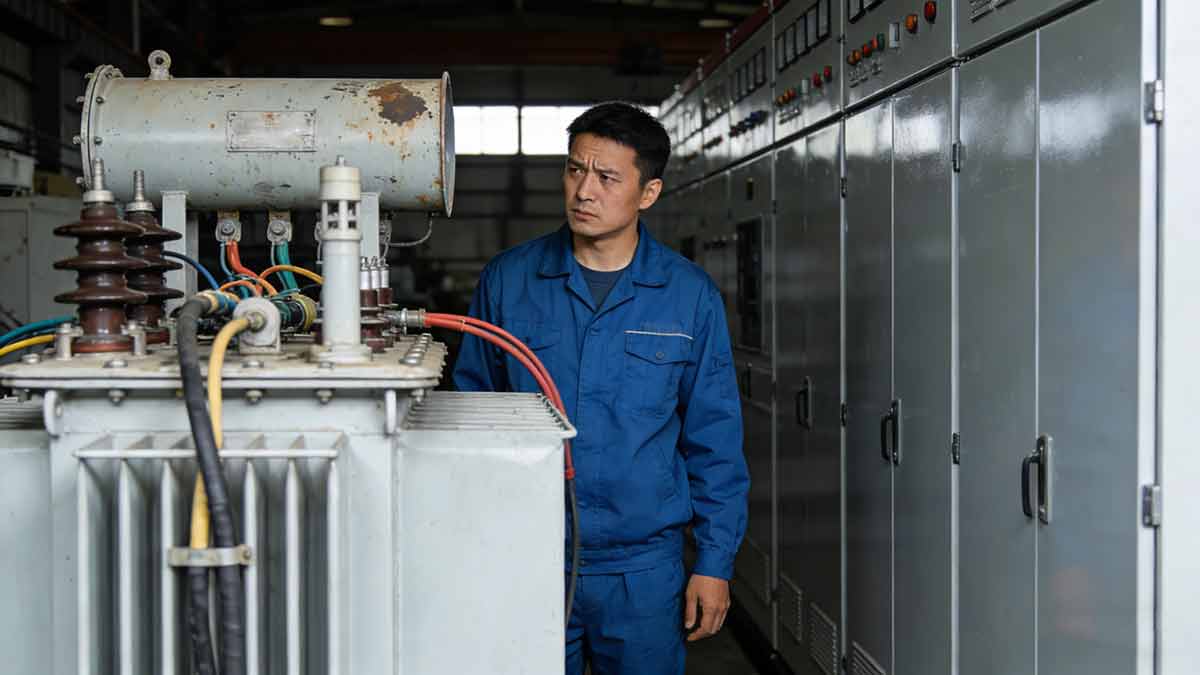
Secondary Causes That Worsen Industrial Transformer Damage
While overloading is the main cause of transformer damage in industrial use, several secondary factors exacerbate damage and accelerate failure. These issues often work in tandem with overloading, turning minor wear into catastrophic breakdowns. Understanding these triggers helps teams create a comprehensive protection plan.
Poor Preventive Maintenance Practices
Industrial facilities often neglect routine transformer maintenance amid tight production schedules, leaving small issues unaddressed until they escalate. Critical maintenance gaps include:
- Infrequent oil testing and replacement for oil immersed transformers, leading to contaminated, ineffective insulation
- Failure to tighten loose clamps, bolts, and bushings that loosen due to vibration and heat
- Skipping cooling system inspections (radiators, fans, pumps), reducing heat dissipation efficiency
- Lack of regular voltage and load testing to catch early signs of overloading
Harsh Environmental Conditions
Industrial sites are plagued by harsh elements that damage transformers, especially when combined with overloading. These conditions accelerate component wear and reduce operational efficiency:
- Excessive dust, debris, and metal shavings that clog cooling systems and insulate windings
- Extreme temperatures (extreme heat in foundries, freezing conditions in outdoor industrial yards)
- Moisture and chemical exposure (from cleaning agents, industrial fumes, or water leaks)
- High vibration from nearby heavy machinery that loosens internal parts
Voltage Instability and Power Surges
Industrial grids are prone to voltage fluctuations, power surges, and harmonic distortions that stress transformers. When paired with overloading, these electrical irregularities cause rapid insulation breakdown and winding damage:
- Voltage spikes from machinery startup/shutdown or grid issues
- Harmonic distortion from variable frequency drives (VFDs) and industrial motors
- Unbalanced three-phase loads that create uneven stress on transformer windings
Improper Installation and Sizing
Many industrial transformers are installed incorrectly or sized inadequately for the facility’s needs, setting the stage for damage even before operation begins:
- Undersized transformers that cannot handle baseline operational loads
- Poor mounting that increases vibration and heat retention
- Incorrect wiring that causes load imbalances and overheating
- Lack of anti-vibration padding to reduce mechanical stress
Real-World Industrial Transformer Failure Cases Linked to Overloading
Concrete industry examples highlight how the main cause of transformer damage in industrial use impacts operations, costs, and downtime. These cases demonstrate the urgency of addressing overloading proactively.
Case Study 1: Automotive Manufacturing Plant
A mid-sized automotive parts plant in Michigan added three new welding machines and a conveyor system to meet increased demand, without upgrading its 15-year-old oil immersed transformer. The plant operated 24/7, pushing the transformer to 115% of its rated kVA capacity continuously for 8 months.
- Damage Outcome: Winding insulation melted, causing a short circuit and complete transformer failure
- Cost Impact: $22,000 in emergency replacement costs + $45,000 in lost production during a 14-hour shutdown
- Root Cause: Chronic overloading (the main cause of transformer damage in industrial use) with no load monitoring
- Prevention: Installing a real-time load monitor and upgrading to a higher-kVA transformer eliminated overloading risks
Case Study 2: Food Processing Facility
A food processing plant in Iowa ran overtime shifts during holiday seasons, increasing the load on their main distribution transformer by 30% beyond its rating. Maintenance teams skipped oil testing to keep production on track, allowing insulating oil to degrade.
- Damage Outcome: Overheated core and warped internal clamps, requiring partial rewinding and oil replacement
- Cost Impact: $12,000 in repairs + 8 hours of downtime costing $30,000 in lost product
- Root Cause: Combined overloading and poor maintenance
How to Measure Industrial Transformer Load and Stop Overloading
Stopping the main cause of transformer damage in industrial use starts with monitoring load levels and enforcing safe capacity limits. This simple process prevents chronic overloading and extends transformer lifespan significantly.
Key Steps to Monitor and Control Transformer Load
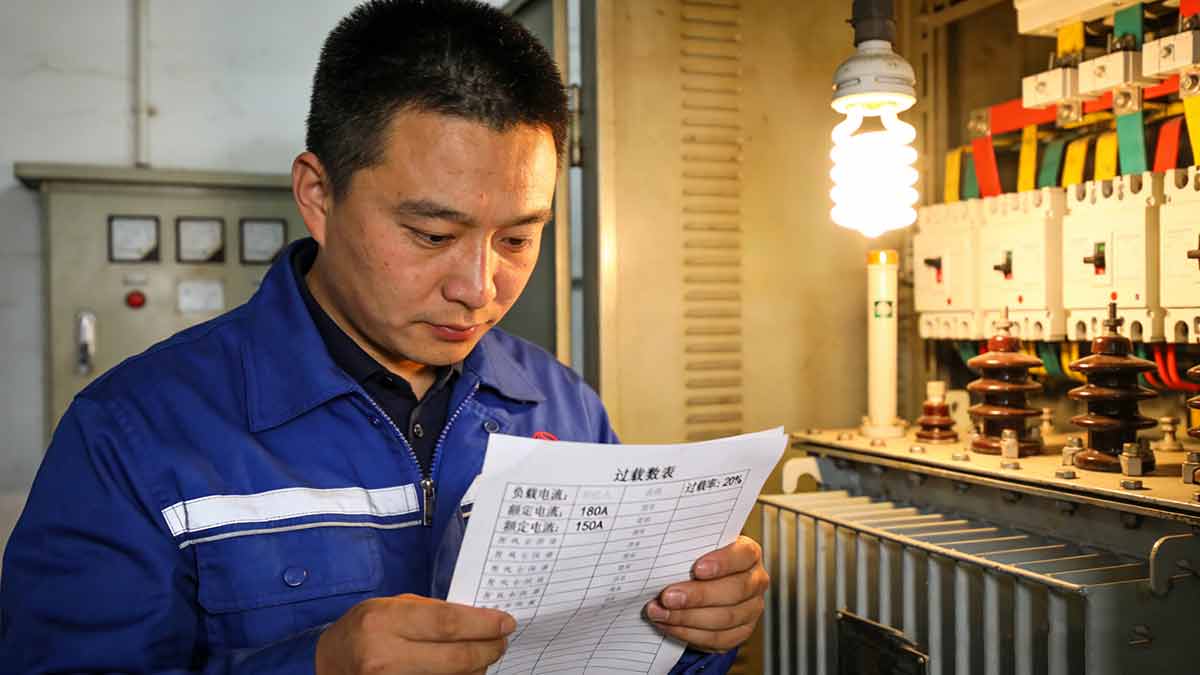
- Locate the transformer’s nameplate to find its rated kVA capacity (the maximum safe continuous load)
- Install a real-time load monitoring meter to track live load usage 24/7
- Set a threshold of 85% of rated kVA as the maximum safe operating limit (leave buffer for temporary spikes)
- Conduct weekly load checks during peak production shifts to identify trends
- Redistribute machinery loads across multiple transformers if one unit is consistently overloaded
- Upgrade to a higher-capacity transformer if the load consistently exceeds 85% of the rating
Industrial Transformer Load vs. Damage Risk Table
Load Percentage (vs. Rated kVA) | Operational Status | Damage Risk Level | Recommended Action |
|---|---|---|---|
0–85% | Safe, Normal Operation | Low | Routine maintenance only |
86–95% | Elevated Load | Medium | Monitor closely, reduce non-essential load |
96–110% | Overload (Short-Term) | High | Redistribute load immediately, inspect for heat damage |
110%+ | Chronic Overload | Critical | Shut down non-essential equipment, upgrade transformer |
Comprehensive Maintenance to Fight Industrial Transformer Damage
Combating the main cause of transformer damage in industrial use requires more than load control—conservative preventive maintenance addresses secondary risks and protects against overloading side effects. Follow this industry-standard maintenance schedule to keep transformers reliable.
Industrial Transformer Preventive Maintenance Checklist
- Monthly Tasks: Check for unusual noise/vibration, monitor surface temperature, inspect for oil leaks (oil immersed units)
- Quarterly Tasks: Test oil quality (dielectric strength, contamination), clean cooling radiators/fans, tighten external bolts
- Semi-Annual Tasks: Test voltage balance and load distribution, inspect bushings for cracks/damage, check cooling system functionality
- Annual Tasks: Full internal inspection (by certified technician), replace degraded insulating oil, test winding insulation resistance
Common Questions About Industrial Transformer Damage
What is the fastest way to fix overloading in industrial transformers?
The fastest fix is redistributing electrical load to underutilized transformers or shutting down non-critical machinery to reduce demand. For long-term solutions, upgrade to a higher-kVA transformer or install a load management system to prevent excess usage.
Can damaged transformers be repaired, or is replacement better?
Minor overloading damage (loose clamps, degraded oil) can be repaired affordably. Severe damage (melted insulation, shorted windings) often costs more to fix than replacing the unit, especially for older transformers. Always compare repair costs to replacement costs before deciding.
How long do industrial transformers last with proper load control?
Well-maintained industrial transformers with safe load levels last 25–35 years. Chronically overloaded units typically fail within 8–12 years, cutting lifespan by more than half.
Signs Your Industrial Transformer Is Damaged From Overloading
Catching early warning signs of overloading damage prevents catastrophic failure. Watch for these red flags in industrial transformers:
- Loud, abnormal buzzing, rattling, or humming (increased vibration from core saturation)
- Excessive heat on the transformer casing (too hot to touch comfortably)
- Discolored or foul-smelling insulating oil (oil breakdown from heat)
- Frequent circuit breaker trips or voltage fluctuations in the facility
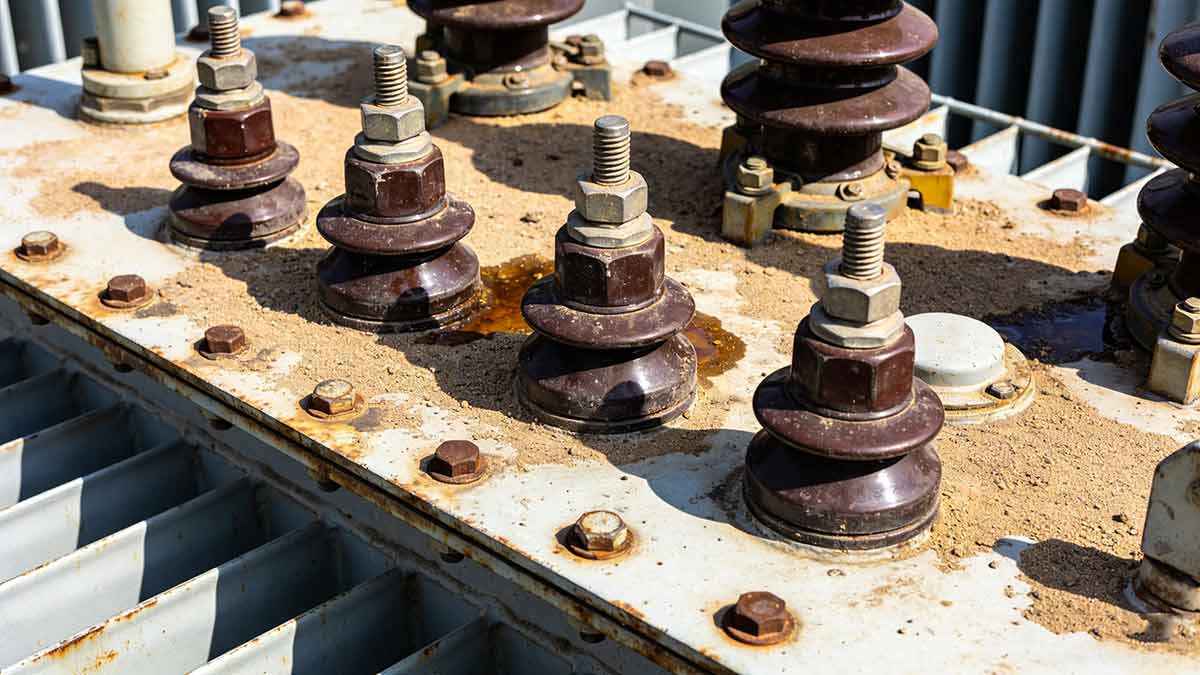
- Visible oil leaks or damaged bushings on the transformer exterior
Conclusion: Beat the Main Cause of Transformer Damage in Industrial Use
After evaluating industry data, field failures, and maintenance records, there is no doubt: chronic overloading is the main cause of transformer damage in industrial use. This preventable issue is responsible for the majority of industrial transformer downtime, repair costs, and premature failures, far outweighing all other contributing factors combined.
Industrial teams can eliminate this risk by implementing real-time load monitoring, adhering to strict kVA capacity limits, and following a consistent preventive maintenance schedule. By addressing overloading head-on, facilities can extend transformer lifespan, avoid costly shutdowns, and keep production running smoothly. If you’re unsure about your transformer’s load capacity, need help assessing damage risks, or are exploring reliable replacement options for overloaded units, partnering with industry experts ensures you choose the right solution for your industrial operations.