
Understanding Oil Immersed Transformer Core Fundamentals
Core Role in Oil Immersed Transformer Operation
- The core stands as the fundamental magnetic circuit component of an oil immersed transformer, responsible for concentrating and transferring magnetic flux to enable efficient energy conversion between primary and secondary windings.
- It serves as the structural backbone that supports windings and other critical internal components, maintaining the mechanical stability of the entire transformer assembly.
- In oil immersed designs, the core operates in constant contact with transformer oil, which influences its thermal performance, insulation status, and overall operational efficiency.
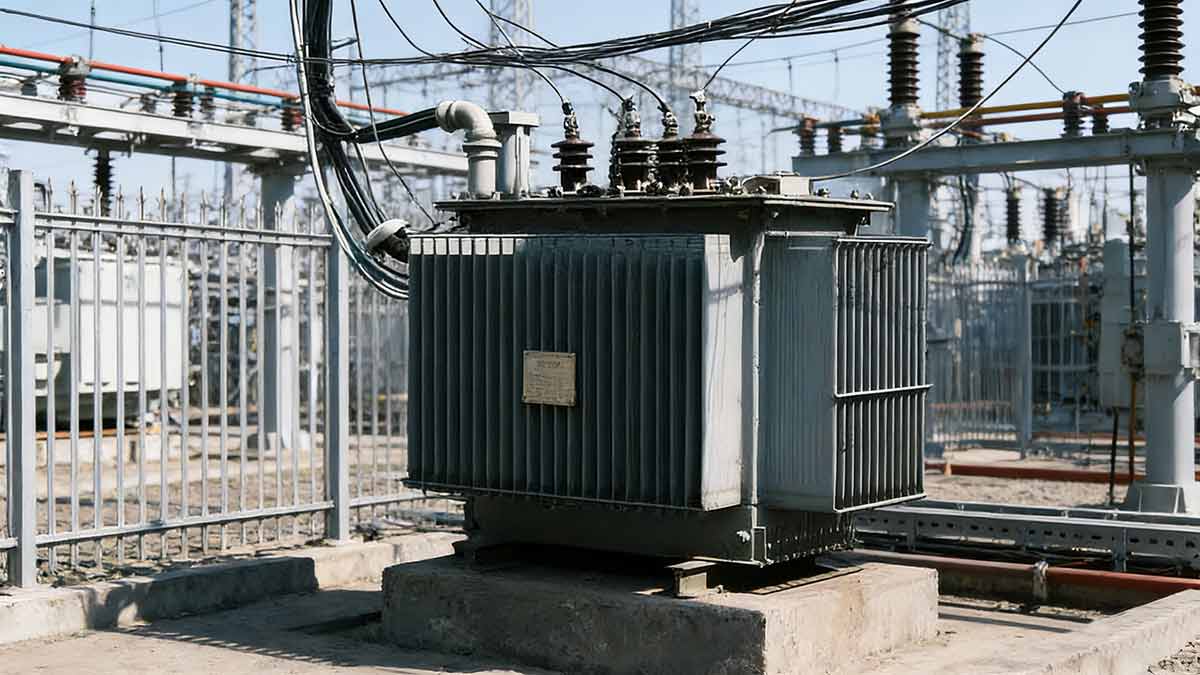
Key Components of the Oil Immersed Transformer Core
Silicon Steel Sheet Layers & Structural Characteristics
- Oil immersed transformer cores are primarily constructed from high-grade silicon steel sheets, engineered to minimize magnetic hysteresis loss and eddy current loss during operation.
- These sheets are stacked in precise, laminated layers to reduce energy dissipation and enhance the core’s magnetic conductivity, a design tailored for long-term, high-efficiency performance.
- Unlike solid core structures, the laminated silicon steel design mitigates heat accumulation, a vital advantage given the core’s continuous immersion in insulating transformer oil.
Core Insulation & Interaction With Transformer Oil
- Transformer oil acts as both an insulating medium and a cooling agent for the core, penetrating the microscopic gaps between laminated silicon steel sheets over extended service periods.
- The oil creates a protective buffer layer around the core, reducing mechanical vibration and dampening operational noise, distinguishing oil immersed transformers from dry-type alternatives in acoustic performance.
- This close interaction also means the core’s condition is directly linked to the quality and purity of the transformer oil, making core maintenance inseparable from oil system management.
Why Oil Immersed Transformer Core Maintenance Is Indispensable
Impact of Poor Core Maintenance on Transformer Performance
- Neglected core maintenance leads to accelerated degradation of silicon steel laminations, resulting in increased magnetic loss and reduced transformer energy efficiency.
- Accumulated contaminants or insulation damage on the core can cause local overheating, escalating the risk of internal short circuits and catastrophic transformer failure.
- Deteriorated core conditions often trigger abnormal operational noise, unstable voltage output, and premature wear of associated components like tap changers, disrupting power supply reliability.
Economic & Operational Benefits of Regular Core Maintenance
| Benefit Category | Specific Advantages |
|---|---|
| Operational Stability | Maintains consistent magnetic flux transmission, ensuring stable voltage regulation and uninterrupted power delivery |
| Service Life Extension | Reduces core material wear and insulation breakdown, prolonging the overall operational lifespan of the transformer by 30% or more |
| Cost Efficiency | Minimizes unplanned downtime, emergency repair expenses, and energy loss, lowering long-term operational and maintenance costs |
| Safety Compliance | Prevents core-related malfunctions that pose fire, explosion, and electrical hazards, aligning with industrial safety and regulatory standards |
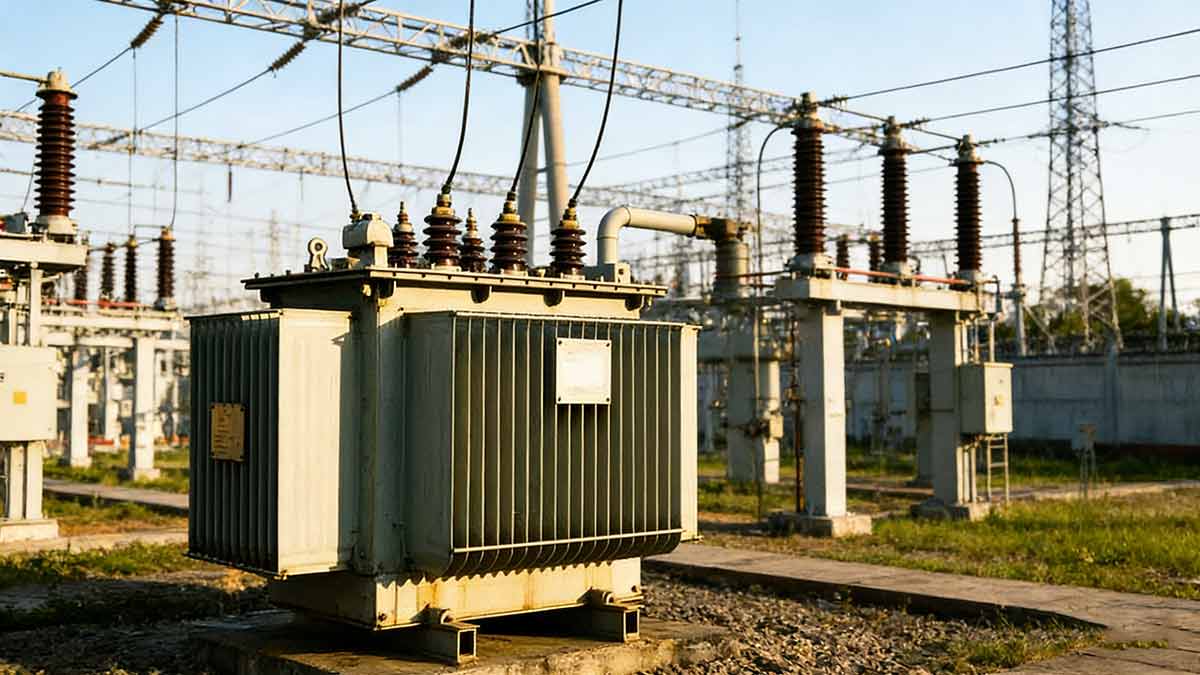
Pre-Maintenance Preparation for Oil Immersed Transformer Core
Site & Safety Preparations
- Conduct a comprehensive site assessment to evaluate spatial constraints, especially indoor transformer installations with limited vertical clearance that restrict direct core maintenance.
- Establish a designated safe work zone, isolating the maintenance area from operational electrical equipment and unauthorized personnel to eliminate external interference risks.
- Review environmental conditions, including ambient temperature, humidity, and wind speed, to ensure they meet the safety requirements for core lifting and handling operations.
Necessary Tools & Equipment
- Hydraulic jacks of appropriate load capacity, designed for safe and stable lifting of heavy oil immersed transformer units.
- Specialized brackets, gaskets, and pulleys for smooth horizontal relocation of transformers from indoor spaces to outdoor maintenance areas.
- Hand hoists and certified lifting cranes, calibrated to match the transformer’s weight, for core lifting and component manipulation.
- Inspection tools, including non-destructive testing devices, cleaning equipment, and insulation testers for core condition evaluation.
Authorization & Compliance Checks
- Obtain formal written approval from the asset owner or responsible party before initiating any core maintenance activities, confirming alignment with project specifications and safety protocols.
- Verify that all maintenance personnel hold valid certifications for high-voltage equipment handling and transformer maintenance, ensuring technical competence.
- Review and comply with national and industrial standards for oil immersed transformer maintenance, documenting all pre-maintenance checks for regulatory traceability.
Step-by-Step Oil Immersed Transformer Core Maintenance Procedures
Safe Transformer Relocation for Core Access
- For indoor transformers with height limitations preventing in-situ core maintenance, begin with controlled, manual-assisted relocation to an outdoor workspace.
- Position hydraulic jacks at designated lifting points on the transformer base, applying uniform pressure to slowly jack the unit to a suitable height without structural distortion.
- Install customized support brackets and anti-slip gaskets beneath the transformer to secure its position, then place the unit on dedicated pulleys to facilitate smooth movement.
- Use a hand hoist to apply a gradual, controlled force, dragging the entire transformer assembly slowly out of the transformer room while monitoring for structural stress or equipment damage.
Core Lifting & Visual Inspection Protocols
- Once the transformer is positioned in the outdoor maintenance area, perform a pre-lifting check of all lifting attachments and load-bearing components to confirm integrity.
- Execute core lifting operations in strict accordance with manufacturer guidelines, ensuring the core is lifted evenly to avoid bending, cracking, or misalignment of silicon steel laminations.
- Conduct a thorough visual inspection of the core immediately after lifting, examining for signs of lamination damage, corrosion, insulation aging, and oil contamination accumulation.
- Document all observed core conditions with detailed records and imagery, creating a baseline for maintenance follow-up and future condition comparisons.
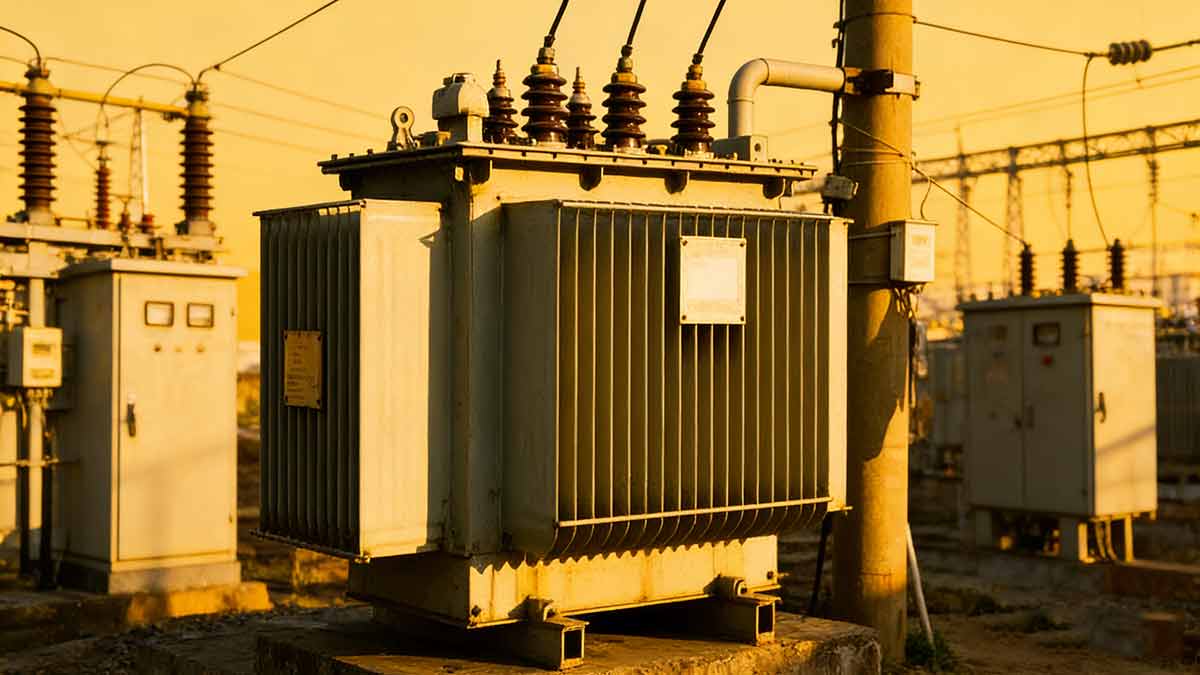
Core Cleaning & Contaminant Removal
- Remove surface-level sludge, carbon deposits, and particulate contaminants from the core using lint-free, oil-compatible cleaning materials to avoid secondary damage.
- For deep-seated contaminants within laminated layers, use low-pressure, oil-matched cleaning agents that preserve the core’s insulation properties and magnetic performance.
- Ensure complete drying of the core after cleaning, maintaining a controlled environment to prevent moisture intrusion, a critical factor in avoiding core insulation failure.
- Inspect for residual contaminants post-cleaning, repeating the process if necessary to restore the core to optimal cleanliness standards.
Tap Switch Inspection & Core-Related Component Testing
- Oil immersed transformer tap changers located within the oil tank are closely associated with core performance, requiring targeted inspection following core lifting.
- Examine tap switch contacts for signs of poor connection, oxidation, or uneven contact surfaces, issues that are not visible externally and can lead to circuit interruption under heavy load.
- Test tap switch functionality and electrical connectivity, addressing any contact irregularities immediately to prevent switch burnout and linked core operational abnormalities.
- Verify the coordination between the tap switch and the core’s magnetic circuit, ensuring seamless interaction to maintain stable voltage regulation during transformer operation.
Core Reinstallation & System Restoration
- Reinstall the cleaned and inspected core with precise alignment, adhering to the original structural configuration to preserve magnetic circuit integrity.
- Replace any damaged insulation components between core laminations and re-establish proper oil circulation paths around the core to restore cooling and insulating functions.
- Return the transformer to its original installation location using the reverse of the relocation procedure, ensuring stable placement and reconnection of all electrical and oil system components.
- Conduct post-maintenance commissioning tests, including no-load testing and core loss measurement, to confirm that the core and entire transformer system operate at designed performance levels.
Common Issues Detected During Oil Immersed Transformer Core Maintenance
Core Degradation & Material Wear
- Progressive delamination of silicon steel sheets due to long-term oil immersion and thermal cycling, leading to increased magnetic loss and reduced core efficiency.
- Corrosion of core structural components caused by moisture or acidic contaminants in the transformer oil compromises mechanical strength and magnetic performance.
- Insulation breakdown between core laminations, resulting in local eddy current heating and potential short-circuit risks within the core assembly.
Oil Contamination & Core Penetration Problems
- Accumulation of metal particles, sludge, and oxidation byproducts within core lamination gaps impedes heat dissipation and insulating efficiency.
- Oil degradation due to thermal stress leads to the formation of acidic compounds that corrode core surfaces and degrade insulating properties over time.
- Inadequate oil circulation around the core creates localized hotspots and accelerates both core deterioration and oil quality decline.
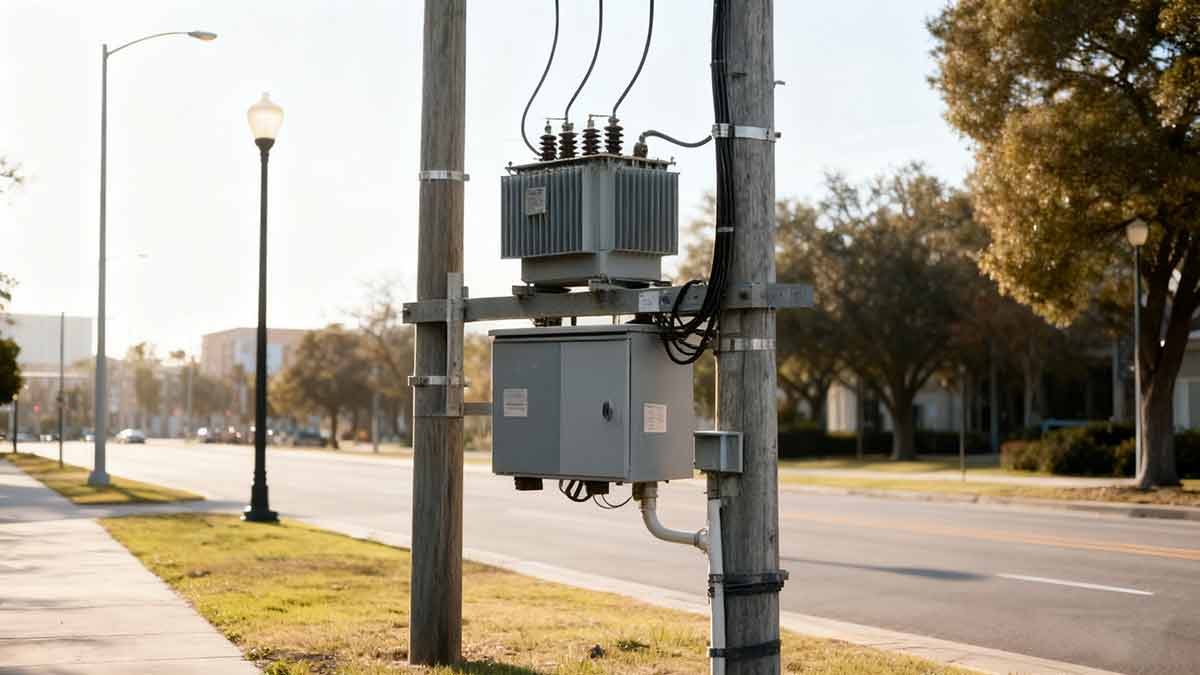
Tap Switch Malfunctions Linked to Core Issues
- Poor tap switch contact integrity, often exacerbated by core-related electrical instability, causes intermittent power delivery and potential switch burnout under high load.
- Misalignment between tap switch components and core-associated circuits leads to voltage regulation errors and abnormal core operational behavior.
- Hidden tap switch defects that only become detectable after core lifting highlight the necessity of core maintenance as part of comprehensive transformer fault diagnosis.
Safety Protocols for Oil Immersed Transformer Core Maintenance
Personal Safety Measures
- All maintenance personnel must wear certified personal protective equipment, including insulated gloves, safety goggles, flame-resistant clothing, and non-slip safety footwear.
- Implement a strict lockout/tagout procedure for all electrical connections to the transformer, eliminating the risk of accidental energization during maintenance work.
- Provide regular safety briefings prior to each maintenance phase, ensuring all team members understand hazard risks and emergency response protocols.
Equipment & Operational Safety Guidelines
- Calibrate all lifting and handling equipment before use, conducting load tests to confirm compliance with safety standards for heavy transformer manipulation.
- Maintain clear communication channels during core lifting and transformer relocation, using standardized hand signals and radio communication to coordinate operations.
- Avoid unauthorized modifications to maintenance tools or procedures, strictly following manufacturer instructions and industry safety standards for all core maintenance tasks.
- Have fire suppression equipment and spill containment materials on-site, prepared to respond to oil spills or electrical fire hazards associated with core maintenance.
Long-Term Maintenance Strategies for Extended Core Service Life
Scheduled Maintenance Intervals
- Establish a routine core maintenance schedule based on transformer load capacity, operating environment, and manufacturer recommendations, typically ranging from 3 to 5 years for standard applications.
- Conduct intermediate core condition inspections annually, including non-invasive oil quality testing and thermal imaging to identify early signs of core degradation.
- Adjust maintenance frequency for transformers operating in harsh environments, such as high-temperature, high-humidity, or heavily loaded conditions, to ensure proactive care.
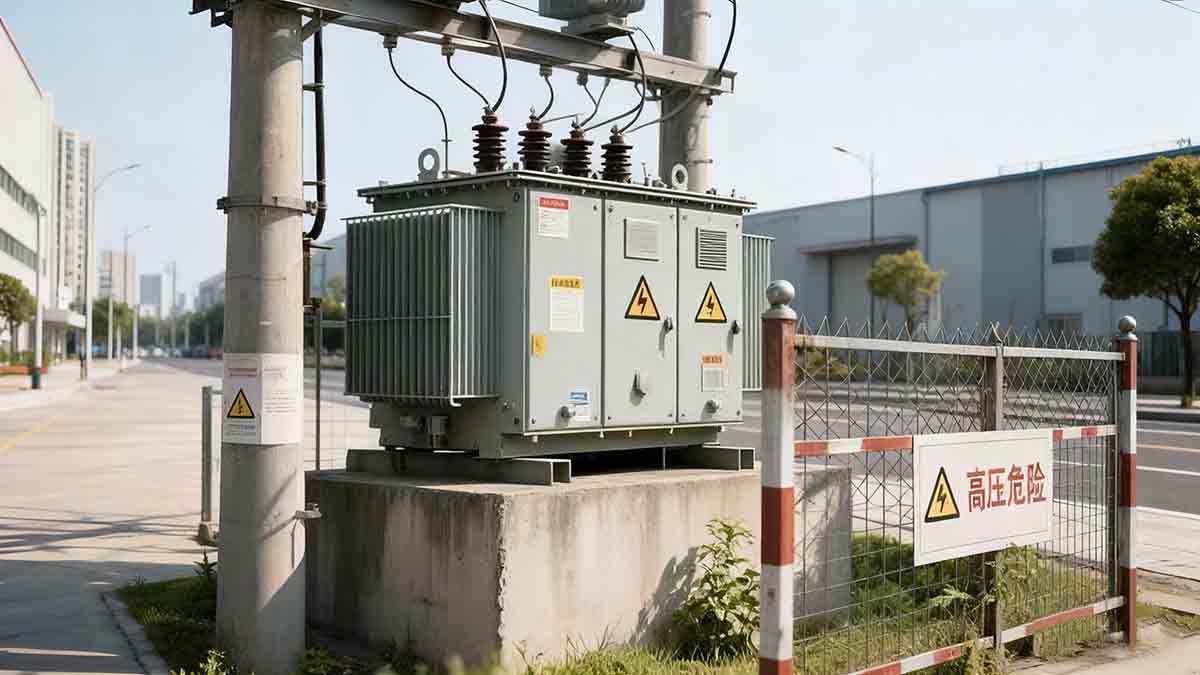
Proactive Monitoring & Condition Assessment
- Implement continuous online monitoring of core-related parameters, including core temperature, oil quality, and operational noise, to detect anomalies in real time.
- Use periodic insulation resistance testing and core loss measurement to quantify core performance and identify degradation trends before critical failures occur.
- Maintain a comprehensive maintenance database for each transformer, recording all core maintenance activities, inspection results, and component replacements to support data-driven maintenance decisions.
Conclusion
Oil-immersed transformer core maintenance is a specialized, multi-faceted process that directly determines the operational efficiency, safety, and service life of oil immersed transformers. From understanding the core’s fundamental role and interaction with transformer oil to executing precise relocation, inspection, cleaning, and restoration procedures, every step of maintenance requires strict adherence to professional standards and safety protocols.
Proactive, regular core maintenance not only resolves existing issues such as lamination wear, oil contamination, and tap switch malfunctions but also prevents costly unplanned downtime and catastrophic equipment failures. By implementing structured pre-maintenance preparations, standardized operational procedures, rigorous safety measures, and long-term monitoring strategies, operators can ensure the oil immersed transformer core maintains optimal performance, supporting reliable and efficient power delivery throughout the transformer’s operational lifecycle.
This comprehensive approach to oil immersed transformer core maintenance aligns with global industrial best practices, addressing the key concerns of asset owners and maintenance professionals while ensuring compliance with regulatory requirements and performance expectations.