
What Is Cast Resin Dry Type Transformer?
Dry cast resin transformers stand as a cornerstone of modern electrical systems, celebrated for their safety, reliability, and adaptability across diverse industrial and commercial settings. Two primary structural designs define this product category: cast type and open type, with the cast type emerging as the preferred choice for most practical applications. This preference stems from the cast design’s enhanced protection against environmental factors, mechanical stress, and electrical interference, making it a robust solution for demanding operating conditions.
Contents
hide
Structural Variants and Installation Configurations
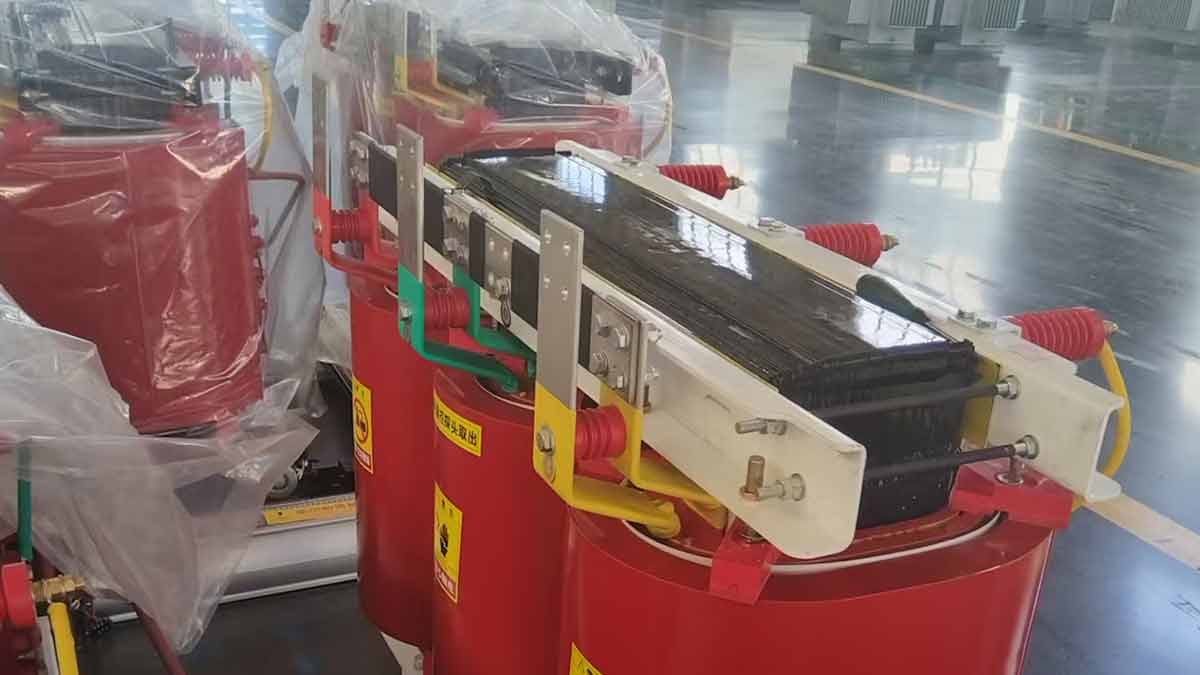
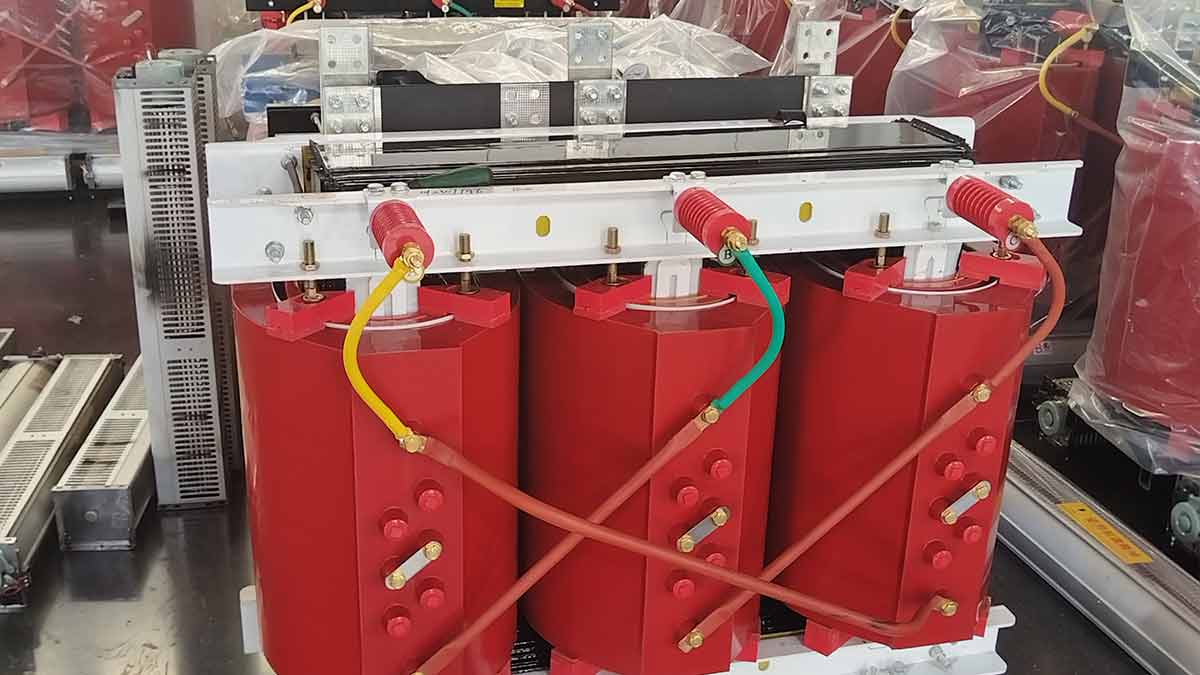
The cast type dry cast resin transformer distinguishes itself through its encapsulated coil design, where high-quality resin is used to mold and seal the windings. This encapsulation not only strengthens the mechanical integrity of the coils but also provides excellent insulation and moisture resistance, eliminating the risk of internal arcing or contamination. In contrast, the open type features exposed windings, designed for use in controlled environments where dust, humidity, and physical contact are strictly managed.
When it comes to installation, most dry-type transformers require integration with an external shell or cabinet. This enclosure serves multiple critical purposes: safeguarding internal components from debris, preventing accidental contact with live parts, and aiding in heat dissipation through optimized airflow design. However, in specialized indoor settings—such as cleanrooms, dedicated electrical closets, or environments with strict dust and moisture control—open-type transformers may be deployed without a cabinet, provided they meet safety clearance and operational requirements. The flexibility in installation configurations allows these transformers to adapt to both standard and custom project needs.
Core Application Scenarios and Capacity Ranges
Dry cast resin transformers are renowned for their versatility, finding applications in a wide array of electrical systems that prioritize safety and efficiency. Key use cases include subway traction systems, where their compact size and fire-resistant properties make them ideal for underground installations with limited space. They are also integral to power distribution networks, ensuring stable voltage conversion for industrial facilities, commercial buildings, and residential complexes.
Beyond these core applications, they play a vital role in living lighting systems, providing reliable power for urban infrastructure, office buildings, and residential communities. Trolleybus power systems and power plant auxiliary circuits also rely on dry cast resin transformers, leveraging their low maintenance needs and high short-circuit resistance to ensure continuous operation.
In terms of capacity, dry cast resin transformers are typically engineered for medium to low power requirements. Most models range from a few kVA to several hundred kVA, with capacities exceeding 1,000 kVA considered large-scale for this product type. This capacity range aligns with their primary use in secondary power distribution and end-user applications, where precise voltage regulation and energy efficiency are paramount. Even at their upper capacity limits, these transformers maintain compact dimensions and lightweight designs, facilitating easier transportation and installation.
Basic Composition and Operational Principles
At the heart of every dry cast resin transformer lies a simple yet sophisticated design, consisting of two core components: a magnetic core and insulated coils. The core, crafted from high-grade soft magnetic materials—usually cold-rolled silicon steel sheets—serves as the magnetic circuit, minimizing energy loss through low hysteresis and eddy current characteristics. The coils, wound around the core, are composed of high-conductivity copper or aluminum wires, insulated with premium resin materials to ensure electrical isolation and thermal stability.
Each transformer coil comprises two or more windings, each with a specific number of turns tailored to the desired voltage conversion ratio. The winding connected directly to the power source is known as the primary coil, which receives alternating current (AC) input. The remaining windings, called secondary coils, deliver the transformed voltage to the load. The fundamental principle driving energy transfer in these transformers is electromagnetic induction: when AC flows through the primary coil, it generates an alternating magnetic flux within the core. This flux induces a voltage in the secondary coil, with the voltage ratio determined by the turns ratio of the primary and secondary windings.
In addition to voltage conversion, dry cast resin transformers also regulate current and impedance, adapting electrical energy to match the requirements of downstream equipment. This multi-functional capability makes them indispensable in systems where power quality and compatibility are critical.
Energy Conversion Mechanisms and Loss Characteristics
The energy transfer process in dry cast resin transformers is governed by electromagnetic induction, but it is important to understand the associated energy losses that influence efficiency. When the primary coil is energized with no load connected to the secondary coil, the transformer experiences no-load loss (also known as iron loss). This loss stems from two main sources: hysteresis loss, caused by the repeated magnetization and demagnetization of the core material, and eddy current loss, resulting from circulating currents induced within the core laminations.
When a load is connected to the secondary coil, additional load loss (or copper loss) occurs. This loss is attributed to the resistance of the winding conductors, as current flows through them, generating heat. Load loss varies with the square of the load current, meaning it increases significantly as the transformer operates closer to its rated capacity. The total energy loss of a dry cast resin transformer is the sum of no-load loss and load loss, and minimizing these losses is a key focus in modern transformer design—achieved through advanced core materials, optimized winding configurations, and precision manufacturing processes.
Key Advantages and Performance Highlights
Dry cast resin transformers offer a host of advantages that make them a preferred choice over traditional oil-immersed transformers in many applications. Foremost among these is their safety and environmental friendliness: without flammable oil, they eliminate the risk of fire, explosion, or oil leakage, making them suitable for use in densely populated areas, high-rise buildings, and environmentally sensitive locations. This inherent safety allows them to be installed directly in load centers, reducing transmission distances and improving power quality.
In terms of performance, these transformers leverage domestically advanced manufacturing technologies, boasting high mechanical strength and exceptional short-circuit resistance. The resin encapsulation of the coils enhances their ability to withstand mechanical stress during short-circuit events, preventing coil deformation and ensuring long-term reliability. Additionally, they exhibit low partial discharge levels, which minimizes insulation degradation and extends service life.
Thermal stability is another key strength: the resin insulation material has excellent heat resistance, allowing the transformer to operate at higher temperatures without compromising performance. Combined with low noise operation—achieved through optimized core design and vibration damping measures—these transformers provide a comfortable and efficient operating environment. Their energy-saving characteristics are also notable: low no-load and load losses translate to significant energy savings over the transformer’s lifetime, while their maintenance-free design reduces operational costs and downtime.
Insulation System Design Considerations
The insulation system of a dry cast resin transformer is critical to its safety and longevity, and its design draws on some common components used in oil-immersed transformers—including insulating paper tubes, angle rings, and element separators. These components work together to maintain electrical isolation between windings, between windings and the core, and between windings and the enclosure.
However, dry-type transformers present unique insulation design challenges, primarily related to heat dissipation. Unlike oil-immersed transformers, which use oil as a cooling medium, dry cast resin transformers rely on air cooling. Therefore, a key consideration in insulation design is ensuring adequate air cooling ducts between the coils. These ducts must be properly sized and positioned to facilitate smooth airflow, allowing heat generated in the coils to dissipate efficiently, preventing overheating and insulation degradation.
Additionally, the placement of insulating components must be carefully optimized to avoid blocking airflow. Insulating parts should be arranged to guide air through the coil windings, ensuring uniform cooling across all sections of the transformer. The choice of insulation materials is also crucial: high-temperature-resistant resins and insulating papers are used to withstand the operating temperatures of the transformer, while maintaining their dielectric strength over time. Strict quality control during the manufacturing process—including resin curing and coil encapsulation—ensures that the insulation system meets the highest standards of reliability and performance.
Temperature Monitoring and Insulation Lifespan Protection
The safe operation and service life of a dry cast resin transformer are largely dependent on the condition of its winding insulation. Research and practical experience have shown that insulation damage caused by excessive operating temperatures is one of the leading causes of transformer failure. As the temperature of the windings exceeds the insulation’s rated withstand temperature, the insulation material degrades rapidly, reducing its dielectric strength and increasing the risk of short circuits or breakdowns.
To address this, effective monitoring and alarm control of the transformer’s operating temperature are essential. Modern dry cast resin transformers are equipped with advanced temperature monitoring systems, typically featuring embedded temperature sensors that measure the temperature of the windings in real time. These sensors transmit data to a control unit, which provides continuous temperature readings and triggers alarms if temperatures exceed preset thresholds.
In addition to alarm functions, many systems also include temperature control measures, such as automatic forced air cooling. When temperatures rise above a certain level, fans are activated to increase airflow through the cooling ducts, reducing winding temperatures and protecting the insulation. Some high-end models may also integrate automatic load reduction or shutdown capabilities, providing an additional layer of protection against overheating.
By implementing robust temperature monitoring and control systems, dry cast resin transformer operators can significantly extend the lifespan of the insulation, ensuring the transformer operates safely and reliably for many years. Regular maintenance checks of the temperature monitoring system—including sensor calibration and fan inspection—are also recommended to ensure its continued effectiveness.