
What Is an OLTC Tap Changer and Its Core Functional Value
● Stabilizes grid voltage fluctuations caused by load changes, line losses, or grid dispatching
● Ensures electrical equipment operates within rated voltage ranges to avoid insulation damage or performance degradation
● Improves power supply quality and reduces energy loss in power transmission and distribution
● Adapts to diverse operating scenarios, from small rural distribution transformers to large industrial power transformers
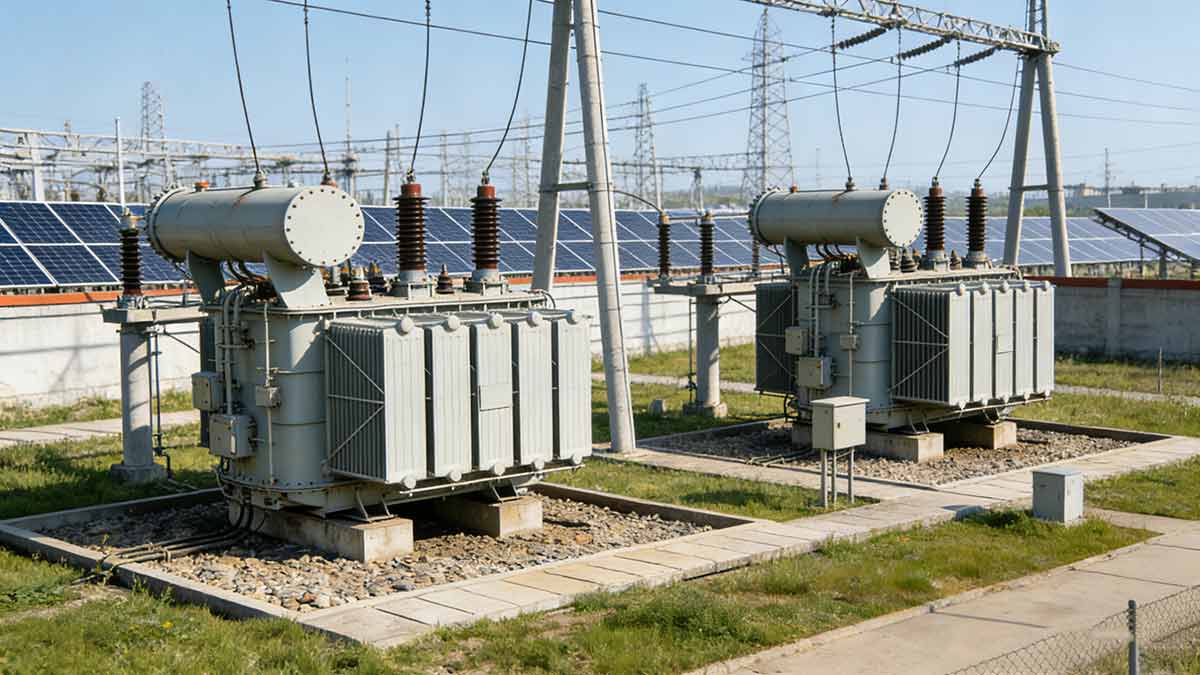
Key Classification of OLTC Tap Changer
Vacuum Type OLTC Tap Changer
○ Adopts vacuum interrupter technology for arc extinction, eliminating oil contamination and extending service life
○ Suitable for large and medium-sized power transformers with high voltage levels
○ Features low contact wear and strong anti-interference capabilities
Oil-Immersed Type OLTC Tap Changer
○ Uses transformer oil as the arc-extinguishing and insulating medium
○ Cost-effective, widely deployed in rural distribution transformers and medium-capacity units
○ Requires regular oil quality monitoring to maintain insulating performance
Core Working Principle of OLTC Tap Changer
Mandatory Safety Protocols Before OLTC Tap Changer Operation
● Confirm the transformer’s operating status and load current; avoid operation under fault conditions (overload, overvoltage, abnormal temperature)
● Wear insulated personal protective equipment (insulated gloves, safety helmets, insulated shoes) and use certified insulated tools
● Verify the tap changer’s gear position indication and check for mechanical jams or abnormal sounds before adjustment
● Isolate auxiliary control circuits associated with the tap changer and confirm no live maintenance work is underway on adjacent equipment
● Record operating parameters and tap position changes in the transformer operation log for traceability
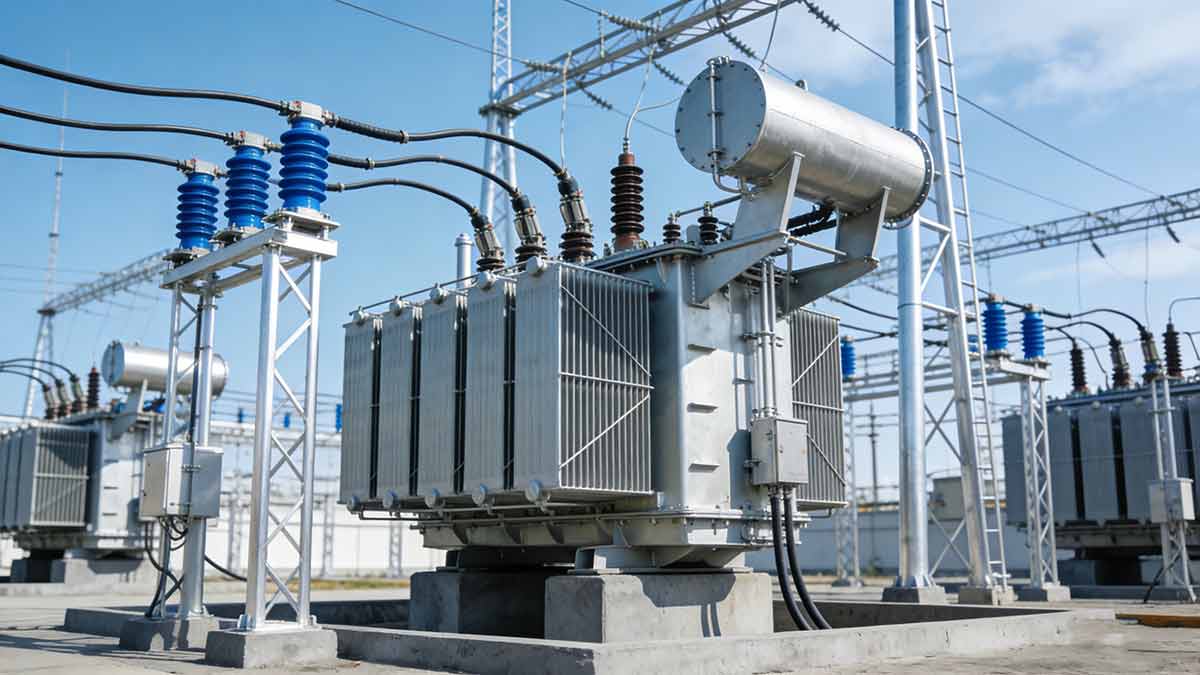
Pre-Operation Inspection Checklist for OLTC Tap Changer
| Inspection Item | Qualified Standard | Non-Conforming Handling |
|---|---|---|
| Protective Cover | Intact, tightly sealed, no oil leakage or damage | Replace or repair damaged covers, reseal to prevent dust/moisture ingress |
| Mechanical Components | Flexible operating shaft, no rust or jamming; pointer and locating plate securely fastened | Lubricate rusted parts; tighten loose fasteners or replace damaged components |
| Insulation Performance | Insulation resistance meets manufacturer specifications; no moisture accumulation | Dry the unit if moisture is detected; retest insulation before operation |
| Gear Indication | Consistent between the mechanical pointer and the electrical display | Calibrate the indication system to eliminate position deviation |
Step-by-Step Operating Procedure for OLTC Tap Changer
Preparation for Tap Position Adjustment
○ Review the transformer’s nameplate data, including rated voltage, tap position range, and voltage adjustment range per gear
○ Calculate the target tap position based on real-time grid voltage and load demand
○ Prepare professional tools: insulated wrench, torque screwdriver, insulation resistance tester, and DC resistance bridge
○ Notify the power dispatching center of the upcoming tap changer operation (for grid-connected large transformers)
Formal OLTC Tap Changer Adjustment Steps
Remove Protective Enclosure and Fastening Components
▶ Unscrew the fixing bolts of the OLTC tap changer protective cover slowly, keeping the cover flat to avoid bending or damaging internal components
▶ Loosen the screws connecting the position indicator pointer and the locating plate with a calibrated torque screwdriver; store small fasteners in a sealed container to prevent loss
▶ Inspect the contact surface of the locating plate for oxidation, scratches, or carbon deposits; clean gently with insulating paper if contamination is present
Adjust to Target Tap Gear
▶ Insert an insulated wrench onto the operating shaft of the OLTC tap changer
▶ Rotate the shaft smoothly and uniformly to the pre-calculated target gear; avoid sudden force or reverse rotation to prevent mechanical damage
▶ Confirm the pointer aligns precisely with the target gear scale on the locating plate
▶ Retighten the pointer-locating plate screws to the manufacturer-specified torque value
▶ Reinstall the protective cover and fasten all sealing bolts to restore the protective structure
Post-Adjustment Verification
○ Monitor transformer output voltage for 10–15 minutes to confirm stable regulation
○ Check for abnormal noise, vibration, or oil leakage from the OLTC tap changer
○ Record the new tap position, operating time, and post-adjustment voltage data in the equipment archive
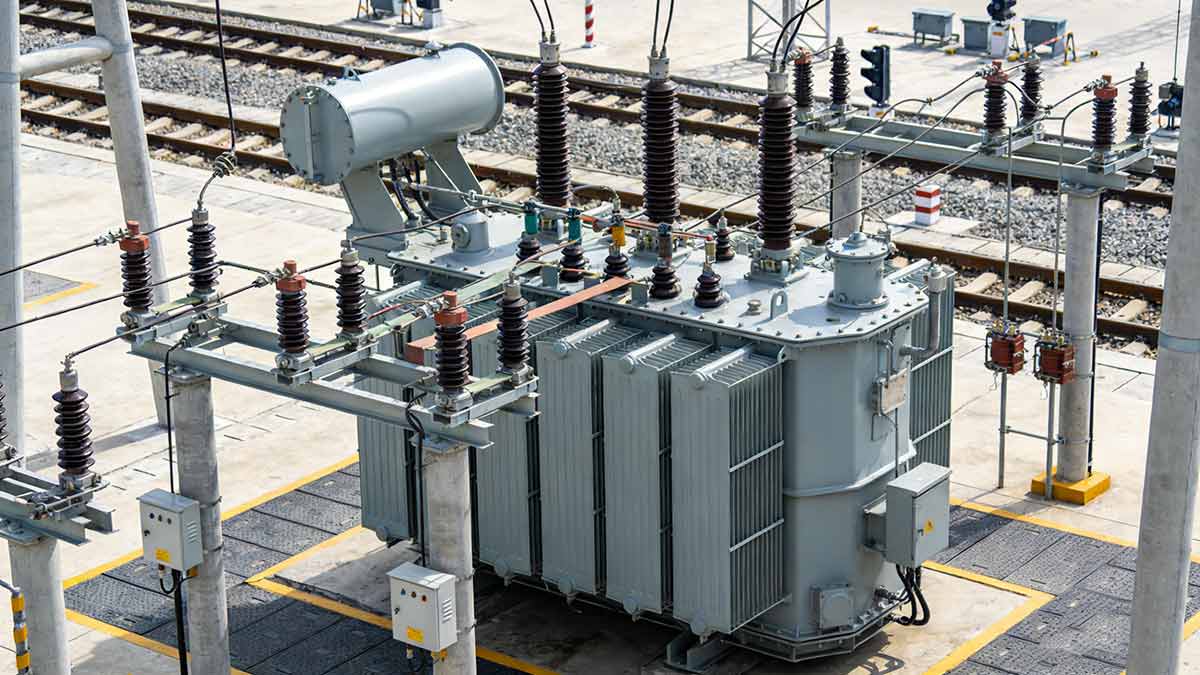
Why DC Resistance Testing Is Essential for OLTC Tap Changer
● DC resistance testing reflects the actual contact pressure and surface condition of tap changer contacts
● Detects hidden faults such as loose contacts, partial ablation, and oxide layer buildup before catastrophic failure
● Provides baseline data for long-term performance tracking and predictive maintenance
● Validates the integrity of winding connections associated with the OLTC tap changer
Fault Risks of Unqualified OLTC Tap Changer Contact Resistance
● Local overheating at contact points, leading to insulation aging and oil decomposition
● Increased energy loss, reducing transformer operating efficiency
● Intermittent power interruption or voltage instability during load changes
● Severe contact burnout causing transformer winding short circuits and permanent damage
DC Resistance Testing Methods for OLTC Tap Changer
Single-Arm Bridge Testing (Wheatstone Bridge)
Applicable Transformer Scenarios
○ Rural distribution transformers with small capacity (typically ≤630kVA)
○ Low-voltage distribution transformers with relatively low winding resistance values
○ Routine maintenance testing for small and medium-sized industrial transformers
Key Operating Requirements
▶ Use test leads with a cross-sectional area ≥2.5mm² to reduce lead resistance interference
▶ Ensure firm, low-resistance contact between test clips and transformer winding terminals
▶ Eliminate external electromagnetic interference by placing the bridge away from high-voltage live parts
▶ Warm up the bridge for 5 minutes before testing to stabilize measurement data
Double-Arm Bridge Testing (Kelvin Bridge)
Applicable Transformer Scenarios
○ Large power transformers with capacity ≥1000kVA
○ High-voltage transformers with extremely low winding DC resistance
○ Precision acceptance testing and fault diagnosis for core power grid transformers
Key Operating Requirements
○ Adopt a four-wire testing configuration to separate current and voltage leads, eliminating lead resistance errors
○ Set the bridge balance time appropriately for large inductive windings to avoid inaccurate readings
○ Calibrate the bridge with standard resistance before formal testing
○ Test each phase (A, B, C) separately and record data independently
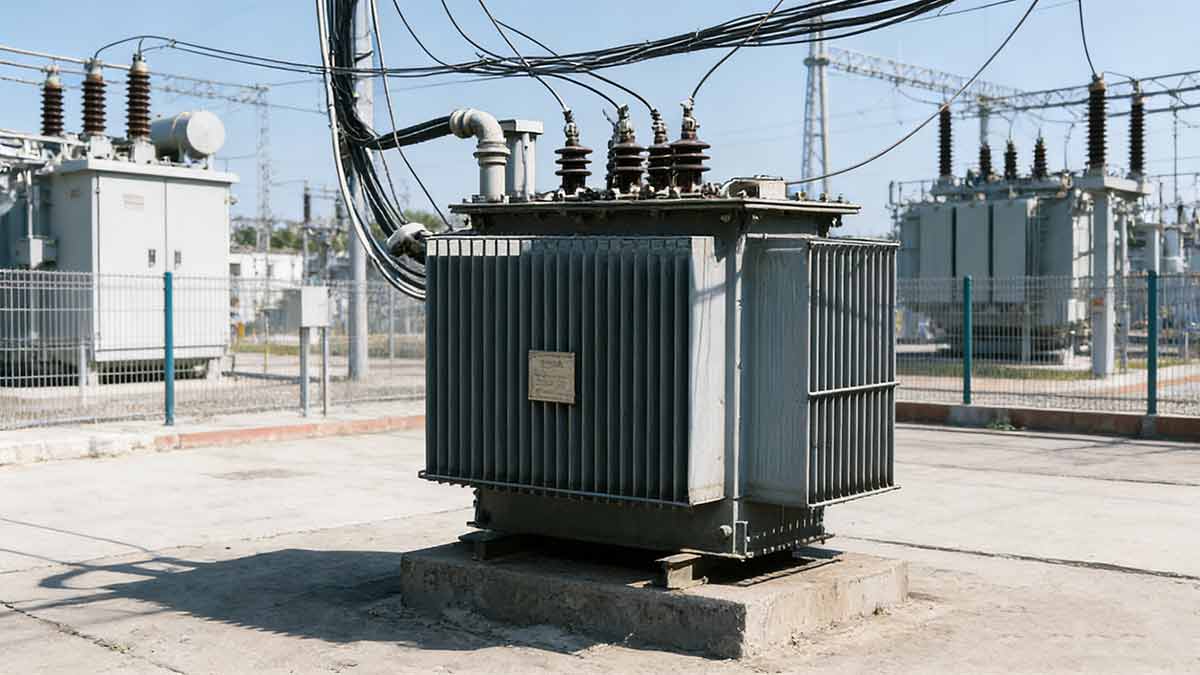
Universal Testing Precautions for All Bridge Types
● Discharge the transformer winding completely before testing to avoid damage to the testing equipment
● Maintain consistent ambient temperature during testing; resistance values are temperature-dependent
● Repeat testing 2–3 times for each tap position and take the average value
● Do not perform testing during thunderstorms or high-humidity environments
Analysis and Evaluation of OLTC Tap Changer DC Resistance Test Results
Core Evaluation Criteria
● Compare measured DC resistance values of each phase with the transformer nameplate and factory test data; no obvious deviation is allowed
● The three-phase unbalance rate of resistance values shall comply with GB/T 1094.3 standards (≤2% for power transformers)
● Resistance values of adjacent tap positions shall change linearly without abnormal jumps
● Repeat test data shall have a dispersion rate ≤1%
Result Classification and Handling Measures
| Test Result Status | Judgment Basis | Recommended Action |
|---|---|---|
| Qualified | Data matches nameplate; three-phase unbalance rate within standard | Complete testing, update maintenance records |
| Slightly Deviated | Minor deviation (<1%) from nameplate; no unbalance overlimit | Clean contact surfaces, retighten terminals, and retest after 72 hours |
| Unqualified | Obvious deviation (>1%); unbalance rate exceeds standard; abnormal jumps | Disassemble OLTC tap changer for inspection; replace ablated contacts; repair mechanical transmission parts |
Common Abnormal Result Causes
▶ Oxide film on contact surfaces increases contact resistance
▶ Worn contact springs reduce contact pressure
▶ Loose internal wiring of the OLTC tap changer
▶ Mechanical displacement of tap positions leading to poor contact
▶ Winding damage associated with the tap changer connection
Long-Term Maintenance Strategies for OLTC Tap Changer
Routine Daily Maintenance
○ Visual inspection of tap position indication and external sealing for oil leakage
○ Monitoring of transformer oil temperature and abnormal noise during operation
○ Real-time recording of voltage regulation frequency and tap position changes
Periodic Preventive Maintenance
Quarterly Maintenance
○ Clean external dust and dirt from the OLTC tap changer
○ Check fastening torque of all connecting bolts
○ Verify the flexibility of the operating mechanism
Annual Maintenance
○ Full DC resistance testing for all tap positions
○ Transformer oil sampling and dielectric loss testing for oil-immersed tap changers
○ Mechanical transmission mechanism lubrication and wear inspection
○ Calibration of tap position indication and electrical control systems
Overhaul Maintenance (Every 3–5 Years)
○ Complete disassembly and inspection of internal contacts and transmission parts
○ Replacement of worn contacts, springs, and sealing gaskets
○ Vacuum treatment for vacuum-type OLTC tap changers
○ Comprehensive performance testing and commissioning