What Is a Transformer? A Simple Explanation for Beginners?
Ever pondered how electricity travels safely from power plants to your home or business? The answer lies in a pivotal device: the transformer. But what exactly is a transformer, and why is it irreplaceable in our daily lives?
At Lihe Transformer—your trusted manufacturer of high-performance transformers—we’re here to break down this essential technology. In this guide, we’ll explain what transformers are, their critical role in power systems, how they work, and why Lihe Transformer’s solutions stand out for reliability and efficiency. Whether you’re a curious homeowner, a student, or an industry professional, this article simplifies transformer basics with real-world insights and practical examples.
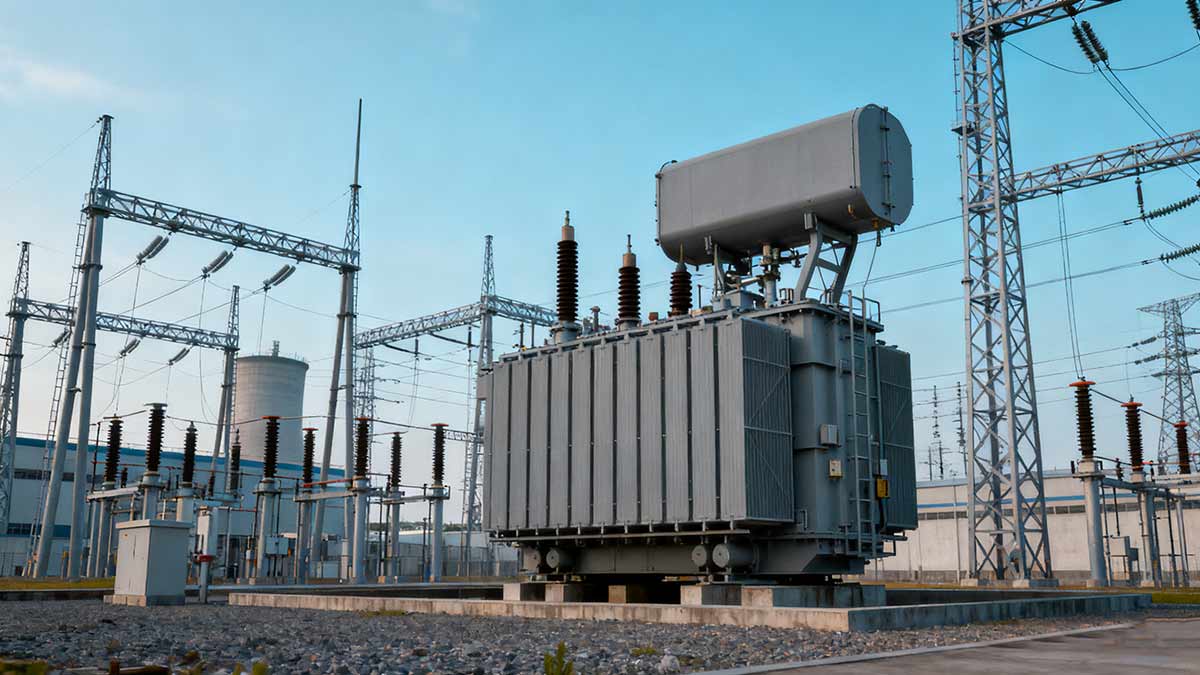
1 What Is a Transformer in Electrical Terms?
Ever plugged in an international device and needed an adapter? Chances are, a transformer is behind that compatibility. But in technical terms, what defines this device?
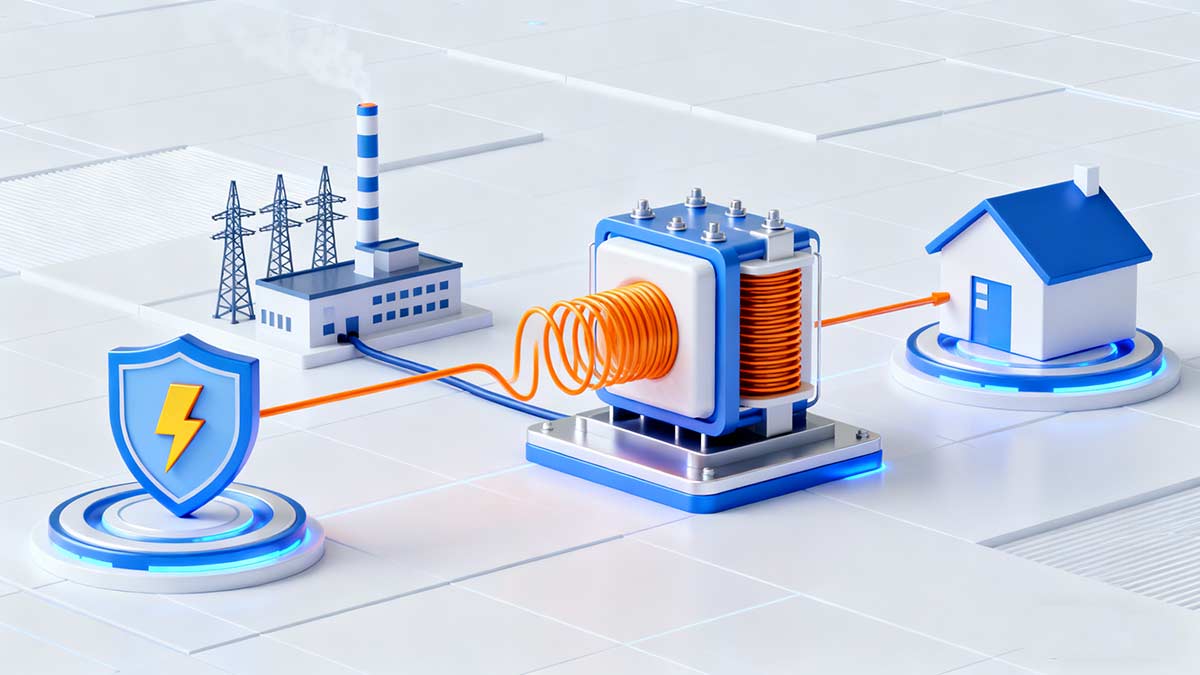
A transformer is an electrical component that transfers energy between two circuits via electromagnetic induction. It adjusts voltage and current levels without altering the frequency of electricity—a key feature for seamless power distribution. As a leading manufacturer, Lihe Transformer designs transformers to meet diverse needs, from industrial grids to consumer electronics.
Key Insights into Transformers
Let’s unpack the core elements that make transformers work:
- Fundamental Definition: A static electrical device that uses electromagnetic induction to adjust voltage, enabling safe energy transfer between circuits.
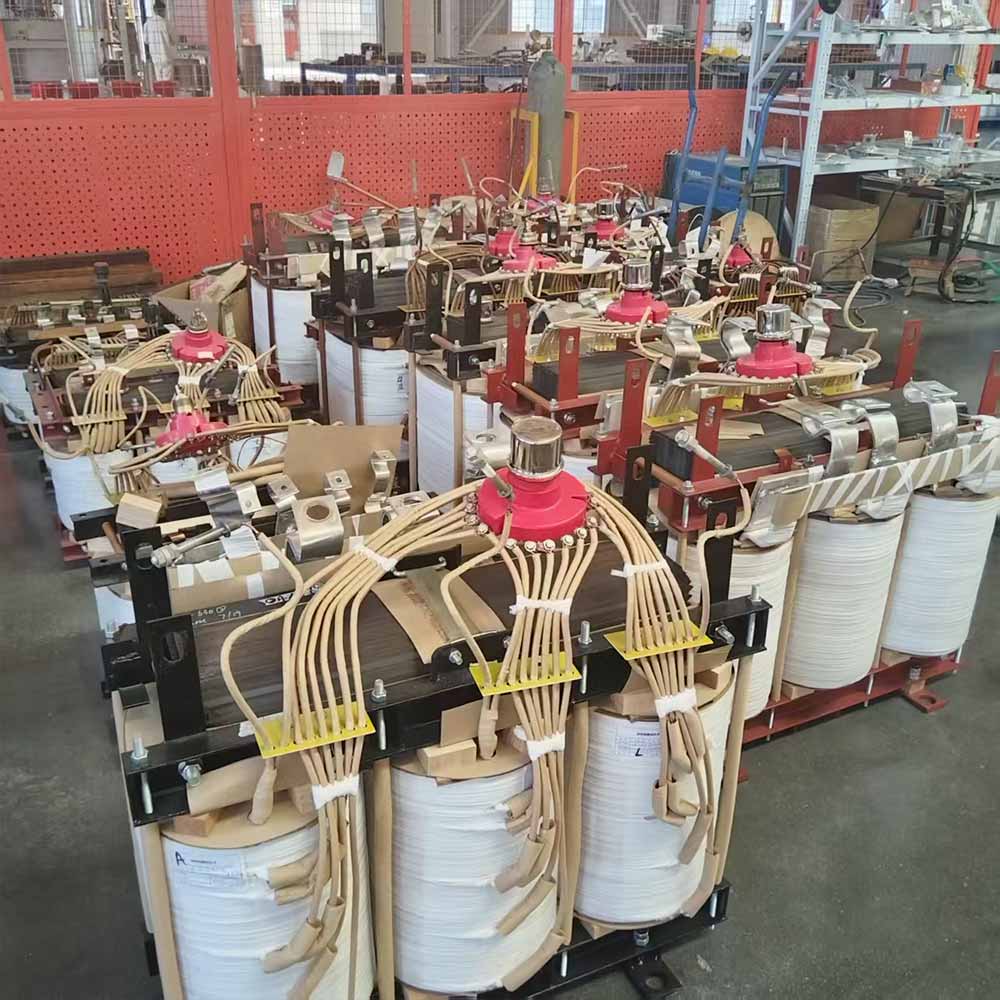
- Core Components: Every Lihe Transformer product includes a primary coil (for input power), a secondary coil (for output power), and a high-grade iron core—engineered for minimal energy loss.
- Common Types: Lihe Transformer specializes in three primary variants:
- Step-up transformers: Boost voltage for long-distance transmission.
- Step-down transformers: Reduce voltage for safe use in homes/businesses.
- Isolation transformers: Maintain voltage while isolating circuits (ideal for sensitive equipment like medical devices).
- Wide-Ranging Applications: Our transformers power everything from national grids and industrial machinery to smartphones and solar farms.
| Type | Function | Lihe Transformer’s Typical Use Cases |
|---|---|---|
| Step-up | Increases voltage | Power plant-to-transmission line connections |
| Step-down | Decreases voltage | Substations supplying residential areas |
| Isolation | Preserves voltage, isolates circuits | Medical equipment, audio systems, data centers |
Lihe Transformer’s engineering team prioritizes precision in every design. For example, our step-down transformers for residential projects undergo rigorous testing to ensure they safely convert high grid voltage (e.g., 13,000V) to household levels (120/240V) with over 99% efficiency. We’ve also developed compact isolation transformers for portable medical devices, balancing safety and portability.
A common myth? Transformers change electricity frequency. In reality, they preserve frequency—critical for compatibility across global power systems (50Hz vs. 60Hz). Lihe Transformer’s products are calibrated to work seamlessly with regional frequency standards, ensuring universal applicability.
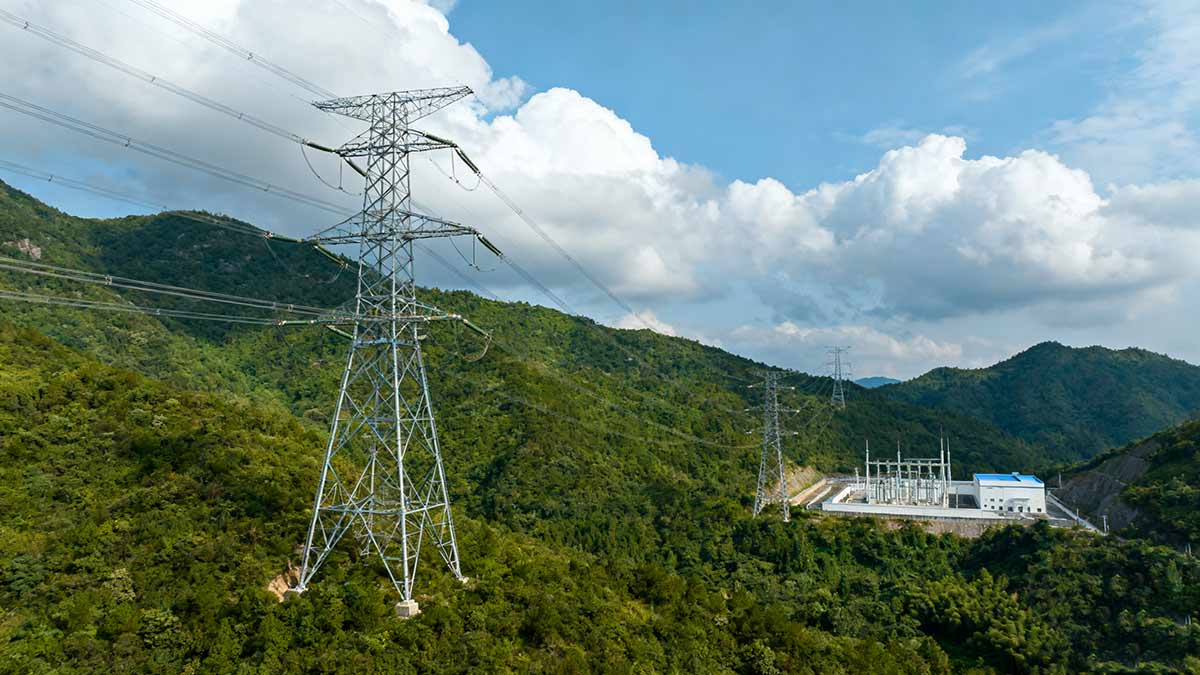
2 Why Do We Need Transformers in Power Systems?
Why can’t power plants send electricity directly to homes? The answer hinges on transformers’ irreplaceable role in efficient, safe power distribution. Without them, modern electrical grids would be inefficient, unsafe, and impractical.
Lihe Transformer’s solutions address the core challenges of power systems: enabling long-distance transmission with minimal energy loss, delivering safe voltage to end-users, and ensuring grid stability. Here’s why transformers are non-negotiable:
The Critical Value of Transformers
- Efficient Long-Distance Transmission: High voltage reduces current flow, minimizing heat loss in power lines. Lihe Transformer’s step-up transformers boost power plant output (10,000–25,000V) to transmission levels (100,000–750,000V), allowing electricity to travel hundreds of miles efficiently.
- Safe End-User Distribution: Step-down transformers from Lihe Transformer lower transmission voltage to safe levels (4,000–13,000V for local grids, then 120/240V for homes). This protects appliances and prevents electrical hazards.
- Circuit Isolation & Safety: Our isolation transformers create a barrier between circuits, shielding sensitive equipment from voltage spikes and enhancing workplace safety—essential for industrial and medical settings.
- Voltage Regulation: Lihe Transformer’s smart transformers maintain stable voltage levels, compensating for line drops and ensuring consistent power quality for businesses and households.
| Power System Stage | Voltage Level | Lihe Transformer’s Role |
|---|---|---|
| Generation | 10,000 – 25,000 V | Step-up transformers for grid integration |
| Transmission | 100,000 – 750,000 V | High-efficiency units for long-distance transfer |
| Sub-transmission | 25,000 – 69,000 V | Regional distribution optimization |
| Local Distribution | 4,000 – 13,000 V | Step-down for neighborhood supply |
| Consumer Use | 120/240 V | Final voltage reduction for safe use |
Lihe Transformer’s expertise shines in renewable energy integration. For a recent wind farm project, we designed custom transformers to match the variable output of wind turbines to the grid’s stable voltage—enabling seamless clean energy adoption. In urban areas, our compact substation transformers fit into tight spaces while powering entire city blocks, balancing efficiency and footprint.
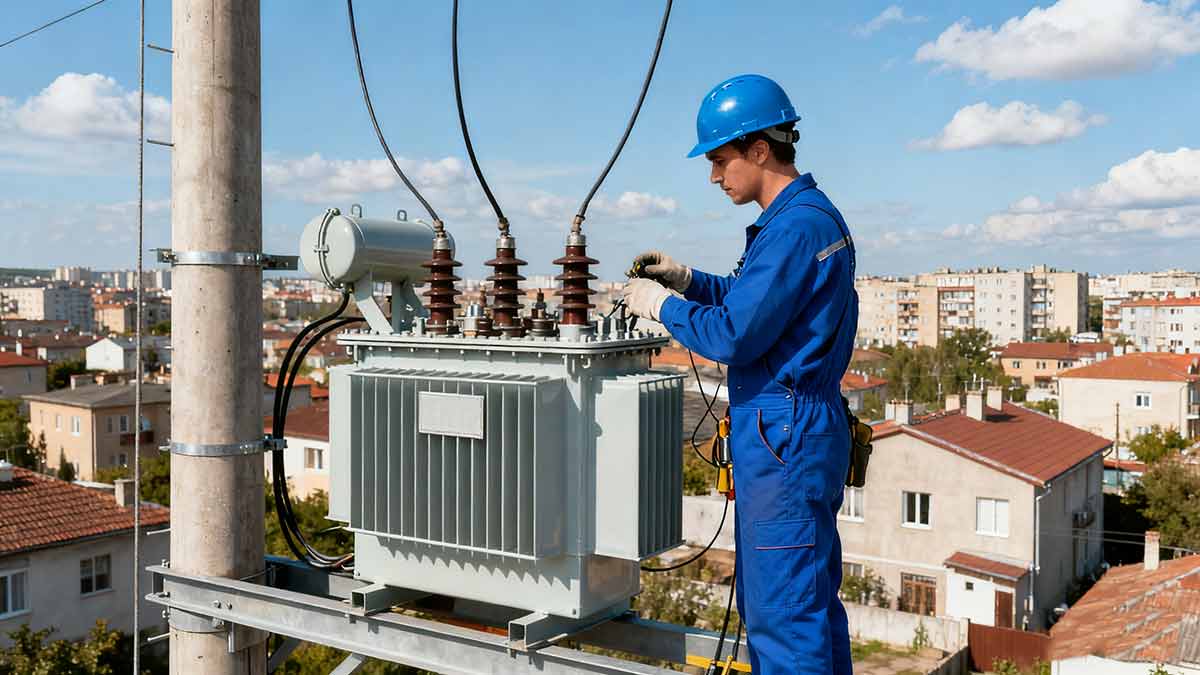
3 A Real-Life Analogy: Voltage as Water Pressure
Struggling to visualize how voltage and transformers work? Let’s use a familiar concept—water systems—to simplify it.
Voltage in electrical circuits is like water pressure in plumbing. Just as water pressure dictates how forcefully water flows through pipes, voltage determines the “push” of electricity through wires. This analogy makes it easy to understand why transformers are essential:
Breaking Down the Analogy
- Voltage = Water Pressure: High voltage (like high water pressure) moves electricity efficiently over long distances; low voltage (like low water pressure) is safe for direct use.
- Transformers = Pressure Regulators: Lihe Transformer’s step-up transformers act like pumps, increasing “pressure” (voltage) for long transmission. Step-down transformers work like pressure reducers, lowering voltage for safe household/business use.
- Wires = Pipes: Just as narrow pipes lose water pressure, thin wires waste electricity as heat—hence the need for high voltage (low current) in transmission lines.
| Water System Component | Electrical System Equivalent | Purpose |
|---|---|---|
| Water Pressure | Voltage | Drives flow (electricity/water) |
| Flow Rate | Current | Amount of flow (amps/gallons per minute) |
| Pipes | Wires | Conduit for flow |
| Pump | Step-up Transformer | Increases pressure/voltage |
| Pressure Reducer | Step-down Transformer | Decreases pressure/voltage |
This analogy helps explain why Lihe Transformer’s high-voltage transmission units are critical: just as high water pressure minimizes waste in long pipelines, high voltage reduces energy loss in power lines—saving resources and lowering costs for utilities and consumers.
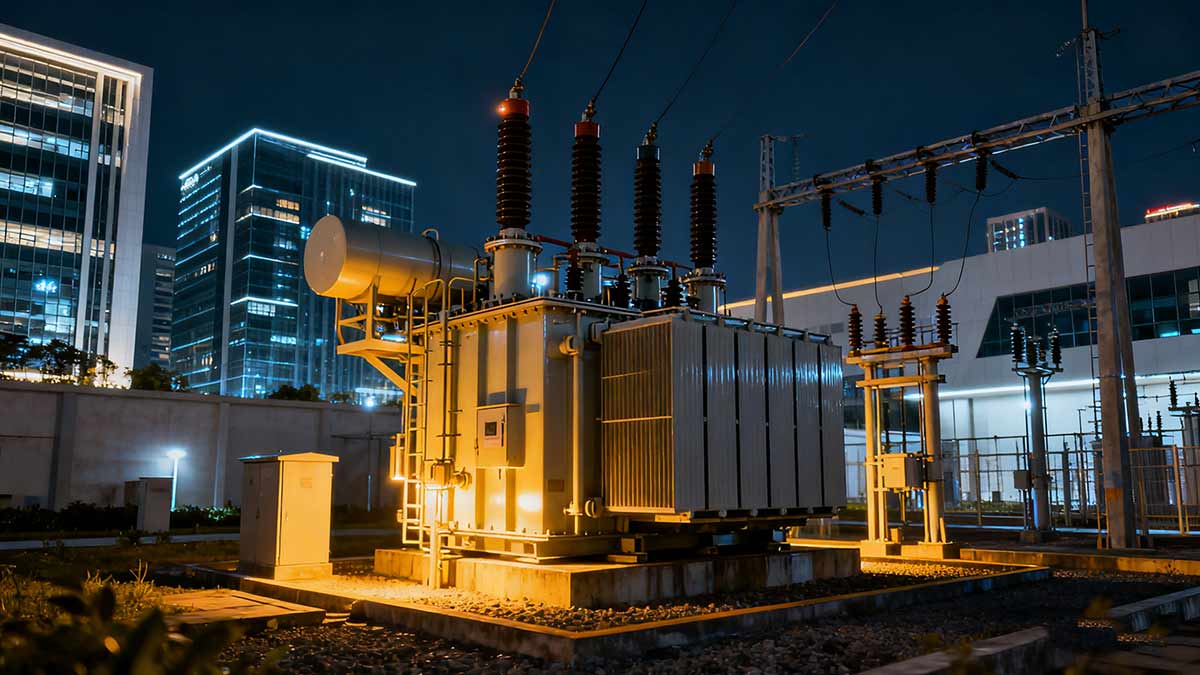
4 What Happens Inside a Transformer? (Step-by-Step)
Transformers seem like complex “black boxes,” but their inner workings rely on a simple physical principle: electromagnetic induction. How do they change voltage without any moving parts? Let’s walk through the process, using Lihe Transformer’s design as an example.
The Step-by-Step Operation
- Alternating Current (AC) Input: When AC power enters the primary coil of a Lihe Transformer, it creates a constantly changing magnetic field. Unlike direct current (DC), AC’s direction shifts—essential for inducing energy in the secondary coil.
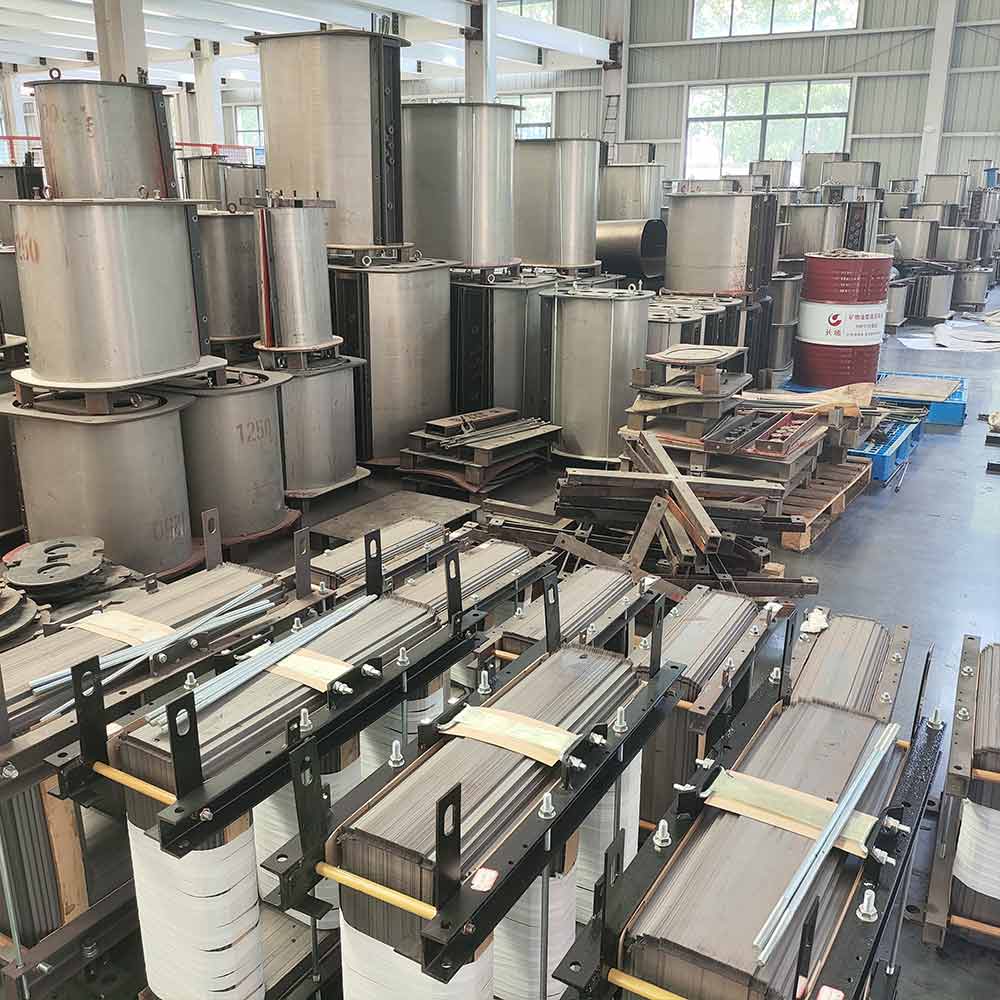
- Magnetic Field Propagation: The iron core (a Lihe Transformer signature, made from high-silicon steel) amplifies and directs the magnetic field, ensuring efficient energy transfer between coils.
- Voltage Induction: The changing magnetic field cuts through the secondary coil, inducing an alternating voltage. This is electromagnetic induction in action—no physical contact between coils, just energy transfer via magnetism.
- Voltage Transformation: The ratio of turns in the primary and secondary coils determines voltage change. For example:
- A step-up transformer from Lihe Transformer might have 100 primary turns and 1,000 secondary turns—boosting voltage 10x.
- A step-down transformer could have 1,000 primary turns and 100 secondary turns—reducing voltage 10x.
| Transformer Type | Primary Turns | Secondary Turns | Voltage Outcome |
|---|---|---|---|
| Step-up | 100 | 1,000 | 10x voltage increase |
| Step-down | 1,000 | 100 | 10x voltage decrease |
| Isolation | 1,000 | 1,000 | No voltage change, isolation |
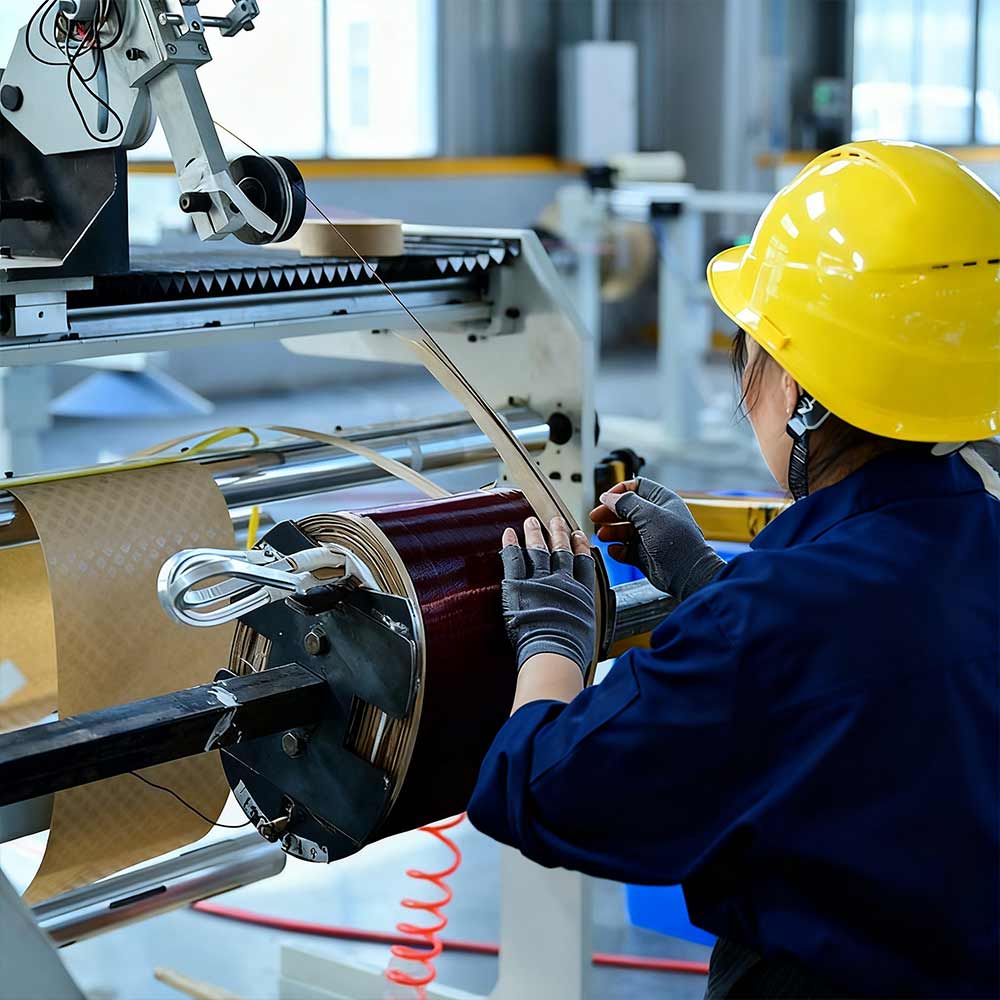
Lihe Transformer’s engineering team optimizes every detail: our coils are wound with high-conductivity copper to minimize resistance, and our cores use laminated steel to reduce energy loss from eddy currents. For large industrial transformers, we integrate oil-cooling systems to maintain efficiency under heavy loads—ensuring reliability even in extreme conditions.
5 Final Summary: One Device, Massive Impact
Transformers are the unsung heroes of modern electrical systems—and Lihe Transformer is proud to craft the devices that power our world. Here’s a recap of their far-reaching impact:
- Efficient Distribution: Lihe Transformer’s step-up/step-down units enable long-distance power transfer with minimal loss, connecting power plants to communities worldwide.
- Versatile Applications: Our transformers power industrial machinery, consumer electronics, renewable energy systems, and critical infrastructure like hospitals and data centers.
- Safety & Stability: Isolation and voltage regulation features protect equipment and users, while Lihe Transformer’s durable designs ensure 24/7 reliability.
- Innovation Enabler: From electric vehicle charging stations to smart grids, transformers are key to adopting new energy technologies—something Lihe Transformer leads with cutting-edge, customizable solutions.
| Sector | Lihe Transformer’s Role | Impact |
|---|---|---|
| Power Grid | Voltage transformation & regulation | Efficient, widespread electricity access |
| Industry | Custom power solutions for machinery | Boosted manufacturing productivity |
| Residential | Safe voltage delivery to homes | Reliable power for daily needs |
| Electronics | Miniature transformers for devices | Portable, compatible consumer tech |
| Renewable Energy | Grid integration for solar/wind farms | Accelerated clean energy adoption |
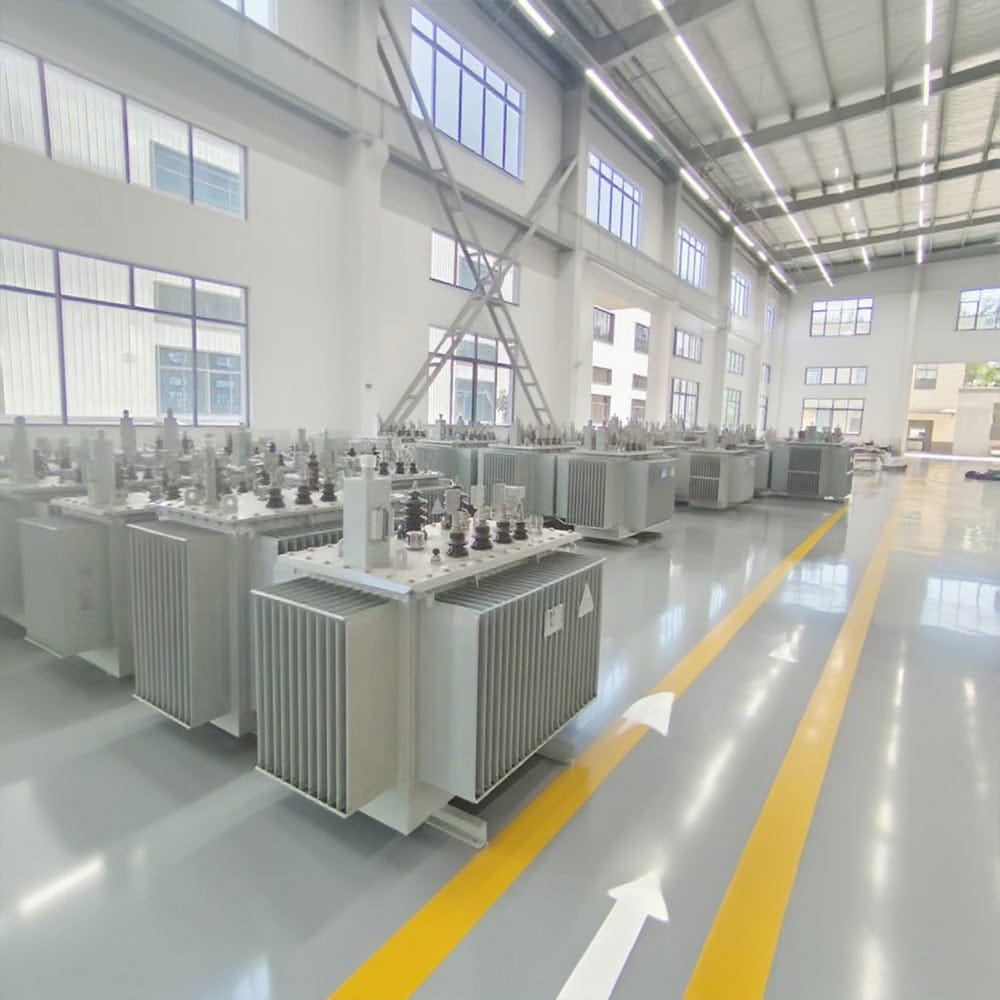
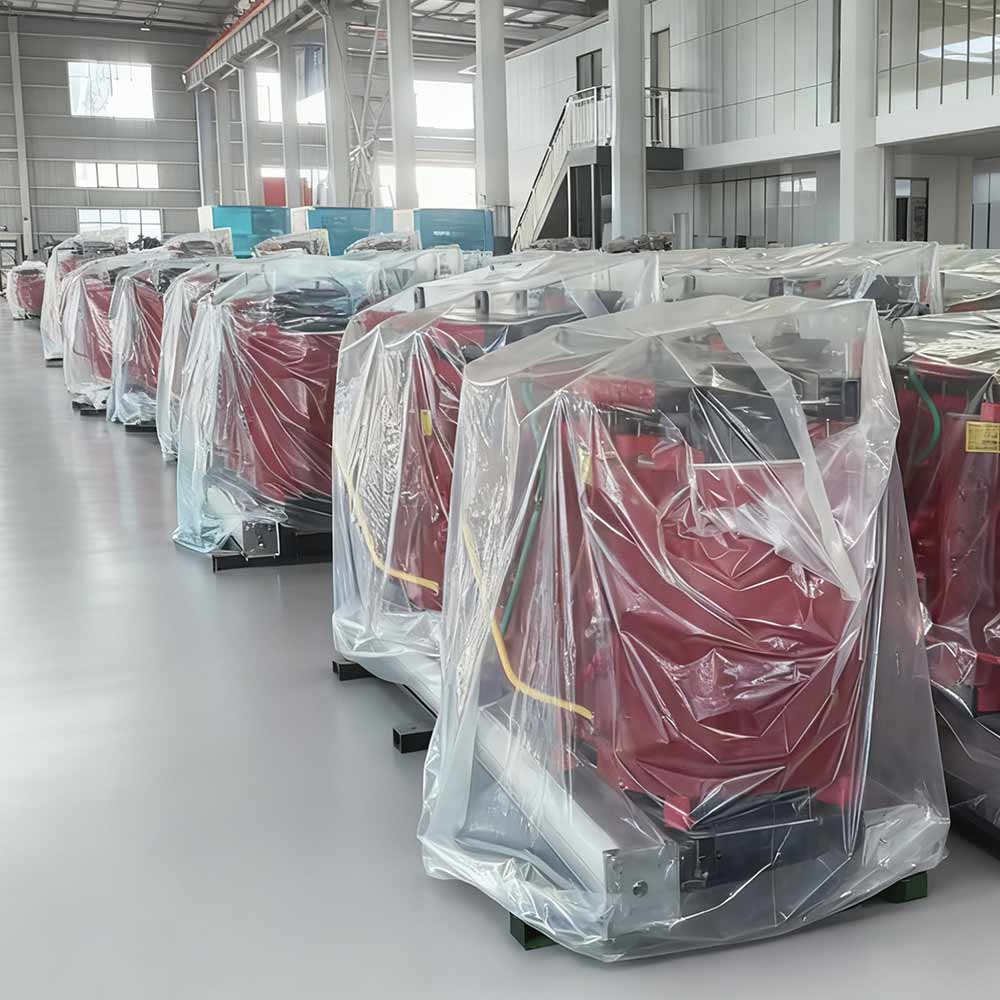
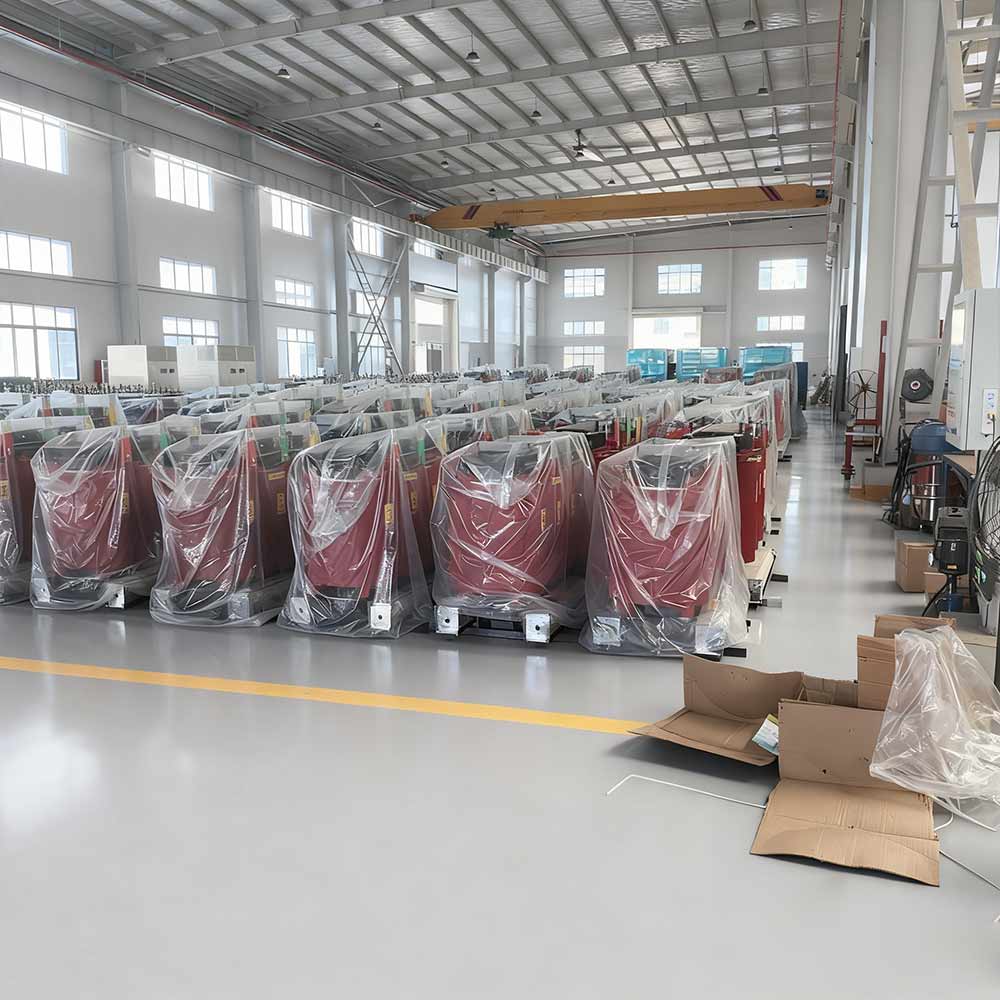
Lihe Transformer’s legacy lies in building transformers that stand the test of time—our units often serve for 50+ years, delivering consistent performance. As we move toward smarter, greener grids, our team continues to innovate: smart transformers that communicate with grids in real time, biodegradable cooling oils, and compact designs for urban environments.
6 Conclusion
Transformers are the backbone of modern electrification, enabling safe, efficient power transmission from generation to use. Lihe Transformer’s commitment to quality, innovation, and customization ensures our products meet the unique needs of every sector—from homes to industrial complexes.
Understanding transformers helps us appreciate the complexity of our electrical infrastructure and the role manufacturers like Lihe Transformer play in keeping the world powered. Whether you’re seeking a standard transformer or a custom solution, Lihe Transformer combines technical expertise with reliable performance—proving that one device can indeed have a massive impact.


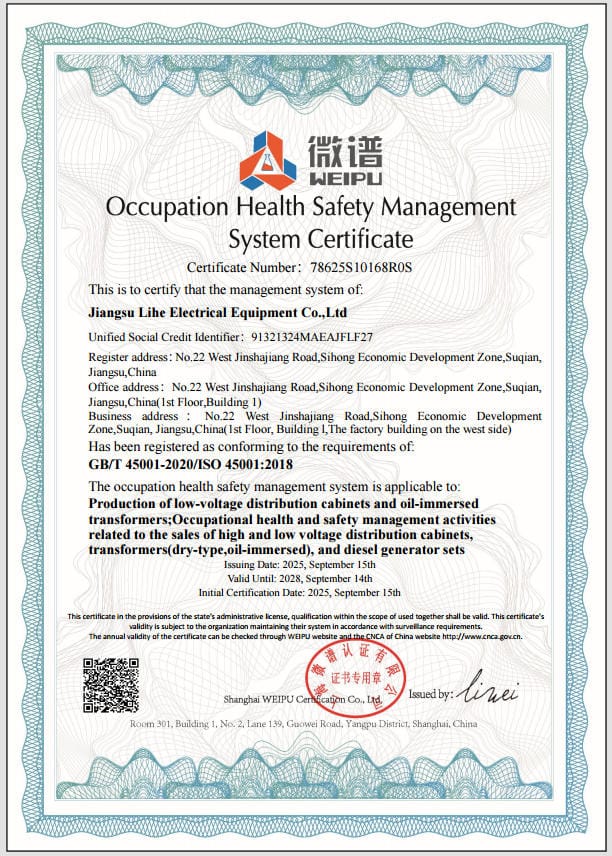
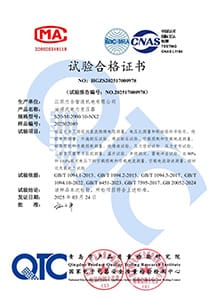
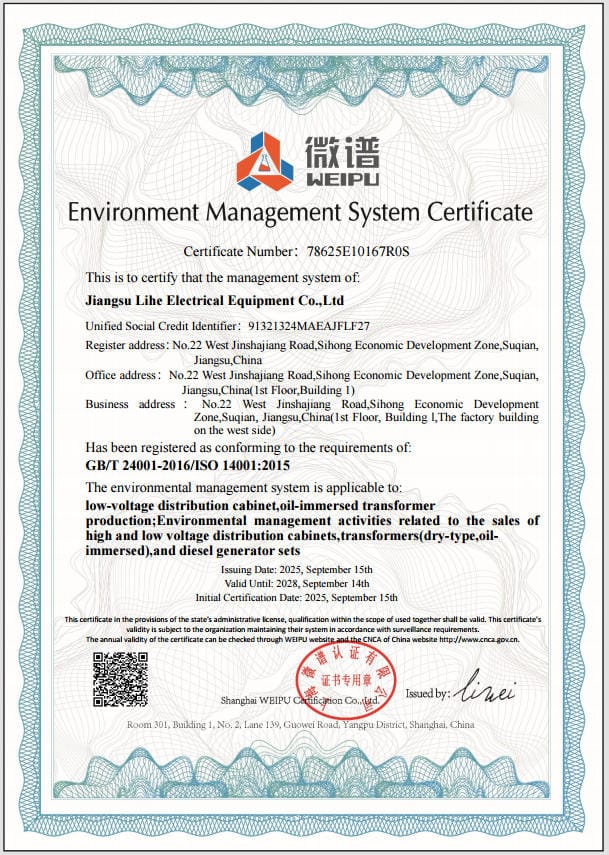
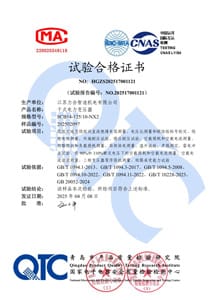
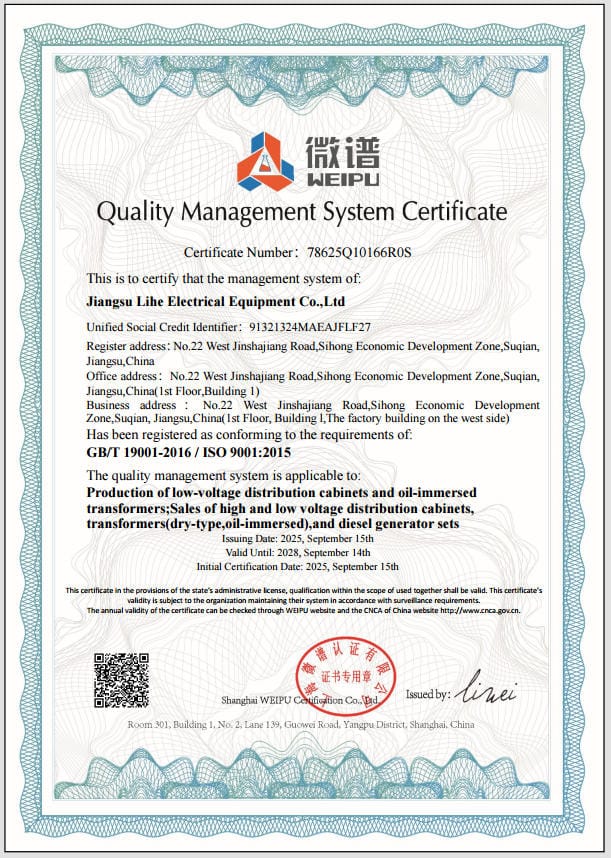
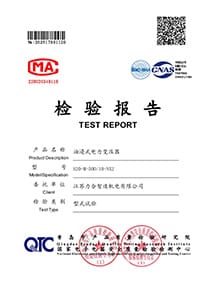
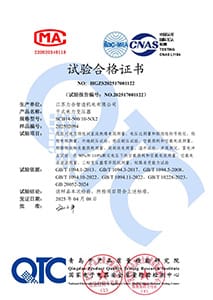
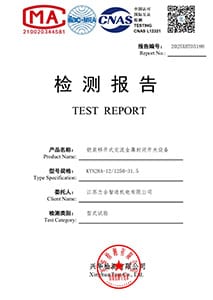
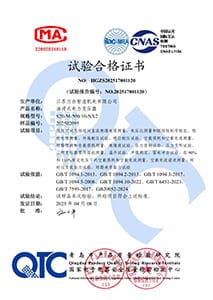
CERTIFICATE
Related Products

Compact Box Transformer Substation for Urban Areas
Transformer BoxBox Type Prefabricated Transformer Substations for Residential
Transformer Box250 KVA European-style Box-type Transformer Substation
Transformer Box500 kva Compact Substation Green Transformer Box
Transformer Box