
Many operators and maintenance teams understand that transformer fires do not occur randomly. They almost always stem from predictable, preventable issues: insulation degradation, poor electrical connections, core overheating, internal arcing, external short circuits, or inadequate protection systems. To effectively reduce fire risk, it is essential to identify root causes, implement targeted maintenance, and apply sound design principles—including proper configuration of the transformer neutral point.
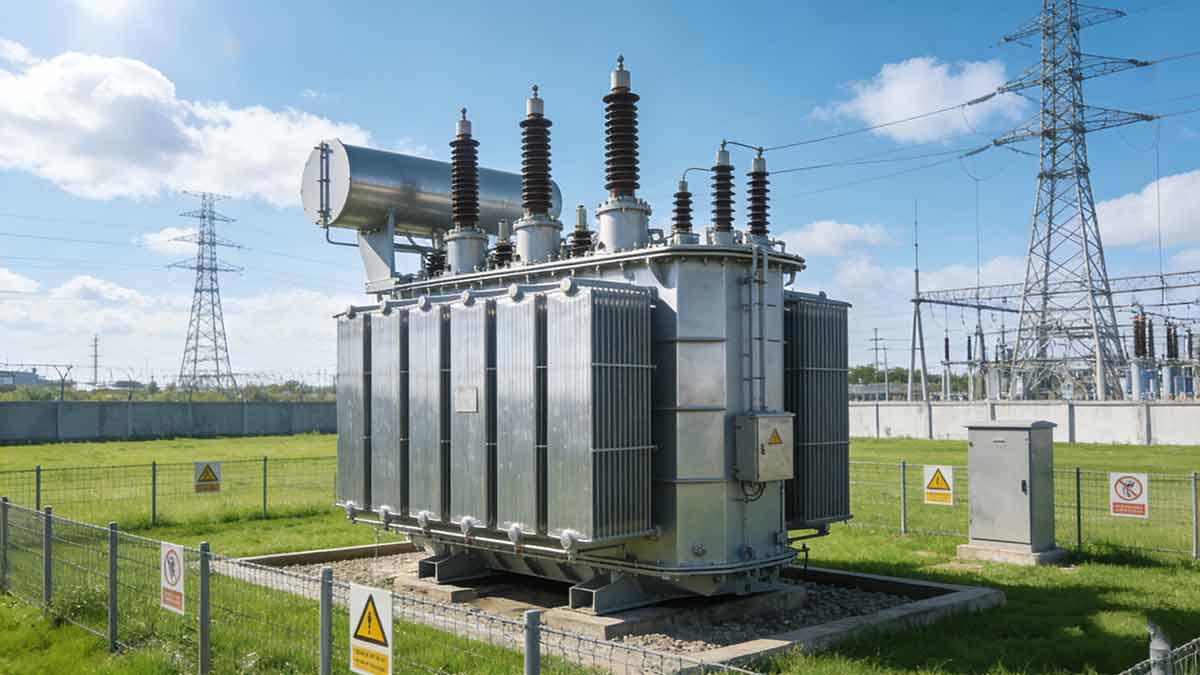
This article explores the primary causes of oil immersed transformer fire, breaks down failure mechanisms, summarizes risk factors in structured tables, and explains the function of the neutral point of the transformer in enhancing safety and stability. By addressing these topics in depth, facility managers, engineers, and technicians can make informed decisions to protect transformers, reduce fire hazards, and maintain reliable electrical operations.
Understanding Oil Immersed Transformer Fire Fundamentals
Before examining specific ignition sources, it is important to establish the basic conditions that enable an oil immersed transformer fire. Unlike dry-type transformers, oil-filled units use petroleum-based or synthetic insulating oil that is flammable under sufficient heat and oxygen. Under normal operating conditions, the oil remains stable and performs its intended roles. However, abnormal electrical or thermal stress can break down the oil, release flammable gases, and create explosive mixtures.
Key conditions required for transformer fire include:
- Sufficient thermal energy to ignite insulating materials or oil
- Flammable gases are generated from oil decomposition
- Oxygen supply from the surrounding air or tank headspace
- An ignition source, such as electric arcs, sparks, or hot spots
- Loss of dielectric strength leading to internal discharge
When these conditions combine, a minor electrical fault can rapidly escalate into a full transformer fire or explosion. Understanding these fundamentals helps explain why each failure mechanism discussed later poses such a significant risk.
What Is the Function of the Neutral Point of Transformer?
The neutral point is an essential structural and functional component of a three-phase transformer, directly affecting operational safety, system stability, and protection coordination—all of which influence the likelihood of an oil immersed transformer fire.
Core Function of Neutral Point of Transformer
- Provides a reference point for three-phase voltage balance
- Enables proper grounding to limit overvoltages during faults
- Supports protective relaying to detect ground faults quickly
- Reduces thermal and electrical stress on windings and insulation
- Stabilizes the system during lightning strikes and switching surges
Improper neutral point configuration can lead to unbalanced voltages, increased overvoltage stress, delayed fault clearing, and accelerated insulation degradation. Over time, these issues increase the probability of internal short circuits, overheating, and potential fire events. This makes the function of the neutral point of the transformer a critical safety consideration in any fire risk assessment.
Top Causes of Oil Immersed Transformer Fire
Winding Insulation Failure and Internal Short Circuits
Winding insulation failure is one of the most frequent precursors to an oil immersed transformer fire. The insulation system—typically composed of paper, pressboard, and other cellulose materials—acts as a barrier between turns, coils, and phases. When this barrier breaks down, short circuits occur, generating extreme heat and igniting nearby materials.
How Insulation Deterioration Leads to Fire
- Prolonged overloading raises operating temperatures beyond design limits
- Thermal cycling accelerates the embrittlement and breakdown of cellulose
- Contaminated or degraded insulating oil becomes acidic and corrosive
- Moisture ingress reduces dielectric strength and promotes decomposition
- Internal discharges create carbon tracks that worsen over time
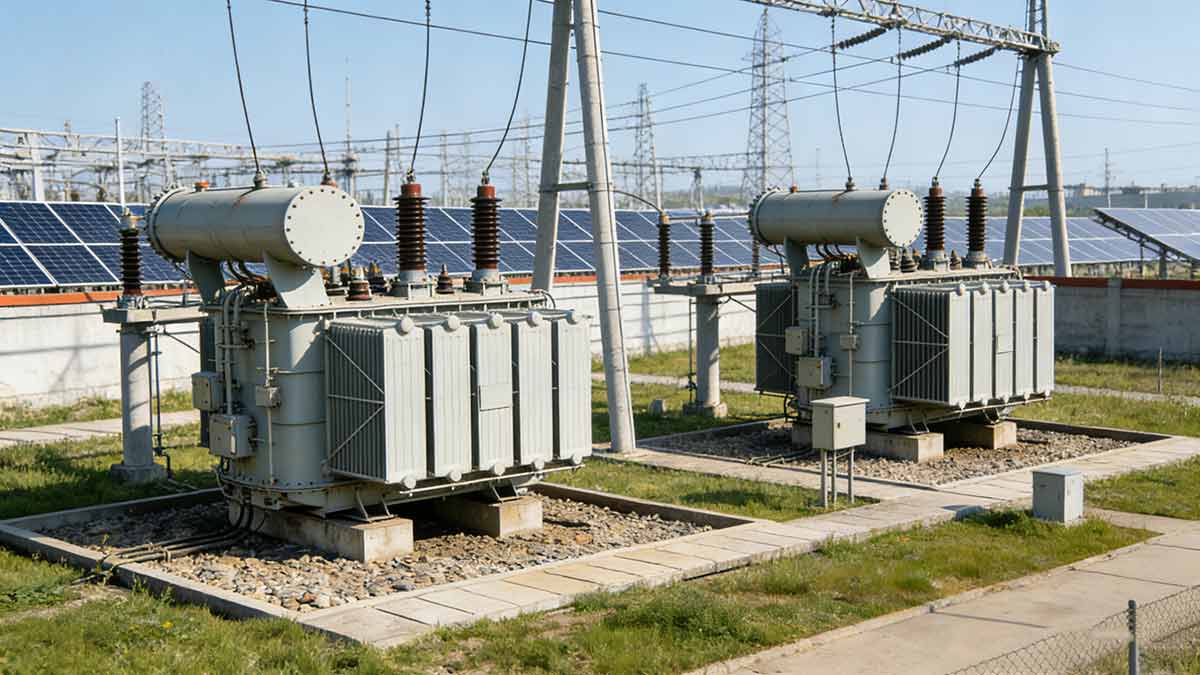
Rapid current surges from short circuits cause intense localized heating. The heat decomposes insulating oil, releasing flammable gases such as methane, ethane, and hydrogen. These gases accumulate in the tank headspace and form explosive mixtures when mixed with air. A single arc or spark can ignite the mixture, resulting in combustion or explosion.
Manufacturing and Installation Defects
- Inadequate quality control during coil winding
- Insufficient insulation spacing between high and low voltage windings
- Mechanical damage during transportation or installation
- Improper connection of leads or improper clamping of windings
Even minor damage during maintenance can create risks. Contact between leads, terminals, or copper components and the tank wall reduces insulation clearance, potentially causing ground faults or phase-to-phase short circuits that ignite windings and oil.
Poor Electrical Connections and Contact Resistance
Poor electrical connections create high-resistance points that generate abnormal heat. Over time, these hot spots can exceed the ignition temperature of insulation and oil, leading to an oil immersed transformer fire.
Common Poor Connection Points
- Winding-to-winding junctions
- Winding terminations and tap connections
- Load tap changer (LTC) contacts
- Busbar connections and cable lugs
Risks Created by High Contact Resistance
- Localized overheating beyond safe operating limits
- Oxidation and further degradation of contact surfaces
- Thermal decomposition of nearby insulation and oil
- Progressive damage leading to arcing and short circuits
Loose, corroded, or improperly torqued connections are often silent hazards. They may not trigger immediate alarms, but gradually deteriorate until a fire event occurs.
Transformer Core Overheating
The core is responsible for efficient magnetic flux transfer. When core insulation fails, excessive eddy currents and hysteresis losses produce dangerous overheating.
Causes of Core Overheating
- Damage to the insulation between silicon steel laminations
- Faulty or damaged clamping bolt insulation
- Loose core assembly leading to increased losses
- Residual magnetic fields create localized hot spots
Consequences of Uncontrolled Core Heat
- Sustained high temperatures exceeding oil and insulation limits
- Thermal breakdown and ignition of insulating materials
- Decomposition, vaporization, and ignition of insulating oil
- Structural deformation of core and winding components
Core overheating often develops slowly, making it difficult to detect without continuous monitoring. By the time visible symptoms appear, the risk of fire is already severe.
Internal Arc Flashover and Oil Breakdown
Arc flashover inside the transformer tank is a direct and violent ignition source for an oil immersed transformer fire. Arcs ionize the oil, create conductive pathways, and release enough energy to ignite flammable materials instantly.
Primary Causes of Internal Arcing
- Winding-to-tank discharge due to insulation failure
- Lightning overvoltage or switching surges
- Reduced oil level, exposing internal components
- Contamination reduces dielectric strength
How Arc Flashover Causes Fire
- Intense heat vaporizes and ignites insulating oil
- Rapid gas pressurization can rupture the tank
- Fire spreads quickly throughout the internal components
- Oil leakage intensifies the external fire
A low oil level is especially dangerous. Reduced cooling efficiency weakens heat dissipation, allowing temperatures to rise rapidly while increasing the chance of exposed live components arcing to ground.
External Short Circuits and System Faults
Many oil immersed transformer fire events start from faults outside the transformer itself. External short circuits impose extreme dynamic and thermal stress on the transformer, which can initiate internal failure.
Common External Fault Sources
- Physical damage from falling trees, wind, or vehicles
- Kites, wires, or foreign objects contacting the lines
- Small animals bridging bushings or terminations
- Natural disasters, including storms, floods, and earthquakes
Protection System Failures
- Malfunctioning or incorrectly set relays
- Failure of circuit breakers to trip
- Inadequate coordination between protection devices
- Lack of regular testing and maintenance
When external short circuits occur and protection systems fail to clear the fault, the transformer remains connected to a high-energy fault. Prolonged fault current rapidly overheats windings, damages insulation, and can directly cause a fire.
Summary of Oil Immersed Transformer Fire Causes
| Fire Cause | Primary Failure Mechanism | Key Risk Factors |
|---|---|---|
| Winding Insulation Failure | Internal short circuits, dielectric breakdown | Overloading, oil contamination, moisture, and poor manufacturing |
| Poor Connections | High contact resistance, hot spots | Loose lugs, corrosion, tap changer defects, improper torque |
| Core Overheating | Eddy current loss, lamination insulation damage | Loose laminations, faulty clamping, and assembly defects |
| Internal Arc Flashover | Discharge, oil ionization | Low oil level, overvoltages, and insulation damage |
| External Short Circuits | Overcurrent, thermal stress | Line faults, animal contact, and failed protection |
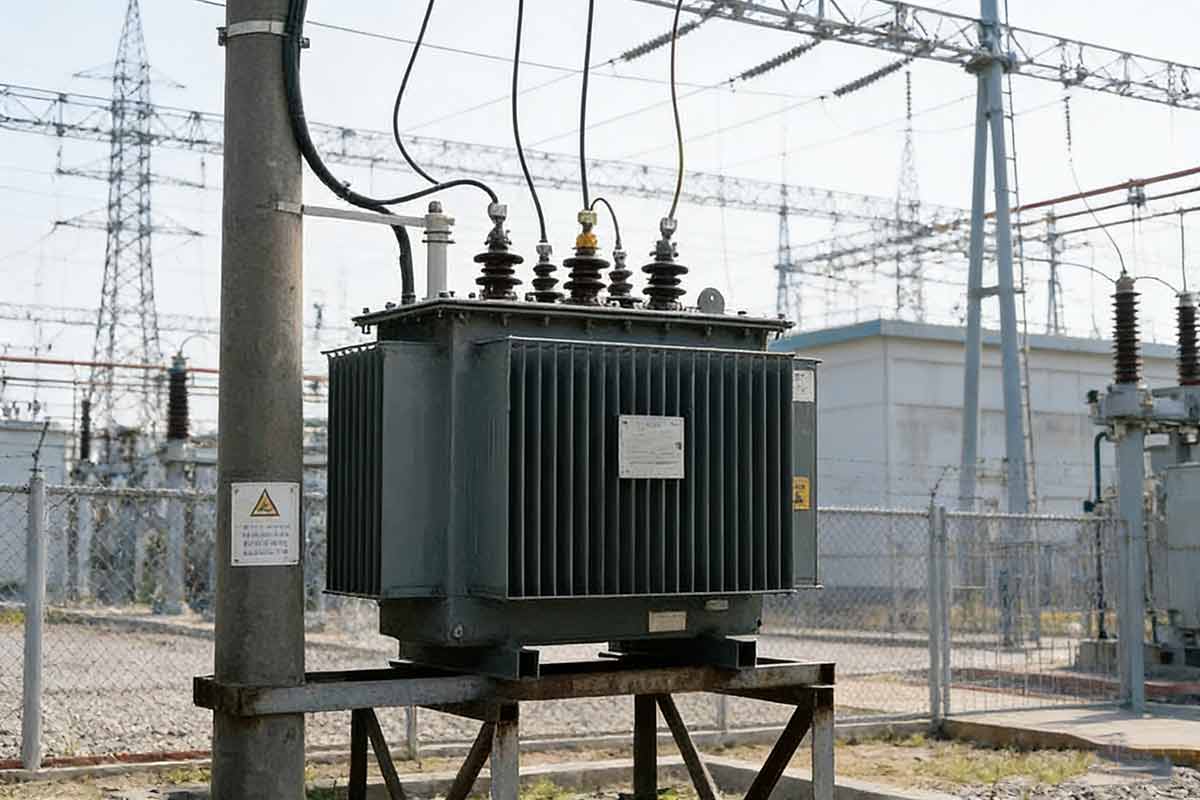
How Neutral Point Configuration Affects Transformer Fire Risk
The function of the neutral point of a transformer extends beyond electrical stability—it directly impacts fire safety by controlling overvoltages, improving fault detection, and reducing insulation stress.
How Proper Neutral Point Design Reduces Fire Risk
- Limits overvoltages that cause insulation breakdown
- Improves ground fault sensitivity for faster tripping
- Reduces unbalanced currents that create overheating
- Enhances immunity to lightning and switching surges
- Supports the reliable operation of protective devices
In contrast, poorly designed or ungrounded neutral points can allow dangerous overvoltages, accelerate insulation aging, and increase the chance of a catastrophic oil immersed transformer fire.
Preventive Measures to Minimize Oil Immersed Transformer Fire
Regular Insulation and Oil Monitoring
- Periodic oil testing for acidity, moisture, and dielectric strength
- Thermal imaging to detect hot spots
- Dissolved Gas Analysis (DGA) to identify early faults
- Replacement of degraded oil and damaged insulation
Connection and Contact Maintenance
- Regular inspection and retorquing of all connections
- Cleaning and lubrication of tap changer contacts
- Infrared scanning to detect high-resistance joints
- Replacement of corroded or damaged components
Core and Structural Integrity
- Inspection for loose laminations and clamping bolts
- Monitoring of no-load losses to detect deterioration
- Vibration analysis to identify mechanical issues
- Proper repair of any core insulation damage
Arc Flashover and Oil Level Protection
- Continuous oil level monitoring
- Pressure relief devices to prevent tank rupture
- Buchholz relays for early detection of gas accumulation
- Lightning arrestors and surge protection
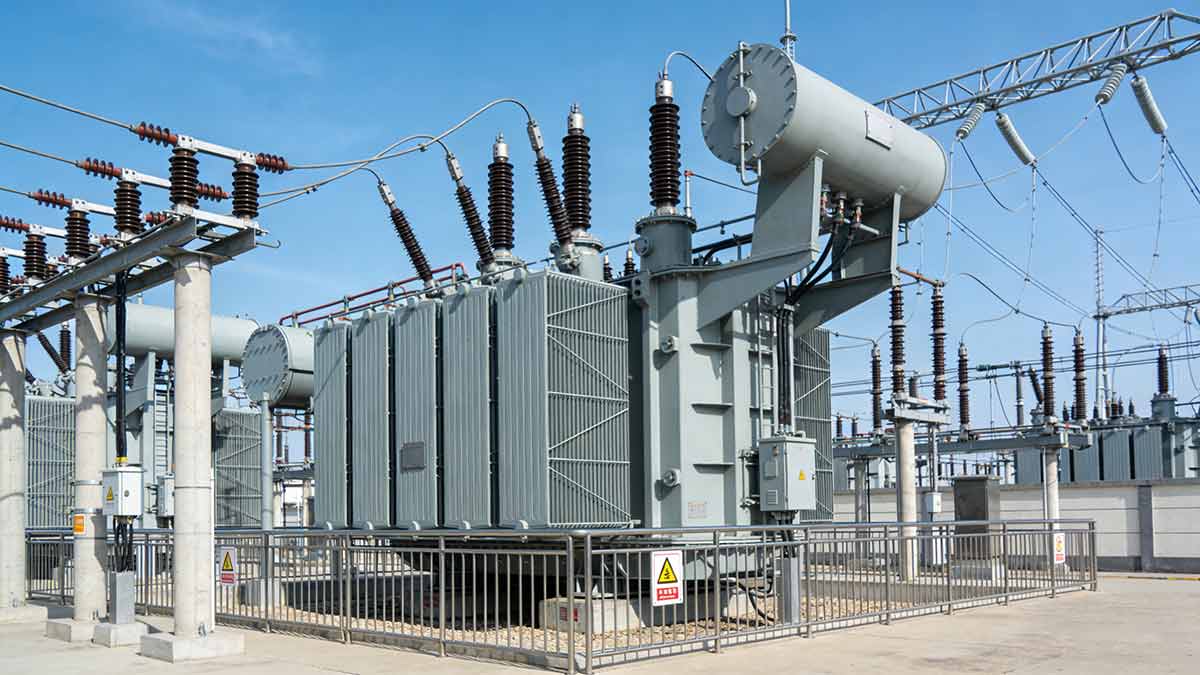
External Fault and Protection System Management
- Clear vegetation around transformers and lines
- Animal prevention barriers and bushing guards
- Regular testing of relays, breakers, and controls
- Proper coordination of protection systems
Neutral Point Optimization
- Correct grounding based on system requirements
- Regular testing of neutral connections
- Monitoring of neutral current for imbalance
- Alignment of neutral configuration with safety standards
Conclusion
An oil immersed transformer fire is a high-consequence event that can almost always be prevented by understanding root causes, implementing disciplined maintenance, and applying sound electrical design principles. From winding insulation failure and poor connections to core overheating, internal arcing, and external short circuits, each fire risk follows a predictable pattern that can be managed with proactive measures.
Equally important is recognizing the function of the neutral point of the transformer in overall safety. Proper neutral point configuration limits overvoltages, improves fault clearing, reduces thermal stress, and supports long-term insulation health—all of which directly lower the probability of fire.
By combining continuous monitoring, routine maintenance, protective device testing, oil condition analysis, and optimized neutral point design, operators can dramatically reduce the risk of oil immersed transformer fire. A comprehensive, long-term approach to transformer safety protects assets, ensures reliability, complies with industry standards, and safeguards personnel and facilities from harm.