
This comprehensive guide delves deep into the world of oil filled power transformers, addressing the most pressing questions users have—from their core working principles and key advantages to their potential drawbacks and risk mitigation strategies. We also cover critical topics such as selection criteria, maintenance best practices, and application suitability, providing authoritative insights to help you make informed decisions aligned with your operational needs, safety requirements, and long-term budget goals.
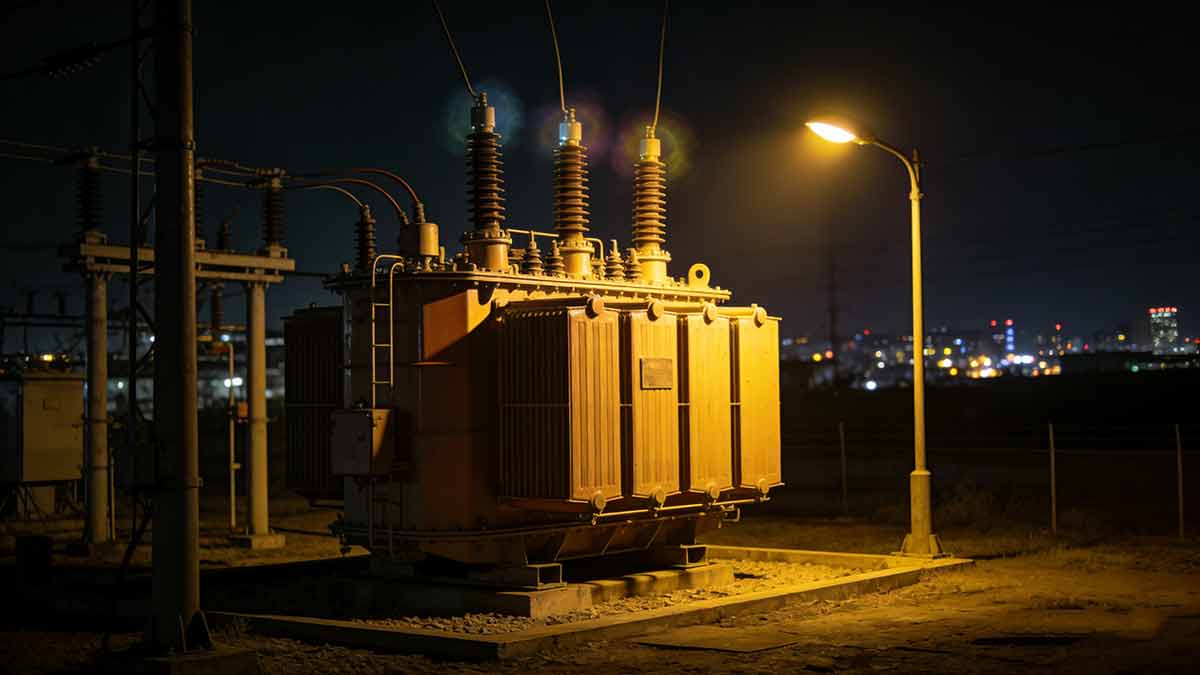
Oil Filled Power Transformer: Understanding the Basics
Before exploring the pros and cons, it is essential to establish a clear understanding of what an oil filled power transformer is and how it operates. Unlike dry-type transformers that rely on air or resin for insulation and cooling, oil filled power transformers use a specialized insulating oil (typically mineral oil, though synthetic oils are also used in some cases) as both a dielectric medium and a heat transfer agent.
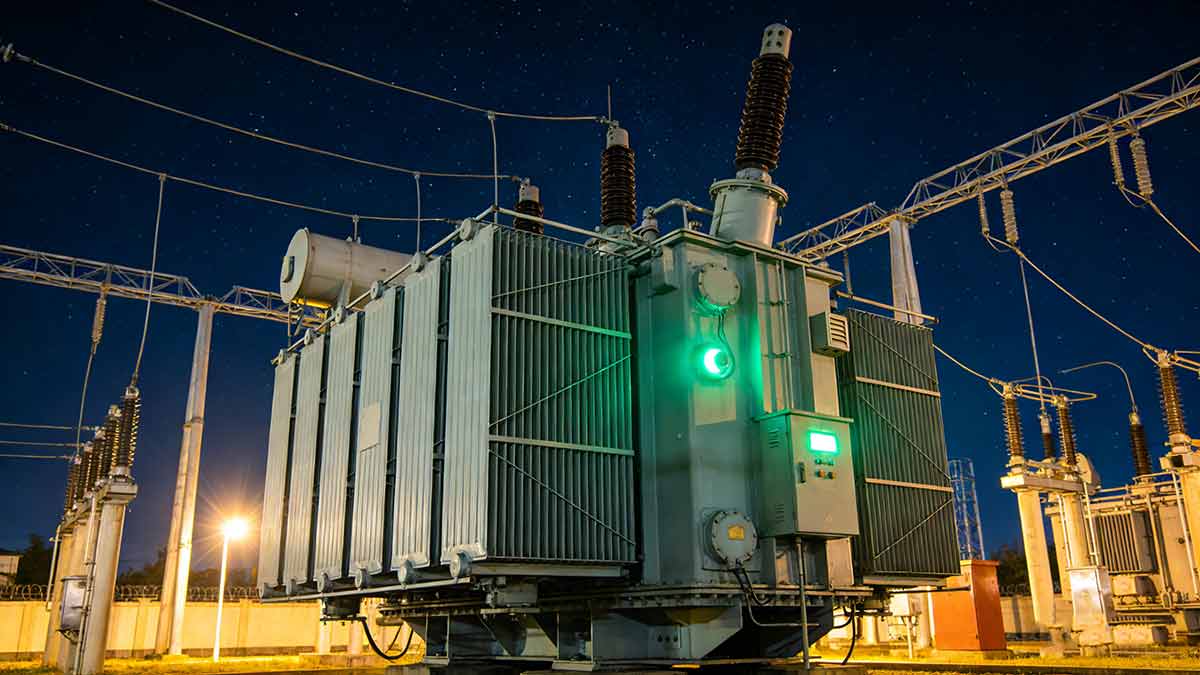
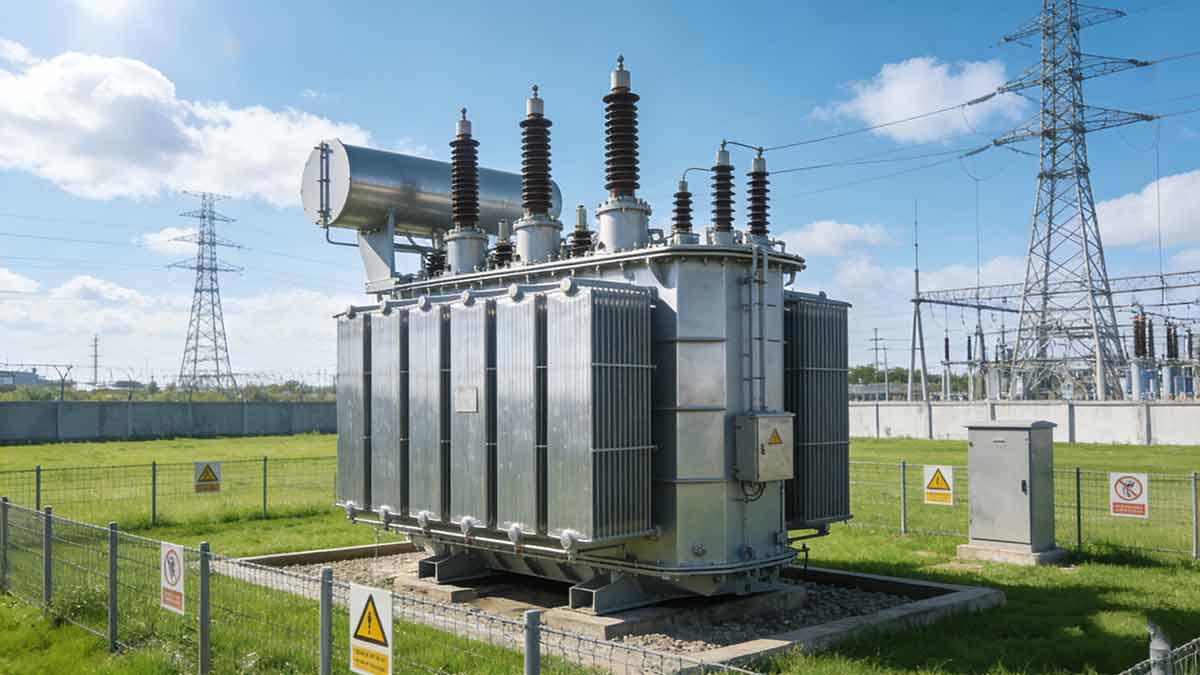
The core components of an oil filled power transformer include a magnetic core (usually made of laminated steel), primary and secondary windings (conductive coils), a tank to hold the insulating oil, and auxiliary components such as radiators, conservators, and breather systems. When alternating current flows through the primary winding, it generates a magnetic flux in the core, which induces an electric current in the secondary winding—enabling voltage step-up or step-down as required. The insulating oil surrounds the windings and core, preventing electrical breakdown (short circuits) and dissipating the heat generated during operation through the tank and radiators.
Oil filled power transformers are available in a wide range of capacities, from small units (a few kVA) for commercial buildings to large-scale transformers (hundreds of MVA) for power plants and high-voltage transmission networks. Their design and construction are governed by strict industry standards, such as IEC 60076 (International Electrotechnical Commission) and ANSI/IEEE C57 (American National Standards Institute), ensuring consistent performance and safety across different manufacturers and applications.
Oil Filled Power Transformer: Core Advantages for Industrial Power Systems
The enduring popularity of oil filled power transformers in industrial and utility applications stems from their unique set of advantages, which address the critical needs of high-power, continuous-operation environments. Below are the key benefits that make these transformers a preferred choice for many large-scale operations.
Superior Insulation Performance and Dielectric Strength
One of the primary advantages of oil filled power transformers is the exceptional insulation performance of their insulating oil. Insulating oil, whether mineral-based or synthetic, has a high dielectric strength—meaning it can withstand high electrical fields without breaking down and causing a short circuit. This property is crucial for transformers operating at high voltages (e.g., 11 kV, 33 kV, 132 kV), as it ensures reliable isolation between the windings, core, and tank.
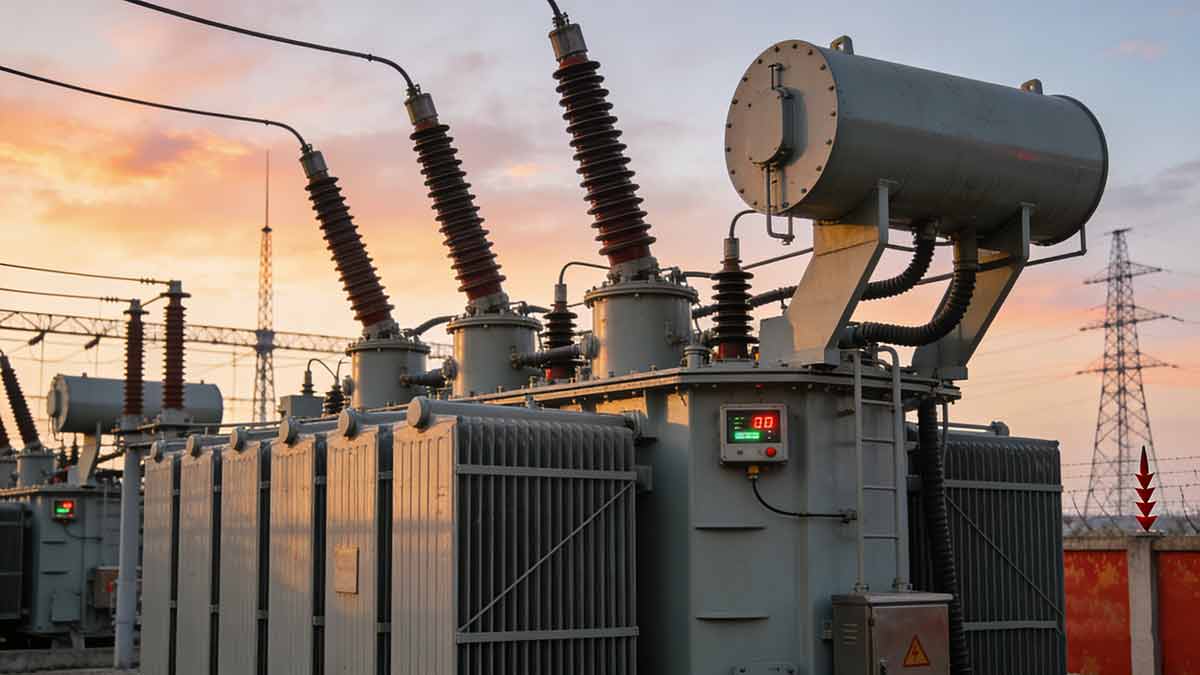
Compared to air insulation (used in dry-type transformers), insulating oil provides a more consistent and effective barrier against electrical arcing. It also fills gaps and voids in the winding insulation, eliminating air pockets that could otherwise lead to insulation failure. This superior insulation capability allows oil filled power transformers to operate safely at higher voltage levels and with tighter winding configurations, making them more compact for their power rating than some dry-type alternatives.
Efficient Heat Dissipation for High-Capacity Applications
Transformers generate significant heat during operation due to core losses (hysteresis and eddy current losses) and copper losses (I²R losses in the windings). For high-capacity transformers (above 5 MVA, for example), effective heat dissipation is critical to prevent overheating, which can degrade insulation and shorten the transformer’s lifespan. Oil filled power transformers excel in this area, as insulating oil has excellent thermal conductivity—far better than air.
The heat generated in the core and windings is absorbed by the insulating oil, which circulates naturally (via convection) or with the help of pumps (forced oil circulation) to the transformer tank and radiators. The radiators increase the surface area for heat transfer, allowing the oil to cool down before returning to the tank. This efficient cooling system enables oil filled power transformers to handle higher power loads continuously, making them ideal for applications such as power plants, industrial manufacturing facilities, and large data centers that require uninterrupted, high-capacity power distribution.
Cost-Effectiveness Across the Lifespan
Oil filled power transformers offer significant cost advantages compared to other high-capacity transformer types, such as dry-type transformers with advanced cooling systems. The primary cost benefit comes from the relatively low cost of insulating oil (especially mineral oil) compared to synthetic insulation materials used in dry-type units. Additionally, the manufacturing process for oil filled transformers is well-established and scalable, leading to lower production costs for high-volume, standard-rated units.
The cost advantage extends beyond the initial purchase price. Oil filled power transformers have a long operational lifespan (typically 25–40 years with proper maintenance), which is longer than many dry-type transformers. This extended lifespan reduces the frequency of replacement, lowering long-term capital expenditure. Furthermore, the maintenance costs for oil filled transformers are generally predictable and manageable, especially if proactive maintenance practices are implemented.
Robust Construction for Harsh Environmental Conditions
Oil filled power transformers are designed to withstand harsh outdoor and industrial environments, making them suitable for a wide range of applications. The sealed tank and insulating oil protect the internal components (core and windings) from dust, moisture, corrosive gases, and other contaminants that can degrade insulation and cause electrical faults. This robustness is particularly valuable for outdoor installations, such as utility substations, wind farms, and remote industrial sites, where exposure to the elements is unavoidable.
Many oil filled power transformers are also designed to resist vibration and mechanical stress, which is important for installations near heavy machinery or in seismic zones. The combination of a sturdy steel tank and the damping effect of the insulating oil helps to absorb vibrations, reducing wear and tear on the internal components.
Flexibility in Cooling System Design
Oil filled power transformers offer flexibility in cooling system design, allowing them to be tailored to specific application requirements. The most common cooling systems include:
1. Natural Oil Circulation with Natural Air Cooling (ONAN): Suitable for low to medium load conditions, this passive system relies on convection for oil circulation and heat dissipation. It is simple, reliable, and requires no additional power for cooling.
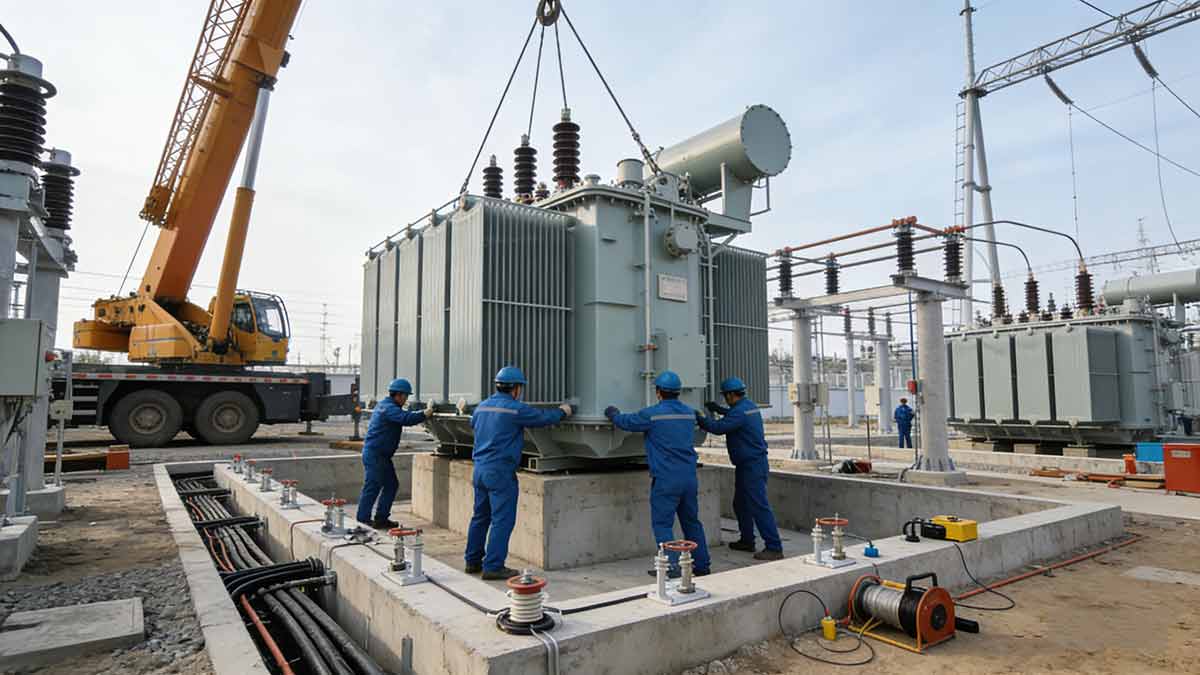
2. Natural Oil Circulation with Forced Air Cooling (ONAF): Incorporates fans to blow air over the radiators, increasing heat dissipation capacity. This system is ideal for applications where the transformer may experience occasional peak loads.
3. Forced Oil Circulation with Forced Air Cooling (OFAF): Uses pumps to circulate oil through the radiators and fans to enhance cooling. This system is designed for high-capacity transformers operating at continuous full load.
4. Forced Oil Circulation with Water Cooling (OFWF): Uses water-cooled heat exchangers for applications where air cooling is insufficient (e.g., in hot climates or indoor installations with poor ventilation). This flexibility allows users to select a cooling system that balances performance, cost, and energy efficiency.
Oil Filled Power Transformer: Key Limitations and Risk Mitigation
While oil filled power transformers offer numerous advantages, they also have inherent limitations and risks that must be addressed to ensure safe and reliable operation. Understanding these drawbacks and implementing appropriate mitigation strategies is critical for minimizing downtime, ensuring workplace safety, and complying with environmental regulations.
Flammability Risk and Fire Hazards
The most significant limitation of oil filled power transformers is the flammability of insulating oil. Mineral oil, the most commonly used insulating oil, has a low flash point (typically 160–180°C) and can ignite if exposed to an open flame, electrical arcing, or excessive heat. In the event of a tank rupture or oil leak, the spilled oil can spread fire, posing a significant risk to personnel, equipment, and nearby structures.
Mitigation Strategies: To address this risk, several measures can be implemented. First, selecting transformers with fire-resistant insulating oils (such as synthetic esters or natural esters) can significantly reduce flammability—these oils have higher flash points (above 300°C) and are self-extinguishing. Second, installing the transformer in a dedicated, fire-resistant enclosure or a separate fire-rated room can contain potential fires.
Third, equipping the transformer with fire suppression systems (such as sprinklers or foam systems) and oil containment basins (to catch spilled oil) can prevent fire spread. Finally, regular inspection of the tank and seals to detect and repair leaks early is critical.
Health Hazards Associated with Insulating Oil
Insulating oil, particularly mineral oil, can pose health risks to personnel who come into direct contact with it or inhale its vapors. Mineral oil is a petroleum-based product that can cause skin irritation (dermatitis) if it comes into prolonged contact with the skin. Inhalation of oil vapors (especially at high temperatures) can irritate the respiratory tract, and ingestion of the oil can cause gastrointestinal distress.
Additionally, aged or contaminated oil may contain harmful substances, such as polychlorinated biphenyls (PCBs)—a toxic and persistent organic pollutant that was used in older transformers. Mitigation Strategies: Implementing strict safety protocols for personnel working with oil filled power transformers is essential.
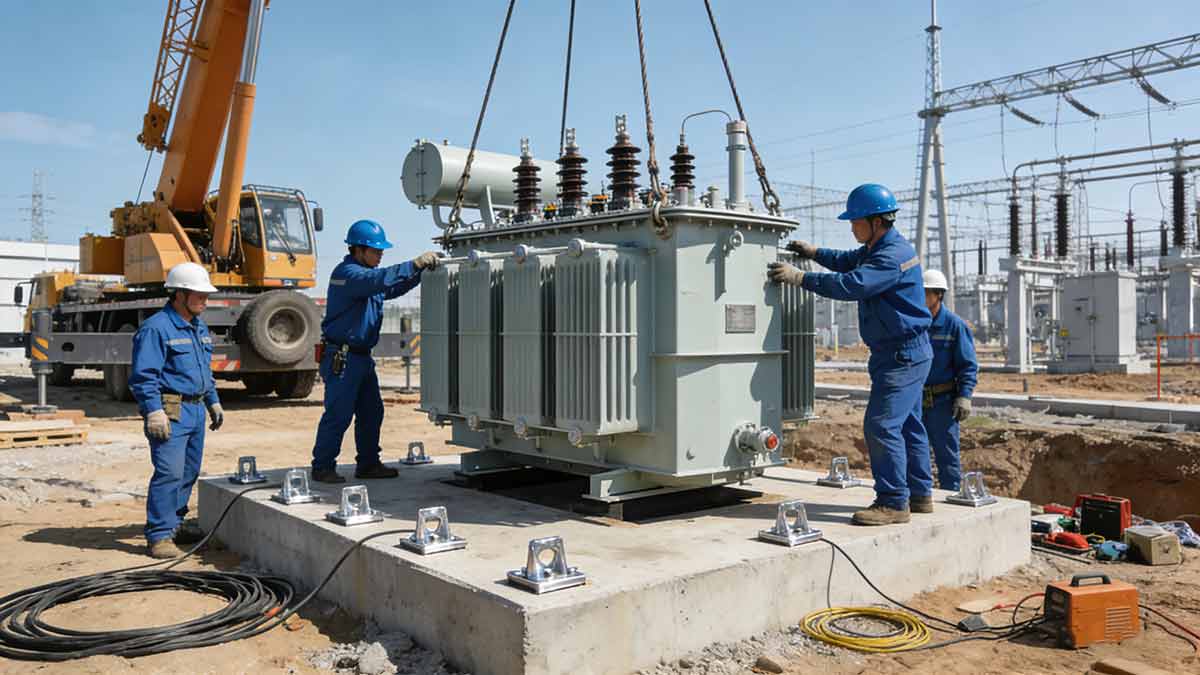
This includes wearing personal protective equipment (PPE) such as gloves, goggles, and protective clothing when handling oil or performing maintenance. Ensuring adequate ventilation in areas where transformers are installed can reduce vapor inhalation risks. For older transformers, testing for PCBs is mandatory—if PCBs are detected, the transformer must be decommissioned and the oil disposed of in compliance with environmental regulations. Using non-toxic, biodegradable insulating oils (such as natural esters) can also eliminate or reduce health hazards.
Requirement for Regular Oil Maintenance and Testing
Unlike dry-type transformers, which require minimal maintenance, oil filled power transformers demand regular inspection and testing of the insulating oil to ensure its performance and integrity. Over time, insulating oil can degrade due to oxidation (reaction with oxygen), contamination (from dust, moisture, or metal particles), and thermal stress. Degraded oil loses its dielectric strength and thermal conductivity, increasing the risk of insulation failure and transformer breakdown.
Mitigation Strategies: Establishing a proactive oil maintenance schedule is critical. Key maintenance tasks include: 1) Regular oil sampling and testing (typically every 6–12 months) to check for moisture content, acidity, dielectric strength, and the presence of contaminants. 2) Oil filtration or reclamation to remove impurities and restore oil properties. 3) Topping up the oil level to compensate for losses due to evaporation or minor leaks. 4) Replacing the oil entirely if it is severely degraded. Many modern transformers are equipped with online oil monitoring systems that continuously track oil condition, allowing for early detection of issues.
Sealing Challenges and Oil Leak Risks
Oil filled power transformers rely on seals (gaskets, O-rings) to prevent oil leaks. Over time, these seals can degrade due to aging, temperature fluctuations, vibration, and exposure to the elements, leading to oil leaks. Oil leaks not only reduce the transformer’s cooling and insulation capacity but also pose environmental risks (contaminating soil and water) and safety hazards (slip and fall risks, fire hazards if the oil ignites).
Mitigation Strategies: Regular inspection of seals and tank integrity is essential to detect leaks early. Seals should be replaced periodically (every 5–10 years, depending on the environment) as part of preventive maintenance. Using high-quality, weather-resistant seals (such as nitrile rubber or fluoropolymer seals) can extend their lifespan.
Additionally, installing oil leak detection systems (such as sensors or visual indicators) can alert personnel to leaks before they become severe. For outdoor transformers, ensuring proper drainage and installing oil containment systems (such as drip pans or curbs) can prevent spilled oil from contaminating the environment.
Lower Insulation Class Compared to Some Alternatives
Most oil filled power transformers are designed with Class A insulation (maximum operating temperature of 105°C), which is lower than the insulation classes of some dry-type transformers (e.g., Class F or Class H, with maximum operating temperatures of 155°C or 180°C, respectively). This lower insulation class means that oil filled power transformers have stricter temperature limits, which can reduce their overload capacity and lifespan if operated at high temperatures for extended periods.
Mitigation Strategies: To address this limitation, it is critical to ensure that the transformer is not overloaded beyond its rated capacity. Implementing load monitoring systems can help track load levels and prevent overloading. Additionally, selecting transformers with upgraded insulation materials (such as Class B insulation) or using synthetic insulating oils (which can withstand higher temperatures) can increase the transformer’s temperature tolerance. Proper cooling system maintenance (e.g., cleaning radiators, ensuring fans/pumps are operational) is also essential to keep the transformer within safe temperature limits.
Oil Filled Power Transformer: Selection Criteria for Industrial Applications
Selecting the right oil filled power transformer for your application requires careful consideration of several key factors, including power requirements, environmental conditions, safety regulations, and budget constraints. Below are the critical criteria to evaluate when making a selection.
Power Rating and Voltage Requirements
The first step in selecting an oil filled power transformer is determining the required power rating (in kVA or MVA) and voltage levels (primary and secondary). The power rating should be sufficient to handle the maximum expected load, including any future expansion plans. It is recommended to select a transformer with a 10–20% overload capacity to accommodate peak loads. The primary voltage is determined by the power source (e.g., utility grid voltage), while the secondary voltage is dictated by the load requirements (e.g., 415 V for machinery, 230 V for lighting).
It is also important to consider the transformer’s voltage regulation—i.e., the ability to maintain a stable secondary voltage as the load changes. Oil filled power transformers typically have excellent voltage regulation (less than 3% for most units), which is critical for sensitive equipment such as computers, automation systems, and precision manufacturing machinery.
Environmental Conditions and Installation Location
The installation location (indoor vs. outdoor, harsh vs. mild environment) has a significant impact on transformer selection. For outdoor installations, the transformer must be designed to withstand temperature extremes, rain, snow, dust, and humidity. Look for transformers with weather-resistant tanks, corrosion-resistant coatings, and robust sealing systems. For indoor installations, flammability risk is a key concern—consider using transformers with fire-resistant insulating oils or installing them in a dedicated fire-rated room.
For harsh industrial environments (e.g., chemical plants, steel mills, coastal areas), transformers may require additional protection against corrosive gases, dust, saltwater, and vibration. In such cases, selecting transformers with sealed tanks, air filters, and vibration-damping mounts is essential.
Insulating Oil Type
The type of insulating oil used in the transformer is a critical selection criterion, as it affects safety, environmental impact, and performance. The three main types of insulating oils are:
1. Mineral Oil: The most common and cost-effective option, but flammable and potentially harmful to the environment. Suitable for outdoor installations with proper fire and environmental protection.
2. Synthetic Esters: Fire-resistant, biodegradable, and non-toxic. Ideal for indoor installations, areas with high fire risk, or environmentally sensitive locations. More expensive than mineral oil but offers superior safety benefits.
3. Natural Esters (Vegetable-Based Oils): Renewable, biodegradable, and fire-resistant. Similar to synthetic esters in terms of safety, but may have lower thermal conductivity. Suitable for applications with strict environmental regulations.
Cooling System Requirements
The cooling system should be selected based on the transformer’s power rating, load profile, and installation environment. For low to medium load conditions and mild climates, ONAN (natural oil, natural air) cooling is sufficient. For higher loads or warmer climates, ONAF (natural oil, forced air) or OFAF (forced oil, forced air) cooling is recommended. For indoor installations or hot climates where air cooling is insufficient, OFWF (forced oil, water cooling) may be necessary.
Compliance with Industry Standards and Regulations
Ensure that the oil filled power transformer complies with relevant industry standards and local regulations. Key standards include IEC 60076 (global), ANSI/IEEE C57 (North America), and BS EN 60076 (Europe). Compliance with these standards ensures that the transformer meets strict performance, safety, and quality requirements. Additionally, check for certifications such as ISO 9001 (quality management) and ISO 14001 (environmental management) to ensure the manufacturer follows best practices.
Oil Filled Power Transformer: Maintenance Best Practices for Longevity
Proper maintenance is critical to ensuring the longevity, reliability, and safety of oil filled power transformers. A proactive maintenance program can extend the transformer’s lifespan, reduce the risk of unexpected breakdowns, and lower long-term maintenance costs. Below are the key maintenance best practices to implement.
Regular Visual Inspections
Conduct visual inspections of the transformer at least once a month (more frequently for harsh environments). Check for oil leaks, damage to the tank or radiators, loose connections, and signs of overheating (e.g., discoloration of the tank, burnt insulation). Inspect the conservator (oil expansion tank) to ensure the oil level is within the recommended range and that the breather (which removes moisture from the air entering the conservator) is clean and functional.
Oil Testing and Maintenance
As mentioned earlier, regular oil testing is essential. Conduct comprehensive oil analysis every 6–12 months, including tests for dielectric strength, moisture content, acidity, viscosity, and the presence of contaminants (e.g., metal particles, sludge). If the oil fails any of these tests, take corrective action such as filtration, reclamation, or replacement. Additionally, check the oil temperature regularly to ensure the cooling system is functioning properly.
Cooling System Maintenance
Maintain the cooling system to ensure efficient heat dissipation. For radiators, clean them regularly to remove dust, dirt, and debris that can block air flow. Inspect fans and pumps (if equipped) for proper operation, and replace worn or faulty components. Check the coolant level (for water-cooled systems) and ensure there are no leaks in the cooling lines.
Electrical Testing
Conduct periodic electrical tests to assess the transformer’s electrical performance. Key tests include: 1) Insulation resistance test (to check for insulation degradation). 2) Turns ratio test (to verify the voltage ratio between primary and secondary windings). 3) Load loss and no-load loss tests (to assess energy efficiency). 4) Dissolved gas analysis (DGA) for oil-filled transformers—to detect internal faults such as overheating or arcing by analyzing the gases dissolved in the oil.
Record-Keeping
Maintain detailed records of all maintenance activities, including inspection reports, oil test results, electrical test data, and repairs. This documentation helps track the transformer’s performance over time, identify trends, and plan for future maintenance or replacement. It also provides valuable information for troubleshooting if a problem occurs.
FAQ About Oil Filled Power Transformers
Q: Are oil filled power transformers suitable for indoor installations?
A: Yes, oil filled power transformers can be used indoors, but additional safety measures are required due to the flammability of insulating oil. These measures include installing the transformer in a fire-rated room, using fire-resistant insulating oils (synthetic or natural esters), and equipping the area with fire suppression systems and oil containment basins. For indoor applications with strict fire safety requirements, dry-type transformers may be a more suitable alternative, but oil filled transformers with fire-resistant oils offer a viable option for high-capacity indoor needs.
Q: How long does an oil filled power transformer last?
A: With proper maintenance, an oil filled power transformer can last 25–40 years. The lifespan depends on several factors, including the quality of construction, operating conditions (load, temperature, environment), and maintenance practices. Transformers operating in harsh environments or under continuous full load may have a shorter lifespan, while those with proactive maintenance programs can exceed 40 years of reliable operation.
Q: What is the difference between mineral oil and synthetic ester oil in transformers?
A: The main differences are in flammability, environmental impact, and cost. Mineral oil is flammable (flash point 160–180°C), non-biodegradable, and cost-effective. Synthetic esters are fire-resistant (flash point above 300°C), biodegradable, and non-toxic, but more expensive. Synthetic esters also have better oxidative stability, allowing for longer oil life. The choice depends on safety requirements, environmental regulations, and budget—mineral oil is ideal for outdoor installations with proper protection, while synthetic esters are preferred for indoor or high-fire-risk applications.
Q: Can oil filled power transformers be used in renewable energy applications?
A: Yes, oil filled power transformers are widely used in renewable energy applications such as wind farms and solar parks. They are used to step up the low-voltage power generated by wind turbines or solar panels to the high voltage required for transmission through the utility grid. For renewable energy installations, which are often located in remote or environmentally sensitive areas, oil filled transformers with biodegradable, fire-resistant oils (synthetic or natural esters) are often preferred to minimize environmental impact and fire risk.
Q: How does an oil filled power transformer compare to a dry-type transformer in terms of efficiency?
A: Oil filled power transformers typically have higher energy efficiency than dry-type transformers, especially for high-capacity units (above 5 MVA). This is due to their superior heat dissipation capability, which reduces energy losses. For example, a 10 MVA oil filled transformer may have a load loss of 80–100 kW, while a comparable dry-type transformer may have a load loss of 100–120 kW. The higher efficiency of oil filled transformers can result in significant energy savings over their lifespan, offsetting their initial cost advantage.
Conclusion: Making the Right Choice with Oil Filled Power Transformers
Oil filled power transformers remain a critical component in industrial power systems, offering superior insulation, efficient heat dissipation, cost-effectiveness, and robustness for high-capacity applications. While they come with limitations such as flammability, health risks, and maintenance requirements, these challenges can be effectively mitigated through proper selection, installation, and proactive maintenance.
When evaluating oil filled power transformers, it is essential to balance their advantages against your specific needs—considering factors such as installation location, load requirements, safety regulations, and environmental constraints. By selecting the right insulating oil type, cooling system, and maintenance program, you can ensure that your oil filled power transformer delivers reliable, efficient performance for decades.
Whether you are powering a manufacturing facility, a utility substation, or a renewable energy project, oil filled power transformers offer a proven, cost-effective solution for high-capacity power distribution. With the insights provided in this guide, you can make an informed decision that aligns with your operational goals, safety standards, and long-term budget.