
What Are The Models Of Resin Type Transformer?
Dry-type resin transformers stand as advanced power transmission and distribution equipment characterized by a core design: neither their iron cores nor windings are immersed in insulating oil. Instead, these transformers leverage two reliable cooling methods to maintain optimal operating temperatures: natural air cooling (relying on ambient air circulation) and forced air cooling (utilizing dedicated fans to enhance heat dissipation). This oil-free design not only eliminates the risk of oil leakage and environmental contamination but also ensures superior safety and adaptability to confined or sensitive environments, making them a preferred choice across diverse industries.
Voltage Level Classification
Dry-type resin transformers are engineered to accommodate a wide range of voltage requirements, spanning from low-voltage to ultra-high-voltage applications. Common voltage ratings include 0.22KV, 0.38KV, 0.66KV, 6KV, 10KV, 20KV, 35KV, 66KV, 110KV, 220KV, 330KV, 500KV, 750KV, and 1000KV. Low-voltage models (such as 0.22KV-10KV) are typically used in indoor distribution systems, commercial buildings, and small-to-medium industrial facilities, while medium-to-high-voltage variants (35KV-220KV) serve urban power grids, industrial parks, and regional power transmission lines. Ultra-high-voltage transformers (330KV and above) play a critical role in long-distance power transmission networks, ensuring efficient energy delivery across vast geographic areas.
Insulation and Heat Dissipation Medium Classification
Based on insulation materials and heat dissipation media, transformers are primarily categorized into dry-type transformers and oil-immersed transformers. Dry-type transformers, which exclude insulating oil, are further subdivided into two key types:
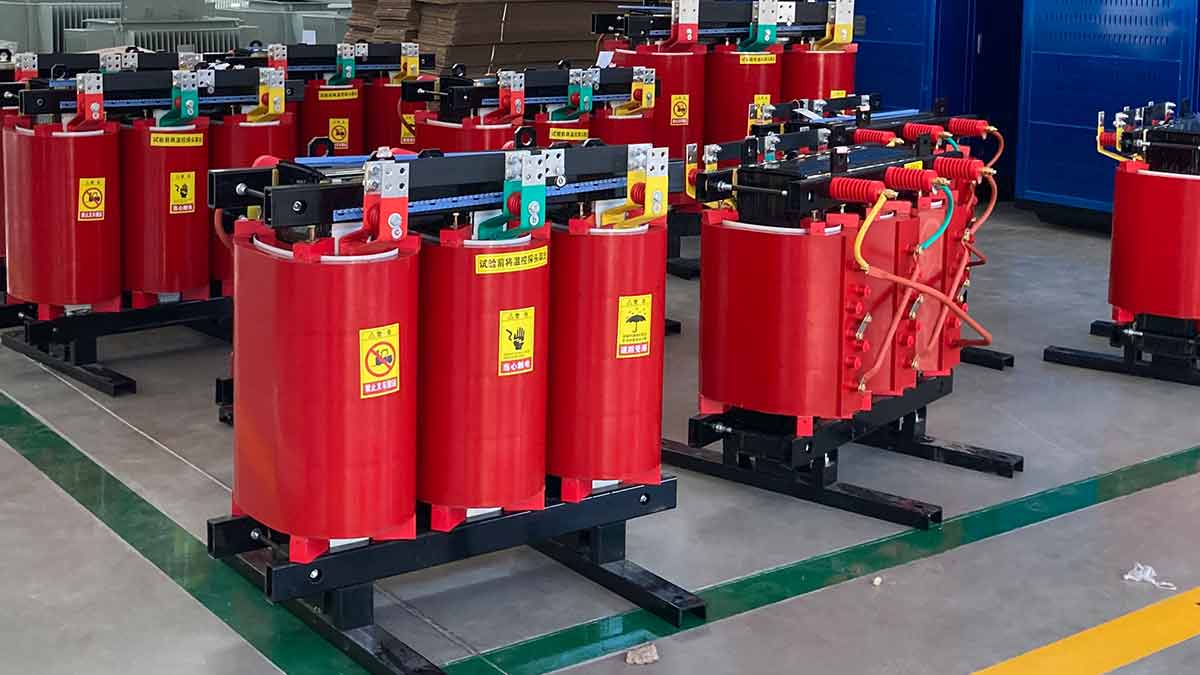
- SCB epoxy resin cast dry-type transformers: Manufactured using vacuum epoxy resin casting technology, these transformers feature a fully encapsulated winding structure. This design delivers exceptional insulation performance, mechanical strength, and resistance to moisture, dust, and chemical corrosion, making them suitable for harsh operating conditions such as industrial workshops and outdoor substations.
- SGB10 non-encapsulated H-class insulation dry-type transformers: Equipped with H-class insulation materials (e.g., aramid paper), these transformers offer excellent thermal stability and energy efficiency. The non-encapsulated winding design facilitates natural heat dissipation and simplifies maintenance, making them ideal for indoor low-voltage distribution scenarios like office buildings, hospitals, and data centers.
Iron Core Structure Material Classification
The iron core is a critical component of dry-type resin transformers, and its material directly impacts energy efficiency and performance. Common core materials include:
- Silicon steel laminated cores: Composed of thin silicon steel sheets stacked together, these cores minimize eddy current losses and hysteresis losses, ensuring high efficiency in standard operating conditions. They are the most widely used core material in dry-type transformers due to their cost-effectiveness and reliability.
- Silicon steel wound cores: Formed by winding continuous silicon steel strips, wound cores feature a seamless structure with minimal air gaps. This design reduces magnetic flux leakage and further lowers energy losses, making them suitable for high-efficiency transformer applications where energy conservation is a priority.
- Amorphous alloy cores: Made from amorphous alloy materials (e.g., iron-based amorphous ribbons), these cores exhibit extremely low core losses—typically 30-70% lower than silicon steel cores. Amorphous alloy dry-type transformers are highly energy-efficient and are often used in green buildings, renewable energy projects, and applications requiring strict energy-saving standards.
Design Energy-Saving Sequence Classification
Dry-type resin transformers are classified by design energy-saving levels, with sequential model codes indicating progressive improvements in efficiency. The common energy-saving sequence includes SG, SJ, S7, S9, S11, S13, and S15. Early models like SG and SJ are basic energy-saving designs, while S7 and S9 represent standard efficiency levels widely adopted in the past. Modern high-efficiency models, such as S11, S13, and S15, incorporate advanced core materials, optimized winding structures, and improved manufacturing processes to achieve significantly lower no-load and load losses. S13 and S15 models, in particular, meet the latest national and international energy efficiency standards (e.g., IE2, IE3) and are increasingly mandated for new construction and renovation projects to reduce carbon emissions and operational costs.
Phase Classification
Dry-type resin transformers are available in two phase configurations to meet different power supply needs:
- Single-phase transformers: Designed for single-phase power systems, these transformers are typically used in residential areas, small commercial establishments, and low-power industrial equipment (e.g., lighting, small motors). Common single-phase voltage ratings include 0.38KV/0.22KV, and capacity ranges from 3KVA to 500KVA.
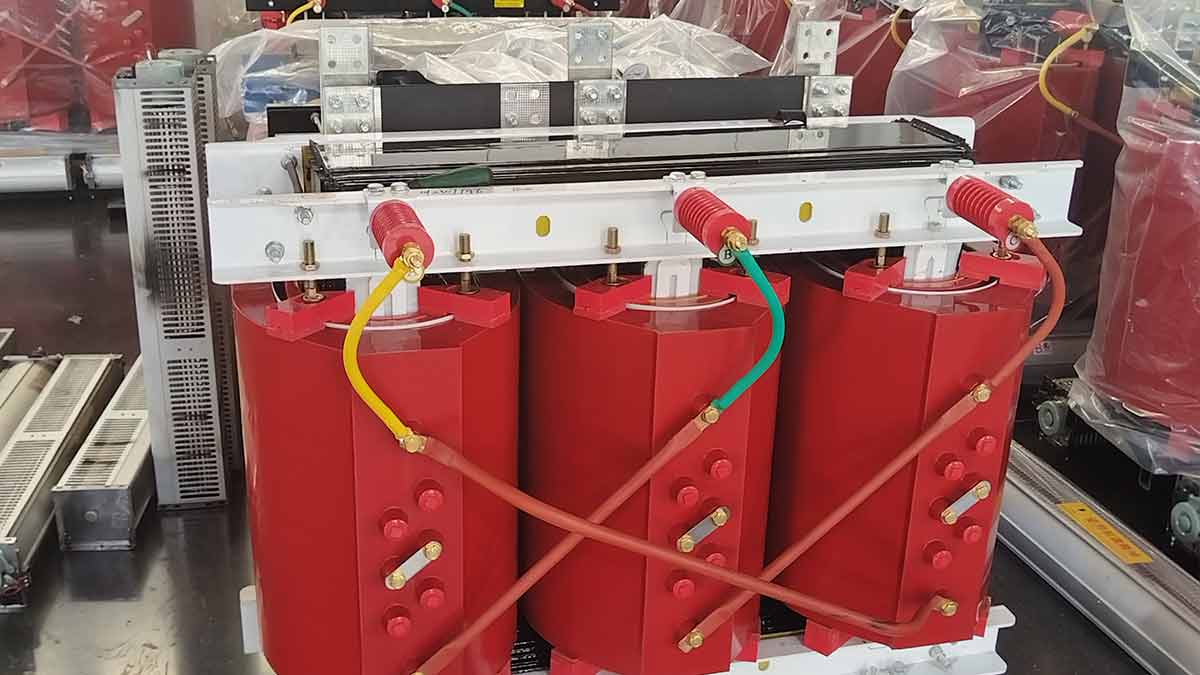
- Three-phase transformers: The most common configuration for industrial and commercial applications, three-phase transformers deliver balanced three-phase power to large equipment, production lines, and power distribution networks. They are available in capacities from 10KVA to 5000KVA and are compatible with all standard voltage levels, making them versatile for use in factories, airports, and urban power grids.
Capacity Classification
Dry-type resin transformers offer a broad range of rated capacities to accommodate diverse load requirements, from small-scale power supply to large industrial applications. Common capacity ratings include 3KVA, 5KVA, 10KVA, 15KVA, 20KVA, 25KVA, 30KVA, 40KVA, 50KVA, 80KVA, 100KVA, 125KVA, 160KVA, 200KVA, 250KVA, 315KVA, 400KVA, 500KVA, 630KVA, 800KVA, 1000KVA, 1250KVA, 1600KVA, 2000KVA, 2500KVA, 3150KVA, 4000KVA, and 5000KVA. Small-capacity models (3KVA-500KVA) are ideal for local lighting, small machinery, and commercial buildings, while medium-to-large-capacity transformers (630KVA-5000KVA) are deployed in industrial plants, combined box-type substations, and regional power distribution centers to support high-power equipment and large-scale energy demands.
Typical Applications
Dry-type resin transformers are renowned for their safety, reliability, and versatility, making them suitable for a wide array of indoor and semi-outdoor applications. Key use cases include:
- Indoor power distribution systems: Office buildings, shopping malls, high-rise residential complexes, and hotels, where oil-free operation eliminates fire and environmental risks.
- Combined box-type substations: Compact, integrated power distribution units used in urban infrastructure, industrial parks, and remote areas, where space is limited and mobility is required.
- Critical infrastructure: Airports, railway terminals, seaports, and hospitals, where uninterrupted power supply and safety are paramount.
- Industrial facilities: CNC machinery, production lines, manufacturing plants, and data centers, where stable voltage output and resistance to harsh conditions are essential.
- Renewable energy projects: Solar power plants, wind farms, and energy storage systems, where high efficiency and compatibility with green energy sources are required.
With their robust design, energy-saving capabilities, and wide range of configurations, dry-type resin transformers continue to be a cornerstone of modern power systems, meeting the evolving needs of industries, communities, and infrastructure worldwide.