
This article explains structural advantages, operational safety, automation capabilities, installation efficiency, flexible configuration, economic benefits, space efficiency, and environmental compatibility, while also clarifying the function of the transformer’s neutral point in overall system stability and protection.
What Advanced Structural Features Define Pad Mounted Type Transformer?
The structural design of pad mounted transformers focuses on durability, safety, and environmental adaptability. Unlike traditional open-type distribution equipment, these units use enclosed, factory-built structures that resist corrosion, extreme temperatures, and external contamination.
- High-grade anti-corrosion enclosure materials extend service life and reduce long-term maintenance
- Multi-layer interior structure provides fire resistance, thermal insulation, and mechanical strength
- Integrated climate control systems maintain stable internal operating conditions
- Fully sealed electrical compartments eliminate exposed live parts and enhance public safety
- Compatibility with oil-free components reduces fire and leakage risks in urban and sensitive areas
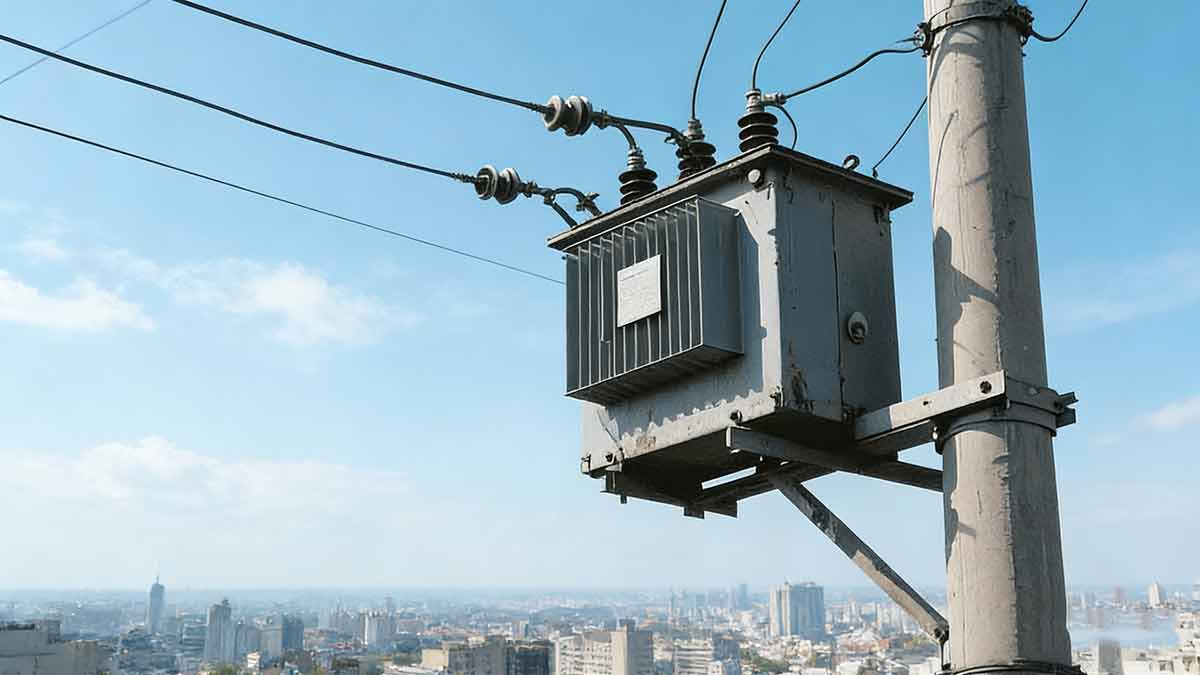
The exterior casing typically uses reinforced metal alloys with professional anti-corrosion treatment, ensuring structural integrity under prolonged outdoor exposure. Internal partitions use flame-retardant and thermally insulated materials to improve safety and temperature stability. Built-in air conditioning and dehumidification equipment allow consistent performance in harsh climates ranging from -40°C to +40°C.
Primary electrical components include fully enclosed high-voltage cabinets, dry-type transformers, vacuum circuit breakers, and isolated disconnect switches. These form a fully insulated, fully enclosed system that practically eliminates electric shock hazards. The function of the neutral point of the transformer is carefully managed within this sealed structure to support balanced voltage, reduce ground fault risks, and improve overall system grounding performance.
How Does Pad Mounted Type Transformer Ensure Safety and Reliability?
Safety and reliability are among the most important characteristics of pad mounted type transformer. These units are engineered to minimize failure rates, prevent electrical accidents, and maintain continuous power delivery.
Enhanced Protection Against External Damage
- Sealed enclosure blocks moisture, dust, debris, and small animals
- Rugged frame structure withstands physical impact and severe weather
- Anti-corrosion treatment prevents rust and structural degradation over decades
- Internal component layout reduces thermal stress and extends service life
Fully Insulated and Enclosed Design
- No exposed live conductors or high-risk surfaces
- Complete insulation system improves personal safety for maintenance personnel
- Oil-free operation eliminates fire hazards and environmental pollution
- Stable dielectric performance under varying load and temperature conditions
Stable Operation in Extreme Environments
- Wide operating temperature range supports deployment in cold and hot regions
- The climate control system stabilizes internal humidity and temperature
- Robust sealing prevents water ingress during heavy rain or flooding
- High mechanical strength resists wind, vibration, and external pressure
Effective management of the function of the neutral point of the transformer further improves safety by limiting overvoltage, balancing phase loads, and supporting reliable protective relay operation. This makes pad mounted units ideal for residential areas, schools, hospitals, and commercial zones where public safety is a top priority.
What Level of Automation Is Available in Pad Mounted Type Transformers?
High automation is a core advantage that distinguishes modern pad mounted equipment from conventional distribution transformers. Intelligent monitoring, remote control, and integrated protection systems support unattended operation and smart grid integration.
Intelligent Monitoring and Control Functions
- Real-time data collection for voltage, current, temperature, and load status
- Remote adjustment of operating parameters and protection settings
- Automatic fault detection, recording, and alarm notification
- Integrated communication interface for SCADA and smart grid systems
Four-Remote Capability for Unattended Operation
- Telemetry: real-time measurement of electrical parameters
- Remote signaling: status feedback and fault notification
- Remote control: switching and load regulation from the control center
- Remote adjustment: setting modification without on-site intervention
Additional Intelligent Features
- Remote smoke detection and fire alarm systems
- Internal humidity and temperature monitoring and control
- Optional video surveillance for external security
- Automatic fault recording and disturbance analysis
Automation directly improves operational efficiency and reduces labor costs. Proper configuration also supports the function of the neutral point of the transformer by enabling real-time monitoring of unbalanced load, zero-sequence current, and grounding conditions. This intelligent supervision helps prevent neutral point drift and improves overall power quality.
Why Is Factory Prefabrication a Major Advantage of Pad Mounted Type Transformer?
Factory prefabrication is one of the most practical characteristics of pad mounted type transformers, streamlining project timelines, improving quality, and reducing on-site risks.
Complete Factory Assembly and Testing
- All components assembled, wired, and tested in a controlled factory environment
- Integrated commissioning ensures system compatibility before delivery
- Strict quality inspection reduces on-site defects and failures
- Standardized production improves consistency and reliability
Simplified On-Site Installation
- Minimal on-site civil work required
- Fast positioning and external cable connection
- Short commissioning period before commercial operation
- Greatly reduced construction cycle compared to traditional substations

Factory-built pad mounted units typically go from site delivery to energization in less than one week. This efficiency benefits urban renewal projects, emergency power supply, rural grid upgrades, and industrial expansion. The prefabricated structure also ensures consistent implementation of the function of neutral point of transformer design, avoiding on-site errors that could compromise safety or performance.
How Flexible Is the Configuration of Pad Mounted Type Transformer?
Flexible combination modes expand the application range of pad mounted transformers and support customized solutions for different scenarios.
Modular Independent System Design
- Each compartment forms an independent functional module
- Modules can be combined or separated based on project needs
- High compatibility with existing grid structures and equipment
- Easy expansion or reconstruction for future capacity increase
Multiple Combination Schemes
- Full-pad-mounted configuration for 35kV and 10kV systems
- Mixed configuration with outdoor high-voltage and indoor low-voltage modules
- Compact design for limited-space urban sites
- Retrofit-friendly structure for old substation upgrading
This flexibility is highly valuable in rural power grid transformation, urban residential construction, industrial park development, and commercial center projects. The function of the neutral point of the transformer can be adjusted according to the combination mode, grounding method, and system voltage level, ensuring stable and safe operation under different architectures.
How Do Pad Mounted Transformers Reduce Investment and Improve Economic Benefits?
Economic efficiency is one of the most attractive characteristics of pad mounted type transformer, delivering significant cost savings in construction, operation, and maintenance.
Lower Initial Investment
- Reduced land occupation lowers land acquisition costs
- Minimal civil engineering reduces construction expense
- Shortened installation period cuts labor and management costs
- Integrated structure reduces total material consumption
Faster Return on Investment
- Earlier project completion brings earlier revenue
- Higher reliability reduces power outage losses
- Lower failure rate improves customer satisfaction
- Stable performance supports long-term economic return
Reduced Operation and Maintenance Costs
- Oil-free design eliminates oil testing, filtration, and replacement
- High reliability reduces routine inspection workload
- Automation reduces on-duty labor requirements
- Long service life lowers replacement and renewal expenses
The following table summarizes the economic comparison between pad mounted transformers and conventional substations:
| Item | Conventional Substation | Pad Mounted Type Transformer | Economic Advantage |
|---|---|---|---|
| Land Occupation | Large | About 1/10 of conventional | Significant land cost saving |
| Civil Engineering | Complex and heavy | Very limited | Lower construction cost |
| Construction Period | Several months | 5–8 days | Earlier operation & revenue |
| Maintenance Workload | High | Low | Annual labor cost reduction |
| Service Life | Medium | Long | Lower renewal frequency |
| Environmental Risk | Higher (oil leakage) | Low | Reduced accident cost |
The function of the neutral point of the transformer also contributes to economic efficiency by reducing equipment stress, extending component life, and lowering failure-related losses.
Why Do Pad Mounted Transformers Have Obvious Space-Saving Advantages?
Small footprint is among the most practical characteristics of pad mounted type transformer, especially for urban and crowded areas.
Extremely Compact Structure
- Highly integrated internal layout
- Optimized component arrangement
- Redundant space eliminated through professional design
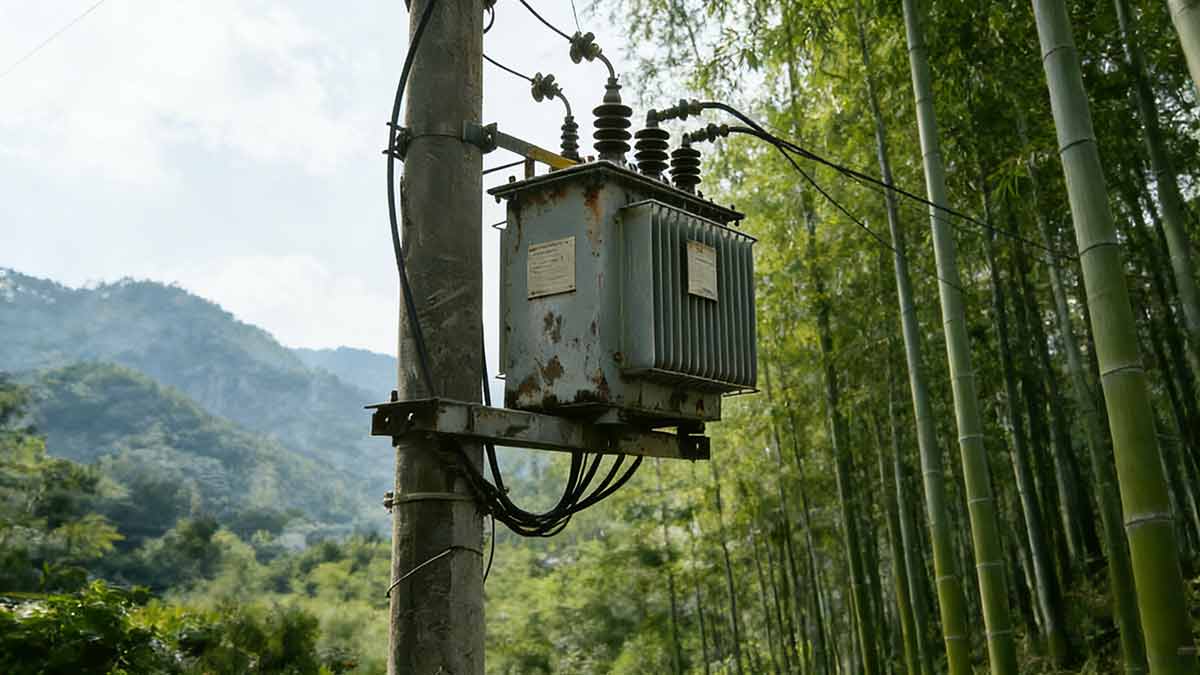
- Suitable for installation in narrow or restricted areas
Flexible Installation Locations
- Street corners, squares, and green belts
- Factory premises, parking areas, and utility zones
- Residential community yards and public spaces
- Roof areas or dedicated compact utility platforms
A typical 4000kVA pad mounted substation may occupy less than 300 square meters, including major equipment and auxiliary facilities. This represents more than 80% space saving compared to conventional substations. Such efficiency aligns with national land-saving policies and urban planning requirements.
How Do Pad Mounted Transformers Balance Appearance and Environmental Coordination?
Aesthetic design and environmental compatibility are increasingly important characteristics of pad mounted type transformers in modern urban construction.
Attractive Exterior Design
- Smooth and neat surface treatment
- Modern and simplified outline
- Professional color matching for urban integration
- Neat interface and standardized wiring layout
Flexible Appearance Customization
- Multiple color options for different environments
- Coordination with architectural style and landscape
- Low visual impact for residential and scenic areas
- Can be used as a fixed or mobile substation
These features make pad mounted transformers suitable for residential districts, transportation hubs, parks, commercial areas, airports, and scenic locations. They provide reliable power while beautifying the surrounding environment rather than damaging visual harmony.
What is the Function of the neutral point of the transformer in Pad Mounted Systems?
Understanding the function of neutral point of transformer is essential for safe, stable, and efficient operation of pad mounted distribution systems.
Voltage Balance and System Stability
- Maintains phase voltage balance under an unbalanced load
- Prevents neutral point drift and overvoltage
- Stabilizes reference potential for the entire distribution system
- Improves power quality for end users
Grounding and Protection Coordination
- Supports different grounding methods based on system voltage
- Helps detect ground faults quickly and accurately
- Coordinates with relay protection for fast isolation
- Reduces electric shock risk for personnel and equipment
Overvoltage and Surge Suppression
- Limits lightning and switching overvoltage
- Improves insulation coordination and equipment safety
- Reduces stress on cables, switchgear, and transformers
- Extends the service life of electrical components
The function of the neutral point of the transformer directly affects safety, reliability, and power quality. Proper neutral point design and grounding are essential parts of the overall characteristics of pad mounted type transformer, ensuring compliance with international standards and grid regulations.
Conclusion
The characteristics of pad mounted type transformer cover structural performance, safety, reliability, automation, prefabrication, configuration flexibility, economic efficiency, space saving, and environmental coordination. These units provide a complete modern solution for distribution networks in urban, rural, industrial, and commercial fields.
At the same time, the function of the neutral point of the transformer plays a vital role in maintaining voltage balance, ensuring system grounding, improving protection performance, and enhancing operational safety. When selecting, designing, and installing pad mounted transformers, users should comprehensively evaluate structural advantages, intelligent functions, economic benefits, and neutral point treatment to achieve a safe, stable, and efficient power supply.
With continuous technology advancement and grid modernization, pad mounted transformers will remain a mainstream choice for global power distribution projects, offering superior performance and long-term value for operators and users.