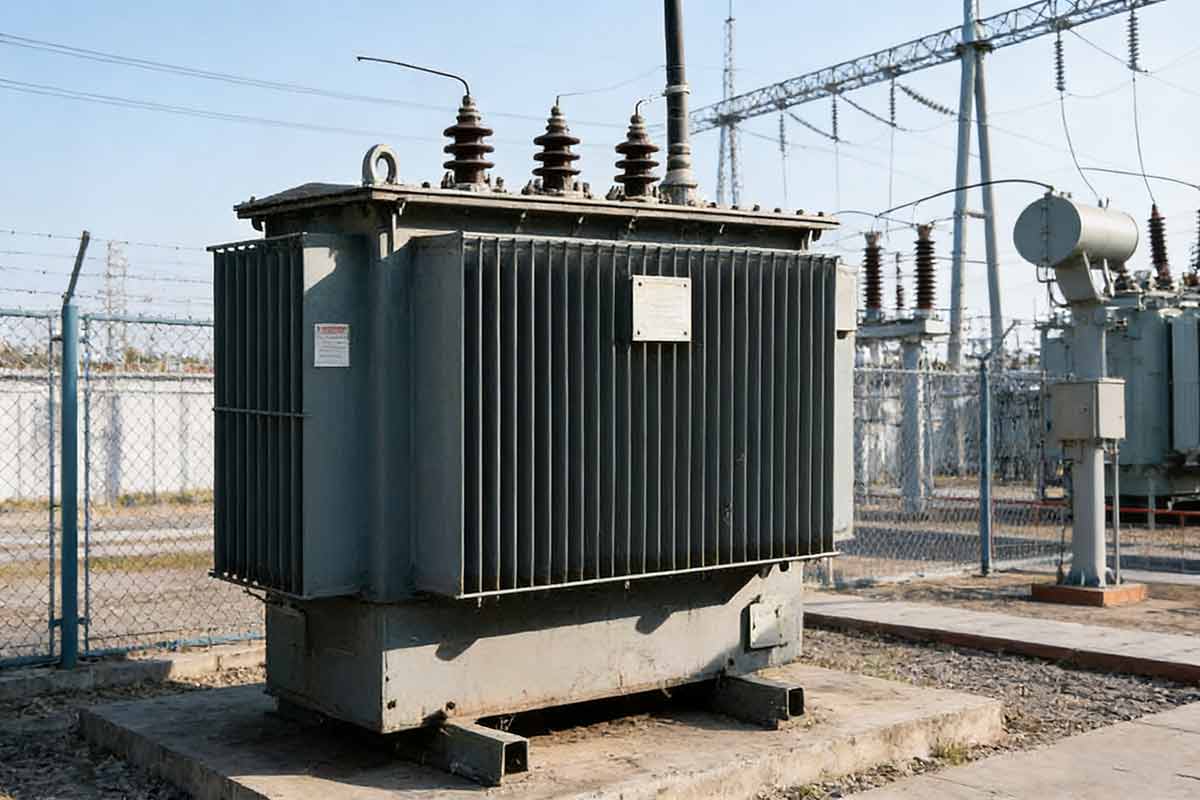
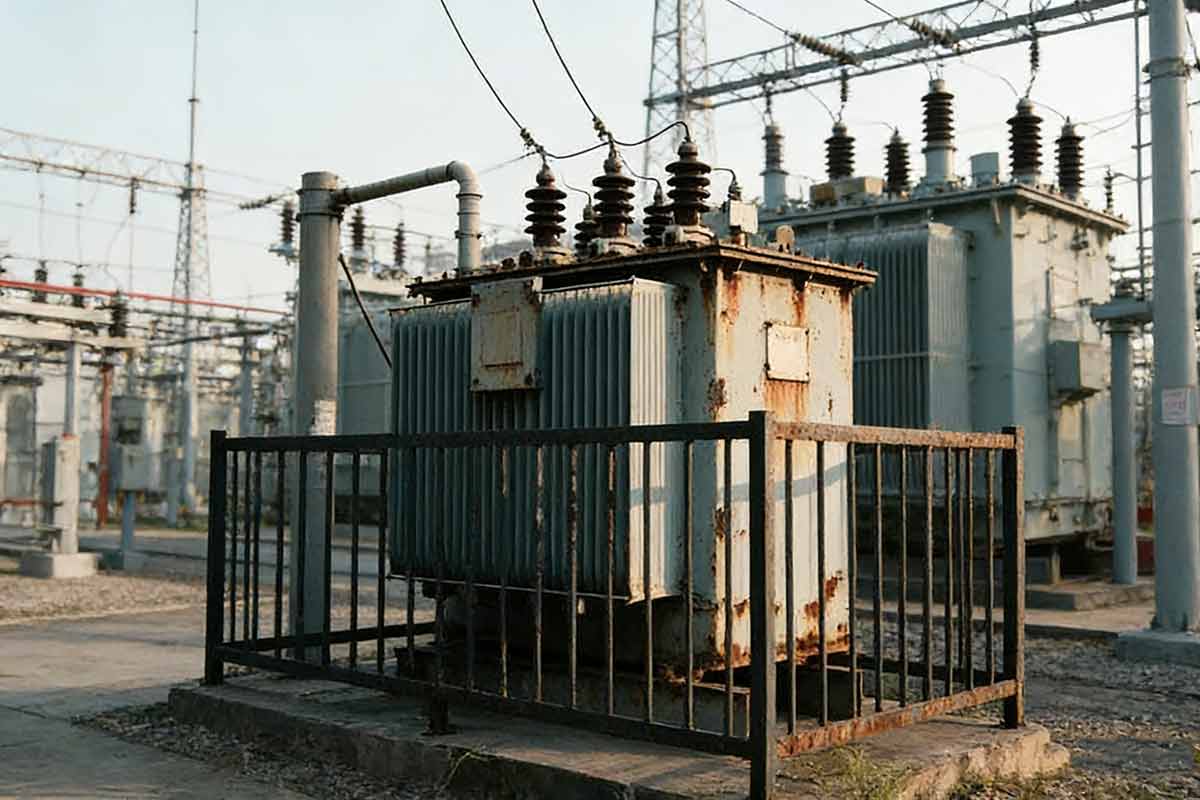
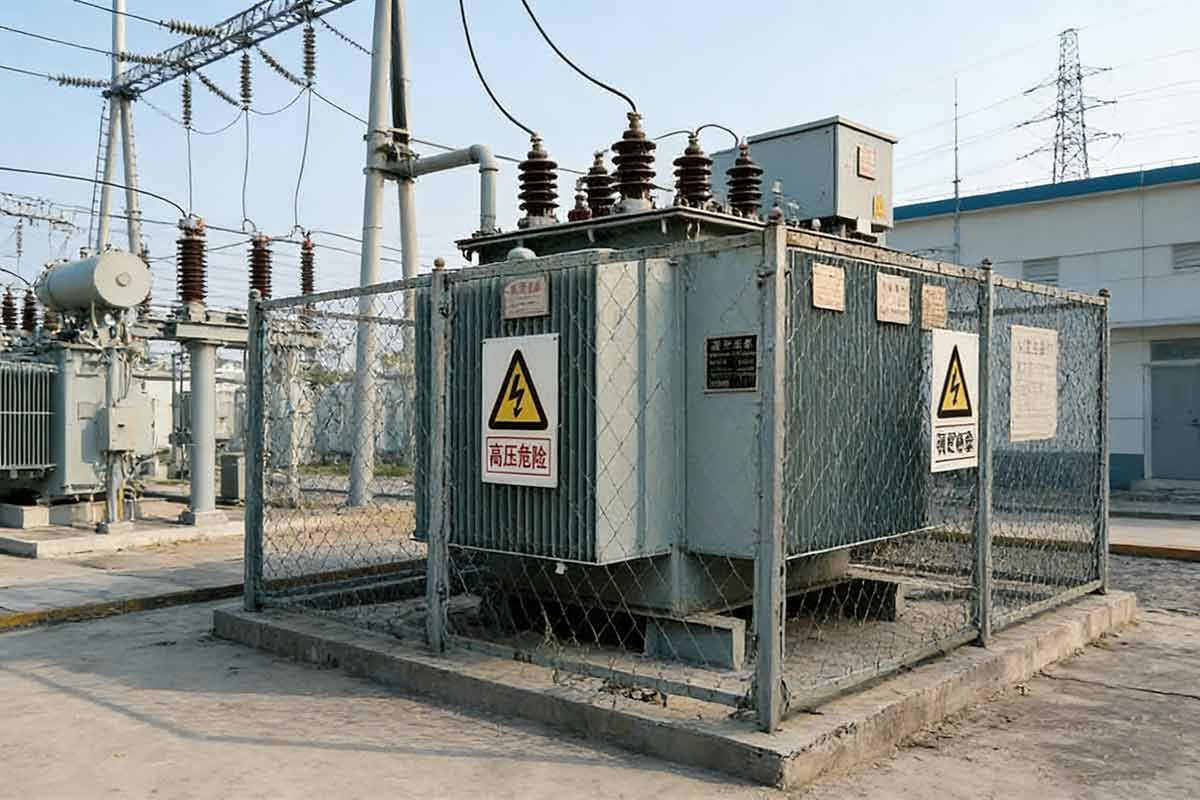
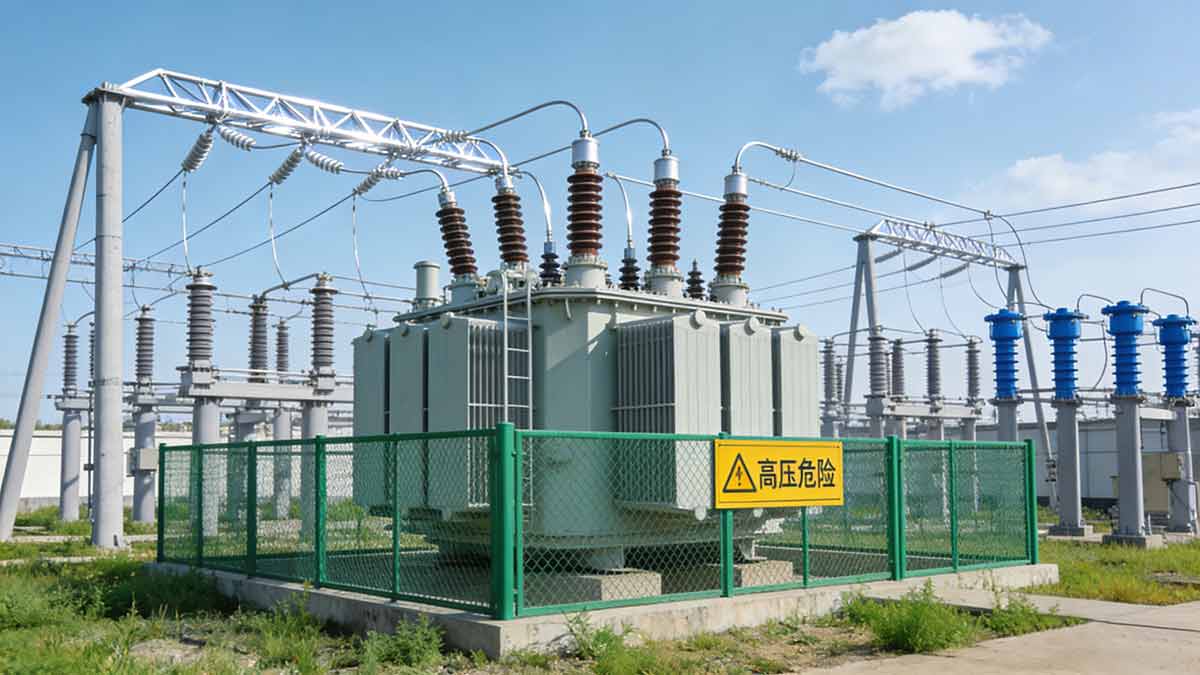
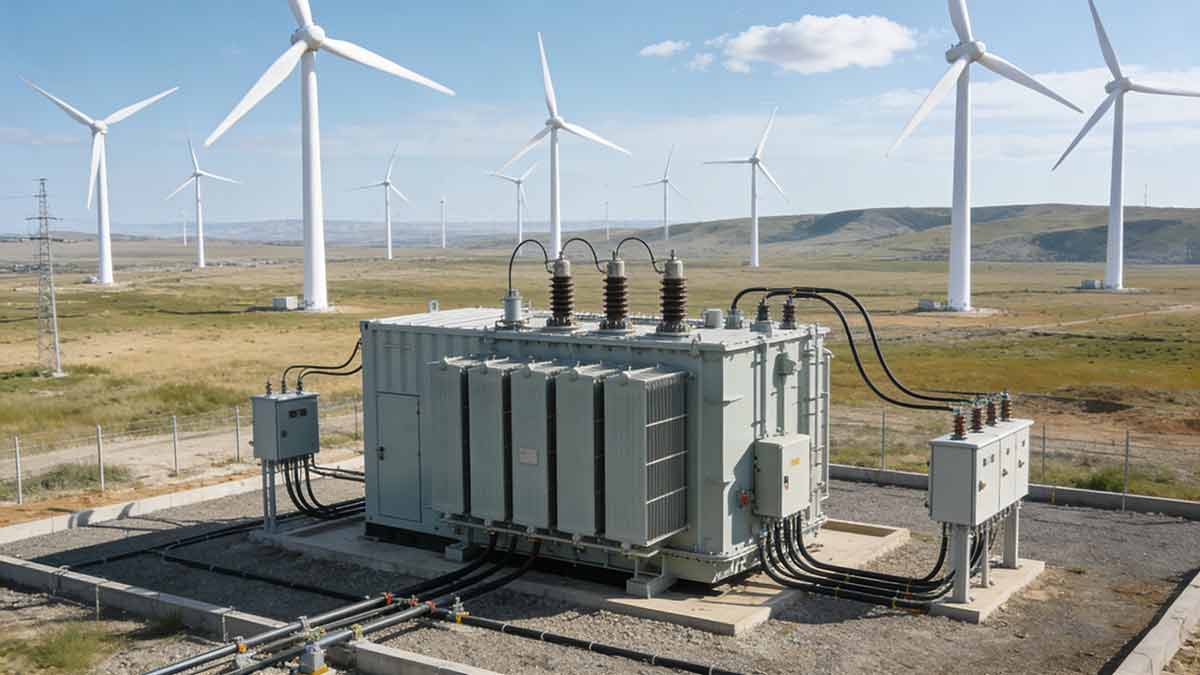
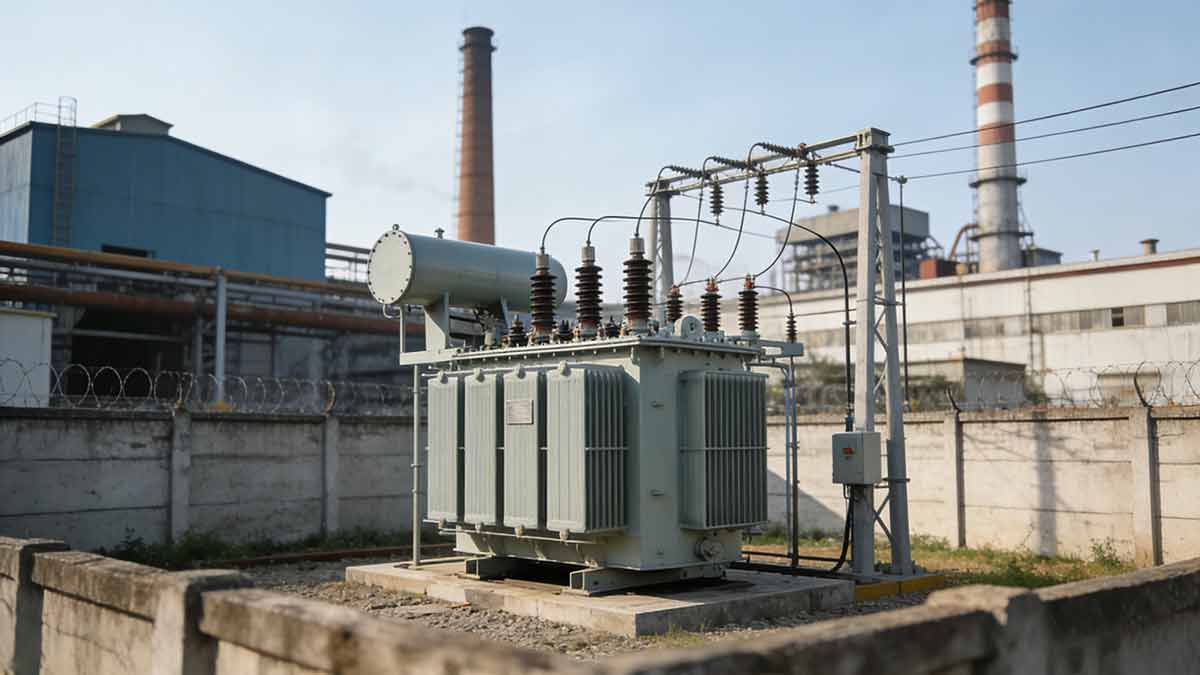
Beyond their basic energy-transfer function, transformers are tailored to meet diverse operational needs through design variations, such as step-up transformers that amplify voltage for long-distance transmission, step-down transformers that reduce voltage to safe levels for consumer and industrial use, isolation transformers that separate circuits to enhance safety, and autotransformers that offer compact solutions for moderate voltage adjustments.
As the backbone of modern electrical infrastructure, transformers underpin the functionality of countless systems across residential, commercial, industrial, and emerging tech sectors. This article delves into the multifaceted applications of transformers, addressing common industry questions and providing authoritative insights into their critical role in powering the modern world.
Core Applications Of A Transformer in Power Distribution Networks
Power distribution represents the most ubiquitous and vital application of transformers, as it is impossible to deliver electricity from power plants to end-users efficiently and safely without these devices. The process of electrical power transmission and distribution relies on a tiered network of transformers to adjust voltage levels at every stage, addressing the key challenge of minimizing energy loss during long-distance transport.
Step-Up Transformers for Long-Distance Power Transmission
Electricity generated at power plants—whether thermal, hydroelectric, nuclear, or renewable—typically emerges at a voltage range of 11 kV to 33 kV, which is too low for efficient long-distance transmission. When electricity travels through power lines, a portion of the energy is lost as heat due to the resistance of the conductors, a loss that is directly proportional to the square of the current (I²R loss). Step-up transformers solve this problem by increasing the voltage of the generated power to extremely high levels, ranging from 132 kV to 765 kV or even higher for ultra-long-haul transmission corridors.
By elevating voltage, the corresponding current in the transmission lines decreases significantly, drastically cutting down on heat-related energy losses. This is particularly crucial for regions with sprawling landscapes, such as rural areas in many African countries, where power plants are often located far from population centers. Step-up transformers enable utilities to transmit electricity over hundreds of kilometers with minimal waste, making it feasible to supply power to remote communities.
Step-Down Transformers for End-User Voltage Regulation
Once the high-voltage electricity reaches local distribution substations near urban or rural settlements, step-down transformers take over to reduce the voltage to levels suitable for safe consumption. Substation transformers first lower the transmission voltage to a medium voltage, typically between 11 kV and 33 kV, which is then fed into local distribution lines that run through neighborhoods and industrial zones.
Further down the distribution chain, pole-mounted or pad-mounted distribution transformers reduce the medium voltage to the low-voltage levels required by residential, commercial, and small industrial users—usually 220V/240V for single-phase systems and 380V/400V for three-phase systems.
These transformers are designed to handle varying load demands throughout the day, from peak usage hours in the morning and evening to off-peak periods at night, ensuring a stable and consistent power supply. For instance, in urban areas with high population density, compact pad-mounted transformers are installed underground or on concrete pads to save space, while pole-mounted transformers are preferred in rural areas for their easy installation and maintenance.
Transformer-Based Isolation for Power System Safety
In addition to voltage adjustment, transformers play a critical role in isolating different segments of the power distribution network, which is essential for protecting both electrical equipment and human lives. Isolation transformers feature a 1:1 turn ratio, meaning they do not change the voltage level but instead separate the primary and secondary circuits magnetically.
This separation prevents direct electrical contact between the power source and the load, eliminating the risk of ground faults and reducing the likelihood of electric shock. In power distribution systems, isolation transformers are used to protect sensitive equipment, such as control panels and monitoring devices, from voltage surges and electrical noise.
They also help in mitigating the impact of faults in one part of the network on other segments, allowing utilities to isolate faulty sections quickly without disrupting power supply to the entire area. This safety function is especially important in regions with aging electrical infrastructure, as it helps prevent accidents and extend the lifespan of existing equipment.
Versatile Applications Of A Transformer in Consumer Electrical Equipment
Nearly every piece of electronic and electrical equipment used in households and offices relies on transformers to deliver the precise voltage required for its operation. Consumer devices are designed to run on specific low-voltage DC (direct current) or AC power, but the grid supplies high-voltage AC power. Transformers serve as the bridge between the grid and these devices, ensuring compatibility and safe operation.
Transformers in Small-Scale Portable Devices
Portable electronics such as smartphones, laptops, tablets, and digital cameras depend on compact, low-power transformers integrated into their chargers and power adapters. These transformers, often referred to as “wall warts” due to their plug-in design, first step down the grid’s 220V/240V AC voltage to a lower AC voltage (typically between 5V and 20V).
This low-voltage AC is then converted to DC power by a rectifier circuit within the adapter, which is the type of power that the device’s battery and internal components require. The miniaturization of these transformers has been a key factor in the portability of modern electronics; advancements in magnetic core materials, such as ferrite cores, have allowed manufacturers to produce transformers that are small, lightweight, and highly efficient.
For example, a smartphone charger’s transformer is small enough to fit in a pocket, yet it can deliver a steady stream of power to charge the device quickly and safely. Without these compact transformers, portable electronics would be tethered to bulky power supplies, severely limiting their usability.
Transformers in Household Appliances and Entertainment Systems
Larger household appliances and entertainment devices require more powerful transformers to meet their higher energy demands. Televisions, refrigerators, air conditioners, washing machines, and audio systems all incorporate transformers into their internal power supply units. For instance, a modern smart TV uses a transformer to step down the grid voltage to the multiple low-voltage levels needed to power its display panel, processor, speakers, and connectivity modules.
Similarly, refrigerators rely on transformers to supply power to their compressors and control systems, ensuring that the compressor runs efficiently to maintain the desired temperature inside the fridge. In audio systems, specialized transformers known as “audio transformers” are used to match the impedance between different components, such as amplifiers and speakers, which enhances sound quality by minimizing signal distortion. These transformers are designed to operate over a wide frequency range, ensuring that they can handle the full spectrum of audio signals without compromising clarity.
Addressing Common Consumer Questions About Device Transformers
A common question among consumers is why some devices require a bulky transformer while others use a slim, lightweight adapter. The answer lies in the power requirements of the device: high-power devices such as air conditioners and electric stoves need transformers with larger cores and more winding turns to handle the high current, resulting in a bulkier design. In contrast, low-power devices like smartphones only need small transformers with minimal core and winding sizes.
Another frequently asked question is whether it is safe to use a transformer from one device to another. The short answer is no—using an incompatible transformer can lead to overvoltage or undervoltage, which can damage the device’s internal components or pose a fire risk. It is essential to use a transformer that matches the device’s voltage, current, and power specifications.
Critical Applications Of A Transformer in Industrial Operations
Industrial facilities are among the largest consumers of electrical power, and transformers play an indispensable role in powering the heavy-duty machinery and equipment that drives manufacturing, mining, and processing operations. Industrial transformers are engineered to withstand harsh operating conditions, including high temperatures, heavy loads, and voltage fluctuations, making them robust enough to meet the demands of continuous industrial production.
Transformers in Welding and Metal Fabrication Processes
Welding is a core process in metal fabrication, and it relies on specialized transformers known as welding transformers to generate the high current required to create an electric arc between the welding electrode and the workpiece. Unlike standard transformers, welding transformers are designed to produce a low voltage (typically between 10V and 50V) and a very high current (ranging from hundreds to thousands of amperes).
This combination of low voltage and high current creates a concentrated heat source that melts the metal at the welding joint, allowing the two pieces to fuse together. Welding transformers also feature adjustable output settings, which enable welders to control the heat and arc intensity to suit different types of metals and welding techniques. For example, arc welding requires a higher current than spot welding, and welding transformers can be adjusted accordingly.
In metal fabrication plants, welding transformers are used to manufacture everything from small metal components to large industrial structures, such as steel beams and pipeline segments.
Transformers in Metal Smelting and Mining Operations
Metal smelting is an energy-intensive process that involves heating ore to extract the pure metal, and transformers are critical to powering the high-temperature furnaces used in this process. Smelting furnaces require extremely high power levels to reach temperatures of over 1,000°C, and industrial transformers are used to supply the high voltage and current needed to operate these furnaces.
In addition to smelting, transformers are also used in mining operations to power the heavy machinery used for drilling, excavation, and material handling. Mining transformers are often installed in rugged, remote locations, so they are designed to be weather-resistant and capable of withstanding dust, vibration, and extreme temperature variations. For example, in gold mining operations, transformers power the crushers that break down ore into small pieces, the conveyors that transport the ore to processing plants, and the centrifuges that separate the gold from the ore. Without these transformers, mining and smelting operations would grind to a halt, disrupting the global supply of metals and minerals.
Transformers in Chemical and Petrochemical Plants
Chemical and petrochemical plants rely on transformers to power a wide range of equipment, including pumps, compressors, reactors, and distillation columns. These plants operate in highly hazardous environments, with the presence of flammable gases and corrosive chemicals, so the transformers used in these facilities must meet strict safety standards. Explosion-proof transformers are commonly used in petrochemical plants to prevent sparks from igniting flammable vapors in the air.
These transformers are enclosed in robust, sealed casings that contain any sparks or flames that may occur inside the transformer, preventing them from escaping and causing an explosion. In addition, transformers in chemical plants are used to power the control systems that monitor and regulate the production process, ensuring that the plant operates safely and efficiently. For example, in a fertilizer manufacturing plant, transformers power the reactors that convert raw materials into fertilizer, as well as the pumps that transport the finished product to storage tanks.
Emerging Applications Of A Transformer in Renewable Energy Systems
As the world shifts toward sustainable energy sources, transformers have become a key component in renewable energy generation systems, enabling the integration of solar, wind, and hydroelectric power into the main electrical grid. Renewable energy sources produce electricity at variable voltage and current levels, and transformers are essential to convert this power into a form that is compatible with the grid.
Transformers in Solar Photovoltaic (PV) Installations
Solar PV systems generate electricity by converting sunlight into direct current (DC) power using solar panels. However, the electrical grid operates on alternating current (AC) power, so an inverter is used to convert the DC power from the panels to AC power. A transformer is then used to adjust the voltage of the AC power to match the grid’s voltage level, allowing the solar-generated electricity to be fed into the grid or used directly by the facility. In large-scale solar farms, central transformers are used to aggregate the power from hundreds or thousands of solar panels and step up the voltage to transmission levels.
In residential and commercial rooftop solar systems, smaller transformers are integrated into the inverter to step up the voltage to the level required by the local distribution grid. Transformers also play a role in net metering systems, which allow homeowners and businesses to sell excess solar power back to the utility company. Without transformers, solar power would be unable to integrate with the grid, limiting the adoption of this clean energy source.
Transformers in Wind Turbine Generators
Wind turbines generate electricity by converting the kinetic energy of wind into mechanical energy, which is then converted into electrical energy by a generator. The electricity produced by wind turbine generators is typically at a low voltage, so a step-up transformer is installed inside the turbine’s nacelle (the housing at the top of the turbine tower) to increase the voltage to medium levels. This medium-voltage power is then transmitted through underground or overhead cables to a substation, where another step-up transformer increases the voltage to transmission levels for integration into the grid.

Wind turbines are often installed in remote locations, such as offshore wind farms or wind farms in rural areas, so the transformers used in these systems must be designed to withstand harsh weather conditions, including strong winds, rain, and salt spray (in the case of offshore turbines). Transformers in wind energy systems also help to stabilize the grid by regulating voltage fluctuations caused by changes in wind speed, ensuring a consistent power supply.
Overcoming Grid Integration Challenges With Transformers
One of the main challenges of integrating renewable energy into the grid is the variability of power generation—solar panels only produce electricity when the sun is shining, and wind turbines only produce power when the wind is blowing. Transformers help to address this challenge by enabling the storage of excess renewable power in batteries or other energy storage systems.
For example, when solar panels produce more power than is needed, the excess power can be used to charge batteries, and a transformer can be used to adjust the voltage of the stored power to match the grid’s requirements when it is needed. Transformers also help to balance the load on the grid by distributing renewable power to areas with high demand, reducing the need for fossil fuel-fired power plants to operate at peak times.
Essential Applications Of A Transformer in the Transportation Sector
The transportation sector is undergoing a rapid transition toward electrification, and transformers are playing a key role in powering electric vehicles (EVs), trains, trams, and other forms of electric transportation. Transformers are used to convert the high-voltage power from the grid to the low-voltage power required by the vehicle’s motors and battery systems, as well as to charge EV batteries quickly and efficiently.
Transformers in Electric Trains and Trams
Electric trains and trams rely on overhead catenary lines or third rails to receive power from the grid. A transformer is used to step down the high-voltage power from the catenary lines (typically 25 kV AC for trains) to the low-voltage power required by the train’s traction motors. The traction motors convert the electrical power into mechanical power, which drives the train’s wheels. Transformers are also used in the train’s auxiliary power systems to supply power to the lighting, air conditioning, and passenger amenities.
In urban areas, trams use smaller transformers that are integrated into the vehicle’s power supply system, allowing them to operate on the same grid as other electrical devices. Transformers in electric trains and trams are designed to be lightweight and compact, as space is limited on the vehicle. They are also engineered to withstand the vibrations and shocks associated with train travel, ensuring reliable operation over long distances.
Transformers in Electric Vehicle Charging Infrastructure
Electric vehicles are powered by rechargeable batteries, and transformers are a critical component of EV charging stations. Charging stations use transformers to step down the grid’s high-voltage AC power to the low-voltage AC or DC power required to charge the EV battery. There are three main types of EV chargers: Level 1 chargers (120V AC), Level 2 chargers (240V AC), and DC fast chargers (400V–800V DC).
Level 1 and Level 2 chargers use transformers to step down the grid voltage to the required level, while DC fast chargers use a transformer in combination with a rectifier to convert AC power to DC power and adjust the voltage to the level needed for fast charging. In public charging stations, multiple transformers are used to power several charging ports simultaneously, allowing multiple EVs to charge at the same time. Transformers in EV charging infrastructure are also designed to be efficient, as this helps to reduce the cost of charging and minimize energy waste.
The Role of Transformers in Future Transportation Systems
As the adoption of electric transportation grows, the demand for transformers will continue to increase. Future transportation systems, such as high-speed maglev trains and autonomous electric vehicles, will require even more advanced transformers to meet their power needs. For example, maglev trains use powerful electromagnets to levitate above the track, and transformers will be needed to supply the high current required to operate these magnets.
Autonomous electric vehicles will require transformers that can communicate with the grid to optimize charging times and reduce energy costs. Transformers will also play a role in vehicle-to-grid (V2G) systems, which allow EV batteries to store excess grid power and feed it back into the grid during peak demand periods.
Specialized Applications Of A Transformer in Niche Sectors
Beyond the mainstream applications discussed above, transformers are also used in a variety of niche sectors, where they are tailored to meet unique operational requirements. These specialized applications highlight the versatility of transformers and their ability to adapt to diverse industry needs.
Transformers in Medical Equipment
Medical facilities rely on transformers to power a wide range of life-saving equipment, including MRI machines, X-ray scanners, defibrillators, and patient monitoring systems. Medical transformers are designed to meet strict safety and performance standards, as any failure could have serious consequences for patient health. Isolation transformers are commonly used in medical equipment to prevent electrical interference and reduce the risk of electric shock to patients and healthcare workers.
For example, MRI machines use powerful superconducting magnets that require a stable power supply, and transformers are used to regulate the voltage and current to ensure the magnets operate correctly. X-ray scanners use transformers to generate the high voltage needed to produce X-rays, which are used to diagnose a variety of medical conditions. Medical transformers are also designed to be compact and lightweight, as space is often limited in hospitals and clinics.
Transformers in Telecommunication Systems
Telecommunication networks rely on transformers to power the cell towers, base stations, and communication equipment that enable global connectivity. Cell towers use transformers to step down the grid’s high-voltage power to the low-voltage power required by the tower’s transmitters, receivers, and backup generators. Transformers in telecommunication systems are also designed to be reliable, as any downtime could disrupt communication services for thousands of users.
In addition, transformers are used in fiber-optic communication systems to power the optical amplifiers that boost the strength of optical signals as they travel through fiber-optic cables. This helps to extend the range of fiber-optic networks and improve signal quality.
Conclusion
Transformers are far more than just voltage-adjusting devices—they are the unsung heroes of modern electrical systems, enabling the efficient, safe, and reliable transmission and distribution of electricity across every sector of the global economy. From powering the lights in our homes to driving heavy industrial machinery, from integrating renewable energy into the grid to electrifying the transportation sector, the applications of transformers are virtually limitless.
As technology continues to evolve, transformers will adapt to meet new challenges, such as the growing demand for renewable energy, the electrification of transportation, and the expansion of smart grid systems. For businesses and consumers alike, understanding the diverse applications of transformers is key to making informed decisions about electrical equipment, infrastructure, and energy usage.
Whether you are a utility company looking to upgrade your distribution network, a manufacturer in need of industrial transformers, or a consumer shopping for a new electronic device, transformers play a critical role in ensuring that your electrical needs are met safely and efficiently.