
When it comes to electrical power distribution and transmission, transformers are indispensable components that regulate voltage levels to meet the needs of various applications—from residential homes and commercial buildings to heavy industrial facilities. Among the many transformer variants available in the market, dry type transformers have gained immense popularity in recent years, thanks to their enhanced safety, environmental friendliness, and low maintenance requirements. But one question that often arises for engineers, project managers, and procurement professionals is: What are the different types of dry type transformer, and how do you choose the right one for your specific needs?
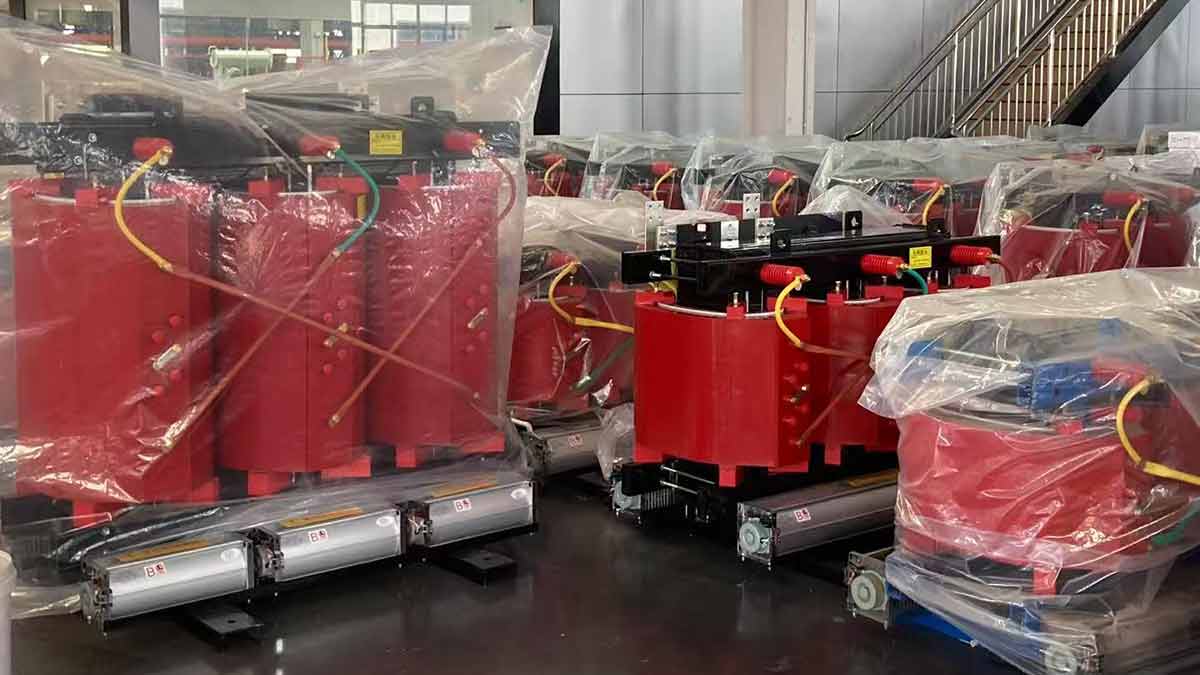
Unlike oil-cooled transformers, which rely on liquid coolants to dissipate heat from the core and windings, dry type transformers use air, inert gas, or vacuum pressure as cooling media. This fundamental difference eliminates the risk of oil leaks, fire hazards, and environmental contamination, making them ideal for indoor installations, densely populated areas, and environments where safety is a top priority. In this comprehensive guide, we will break down the main types of dry type transformer, their construction, key advantages, applications, and address common FAQs to help you make an informed decision.
What Defines a Dry Type Transformer and Why Is It Preferred Over Oil-Cooled Variants?
Before diving into the specific types of dry type transformer, it’s crucial to understand their core characteristics and why they have become a go-to choice for many industries. A dry type transformer is classified by its cooling method: it does not use any liquid (such as mineral oil, silicone oil, or synthetic coolant) to cool the magnetic core and copper windings. Instead, it relies on natural air circulation (AN) or forced air cooling (AF) for heat dissipation; some specialized models use inert gas or vacuum pressure to enhance cooling efficiency and insulation performance.
The growing preference for dry type transformers over traditional oil-cooled transformers stems from their numerous inherent benefits, which address key pain points in modern electrical systems. Below is a detailed comparison between dry type and oil-cooled transformers to highlight their differences and advantages:
Feature | Dry Type Transformer | Oil-Cooled Transformer |
|---|---|---|
Cooling Medium | Air, inert gas, or vacuum pressure | Mineral oil, synthetic oil, or silicone oil |
Fire Hazard Risk | Very low—no flammable liquid, meets high fire safety standards (e.g., F1, F2 class) | High flammable oil can cause fires if leaked or overheated |
Environmental Impact | Eco-friendly—no risk of oil spills, no toxic substances | High environmental risk—oil spills can contaminate soil and water |
Installation Requirements | Flexible—can be installed indoors, outdoors, or in confined spaces (no need for oil containment tanks) | Strict—requires oil containment systems, outdoor or well-ventilated indoor spaces |
Maintenance Needs | Low—no oil testing, replacement, or leak checks; only periodic cleaning and insulation inspection | High—regular oil sampling, filtration, replacement, and leak detection |
Noise Level | Low—quiet operation, ideal for residential and commercial areas | Higher oil circulation and cooling fans produce more noise |
Cost (Long-Term) | Cost-effective—lower maintenance and environmental compliance costs | Higher—ongoing oil-related costs and potential cleanup expenses |
These advantages make dry type transformers suitable for a wide range of applications, including hospitals, data centers, shopping malls, high-rise buildings, renewable energy projects (solar, wind), and industrial facilities where safety and reliability are non-negotiable. Now, let’s explore the main types of dry type transformer and their unique characteristics.
What Are the Main Types of Dry Type Transformer?
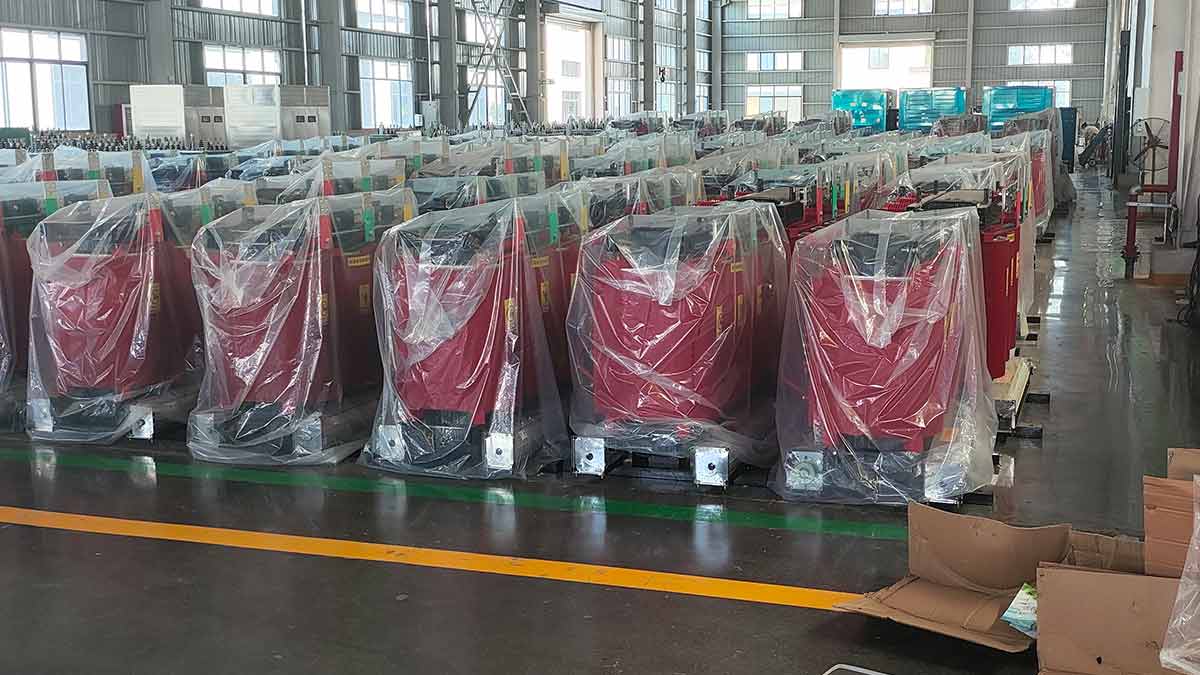
While there are several variations of dry type transformers based on design, voltage rating, and application, the two most common and widely used types are Cast Resin Transformers and Vacuum-Pressure Impregnated (VPI) Transformers. Each type has distinct construction methods, insulation systems, and performance attributes that make it suitable for specific use cases. Below is a detailed breakdown of each type, including its working principles, advantages, applications, and limitations.
Cast Resin Transformers: What Are They and When Should You Use Them?
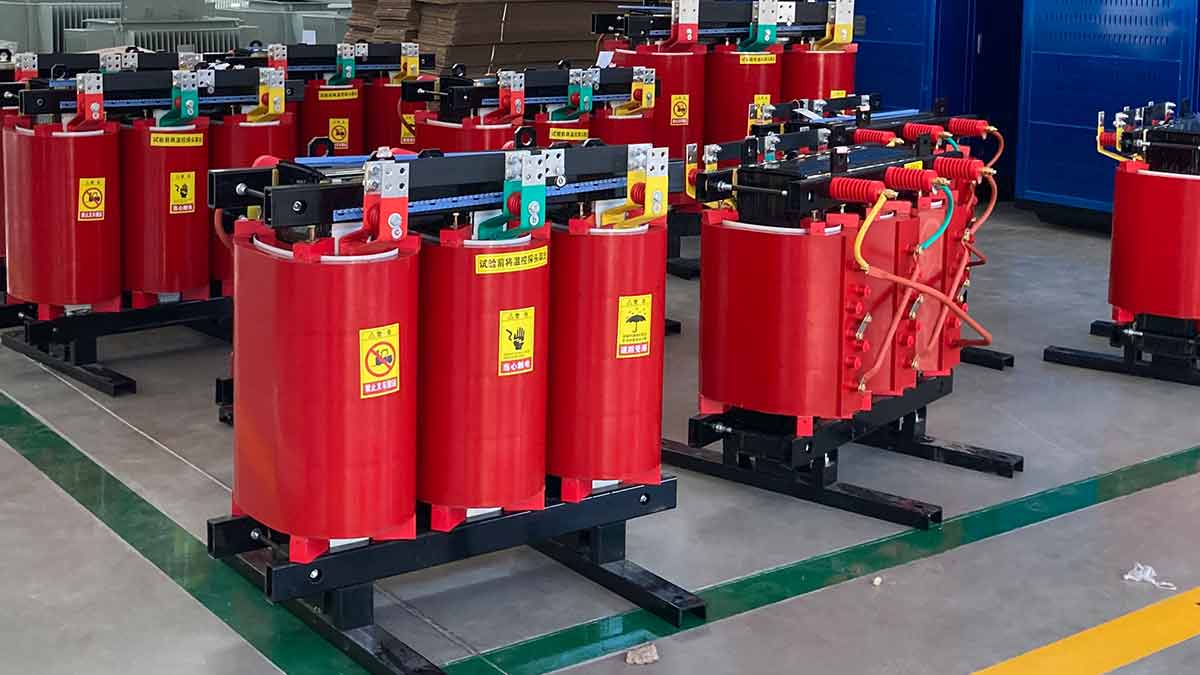
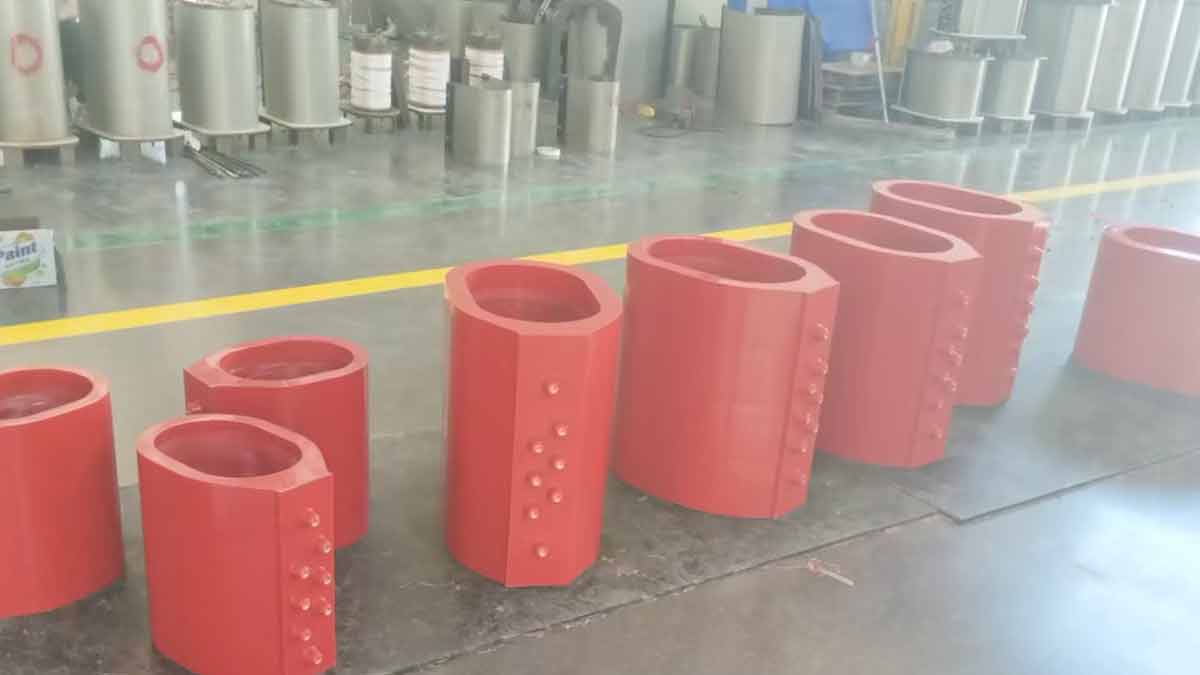
Cast resin transformers are one of the most popular types of dry type transformer, known for their robust construction, excellent insulation performance, and resistance to harsh environmental conditions. As the name suggests, these transformers use epoxy resin (a thermosetting polymer) to encapsulate the primary and secondary windings—this resin is cast around the windings in a mold under controlled temperature and pressure conditions, forming a solid, durable insulation layer.
The construction of cast resin transformers involves winding copper or aluminum conductors around a laminated iron core, then placing the winding-core assembly into a mold. Epoxy resin (often mixed with fillers to enhance thermal conductivity and mechanical strength) is poured into the mold, and the assembly is cured at high temperatures to harden the resin. The result is a fully encapsulated winding system that is impermeable to moisture, dust, and chemical substances.
Key Features of Cast Resin Transformers
- Insulation System: Epoxy resin encapsulation provides Class F or Class H insulation (temperature ratings up to 155°C or 180°C), ensuring long-term reliability even at high operating temperatures.
- Cooling Method: Most cast resin transformers use natural air cooling (AN) for low to medium power ratings; forced air cooling (AF) is available for higher power models to enhance heat dissipation.
- Mechanical Strength: The solid resin encapsulation makes the windings highly resistant to vibration, mechanical shock, and physical damage.
- Fire Safety: Epoxy resin is non-flammable and self-extinguishing, meeting strict fire safety standards (e.g., IEC 60076-11, IEEE C57.12.01).
Advantages of Cast Resin Transformers
Cast resin transformers offer numerous benefits that make them a top choice for demanding applications. Below are their key advantages, organized by priority for industrial and commercial users:
Advantage Category | Detailed Benefit | Relevance to Users |
|---|---|---|
Environmental Resistance | Highly resistant to moisture, humidity, dust, salt spray, and chemical corrosion | Suitable for outdoor installations, coastal areas, and industrial environments with harsh conditions |
Safety | No risk of fire or toxic fumes; self-extinguishing resin; compliant with global safety standards | Ideal for indoor installations (e.g., data centers, hospitals, high-rises) where safety is critical |
Low Maintenance | No insulation oil to test or replace; resin encapsulation prevents dust and debris buildup on windings | Reduces operational costs and downtime for maintenance |
Efficiency | Low core and copper losses; excellent thermal conductivity of epoxy resin ensures efficient heat dissipation | Lower energy consumption, reducing long-term operational costs |
Flexibility | Available in a wide range of voltage ratings (from 400V to 36kV) and power ratings (from 10kVA to 2500kVA) | Suitable for both low-voltage and medium-voltage applications |
Applications of Cast Resin Transformers
Due to their robust construction and environmental resistance, cast resin transformers are used in a variety of industries and applications. Some of the most common use cases include:
- Industrial Facilities: Manufacturing plants, refineries, chemical plants, and steel mills—where they withstand high temperatures, dust, and chemical exposure.
- Commercial Buildings: Shopping malls, hotels, office towers, and airports—where indoor installation and low noise levels are required.
- Residential Complexes: High-rise apartments and housing societies—where safety and space efficiency are priorities.
- Renewable Energy: Solar power plants and wind farms—where transformers are exposed to outdoor conditions and require high reliability.
- Critical Infrastructure: Hospitals, data centers, and emergency services facilities—where uninterrupted power supply and safety are non-negotiable.
- Coastal and Marine Environments: Ports, offshore platforms, and coastal cities—where salt spray and high humidity are common.
Limitations of Cast Resin Transformers
While cast resin transformers offer numerous advantages, they also have some limitations to consider:
- Higher Initial Cost: Compared to VPI transformers, cast resin models have a higher upfront cost due to the expensive epoxy resin and complex casting process.
- Repair Difficulty: If the resin encapsulation is damaged, repairing the windings is challenging and often requires replacing the entire winding assembly.
- Weight: The solid resin encapsulation adds weight, making transportation and installation slightly more difficult for large power ratings.
Vacuum-Pressure Impregnated (VPI) Transformers: What Are They and Their Key Benefits?
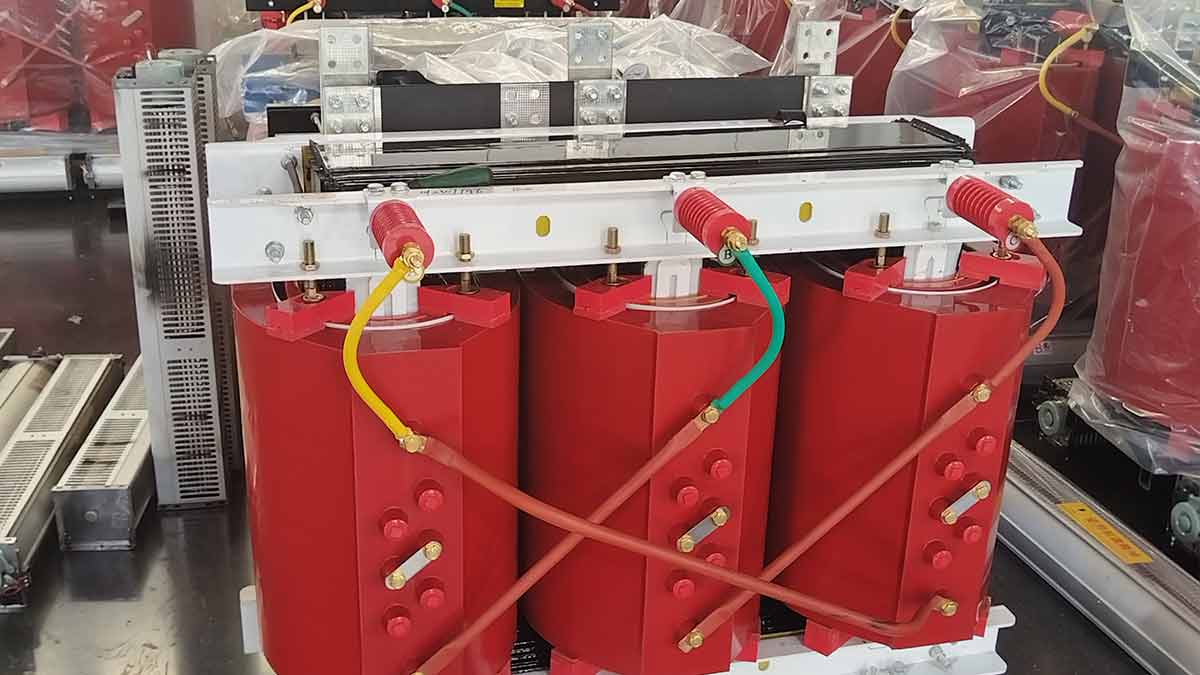
Vacuum-Pressure Impregnated (VPI) Transformers are another popular type of dry type transformer, known for their cost-effectiveness, high reliability, and versatility. Unlike cast resin transformers, which encapsulate the windings in solid epoxy resin, VPI transformers use a liquid epoxy resin (or other insulating materials, such as polyester or polyurethane) to impregnate the windings via a vacuum-pressure process. This process ensures that the resin penetrates every gap and crevice in the windings, forming a uniform, durable insulation layer once cured.
The construction of VPI transformers involves winding copper or aluminum conductors around a laminated iron core, then placing the winding-core assembly into a vacuum chamber. The air is removed from the chamber to create a vacuum, which draws out any moisture, air bubbles, or contaminants from the windings. Next, liquid epoxy resin is introduced into the chamber, and pressure is applied to force the resin deep into the winding layers. The assembly is then cured at high temperatures to harden the resin, resulting in a fully impregnated winding system with excellent insulation properties.
Key Features of VPI Transformers
- Insulation System: VPI transformers use Class F or Class H insulation (temperature ratings up to 155°C or 180°C), with the resin forming a seamless insulation layer around the windings.
- Cooling Method: Most VPI transformers use natural air cooling (AN) for low power ratings; forced air cooling (AF) or forced air-water cooling (AFW) is available for higher power models.
- Winding Protection: The vacuum-pressure impregnation ensures that the windings are fully coated, preventing moisture, dust, and corrosion from damaging the conductors.
- Cost-Effectiveness: The VPI process is less complex than cast resin casting, making these transformers more affordable upfront.
Advantages of VPI Transformers
VPI transformers are a popular choice for applications where cost, reliability, and versatility are key priorities. Below are their main advantages, organized to address common user concerns:
Advantage Category | Detailed Benefit | Relevance to Users |
|---|---|---|
Cost-Effectiveness | Lower upfront cost compared to cast resin transformers; simpler manufacturing process reduces production costs | Ideal for budget-conscious projects without compromising on reliability |
Reliability | Full resin impregnation eliminates air gaps and moisture, reducing the risk of insulation breakdown; long service life (20-30 years with proper maintenance) | Reduces downtime and replacement costs for critical applications |
Low Noise and Vibration | Smooth winding insulation and robust core design result in quiet operation; minimal vibration during use | Suitable for residential, commercial, and noise-sensitive industrial applications |
Easy Maintenance | No oil testing or replacement; periodic cleaning and insulation resistance testing are sufficient | Low operational costs and minimal maintenance downtime |
Versatility | Available in a wide range of power ratings (from 5kVA to 5000kVA) and voltage ratings (from 400V to 36kV); can be customized for specific applications | Suitable for residential, commercial, and industrial applications of all sizes |
Applications of VPI Transformers
VPI transformers are widely used across various industries due to their cost-effectiveness and reliability. Some of the most common applications include:
- Residential Applications: Single-family homes, townhouses, and small apartment complexes—where cost and reliability are key.
- Commercial Buildings: Small to medium-sized offices, retail stores, and restaurants—where space and noise are considerations.
- Industrial Applications: Light manufacturing, workshops, and warehouses—where moderate environmental conditions are present.
- Renewable Energy: Small to medium-sized solar and wind projects—where cost-effectiveness is a priority.
- Utility Distribution: Local power distribution networks—where transformers are installed in indoor or protected outdoor environments.
- Automotive Industry: Car manufacturing plants and automotive workshops—where clean, low-noise transformers are required.
Limitations of VPI Transformers
VPI transformers also have some limitations that should be considered when selecting a transformer:
- Environmental Sensitivity: While VPI transformers are resistant to moisture and dust, they are not as robust as cast resin transformers in harsh environments (e.g., high humidity, salt spray, chemical exposure).
- Insulation Thickness: The resin layer in VPI transformers is thinner than in cast resin models, making them slightly more susceptible to insulation damage from mechanical shock.
- High-Temperature Performance: While they meet Class F and H ratings, VPI transformers may not perform as well as cast resin models in extremely high-temperature environments.
Cast Resin vs. VPI Transformers: How to Choose the Right Type?
Now that we have detailed the two main types of dry type transformer, the next question is: How do you choose between cast resin and VPI transformers for your specific application? The decision depends on several key factors, including environmental conditions, power and voltage requirements, safety standards, budget, and maintenance capabilities. Below is a comprehensive comparison to help you make the right choice:
Selection Factor | Cast Resin Transformers | VPI Transformers |
|---|---|---|
Environmental Conditions | Best for harsh environments (high humidity, salt spray, dust, chemicals); suitable for outdoor installation | Best for clean, protected environments (indoor or sheltered outdoor); less resistant to harsh conditions |
Power Rating | Ideal for medium to high power ratings (100kVA to 2500kVA) | Ideal for low to medium power ratings (5kVA to 5000kVA); cost-effective for smaller sizes |
Voltage Rating | Suitable for low to medium voltage (400V to 36kV); excellent insulation for medium-voltage applications | Suitable for low to medium voltage (400V to 36kV); reliable for low-voltage applications |
Safety Requirements | Higher safety rating; ideal for indoor installations, hospitals, data centers, and high-rise buildings | Good safety rating; suitable for most residential and commercial applications |
Budget | Higher upfront cost; lower long-term maintenance costs | Lower upfront cost; similar long-term maintenance costs |
Maintenance Access | Difficult to repair if resin is damaged; requires less frequent maintenance | Easier to repair (if winding damage is minimal); requires regular insulation checks |
Noise Sensitivity | Low noise; suitable for noise-sensitive environments | Very low noise; slightly quieter than cast resin models in some cases |
In summary: Choose cast resin transformers if you need a robust, environmentally resistant transformer for harsh conditions, medium to high power ratings, or critical applications where safety is paramount. Choose VPI transformers if you are working with a limited budget, low to medium power ratings, or clean environments where environmental exposure is minimal.
Are There Other Types of Dry Type Transformer?
While cast resin and VPI transformers are the most common types of dry type transformer, there are several other specialized variants designed for specific applications. These include:
Air-Cooled Dry Type Transformers
Air-cooled dry type transformers are the simplest type, relying solely on natural air circulation (AN) or forced air (AF) to dissipate heat. They are typically low-power transformers (up to 100kVA) used in residential and small commercial applications. Their design is simple, cost-effective, and easy to maintain, but they are not suitable for high-power or harsh environments.
Gas-Insulated Dry Type Transformers
Gas-insulated dry type transformers use inert gas (such as nitrogen or sulfur hexafluoride) as both the cooling medium and insulation. They are designed for high-voltage applications (above 36kV) and harsh environments, where air or resin insulation may not be sufficient. These transformers offer excellent insulation performance, low noise, and minimal maintenance, but they have a higher upfront cost and require specialized handling.
Vacuum-Cooled Dry Type Transformers
Vacuum-cooled dry type transformers use a vacuum environment to enhance cooling efficiency and insulation performance. They are used in specialized applications, such as high-frequency transformers, medical equipment, and aerospace systems, where high reliability and low heat generation are critical. These transformers are highly efficient but are expensive and limited to low power ratings.
Common FAQs About Types of Dry Type Transformer
To further address your questions and clarify any confusion about the different types of dry type transformer, we’ve compiled a list of the most frequently asked questions and their authoritative answers:
Q1: What is the most reliable type of dry type transformer?
A: Both cast resin and VPI transformers are highly reliable, but cast resin transformers are generally considered more reliable in harsh environments due to their robust resin encapsulation. VPI transformers are more reliable in clean, protected environments where they are not exposed to moisture, dust, or chemicals.
Q2: Can dry type transformers be used outdoors?
A: Yes, but it depends on the type. Cast resin transformers are designed for outdoor use and can withstand harsh environmental conditions (rain, snow, salt spray). VPI transformers are not recommended for direct outdoor use unless they are installed in a sheltered enclosure to protect them from moisture and dust.
Q3: What is the service life of dry type transformers?
A: The service life of dry type transformers varies depending on the type, maintenance, and operating conditions. Cast resin transformers have a service life of 25-30 years, while VPI transformers have a service life of 20-25 years. Proper maintenance (periodic cleaning, insulation checks) can extend their service life by 5-10 years.
Q4: Are dry type transformers more efficient than oil-cooled transformers?
A: Yes, in most cases. Dry type transformers have lower core and copper losses than oil-cooled transformers, resulting in higher efficiency (typically 95-99% compared to 90-95% for oil-cooled models). This higher efficiency reduces energy consumption and long-term operational costs.
Q5: Can dry type transformers be customized for specific applications?
A: Yes, both cast resin and VPI transformers can be customized to meet specific voltage, power, and application requirements. Customizations include winding material (copper or aluminum), insulation class, cooling method, and enclosure design.
Conclusion: Choosing the Right Type of Dry Type Transformer for Your Needs
Dry type transformers are a safe, reliable, and eco-friendly alternative to oil-cooled transformers, and understanding the different types is crucial for selecting the right one for your application. The two main types—cast resin and VPI transformers—each have distinct advantages and limitations, making them suitable for different use cases.
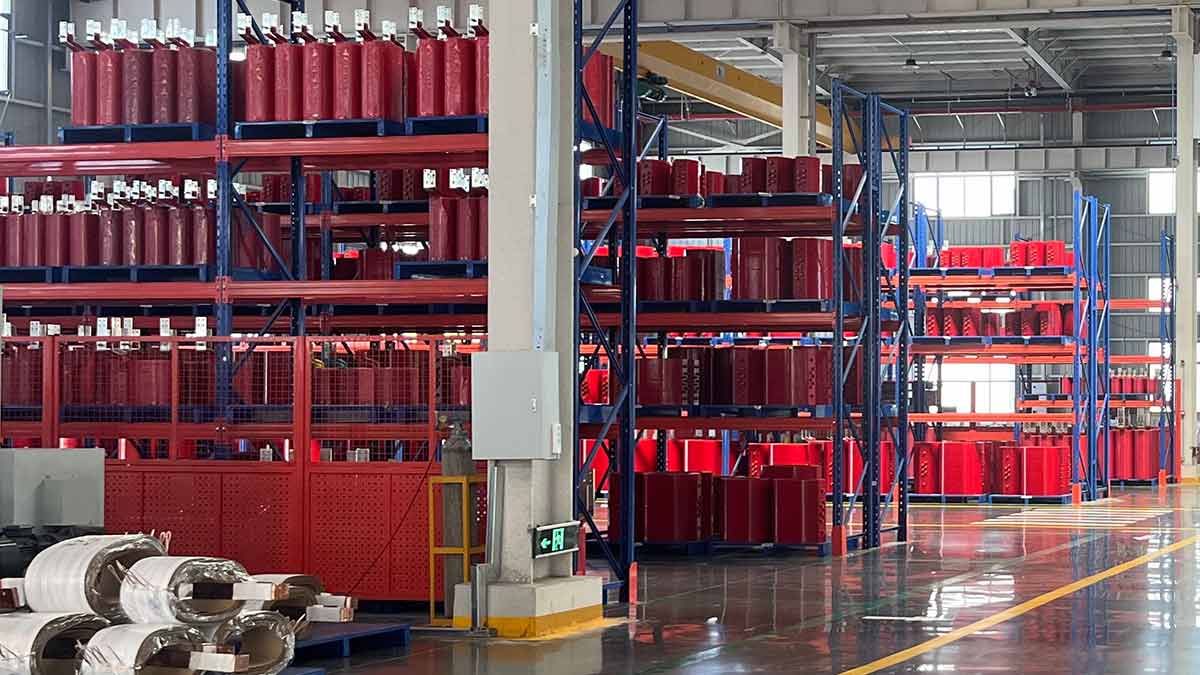
Cast resin transformers excel in harsh environments, medium to high power ratings, and critical applications where safety and reliability are non-negotiable. VPI transformers are a cost-effective choice for low to medium power ratings, clean environments, and budget-conscious projects. Additionally, specialized types such as gas-insulated and vacuum-cooled dry type transformers are available for unique applications.
When selecting a dry type transformer, consider factors such as environmental conditions, power and voltage requirements, safety standards, budget, and maintenance capabilities. By carefully evaluating these factors and using the information provided in this guide, you can choose the right type of dry type transformer that meets your needs, ensures long-term reliability, and reduces operational costs.
Whether you’re looking for a transformer for a residential complex, commercial building, industrial facility, or renewable energy project, understanding the types of dry type transformer and their applications is the first step toward making an informed decision.