
Understanding the power transformer lifecycle is key to ensuring the longevity and efficiency of this critical electrical network component, which steps up or steps down voltage for safe power delivery. Like all equipment, power transformers follow a distinct power transformer lifecycle—four key stages that dictate their performance, maintenance needs, and lifespan.
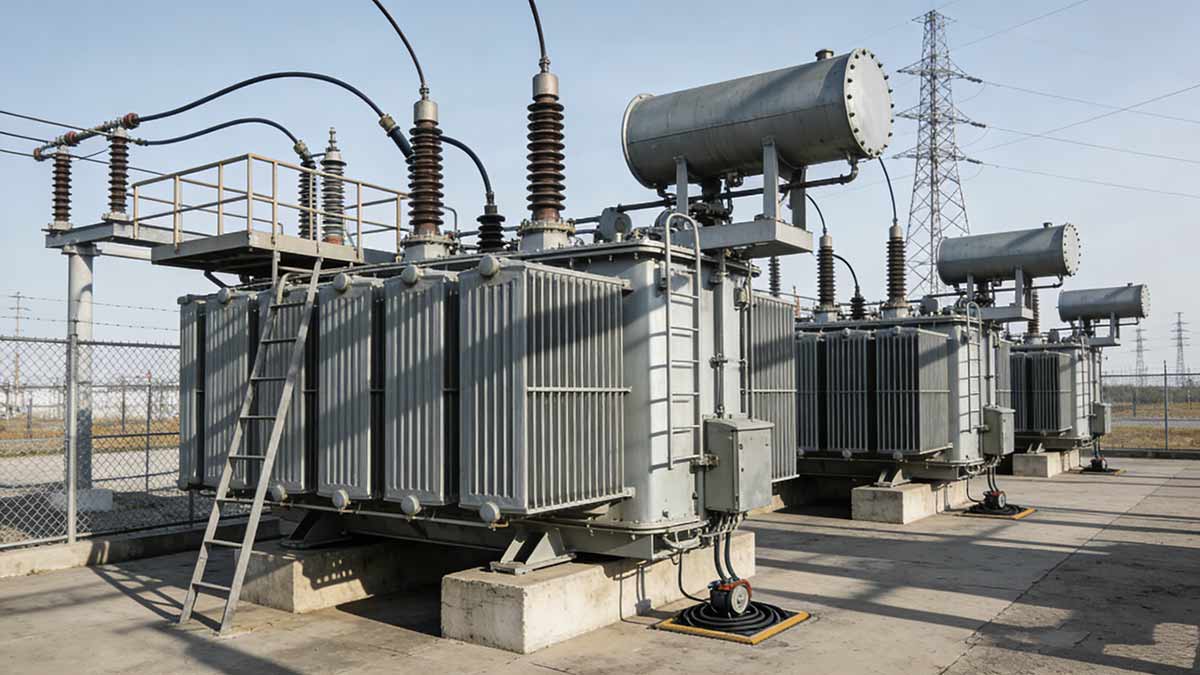
Understanding the 4 stages of a power transformer lifecycle is essential for utilities, businesses, and property managers to maximize equipment longevity, minimize downtime, and control costs. This guide breaks down each stage in simple terms, shares real-world examples, and provides actionable tips to manage each phase effectively. By the end, you’ll know how to navigate the power transformer lifecycle to keep your system running smoothly for decades.
📋 The 4 Stages of a Power Transformer Lifecycle: An Overview
Every power transformer, whether oil-immersed or dry-type, progresses through four sequential stages. Each stage has unique goals, challenges, and maintenance requirements—ignoring any phase can lead to premature failure, safety risks, and unnecessary expenses. Below is a high-level overview of the 4 stages of a power transformer lifecycle, followed by detailed breakdowns of each phase:
- Stage 1: Design & Manufacturing – The foundation of a reliable transformer, where quality materials and engineering set the stage for long-term performance.
- Stage 2: Installation & Commissioning – Proper setup and testing to ensure the transformer integrates seamlessly with your electrical network.
- Stage 3: Operation & Maintenance – The longest phase, where regular care and monitoring prevent breakdowns and extend lifespan.
- Stage 4: Decommissioning & Replacement – Safely retiring old equipment and choosing a suitable replacement to maintain network efficiency.
🔧 Stage 1: Design & Manufacturing – Build a Foundation for Longevity
The first stage of the power transformer lifecycle is design and manufacturing—and it’s the most critical for long-term reliability. This phase sets the standard for how well the transformer will perform, how long it will last, and how easy it will be to maintain. Many premature transformer failures can be traced back to cutting corners in design or manufacturing, making this stage non-negotiable for anyone investing in a power transformer. A common question many buyers ask is: “How does design affect the power transformer lifecycle?” The answer is simple—poor design leads to frequent breakdowns, shorter lifespans, and higher long-term costs, while quality design ensures decades of reliable service.
⚙️ Key Focus Areas in Design & Manufacturing
A high-quality transformer design and manufacturing process prioritizes three core elements: material selection, engineering precision, and compliance with industry standards. Here’s a breakdown of each:
- Material Quality – The core and windings are the heart of a transformer. High-grade silicon steel for the core reduces energy loss, while copper (or aluminum) windings ensure efficient power transfer. For oil-immersed transformers, high-purity mineral or synthetic oil is used for insulation and cooling.
- Engineering Precision – The design must match the specific needs of the electrical network (e.g., voltage rating, load capacity, environmental conditions). Overdesigning leads to unnecessary costs, while underdesigning causes premature wear.
- Industry Compliance – Reputable manufacturers follow standards like IEEE, IEC, or ANSI to ensure safety and performance. Compliance guarantees the transformer meets minimum requirements for durability and efficiency.
⚠️ Common Challenges in This Stage
Even with careful planning, design and manufacturing can face hurdles. Here are the most common issues and how to avoid them:
- Cost Cutting – Choosing low-quality materials to save money leads to shorter lifespans and more frequent repairs. Invest in quality upfront to avoid higher long-term costs.
- Poor Customization – A “one-size-fits-all” design may not work for unique network needs (e.g., harsh weather, high load demands). Work with manufacturers to customize the transformer for your specific use case.
- Lack of Testing – Skipping pre-manufacturing or post-manufacturing testing (e.g., insulation resistance tests, load tests) can result in defective units. Ensure the manufacturer provides a full test report before delivery.
📈 Real-World Example: How Design Impacts Lifespan
A utility company in the Southeast U.S. opted for a low-cost transformer with subpar silicon steel core and aluminum windings to cut initial costs. Within 5 years, the transformer experienced frequent overheating and energy loss, requiring costly repairs. In contrast, a neighboring utility invested in a transformer with high-grade copper windings and a compliant design—this unit operated reliably for 30 years with minimal maintenance. This example highlights how design and manufacturing directly influence the power transformer lifecycle, emphasizing the value of quality upfront.
🚧 Stage 2: Installation & Commissioning – Set Up for Success
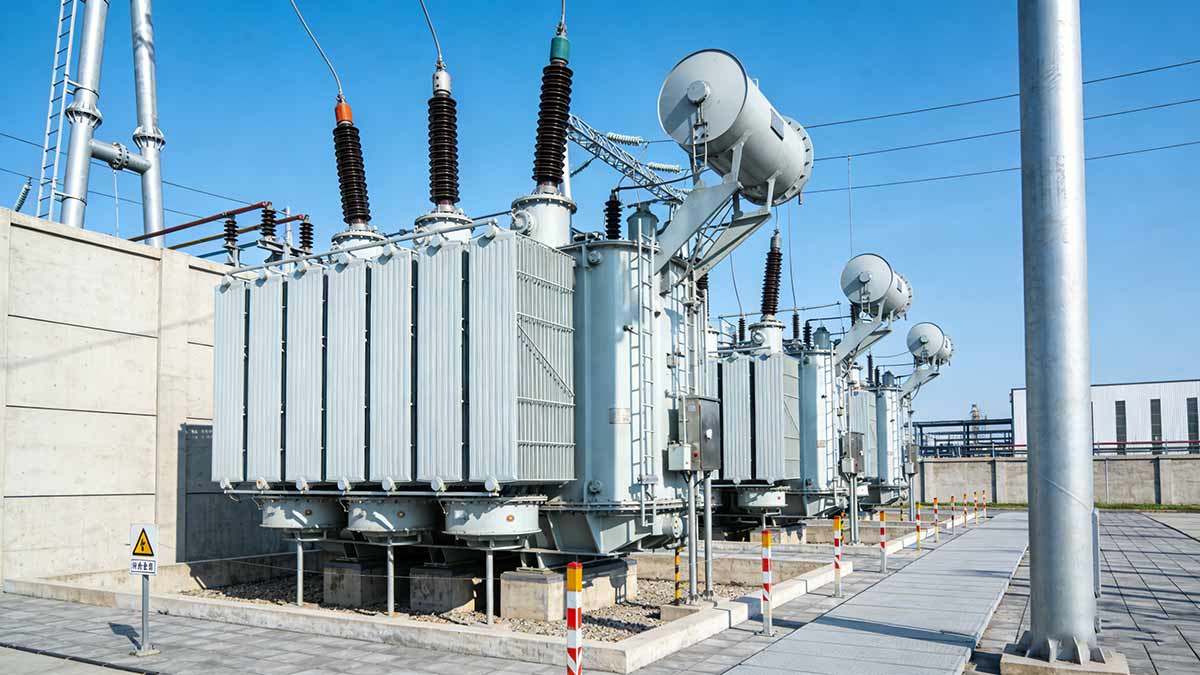
The second stage of the power transformer lifecycle is installation & commissioning—and it’s often overlooked, leading to avoidable issues down the line. Even the highest-quality transformer will underperform if installed incorrectly. Transformer installation requires careful planning, proper handling, and thorough testing to ensure it integrates seamlessly with your electrical network. This stage sets the tone for the transformer’s performance during the operation phase, making it critical for maximizing the power transformer lifecycle.
📦 Key Steps in Transformer Installation
Proper installation involves a series of sequential steps to avoid damage and ensure safety. Below are the essential actions to take during this phase:
- Site Preparation – Clear the installation area of debris, ensure the foundation is level and strong enough to support the transformer’s weight, and verify access for delivery (e.g., adequate space for trucks and cranes).
- Safe Delivery & Placement – Use specialized equipment to move the transformer (it’s heavy!) and place it on the foundation. Avoid tilting or dropping the unit, as this can damage internal components.
- Wiring & Connection – Connect the transformer to the electrical network following manufacturer guidelines. Ensure all wiring is tight, insulated, and correctly sized to prevent arcing or overheating.
- Oil Handling (for Oil-Immersed Transformers) – If installing an oil-immersed transformer, fill it with the correct type and amount of oil, and bleed air from the system to prevent insulation issues.
🧪 Commissioning: Testing Before Full Operation
Commissioning is the final step of installation—and it’s non-negotiable to ensure the transformer works as intended. This process involves testing the transformer under real-world conditions to identify any issues before it’s put into full service. Key commissioning tests include:
- Insulation Resistance Test – Checks for leaks or damage in the insulation system, which prevents short circuits.
- Load Test – Runs the transformer at full load to verify it can handle the network’s power demands without overheating.
- Voltage Regulation Test – Ensures the transformer maintains a stable voltage output, even when load demands fluctuate.
- Safety Test – Verifies that safety features (e.g., circuit breakers, gas relays) are working correctly to prevent accidents.
❌ Common Installation Mistakes to Avoid
Many transformer failures stem from poor installation. Here are the most common mistakes and how to steer clear of them:
- Rushing the Process – Skipping site preparation or testing to meet tight deadlines can lead to misalignment, wiring errors, or hidden damage.
- Using Untrained Personnel – Installation requires specialized knowledge—hire certified technicians to handle the job, as untrained workers may damage the transformer or create safety hazards.
- Ignoring Environmental Factors – Installing the transformer in a flood-prone area, direct sunlight, or near heat sources can shorten its lifespan. Choose a location that protects it from harsh conditions.
🔄 Stage 3: Operation & Maintenance – Extend the Power Transformer Lifecycle
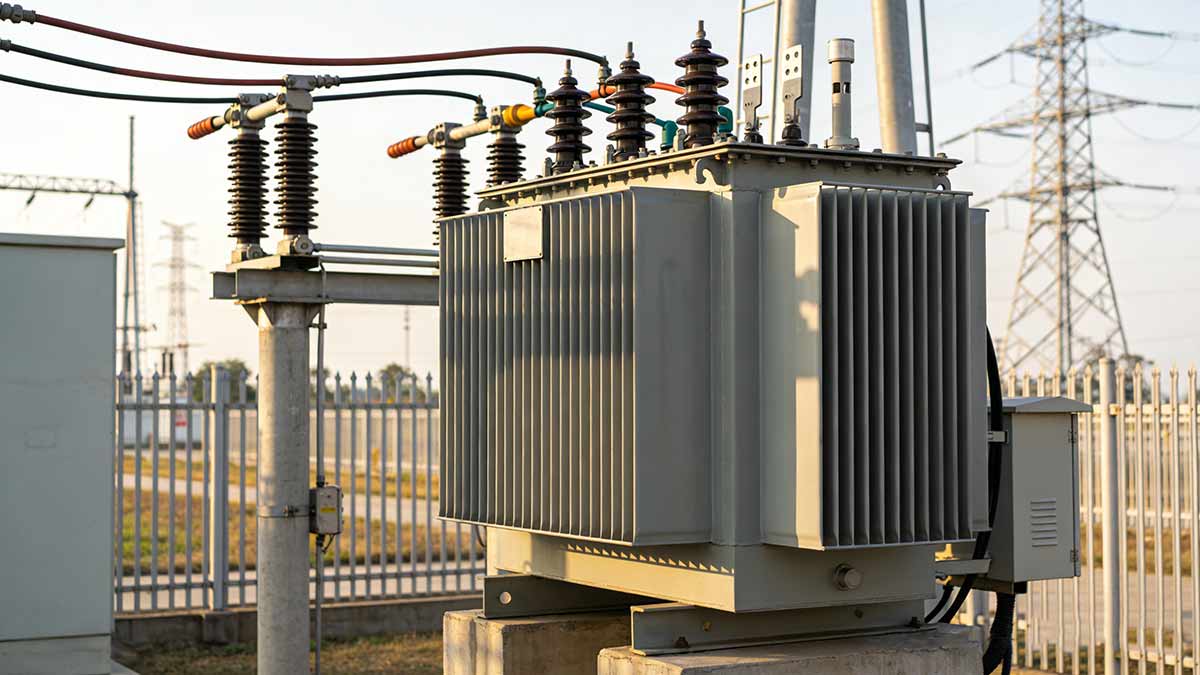
The third stage of the power transformer lifecycle—operation & maintenance—is the longest, typically lasting 20–40 years (depending on design and care). This phase is where most of the transformer’s value is delivered, but it’s also where neglect can lead to premature failure. Power transformer maintenance is the key to extending this phase, as regular care prevents small issues from turning into costly breakdowns. A common question utilities ask is: “How often should I perform power transformer maintenance?” The answer depends on the transformer type and usage, but a consistent schedule is critical for longevity.
📅 Essential Maintenance Tasks (By Frequency)
Maintenance needs vary by transformer type (oil-immersed vs. dry-type), but the following tasks are universal for keeping the power transformer lifecycle on track. Use the table below to guide your maintenance schedule:
Maintenance Frequency | Tasks | Purpose |
|---|---|---|
Monthly | Visual inspection (check for leaks, damage, or debris); monitor temperature and voltage output | Catch obvious issues early before they escalate |
Quarterly | Test oil quality (oil-immersed transformers); clean cooling systems; check wiring connections | Prevent insulation breakdown and overheating |
Annually | Full insulation test; load capacity check; safety feature inspection | Ensure long-term reliability and compliance |
Every 5 Years | Oil replacement (oil-immersed transformers); core and winding inspection | Extend the transformer’s lifespan and maintain efficiency |
📊 Monitoring Tips for Smooth Operation
In addition to regular maintenance, monitoring the transformer’s performance during operation helps identify issues before they cause downtime. Here are actionable tips for effective monitoring:
- Use Smart Sensors – Install temperature, voltage, and oil quality sensors to track performance in real time. Many modern transformers come with built-in monitoring systems for easy access to data.
- Track Load Fluctuations – Monitor peak load times (e.g., morning and evening for utilities) to ensure the transformer isn’t overworked. Adjust load distribution if needed to prevent overheating.
- Document Issues – Keep a log of all maintenance tasks, repairs, and performance issues. This helps identify patterns (e.g., frequent overheating in summer) and adjust your maintenance schedule accordingly.
💡 Real-World Example: Maintenance Extends Lifespan
A manufacturing plant in the Midwest had an oil-immersed transformer that was 15 years old. The plant implemented a monthly inspection and quarterly oil testing schedule, and replaced the oil every 5 years. By prioritizing power transformer maintenance, the transformer operated reliably for 35 years—nearly double its expected lifespan. In contrast, a similar plant nearby had neglected maintenance, and its transformer failed after just 12 years, costing $50,000 in replacement and downtime.
🔚 Stage 4: Decommissioning & Replacement – End the Lifecycle Responsibly
The fourth and final stage of the power transformer lifecycle is decommissioning & replacement. Even with the best design, installation, and maintenance, all transformers reach the end of their useful life. Decommissioning is the process of safely retiring the transformer, while replacement ensures your electrical network remains efficient and reliable. This stage is critical for safety, environmental compliance, and maintaining network performance—cutting corners here can lead to hazards or costly downtime.
🛑 Signs It’s Time to Decommission Your Transformer
How do you know when your transformer is ready for decommissioning? Look for these key signs that the power transformer lifecycle is coming to an end:
- Frequent Breakdowns – If the transformer requires repairs more than twice a year, it’s likely approaching the end of its lifespan. The cost of repairs will soon exceed the cost of replacement.
- Declining Efficiency – A noticeable increase in energy loss (higher utility bills) or difficulty maintaining stable voltage indicates the core or windings are deteriorating.
- Safety Hazards – Leaking oil (oil-immersed transformers), overheating, or arcing are serious safety risks that require immediate decommissioning.
- Non-Compliance – If the transformer no longer meets current industry standards (e.g., efficiency or safety regulations), it’s time to replace it.
♻️ Safe Decommissioning Steps
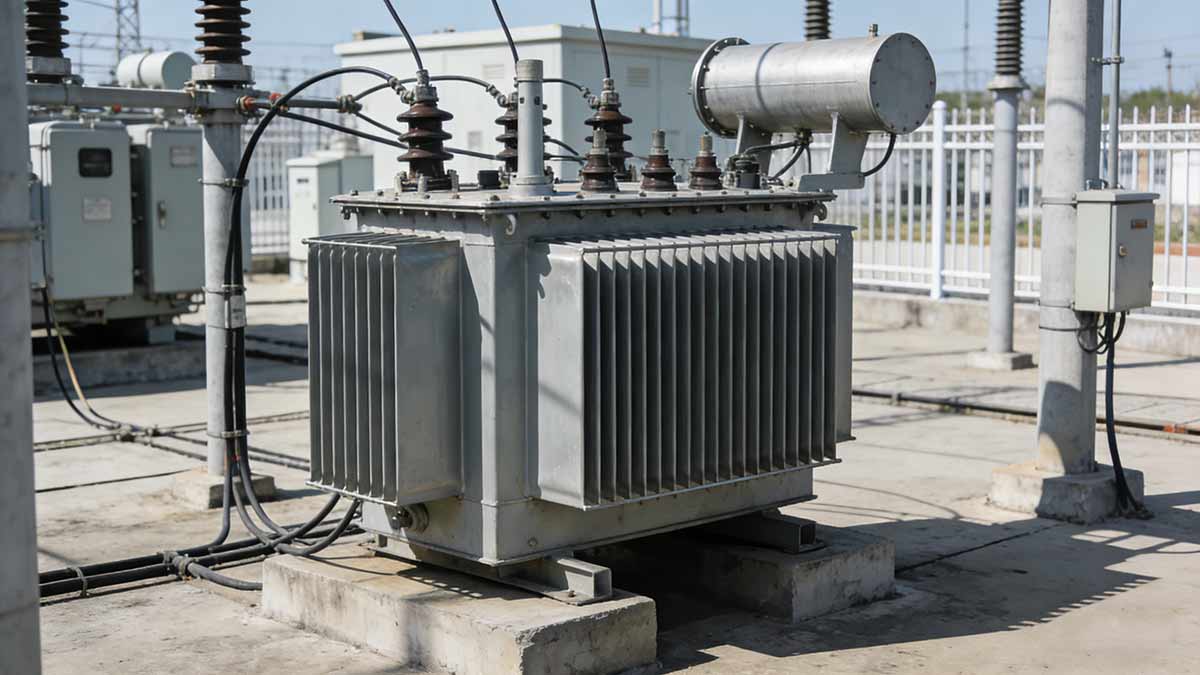
Decommissioning a power transformer requires careful planning to ensure safety and environmental compliance. Follow these steps to retire your transformer responsibly:
- Disconnect Power – Turn off the transformer and disconnect it from the electrical network to prevent electric shock.
- Drain and Dispose of Oil (Oil-Immersed Transformers) – Use a licensed professional to drain the oil, which is considered a hazardous material. Recycle or dispose of it according to local regulations.
- Remove Internal Components – Safely remove the core, windings, and other components for recycling or proper disposal. Many materials (e.g., copper, steel) are recyclable, reducing environmental impact.
- Inspect and Document – Conduct a final inspection to ensure all components are removed safely, and document the decommissioning process for compliance records.
🔄 Choosing the Right Replacement Transformer
Replacing your transformer is an opportunity to improve your network’s efficiency and reliability. Here are key factors to consider when selecting a replacement to maximize the next power transformer lifecycle:
- Match Your Network Needs – Choose a transformer with the correct voltage rating, load capacity, and size for your network. Consider future growth (e.g., increased power demand) to avoid underdesigning.
- Prioritize Quality – Invest in a transformer with high-quality materials and a compliant design, as this will extend the next lifecycle and reduce maintenance costs.
- Consider Efficiency – Opt for an energy-efficient transformer to reduce energy loss and lower utility bills over time.
- Work with a Reputable Manufacturer – Choose a manufacturer with experience in your industry (e.g., utilities, manufacturing) to ensure the transformer meets your specific needs.
📝 Key Takeaways for Managing the Power Transformer Lifecycle
The power transformer lifecycle consists of four critical stages—design & manufacturing, installation & commissioning, operation & maintenance, and decommissioning & replacement. Each stage plays a vital role in the transformer’s performance, lifespan, and cost-effectiveness. By prioritizing quality in design, proper installation, regular power transformer maintenance, and responsible decommissioning, you can maximize the power transformer lifecycle, minimize downtime, and control long-term costs.
Remember, the power transformer lifecycle is a continuous loop—each stage impacts the next. Cutting corners in design or maintenance will shorten the lifecycle, while investing in quality and care will ensure decades of reliable service. Whether you’re in the early stages of selecting a transformer or preparing to decommission an old unit, understanding these four stages is the key to success.
To learn more about how to manage each stage of the power transformer lifecycle effectively, or to find a high-quality replacement transformer tailored to your needs, reach out to our team of industry experts. We’re here to help you navigate the power transformer lifecycle and keep your electrical network running smoothly.