
Oil-filled tanks are the unsung heroes of power transformers, working behind the scenes to keep these critical pieces of equipment running safely and efficiently. For anyone managing or working with power transformers—from utility engineers to facility managers—understanding the functions of oil-filled tanks is key to maintaining optimal performance and avoiding costly failures.
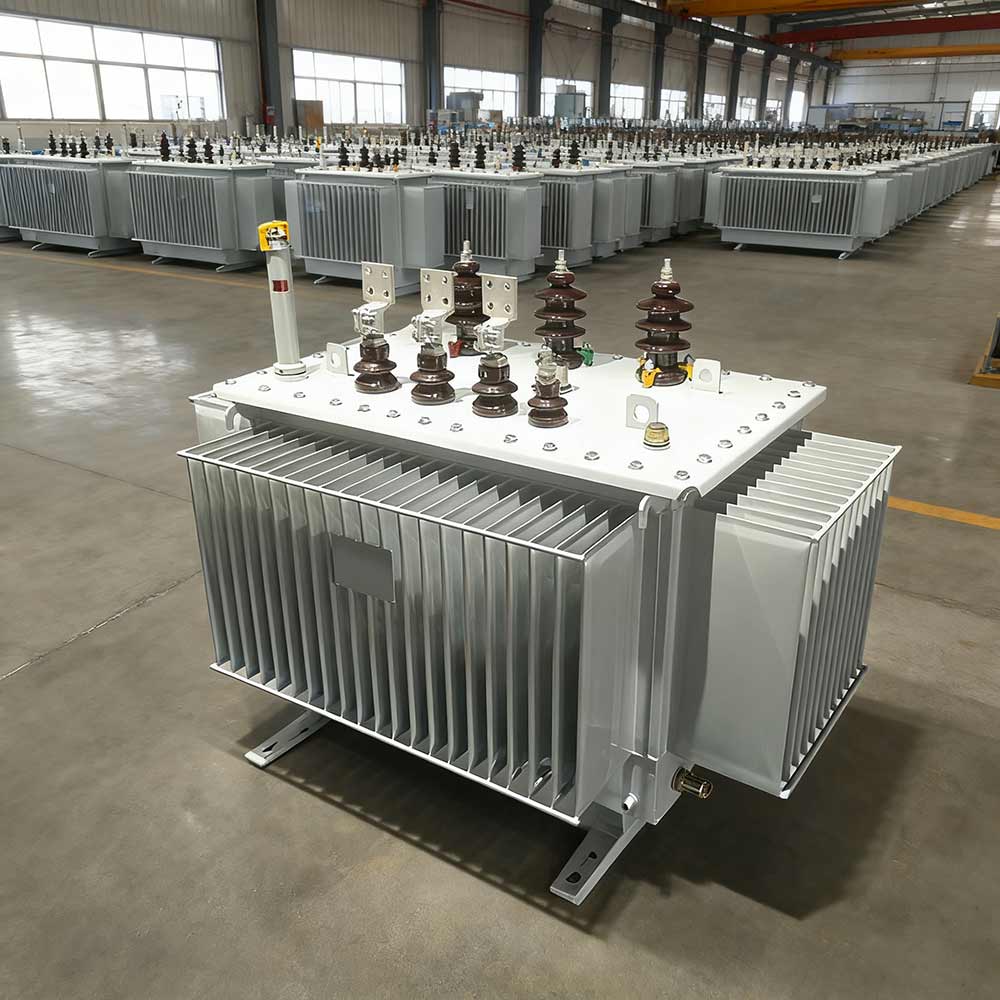
Oil-filled tanks do far more than just hold transformer oil; they play a vital role in insulation, cooling, protection, and more. In this article, we break down the top 10 functions of oil-filled tanks in power transformers, explain why each function matters, share real-world examples, and answer common questions to help you maximize your transformer’s lifespan. By the end, you’ll have a clear understanding of why oil-filled tanks are indispensable to power transformer operation.
Why Oil-Filled Tanks Are Essential for Power Transformers
Power transformers rely on oil-filled tanks to operate reliably—without these tanks, transformers would overheat, suffer electrical failures, or become damaged by environmental factors. Unlike dry-type transformers, which use air or resin for insulation and cooling, oil-immersed transformers depend on oil-filled tanks to house and protect their core components. The tank’s design and functionality directly impact the transformer’s efficiency, safety, and service life. Below, we explore the top 10 functions that make oil-filled tanks a non-negotiable part of power transformer design.
Top 10 Functions of Oil-Filled Tanks in Power Transformers
Oil-filled tanks perform multiple critical roles, from protecting internal components to ensuring stable electrical performance. Each function works together to keep the transformer running smoothly, even in harsh operating conditions. Below are the 10 most important functions, organized by priority, with clear explanations, key benefits, and real-world examples.
1. Housing and Protecting Transformer Core & Windings
The primary function of an oil-filled tank is to house and protect the transformer’s core and windings—the heart of the transformer that transfers electrical energy. These components are delicate and vulnerable to damage, so the tank acts as a protective barrier:
- Shields internal parts from physical damage, such as impact from debris, animals, or accidental contact during maintenance.
- Prevents moisture, dust, and dirt from entering the transformer—common culprits of electrical arcing and component degradation.
- Provides a secure enclosure that keeps the core and windings stable, reducing vibration and wear over time.
Case Study: A utility company in the Pacific Northwest installed oil-immersed transformers in a rural area prone to falling branches. The oil-filled tanks protected the core and windings from branch impacts, while nearby dry-type transformers suffered repeated damage. Over five years, the oil-immersed units had zero core/winding failures, compared to 12 failures in the dry-type units.
Common Question: Can oil-filled tanks protect against extreme weather? Yes—robust steel oil-filled tanks are designed to withstand rain, snow, high winds, and extreme temperatures, keeping internal components safe in even the harshest environments.
2. Facilitating Efficient Cooling of Transformer Components
Transformers generate heat during operation, and excess heat can damage the core, windings, and insulation. Oil-filled tanks play a key role in cooling these components by leveraging the thermal properties of transformer oil:
- The tank holds transformer oil, which absorbs heat from the core and windings as it circulates.
- Many oil-filled tanks are equipped with radiators or cooling fins attached to the tank’s exterior, allowing heat to dissipate into the surrounding air.
- For high-load applications, tanks may include cooling fans or pumps to enhance oil circulation, ensuring consistent cooling even during peak power usage.
Cooling Efficiency Comparison (Oil-Filled Tanks vs. Dry-Type Enclosures)
Cooling Method | Heat Dissipation Rate | Suitability for High Loads | Maintenance Needs |
|---|---|---|---|
Oil-Filled Tank (Radiators) | High—absorbs 3x more heat than air | Ideal for high-load applications | Low—occasional radiator cleaning |
Dry-Type Enclosure (Air-Cooled) | Low—relies on air circulation | Not suitable for continuous high loads | High—frequent filter cleaning |
Example: A manufacturing plant in Texas uses oil-immersed transformers with oil-filled tanks and cooling fans. During summer heatwaves, the tanks effectively cool the transformers, allowing them to operate at 100% load without overheating. The plant reported a 30% reduction in overheating-related downtime after switching to oil-filled tanks.
3. Enhancing Electrical Insulation to Prevent Short Circuits
Electrical insulation is critical for transformer safety—without it, electrical arcing and short circuits can occur, leading to catastrophic failures. Oil-filled tanks improve insulation by using transformer oil as an insulating medium:
- Transformer oil has excellent insulating properties, preventing electrical current from leaking between the core, windings, and tank.
- The oil fills all gaps in the tank, creating a uniform insulating layer that covers every internal component.
- Unlike air (which can conduct electricity at high voltages), transformer oil remains a reliable insulator even at high voltage levels, reducing the risk of short circuits.
Tip: Regular oil testing (quarterly sampling) ensures the oil maintains its insulating properties. Contaminated oil (with water or dirt) loses its insulation ability, so the oil-filled tank’s seal integrity is critical to preventing contamination.
4. Preventing Oil Contamination and Degradation
Transformer oil’s performance depends on its purity—contamination (from water, dust, or debris) can reduce its cooling and insulating capabilities. Oil-filled tanks are designed to keep the oil clean and prevent degradation:
- Sealed tank designs prevent moisture and dust from entering, which can contaminate the oil and damage internal components.
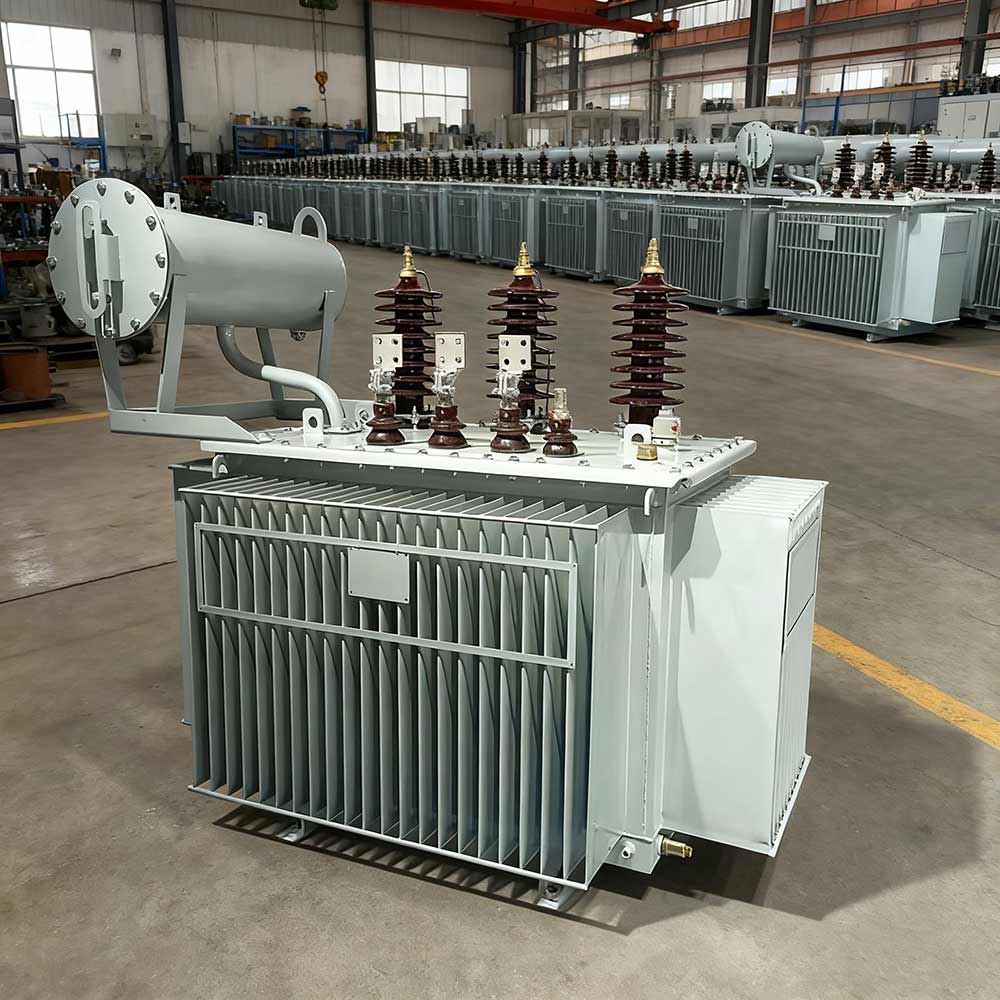
- Many oil-filled tanks include oil conservators (small auxiliary tanks) that allow the oil to expand and contract with temperature changes without exposing it to air.
- The tank’s interior is coated with anti-corrosion materials, preventing rust from mixing with the oil and causing contamination.
Example: A utility in Florida noticed a drop in transformer performance due to oil contamination. An inspection revealed a damaged tank seal, allowing moisture to enter. Replacing the seal and cleaning the oil restored the transformer’s efficiency, and the oil-filled tank’s sealed design prevented future contamination.
5. Reducing Vibration and Noise During Operation
Transformers naturally vibrate during operation, which can cause noise and wear on internal components. Oil-filled tanks help reduce vibration and noise by acting as a dampening system:
- Transformer oil absorbs vibration from the core and windings, reducing the amount of vibration transferred to the tank and surrounding structures.
- The tank’s rigid steel construction further dampens noise, making oil-immersed transformers quieter than dry-type units.
- Anti-vibration pads installed between the tank and mounting surface work with the oil to minimize noise and vibration even further.
Common Question: Are oil-filled tanks quieter than dry-type enclosures? Yes—oil-filled tanks reduce noise by 15–20 decibels compared to dry-type transformers, making them ideal for residential or commercial areas where noise is a concern.
6. Enabling Easy Oil Inspection and Maintenance
Regular oil maintenance is essential for transformer longevity, and oil-filled tanks are designed to make inspection and maintenance simple and efficient:
- Most oil-filled tanks include sight glasses, allowing technicians to check oil levels and clarity without opening the tank.
- Oil sampling valves are built into the tank, making it easy to collect oil samples for testing (to check for contamination or degradation).
- The tank’s design allows for easy oil drainage and refilling during maintenance, reducing downtime and labor costs.
Common Oil Maintenance Tasks for Oil-Filled Tanks
Maintenance Task | Frequency | Purpose | How the Tank Facilitates It |
|---|---|---|---|
Oil Sampling/Testing | Quarterly | Check for contamination | Built-in sampling valves |
Oil Level Check | Monthly | Ensure proper oil volume | Sight glass on tank exterior |
Oil Drainage/Refilling | Every 5–10 Years | Replace old/degraded oil | Drainage valves and filling ports |
7. Protecting Against Fire and Safety Hazards
Safety is a top priority for power transformers, and oil-filled tanks are designed to minimize fire and safety risks:
- Sealed tank designs prevent oil leaks, which can cause fires if the oil comes into contact with hot components or electrical sparks.
- Many oil-filled tanks use fire-resistant transformer oil (synthetic or mineral-based) that is less flammable than standard oil, reducing fire risk.
- The tank’s steel construction acts as a fire barrier, containing any internal fires and preventing them from spreading to surrounding equipment.
Case Study: A warehouse in Illinois experienced an electrical fault in their oil-immersed transformer. The oil-filled tank’s sealed design contained the small fire, preventing it from spreading to the warehouse’s inventory. The tank’s fire-resistant oil extinguished the fire quickly, resulting in minimal damage and no downtime.
8. Accommodating Oil Expansion and Contraction
Transformer oil expands when heated (during operation) and contracts when cooled (during shutdown or low load). Oil-filled tanks are designed to accommodate these volume changes, preventing pressure buildup that could damage the tank or internal components:
- Oil conservators (attached to the top of the tank) provide extra space for oil expansion, ensuring the tank doesn’t become overpressurized.
- Breathers on the conservator allow air to enter and exit as the oil expands and contracts, maintaining atmospheric pressure inside the tank.
- The tank’s design includes pressure relief valves that release excess pressure if the oil expands beyond the conservator’s capacity, preventing tank damage.
Example: A utility in Canada uses oil-filled tanks with conservators to handle extreme temperature changes. During winter, the oil contracts, and the conservator draws in air; during summer, the oil expands, and the conservator stores the excess. This prevents pressure buildup and ensures the tank remains intact in all weather conditions.
9. Supporting Transformer Monitoring Systems
Modern power transformers use monitoring systems to track performance, detect issues early, and prevent failures. Oil-filled tanks are designed to support these systems, making it easy to install and use monitoring equipment:
- Tanks have built-in ports for installing oil temperature sensors, which monitor oil temperature and alert technicians to overheating.
- Gas sensors can be installed in the tank to detect gas buildup (a sign of internal faults, such as short circuits), allowing for early intervention.
- The tank’s exterior provides a stable mounting surface for monitoring devices, ensuring accurate readings and easy access for maintenance.
Tip: Choose oil-filled tanks with pre-installed monitoring ports to save time and money when setting up transformer monitoring systems. This ensures compatibility and reduces the need for modifications.
10. Extending the Transformer’s Overall Lifespan
All the functions of oil-filled tanks work together to extend the transformer’s service life. By protecting internal components, maintaining oil quality, preventing overheating, and reducing wear, oil-filled tanks help transformers last 25–40 years (compared to 15–20 years for dry-type transformers):
- Protection from moisture, dust, and physical damage reduces component degradation.
- Efficient cooling prevents overheating, which is a leading cause of transformer failure.
- Easy maintenance ensures issues are detected early, preventing small problems from escalating into major failures.
Example: A utility company in New York replaced their dry-type transformers with oil-immersed units with high-quality oil-filled tanks. Over 10 years, the oil-immersed transformers had a 45% lower failure rate and a 20% longer service life than the dry-type units they replaced. The oil-filled tanks’ protective functions saved the utility thousands in replacement and repair costs.
Common Myths About Oil-Filled Tanks in Power Transformers (Debunked)
Despite their many benefits, there are common misconceptions about oil-filled tanks that prevent some businesses and utilities from choosing them. Below are the most common myths, debunked with facts:
Myth 1: Oil-Filled Tanks Are High-Maintenance
Fact: Oil-filled tanks require minimal maintenance—only quarterly oil sampling, monthly oil level checks, and occasional seal inspections. This is less maintenance than dry-type transformers, which require frequent filter cleaning and air circulation checks. With proper maintenance, oil-filled tanks can last as long as the transformer itself.
Myth 2: Oil-Filled Tanks Are Bad for the Environment
Fact: Modern oil-filled tanks use environmentally friendly, biodegradable transformer oil. Sealed tank designs prevent oil leaks, and most utilities have oil recycling programs to reuse or dispose of old oil safely. Oil-filled tanks are actually more environmentally friendly than dry-type transformers, as their longer lifespan reduces the number of transformers that end up in landfills.
Myth 3: Oil-Filled Tanks Are Too Large for Small Applications
Fact: Oil-filled tanks come in a range of sizes, from small 50kVA units for residential or small commercial applications to large 2000kVA units for utilities and industrial facilities. Modern designs have reduced the tank’s footprint, making them suitable for even space-constrained areas.
How to Choose the Right Oil-Filled Tank for Your Power Transformer
Not all oil-filled tanks are the same—choosing the right tank for your transformer’s needs is critical to maximizing performance and lifespan. Here are key factors to consider:
Transformer Size and Load Capacity
The tank size must match the transformer’s kVA rating. Larger transformers require larger tanks to hold enough oil for cooling and insulation. Ensure the tank is designed to handle the transformer’s maximum load without overheating.
Operating Environment
Consider the climate and location where the transformer will be installed. For harsh weather (extreme heat, cold, or humidity), choose a tank with a robust seal and corrosion-resistant coating. For fire-prone areas, opt for a tank with fire-resistant oil.
Maintenance Needs
If you have limited maintenance personnel, choose a tank with easy-access sampling valves, sight glasses, and pre-installed monitoring ports. This reduces the time and labor required for maintenance.
Compliance with Safety Standards
Ensure the oil-filled tank meets local safety and environmental standards. Look for tanks that are certified for fire safety, oil containment, and electrical insulation.
Conclusion: Oil-Filled Tanks Are Critical to Transformer Performance
Oil-filled tanks are far more than just containers for transformer oil—they perform 10 critical functions that protect power transformers, ensure efficient operation, and extend their lifespan. From housing and cooling internal components to preventing contamination and reducing safety risks, oil-filled tanks are indispensable for any oil-immersed power transformer. By understanding these functions, you can make informed decisions about transformer maintenance, choose the right oil-filled tank for your needs, and avoid costly failures.
Whether you’re upgrading an existing transformer or installing a new one, investing in a high-quality oil-filled tank is a smart choice that will pay off in the long run. Properly maintained oil-filled tanks keep transformers running safely and efficiently, reducing downtime and maintenance costs. If you need help choosing the right oil-filled tank for your power transformer, or if you have questions about maintenance and performance, our team of transformer experts is here to help. We offer reliable, high-quality oil-filled tanks and professional guidance to ensure your transformer operates at its best for years to come.