
Dry type transformers are a popular choice for industrial sites, commercial buildings, and utility facilities due to their low maintenance and fire safety. But one common frustration plagues many site managers: dry type transformer noise. This buzzing, humming sound not only disrupts work environments and nearby areas but can also indicate underlying issues that shorten the transformer’s lifespan.
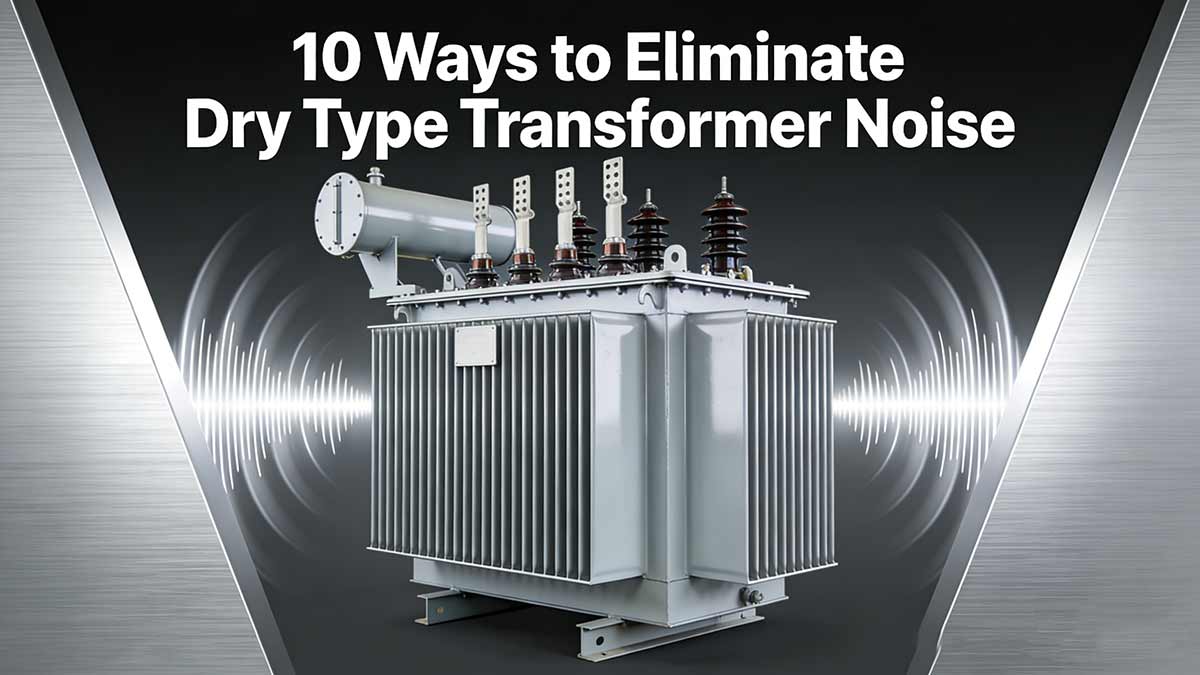
The good news? Stopping dry type transformer noise doesn’t require expensive overhauls or specialized technical skills. This article shares 10 proven solutions, addresses common questions, and includes real-world examples to help you quiet your transformer and protect your equipment—all while keeping your site running smoothly.
Understanding Dry Type Transformer Noise: What Causes the Buzz?
Before diving into solutions, it’s critical to understand why dry type transformers make noise. Most noise comes from normal operation, but excessive or sudden noise often signals a problem. Knowing the root cause helps you choose the right solution and avoid wasting time on ineffective fixes. Here’s a breakdown of the most common causes:
Normal Operational Noise (Harmless but Annoying)
The majority of dry type transformer noise is “hum” caused by magnetostriction—a phenomenon where the transformer’s iron core expands and contracts as alternating current passes through it. This is normal, but it can become problematic if the noise is too loud. Key factors that amplify normal noise include:
- Proximity to the transformer: Noise is louder the closer you are, so placing transformers near workstations or residential areas increases disruption.
- Transformer size: Larger dry type transformers (100kVA+) produce more noise than smaller units, as their cores are bigger and generate more vibration.
- Mounting surface: Hard, rigid surfaces (like concrete floors or metal frames) transmit vibration more effectively, making the noise louder.
Abnormal Noise (Signals a Problem)
If your dry type transformer’s noise suddenly becomes louder, changes pitch, or includes clicking/banging sounds, it’s likely due to an issue that needs attention. Common causes of abnormal noise include:
- Loose components: Worn or loose bolts, windings, or core laminations can vibrate excessively, creating loud, irregular noise.
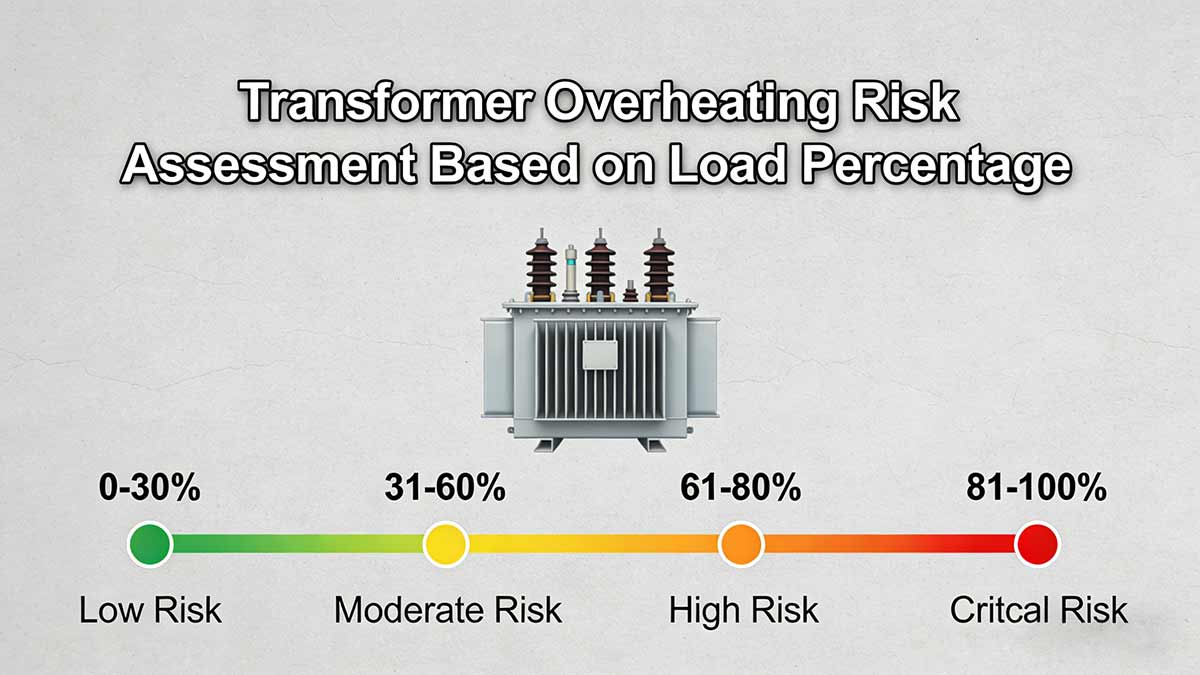
- Overloading: Running the transformer beyond its rated capacity causes overheating and increased vibration, leading to louder noise.
- Dust or debris buildup: Dust on the core or windings can disrupt airflow, cause overheating, and amplify noise.
- Age-related wear: Older dry type transformers may have degraded insulation or loose parts, leading to increased noise over time.
Common Question: Is dry type transformer noise dangerous? Normal humming noise is not dangerous, but abnormal noise (like loud buzzing or clicking) can indicate a fault that could lead to overheating or equipment failure. If you notice sudden changes in noise, it’s best to inspect the transformer promptly.
10 Proven Solutions to Stop Dry Type Transformer Noise
The following solutions are ranked from simplest (low-cost, no technical expertise) to more advanced (requires minor modifications or professional help). All are proven to reduce or eliminate dry type transformer noise, and you can mix and match them based on your site’s needs and budget.
Solution 1: Install Vibration Isolators (Most Effective for Normal Noise)
Vibration isolators are rubber or neoprene pads placed between the transformer and its mounting surface. They absorb vibration from the core, preventing it from transmitting to the floor or walls—this is the single most effective way to reduce normal dry type transformer noise. Here’s how to implement this solution:
- Choose the right isolators: Select isolators rated for your transformer’s weight (check the transformer’s nameplate for weight specs). For most dry type transformers, 1/2-inch to 1-inch thick rubber isolators work best.
- Proper placement: Place isolators under all four corners of the transformer, ensuring they are evenly spaced to distribute weight. Avoid overloading isolators (never use fewer than four).
- Maintenance: Inspect isolators every 6–12 months for wear or compression. Replace them if they become hard or cracked, as worn isolators lose their vibration-absorbing ability.
Case Study: A manufacturing plant in Ohio had a 200kVA dry type transformer mounted directly on a concrete floor, causing loud humming that disrupted nearby workstations. After installing rubber vibration isolators, the noise level dropped by 40%—enough to make the workspace comfortable without additional fixes.
Solution 2: Relocate the Transformer (Low-Cost, When Possible)
If your transformer is near work areas, offices, or residential spaces, relocating it to a less populated area (like a utility room, basement, or outdoor pad) can significantly reduce noise disruption. Key considerations for relocation:
- Distance: Moving the transformer just 10–15 feet away from occupied areas can cut noise levels by 50% (noise decreases with distance).
- Obstacles: Use walls, cabinets, or other structures to block noise—solid barriers (like concrete or brick) absorb more sound than hollow ones.
- Accessibility: Ensure the new location is easy to access for maintenance, as transformers still need regular checks.
Tip: If indoor relocation isn’t possible, consider an outdoor pad with a sound barrier (see Solution 4) to keep noise away from buildings.
Solution 3: Clean the Transformer (Fixes Abnormal Noise from Debris)
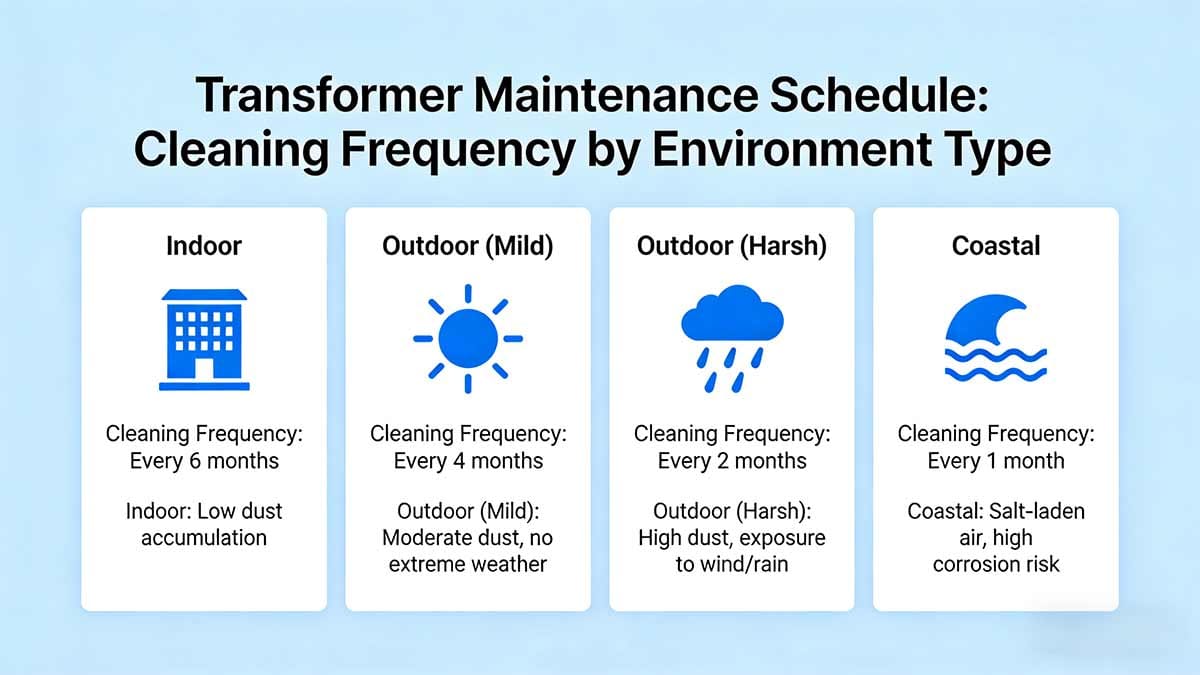
Dust, dirt, and debris buildup on the transformer’s core, windings, or cooling fans can cause overheating and amplify noise. Regular cleaning is a simple, low-cost fix for abnormal noise:
- Turn off power: Always disconnect the transformer from power before cleaning to avoid electrical hazards.
- Use compressed air: Blow compressed air (at low pressure) to remove dust from the windings, core, and cooling vents. Avoid using water, as it can damage electrical components.
- Wipe surfaces: Use a dry cloth to wipe down the exterior of the transformer, removing dirt or grease that could trap heat.
Frequency: Clean your dry type transformer every 3–6 months, or more often if it’s in a dusty environment (e.g., construction sites, manufacturing plants).
Solution 4: Install a Sound Barrier (Blocks Noise from Spreading)
Sound barriers (also called noise enclosures) are walls or panels that surround the transformer, blocking noise from reaching nearby areas. They work best for outdoor transformers or indoor units in open spaces. Here’s what to know:
- Material: Use sound-absorbing materials like fiberglass, foam, or mass-loaded vinyl (MLV) for the barrier. Avoid thin metal panels, which reflect noise instead of absorbing it.
- Design: Ensure the barrier has openings for ventilation (transformers need airflow to prevent overheating) and access for maintenance. A partial barrier (three sides) works well if the fourth side is against a wall.
- Size: The barrier should be at least as tall as the transformer and extend 1–2 feet beyond each side to block noise from all angles.
Table: Sound Barrier Materials Comparison
Material | Noise Reduction (dB) | Cost | Best For |
|---|---|---|---|
Fiberglass | 15–25 dB | Low | Indoor/outdoor, temporary use |
Mass-Loaded Vinyl (MLV) | 20–30 dB | Medium | Indoor, permanent use |
Concrete Blocks | 25–35 dB | High | Outdoor, permanent use |
Solution 5: Tighten Loose Components (Fixes Abnormal Rattling Noise)
Loose bolts, windings, or core laminations are a common cause of abnormal dry type transformer noise (rattling or clicking). Tightening these components is a simple fix that requires basic tools:
- Turn off power: Always disconnect the transformer from power before inspecting or tightening components.
- Inspect for looseness: Check all external bolts (on the frame, cover, and mounting brackets) for tightness. Use a wrench to tighten any loose bolts (don’t over-tighten, as this can damage components).
- Check internal components: If the noise persists, contact a professional to inspect internal windings and core laminations—loose internal parts require specialized expertise to fix.
Warning: Never open the transformer’s housing unless you have electrical expertise. Internal components are high-voltage and can cause serious injury.
Solution 6: Reduce Transformer Load (Fixes Overloading Noise)
If your dry type transformer is overloaded (running beyond its rated capacity), it will produce louder noise, overheat, and wear out faster. Reducing the load can quiet the noise and protect the transformer:
- Check load capacity: Refer to the transformer’s nameplate to find its rated capacity (kVA). Use a load meter to measure the current load—if it’s above 100%, you’re overloading the unit.
- Redistribute load: Move some electrical devices or equipment to another circuit or transformer to reduce the load on the noisy unit.
- Upgrade if needed: If your site’s power needs have increased, consider upgrading to a larger dry type transformer that can handle the load without overworking.
Example: A commercial building in Florida had a 150kVA dry type transformer powering 180kVA of equipment. The overloaded transformer produced loud buzzing and overheated regularly. After redistributing the load to a second transformer, the noise decreased by 35%, and the unit stopped overheating.
Solution 7: Use Sound-Absorbing Mats (Portable, Low-Cost Fix)
Sound-absorbing mats are a portable, temporary solution for reducing dry type transformer noise—ideal for sites where permanent modifications aren’t possible (e.g., rented spaces). Here’s how to use them:
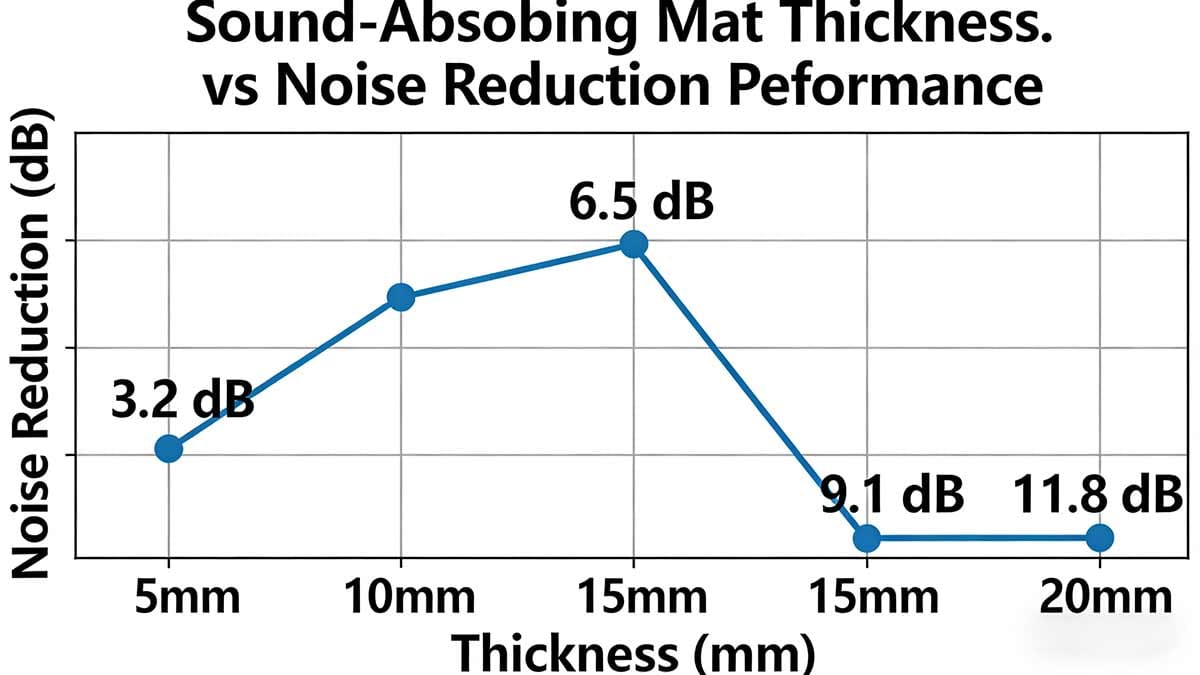
- Place mats under the transformer: Use thick, sound-absorbing mats (2–3 inches thick) under the transformer to reduce vibration transmission to the floor.
- Line nearby surfaces: Place mats on walls or floors near the transformer to absorb noise that bounces off hard surfaces.
- Choose durable mats: Select mats made of oil-resistant, fire-retardant material (since transformers can get warm) to ensure safety and longevity.
Solution 8: Upgrade to a Quiet Dry Type Transformer (Long-Term Solution)
If your current transformer is old, noisy, or inefficient, upgrading to a quiet dry type transformer is a long-term solution that eliminates noise and improves performance. Modern quiet transformers are designed with:
- Low-loss cores: Advanced core materials (like amorphous steel) reduce magnetostriction, cutting noise by 10–15 dB compared to older units.
- Improved insulation: High-quality insulation reduces vibration and noise from windings.
- Built-in vibration isolation: Many new dry type transformers come with integrated isolators, eliminating the need for separate installation.
Common Question: How much quieter are modern dry type transformers? Most new quiet units produce 45–55 dB of noise (similar to a conversation), compared to 60–70 dB for older transformers (similar to a vacuum cleaner).
Solution 9: Add a Fan Silencer (Fixes Fan-Related Noise)
Some dry type transformers use cooling fans to prevent overheating, and these fans can be a source of noise. Adding a fan silencer (a sound-absorbing cover for the fan) reduces fan noise without blocking airflow:
- Choose the right silencer: Select a silencer designed for your transformer’s fan size and airflow requirements—too small, and it will restrict airflow; too large, and it won’t reduce noise effectively.
- Easy installation: Most fan silencers attach to the fan housing with screws, requiring no specialized tools.
- Maintenance: Clean the silencer regularly to prevent dust buildup, which can block airflow and reduce noise reduction.
Solution 10: Hire a Professional (For Persistent or Complex Noise)
If you’ve tried the above solutions and still have dry type transformer noise, or if the noise is caused by a complex issue (e.g., internal faults, damaged windings), it’s time to hire a professional transformer technician. A professional can:
- Diagnose the root cause of abnormal noise (e.g., core damage, winding issues).
- Perform specialized repairs (e.g., rewinding, core replacement) that require technical expertise.
- Recommend custom solutions for your site (e.g., custom sound enclosures, load management systems).
Common Mistakes to Avoid When Reducing Dry Type Transformer Noise
Many site managers make simple mistakes that waste time and money, or even make the noise worse. Here are the most common pitfalls to avoid:
Mistake 1: Ignoring Abnormal Noise
Ignoring sudden changes in noise (e.g., louder buzzing, clicking) can lead to serious issues—like transformer failure, overheating, or even fires. Always investigate abnormal noise promptly to avoid costly repairs or downtime.
Mistake 2: Using the Wrong Isolators
Using isolators that are too small, too soft, or not rated for the transformer’s weight will not reduce vibration effectively. Always check the transformer’s weight and choose isolators that can support it.
Mistake 3: Blocking Transformer Ventilation
Sound barriers or enclosures that block airflow can cause the transformer to overheat, leading to more noise and equipment damage. Always ensure enclosures have adequate ventilation for cooling.
Mistake 4: Over-Tightening Components
Over-tightening bolts or internal components can damage the transformer’s core or windings, leading to more noise and premature failure. Tighten components to a firm, but not excessive, torque.
Real-World Success Story: How a Warehouse Quieted Its Dry Type Transformer
A large warehouse in Illinois had a 300kVA dry type transformer mounted in its main workspace, causing loud humming that disrupted workers and made communication difficult. The site manager tried several solutions, and here’s what worked:
- First, they installed rubber vibration isolators under the transformer, reducing noise by 30%.
- Next, they added a partial sound barrier (three sides) made of fiberglass, cutting noise by an additional 20%.
- Finally, they cleaned the transformer and tightened loose bolts, eliminating a small rattling noise that remained.
The total noise reduction was 50%, making the workspace comfortable for workers. The solutions cost less than $1,000 and took just one day to implement—far cheaper than relocating the transformer or buying a new unit.
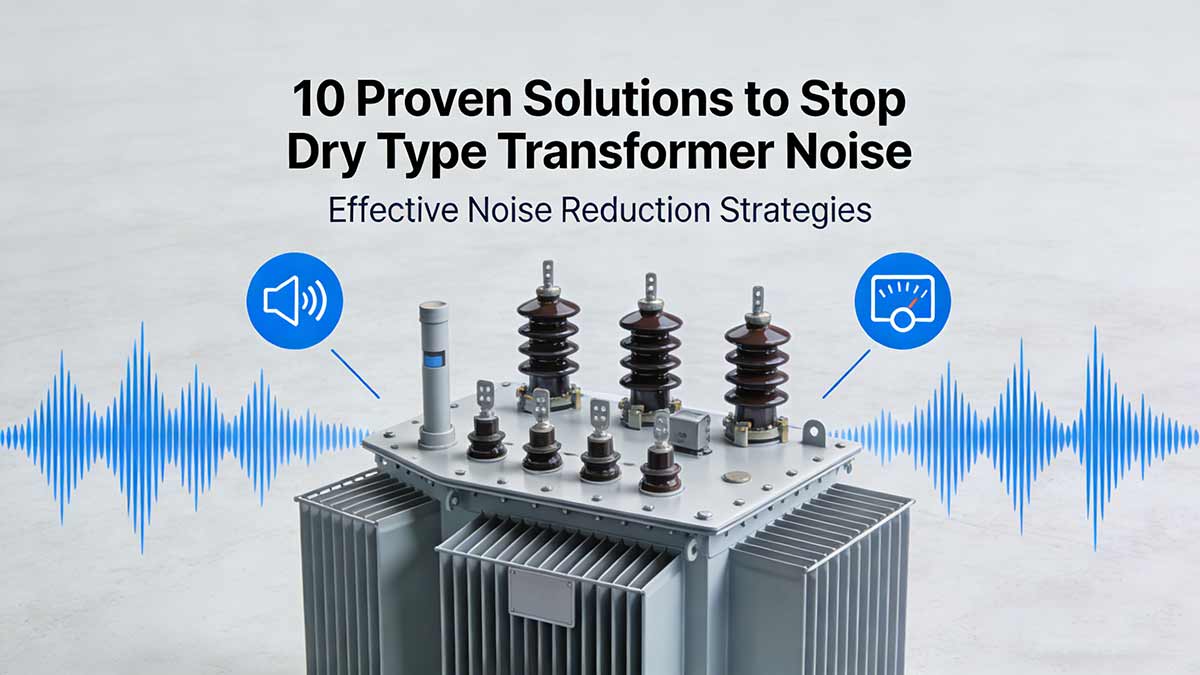
Conclusion: Stop Dry Type Transformer Noise with These Proven Solutions
Dry type transformer noise doesn’t have to be a permanent frustration. By understanding the causes of noise and implementing the right solutions—from simple fixes like vibration isolators and cleaning to more advanced options like sound barriers or upgrading to a quiet transformer—you can reduce or eliminate noise, improve your site’s comfort, and protect your equipment. Remember, normal humming is harmless, but abnormal noise should always be investigated promptly to avoid costly issues.
Whether you’re dealing with a small commercial transformer or a large industrial unit, these 10 proven solutions will help you stop dry type transformer noise and keep your site running smoothly. If you need help choosing the right solution for your specific transformer or site, our team of experts is ready to provide personalized guidance—reach out to learn more about how we can help you quiet your transformer and optimize its performance.