
Selecting a mismatched installation mode can lead to voltage fluctuations, increased energy loss, equipment damage, and non-compliance with electrical safety standards. This authoritative guide breaks down every critical detail of the Selection Of Installation Mode Of Single-phase Transformer, covering core installation types, use cases, technical requirements, and decision-making frameworks to help electrical engineers, contractors, and facility managers make informed choices.
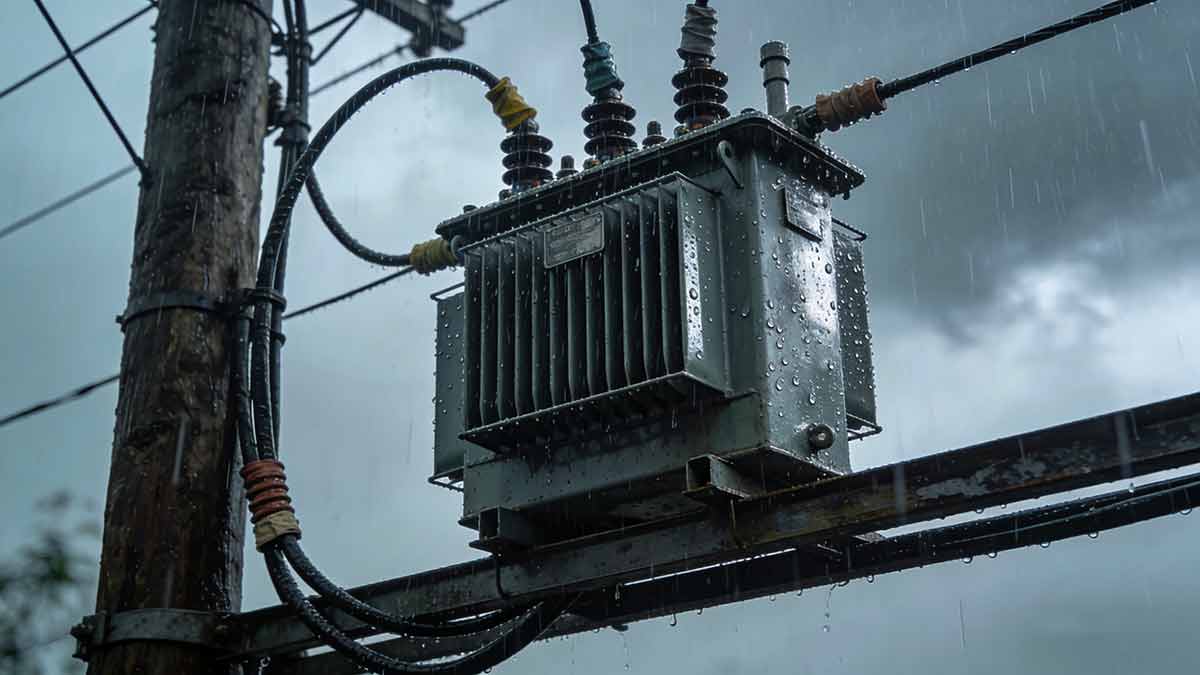
What Is a Single-Phase Transformer & Why Installation Mode Matters
- A single-phase transformer is a static electrical device that transfers single-phase alternating current (AC) power between circuits via electromagnetic induction, stepping voltage up or down to match load requirements.
- Its core purpose is to stabilize power output, reduce overload-induced failures, and tailor power distribution to localized consumption patterns.
- Installation mode directly impacts power transmission efficiency, load proximity, grid compatibility, and long-term maintenance costs.
- No universal installation mode fits all scenarios; selection depends on grid architecture, load distribution, geographic setting, and regulatory requirements.
- Proper installation mode alignment ensures:
- Minimized power transmission loss
- Compliance with national and international electrical codes
- Optimized proximity to load centers
- Seamless power conversion between single-phase and three-phase grids
- Reduced operational and maintenance overheads
Core Classification of Single-Phase Transformer Installation Modes
Three standardized installation modes define the practical deployment of single-phase transformers globally. Each mode features unique wiring logic, grid integration methods, and targeted application environments. Below is a detailed breakdown of each category, with comparative insights to support the Selection Of Installation Mode Of Single-phase Transformer.
Standalone Installation Mode
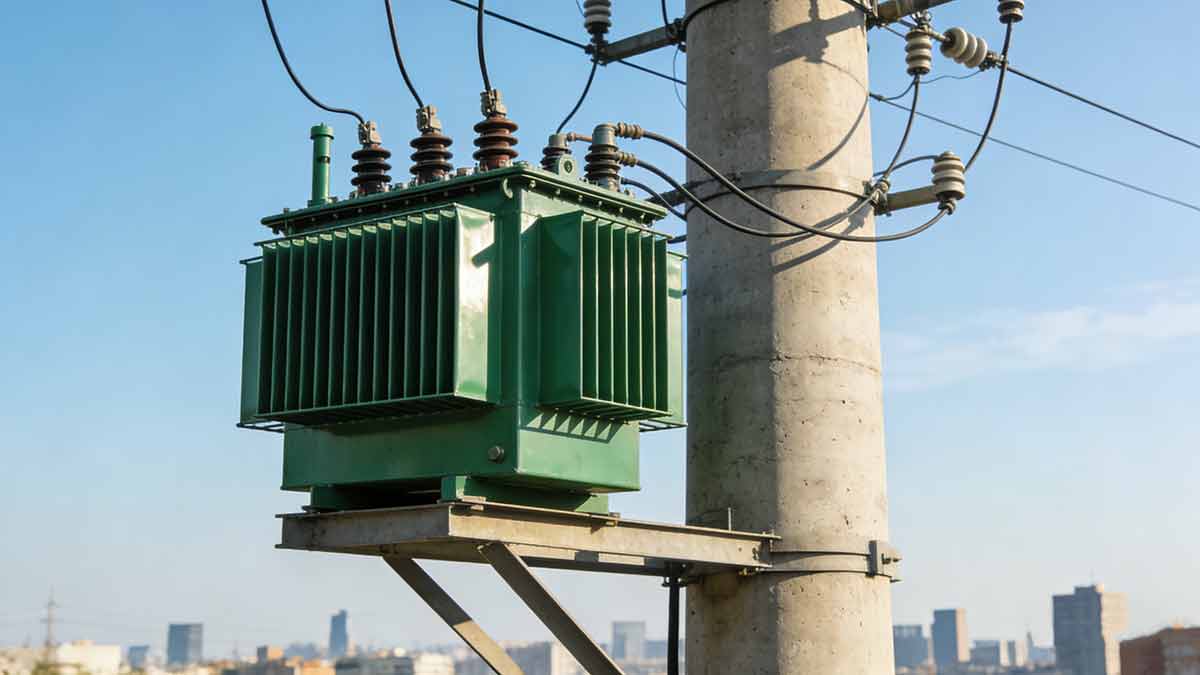
- Standalone installation, also referred to as independent installation, is the most widely used deployment for decentralized power demand scenarios.
- This mode isolates the single-phase transformer from all other low-voltage power grid components, creating a fully independent power distribution system.
- The transformer operates on a dedicated circuit with no electrical linkage to adjacent three-phase or single-phase grid networks.
- It places the single-phase transformer in the closest possible position to the end load center, eliminating long-distance power transmission losses.
Key Technical Characteristics
- No electrical interconnection with primary/low-voltage main power grids
- Dedicated power loop for the connected load group
- Self-contained protection and control systems
- Independent voltage regulation without grid interference
Ideal Application Scenarios
- Sparsely populated rural villages and remote residential areas
- Urban fringe communities with scattered power consumption points
- Standalone commercial facilities (small shops, rural clinics, farm installations)
- Off-grid or semi-off-grid power systems with no access to the main three-phase grids
Advantages
- Eliminates cross-grid power interference
- Simplified fault isolation; failures do not impact external grids
- Reduced voltage drop due to load center proximity
- Lower installation complexity for remote locations
Limitations
- Not suitable for concentrated high-density loads
- Requires an independent protective equipment investment
- Limited scalability for expanding power demand
Branch Circuit Installation Mode
- Branch circuit installation is a grid-integrated mode designed for coordinated operation between three-phase and single-phase power supplies.
- This mode requires physical disconnection of the low-voltage branch circuit from the main three-phase grid line before connecting the single-phase transformer.
- The transformer links to a new dedicated power feed, enabling smooth, reliable power conversion between three-phase main supplies and single-phase branch loads.
- It acts as a transitional power distribution solution for mixed three-phase and single-phase load environments.
Key Technical Characteristics
- Isolated branch circuit connection to the single-phase transformer
- Configured for bidirectional power conversion compatibility
- Requires synchronization with the main three-phase grid parameters
- Fitted with switching mechanisms for supply mode transition
Ideal Application Scenarios
- Urban residential areas with partial three-phase commercial loads
- Industrial parks with mixed small-scale single-phase auxiliary loads
- Renovated power grids upgrading from three-phase-only distribution
- Areas requiring flexible switching between multi-phase power supplies
Advantages
- Seamless power transfer between three-phase and single-phase systems
- Scalable for incremental load growth
- Shared grid infrastructure reduces total deployment cost
- Compatible with standard grid monitoring and control systems
Limitations
- Higher installation complexity than standalone mode
- Requires professional commissioning for power synchronization
- Risk of conversion delays if switching components are faulty
Main Line Terminal Installation Mode
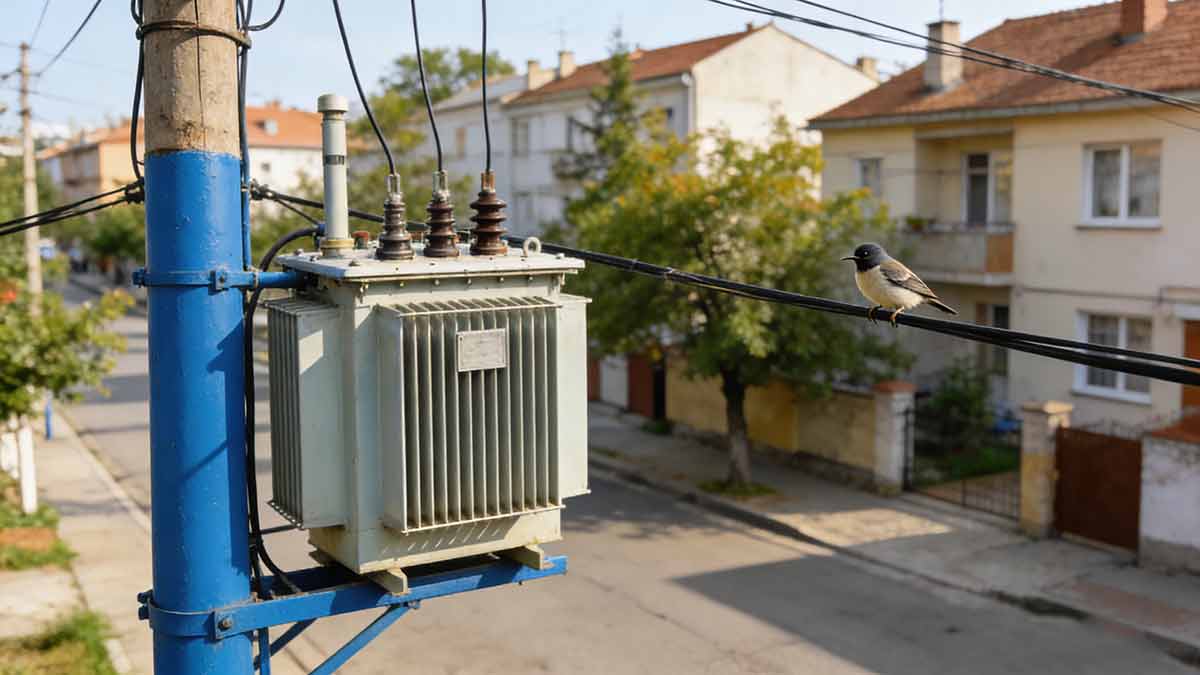
- Main line terminal installation is a specialized deployment for end-of-line power distribution in three-phase grid networks.
- This mode is exclusively used when the terminal section of a three-phase substation has zero three-phase load demand.
- Installation involves disconnecting the main power line at the grid terminal and integrating the single-phase transformer directly into the main line endpoint.
- It completes power source conversion from a three-phase main supply to a single-phase terminal supply for end users.
Key Technical Characteristics
- Deployed exclusively at three-phase grid line terminals
- Main line disconnection and direct transformer integration
- Single-phase power output for terminal-end low-voltage loads
- No intermediate branch circuit modification required
Ideal Application Scenarios
- Tail ends of three-phase distribution stations with no three-phase loads
- Long-distance three-phase power lines serving only single-phase end users
- Grid extension projects with a terminal single-phase load coverage
- Aging grid retrofits at three-phase line endpoints
Advantages
- Maximizes utilization of the existing three-phase main line infrastructure
- Minimal wiring modification for terminal deployment
- Optimized power delivery for end-of-line single-phase loads
- Lower material costs for grid terminal expansion
Limitations
- Restricted to three-phase grid terminal locations only
- Not compatible with mid-line three-phase load segments
- Limited fault isolation from upstream main grid faults
Comparative Analysis of Three Single-Phase Transformer Installation Modes
| Installation Mode | Grid Integration | Load Proximity | Installation Complexity | Primary Application Area | Scalability |
|---|---|---|---|---|---|
| Standalone Installation | Fully Isolated | Closest to Load | Low | Rural/Scattered Residential | Low |
| Branch Circuit Installation | Semi-Integrated | Moderate | Medium | Urban Mixed Load Zones | High |
| Main Line Terminal Installation | End-of-Line Integrated | Fixed Terminal | Low-Medium | Three-Phase Grid Terminals | Medium |
This table serves as a quick reference for the Selection Of Installation Mode Of Single-phase Transformer, enabling stakeholders to match mode attributes to project requirements at a glance.
Critical Decision Factors for Selection Of Installation Mode Of Single-phase Transformer
The Selection Of Installation Mode Of Single-phase Transformer cannot rely on general preferences alone; it must be data-driven and aligned with on-site and regulatory conditions. Below are the non-negotiable factors that govern the final choice.
Local Power Load Distribution Profile
- Load density: High-density concentrated loads favor branch circuit installation; scattered loads require standalone deployment.
- Load type: Residential single-phase loads align with standalone/terminal modes; mixed industrial-residential loads suit branch circuit mode.
- Load growth forecast: Scalable branch circuit installation is preferred for areas with projected load increases.
Existing Power Grid Architecture
- Three-phase grid coverage: Areas with complete three-phase networks use branch or terminal installation; off-grid areas use standalone mode.
- Main line length and layout: Long three-phase lines prioritize terminal installation at endpoints.
- Grid voltage level: Matching transformer installation mode to grid voltage class ensures operational safety.
Geographic & Environmental Conditions
- Rural remote areas: Standalone installation is the most practical and cost-effective choice.
- Urban dense areas: Branch circuit installation integrates with existing urban grid infrastructure.
- Harsh environmental zones: Weather-resistant standalone systems reduce grid-linked failure risks.
Regulatory & Safety Compliance Requirements
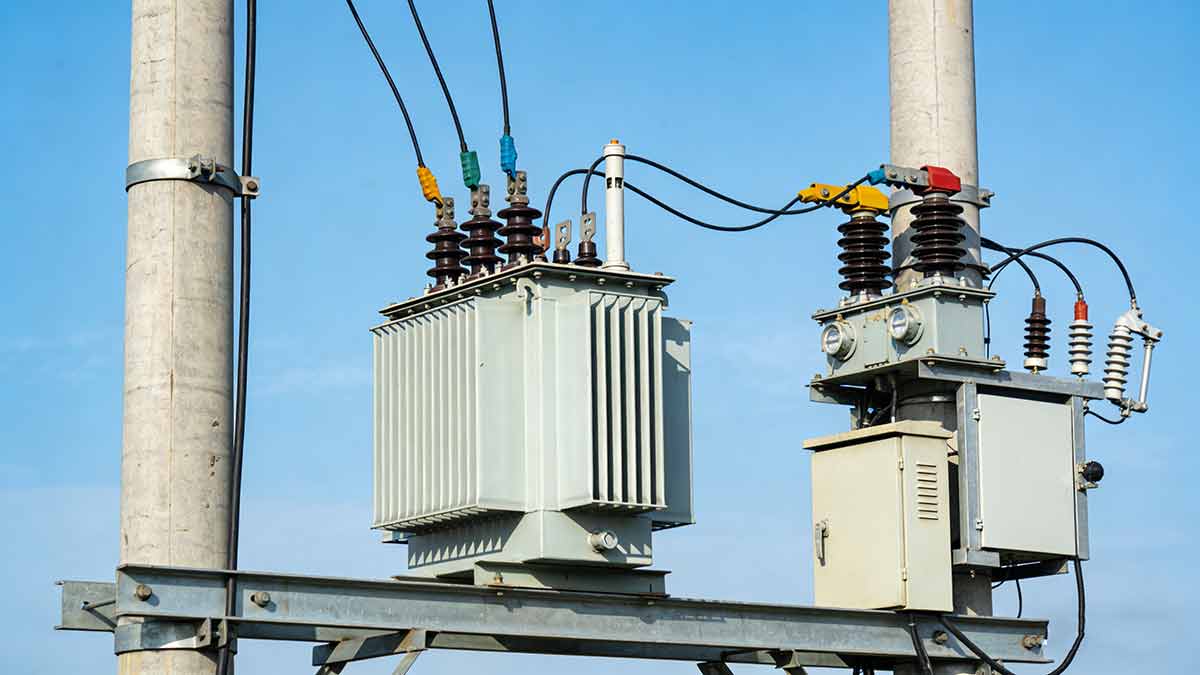
- Adherence to IEC 60076 standards for single-phase transformer installation
- Compliance with the National Electrical Code (NEC) or local regional electrical regulations
- Meeting fire safety, grounding, and clearance requirements for each installation mode
- Passing grid connection audits for integrated installation modes
Maintenance & Operational Cost Budget
- Standalone mode: Lower upfront installation cost, higher long-term maintenance for isolated systems.
- Branch circuit mode: Higher upfront commissioning cost, lower ongoing maintenance via shared grid systems.
- Terminal mode: Balanced upfront and long-term cost for terminal grid applications.
Best Practices for Executing the Selected Installation Mode
After finalizing the Selection Of Installation Mode Of Single-phase Transformer, adherence to industry best practices ensures safe, efficient, and long-lasting operation.
Pre-Installation Site Assessment
- Conduct load flow analysis to validate installation mode compatibility
- Measure grid voltage, frequency, and impedance parameters
- Inspect site terrain, clearance space, and environmental hazards
- Verify compliance with local electrical installation codes
Installation Execution Protocols
- For standalone mode: Test independent circuit insulation before energizing
- For branch circuit mode: Calibrate power conversion switches for seamless switching
- For terminal mode: Confirm main line disconnection and secure transformer mounting
- Install surge protection, grounding, and overcurrent devices per mode requirements
Post-Installation Commissioning & Testing
- Perform voltage regulation testing under full load and no-load conditions
- Verify power conversion efficiency for integrated installation modes
- Conduct fault simulation tests to validate protective device operation
- Document commissioning results for regulatory compliance
Routine Maintenance for Each Installation Mode
- Standalone mode: Monthly insulation resistance testing; annual load capacity verification
- Branch circuit mode: Quarterly switching mechanism inspection; bi-annual grid synchronization checks
- Terminal mode: Semi-annual main line connection integrity testing; annual transformer performance auditing
Common Mistakes to Avoid in the Selection Of Installation Mode Of Single-phase Transformer
- Selecting installation mode based on cost alone, ignoring load and grid compatibility
- Deploying main line terminal installation in mid-line three-phase load segments
- Skipping pre-installation grid testing for branch circuit integration
- Using standalone mode for high-density urban loads with grid access
- Neglecting regulatory compliance during the installation mode implementation
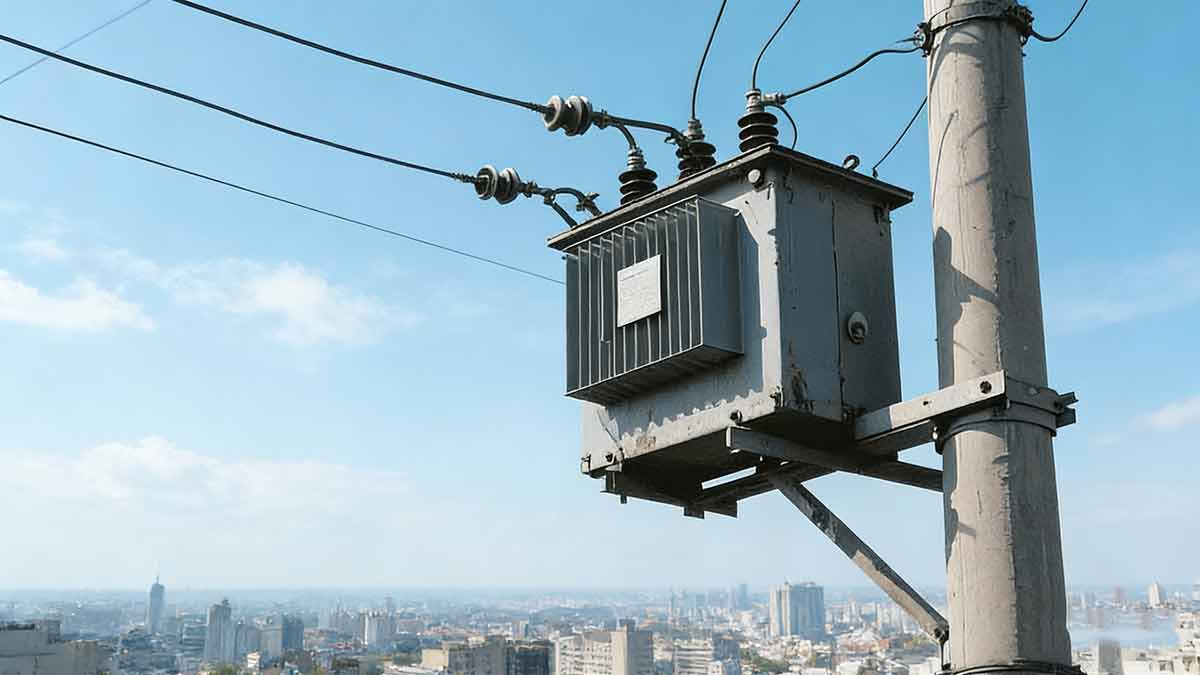
Each error can lead to reduced transformer lifespan, power supply instability, or safety violations, making careful mode selection critical.
FAQs About Selection Of Installation Mode Of Single-phase Transformer
Can I switch between installation modes after transformer deployment?
- Mode switching is technically feasible but requires full grid disconnection, rewiring, and recertification.
- It is cost-prohibitive for most projects; finalize the Selection Of Installation Mode Of Single-phase Transformer during the design phase.
Which installation mode offers the lowest power loss?
- Standalone installation delivers the lowest power loss due to maximum load center proximity, followed by terminal installation, then branch circuit installation.
Do all single-phase transformers support all three installation modes?
- Most standard single-phase transformers support all three modes, but specialized industrial units may have mode-specific design limitations.
- Consult the manufacturer’s datasheet before finalizing mode selection.
How does climate affect installation mode choice?
- Extreme cold/hot regions benefit from a standalone installation to isolate grid-related climate-induced faults.
- Coastal/corrosive zones require enhanced enclosure protection across all installation modes.
Is professional certification required for the installation mode implementation?
- Yes, all single-phase transformer installations must be completed by certified electrical contractors to comply with safety and grid standards.
Conclusion
The Selection Of Installation Mode Of Single-phase Transformer is a foundational decision that shapes the performance, safety, and cost-efficiency of single-phase power distribution systems. Standalone, branch circuit, and main line terminal installation modes each serve distinct operational needs, with unique strengths and limitations tailored to specific grid, load, and environmental conditions.
By prioritizing load profile analysis, grid architecture alignment, regulatory compliance, and long-term operational planning, stakeholders can select the optimal installation mode. Adhering to pre-installation assessment, strict execution protocols, and routine maintenance further maximizes transformer service life and power supply reliability.
For complex grid projects or unique deployment scenarios, partnering with electrical engineering experts and transformer manufacturers ensures the selection process aligns with both technical requirements and real-world operational demands, delivering stable, compliant single-phase power distribution for years to come.