
Introduction, Principle And Classification Of Three Phase Power Transformers
As the backbone of modern power systems, three phase power transformers play an irreplaceable role in transmitting electrical energy efficiently, safely, and reliably across industries, infrastructure, and residential areas. These devices serve as the critical link between power generation, transmission, and distribution, enabling voltage conversion to match the diverse needs of high-voltage long-distance transmission and low-voltage end-user applications. At its core, a transformer operates on the principle of electromagnetic induction—one of the foundational concepts in electrical engineering that facilitates energy transfer without direct electrical contact between input and output circuits.
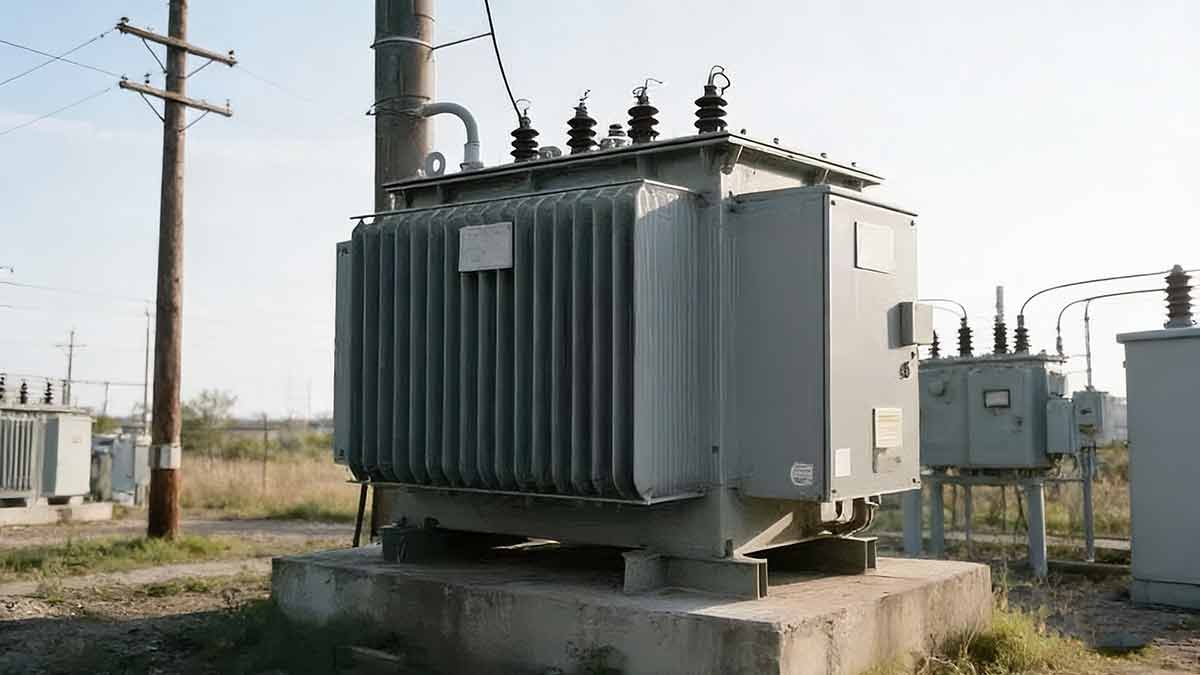
The basic structure of a three phase power transformer comprises three key components: primary windings (connected to the power source), secondary windings (supplying power to the load), and a magnetic core (typically made of laminated steel or advanced amorphous alloys). Each component is engineered to optimize magnetic coupling, minimize energy loss, and ensure long-term operational stability. The primary windings receive alternating current (AC) from the power grid, while the secondary windings deliver adjusted voltage/current to the target application. The magnetic core, designed with high permeability, channels the alternating magnetic flux generated by the primary windings, maximizing inductive coupling between the windings and minimizing leakage flux.
Core Functions of Three Phase Power Transformers
Three phase power transformers are versatile devices that fulfill multiple critical roles in electrical systems, including:
- Voltage Conversion: The most primary function—stepping up voltage for efficient long-distance power transmission (reducing line losses) and stepping down voltage to safe levels for industrial machinery, commercial buildings, and residential use.
- Current Transformation: In tandem with voltage adjustment, transformers convert current proportionally (inverse to voltage changes) to maintain power balance, ensuring compatibility with load requirements.
- Impedance Matching: Optimizing the impedance between the power source and the load to maximize power transfer efficiency, a key requirement in specialized applications such as industrial motors and electronic equipment.
- Electrical Isolation: Separating the primary and secondary circuits to protect sensitive equipment from voltage surges, reduce ground loop interference, and enhance operational safety.
- Voltage Regulation: Certain transformer designs (e.g., magnetic saturation transformers or on-load tap changers) provide dynamic voltage adjustment to compensate for grid fluctuations and maintain stable output.
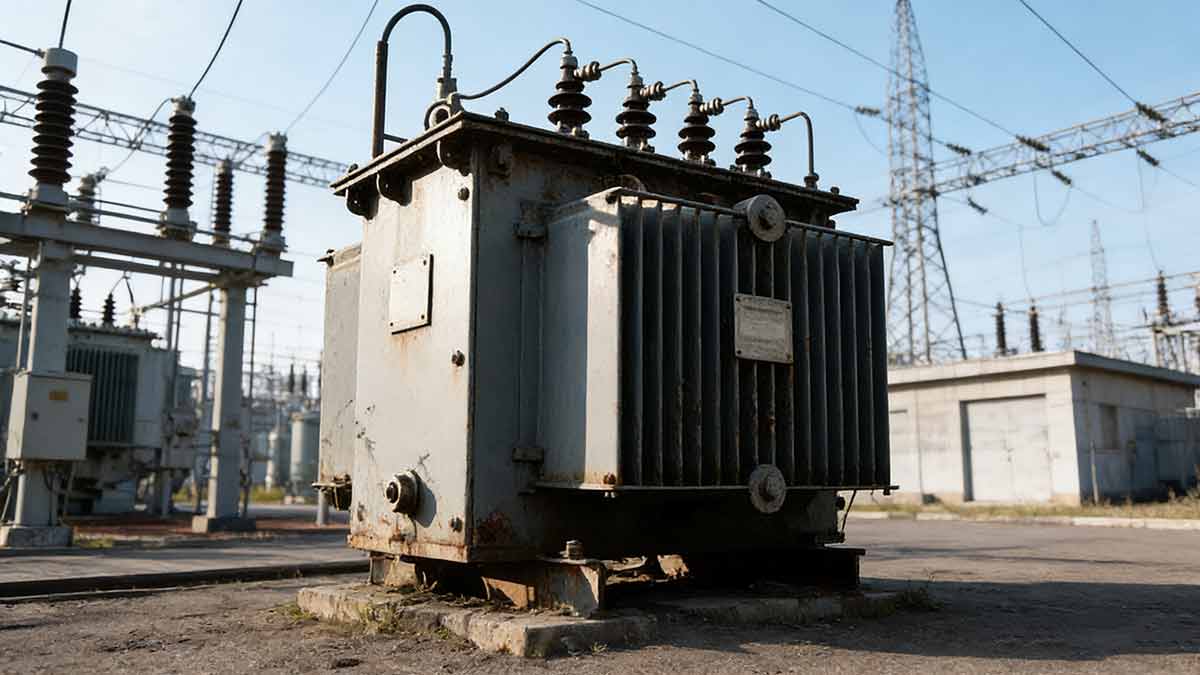
Based on their intended use, transformers are broadly categorized into power transformers (for large-scale energy transmission/distribution) and special transformers (tailored to specific industrial, commercial, or technical applications).
The Working Principle of Three Phase Power Transformers
The operation of three phase power transformers is rooted in electromagnetic induction, a phenomenon first described by Michael Faraday in the 19th century. Here’s a detailed breakdown of the process:
When alternating current flows through the primary windings, it creates a time-varying magnetic field (alternating magnetic flux) within the magnetic core. This flux is efficiently concentrated and guided by the core, which is constructed from laminated magnetic materials to reduce eddy current losses. As the alternating flux cuts through the secondary windings (wound around the same core), it induces an electromotive force (EMF) in the secondary circuit—this is known as mutual induction.
The magnitude of the induced voltage in the secondary windings is determined by the turns ratio (number of turns in the secondary winding divided by the number of turns in the primary winding) and the frequency of the input AC. Mathematically, this relationship is expressed as Vp/Vs = Np/Ns, where Vp = primary voltage, Vs = secondary voltage, Np = primary turns, and Ns = secondary turns. If Ns > Np, the transformer acts as a step-up transformer; if Ns < Np, it functions as a step-down transformer.
Three phase transformers are designed with three sets of primary and secondary windings, each phase-shifted by 120 degrees, which aligns with the three phase power grid’s configuration. This design ensures balanced power transfer, higher efficiency, and smoother operation compared to single-phase transformers, making them ideal for large-scale power applications.
Key Classifications of Three Phase Power Transformers
Three phase power transformers are classified based on multiple criteria, including phase configuration, cooling method, application, winding design, and core material. Below is a comprehensive breakdown of the main categories:
By Phase Configuration
- Single-Phase Transformers: Designed for single-phase power systems, these transformers are typically used in residential applications, small commercial buildings, or as part of a three-phase transformer bank (combining three single-phase units to form a three-phase system).
- Three-Phase Transformers: Engineered for three-phase power grids, these transformers are the standard for industrial facilities, power transmission lines, and large-scale distribution networks. They offer higher efficiency, compact design, and lower installation costs compared to equivalent single-phase transformer banks.
By Cooling Method
- Dry-Type Transformers: These transformers rely on air convection (natural cooling) or forced air circulation (fan cooling) for heat dissipation. Constructed without insulating oil, they are inherently fire-safe, low-maintenance, and suitable for indoor installations where fire risk is a concern. Common applications include high-rise buildings, data centers, hospitals, shopping malls, and electronic manufacturing facilities. Advanced dry-type transformers may use epoxy resin casting for windings, enhancing moisture resistance and mechanical strength.
- Oil-Immersed Transformers: Utilizing mineral oil or synthetic oil as both an insulating medium and cooling agent, these transformers are widely used in outdoor substations, power transmission lines, and industrial plants with high power demands. The oil dissipates heat through natural convection (oil-immersed self-cooling) or forced circulation (oil-immersed air-cooled or forced oil circulation). Oil-immersed transformers offer excellent insulation properties, high thermal capacity, and suitability for large-capacity applications (up to several hundred MVA). They require periodic oil testing and maintenance to ensure operational safety.
By Application
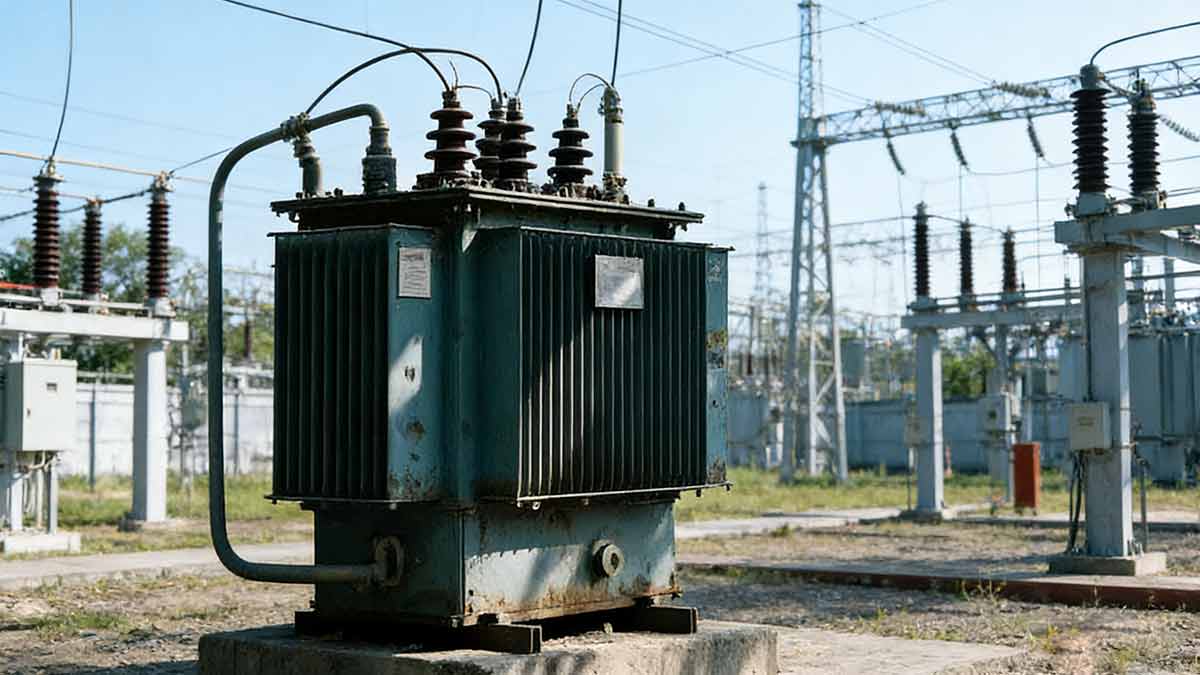
- Power Transformers: The workhorses of the electrical grid, these transformers are used for stepping up voltage at power plants (for long-distance transmission) and stepping down voltage at substations (for distribution to industrial and residential users). They are designed for high voltage (up to 1,000 kV) and large capacity, with a focus on efficiency and reliability.
- Instrument Transformers: Specialized transformers used for measurement and protection purposes. This category includes voltage transformers (VTs) and current transformers (CTs), which reduce high voltage/current to manageable levels for meters, relays, and protective devices. They ensure accurate measurement and safeguard electrical equipment from overvoltage/overcurrent events.
- Test Transformers: Designed to generate high voltage (up to several MV) for testing the insulation performance of electrical equipment (e.g., transformers, cables, switchgear) during manufacturing or maintenance. They are critical for ensuring compliance with safety standards and preventing equipment failures.
- Special Transformers: Tailored to unique industrial or technical requirements, this category includes:
- Furnace Transformers: Used in electric arc furnaces for steelmaking, providing high current at low voltage.
- Rectifier Transformers: Converting AC to DC for electrolytic processes, battery charging, or DC motor drives.
- Voltage Regulating Transformers: Equipped with tap changers to adjust output voltage dynamically, suitable for unstable power grids or applications requiring precise voltage control.
- Capacitor Transformers: Used in power systems to improve power factor and reduce reactive power losses.
- Phase-Shifting Transformers: Adjusting the phase angle of power flow to optimize grid stability and reduce transmission congestion.
By Winding Design
- Double-Winding Transformers: The most common design, featuring two separate windings (primary and secondary) isolated from each other. They are used to connect two different voltage levels in power systems (e.g., 110 kV to 10 kV) and are widely deployed in distribution networks.
- Three-Winding Transformers: Equipped with three windings (primary, secondary, and tertiary), these transformers connect three different voltage levels in a single unit. They are commonly used in regional substations, industrial plants with multiple voltage requirements, or as a link between high-voltage, medium-voltage, and low-voltage systems.
- Autotransformers: Featuring a single winding with taps (instead of separate primary and secondary windings), autotransformers offer higher efficiency and compact design compared to double-winding transformers. They are used for voltage conversion within a narrow range (e.g., 110 kV to 220 kV) and are often deployed in power grids, industrial plants, and railway systems. They can also function as step-up or step-down transformers depending on tap configuration.
By Core Material and Structure
- Laminated Steel Core Transformers: The standard design for most power transformers, the core is made of thin laminated silicon steel sheets to minimize eddy current and hysteresis losses. These transformers offer a balance of efficiency, cost, and reliability, making them suitable for a wide range of applications from distribution to transmission.
- Amorphous Alloy Core Transformers: A high-efficiency variant using amorphous alloy (a non-crystalline metallic material) for the core. Amorphous alloy has significantly lower magnetic hysteresis loss compared to silicon steel, reducing no-load loss by up to 80%. These transformers are ideal for distribution networks with low load factors (e.g., rural power grids, remote areas) where no-load operation is common. They contribute to energy conservation and carbon reduction, aligning with global sustainability goals.
- Shell-Type Transformers: Characterized by a core that encloses the windings (opposite to the core-type design), shell-type transformers offer excellent mechanical strength, low leakage flux, and uniform heat distribution. They are commonly used in high-current applications (e.g., electric furnace transformers, welding transformers) and specialized electronic equipment (e.g., televisions, radios, laboratory instruments) where compact size and low interference are critical.
Why Three Phase Power Transformers Are Indispensable
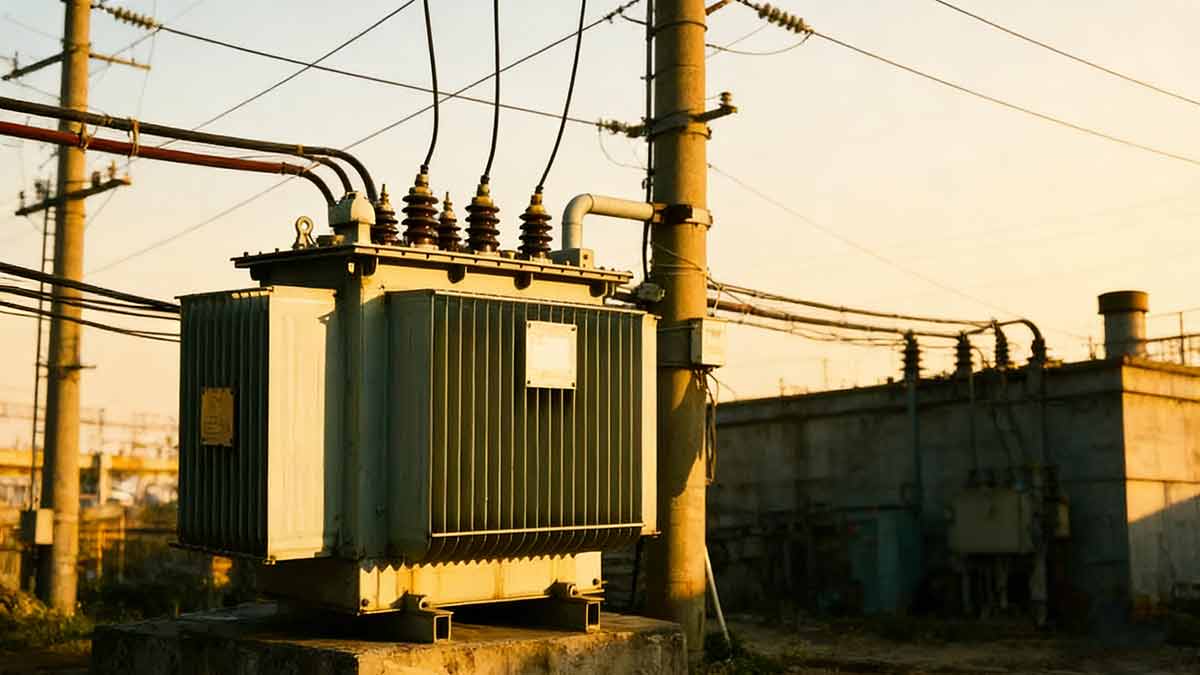
Three phase power transformers are the unsung heroes of modern electrification, enabling the reliable and efficient delivery of electrical energy to every corner of society. Their ability to convert voltage, isolate circuits, and match impedance makes them essential for power generation, transmission, and distribution. Whether powering a small commercial building, a large industrial plant, or an entire city, three phase transformers are engineered to meet the unique demands of each application—from fire-safe dry-type units for indoor use to high-capacity oil-immersed transformers for grid-scale transmission.
As the global demand for energy grows and renewable energy sources (e.g., solar, wind) become more prevalent, the role of three phase power transformers will only become more critical. Advanced designs, such as amorphous alloy core transformers and smart transformers with digital monitoring capabilities, are driving innovation in the industry, offering higher efficiency, better reliability, and enhanced sustainability.
In summary, three phase power transformers are not just electrical components—they are the backbone of a connected, electrified world, powering progress and enabling the technologies that shape our daily lives.