
How to safely install a distribution transformer without expert help? It’s a common question for small businesses, rural property owners, and facility managers who need reliable power but want to avoid the high cost of professional installation. While distribution transformers are critical for converting high-voltage power to usable low-voltage electricity, their installation doesn’t have to require a certified electrician—if you follow the right steps, prioritize safety, and use the correct tools.
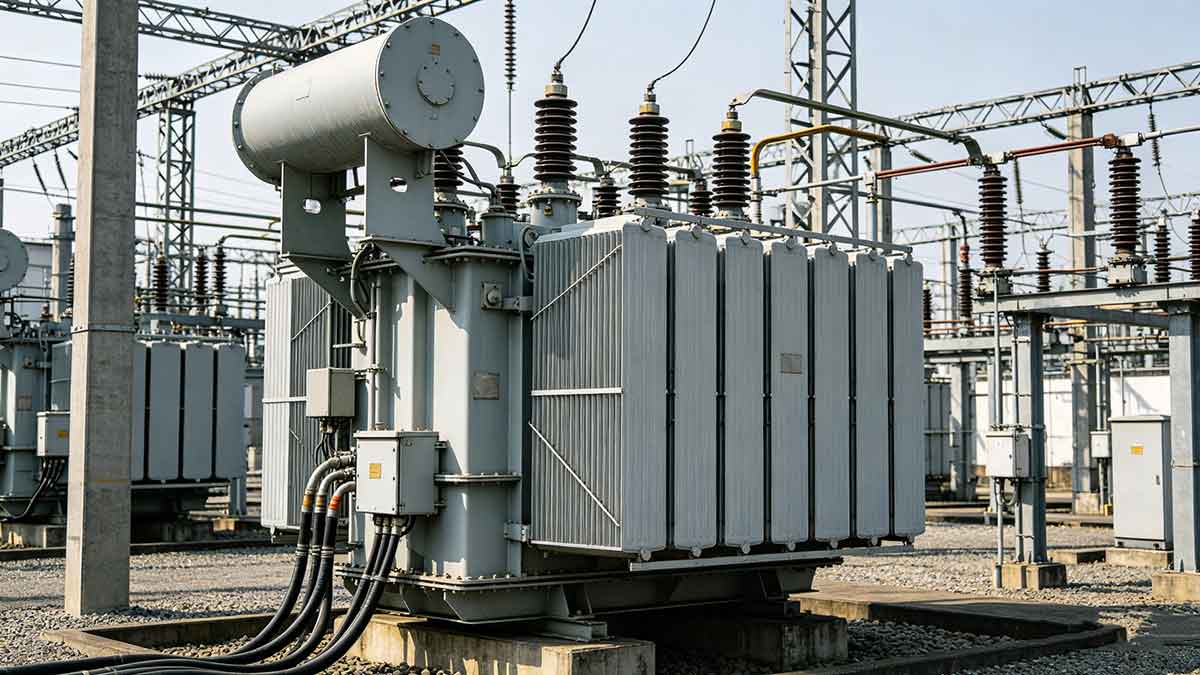
This guide breaks down the entire process in simple, easy-to-understand terms, addresses common concerns, and provides actionable tips to ensure a safe, successful installation without expert assistance.
⚙️ Key Pre-Installation Checks Before You Start (No Expert Required)
Before you begin installing your distribution transformer, taking a few simple pre-installation steps will prevent mistakes, ensure safety, and save time. These checks are designed for beginners and require no specialized knowledge—just basic common sense and a few simple tools.
✅ Verify Your Transformer’s Compatibility
Not all distribution transformers work for every application, so confirming compatibility is critical to avoid wasted time and potential hazards. Focus on these key points:
- Check the voltage rating: Ensure the transformer’s input (high-voltage) and output (low-voltage) match your power source and the devices you need to power (e.g., 11kV input, 400V output for small businesses).
- Confirm the load capacity: The transformer’s kVA rating should be slightly higher than the total load of your equipment (add 10–15% to your total load to avoid overloading).
- Check the installation location: Ensure the transformer is designed for your environment (outdoor transformers are weatherproof; indoor transformers need proper ventilation).
Common Question: Can I use any distribution transformer for my small business? No—using a transformer with the wrong voltage or load rating can damage your equipment or cause safety hazards. Always check the transformer’s nameplate before purchasing or installing.
✅ Gather the Right Tools and Materials
You don’t need expensive, specialized tools to install a distribution transformer without expert help. Here’s a simple list of what you’ll need, most of which you may already have on hand:
Tool/Material | Purpose | Notes for Beginners |
|---|---|---|
Insulated gloves and boots | Protect against electric shock | Ensure they’re rated for high voltage (at least 10kV) |
Voltage tester | Check if the power is off before starting | Choose a digital tester for easy reading |
Wrench set (including torque wrench) | Tighten bolts and connections | Torque wrench ensures bolts are not too tight/loose |
Level tool | Ensure the transformer is level | A bubble level works for most installations |
Shovel and gravel | Prepare the installation base (outdoor) | Gravel improves drainage and stability |
Grounding rod and wire | Ground the transformer for safety | Copper wire (10 AWG or thicker) is recommended |
✅ Ensure a Safe Installation Site
The location of your distribution transformer is just as important as the installation process itself. Follow these guidelines to choose a safe, suitable site:
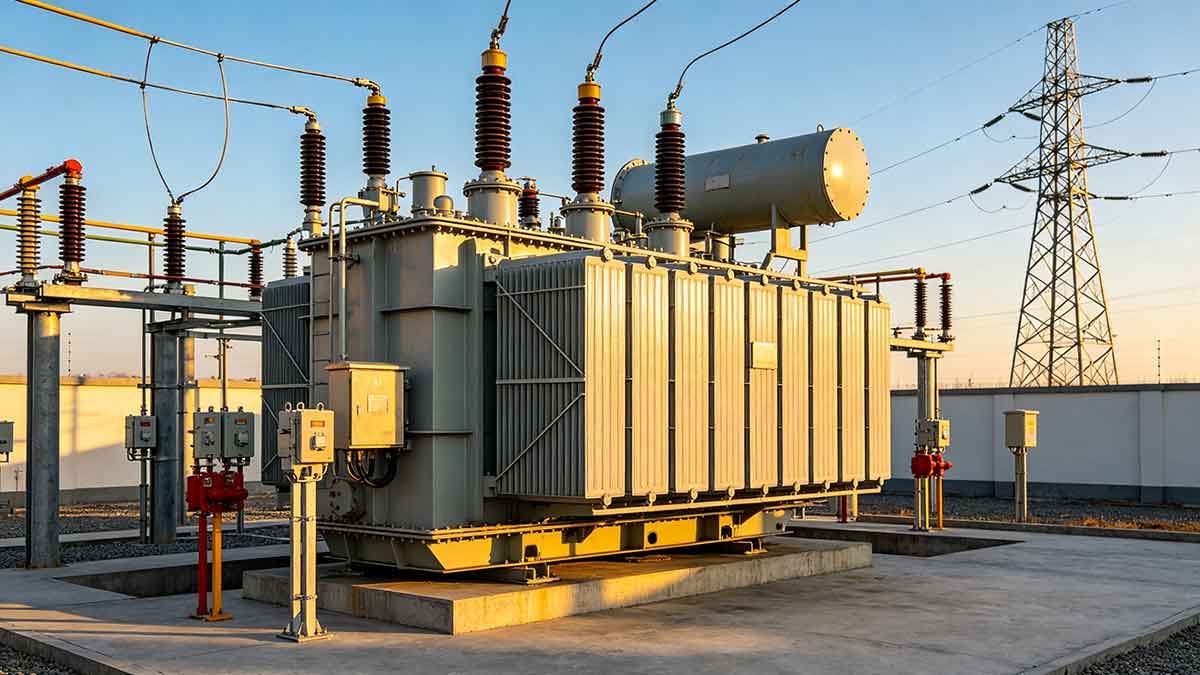
- Outdoor installation: Choose a level, well-drained area away from trees, power lines, and foot traffic. Leave at least 3 feet of space around the transformer for ventilation and access.
- Indoor installation: Select a well-ventilated room with no flammable materials (e.g., paper, chemicals) nearby. Ensure the room is large enough to access the transformer for maintenance.
- Clearance requirements: Keep the transformer at least 10 feet away from buildings, windows, and doors to prevent fire hazards and ensure easy access.
Tip: For outdoor installations, use a concrete pad or gravel base to keep the transformer stable and prevent water damage. This step takes minimal effort but extends the transformer’s lifespan significantly.
🔧 Step-by-Step Guide to Safely Install a Distribution Transformer Without Expert Help
Now that you’ve completed the pre-installation checks, it’s time to start the installation process. Each step is designed for beginners, with clear, simple instructions—no expert knowledge required. Take your time, follow each step carefully, and prioritize safety at all times.
✅ Step 1: Turn Off All Power Sources
Safety is the top priority when installing a distribution transformer. Before you touch any wires or equipment, ensure all power sources are turned off:
- Locate the main power switch for the area where you’ll install the transformer. Turn it off and lock it (if possible) to prevent accidental power restoration.
- Use a voltage tester to confirm the power is off. Touch the tester to the high-voltage wires—if the tester doesn’t light up, the power is off. If it does, double-check the main switch and try again.
- Place a “No Power” or “Work in Progress” sign near the switch to alert others not to turn it on.
Critical Note: Never skip this step. Working with live wires can cause severe electric shock, injury, or even death. If you’re unsure whether the power is off, double-check with a voltage tester or ask a knowledgeable friend for help (no need for a professional electrician).
✅ Step 2: Prepare the Installation Base
A stable base ensures your distribution transformer stays secure and operates safely. The type of base depends on whether you’re installing the transformer indoors or outdoors:
- Outdoor base: Dig a small area (about 4×4 feet) and fill it with 4–6 inches of gravel. Use a level tool to ensure the gravel is even. For heavier transformers (over 500 lbs), use a precast concrete pad for extra stability.
- Indoor base: Place the transformer on a flat, sturdy surface (e.g., concrete floor or metal platform). Ensure the surface is level—use shims if needed to correct any unevenness.
Case Study: A small farm owner in Iowa installed an outdoor distribution transformer on a gravel base. After 5 years, the transformer remained stable and free of water damage, while a neighbor who skipped the gravel base had to replace their transformer due to waterlogging.
✅ Step 3: Position the Transformer Correctly
Once the base is ready, it’s time to position the transformer. Most distribution transformers are heavy (200–1000 lbs), so you may need help moving it—no expert required, just a friend or two:
- Use a dolly or hand truck to move the transformer to the installation base. Secure the transformer to the dolly with straps to prevent it from falling.
- Carefully lift the transformer onto the base (ask for help to avoid injury). Ensure it’s centered on the base and level—use a level tool to check both horizontally and vertically.
- Secure the transformer to the base using bolts (included with most transformers). Tighten the bolts with a torque wrench to ensure they’re secure but not over-tightened (follow the manufacturer’s torque guidelines).
✅ Step 4: Connect the Grounding System
Grounding your distribution transformer is critical to prevent electric shock and protect the equipment from lightning strikes. This step is simple and requires no expert skills:
- Drive a grounding rod (included in most installation kits) into the ground near the transformer—at least 8 feet deep. Ensure the rod is made of copper or galvanized steel for durability.
- Connect one end of the grounding wire to the transformer’s grounding terminal (marked “Ground” or with a grounding symbol). Use a wrench to tighten the connection securely.
- Connect the other end of the grounding wire to the grounding rod. Wrap the wire around the rod and tighten it with a clamp—ensure the connection is tight to avoid loose wires.
Common Question: Do I need to ground my distribution transformer? Yes—grounding is required by electrical codes in most regions and is essential for safety. A proper grounding system can prevent electric shock and damage to your equipment.
✅ Step 5: Connect the High-Voltage and Low-Voltage Wires
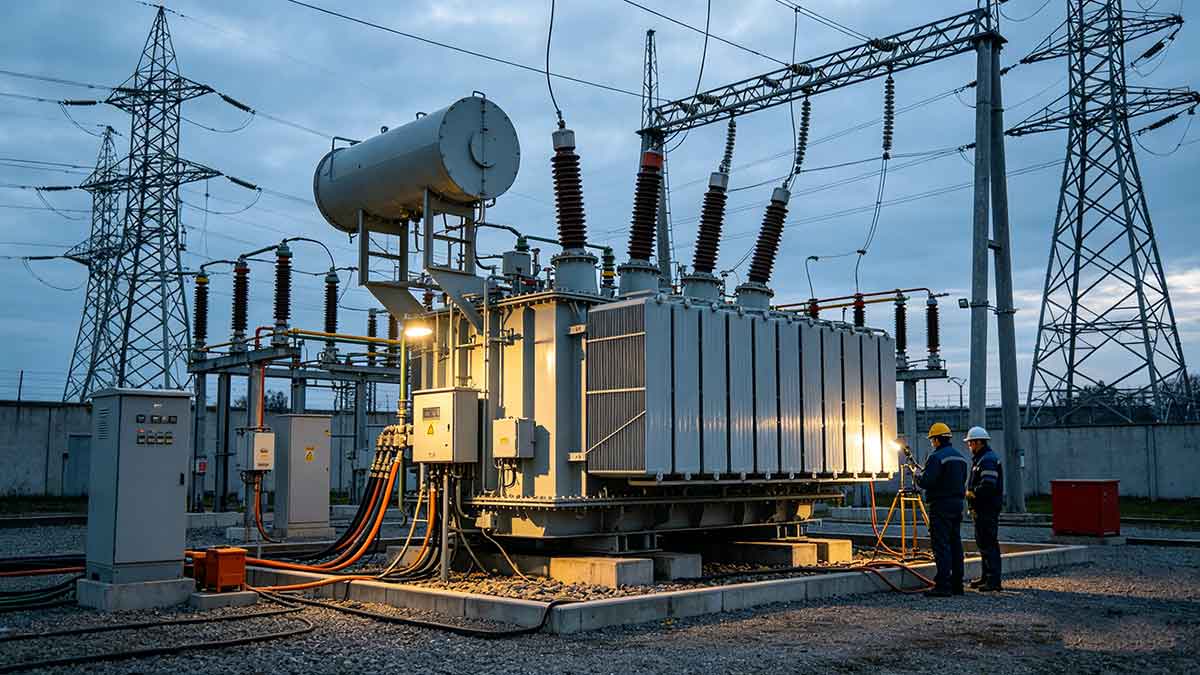
Connecting the wires is the most important part of the installation process, but it’s simpler than you might think. Follow these steps to ensure correct, safe connections:
- Identify the high-voltage (input) and low-voltage (output) terminals on the transformer. They are usually marked “HV” (high voltage) and “LV” (low voltage) for easy identification.
- Strip the ends of the high-voltage wires (about ½ inch) to expose the copper. Connect each wire to the corresponding HV terminal—ensure the wires are tight and secure (use a wrench to tighten the terminal screws).
- Repeat the process for the low-voltage wires: strip the ends, connect to the LV terminals, and tighten securely. Ensure the low-voltage wires are connected to the correct terminals (match the wire colors to the terminal labels if provided).
- Double-check all connections to ensure no wires are loose or crossed. Loose wires can cause overheating, while crossed wires can damage your equipment.
Tip: Take a photo of the wire connections before closing the transformer’s cover. This will help you troubleshoot any issues later and ensure you’ve connected everything correctly.
✅ Step 6: Inspect the Installation and Test the Transformer
Once all connections are complete, it’s time to inspect your work and test the transformer to ensure it’s working properly. This step requires no expert tools—just a few simple checks:
- Inspect all connections: Check for loose wires, damaged insulation, or any signs of wear. Ensure the transformer’s cover is securely closed and all bolts are tight.
- Turn on the main power switch: Slowly turn on the power and listen for any unusual noises (e.g., buzzing, humming louder than normal). If you hear strange noises, turn off the power immediately and check the connections.
- Test the voltage output: Use a voltage tester to check the low-voltage output. It should match the transformer’s rated output (e.g., 400V for an 11kV/400V transformer). If the voltage is too high or too low, turn off the power and check the wire connections.
- Monitor the transformer for 30–60 minutes: Check for overheating (the transformer should be warm but not hot) and any signs of oil leaks (for oil-immersed transformers). If everything looks normal, the installation is complete.
⚠️ Common Mistakes to Avoid When Installing a Distribution Transformer Without Expert Help
Even with the best intentions, beginners can make mistakes during installation. Avoid these common errors to ensure your transformer is safe and functional:
❌ Skipping the Power Check
The most dangerous mistake is working with live wires. Always turn off the power and use a voltage tester to confirm it’s off before touching any wires. Skipping this step can lead to electric shock or equipment damage.
❌ Using the Wrong Transformer
Using a transformer with the wrong voltage or load rating is a common mistake. Always check the transformer’s nameplate to ensure they match your power source and equipment needs. Using the wrong transformer can damage your devices or cause fires.
❌ Poor Grounding
A loose or missing grounding system can lead to electric shock and damage from lightning strikes. Ensure the grounding rod is driven at least 8 feet deep, and the grounding wire is securely connected to both the transformer and the rod.
❌ Loose Wire Connections
Loose wires can cause overheating, arcing, and equipment failure. Always tighten all wire connections securely with a wrench—don’t rely on hand-tightening alone.
❌ Ignoring Ventilation Requirements
Transformers generate heat during operation, so proper ventilation is essential. Avoid installing indoor transformers in closed, unventilated spaces, and leave enough space around outdoor transformers for air flow. Poor ventilation can cause the transformer to overheat and fail.
🔍 Troubleshooting Common Issues After Installation (No Expert Needed)
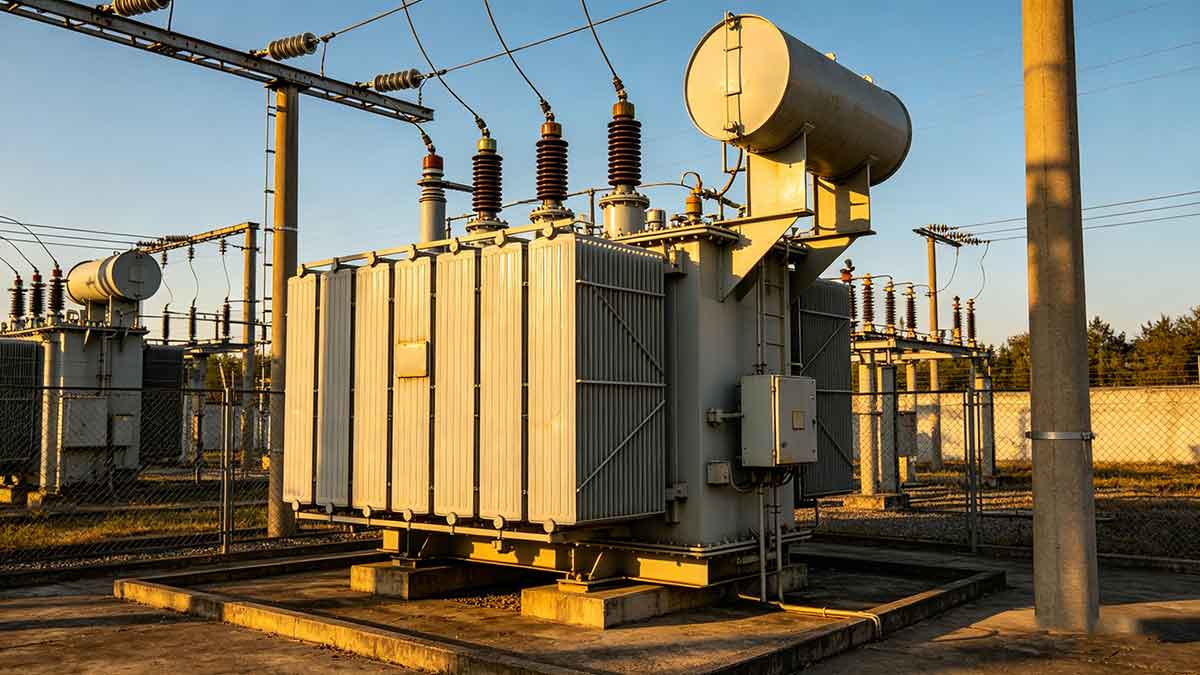
If your distribution transformer isn’t working properly after installation, don’t panic—most issues can be fixed without expert help. Here are common problems and simple solutions:
Problem 1: No Power Output
- Possible causes: Loose wire connections, power switch not turned on, or a tripped circuit breaker.
- Solution: Check the main power switch and circuit breaker. Double-check all wire connections to ensure they’re tight. If the circuit breaker is tripped, reset it and test again.
Problem 2: Transformer is Overheating
- Possible causes: Poor ventilation, overloading, or loose connections.
- Solution: Ensure the transformer has enough space for ventilation. Check if your equipment load exceeds the transformer’s kVA rating (reduce the load if needed). Tighten any loose wire connections.
Problem 3: Unusual Noises (Buzzing/Humming)
- Possible causes: Loose bolts, uneven base, or incorrect wire connections.
- Solution: Tighten all bolts on the transformer and base. Ensure the transformer is level. Double-check the wire connections to ensure they’re correct.
Problem 4: Oil Leaks (Oil-Immersed Transformers)
- Possible causes: Loose cover bolts or damaged gaskets.
- Solution: Tighten the cover bolts with a torque wrench. If the leak continues, replace the gasket (available at most electrical supply stores).
📌 Maintenance Tips for Long-Lasting Transformer Performance (No Expert Required)
Once your distribution transformer is installed, simple maintenance will keep it running smoothly for years. These tasks are easy to do without expert help and require minimal time:
✅ Regular Visual Inspections
- Check the transformer monthly for signs of damage, oil leaks (for oil-immersed units), or loose wires.
- Remove any debris (e.g., leaves, dirt) from around the transformer to ensure proper ventilation.
✅ Test the Voltage Quarterly
- Use a voltage tester to check the low-voltage output every 3 months. This ensures the transformer is operating correctly and delivering the right amount of power.
✅ Clean the Transformer Annually
- Use a soft brush to clean the transformer’s exterior and cooling fins (if applicable). Avoid using water, as it can damage electrical components.
- For oil-immersed transformers, check the oil level annually and add oil if needed (use the type recommended by the manufacturer).
✅ Check the Grounding System Annually
- Ensure the grounding rod is secure, and the grounding wire is not loose or damaged. If the wire is corroded, replace it with new copper wire.
🎯 When to Consider Expert Help (Even If You Want to DIY)
While you can safely install a distribution transformer without expert help in most cases, there are a few situations where it’s best to call a professional. Knowing when to ask for help will keep you safe and prevent costly mistakes:
- High-voltage installations (over 33kV): These require specialized knowledge and equipment to install safely.
- Complex wiring systems: If your facility has a complicated electrical setup (e.g., multiple transformers, three-phase power), a professional can ensure everything is connected correctly.
- Local code requirements: Some regions have strict electrical codes for transformer installations. A professional can ensure your installation is compliant to avoid fines.
- Persistent issues: If you’ve tried troubleshooting and your transformer still isn’t working, a professional can identify and fix the problem quickly.
Conclusion: You Can Safely Install a Distribution Transformer Without Expert Help
Installing a distribution transformer doesn’t have to be a job for experts. With the right preparation, simple tools, and step-by-step guidance, you can safely install a distribution transformer without expert help, saving time and money while ensuring reliable power for your facility. By following the pre-installation checks, step-by-step installation process, and maintenance tips in this guide, you’ll have a functional, safe transformer that meets your needs.
Remember to prioritize safety at every step, avoid common mistakes, and troubleshoot any issues promptly. If you’re unsure about any part of the process, don’t hesitate to ask a knowledgeable friend or refer back to this guide. For high-quality distribution transformers that are easy to install and built to last, or to get personalized advice for your specific installation needs, reach out to our team of transformer specialists—we’re here to help you succeed.