
Knowing how to pick the right transformer capacity without wasting money is critical for businesses, utilities, and even small-scale operations—choosing the wrong capacity leads to unnecessary costs, energy waste, and equipment damage. Many users struggle with over-sizing (paying more for unused capacity) or under-sizing (risking overheating and downtime), but with the right guidance, anyone can select a transformer that fits their needs and budget.
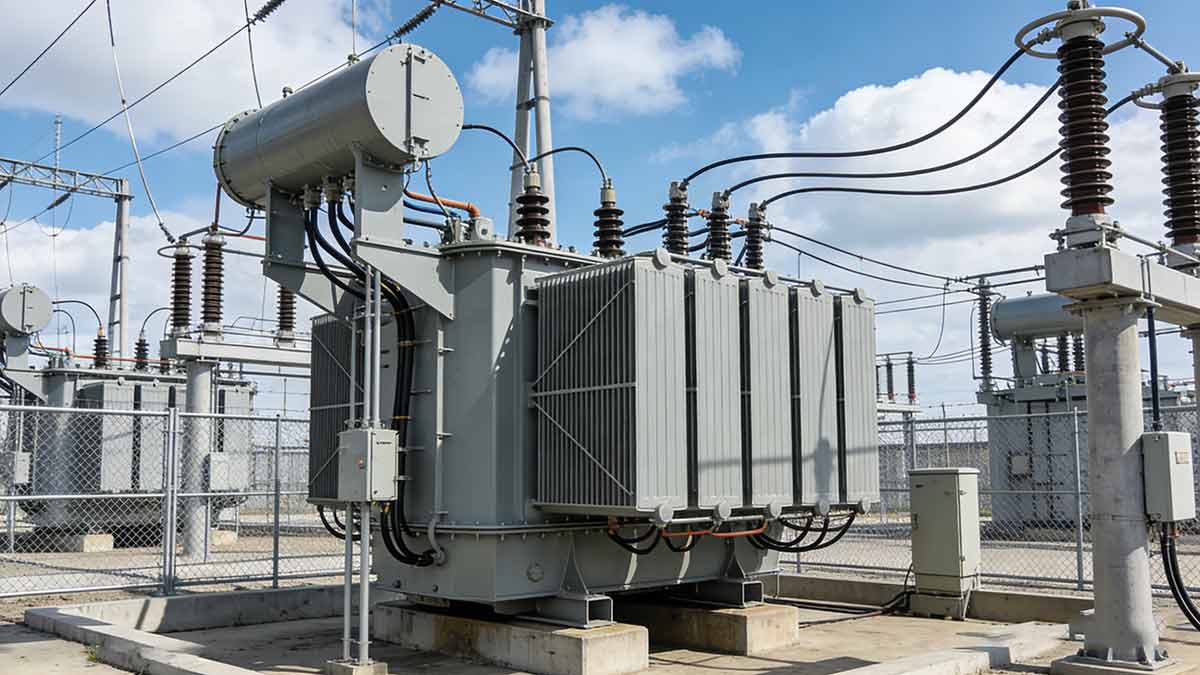
This article breaks down simple, actionable steps, addresses common mistakes, and shares practical tips to ensure you pick the perfect transformer capacity without wasting a penny.
⚙️ Why Picking the Right Transformer Capacity Saves You Money
Picking the right transformer capacity isn’t just about avoiding equipment failure—it’s about cutting long-term costs. The wrong capacity leads to two major financial drains: unnecessary upfront expenses and ongoing energy waste. Understanding these costs helps you prioritize proper selection and see why it’s worth investing time in getting it right.
🔹 Hidden Costs of Over-Sizing Transformers
Over-sizing is the most common mistake—many users choose a larger capacity than needed, thinking it’s “safer.” But this decision wastes money in multiple ways:
- Higher upfront purchase cost: Larger transformers cost significantly more than smaller, properly sized units. A 500kVA transformer can cost 20–30% more than a 300kVA unit, even if the 300kVA meets all your needs.
- Increased energy loss: Transformers operate most efficiently at 70–80% of their rated capacity. Over-sized units run at lower loads (often below 50%), leading to higher core losses (energy wasted even when the transformer is idle) and higher electricity bills.
- Higher maintenance costs: Larger transformers have more components, requiring more frequent inspections, oil changes, and repairs. This adds up over the transformer’s 20–30 year service life.
Cost Comparison Between Over-Sized and Properly Sized Transformers (10-Year Lifespan)
Cost Category | Over-Sized Transformer (500kVA, 40% Load) | Properly Sized Transformer (300kVA, 75% Load) |
|---|---|---|
Initial Purchase Cost | $15,000 | $11,000 |
Annual Energy Loss Cost | $2,800 | $1,200 |
Annual Maintenance Cost | $1,500 | $900 |
10-Year Total Cost | $58,000 | $32,000 |
🔹 Risks and Costs of Under-Sizing Transformers
Under-sizing is equally costly, as it puts your equipment and operations at risk. Choosing a transformer with too little capacity leads to:
- Equipment overheating: Under-sized transformers can’t handle the load, causing windings to overheat. This damages the transformer and can lead to premature failure (costing thousands in replacement fees).
- Unplanned downtime: Overheating triggers safety shutoffs, disrupting operations. For businesses, even an hour of downtime can cost hundreds or thousands in lost revenue.
- Reduced transformer lifespan: Constant overloading cuts the transformer’s service life by 50% or more. A properly sized transformer lasts 25–30 years; an undersized one may need replacement in 10–15 years.
Common Question: Is it better to over-size or under-size a transformer? Neither—both lead to unnecessary costs. The best approach is to calculate your exact load needs and choose a capacity that fits, with a small margin for future growth.
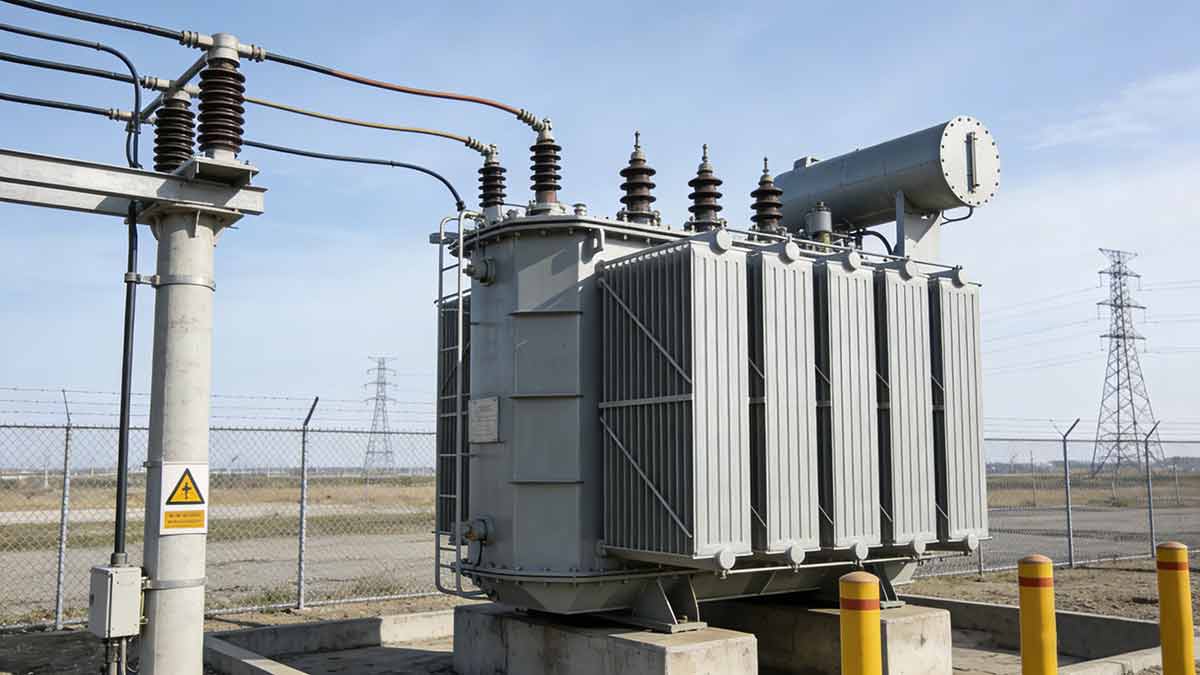
📊 Step-by-Step Guide to Pick the Right Transformer Capacity Without Wasting Money
Picking the right transformer capacity doesn’t require advanced engineering skills. Follow these simple steps to calculate your needs, avoid common mistakes, and select a unit that saves you money long-term.
🔹 Step 1: Calculate Your Total Connected Load
The first step is to list all electrical devices that will be powered by the transformer, then calculate their total load (in kVA). This ensures you choose a capacity that can handle all your equipment without overloading.
- List all devices: Include motors, pumps, lights, HVAC systems, and any other electrical equipment connected to the transformer. Be sure to include both constant-load devices (e.g., lights) and variable-load devices (e.g., motors).
- Find each device’s rated load: Check the nameplate on each device for its rated power (in kW or kVA). If the power is listed in kW, convert it to kVA using the formula: kVA = kW ÷ Power Factor (PF). Most industrial devices have a PF of 0.8–0.9.
- Sum the total load: Add up the kVA of all devices to get your total connected load. For example, if you have a 100kW motor (PF=0.8) and 50kW of lights (PF=0.9), the total load is (100÷0.8) + (50÷0.9) ≈ 125 + 55.5 = 180.5 kVA.
Tip: Don’t forget to include any future devices you plan to add (e.g., new equipment in the next 2–3 years). This avoids the need to replace the transformer prematurely.
🔹 Step 2: Account for Load Diversity
Not all devices run at the same time—this is called “load diversity.” For example, in a factory, some motors may run during the day, while others run at night. Accounting for load diversity prevents you from over-sizing the transformer.
- Determine diversity factor: The diversity factor is the ratio of the actual maximum load to the total connected load. It varies by industry:
- Residential buildings: 0.5–0.7 (not all lights/appliances run at once)
- Commercial buildings (offices, stores): 0.6–0.8
- Industrial facilities (factories, warehouses): 0.7–0.9 (more constant load)
- Calculate maximum demand load: Multiply your total connected load by the diversity factor. Using the previous example (180.5 kVA total connected load) and an industrial diversity factor of 0.8, the maximum demand load is 180.5 × 0.8 = 144.4 kVA.
🔹 Step 3: Add a Safety Margin for Future Growth
Even with accurate load calculations, it’s smart to add a small safety margin (10–20%) to account for future growth, voltage fluctuations, and unexpected load spikes. This ensures the transformer can handle changes without being overloaded.
- Choose the margin: For most applications, a 10–15% margin is sufficient. For industries with rapid growth (e.g., manufacturing, renewable energy), a 20% margin is better.
- Calculate final capacity: Multiply your maximum demand load by (1 + margin percentage). Using the example above (144.4 kVA maximum demand load) and a 15% margin: 144.4 × 1.15 ≈ 166 kVA.
- Select the standard capacity: Transformers are available in standard sizes (e.g., 100kVA, 160kVA, 200kVA, 250kVA). Choose the smallest standard size that is equal to or larger than your final capacity. In this case, 160kVA is too small (160 < 166), so you would choose a 200kVA transformer.
Example: A small manufacturing plant has a total connected load of 250kVA, a diversity factor of 0.8 (maximum demand load = 200kVA), and a 15% safety margin (230kVA). The standard size closest to 230kVA is 250kVA—this is the right capacity to pick without wasting money.
🔹 Step 4: Consider Transformer Efficiency
Efficiency plays a key role in long-term cost savings. Even a slightly more efficient transformer can cut energy bills significantly over its lifespan. When comparing transformers of the same capacity, look for these efficiency factors:
- Efficiency rating: Choose transformers with an efficiency rating of 95% or higher. Higher efficiency means less energy loss and lower electricity costs.
- Load efficiency: As mentioned earlier, transformers operate most efficiently at 70–80% of their rated capacity. Ensure your maximum demand load falls within this range for the transformer you choose.
- Energy efficiency certifications: Look for certifications like IE3 or IE4 (International Efficiency Standards) to ensure the transformer meets global efficiency standards.
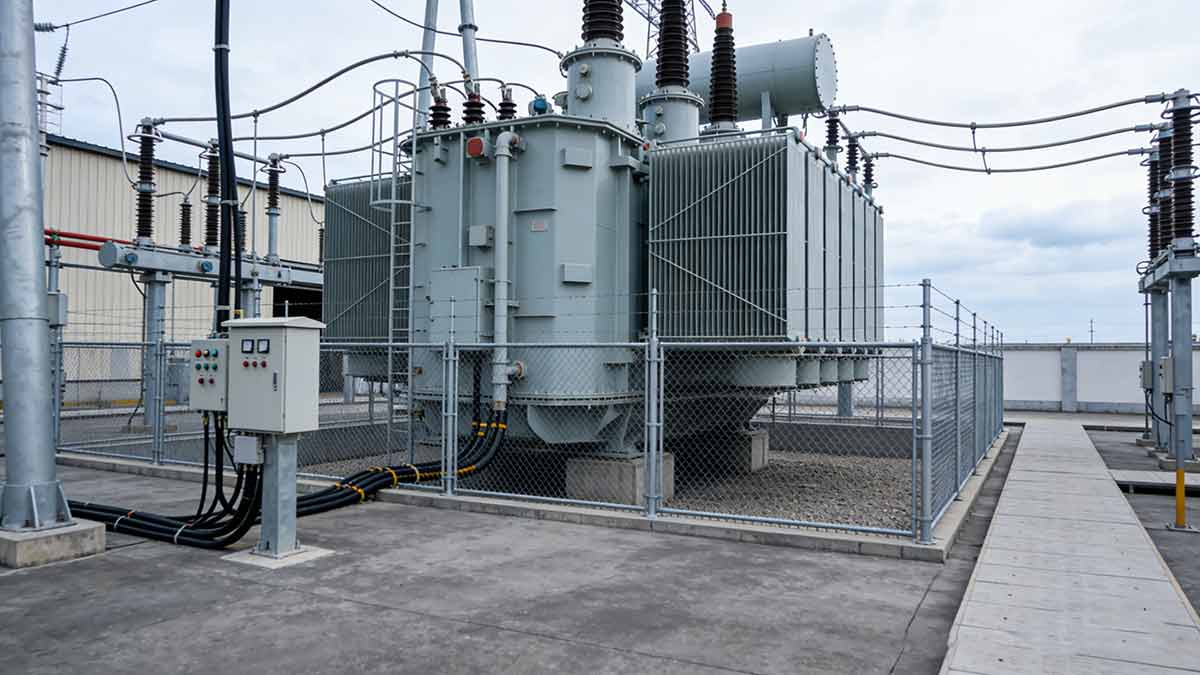
❌ Common Mistakes to Avoid When Picking Transformer Capacity
Even with the right steps, many users make mistakes that lead to wasted money. Avoid these common pitfalls to ensure you pick the right transformer capacity:
🔹 Mistake 1: Guessing the Load Instead of Calculating
Guessing your load (e.g., “I think I need a 200kVA transformer”) is the biggest mistake. This almost always leads to over-sizing or under-sizing. Take the time to list all devices and calculate the load—this takes 30–60 minutes and saves thousands in the long run.
🔹 Mistake 2: Ignoring Load Diversity
Many users assume all devices run at the same time, leading them to over-size the transformer. Remember: load diversity reduces your actual maximum load, so accounting for it ensures you don’t pay for unused capacity.
🔹 Mistake 3: Adding Too Much Safety Margin
A 10–20% safety margin is sufficient for most applications. Adding a 30%+ margin (e.g., choosing a 300kVA transformer when you only need 200kVA) wastes money on upfront costs and energy loss.
🔹 Mistake 4: Focusing Only on Upfront Cost
Choosing the cheapest transformer upfront may seem like a good idea, but low-quality transformers have lower efficiency and shorter lifespans. Invest in a mid-range, efficient transformer—it will save you money on energy and maintenance over time.
🔹 Mistake 5: Forgetting About Voltage Requirements
Transformer capacity is closely tied to voltage. Ensure the transformer’s primary and secondary voltage ratings match your power supply and equipment needs. A transformer with the right capacity but the wrong voltage will be useless (and a waste of money).
💡 Practical Tips for Different Applications: Pick the Right Capacity Every Time
The right transformer capacity varies by application—residential, commercial, and industrial needs are different. Use these tailored tips to pick the perfect capacity for your specific use case.
🔹 Residential Applications (Homes, Small Apartments)
Residential transformers are small (usually 10kVA–50kVA) and power lights, appliances, and HVAC systems. Key tips:
- Calculate the total load of all appliances (refrigerator, AC, oven, lights, etc.).
- Use a diversity factor of 0.5–0.7 (most appliances don’t run at the same time).
- Add a 10% safety margin for future additions (e.g., electric vehicle chargers).
Example: A home with a 15kVA total connected load, 0.6 diversity factor (9kVA maximum demand), and 10% margin needs a 10kVA transformer.
🔹 Commercial Applications (Offices, Stores, Restaurants)
Commercial applications have more variable loads (e.g., HVAC, computers, POS systems) and require 50kVA–200kVA transformers. Key tips:
- Include all equipment, including backup systems (e.g., generators).
- Use a diversity factor of 0.6–0.8.
- Add a 15% safety margin for seasonal load changes (e.g., increased AC use in summer).
🔹 Industrial Applications (Factories, Warehouses, PV Projects)
Industrial applications have high, constant loads (e.g., motors, pumps, machinery) and require 200kVA–1000kVA+ transformers. Key tips:
- Calculate the load for each machine, including startup current (motors draw more power when starting).
- Use a diversity factor of 0.7–0.9 (industrial loads are more constant).
- Add a 20% safety margin for future expansion (e.g., new machinery, increased production).
- For PV projects, consider the inverter capacity and solar panel output to match the transformer.
Case Study: A solar farm in Texas needed a transformer for its 500kW PV system. The total connected load was 500kW (≈625kVA, PF=0.8), diversity factor 0.9 (562.5kVA maximum demand), and 20% margin (675kVA). They chose a 750kVA transformer—this fit their needs perfectly, avoided over-sizing, and saved $8,000 in upfront costs compared to a 1000kVA unit.
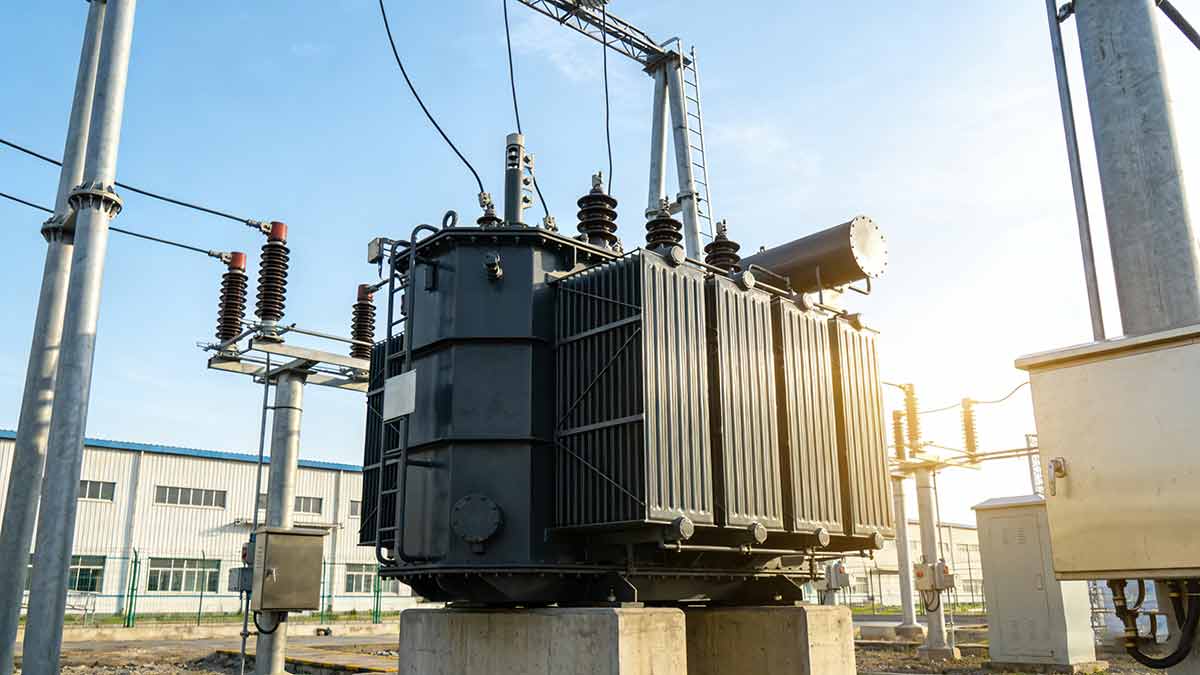
📈 How to Verify You’ve Picked the Right Transformer Capacity
After selecting a transformer, it’s important to verify it’s the right capacity. This ensures you’re not wasting money and that the transformer will perform reliably.
🔹 Monitor Load Usage
Use a power monitor to track the transformer’s load over 1–2 weeks. The load should consistently fall between 70–80% of the rated capacity. If it’s consistently below 50%, you may have over-sized; if it’s above 90%, you may have under-sized.
🔹 Check Energy Efficiency
Calculate the transformer’s energy loss by comparing input and output power. A well-sized transformer should have energy loss below 5% of its rated capacity. If the loss is higher, it may be oversized or inefficient.
🔹 Consult with Experts
If you’re unsure about your selection, consult with a transformer engineer or supplier. They can review your load calculations, verify the capacity, and recommend the best unit for your needs—this small step can save you thousands in wasted money.
✅ Conclusion: Pick the Right Transformer Capacity to Save Money Long-Term
Learning how to pick the right transformer capacity without wasting money is a simple process that starts with calculating your load, accounting for diversity, adding a small safety margin, and avoiding common mistakes. By following the steps in this article, you can select a transformer that fits your needs, reduces energy waste, and lowers long-term costs.
Remember: the goal isn’t to pick the largest or cheapest transformer—it’s to pick the one that matches your actual load. A properly sized transformer will last longer, require less maintenance, and save you money on electricity bills and replacements. Whether you’re a homeowner, business owner, or utility professional, taking the time to pick the right transformer capacity is one of the best investments you can make for your electrical system.
If you need help calculating your load or selecting the perfect transformer, our team of experts is here to guide you every step of the way.