How to Choose the Right Pole Mounted Distribution Transformer for Your Distribution Line?
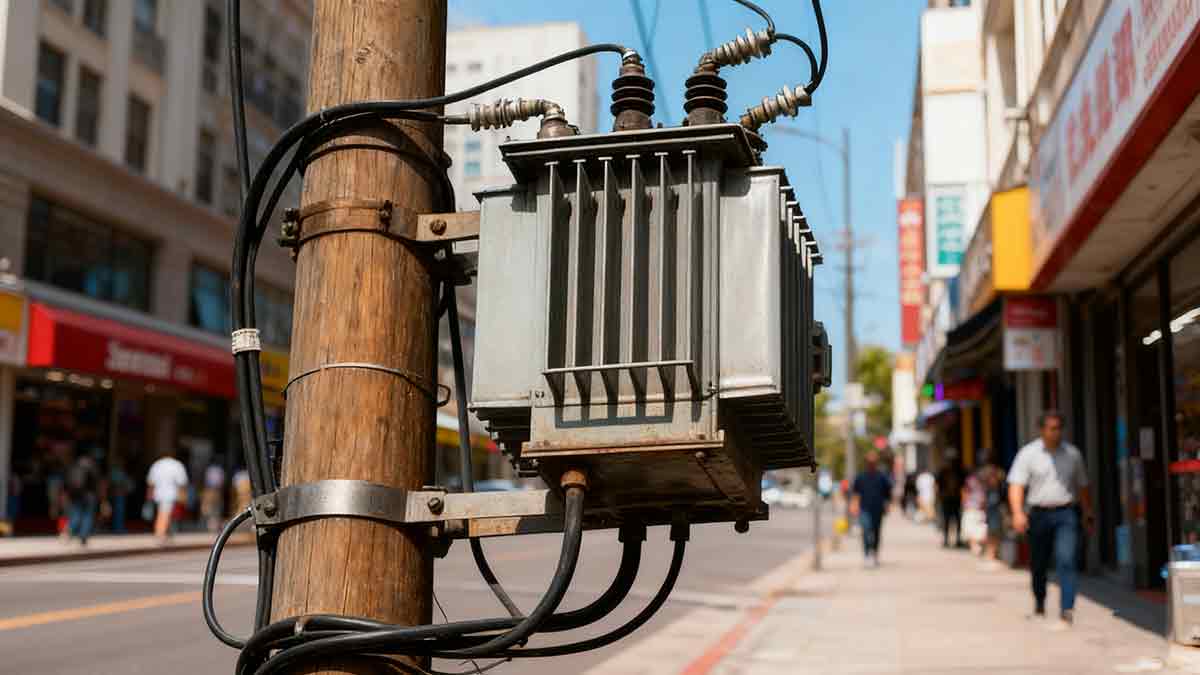
1 Why Proper Sizing Matters for Safety and Efficiency?
Key Impacts of Proper Sizing (Lihe Transformer Insights)
- Safety First:
Lihe’s transformers use premium insulation materials and thermal protection systems. Undersized units bypass these safeguards—we once resolved a rural project where an undersized competitor’s transformer overheated for months, causing a power outage and fire risk. Lihe’s replacement unit (properly sized) restored safety and reliability.
- Efficiency Optimization:
Oversized transformers waste energy even at low loads. Lihe’s high-efficiency core designs (amorphous steel) minimize core losses by 40% compared to standard models. For a small commercial area, switching from an oversized competitor’s unit to a properly sized Lihe transformer cut annual energy costs by $2,800.
- Lifecycle Cost Savings:
Lihe’s properly sized transformers balance upfront investment and long-term costs. Our units require 50% fewer maintenance visits and last 10+ years longer than mis-sized alternatives.
| Sizing Scenario | Safety Impact | Efficiency Impact | Cost Impact (Lifecycle) |
|---|---|---|---|
| Undersized | Fire risk, insulation breakdown | 20–30% higher copper losses | 3x higher replacement/maintenance costs |
| Properly Sized (Lihe) | Thermal protection, voltage stability | Minimal core/copper losses (98–99.5% efficiency) | Optimal—80% lower operating costs |
| Oversized | Low failure risk | 15–25% higher core losses | 2x higher initial cost + wasted energy |
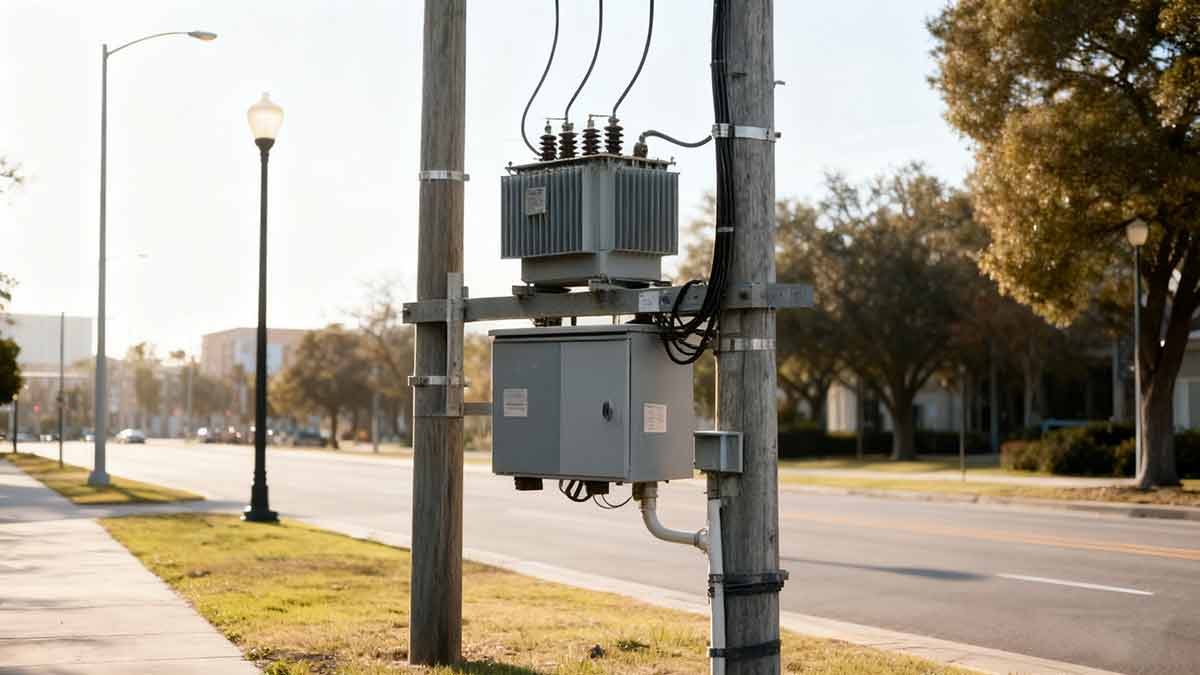
2 Understanding kVA Ratings and Load Demand?
Lihe’s kVA & Load Demand Breakdown
- kVA Explained:
Lihe’s power pole transformers range from 5kVA (residential) to 500kVA (industrial). For single-phase systems (residential), kVA directly correlates to household needs—our 25kVA unit powers ~10–15 homes. For three-phase systems (commercial), we use kVA = (√3 × Voltage × Current) / 1000 to calculate capacity.
- Load Demand Types:
- Continuous Load: Constant draw (e.g., streetlights, HVAC)—Lihe’s transformers handle 100% of this load indefinitely.
- Intermittent Load: Fluctuating draw (e.g., EV chargers, pumps)—our units feature 125% overload capacity for short bursts.
- Peak Load: Maximum demand (e.g., evening residential use)—Lihe sizes units to exceed this by 10–15% for stability.
- Real-World Example:
A small factory with 80kW of connected load (power factor 0.8) needed a 100kVA transformer (80 / 0.8 = 100). Lihe’s team analyzed load diversity (not all equipment runs simultaneously) and recommended a 75kVA unit—saving the client $5,000 upfront while maintaining efficiency.
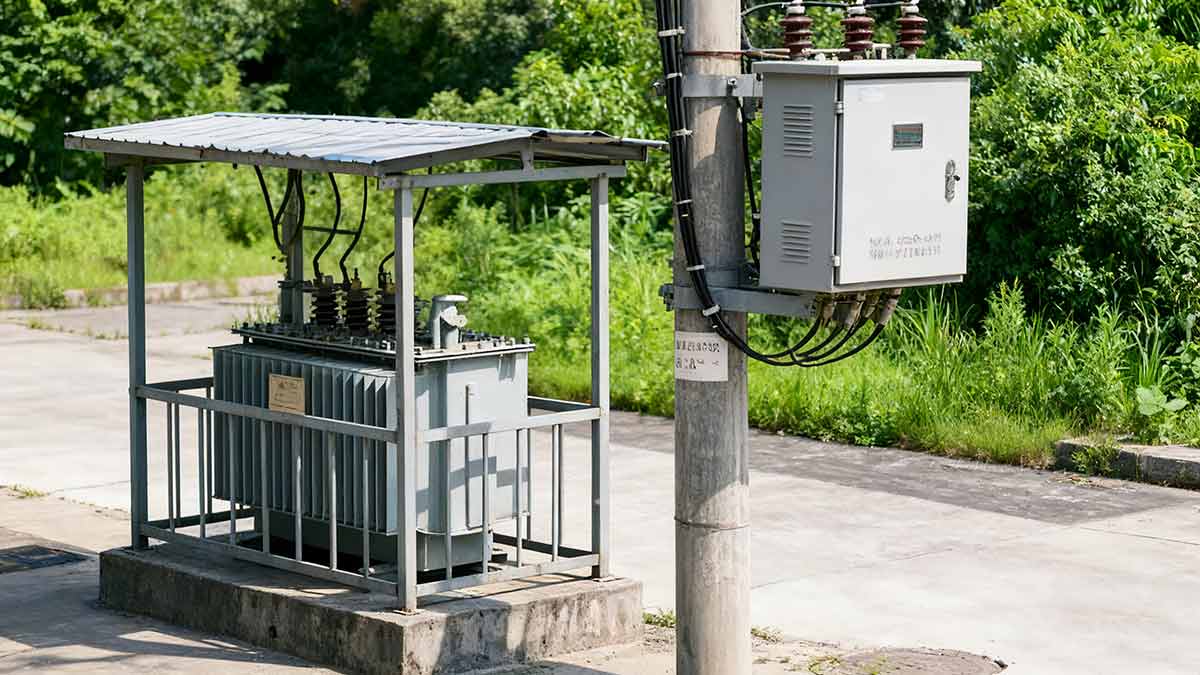
| Lihe kVA Rating | Typical Application | Power Output (0.8 PF) |
|---|---|---|
| 5–25 kVA | Residential neighborhoods, small rural areas | 4–20 kW |
| 25–100 kVA | Small commercial (retail, offices), suburban districts | 20–80 kW |
| 100–500 kVA | Large commercial, light industrial, industrial parks | 80–400 kW |
3 Factors That Influence Sizing: Distance, Load Type, Climate?
Lihe’s Tailored Sizing for Key Factors
- Distance from Power Source:
Longer distances cause voltage drop—Lihe’s low-loss windings (high-grade copper) minimize this. For a rural project with 3-mile distribution lines, we upsized from 50kVA to 75kVA to maintain 240V output at the furthest home.
- Load Type Characteristics:
- Residential: High diversity (lights, appliances)—Lihe uses 0.2–0.4 diversity factors for compact sizing.
- Commercial: Consistent draw (HVAC, computers)—our 50–100kVA units balance stability and efficiency.
- Industrial: Low diversity (motors, machinery)—Lihe’s robust 100–500kVA transformers handle high inrush currents.
- Climate & Environmental Conditions:
- Hot Climates: Lihe’s enhanced cooling systems (aluminum fins, oil circulation) prevent overheating—we sized a 100kVA unit to 125kVA for a desert project.
- High Altitude: Reduced air density impairs cooling—our altitude-rated transformers (up to 10,000ft) require no derating.
- Coastal Areas: Corrosion-resistant enclosures (hot-dip galvanized steel) protect against salt spray—standard on all Lihe outdoor units.
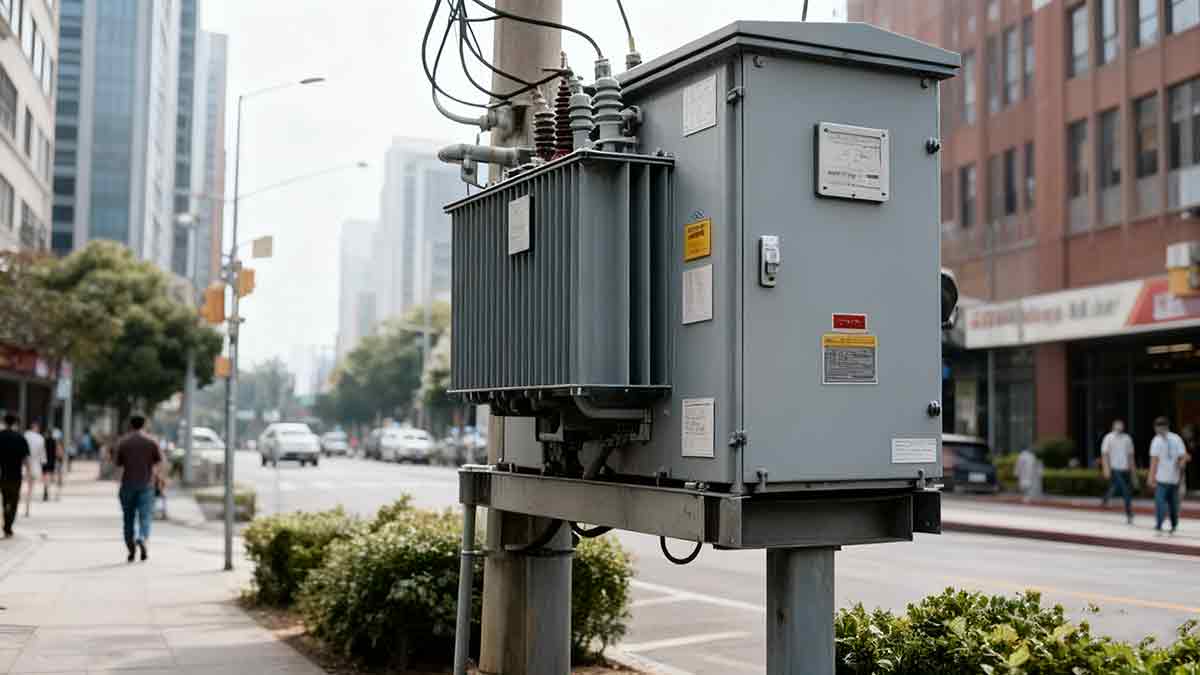
| Factor | Impact on Sizing | Lihe Transformer Solution |
|---|---|---|
| Long Distance (>1 mile) | Voltage drop, line losses | Low-loss windings + 10–20% capacity buffer |
| Industrial Loads | High inrush currents, low diversity | Robust core design + soft-start compatibility |
| Hot Climates (>35°C) | Reduced cooling efficiency | Enhanced fin cooling + temperature monitoring |
| Coastal/High Humidity | Corrosion risk | Galvanized enclosures + sealed bushings |
4 How to Calculate Peak and Average Load Requirements?
Lihe’s Step-by-Step Load Calculation Process
- Gather Historical Data:
Lihe analyzes 12+ months of utility data (or uses comparable project data) to identify seasonal patterns. For a new residential development, we used data from a nearby neighborhood to refine estimates.
- Conduct On-Site Load Surveys:
Our team uses power loggers to measure actual consumption—for a small office park, this revealed peak load was 30% lower than connected load.
- Apply Diversity Factors:
Lihe uses industry-specific factors (residential: 0.2–0.4; commercial: 0.5–0.7; industrial: 0.7–0.9) to avoid oversizing. Formula: Peak Load = Connected Load × (1 ÷ Diversity Factor).
- Add Growth Buffer:
We recommend 10–25% extra capacity—for a suburban area expecting 10 new homes in 5 years, we added 20% to the base load.
- Calculate Average Load:
Typically 60–70% of peak load—Lihe’s transformers are optimized for this range (highest efficiency).
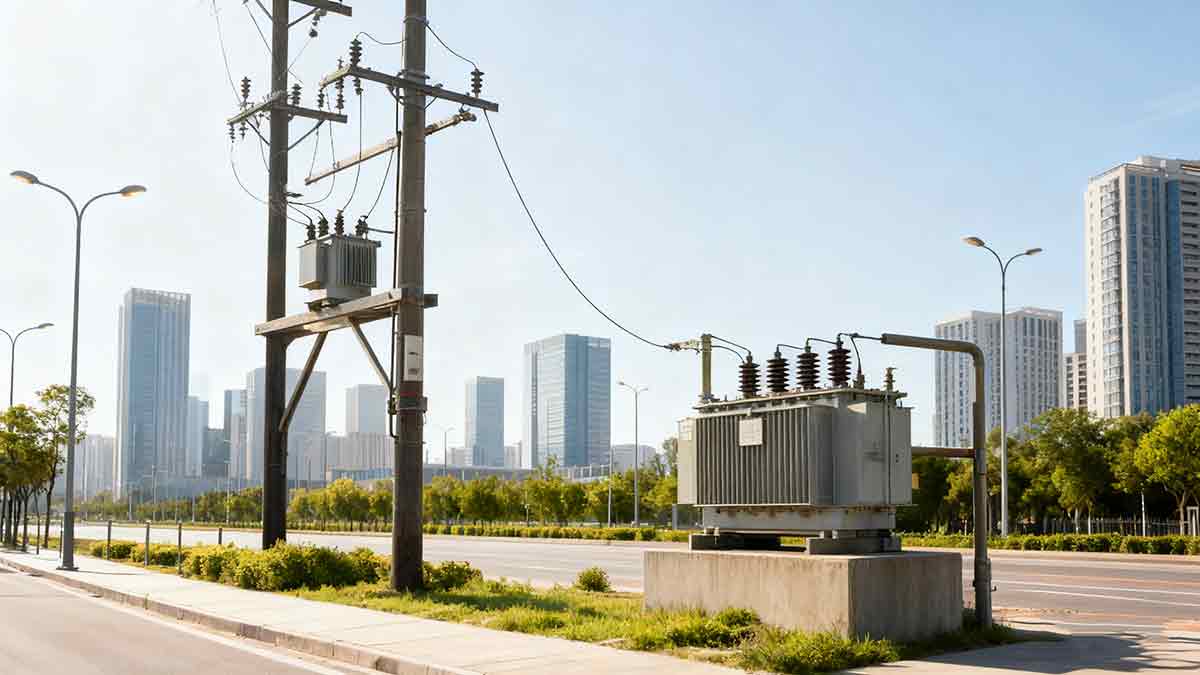
Example Calculation (Lihe Residential Project)
- Connected Load: 50 homes × 7.5 kVA = 375 kVA
- Diversity Factor: 0.3
- Peak Load: 375 kVA × (1 ÷ 0.3) = 112.5 kVA
- Growth Buffer (20%): 112.5 kVA × 1.2 = 135 kVA
- Final Lihe Transformer Size: 167 kVA (standard rating)
5 Common Sizing Mistakes and How to Avoid Them?
Lihe’s Guide to Avoiding Sizing Errors
- Overreliance on Nameplate Ratings:
- Mistake: Sizing based on total connected load (e.g., summing all appliance/equipment ratings).
- Lihe Solution: Use actual load data from surveys/loggers—we recently downsized a client’s transformer from 100kVA to 75kVA by ignoring nameplates and focusing on real usage.
- Ignoring Load Diversity:
- Mistake: Assuming all loads run at full capacity simultaneously.
- Lihe Solution: Apply tailored diversity factors—for a mixed-use development (residential + retail), we used 0.3 for homes and 0.6 for stores, saving 25% on upfront costs.
- Neglecting Future Growth:
- Mistake: Sizing only for current needs (e.g., not accounting for EV chargers or new buildings).
- Lihe Solution: Add 10–25% growth buffer—we sized a 50kVA unit to 75kVA for a rural area expecting EV adoption, avoiding a $10,000 upgrade 3 years later.
- Overlooking Environmental Factors:
- Mistake: Using standard sizing for extreme climates (e.g., hot deserts, coastal areas).
- Lihe Solution: Derate or upgrade—for a coastal project, we specified corrosion-resistant transformers with elevated mounts to avoid flood damage.
| Common Mistake | Consequence | Lihe Prevention Strategy |
|---|---|---|
| Nameplate-Only Sizing | Oversized, inefficient transformer | On-site load surveys + data logging |
| Ignoring Diversity | Higher upfront costs, wasted energy | Custom diversity factor application |
| No Growth Planning | Premature undersizing/upgrades | 10–25% capacity buffer |
| Disregarding Climate | Overheating, corrosion, failure | Climate-specific designs (cooling, enclosures) |
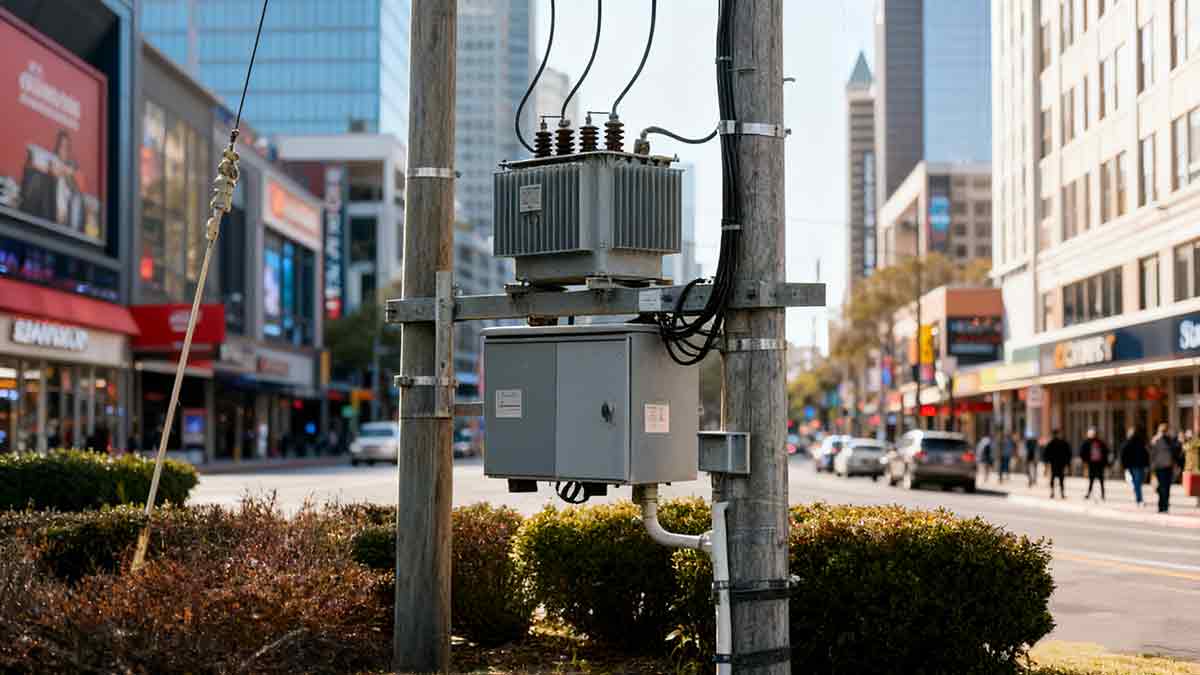
6 Power Pole Transformer Sizing Example (Lihe Case Study)
Lihe Case Study: 50-Home Suburban Development
- Project Details: 50 single-family homes (2,000 sq ft each) in a mild-climate suburb; 10 additional homes planned in 5 years.
- Goal: Size power pole transformers for reliable, efficient service with minimal future upgrades.
Step 1: Base Load Estimation
- Lihe’s per-home load standard: 7.5 kVA (includes HVAC, appliances, lighting).
- Total connected load: 50 × 7.5 kVA = 375 kVA.
Step 2: Apply Diversity Factor
- Residential diversity factor: 0.3 (Lihe’s data from 100+ similar projects).
- Peak load: 375 kVA × 0.3 = 112.5 kVA.
Step 3: Account for Future Growth
- Additional 10 homes: 10 × 7.5 kVA × 0.3 = 22.5 kVA.
- Total peak load (with growth): 112.5 + 22.5 = 135 kVA.
Step 4: Environmental & Safety Adjustment
- Mild climate: No derating needed.
- Safety margin: 10% (Lihe standard) → 135 kVA × 1.1 = 148.5 kVA.
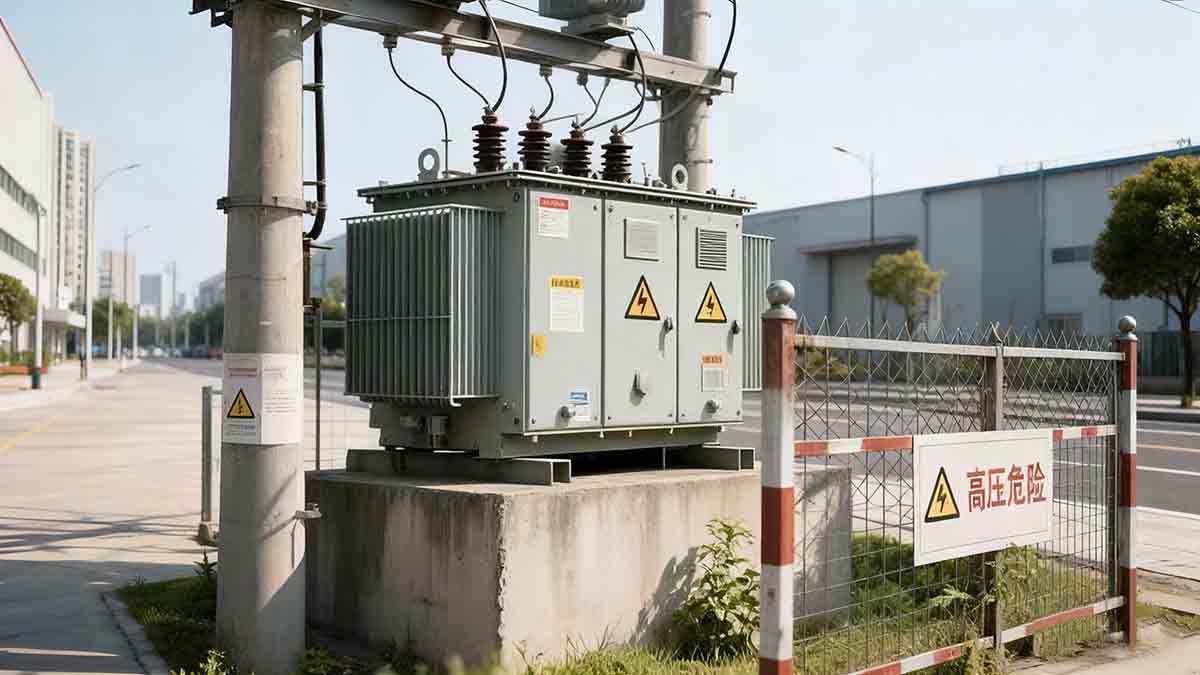
Step 5: Select Lihe Transformer
- Standard rating closest to 148.5 kVA: 167 kVA (Lihe Model LPT-167-PP).
- Bonus: Added EV charging capacity (20% of homes) → 167 kVA handles future Level 2 chargers without upsizing.
7 Tools and Standards to Use for Accurate Selection?
Lihe’s Trusted Tools & Standards
- Software Tools:
- Load Calculation: ETAP + Lihe’s proprietary load analysis tool (integrates our product specs for precise matching).
- Power System Simulation: DIgSILENT PowerFactory (tests voltage drop, load balancing for long distances).
- Thermal Modeling: ANSYS (optimizes cooling for Lihe’s transformers in extreme climates).
- Global Standards:
- IEEE C57.91: Guides loading limits for Lihe’s mineral-oil-immersed transformers (ensures 25+ year life).
- ANSI C84.1: Defines voltage ratings (Lihe’s transformers meet ±1% regulation for stable output).
- NEC Article 450: Complied with in all Lihe installations (safety and wiring standards).
- IEC 60076: International design/testing standard (all Lihe transformers are IEC-certified).
| Resource Type | Examples | Lihe Application |
|---|---|---|
| Load Calculation | ETAP + Lihe Proprietary Tool | Matches load to Lihe’s kVA ratings |
| System Simulation | DIgSILENT PowerFactory | Tests long-distance voltage stability |
| Thermal Modeling | ANSI C84.1 | Optimizes cooling for Lihe’s enclosures |
| Safety Standards | IEEE C57.91, NEC 450 | Ensures Lihe’s safety compliance |
8 Conclusion



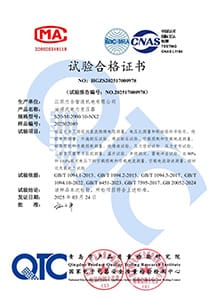
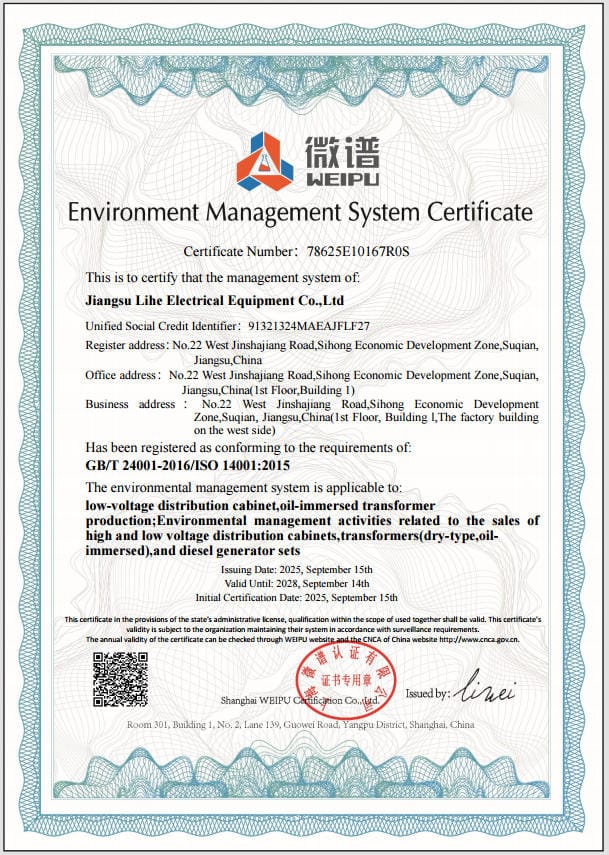
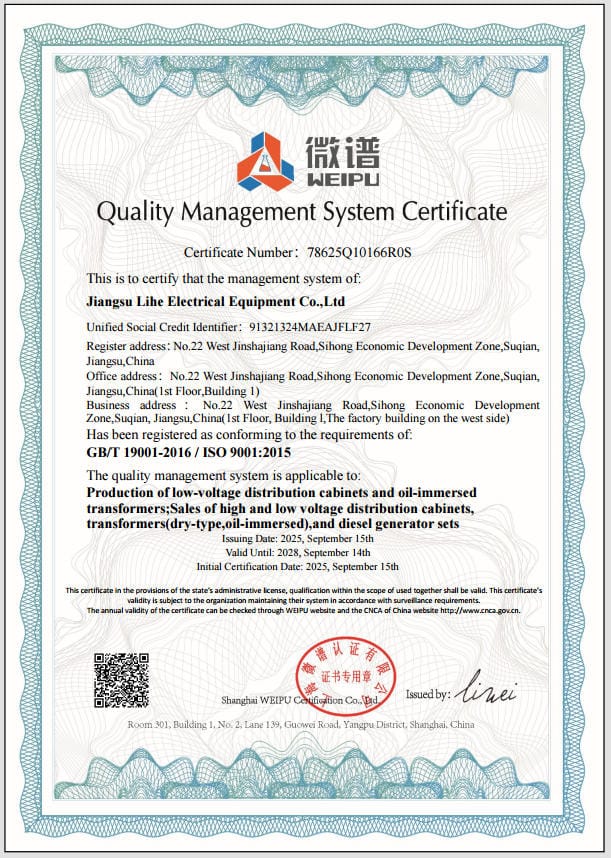
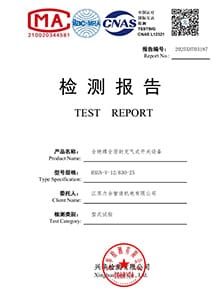
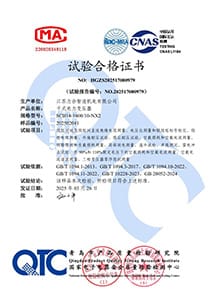
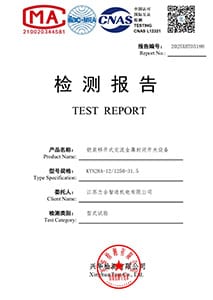
CERTIFICATE








Related Products

Compact Box Transformer Substation for Urban Areas
Transformer BoxBox Type Prefabricated Transformer Substations for Residential
Transformer Box250 KVA European-style Box-type Transformer Substation
Transformer Box500 kva Compact Substation Green Transformer Box
Transformer Box