
How To Check Power Transformer?
Power transformers serve as the backbone of modern electrical power distribution systems, facilitating the safe and efficient transmission of electricity across varying voltage levels. From urban grid networks to industrial manufacturing facilities and remote rural power stations, these critical devices enable the conversion of electrical energy between circuits via electromagnetic induction—a principle that underpins their ability to step up voltage for long-distance transmission or step down voltage for end-user applications. Given their pivotal role in maintaining an uninterrupted power supply, regular and systematic testing is not just a maintenance task but a strategic imperative.
Contents
hide
Neglecting routine checks can lead to catastrophic failures, costly downtime, safety hazards, and significant financial losses for both utility providers and industrial operators. This guide delves into the essential testing procedures for power transformers, exploring the methodologies, best practices, and critical considerations that ensure these assets operate optimally throughout their service life.
Why Regular Transformer Testing Is Non-Negotiable
The reliability of a power transformer directly impacts the stability of the entire electrical ecosystem it supports. Over time, transformers are exposed to a range of stressors—including fluctuating load conditions, extreme temperature variations, moisture ingress, and electrical surges—that can degrade their components gradually. Without proactive testing, minor issues such as insulation wear or winding damage can escalate into major faults, resulting in unplanned outages that disrupt industrial production lines, compromise residential power access, and even pose fire or explosion risks in severe cases.
Beyond mitigating risks, regular testing offers tangible economic benefits. It enables maintenance teams to identify potential defects at an early stage, allowing for targeted repairs that are far less expensive than full-scale transformer replacements. Additionally, consistent testing helps extend the service life of transformers; many well-maintained units can operate reliably for 30 years or more, far exceeding their expected lifespan. For utility companies and industrial operators alike, investing in routine transformer testing translates to reduced operational costs, improved asset management, and enhanced compliance with industry safety and performance standards.
Visual Inspection: The First Line of Defense
Visual inspection is the foundational step in any transformer testing protocol, providing maintenance technicians with immediate insights into the device’s physical condition. Unlike electrical tests that require specialized equipment, visual checks can be performed quickly during routine site visits, making them a cost-effective first step in identifying obvious red flags.
Assessing Physical Integrity and Structural Damage
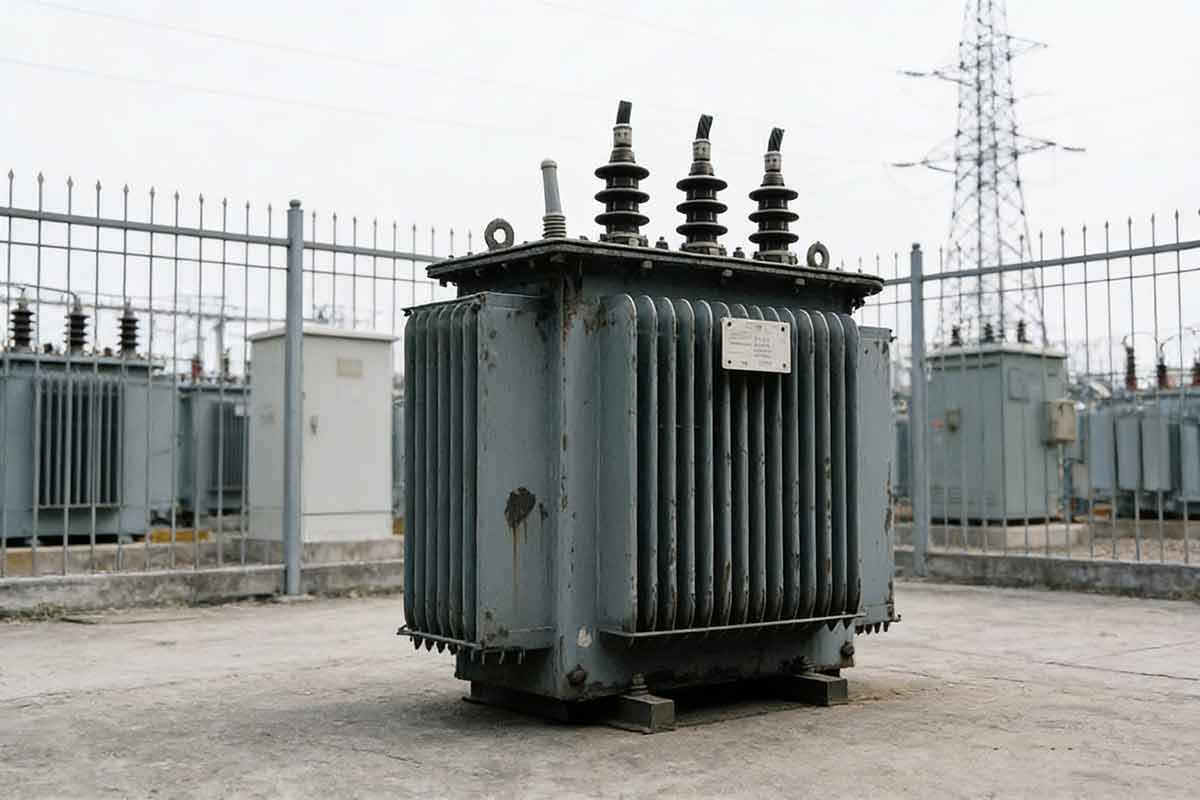
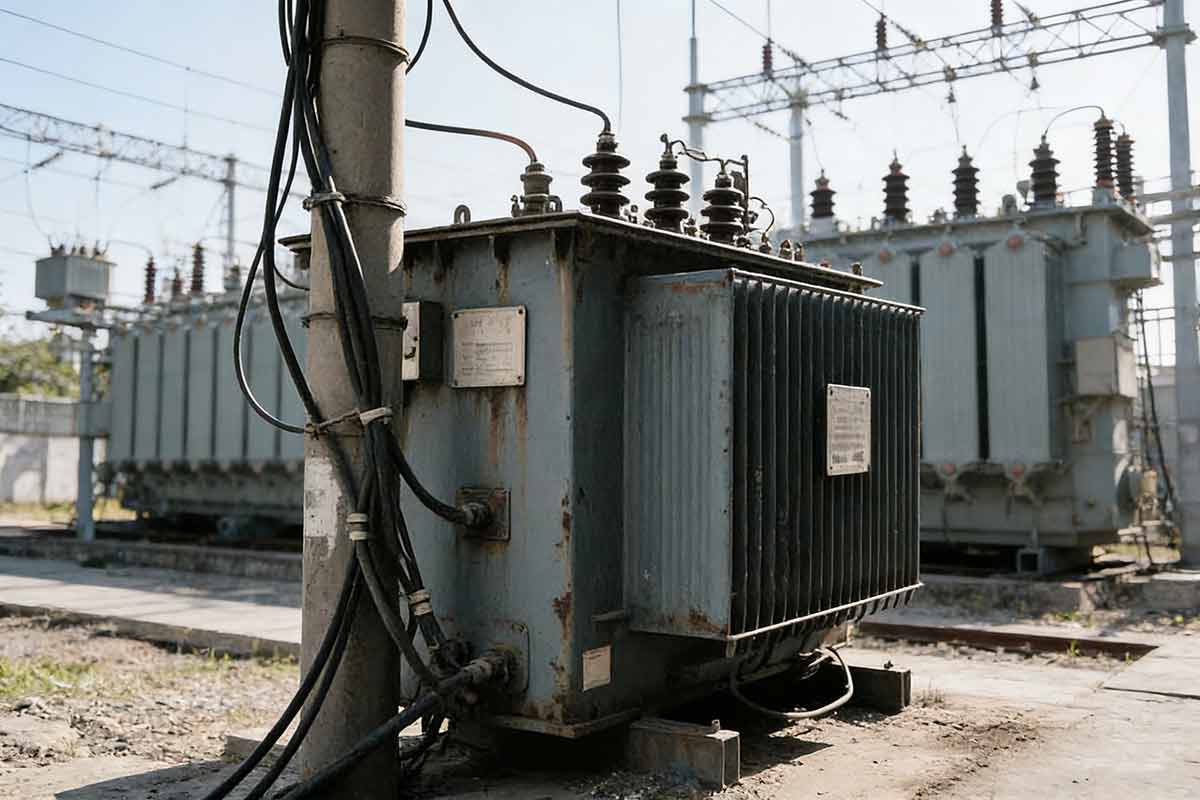
During a visual inspection, technicians should conduct a thorough walkaround of the transformer to check for signs of physical damage or structural abnormalities. Key areas of focus include the transformer tank, core, and external components. Cracks or dents in the tank may indicate mechanical stress from transportation, installation, or environmental factors such as seismic activity or falling debris. Rust and corrosion on metal surfaces are equally concerning, as they can weaken the tank’s structural integrity and create pathways for moisture ingress— a leading cause of insulation failure.
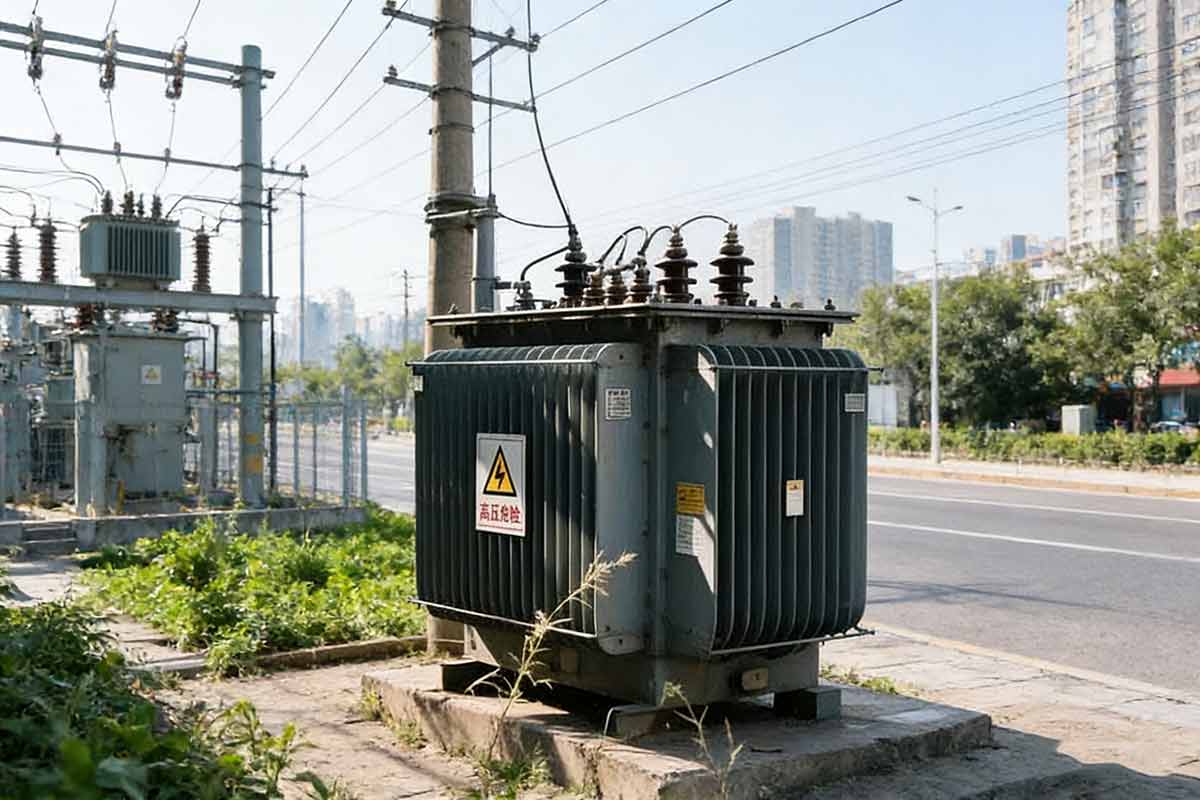
Technicians should also examine the transformer’s base and mounting hardware to ensure all bolts, nuts, and brackets are tight and secure. Loose fasteners can lead to vibration during operation, which can damage internal windings and connections over time. Additionally, check for signs of wildlife interference, such as bird nests or chewed cables, which can cause short circuits and other electrical faults.
Checking Oil Level, Quality, and Leakage
Transformer oil plays three critical roles: cooling the internal components, insulating the windings and core, and extinguishing any arcs that may form during operation. As such, inspecting the oil is a core component of visual testing. Start by checking the oil level indicator (often a sight glass or gauge) to ensure the oil is within the recommended range specified by the manufacturer. Low oil levels can lead to overheating, while excessively high levels may cause oil to overflow during temperature rises.
Next, assess the oil’s visual quality. Healthy transformer oil should be clear and pale yellow. If the oil appears dark, cloudy, or contains sediment, it may be contaminated with dirt, moisture, or byproducts of internal degradation. Finally, check for oil leaks around the tank seams, valve connections, and gasket areas. Even small leaks can deplete oil levels over time and indicate potential seal failure. Any signs of leakage should be addressed immediately to prevent further damage.
Evaluating Auxiliary Components and Accessories
A transformer’s performance depends not only on its core and windings but also on its auxiliary components. During visual inspection, technicians should check the condition of cooling systems—such as radiators, fans, and pumps—to ensure they are free from dust, debris, and blockages. Clogged cooling systems can restrict airflow, leading to overheating and reduced transformer efficiency.
Additionally, inspect the transformer’s terminal connections, bushings, and lightning arresters. Look for signs of corrosion, discoloration, or burning on terminals, which may indicate poor electrical contact or overheating. Bushings should be checked for cracks, chips, or signs of tracking (a path of carbonization caused by electrical discharge), as damaged bushings can lead to insulation breakdown and short circuits.
Insulation Resistance Testing: Safeguarding Against Electrical Breakdown
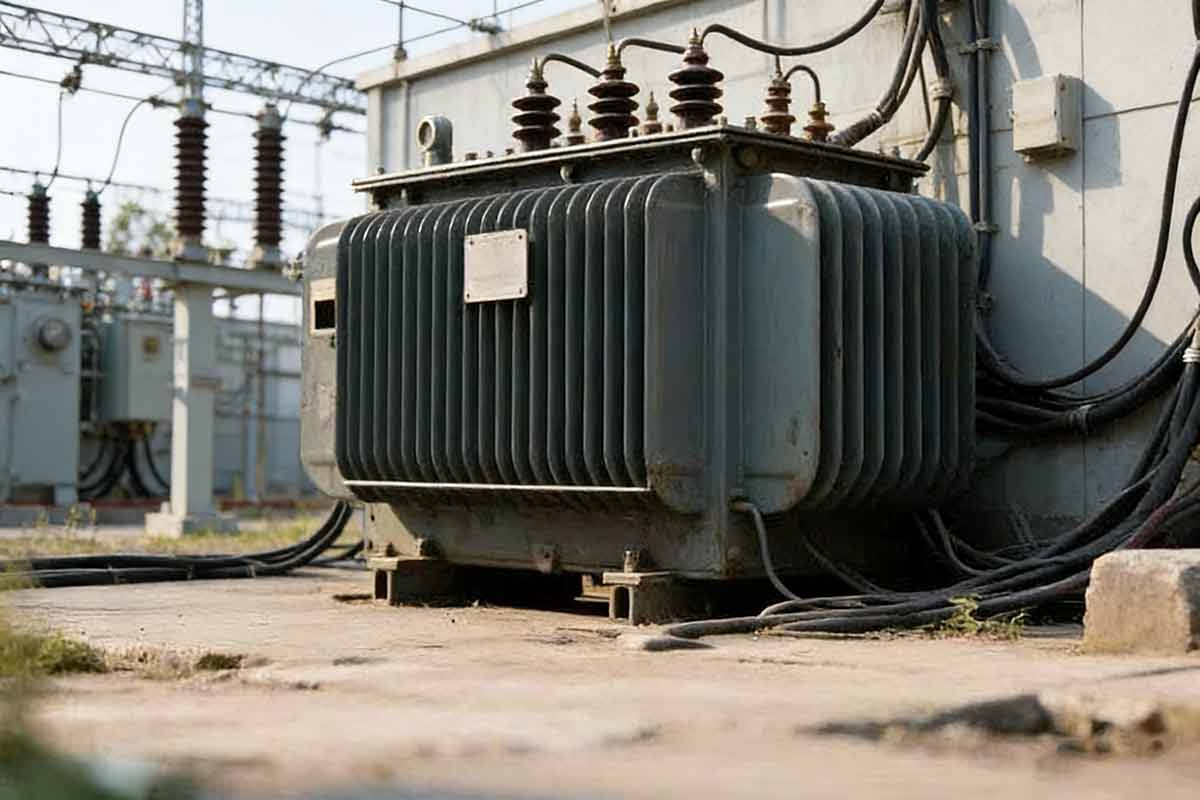
The insulation system of a power transformer is responsible for preventing current leakage between windings, between windings and the core, and between windings and the transformer tank. Over time, insulation materials can degrade due to heat, moisture, chemical contamination, and electrical stress, increasing the risk of short circuits and transformer failure. Insulation resistance testing is designed to measure the integrity of these materials, providing a clear indicator of insulation health.
Pre-Test Preparation and Equipment Requirements
Before conducting an insulation resistance test, technicians must take several critical safety and preparation steps. First, the transformer must be completely disconnected from the power supply and all connected circuits to eliminate the risk of electric shock. Next, all windings should be discharged to remove any residual electrical charge that could skew test results or damage testing equipment. It is also essential to clean the winding terminals and insulation surfaces to remove dirt, dust, and oil, as contaminants can lower insulation resistance readings artificially.
The primary tool used for this test is a megohmmeter (often referred to as a “megger”), a specialized device that applies a high DC voltage to the insulation and measures the resulting current flow. The voltage rating of the megohmmeter should be selected based on the transformer’s nominal voltage; for example, a 11kV transformer typically requires a 2.5kV megger, while a 33kV transformer may require a 5kV or 10kV unit.
Testing Procedures and Result Interpretation
To perform the test, connect the megger’s positive terminal to the transformer winding and the negative terminal to the grounded core or tank. Apply the test voltage gradually and maintain it for a specified duration (usually 60 seconds) to allow the current to stabilize. The megger will then display the insulation resistance value in megohms (MΩ).
A high insulation resistance reading indicates that the insulation material is in good condition, with minimal current leakage. Conversely, a low reading suggests insulation degradation, moisture ingress, or contamination. It is important to note that insulation resistance is highly sensitive to environmental conditions—particularly temperature and humidity. For accurate comparisons, test results should be corrected to a standard temperature (typically 20°C or 25°C) using manufacturer-provided correction factors. Additionally, technicians should compare current readings to historical data for the same transformer; a sudden drop in resistance is a more significant warning sign than a consistently low reading.
Common Pitfalls to Avoid
One of the most common mistakes in insulation resistance testing is rushing the process. Applying voltage too quickly or failing to maintain it for the full 60 seconds can lead to inaccurate readings. Additionally, testing transformers in extreme weather conditions—such as heavy rain or high humidity—can produce artificially low resistance values, so tests should be conducted in dry, moderate conditions whenever possible. Finally, it is critical to ensure that all non-test windings are grounded during the test to prevent cross-contamination of results.
Turns Ratio Testing: Ensuring Accurate Voltage Conversion
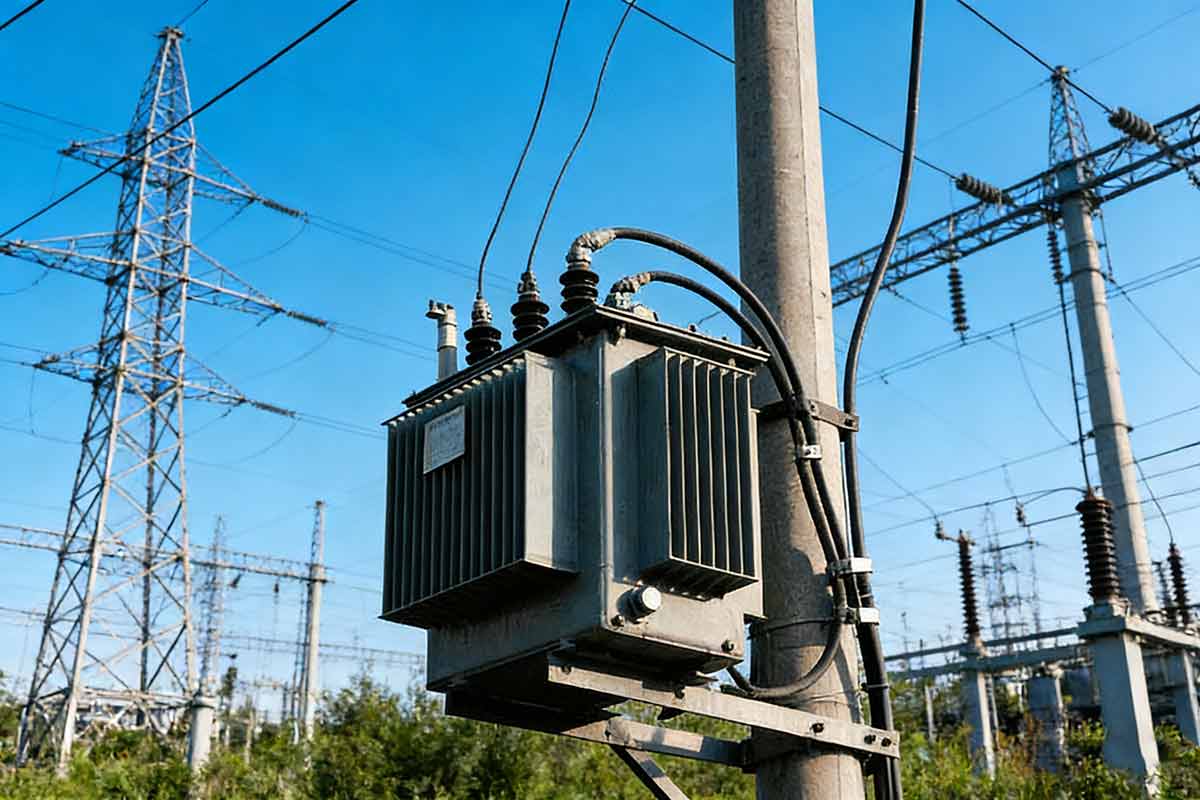
The turns ratio of a power transformer—the ratio of the number of turns in the primary winding to the number of turns in the secondary winding—directly determines its voltage conversion capability. An incorrect turns ratio can lead to voltage imbalance, reduced efficiency, and damage to both the transformer and the connected electrical equipment. Turns ratio testing verifies that this ratio matches the manufacturer’s specifications, ensuring the transformer operates as intended.
Understanding Turns Ratio and Its Impact on Performance
The turns ratio is a fundamental design parameter of transformers. For a step-up transformer, the primary winding has fewer turns than the secondary winding, increasing the output voltage. For a step-down transformer, the opposite is true, reducing the output voltage to a safe level for end users. If the turns ratio deviates from the specified value—even by a small percentage—it can cause the transformer to deliver voltage levels that are too high or too low. Overvoltage can damage sensitive electronic equipment, while undervoltage can lead to motor failure, reduced lighting efficiency, and poor performance of electrical devices.
Testing Methodology and Equipment
Turns ratio testing can be performed using either manual or automatic turns ratio testers. Manual testers require technicians to apply a low AC voltage to the primary winding and measure the resulting voltage on the secondary winding, then calculate the ratio manually. Automatic testers streamline this process, applying voltage, measuring results, and displaying the turns ratio digitally—reducing the risk of human error and saving time.
The test procedure involves disconnecting the transformer from the power supply, then connecting the tester to the primary and secondary windings. A low test voltage (typically less than 100V) is applied to avoid damaging the windings. The tester measures the voltage induced in the secondary winding and calculates the turns ratio. This process should be repeated for all tap positions on the transformer’s tap changer, as tap changes alter the number of active turns in the winding and thus the turns ratio.
Troubleshooting Abnormal Turn Ratio Results
If the measured turns ratio does not match the manufacturer’s specifications, several issues may be to blame. Common causes include short-circuited winding turns, open circuits in the winding, incorrect tap changer settings, or manufacturing defects. For example, a short circuit in a portion of the primary winding will reduce the effective number of turns, increasing the turns ratio and leading to overvoltage on the secondary side. Similarly, a tap changer that is not properly aligned can cause the ratio to shift unexpectedly.
When abnormal results are detected, technicians should first verify the tap changer position and retest to rule out user error. If the issue persists, further investigation—such as winding resistance testing or visual inspection of the tap changer—may be required to identify and address the root cause.
Short Circuit Impedance Testing: Assessing Load Capacity and Fault Tolerance
Short circuit impedance (also known as impedance voltage) is a key parameter that measures a transformer’s resistance to short circuit currents. This test is critical for evaluating the transformer’s load-carrying capacity, calculating short circuit currents for protective device sizing, and identifying internal faults such as winding damage or core saturation.
The Role of Short Circuit Impedance in Transformer Operation
When a short circuit occurs in a power system, a large current flows through the transformer’s windings, creating significant mechanical and thermal stress. The short circuit impedance determines how much current will flow during a short circuit; a higher impedance value limits the short circuit current, reducing the stress on the transformer and associated equipment. Additionally, short circuit impedance is closely related to transformer efficiency—lower impedance typically results in higher efficiency, but also higher short circuit currents.
Conducting the Short Circuit Impedance Test
The test involves short-circuiting one set of windings (usually the low-voltage windings) and applying a low AC voltage to the other set (the high-voltage windings). The voltage is gradually increased until the current flowing through the short-circuited windings reaches the transformer’s rated current. The voltage required to achieve this current is recorded as the impedance voltage, which is then expressed as a percentage of the transformer’s rated voltage.
During the test, it is essential to monitor the transformer’s temperature, as the low-voltage windings can heat up quickly when short-circuited. The test should be completed promptly to avoid overheating and potential damage. Additionally, the test setup should include protective devices such as circuit breakers to prevent excessive current flow in case of unexpected faults.
Interpreting Test Results for Fault Detection
A short circuit impedance value that is significantly higher than the manufacturer’s specification may indicate winding damage, such as open circuits, loose connections, or core saturation. A lower-than-specified value may suggest short-circuited winding turns or a faulty core. By comparing test results to historical data and manufacturer specifications, technicians can identify subtle changes in impedance that signal emerging faults, allowing for proactive maintenance before a major failure occurs.
Transformer Oil Analysis: Uncovering Hidden Internal Defects
Transformer oil is often referred to as the “blood” of the transformer, as it provides critical cooling, insulation, and arc-quenching functions. Over time, the oil degrades due to oxidation, thermal stress, and contamination, and it can also absorb byproducts of internal faults such as overheating or electrical discharge. Oil analysis is a non-destructive testing method that analyzes the chemical and physical properties of transformer oil, providing valuable insights into the transformer’s internal condition that cannot be detected by visual or electrical tests alone.
Key Oil Analysis Parameters and Their Significance
A comprehensive oil analysis program includes testing for a range of parameters, each of which reveals different aspects of transformer health:
- Breakdown Voltage: Measures the oil’s ability to withstand electrical stress without breaking down. A low breakdown voltage indicates high moisture content or contamination, which increases the risk of insulation failure.
- Acid Value: Indicates the level of oxidation in the oil. Oxidation produces acidic compounds that corrode transformer components and degrade insulation materials. A rising acid value over time signals accelerated oil degradation.
- Moisture Content: Moisture is one of the most damaging contaminants in transformer oil, as it reduces insulation resistance and promotes corrosion. Even trace amounts of moisture can compromise transformer performance.
- Dissolved Gas Analysis (DGA): The gold standard of oil analysis, DGA involves measuring the concentration of gases dissolved in the oil. Different types of internal faults produce distinct gas profiles: for example, overheating of windings generates methane, ethane, and ethylene, while electrical discharges produce acetylene. By analyzing the gas composition and concentration, technicians can pinpoint the type and severity of internal faults before they cause catastrophic failure.
Sampling and Testing Best Practices
To ensure accurate oil analysis results, proper sampling techniques are critical. Oil samples should be taken from the transformer’s sampling valve using clean, dry glass or plastic containers. The sampling process should be conducted in accordance with international standards such as IEC 60567 to avoid contamination from external sources. Samples should be labeled with the transformer’s identification number, sampling date, and operating conditions (e.g., load level, temperature) to facilitate accurate result interpretation.
Oil analysis should be performed by a certified laboratory with experience in transformer oil testing. For most transformers, annual oil analysis is sufficient, but for units operating in harsh conditions or critical applications, more frequent testing may be required. Additionally, oil analysis should be conducted immediately after any major event, such as a short circuit or overloading, to assess potential damage.
Remedial Actions Based on Oil Analysis Results
If oil analysis reveals concerning results, several remedial actions can be taken. For example, if the moisture content is high, the oil can be dried using vacuum dehydration systems. If the acid value is elevated, the oil can be treated with filtration systems to remove acidic compounds. In severe cases, where the oil is heavily degraded or contaminated, a complete oil replacement may be necessary. For DGA results indicating internal faults, further testing—such as winding resistance or dissolved gas-in-oil trend analysis—may be required to identify the exact location and cause of the fault.
Establishing a Customized Transformer Testing Schedule
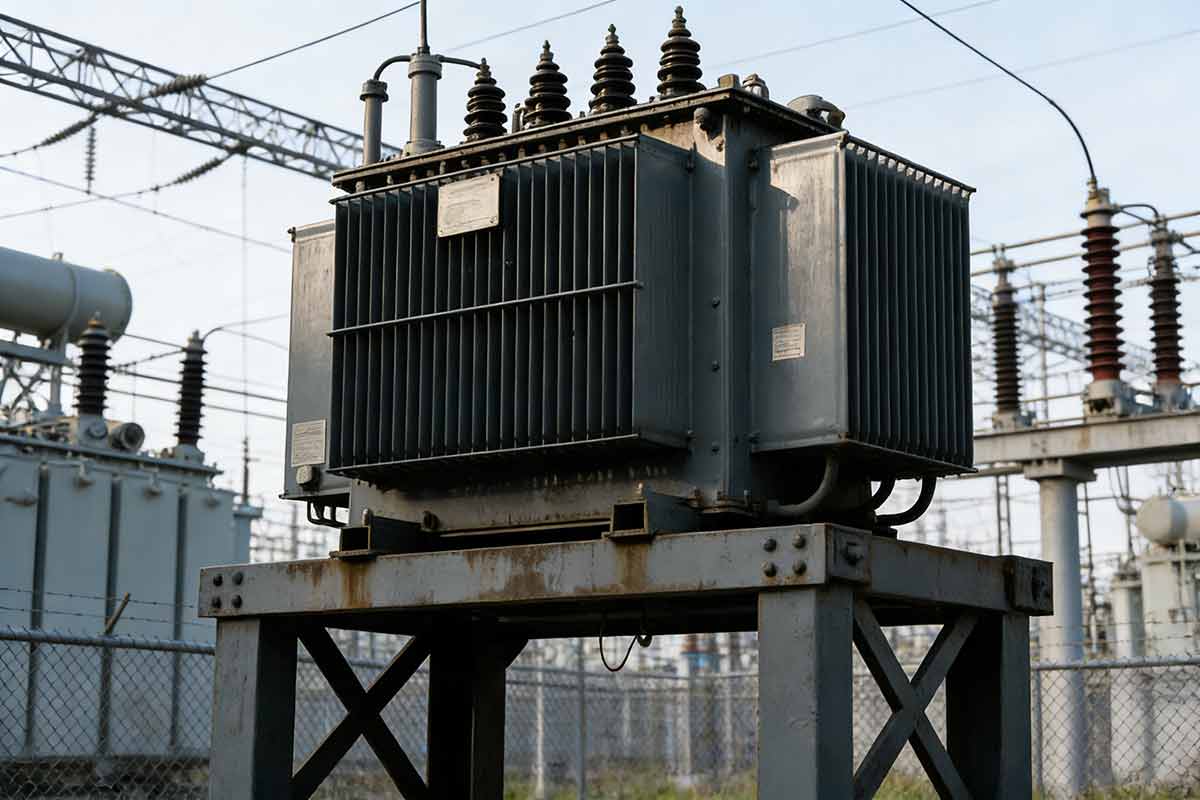
There is no one-size-fits-all testing schedule for power transformers. The frequency and scope of testing depend on a variety of factors, including the transformer’s age, design, operating conditions, and criticality to the power system. Establishing a customized testing schedule ensures that maintenance efforts are targeted and cost-effective, maximizing transformer reliability without unnecessary downtime.
Factors Influencing Testing Frequency
- Transformer Age: Newer transformers (less than 10 years old) typically have fewer issues and may only require annual visual inspections and oil analysis, with more comprehensive electrical testing every 3–5 years. Older transformers (10–20 years old) may require bi-annual visual inspections and annual electrical testing to address age-related degradation. Transformers over 20 years old should be tested quarterly, with comprehensive diagnostics every 1–2 years.
- Operating Conditions: Transformers operating in harsh environments—such as coastal areas with high humidity and salt spray, industrial areas with high levels of dust and chemical contamination, or remote areas with extreme temperature variations—are subject to accelerated degradation and require more frequent testing. Similarly, transformers that operate at near-full load continuously or experience frequent load fluctuations need more regular monitoring.
- Criticality: Transformers that support critical infrastructure—such as hospitals, data centers, and manufacturing plants—where downtime would have severe consequences, should be tested more frequently than those in non-critical applications.
Aligning with Industry Standards and Guidelines
When developing a testing schedule, it is important to reference international and national standards, such as IEC 60076 (Power Transformers) and IEEE C57.12.00 (Standard for Liquid-Immersed Distribution, Power, and Regulating Transformers). These standards provide guidelines for testing frequencies and procedures based on transformer type and application. Additionally, consulting the transformer manufacturer’s maintenance manual can provide valuable insights into model-specific testing requirements.
Balancing Preventive and Predictive Maintenance
An effective transformer maintenance program combines preventive maintenance (scheduled testing and inspections) and predictive maintenance (monitoring of key parameters to predict faults). Preventive maintenance ensures that potential issues are identified before they cause failure, while predictive maintenance uses real-time data—such as online DGA monitoring or temperature sensors—to detect emerging faults early. By combining these two approaches, operators can optimize maintenance schedules, reduce downtime, and extend transformer service life.
Conclusion
Power transformers are indispensable components of electrical power distribution systems, and their reliable performance is critical to the stability of modern society. Regular testing—encompassing visual inspections, insulation resistance testing, turns ratio testing, short circuit impedance testing, and oil analysis—is the cornerstone of transformer maintenance. By following the comprehensive procedures outlined in this guide, maintenance technicians and operators can identify potential faults at an early stage, address issues proactively, and ensure that transformers operate efficiently and safely for decades.
Investing in routine transformer testing is not just a cost—it is a strategic investment in asset reliability, operational efficiency, and safety. As electrical systems become increasingly complex and demand for power continues to grow, the importance of rigorous transformer testing will only continue to rise. By prioritizing regular testing and adhering to industry best practices, utilities and industrial operators can minimize downtime, reduce maintenance costs, and ensure a consistent supply of electricity for years to come.