
While power transformers are non-negotiable components of electrical distribution systems, their pricing is far from one-size-fits-all. A single unit can range from tens of thousands to millions of dollars, depending on a complex interplay of technical, environmental, and logistical factors. Understanding these cost drivers is not just about finding the lowest price tag; it’s about balancing upfront investment with reliability, durability, and total cost of ownership (TCO) over the transformer’s typical 25–40-year lifespan.
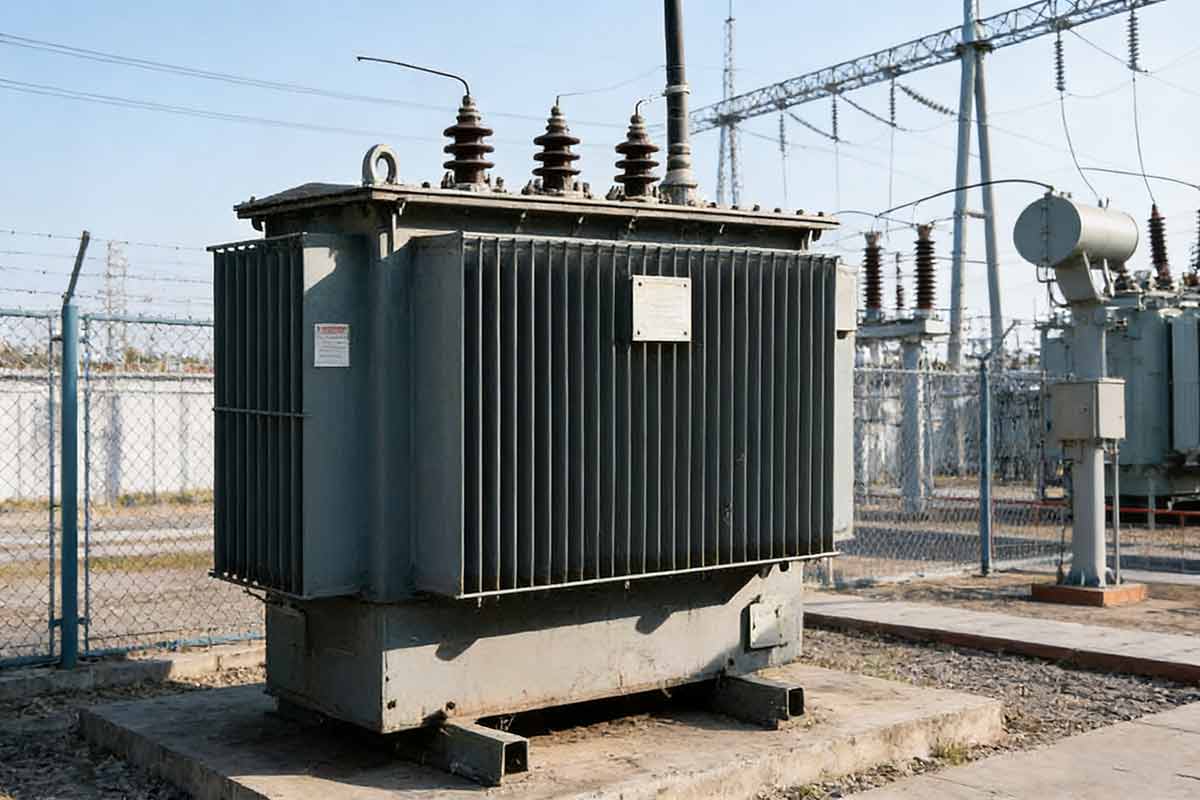
This guide delves deep into the nuances of power transformer cost, unpacking the key factors that influence pricing, breaking down hidden and long-term expenses, and providing actionable insights to help you make cost-effective decisions. Whether you’re building a new substation in Nairobi, upgrading a manufacturing facility in Johannesburg, or expanding a rural electrification project in Lagos, this article will equip you with the knowledge to navigate the power transformer market with confidence.
Why Power Transformer Cost Matters for Electrical Infrastructure
The cost of power transformers is more than a line item in a project budget—it’s a strategic investment that directly impacts the performance and sustainability of electrical systems. For stakeholders in Africa’s growing power sector, where infrastructure projects often face budget constraints and high stakes for reliability, getting the cost equation right is critical for several reasons:
Avoiding Cost Overruns and Project Delays
Underestimating power transformer costs is a common pitfall that can derail infrastructure projects. Unlike off-the-shelf electrical components, transformers are often custom-engineered to meet specific project requirements, and unexpected costs (e.g., material price spikes, customization fees, or logistical challenges) can quickly escalate budgets. For example, a rural electrification project in Tanzania might face unforeseen costs if the transformer needs to be modified to withstand dusty conditions or transported to a remote location with limited road access. By understanding all cost drivers upfront, investors can create more accurate budgets and mitigate the risk of delays.
Balancing Affordability and Reliability
In emerging markets, there’s often pressure to minimize upfront costs—but cutting corners on power transformer quality can lead to catastrophic consequences. A low-cost, substandard transformer may fail prematurely, causing power outages that disrupt businesses, hospitals, and households. According to the International Energy Agency (IEA), power outages cost African economies an estimated $28.4 billion annually, with faulty transformers being a leading cause. Investing in a quality transformer may require a higher initial outlay, but it reduces the risk of costly downtime, repairs, and replacements over time.
Aligning with Long-Term Infrastructure Goals
Africa’s power sector is undergoing rapid transformation, with a growing focus on renewable energy integration (e.g., solar, wind) and grid modernization. Modern power transformers must be compatible with these evolving systems—for instance, transformers used in solar farms need to handle variable power inputs, while those in smart grids require advanced monitoring capabilities. These features can impact cost, but they also ensure that the transformer remains viable as the infrastructure evolves. Ignoring these long-term needs to save money upfront can result in premature obsolescence, requiring costly replacements sooner than expected.
Key Factors Influencing Power Transformer Cost
Power transformer pricing is determined by a complex mix of technical specifications, material costs, design requirements, and market dynamics. Below is a detailed breakdown of the most significant factors, with insights tailored to the needs of African infrastructure projects.
Power Rating (MVA): The Primary Cost Driver
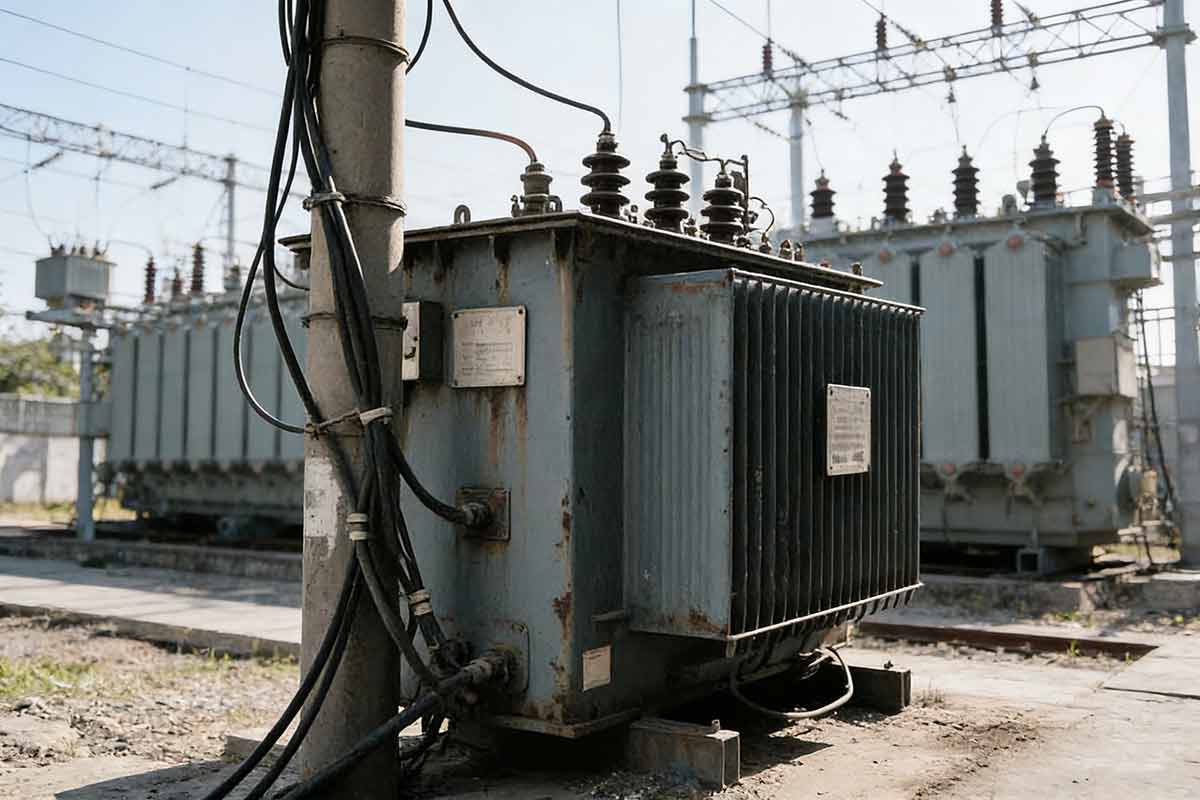
The power rating of a transformer—measured in megavolt-amperes (MVA)—is the single most influential factor in its cost. MVA indicates the transformer’s capacity to handle electrical load, and as capacity increases, so does the complexity of design, the amount of materials required, and the manufacturing process.
How MVA Impacts Pricing
Smaller transformers (typically 1–20 MVA) are commonly used in residential areas, small businesses, or rural electrification projects. These units are more standardized, require fewer materials, and can be produced in higher volumes, leading to lower per-unit costs. For example:
- A 5 MVA distribution transformer might cost between $35,000–$55,000, depending on design and materials.
- A 10 MVA transformer, suitable for medium-sized commercial complexes or small industrial zones, typically ranges from $60,000–$90,000.
Medium-sized transformers (20–100 MVA) are used in regional substations, large industrial facilities, or renewable energy projects (e.g., solar parks, wind farms). These units require more robust materials, advanced cooling systems, and stricter quality control, driving up costs:
- A 50 MVA transformer can cost $200,000–$350,000.
- A 100 MVA unit, often used in grid interconnections or heavy industrial applications, ranges from $450,000–$700,000.
Large-scale transformers (100+ MVA) are specialized pieces of equipment used in national power grids, major industrial complexes, or cross-border transmission projects. These transformers are custom-designed, require extensive engineering, and often involve unique manufacturing processes (e.g., large-scale winding, specialized insulation). Prices for these units can exceed $1 million:
- A 200 MVA transformer might cost $1.2 million–$1.8 million.
- A 500 MVA ultra-high-voltage transformer can range from $3 million–$5 million, depending on technical requirements.
Regional Considerations for Africa
In Africa, the demand for small to medium-sized transformers (1–50 MVA) is particularly high due to ongoing rural electrification efforts and the expansion of urban infrastructure. For example, Nigeria’s Rural Electrification Agency (REA) has targeted 5 million rural households for electrification by 2030, creating significant demand for 5–20 MVA transformers. However, large-scale projects—such as the East African Power Pool (EAPP), which aims to connect national grids across East Africa—require 100+ MVA transformers to handle cross-border power transmission.
Design and Construction Complexity
The design and construction of a power transformer directly impact its cost, as more complex designs require advanced engineering, specialized manufacturing processes, and stricter quality assurance.
Transformer Type: Oil-Immersed vs. Dry-Type
The two primary types of power transformers—oil-immersed and dry-type—differ significantly in design, cost, and application, and choosing the right type depends on the project’s environment and requirements.
Oil-immersed transformers are the most common type for large-scale power distribution. They use mineral oil or synthetic oil as both an insulator and a cooling agent. These transformers are durable, efficient, and cost-effective for high-capacity applications, but their design is more complex due to the need for oil containment systems, cooling radiators, and leak prevention mechanisms. The cost of an oil-immersed transformer is typically 15–30% lower than a dry-type transformer of the same MVA rating, but they require regular oil testing and maintenance to prevent degradation.
Dry-type transformers, by contrast, use air or a non-flammable gas (e.g., nitrogen) for cooling and insulation. They are ideal for indoor applications, urban areas, or environments where fire risk is a concern (e.g., hospitals, data centers, high-rise buildings). Dry-type transformers have a simpler design in terms of cooling systems, but they require high-quality insulation materials (e.g., epoxy resin) to withstand heat and electrical stress. As a result, dry-type transformers are generally more expensive upfront—for example, a 10 MVA dry-type transformer might cost $80,000–$120,000, compared to $60,000–$90,000 for an oil-immersed unit of the same capacity.
Cooling System Design
Transformers generate heat during operation, and effective cooling is critical to prevent overheating and ensure longevity. The type of cooling system used significantly impacts design complexity and cost:
- Natural Cooling (ONAN): Oil-immersed transformers with natural convection cooling (ONAN) are the most cost-effective option for small to medium capacities (up to 50 MVA). They rely on the natural circulation of oil to dissipate heat, requiring no additional power or moving parts.
- Forced Air Cooling (ONAF): For larger transformers (50–100 MVA), forced air cooling (ONAF) is often used. This system uses fans to blow air over the transformer’s radiators, increasing heat dissipation. ONAF systems add complexity and cost due to the need for fans, controls, and maintenance.
- Forced Oil Cooling (OFAF): Ultra-large transformers (100+ MVA) require forced oil cooling (OFAF), which uses pumps to circulate oil through external coolers. This system is highly efficient but significantly more expensive, as it requires specialized pumps, coolers, and monitoring systems.
Voltage Class
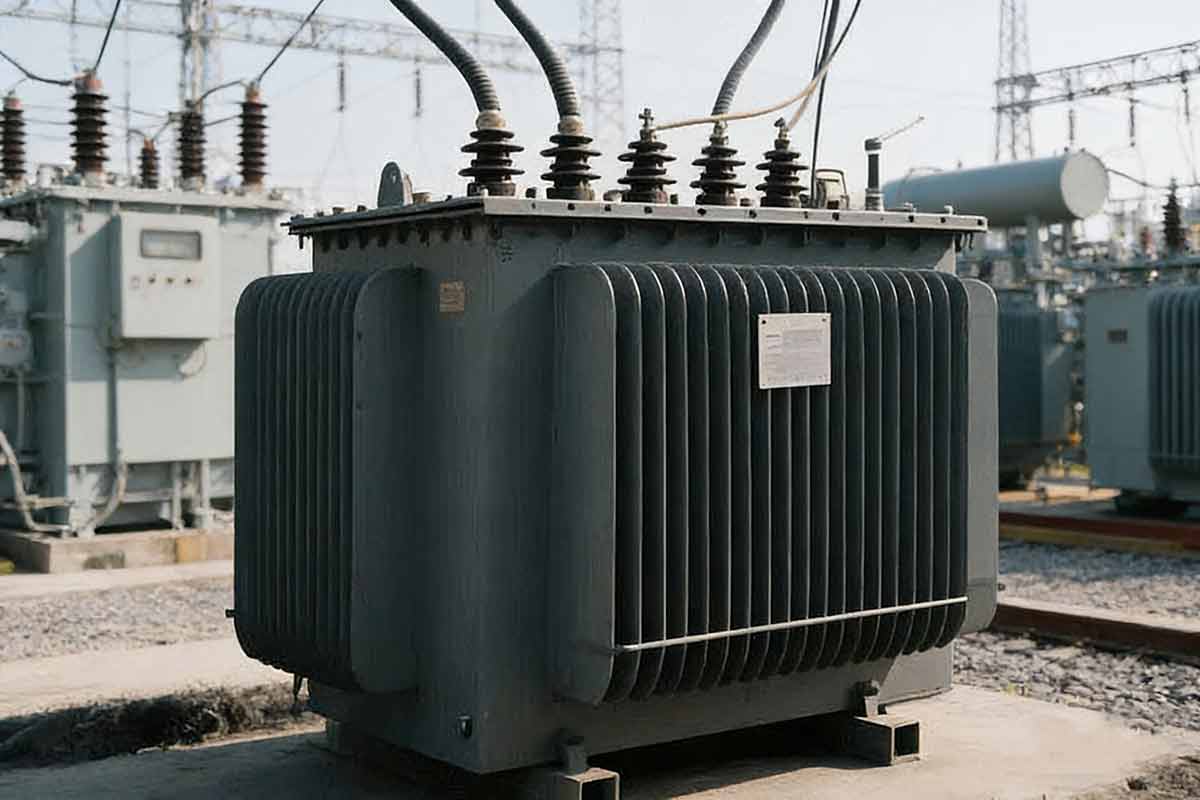
The voltage rating of a transformer (e.g., 11 kV, 33 kV, 132 kV, 220 kV) also impacts design complexity and cost. Higher voltage transformers require thicker insulation, more robust windings, and stricter manufacturing tolerances to prevent electrical breakdown. For example, a 33 kV transformer of the same MVA rating will cost 20–40% more than an 11 kV transformer, due to the need for high-grade insulation materials and advanced winding techniques.
In Africa, most distribution transformers operate at 11 kV or 33 kV, while transmission transformers (used in national grids) operate at 132 kV, 220 kV, or higher. The East African Power Pool, for instance, uses 220 kV transformers for cross-border transmission, while South Africa’s national grid includes 400 kV and 765 kV ultra-high-voltage transformers.
Material Selection: Balancing Durability and Cost
The materials used in a power transformer account for 40–60% of its total cost, and the choice of materials directly impacts performance, durability, and lifespan. Key materials include copper, aluminum, silicon steel, insulation materials, and cooling fluids.
Copper vs. Aluminum Windings
The windings of a transformer (the coils of wire that conduct electricity) are typically made from copper or aluminum. Copper is a superior conductor with lower resistance, higher thermal conductivity, and greater durability than aluminum. However, copper is significantly more expensive—copper prices have averaged around $9,000 per metric ton in 2023, compared to $2,800 per metric ton for aluminum.
Transformers with copper windings are more efficient (reducing energy losses by 10–20%) and have a longer lifespan (25–40 years) than those with aluminum windings. For example, a 20 MVA transformer with copper windings might cost $80,000–$110,000, while an aluminum-wound unit of the same capacity could cost $60,000–$85,000. However, the higher efficiency of copper-wound transformers translates to lower energy costs over time—for a transformer operating 24/7, the energy savings from copper windings can offset the upfront cost difference within 5–10 years.
In Africa, where energy costs are often high and grid efficiency is a priority, copper-wound transformers are increasingly preferred for large-scale projects. However, aluminum-wound transformers remain a cost-effective option for small-scale applications or projects with tight budgets.
Silicon Steel Core
The core of a transformer is made from silicon steel (also known as electrical steel), which is designed to minimize magnetic losses (eddy current losses and hysteresis losses). The quality of silicon steel—measured by its thickness and magnetic permeability—directly impacts transformer efficiency and cost.
High-grade silicon steel (e.g., grain-oriented electrical steel) has a lower thickness (0.23–0.35 mm) and higher magnetic permeability, reducing energy losses by up to 30% compared to low-grade steel. However, high-grade silicon steel is 20–30% more expensive than standard grades. For example, a 50 MVA transformer using high-grade silicon steel might cost $250,000–$350,000, while one using standard silicon steel could cost $200,000–$300,000.
Given the focus on energy efficiency in Africa’s power sector—driven by rising energy costs and environmental goals—high-grade silicon steel is becoming a standard choice for new transformers. The African Development Bank (AfDB) has emphasized the importance of energy-efficient transformers in reducing grid losses, which currently average 15–20% across sub-Saharan Africa (compared to 8–10% in developed countries).
Insulation Materials
Insulation materials are critical for preventing electrical breakdown and ensuring transformer safety. The type of insulation used depends on the transformer’s voltage rating, cooling system, and operating environment:
- Paper Insulation: Traditional oil-immersed transformers use paper insulation (impregnated with oil) for windings. Paper insulation is cost-effective but requires regular maintenance to prevent degradation from moisture and heat.
- Epoxy Resin: Dry-type transformers use epoxy resin insulation, which is non-flammable, moisture-resistant, and requires minimal maintenance. Epoxy resin is more expensive than paper insulation but offers better durability in harsh environments.
- Nomex: For high-temperature applications (e.g., transformers in desert regions), Nomex (a synthetic aramid fiber) is used. Nomex is highly heat-resistant but significantly more costly than other insulation materials.
In Africa, where transformers often operate in hot, humid, or dusty environments, durable insulation materials like epoxy resin and Nomex are increasingly in demand—even though they add to upfront costs—due to their lower maintenance requirements and longer lifespan.
Customization Requirements
Many infrastructure projects require custom-designed transformers to meet specific technical, environmental, or operational needs. Customization can significantly increase costs, as it involves additional engineering, prototyping, and manufacturing time. Common customization requests include:
Voltage and Frequency Adjustments
Most African countries use a standard frequency of 50 Hz, but some projects (e.g., industrial facilities with imported equipment) may require transformers designed for 60 Hz. Similarly, transformers may need to be customized to match non-standard voltage levels (e.g., 15 kV, 22 kV) for integration with existing grid infrastructure. Voltage and frequency customization typically adds 10–20% to the transformer’s cost.
Specialized Environmental Adaptations
Africa’s diverse climate—from the Sahara Desert’s extreme heat (temperatures exceeding 45°C) to the Congo Basin’s high humidity (80–90% year-round)—requires transformers to be adapted to harsh conditions. Common environmental customizations include:
- Heat Resistance: Transformers in desert regions may require upgraded cooling systems, heat-resistant insulation, and UV-protective coatings.
- Moisture and Corrosion Resistance: Transformers in coastal or humid areas need anti-corrosion coatings for metal components, sealed enclosures to prevent moisture ingress, and moisture-absorbing materials in oil-immersed units.
- Dust and Sand Protection: Transformers in arid regions require air filters, sealed enclosures, and reinforced cooling systems to prevent dust and sand from damaging internal components.
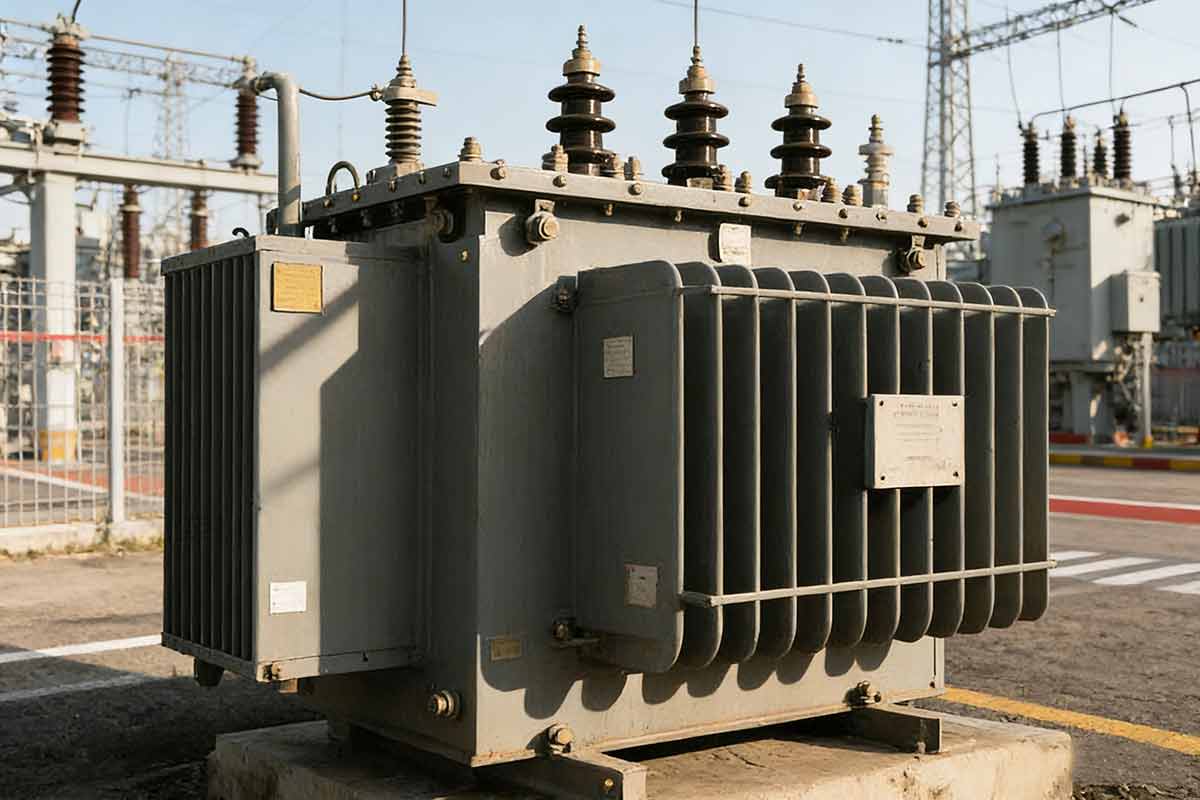
These environmental adaptations can add 15–30% to the transformer’s cost, but they are essential for ensuring reliability in Africa’s challenging conditions. For example, a 20 MVA transformer customized for desert use might cost $90,000–$120,000, compared to $75,000–$100,000 for a standard unit.
Integration with Renewable Energy Systems
As Africa expands its renewable energy capacity—solar power capacity is expected to reach 30 GW by 2030, according to the IEA—transformers must be customized to handle the variable power outputs of solar and wind farms. Customizations for renewable energy integration include:
- Low-Voltage Ride-Through (LVRT) Capability: Transformers must withstand voltage fluctuations caused by sudden changes in renewable energy generation.
- Harmonic Filtering: Solar inverters and wind turbines generate harmonic distortions, which can damage transformers. Custom transformers may include harmonic filters to mitigate this risk.
- Smart Monitoring Systems: Transformers in renewable energy projects often require advanced monitoring systems to track performance, detect faults, and integrate with grid management software.
These customizations can add 20–40% to the transformer’s cost, but they are critical for the successful integration of renewable energy into Africa’s power grids.
Manufacturing Quality and Certifications
The quality of manufacturing and the certifications held by the manufacturer also impact power transformer cost. Transformers produced by reputable manufacturers with strict quality control processes and international certifications (e.g., ISO 9001, IEC 60076) are typically more expensive than those from uncertified manufacturers, but they offer greater reliability and compliance with global standards.
International Certifications
IEC 60076 (the international standard for power transformers) is widely recognized as the gold standard for transformer quality. Compliance with IEC 60076 ensures that the transformer meets strict requirements for safety, efficiency, and performance. Manufacturers that hold IEC 60076 certification invest heavily in testing equipment, quality control processes, and employee training—costs that are passed on to the customer. However, IEC 60076 certification is often a requirement for infrastructure projects funded by international organizations (e.g., the World Bank, AfDB), making it a non-negotiable expense for many African projects.
Quality Control and Testing
Reputable manufacturers conduct extensive testing on transformers before delivery, including:
- Type tests (to verify design compliance with standards).
- Routine tests (to ensure individual units meet specifications).
- Special tests (e.g., short-circuit tests, temperature rise tests) for high-voltage or custom transformers.
These tests add to manufacturing time and cost but are essential for identifying defects and ensuring reliability. For example, a 100 MVA transformer may undergo $50,000–$100,000 worth of testing before delivery, but this investment reduces the risk of costly failures in the field.
Breaking Down Additional Expenses Beyond Initial Purchase
When calculating the total cost of a power transformer, it’s critical to look beyond the upfront purchase price. Additional expenses—including transportation, installation, commissioning, maintenance, and repairs—can account for 30–50% of the total cost of ownership (TCO) over the transformer’s lifespan. For African projects, these costs are often higher due to logistical challenges, limited local expertise, and harsh operating conditions.
Transportation and Logistics Costs
Transporting power transformers is a complex and costly process, especially in Africa, where infrastructure (e.g., roads, bridges) is often underdeveloped. Key factors influencing transportation costs include:
Size and Weight
Power transformers are large, heavy equipment—even a 20 MVA transformer can weigh 10–15 tons, while a 100 MVA unit can weigh 50–80 tons. Transporting these units requires specialized vehicles (e.g., low-bed trailers, heavy-duty trucks) and may require permits for oversized loads. In some cases, transformers may need to be transported by rail or barge, adding further complexity and cost.
Distance and Accessibility
For projects in remote rural areas or landlocked countries, transportation costs can be prohibitive. For example, transporting a 50 MVA transformer from a port in Kenya to a rural substation in South Sudan may require multiple modes of transport (ship, truck, rail) and cost $20,000–$40,000, representing 10–15% of the transformer’s purchase price. In contrast, transporting the same transformer to an urban substation in Nairobi might cost only $5,000–$10,000.
Customs and Duties
Importing power transformers into Africa often involves significant customs duties and taxes. For example, Nigeria imposes a 10% import duty on electrical equipment, while South Africa imposes a 15% duty on transformers. These costs can add 10–20% to the total cost of the transformer, depending on the country of import.
Installation and Commissioning Costs
Installing and commissioning a power transformer requires specialized expertise, equipment, and labor costs that are often overlooked in initial budget planning.
Installation Labor and Equipment
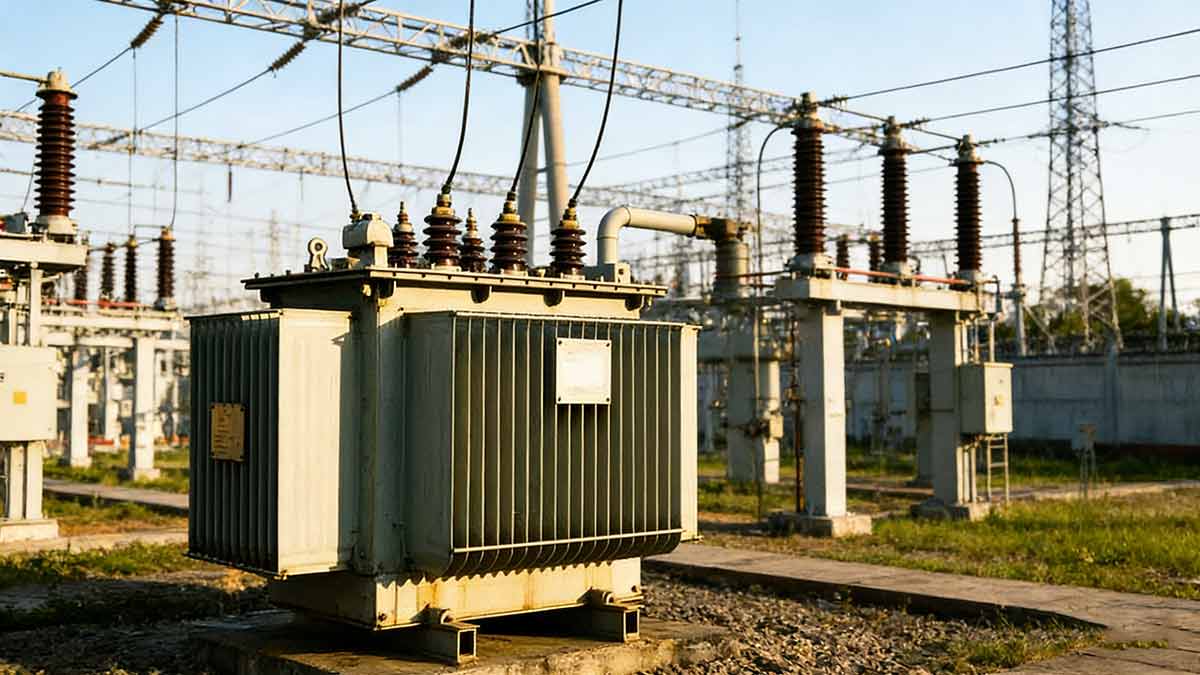
Installing a transformer involves lifting it into place (using cranes or hoists), connecting it to the grid (wiring, grounding), and integrating it with cooling systems. For small transformers (1–20 MVA), installation may take 1–3 days and cost $5,000–$15,000. For large transformers (100+ MVA), installation can take 1–2 weeks and cost $50,000–$150,000, due to the need for heavy-lift cranes, specialized tools, and a larger team of technicians.
In Africa, the cost of skilled labor for transformer installation is often higher than in developed countries, as there is a shortage of qualified electrical engineers and technicians. For example, hiring a team of certified transformer installers in Ghana can cost $300–$500 per day, compared to $200–$300 per day in Europe.
Commissioning and Testing
After installation, transformers must be commissioned and tested to ensure they are operating correctly. Commissioning involves:
- Inspecting the installation for defects.
- Testing electrical connections, insulation resistance, and voltage regulation.
- Calibrating monitoring systems and controls.
Commissioning costs typically range from 5–10% of the transformer’s purchase price. For a 50 MVA transformer costing $250,000, commissioning might cost $12,500–$25,000. In Africa, commissioning often requires bringing in international experts (due to limited local expertise), adding travel and accommodation costs to the total.
Maintenance and Repair Costs
Power transformers require regular maintenance to ensure optimal performance and longevity. The cost of maintenance depends on the transformer’s type, size, operating environment, and quality.
Routine Maintenance
Routine maintenance tasks include:
- Inspecting oil levels and quality (for oil-immersed transformers).
- Cleaning cooling systems, filters, and enclosures.
- Testing insulation resistance and electrical connections.
- Calibrating monitoring systems.
For small to medium transformers (1–50 MVA), routine maintenance costs $1,000–$5,000 per year. For large transformers (100+ MVA), annual maintenance can cost $10,000–$25,000. In Africa, maintenance costs are often higher due to the need to import spare parts (e.g., oil filters, insulation materials) and the high cost of skilled labor.
Unexpected Repairs
Even with proper maintenance, transformers may require unexpected repairs due to faults, accidents, or environmental damage. Common repairs include:
- Replacing damaged windings or insulation.
- Repairing cooling systems (e.g., fans, pumps).
- Fixing oil leaks (for oil-immersed transformers).
- Replacing monitoring or control systems.
Repair costs can vary widely, from $5,000–$20,000 for minor repairs to $50,000–$200,000 for major overhauls. In Africa, the cost of repairs is often exacerbated by long lead times for spare parts (which can take 4–8 weeks to import) and the need to transport technicians to remote locations.
Decommissioning and Replacement Costs
At the end of their lifespan (25–40 years), transformers must be decommissioned and replaced. Decommissioning involves:
- Safely draining and disposing of oil (for oil-immersed transformers).
- Dismantling the transformer.
- Recycling or disposing of materials (e.g., copper, steel, insulation).
Decommissioning costs typically range from 10–15% of the transformer’s purchase price. For a 100 MVA transformer costing $500,000, decommissioning might cost $50,000–$75,000. In Africa, proper decommissioning is often required to comply with environmental regulations (e.g., the Basel Convention on the Control of Transboundary Movements of Hazardous Wastes), making it a necessary expense.
How to Choose a Cost-Effective Power Transformer
Choosing a cost-effective power transformer requires balancing upfront costs with long-term value. For African infrastructure projects, this means considering not just the purchase price, but also factors like reliability, efficiency, maintenance requirements, and local support. Below are actionable tips to help you make an informed decision.
Define Your Project Requirements Clearly
Before shopping for a transformer, define your project’s technical and operational requirements in detail. This includes:
- Power rating (MVA) and voltage class.
- Operating environment (temperature, humidity, dust, corrosion risk).
- Integration with existing infrastructure or renewable energy systems.
- Compliance with local and international standards (e.g., IEC 60076).
- Budget constraints and project timeline.
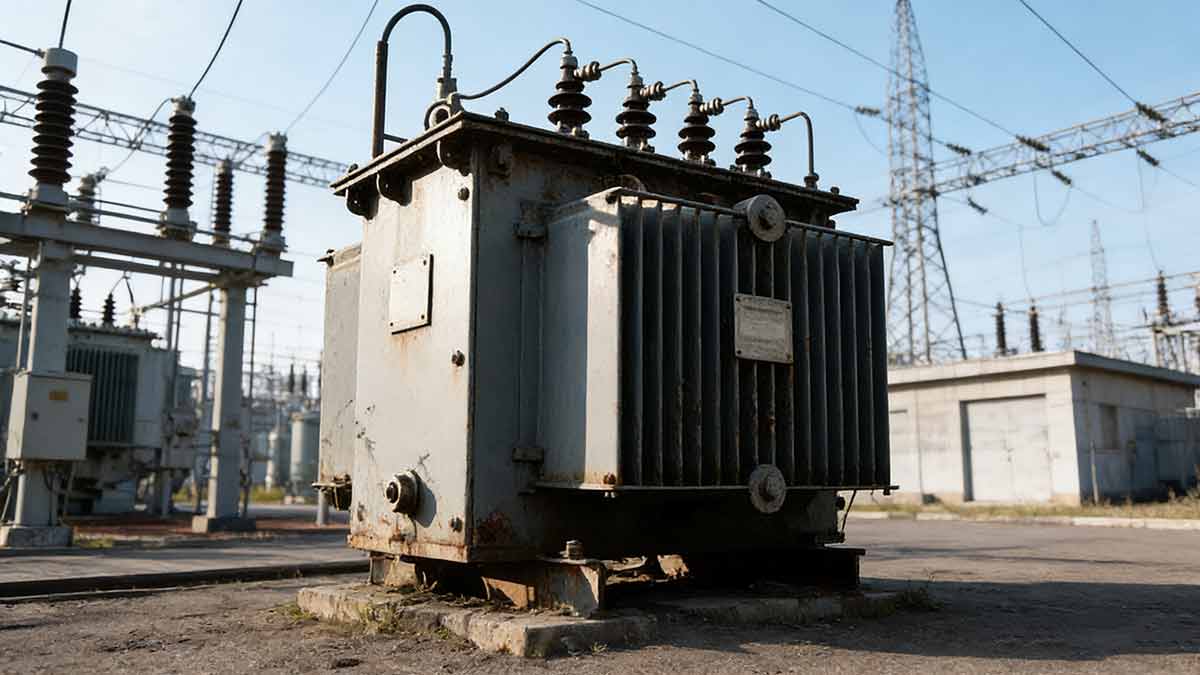
Clear requirements will help you avoid overpaying for unnecessary features or underestimating costs for critical customizations. For example, if your project is in a remote rural area with limited maintenance access, investing in a transformer with durable materials and low maintenance requirements (e.g., dry-type with epoxy insulation) may be more cost-effective in the long run, even if it has a higher upfront price.
Compare Total Cost of Ownership (TCO), Not Just Purchase Price
When evaluating quotes from manufacturers, focus on the total cost of ownership (TCO) rather than just the upfront purchase price. TCO includes:
- Purchase price.
- Transportation and logistics costs.
- Installation and commissioning costs.
- Maintenance and repair costs.
- Energy losses (efficiency).
- Decommissioning and replacement costs.
For example, a low-cost transformer with poor efficiency may have a lower purchase price but higher energy losses over time. A 10 MVA transformer with 97% efficiency will lose 300 kW of energy per hour, costing $2,592 per year (assuming an energy cost of $0.10/kWh). A more efficient transformer (98.5% efficiency) will lose only 150 kW per hour, costing $1,296 per year—saving $1,296 annually. Over a 25-year lifespan, this adds up to $32,400 in energy savings, which may offset a higher upfront purchase price.
Evaluate Manufacturer Reputation and Local Support
Choosing a manufacturer with a strong reputation for quality and reliable local support is critical for African projects. Key factors to consider include:
- Compliance with international standards (e.g., IEC 60076, ISO 9001).
- Track record of delivering transformers to African projects.
- Presence of local offices, service centers, or authorized distributors.
- Availability of spare parts and technical support in the region.
- Warranty terms (e.g., 5–10 years for parts and labor).
Manufacturers with local support can significantly reduce maintenance and repair costs, as they can quickly respond to issues and provide spare parts without long lead times. For example, a manufacturer with a service center in Johannesburg can dispatch technicians to a project in Cape Town within 24–48 hours, whereas an overseas manufacturer may take 1–2 weeks to respond.
Consider Financing and Payment Terms
Power transformers are a significant upfront investment, and financing can help spread the cost over time. Many manufacturers offer flexible payment terms (e.g., 30% upfront, 50% on delivery, 20% on commissioning) or partner with financial institutions to provide loans or leases. For African projects, financing options may include:
- Loans from international financial institutions (e.g., World Bank, AfDB).
- Leasing arrangements with local banks or equipment leasing companies.
- Government grants or subsidies for energy-efficient or renewable energy projects.
When evaluating financing options, consider the interest rate, repayment period, and any hidden fees. A longer repayment period may reduce monthly payments but increase the total cost of financing.
Avoid Low-Cost, Low-Quality Transformers
While it may be tempting to choose the cheapest transformer to save money upfront, low-quality units often end up costing more in the long run due to:
- Higher energy losses (increasing operational costs).
- Frequent breakdowns (leading to costly repairs and downtime).
- Shorter lifespan (requiring premature replacement).
- Non-compliance with safety and environmental standards (resulting in fines or project delays).
In Africa, where downtime can have severe economic and social consequences, investing in a quality transformer is a wise long-term decision. Look for manufacturers with a proven track record, positive customer reviews, and comprehensive testing and certification processes.
Long-Term Value: Investing in Quality Power Transformers
In the competitive landscape of electrical infrastructure, power transformers are not just equipment—they are long-term assets that impact the reliability, efficiency, and sustainability of power systems. For African countries, where power access is a key driver of economic growth, investing in quality transformers is essential for building resilient, future-proof infrastructure.
The Cost of Downtime: Why Reliability Matters
Power outages caused by transformer failures can have devastating consequences for businesses, households, and public services. In Africa, where many countries already face frequent power shortages, transformer failures can exacerbate the problem:
- A single day of downtime for a manufacturing facility can cost $10,000–$100,000 in lost production.
- Hospitals relying on backup generators during outages face increased operational costs and risks to patient safety.
- Rural communities without electricity are unable to access essential services (e.g., healthcare, education) or economic opportunities (e.g., small businesses).
Quality transformers—built with durable materials, strict quality control, and advanced design—are significantly less likely to fail, reducing the risk of costly downtime. According to a study by the International Council on Large Electric Systems (CIGRE), transformers from reputable manufacturers have a failure rate of 0.5–1% per year, compared to 5–10% for low-quality units.
Energy Efficiency: Reducing Operational Costs
Energy-efficient transformers reduce the amount of electricity lost during conversion, lowering operational costs and environmental impact. In Africa, where energy costs are often high and grid losses are substantial, energy efficiency is a key consideration:
- A 10 MVA transformer with 98.5% efficiency loses 150 kW per hour, compared to 300 kW per hour for a 97% efficient unit.
- Over a 25-year lifespan, the more efficient transformer saves 2.628 million kWh of electricity—enough to power 262 households for a year (assuming 10,000 kWh per household).
- At an average energy cost of $0.15/kWh (common in many African countries), this translates to $394,200 in energy savings.
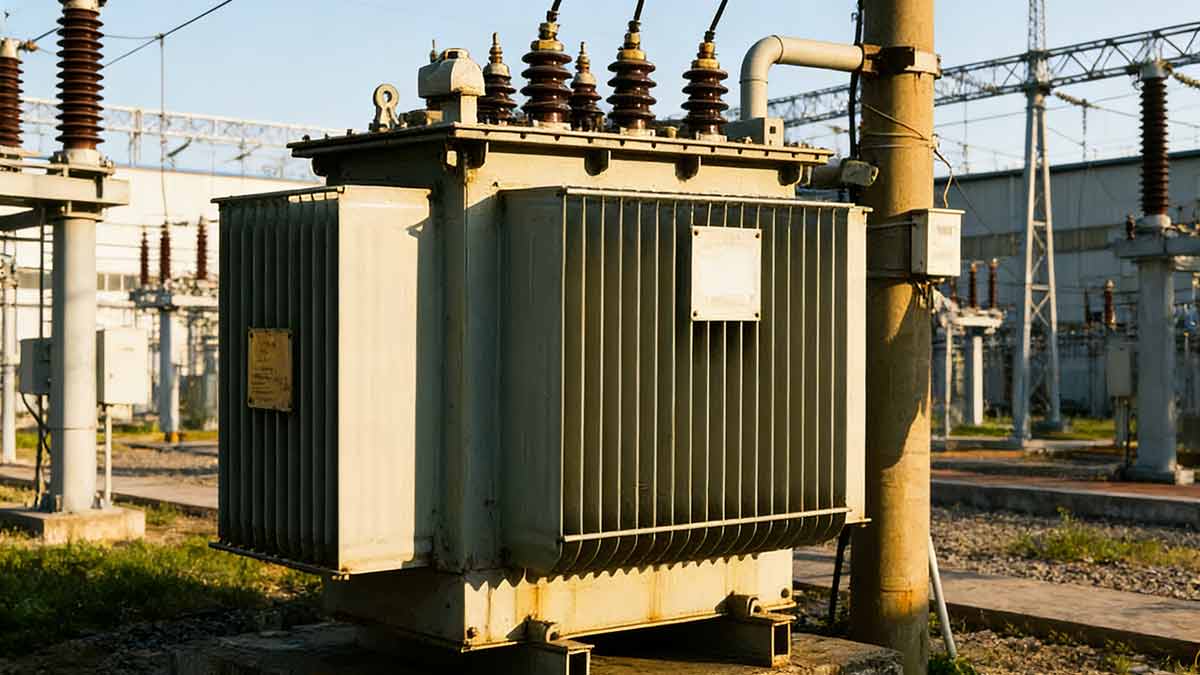
Energy-efficient transformers also align with Africa’s climate goals. The African Union’s Agenda 2063 emphasizes the need to build low-carbon, climate-resilient infrastructure, and energy-efficient transformers play a key role in reducing greenhouse gas emissions from power generation.
Future-Proofing: Adapting to Evolving Infrastructure
Africa’s power sector is evolving rapidly, with growing investments in renewable energy, smart grids, and cross-border transmission. Quality transformers are designed to adapt to these changes, ensuring they remain viable for decades:
- Transformers with LVRT capability and harmonic filtering can integrate seamlessly with solar and wind farms.
- Smart transformers with advanced monitoring systems can be integrated into smart grids, enabling remote management and predictive maintenance.
- High-voltage transformers (132 kV+) can support cross-border transmission projects, such as the West African Power Pool (WAPP) and East African Power Pool (EAPP), which aim to increase energy access and security across the continent.
Investing in a quality transformer today ensures that your infrastructure can meet the needs of tomorrow’s power systems, avoiding the need for costly upgrades or replacements.
Conclusion
Power transformer cost is a multifaceted consideration that extends far beyond the upfront purchase price. For African infrastructure projects, where budget constraints, logistical challenges, and harsh operating conditions are common, understanding the key cost drivers—including power rating, design complexity, materials, customization, and additional expenses like transportation and maintenance—is critical for making informed decisions.
While it may be tempting to prioritize low upfront costs, investing in a quality power transformer is a strategic decision that pays dividends over time. Quality transformers offer greater reliability, lower energy losses, and longer lifespans, reducing the total cost of ownership and minimizing the risk of costly downtime. For African countries working to expand power access and build resilient infrastructure, this investment is essential for driving economic growth, improving quality of life, and achieving long-term development goals.
When choosing a power transformer, focus on total cost of ownership, manufacturer reputation, and alignment with your project’s technical and operational needs. By doing so, you can ensure that you’re getting the best value for your investment—and building a power system that will serve your community or business for decades to come.