As industrialization accelerates and global energy demand surges, the need for high-performance step up transformers has never been greater. Manufacturing facilities, power plants, and renewable energy installations rely on these transformers to convert low-voltage electricity (generated by turbines, solar panels, or wind turbines) into high-voltage power suitable for long-distance transmission or industrial processes. This article delves into the working principles, key components, critical characteristics, applications, and model selection considerations of step up transformers, providing industry professionals, project managers, and decision-makers with a comprehensive guide to understanding and leveraging this essential technology.

A step up transformer is a static electrical device designed to increase the voltage of an alternating current (AC) power supply while decreasing the current, all without altering the frequency of the power. Unlike dynamic electrical equipment that relies on moving parts, step up transformers operate on the principle of electromagnetic induction, ensuring silent, low-maintenance operation even in high-demand environments.
At its core, the primary function of a step up transformer is to address a fundamental challenge in power systems: low-voltage electricity experiences significant energy loss when transmitted over long distances. This is due to Joule heating, where current flowing through power lines dissipates energy as heat (proportional to the square of the current). By increasing the voltage (and thus reducing the current) at the point of generation, step up transformers minimize these transmission losses, enabling efficient power delivery across regional or national grids.
It’s important to distinguish step up transformers from their counterparts, step down transformers. While step up transformers boost voltage from the primary coil (input) to the secondary coil (output), step down transformers do the opposite—reducing high-voltage transmission power to safer, usable levels for homes, businesses, and light industrial applications. Together, these two types of transformers form a symbiotic system that ensures electricity flows seamlessly from power plants to end users.
High-quality step up transformers are engineered to deliver consistent performance under varying load conditions, with key attributes including robust voltage regulation, high efficiency, and resistance to thermal and electrical stress. For industrial users, this translates to reduced operational costs, minimized downtime, and compliance with strict energy efficiency standards such as IEC 60076 (International Electrotechnical Commission) or ANSI/IEEE C57 (American National Standards Institute).
The operation of a step up transformer is rooted in Michael Faraday’s Law of Electromagnetic Induction, a fundamental principle of physics that describes how a changing magnetic field induces an electromotive force (EMF) in a conductor. To understand this process, let’s break down the working mechanism into key stages, from input current to voltage output.
Step up transformers require an AC power source to function—direct current (DC) cannot induce the changing magnetic field necessary for voltage transformation. When AC current flows into the primary coil (the input winding) of the transformer, it creates a time-varying magnetic field around the coil. This magnetic field is concentrated and guided by the transformer’s core, typically made of laminated iron or steel. The lamination of the core is critical to reducing eddy current losses, which occur when circulating currents within the core generate heat and waste energy.
As the AC current alternates direction (e.g., 50 or 60 times per second, depending on the regional power grid), the magnetic field surrounding the primary coil also alternates—expanding and collapsing in sync with the current’s fluctuations. This changing magnetic flux (the measure of magnetic field passing through a surface) is the driving force behind voltage induction in the secondary coil.
The secondary coil (output winding) is wound around the same magnetic core as the primary coil. As the alternating magnetic flux from the primary coil passes through the secondary coil, it induces an EMF (voltage) in the secondary winding—this is Faraday’s Law in action. The magnitude of the induced voltage depends on two key factors: the rate of change of the magnetic flux and the number of turns in the secondary coil.
Mathematically, this relationship is expressed by the transformer voltage ratio formula:
V₂/V₁ = N₂/N₁
Where:
- V₁ = Input voltage (primary coil)
- V₂ = Output voltage (secondary coil)
- N₁ = Number of turns in the primary coil
- N₂ = Number of turns in the secondary coil
For a step up transformer, the secondary coil has more turns than the primary coil (N₂ > N₁), which means the output voltage (V₂) is higher than the input voltage (V₁). For example, if a step up transformer has 100 turns in the primary coil and 10,000 turns in the secondary coil, the voltage ratio is 100:1—so a 220V input would be boosted to 22,000V output.
In an ideal step up transformer (with no energy losses), the power input (P₁) equals the power output (P₂). Since power is calculated as P = V × I (voltage × current), this means:
V₁ × I₁ = V₂ × I₂
Rearranging this formula shows that as voltage increases, current decreases proportionally. This is why step up transformers are critical for long-distance transmission: by reducing the current, they minimize energy loss due to resistance in power lines. For instance, if a transformer boosts voltage by a factor of 10, the current is reduced by a factor of 10, cutting transmission losses (which are proportional to I²) by a factor of 100.
While ideal transformers are a useful theoretical model, real-world step up transformers experience minor energy losses, primarily from two sources:
- Copper losses: Caused by resistance in the copper windings (primary and secondary coils) when current flows through them. These losses increase with the square of the current and can be minimized by using high-conductivity copper and optimizing winding design.
- Iron losses (core losses): Result from hysteresis (magnetic reversal in the core) and eddy currents (circulating currents in the core). Laminated cores and high-grade magnetic materials (such as silicon steel) help reduce these losses, ensuring the transformer operates efficiently even under continuous load.
Modern step up transformers typically achieve efficiency ratings of 98% or higher, meaning only a small fraction of the input power is wasted as heat. This level of efficiency is critical for industrial applications and power grids, where energy waste directly translates to higher operational costs and environmental impact.
A step up transformer’s performance and reliability depend on the quality and design of its core components. Each part plays a specific role in ensuring efficient voltage transformation, thermal management, and electrical safety. Below is a detailed breakdown of the critical components:
The magnetic core is the heart of the transformer, responsible for concentrating and guiding the magnetic flux between the primary and secondary coils. It is typically constructed from thin, laminated sheets of silicon steel (or other high-permeability materials) to minimize eddy current losses and hysteresis. The core’s shape—often a rectangular or toroidal design—affects flux distribution and efficiency: toroidal cores, for example, offer better flux confinement and lower leakage inductance than rectangular cores, making them ideal for high-precision applications.
The windings are insulated copper or aluminum wires wound around the magnetic core. The primary winding receives low-voltage AC input, while the secondary winding delivers high-voltage AC output. The number of turns in each winding determines the voltage ratio (as explained earlier). Copper windings are preferred for most industrial transformers due to their higher conductivity and lower resistance compared to aluminum, though aluminum may be used in cost-sensitive applications.
Insulation is a critical aspect of winding design: the wires are coated with enamel or other dielectric materials to prevent short circuits between turns, and the windings themselves are separated by insulating barriers (such as paper or epoxy resin) to withstand high voltage gradients. For high-voltage step up transformers, additional insulation layers are added to prevent electrical breakdown.
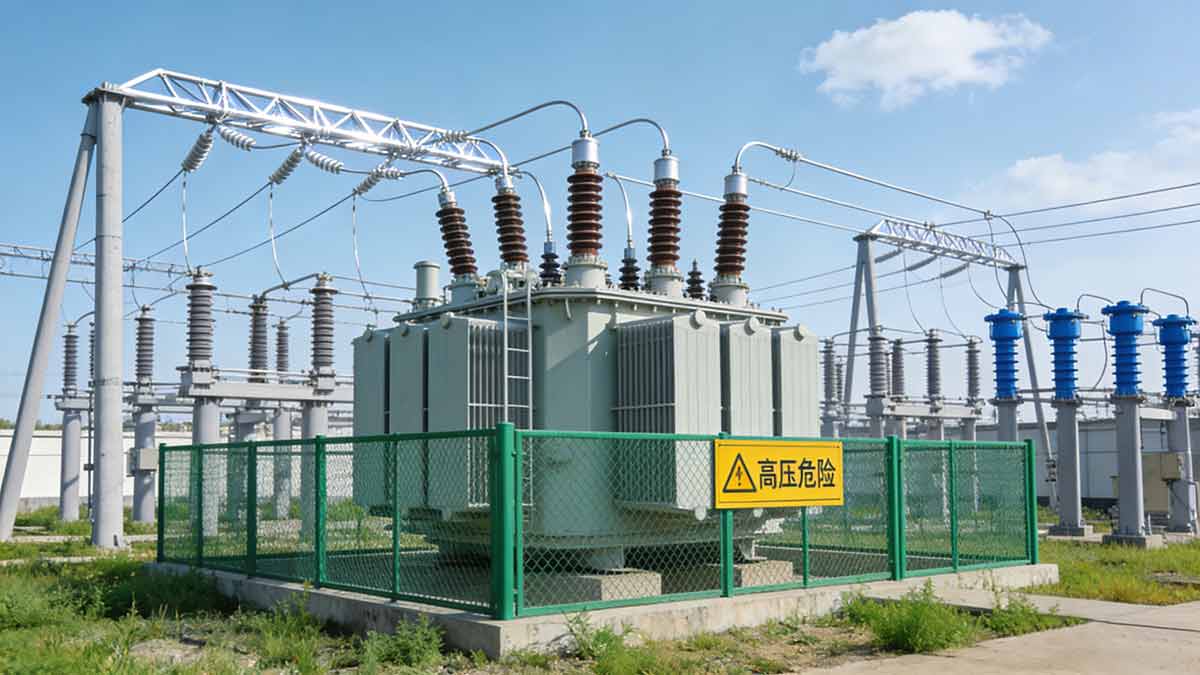
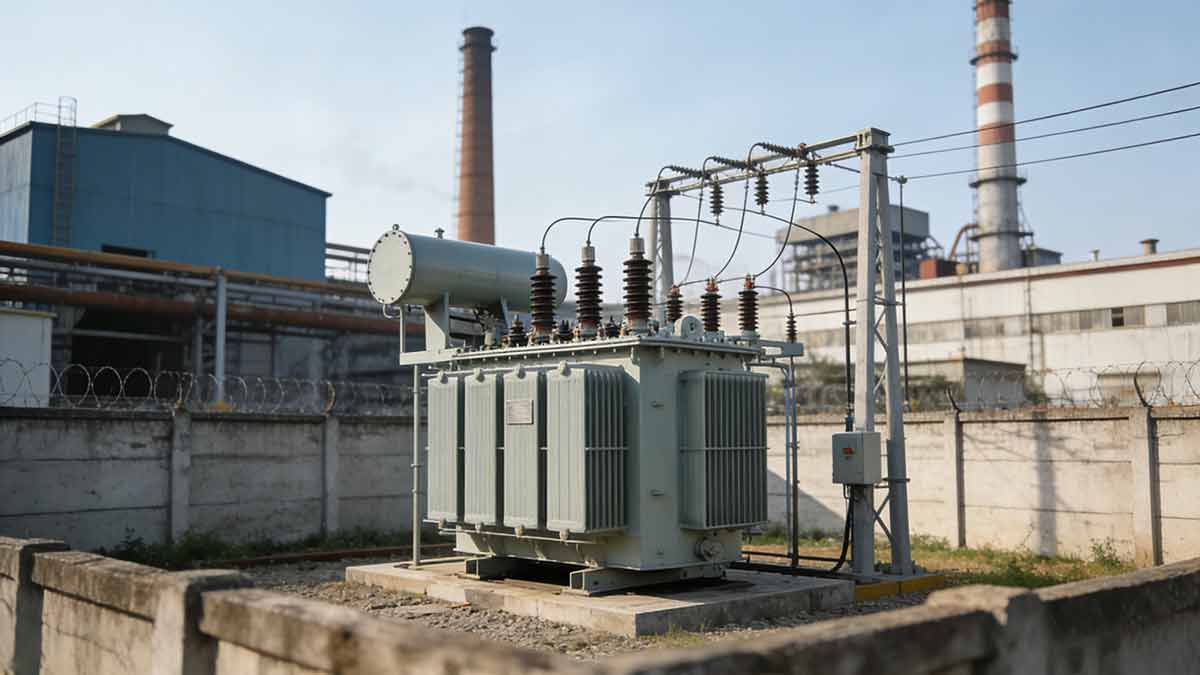
Step up transformers generate heat during operation (from copper and iron losses), so effective cooling is essential to prevent overheating and extend lifespan. Most industrial transformers are housed in a steel tank filled with insulating oil (mineral oil or synthetic ester), which serves two purposes: cooling the windings and core (by absorbing heat and circulating it to the tank walls) and providing electrical insulation between components.
For high-power transformers (e.g., those used in power plants), additional cooling systems may be required, such as:
- Radiators: Attached to the tank to increase surface area for heat dissipation.
- Forced-air cooling: Fans blow air over the radiators to enhance heat transfer.
- Forced-oil cooling: Pumps circulate oil through external coolers to remove heat more efficiently.
Dry-type step up transformers (used in indoor or environmentally sensitive applications) rely on air cooling—either natural convection or forced air—eliminating the need for insulating oil and reducing environmental risks.
Beyond winding insulation, step up transformers require a comprehensive insulation system to withstand high voltages and prevent electrical arcing. This includes:
- Bushings: Insulating devices that allow the high-voltage leads from the secondary winding to pass through the tank wall without electrical leakage. Bushings are typically made of porcelain or composite materials and are designed to withstand both electrical stress and environmental factors (such as moisture and dust).
- Insulating barriers: Separators between the core, windings, and tank to prevent short circuits and electrical breakdown.
- Oil (in oil-immersed transformers): Acts as a liquid insulator, filling gaps between components and preventing corona discharge (ionization of air around high-voltage parts).
Some step up transformers are equipped with tap changers—devices that allow adjustment of the number of turns in the primary or secondary winding to fine-tune the output voltage. This is particularly useful in power grids where input voltage may fluctuate (e.g., due to changes in generator output or load demand). Tap changers can be either on-load (adjustable while the transformer is in operation) or off-load (requiring the transformer to be de-energized for adjustment), depending on the application.
When selecting a step up transformer for industrial or power grid applications, several key characteristics determine its suitability, performance, and long-term value. Below are the most important factors to consider:
Voltage regulation refers to the transformer’s ability to maintain a stable output voltage despite changes in load (from no load to full load). A high-quality step up transformer should have low voltage regulation (typically ±1% to ±5%), meaning the output voltage remains within a narrow range even as the load fluctuates. This is critical for industrial processes that require precise voltage control (e.g., manufacturing, chemical processing) and for power grids that must meet strict voltage standards.
As mentioned earlier, transformer efficiency is the ratio of output power to input power, expressed as a percentage. High-efficiency step up transformers (98%+) reduce energy waste, lower operational costs, and minimize environmental impact. Efficiency is particularly important for transformers that operate continuously (e.g., power plant transformers) or handle high power levels (10MVA+), where even small efficiency gains can result in significant cost savings over time.
Overload capacity is the transformer’s ability to handle temporary increases in load beyond its rated power without suffering damage. Industrial applications often experience short-term overloads (e.g., during startup of heavy machinery), so a step up transformer with good overload capacity (e.g., 110% to 125% of rated power for 1 to 2 hours) provides flexibility and prevents downtime. Overload capacity is determined by the transformer’s cooling system, winding design, and core materials.
Step up transformers generate heat during operation, so thermal stability is essential to prevent insulation degradation and component failure. High-performance transformers are designed with thermal management systems (cooling oil, radiators, fans) that maintain operating temperatures within safe limits (typically below 100°C for oil-immersed transformers). The core and windings are also constructed from materials that can withstand repeated thermal cycling without losing performance.
Electrical insulation strength refers to the transformer’s ability to withstand high voltage spikes (e.g., from lightning strikes, power surges) and prevent electrical breakdown. Insulation strength is measured by the transformer’s dielectric strength (kV) and is critical for reliability in harsh environments. Transformers used in outdoor or high-voltage applications (e.g., transmission lines) require robust insulation systems to withstand extreme weather conditions and electrical stress.
For industrial applications with space constraints (e.g., indoor facilities, mobile power units), the size and weight of the step up transformer are important considerations. Modern transformer designs leverage advanced materials (e.g., amorphous metal cores) and optimized winding configurations to reduce size and weight without compromising performance. Compact, lightweight transformers are easier to install, transport, and maintain, reducing overall project costs.
Step up transformers are used in a wide range of industrial, energy, and infrastructure applications, where they play a critical role in enabling efficient power transmission and utilization. Below are the key application areas:
Power plants (thermal, hydroelectric, nuclear, wind, solar) generate electricity at relatively low voltages (typically 11kV to 33kV). Step up transformers are used to boost this voltage to high levels (110kV, 220kV, 400kV, or higher) for long-distance transmission. For example, a hydroelectric dam generating 20kV electricity would use a step up transformer to boost the voltage to 220kV, minimizing energy loss during transmission to urban centers hundreds of kilometers away.
Renewable energy sources such as solar photovoltaic (PV) systems and wind turbines generate low-voltage DC or AC power. Step up transformers are essential for integrating these sources into the grid:
- Solar PV systems: Solar panels generate low-voltage DC power, which is converted to AC via an inverter. A step up transformer then boosts the voltage to match the grid’s transmission voltage (e.g., 11kV to 33kV) for grid connection.
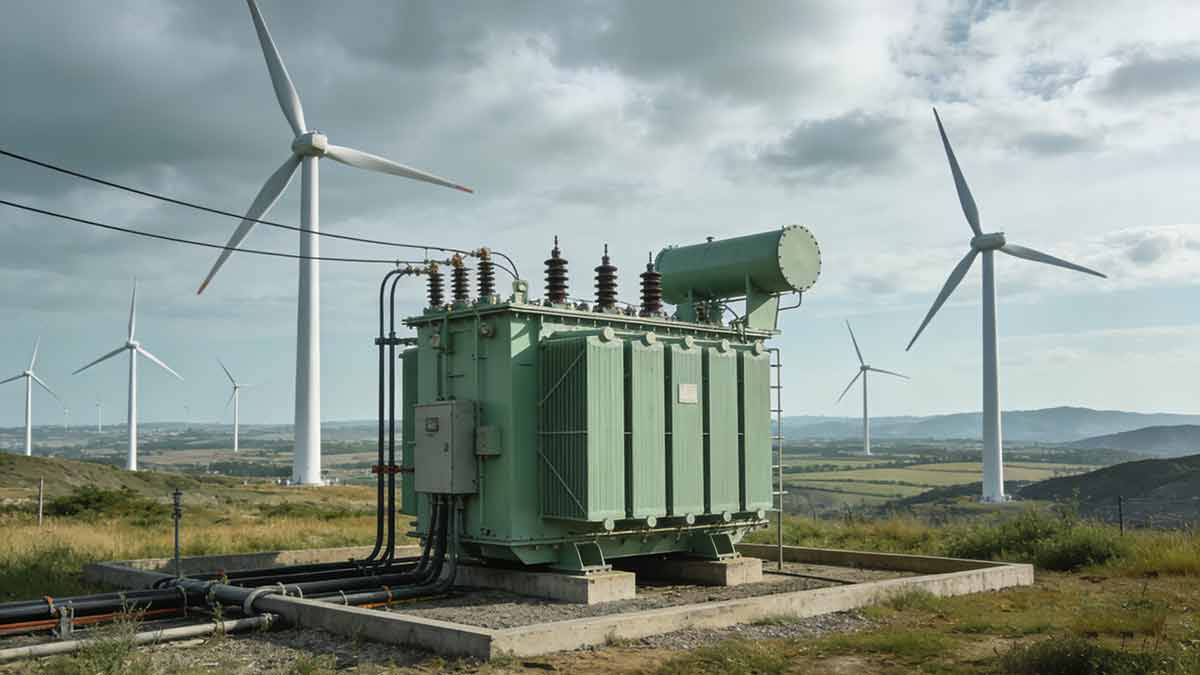
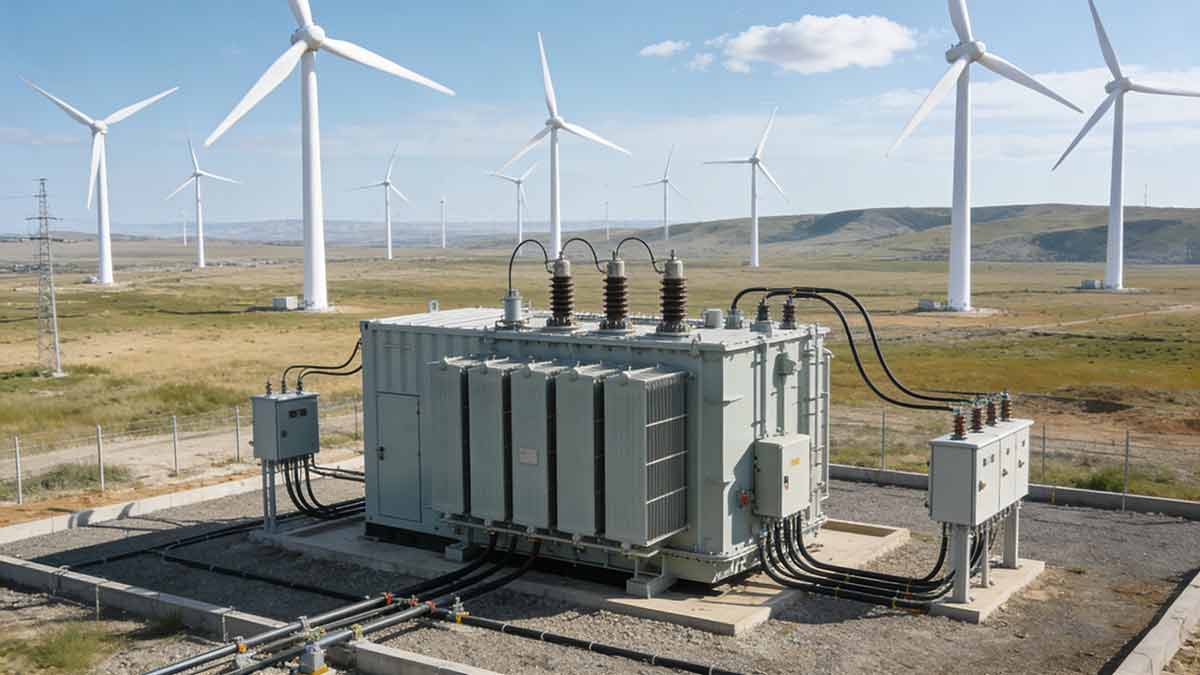
- Wind farms: Wind turbines generate medium-voltage AC power (e.g., 690V to 3kV). Step up transformers at the wind farm site boost this voltage to high levels (e.g., 110kV) for transmission to the grid.
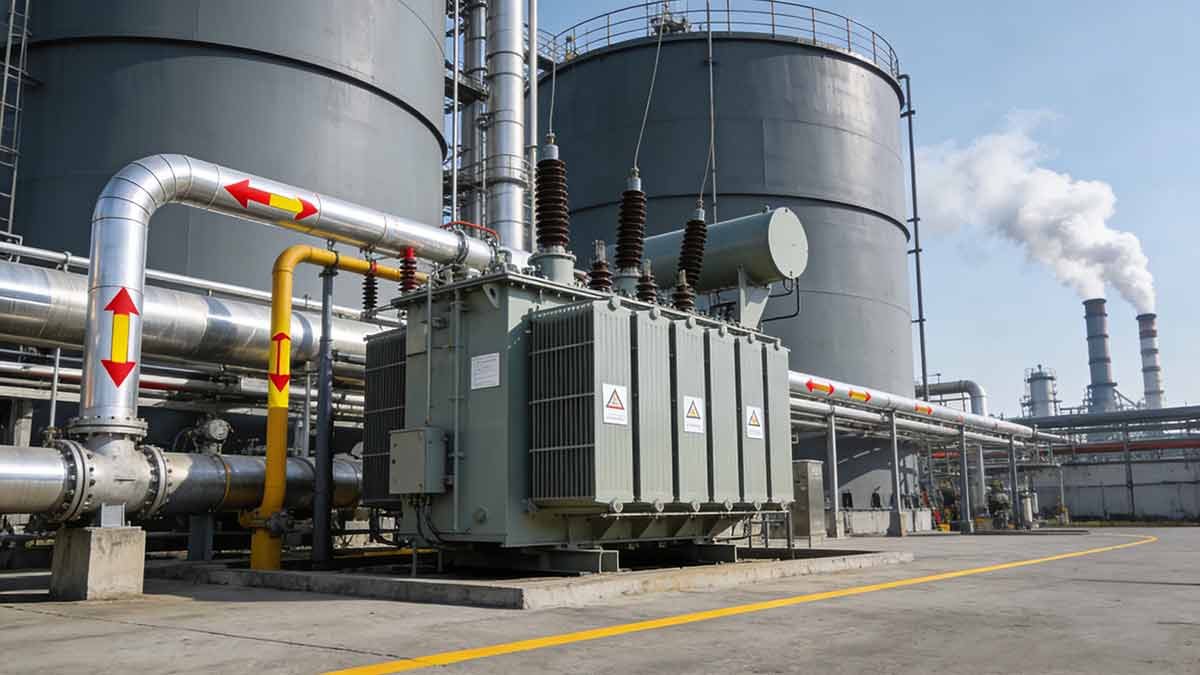
Industrial facilities (e.g., steel mills, chemical plants, paper mills) rely on high-voltage power to operate heavy-duty machinery, furnaces, and processing equipment. Step up transformers are used to convert low-voltage grid power (e.g., 480V) to the high voltages required by industrial equipment (e.g., 11kV to 33kV). For example, a steel mill’s electric arc furnace may require 25kV power to melt metal, which is supplied by a step up transformer connected to the local grid.
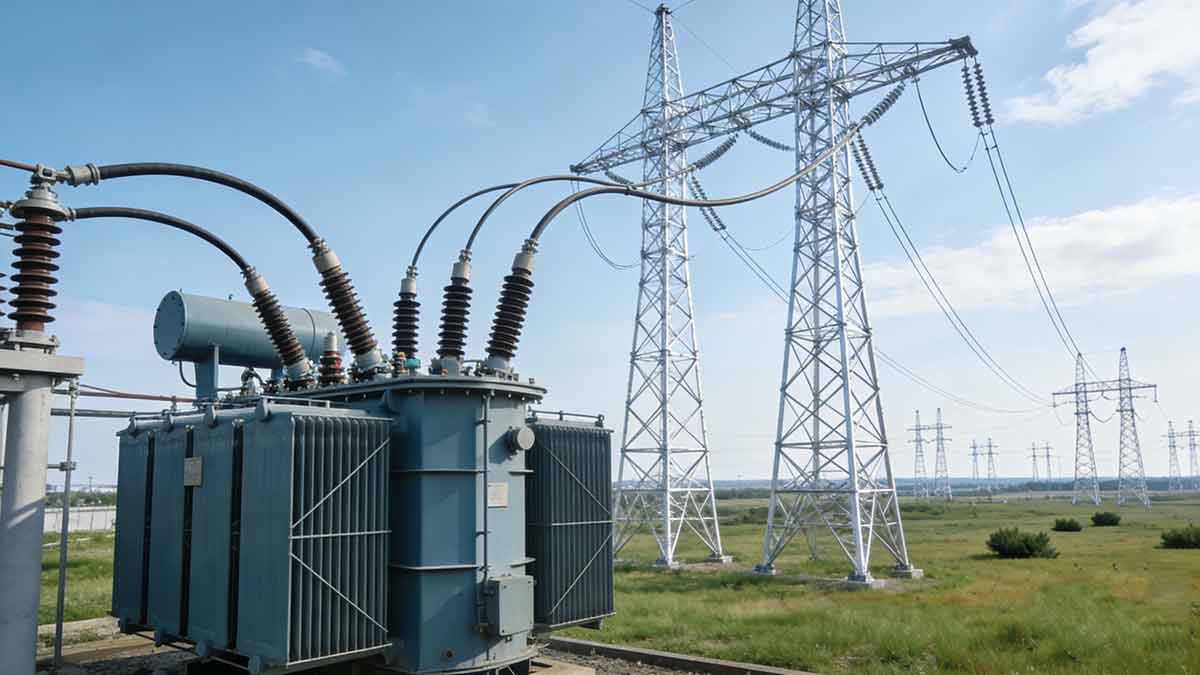
High-voltage transmission lines (110kV and above) are used to transport electricity across large distances with minimal loss. Step up transformers at the generation end boost the voltage, while step down transformers at the distribution end reduce it to usable levels. This system is critical for connecting remote power plants (e.g., hydroelectric dams in mountainous regions) to population centers and industrial hubs.
Offshore oil rigs, wind farms, and marine vessels require reliable power systems. Step up transformers are used to boost voltage from on-board generators (low-voltage AC) to high levels for powering drilling equipment, pumps, and other heavy machinery. Marine-grade transformers are designed to withstand harsh conditions (saltwater, humidity, vibration) and meet strict safety standards.
Electric railways (e.g., high-speed trains, commuter rail) use high-voltage power for propulsion. Step up transformers are used to boost grid power to the voltage required by the railway’s overhead lines (e.g., 25kV AC). These transformers are designed to handle variable loads (due to train acceleration and deceleration) and operate efficiently in outdoor environments.
Selecting the correct step up transformer requires careful consideration of your specific requirements, operating conditions, and long-term goals. Below is a step-by-step guide to help you make an informed decision:
Start by identifying the critical electrical parameters of your application:
- Input voltage (V₁): The voltage supplied by your power source (e.g., generator, grid).
- Output voltage (V₂): The required high voltage for your equipment or transmission line.
- Power rating (kVA/MVA): The maximum power the transformer needs to handle (calculate based on your load requirements, including peak loads).
- Frequency: The frequency of the AC power (50Hz or 60Hz, depending on your region).
- Phase: Single-phase or three-phase (three-phase transformers are used for industrial and power grid applications, while single-phase is suitable for small-scale use).
The environment in which the transformer will operate has a significant impact on its performance and lifespan:
- Indoor vs. outdoor: Outdoor transformers require weatherproofing (e.g., corrosion-resistant tanks, sealed bushings) to withstand rain, snow, and temperature extremes. Indoor transformers may need to be compact and quiet.
- Temperature: High-temperature environments (e.g., desert regions, industrial facilities) require transformers with enhanced cooling systems (e.g., forced air, liquid cooling) to prevent overheating.
- Altitude: Transformers operating at high altitudes (above 1000 meters) may require modified insulation systems to account for reduced air density (which affects dielectric strength).
- Pollution level: Industrial areas with high pollution (e.g., chemical plants, coastal regions) require transformers with pollution-resistant bushings and insulation to prevent electrical breakdown.
While high-efficiency transformers have a higher upfront cost, they offer significant long-term savings through reduced energy bills. Calculate the total cost of ownership (TCO) by considering:
- Upfront purchase price.
- Energy costs (based on efficiency rating and annual operating hours).
- Maintenance costs (e.g., oil changes, inspections).
- Lifespan (high-quality transformers typically last 25 to 30 years, while low-cost models may need replacement sooner).
For most industrial applications, investing in a high-efficiency transformer (98%+) is cost-effective over the long term, especially for transformers that operate continuously.
Ensure the transformer meets relevant industry standards and certifications, such as:
- IEC 60076 (International Electrotechnical Commission): Global standard for power transformers.
- ANSI/IEEE C57 (American National Standards Institute/IEEE): U.S. standard for transformers.
- ISO 9001: Quality management system certification.
- Local safety standards (e.g., UL in the U.S., CE in the EU).
Compliance with these standards ensures the transformer is safe, reliable, and compatible with your existing power system.
Choose a reputable transformer manufacturer that offers comprehensive support, including:
- Technical consultation to help you select the right transformer.
- Customization options (e.g., voltage ratio, cooling system, tap changers) to meet your specific needs.
- Installation and commissioning services.
- A robust warranty (typically 5 to 10 years) covering defects in materials and workmanship.
- After-sales support (e.g., maintenance, repairs, replacement parts).
Working with a trusted supplier ensures you receive a high-quality product and reliable support throughout the transformer’s lifespan.
Proper maintenance is essential to maximize the lifespan, efficiency, and reliability of step up transformers. Below are key maintenance practices recommended by industry experts:
Conduct visual inspections of the transformer at least once every six months (or more frequently for high-load or harsh environments). Check for:
- Oil leaks (in oil-immersed transformers): Leaks can lead to low oil levels, reduced insulation, and overheating.
- Corrosion or damage to the tank, radiators, and bushings.
- Loose connections or signs of electrical arcing (e.g., blackening around terminals).
- Contamination (e.g., dust, dirt, moisture) on the windings or core (for dry-type transformers).
For oil-immersed transformers, perform oil analysis annually to assess the condition of the insulating oil. Key tests include:
- Dielectric strength: Measures the oil’s ability to withstand high voltage (low dielectric strength indicates contamination or degradation).
- Water content: Excess moisture reduces insulation and can cause corrosion.
- Acid number: High acid levels indicate oil degradation, which can damage windings and core.
- Dissolved gas analysis (DGA): Detects gases produced by overheating or electrical faults (e.g., methane, ethylene), allowing early detection of problems.
Ensure the cooling system is functioning properly:
- Clean radiators and coolers regularly to remove dust and debris, which can block airflow and reduce cooling efficiency.
- Inspect fans and pumps for wear and tear, and replace faulty components promptly.
- Check oil levels (in oil-immersed transformers) and top up with the correct type of insulating oil if necessary.
Perform periodic electrical tests to verify the transformer’s performance:
- Turns ratio test: Confirms the voltage ratio between the primary and secondary windings is within specifications.
- Insulation resistance test: Measures the resistance of the insulation system to detect leaks or degradation.
- Load loss and no-load loss tests: Assess the transformer’s efficiency and identify excessive losses.
- Partial discharge test: Detects electrical discharges in the insulation, which can lead to breakdown over time.
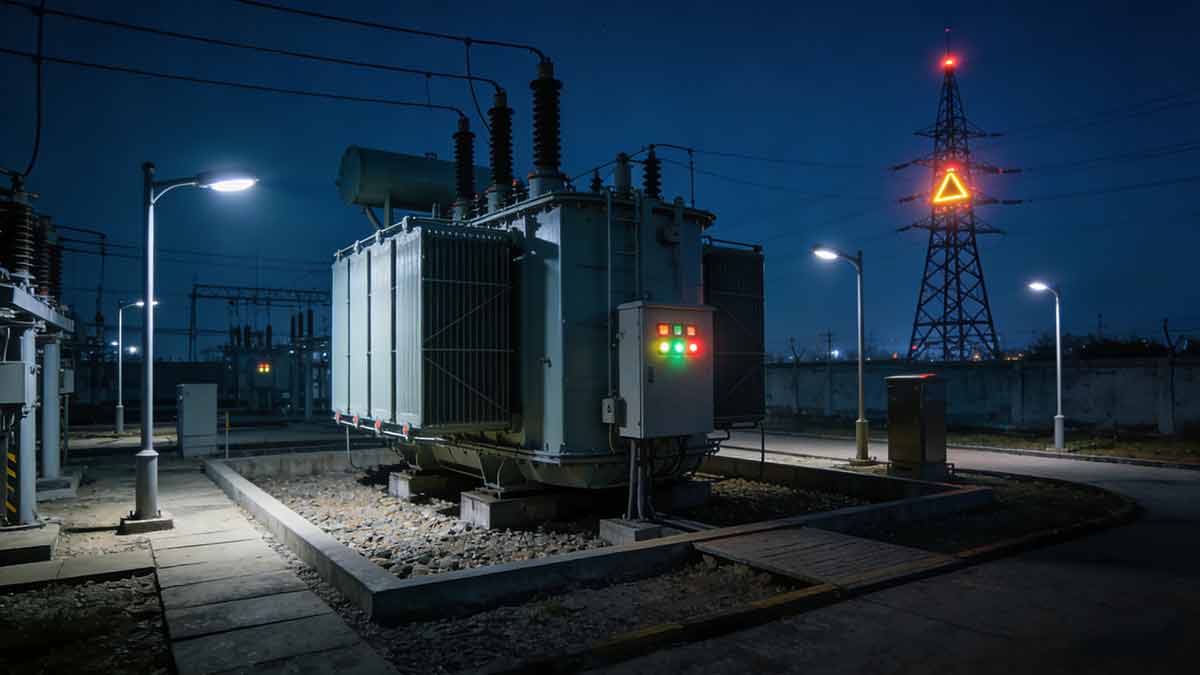
Install temperature sensors (e.g., thermocouples) to monitor the transformer’s operating temperature. Set up alarms to alert you if temperatures exceed safe limits, allowing you to take corrective action (e.g., reducing load, checking cooling system) before damage occurs.
Maintain detailed records of all inspections, tests, and maintenance activities. This includes:
- Dates of inspections and tests.
- Test results and any abnormalities detected.
- Maintenance performed (e.g., oil changes, part replacements).
- Load history and voltage fluctuations.
These records help track the transformer’s condition over time, identify trends, and plan for future maintenance or replacement.
The step up transformer industry is evolving to meet the demands of a changing energy landscape, with a focus on efficiency, sustainability, and intelligence. Below are the key trends shaping the future of step up transformers:
Manufacturers are increasingly using advanced materials to improve transformer efficiency:
- Amorphous metal cores: These cores are made from non-crystalline metal alloys, which have lower hysteresis and eddy current losses than traditional silicon steel cores. Amorphous core transformers can achieve efficiency ratings of 99% or higher, making them ideal for renewable energy and industrial applications.
- High-temperature superconductors (HTS): HTS materials can conduct electricity with zero resistance at low temperatures, eliminating copper losses. While HTS transformers are currently expensive and require cryogenic cooling, ongoing research is reducing costs and expanding their commercial viability.
Smart transformers (also known as “intelligent transformers”) integrate sensors, communication technology, and advanced control systems to enable real-time monitoring and optimization. Key features of smart transformers include:
- Remote monitoring of voltage, current, temperature, and oil condition.
- Automatic load adjustment to maintain voltage stability.
- Fault detection and diagnostics, allowing for predictive maintenance.
- Integration with smart grids, enabling demand response and renewable energy integration.
Smart transformers are becoming increasingly popular in modern power systems, as they improve reliability, reduce downtime, and support the transition to a more flexible and efficient grid.
Advancements in winding design, core materials, and cooling technology are enabling the development of smaller, lighter step up transformers. Compact transformers are particularly useful for applications with space constraints (e.g., urban power distribution, mobile power units) and reduce transportation and installation costs.
There is a growing focus on developing environmentally sustainable transformers:
- Eco-friendly insulating oils: Synthetic ester oils (derived from renewable resources) are replacing mineral oil in many applications, as they are biodegradable and less toxic.
- Dry-type transformers: These transformers eliminate the risk of oil spills and are suitable for indoor and environmentally sensitive applications.
- Recyclable materials: Manufacturers are using more recyclable materials in transformer construction, reducing the environmental impact at the end of the transformer’s lifespan.
As renewable energy capacity grows, step up transformers are being designed to meet the unique needs of solar, wind, and other renewable projects. This includes:
- Compatibility with variable power outputs (e.g., from wind turbines and solar panels).
- Higher efficiency to maximize the use of renewable energy.
- Compact design for installation in remote or space-constrained locations.
Step up transformers are critical components of modern power systems, enabling efficient long-distance transmission and powering industrial processes. From power plants to renewable energy projects, these devices play a vital role in ensuring reliable, safe, and cost-effective energy delivery.
When selecting a step up transformer, it’s essential to prioritize key characteristics such as efficiency, voltage regulation, overload capacity, and thermal stability. By working with a reputable manufacturer, complying with industry standards, and following proper maintenance practices, you can ensure your transformer delivers optimal performance for decades.
As the energy industry evolves, step up transformers will continue to adapt to meet new challenges—from integrating renewable energy to supporting smart grids. Investing in high-quality, advanced step up transformers is not only a sound business decision but also a contribution to a more sustainable and efficient energy future.
Whether you’re building a new power plant, expanding an industrial facility, or integrating renewable energy into the grid, a reliable step up transformer is the backbone of your power system—ensuring an uninterrupted power supply and driving operational success.