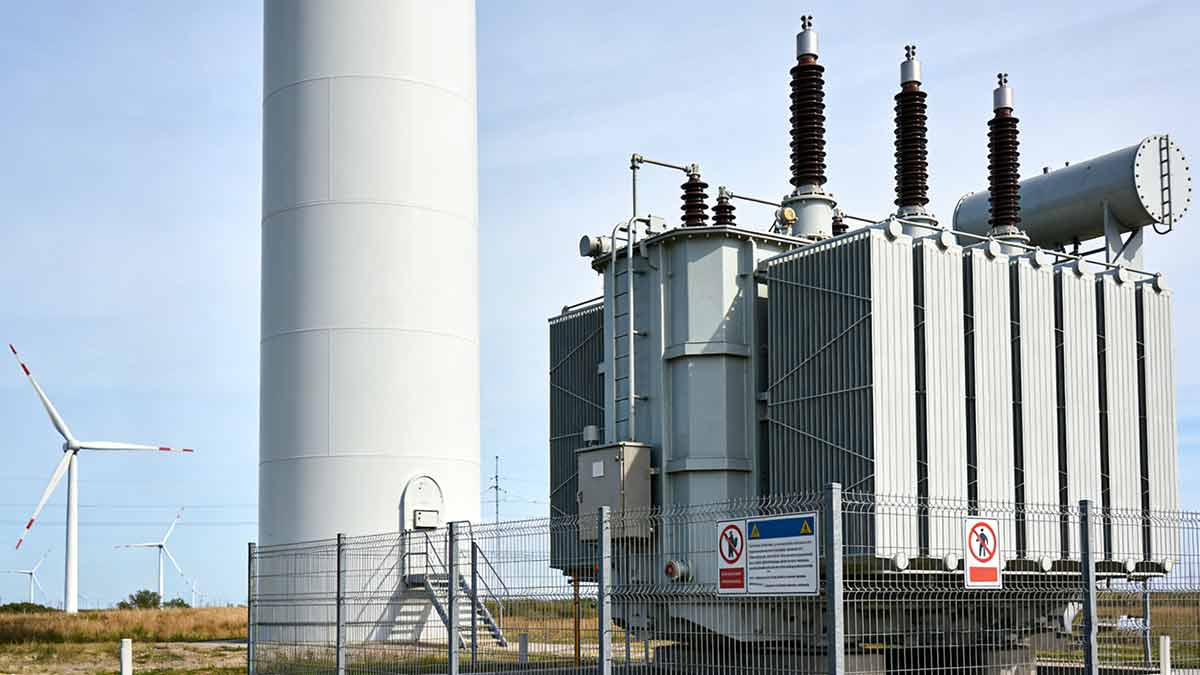
The modern National Grid depends on reliable, low-loss power transmission—and a step-up transformer is the core component that makes large-scale, efficient power delivery possible. Without step-up transformers, transferring electricity across cities and countries would waste huge amounts of energy, raise costs, and reduce grid stability. In this guide, we explain exactly how step-up transformers improve National Grid efficiency, reduce power loss, and support stable, cost-effective energy systems for homes, businesses, and industries.
What Is a Step-Up Transformer and Its Role in the National Grid
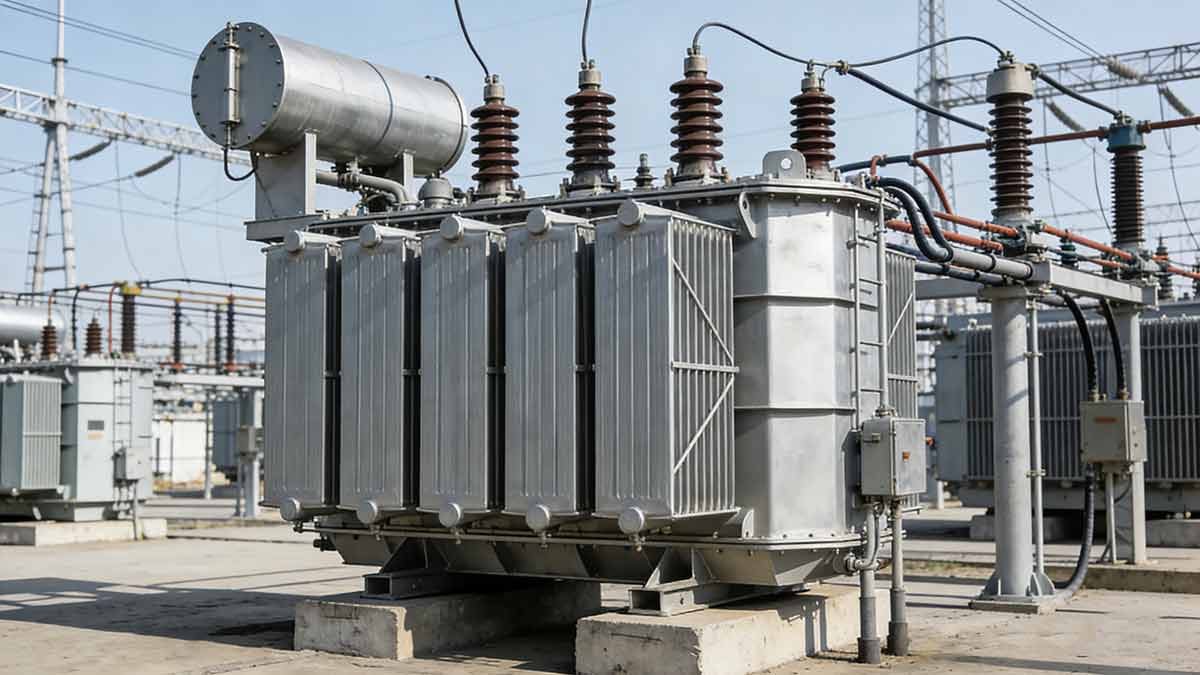
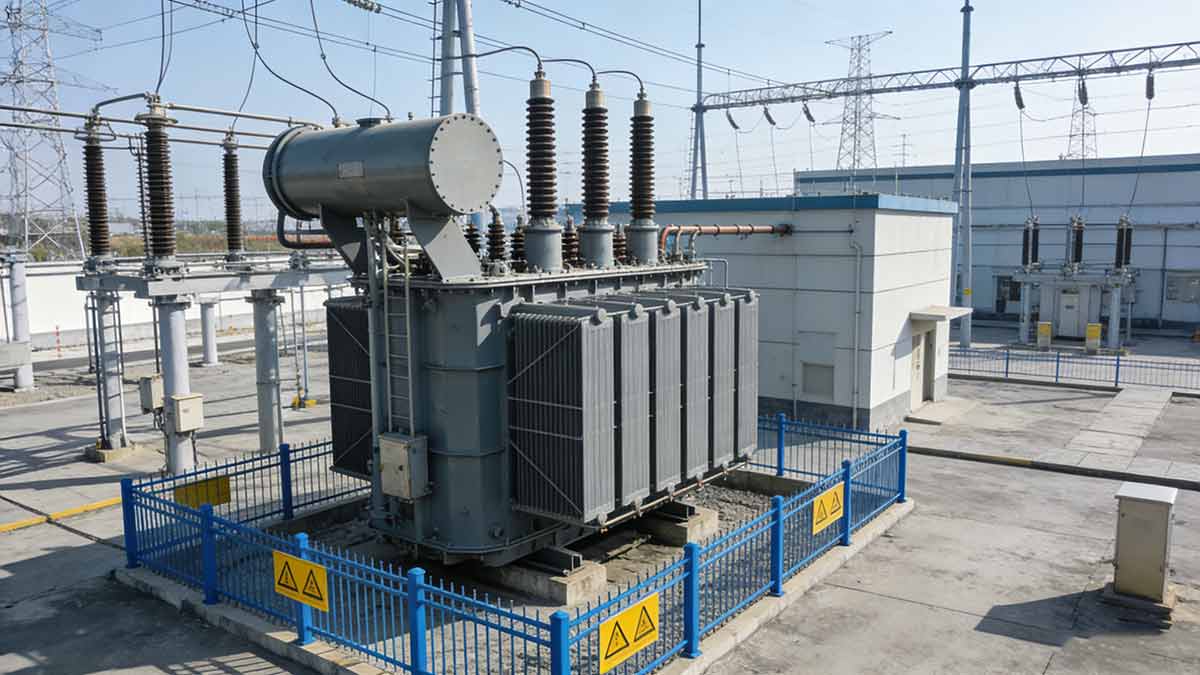
A step-up transformer is a static electrical device that increases voltage from the input side to the output side using electromagnetic induction, while lowering electric current to maintain consistent power transfer. It has no moving parts and offers extremely high efficiency, often above 99%.
- Located at power plants and generation stations
- Raises low generator voltage to ultra-high transmission voltage
- Prepares electricity for long-distance transport through the National Grid
- Works alongside step-down transformers to complete the full transmission cycle
In the National Grid system, step-up transformers bridge power generation and long-distance transmission. They turn relatively low-voltage power from generators into high-voltage power suitable for cross-country cables and towers.
Core Components of a Step-Up Transformer
- Primary winding: connected to the power station output, with a lower number of turns
- Secondary winding: connected to transmission lines, with a higher number of turns
- Laminated magnetic core: reduces energy loss and improves magnetic coupling
- Insulation system: ensures safety and long service life
- Cooling system: maintains stable performance under heavy loads
Basic Working Principle
Step-up transformers follow Faraday’s Law of Electromagnetic Induction. When alternating current passes through the primary winding, it creates a changing magnetic field in the core. This field induces voltage in the secondary winding. Since the secondary coil has more turns, the output voltage becomes higher than the input voltage.
Higher voltage directly reduces current for the same power level. Lower current means dramatically lower resistive heating loss in transmission lines—the single biggest source of waste in the National Grid.
Why the National Grid Needs High Voltage for Efficient Transmission
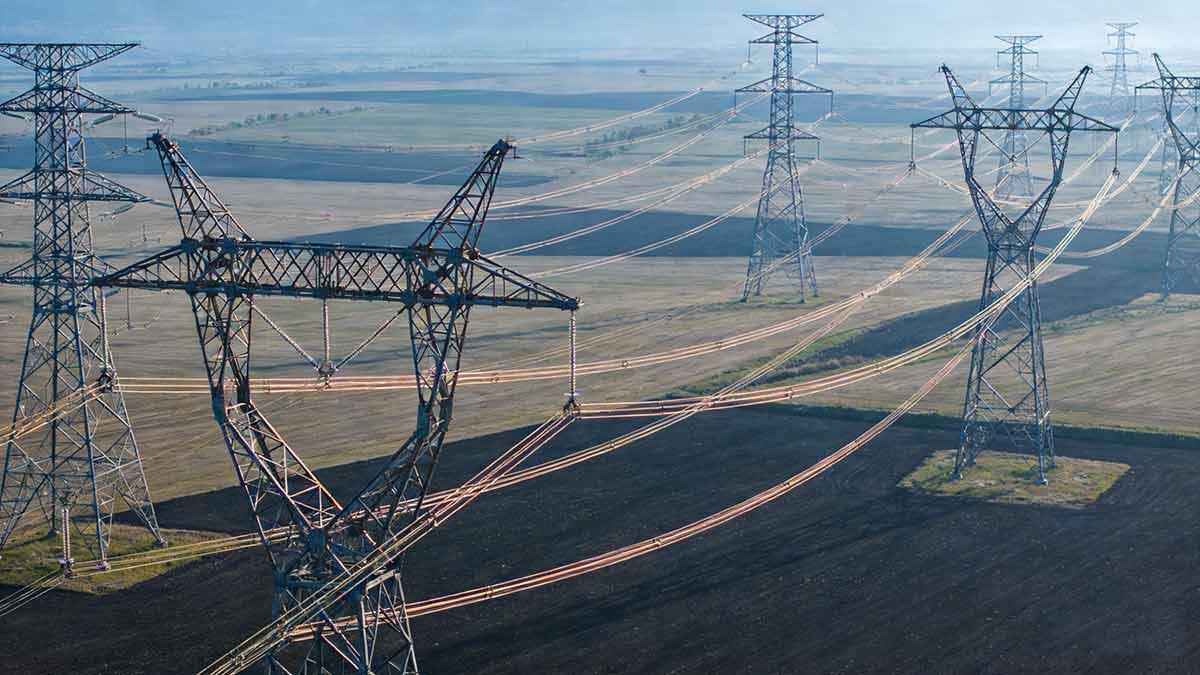
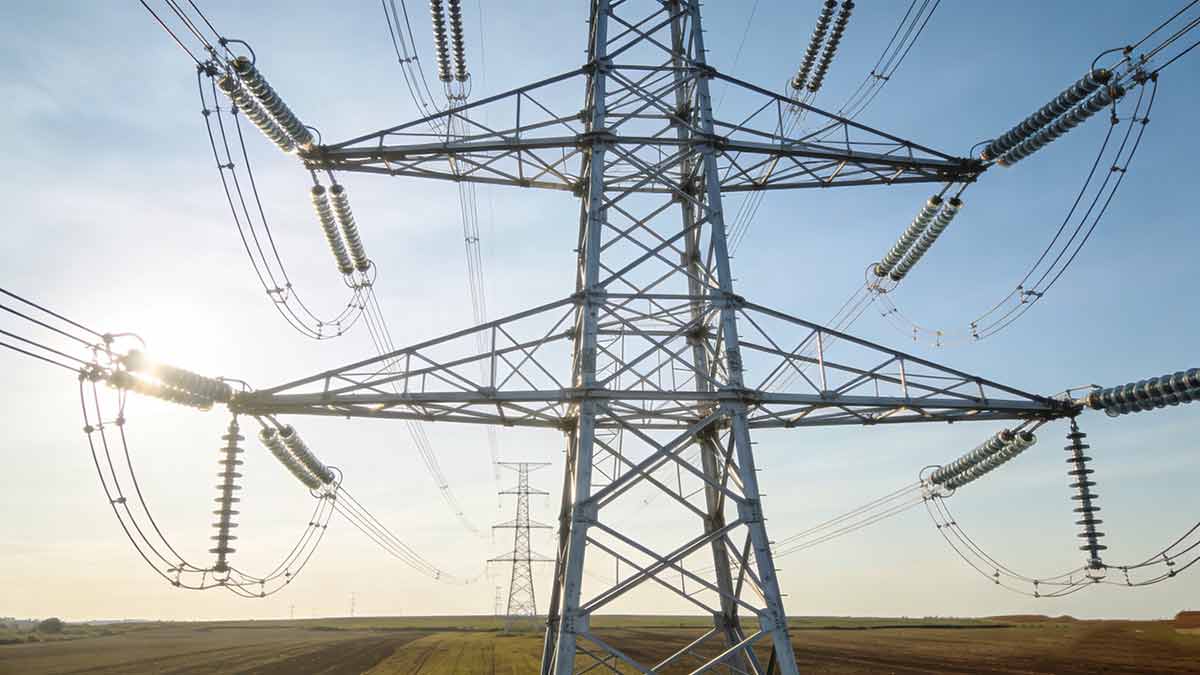
The National Grid moves electricity from remote power plants to urban and rural consumers, often over hundreds of kilometers. Without high voltage, most energy would be lost as heat before reaching users.
Key Problems with Low-Voltage Long-Distance Transmission
- Extremely high energy loss due to resistance in cables
- Excessive heat that damages lines and reduces safety
- Need for extremely thick, expensive cables to carry high current
- Unstable voltage and poor power quality at the end user
- Higher operational and maintenance costs for utilities
The Science of Energy Loss in Power Lines
Power loss in transmission lines follows a clear physical rule:
Power Loss = I² × R
- I = electric current
- R = cable resistance
Since loss increases with the square of current, even a small reduction in current creates massive efficiency improvements. Raising voltage with a step-up transformer is the most effective way to cut current and reduce waste.
Real-World Efficiency Comparison
| Transmission Voltage | Current Level | Relative Energy Loss |
|---|
| 10 kV (low) | High | 100% (baseline) |
| 100 kV (medium) | 1/10 of low voltage | 1% of baseline loss |
| 400 kV (ultra-high) | 1/40 of low voltage | 0.06% of baseline loss |
This table shows why step-up transformers are non-negotiable for National Grid efficiency. Increasing voltage from 10 kV to 400 kV reduces energy loss by more than 99.9%.
How Step-Up Transformers Improve National Grid Efficiency (Key Benefits)
Step-up transformers deliver multiple efficiency and performance improvements that strengthen the entire National Grid.
- Dramatically reduce resistive energy loss in transmission lines
- Lower fuel consumption and carbon emissions at power plants
- Reduce the need for expensive, oversized power cables
- Improve voltage stability and power quality across the network
- Extend the service life of transmission infrastructure
- Lower overall energy costs for utilities and end consumers
- Support the integration of renewable energy into the grid
- Enable long-distance power sharing between regions
Each benefit directly makes the National Grid more efficient, reliable, and affordable. For grid operators, investing in high-performance step-up transformers provides rapid returns through reduced waste and stronger system resilience.
Reduced Energy Loss = Higher Overall Grid Efficiency
The single largest advantage of step-up transformers is cutting energy waste. In a typical modern grid, advanced step-up transformers help limit transmission loss to below 2–3% over hundreds of kilometers. Without them, loss could easily exceed 20–30%.
This saved energy powers homes, offices, factories, and public services without extra fuel or emissions. For countries aiming for energy security and net-zero goals, efficient step-up transformers are foundational technology.
Support for Long-Distance Power Transmission
Many power plants—including wind, solar, hydro, and thermal stations—are located far from population centers. Step-up transformers make it practical to move electricity efficiently across mountains, plains, and coastlines.
- Enable cross-regional power supply
- Balance supply and demand across large areas
- Reduce reliance on local, small-scale generators
- Improve grid resilience during outages or peak demand
Better Voltage Regulation and Grid Stability
Modern step-up transformers include built-in voltage regulation and load management features. They help maintain steady voltage even when demand changes rapidly.
- Prevent voltage drops at peak usage times
- Reduce flickering and unstable power for users
- Protect sensitive industrial and commercial equipment
- Support smart grid automation and monitoring
Stable grids are efficient grids—less downtime, less corrective maintenance, and more consistent energy delivery.
Step-by-Step: How a Step-Up Transformer Works in the National Grid
Understanding the full cycle shows why step-up transformers are irreplaceable for efficiency.
Power generation
Power plants produce electricity at relatively low voltage (typically 11 kV to 33 kV). This voltage is safe for generators but unsuitable for long transmission.
Voltage increases by a step-up transformer
The step-up transformer raises voltage to 132 kV, 220 kV, 400 kV, or higher. Current drops proportionally to keep power constant.
Long-distance high-voltage transmission
Electricity flows through overhead lines or underground cables with minimal energy loss.
Voltage reduction at substations
Step-down transformers lower the voltage for local distribution.
Final delivery to consumers
Additional transformers reduce voltage to safe levels for homes, businesses, and factories.
At every stage, the initial step-up transformation determines how much energy reaches users. A poorly designed or low-efficiency step-up transformer creates avoidable loss that affects the entire chain.
Real-World Example: Step-Up Transformers in National Grid Operations
A real European transmission project illustrates the impact of high-efficiency step-up transformers.
- A 1,200-kilometer transmission line connects a wind farm zone to a major city
- Without step-up transformers, estimated energy loss: ~28%
- With 400 kV step-up transformers: actual loss ~2.2%
- Saved energy per year: enough to power 120,000 households
- Annual CO₂ reduction: ~420,000 tons
This example reflects real National Grid performance. Step-up transformers turn impractical long-distance transmission into a sustainable, efficient system.
How Efficient Are Modern Step-Up Transformers?
Today’s industrial and grid-grade step-up transformers reach extremely high efficiency levels.
- Standard power transformers: 98–99% efficiency
- High-performance grid transformers: up to 99.7% efficiency
- Even small efficiency gains create massive annual energy savings
A 0.5% improvement in transformer efficiency at a large power plant can save millions of kilowatt-hours per year. For grid operators, transformer efficiency directly impacts profitability, sustainability, and customer satisfaction.
Factors That Affect Step-Up Transformer Efficiency
- Core material and lamination design
- Winding material, thickness, and winding technique
- Insulation quality and thermal management
- Load matching and operating conditions
- Regular maintenance and condition monitoring
Choosing high-quality transformers and proper maintenance preserves efficiency for decades.
Common Questions About Step-Up Transformers and National Grid Efficiency
Do step-up transformers waste energy themselves?
All transformers have small no-load and load losses, but modern designs limit these to a tiny fraction of the energy saved in transmission. The net gain is overwhelmingly positive.
Can the National Grid work efficiently without step-up transformers?
No. Without step-up transformers, current would be extremely high, causing catastrophic energy loss, overheating, and infrastructure damage. Long-distance transmission would be economically impossible.
Are step-up transformers used in renewable energy systems?
Yes. Wind and solar farms depend on step-up transformers to feed clean energy into the National Grid efficiently. They are essential for modern green power systems.
What is the difference between step-up and step-down transformers?
Step-up transformers increase voltage for transmission; step-down transformers decrease voltage for safe use. Both are vital, but step-up transformers enable the high-voltage efficiency that defines the modern grid.
The Future of Step-Up Transformers in Smart National Grids
As grids become smarter and more renewable-driven, step-up transformers will remain essential.
- Support ultra-high-voltage (UHV) transmission up to 1,100 kV
- Integrate smart monitoring and digital control
- Improve compatibility with battery storage and electric vehicle infrastructure
- Reduce environmental impact with eco-friendly materials and coolants
- Longer service life and lower maintenance requirements
Future grids will rely on high-efficiency step-up transformers to balance growing demand, clean energy goals, and cost efficiency.
Conclusion
A step-up transformer is the foundation of a reliable, efficient National Grid. By increasing voltage and reducing current, it drastically cuts energy loss during long-distance transmission, lowers costs, improves stability, and supports sustainable energy delivery. Without high-performance step-up transformers, modern power systems simply could not function at scale.
Whether for traditional power plants or renewable energy farms, step-up transformers deliver consistent efficiency gains that benefit utilities, businesses, and households. Understanding their role helps engineers, planners, and decision-makers build stronger, smarter, and more efficient national power grids.
If you’re involved in power transmission, grid development, or industrial energy projects, working with high-quality, high-efficiency transformers directly improves system performance and long-term value.