
How Does A Step Down Transformer Work?
In the modern world, electricity serves as the lifeblood of industrial production, commercial operations, and daily life. From power plants generating high-voltage electricity to the low-voltage requirements of household appliances and industrial machinery, voltage conversion is an indispensable link in the energy chain. Among the various types of transformers, step down transformers stand out as critical components that bridge the gap between high-voltage transmission and low-voltage utilization. These devices play a pivotal role in ensuring stable, safe, and efficient power supply by reducing high input voltages to lower, usable levels for a wide range of applications. Without step down transformers, industrial equipment would fail to operate, medical devices would lack precision, and everyday electronics would be at risk of damage due to voltage mismatches. This article delves into the working principles, design mechanics, industrial applications, and future trends of step down transformers, providing a comprehensive guide for industry professionals, procurement managers, and anyone seeking to understand the technology behind voltage regulation.
The Science Behind Step Down Transformers: Electromagnetic Induction Revisited
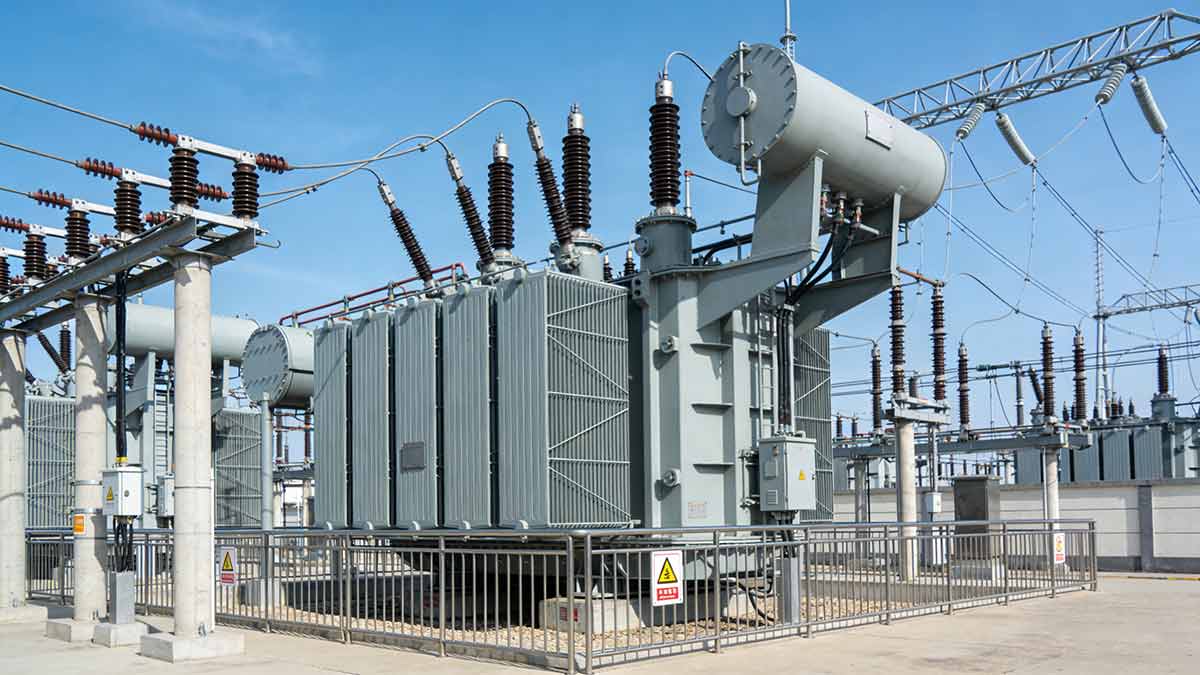
Turns Ratio: The Core Mechanism of Voltage Reduction
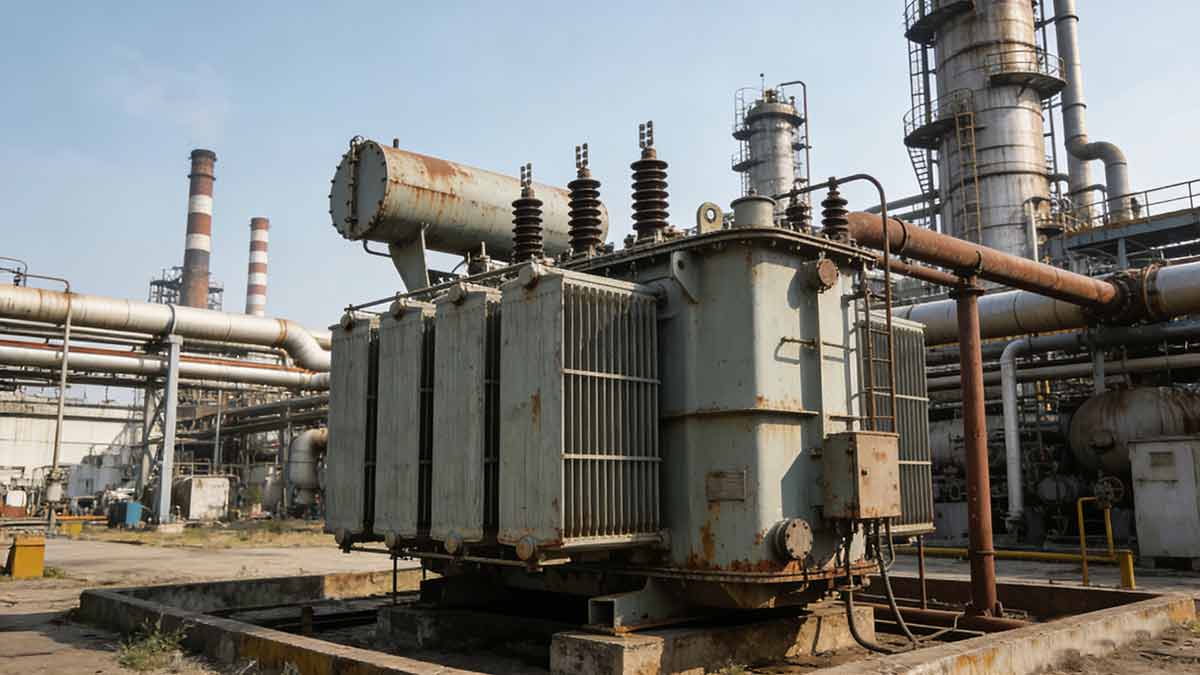
Mathematical Foundation: Ns/Np = Vs/Vp Explained
- Ns: Number of turns in the secondary winding
- Np: Number of turns in the primary winding
- Vs: Output voltage of the secondary winding (low voltage)
- Vp: Input voltage of the primary winding (high voltage)
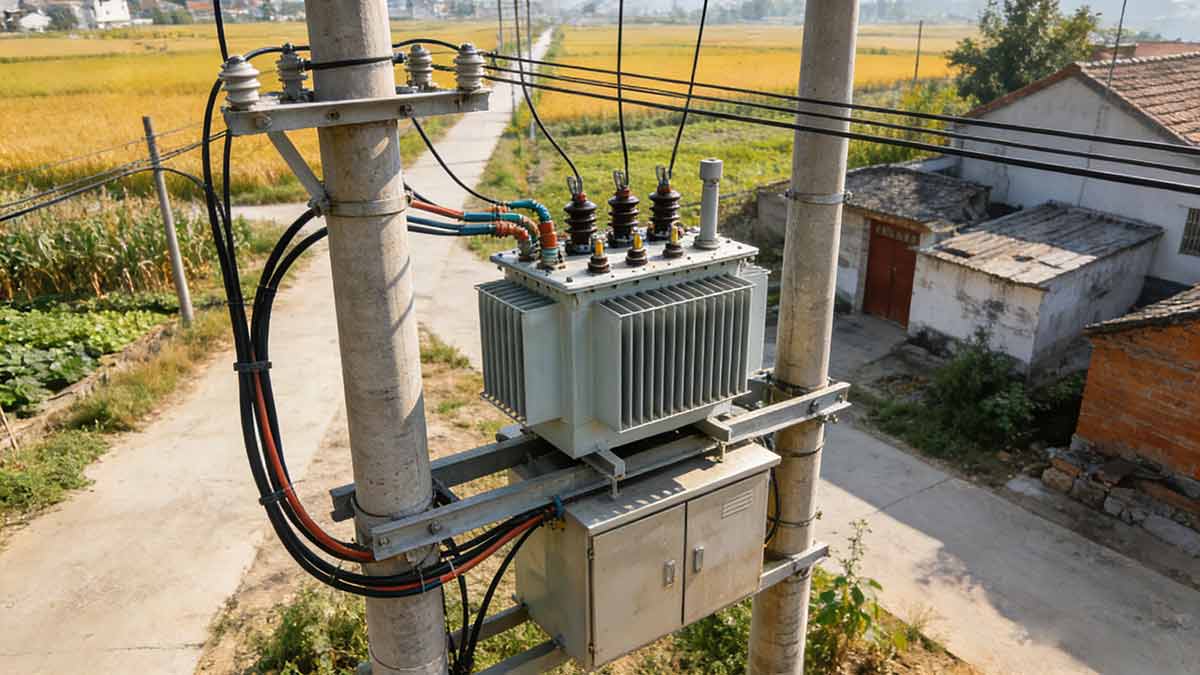
Key Components of Step Down Transformers and Their Functions
1. Magnetic Core
2. Primary Winding
3. Secondary Winding
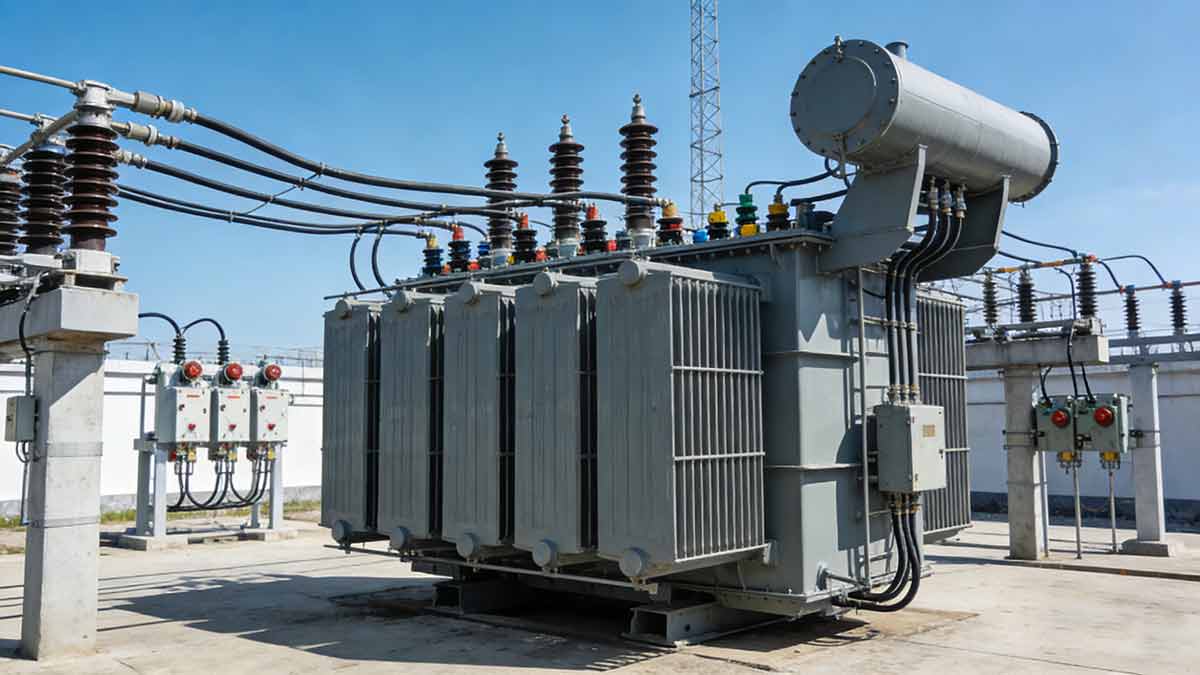
4. Insulation System
5. Cooling System
- Dry-type cooling: Suitable for low- to medium-power transformers and applications where oil is not permitted (such as indoor installations or healthcare facilities). Dry-type transformers use air as the cooling medium, with natural convection or forced air (via fans) to dissipate heat. They are typically smaller, lighter, and easier to maintain than oil-immersed transformers.
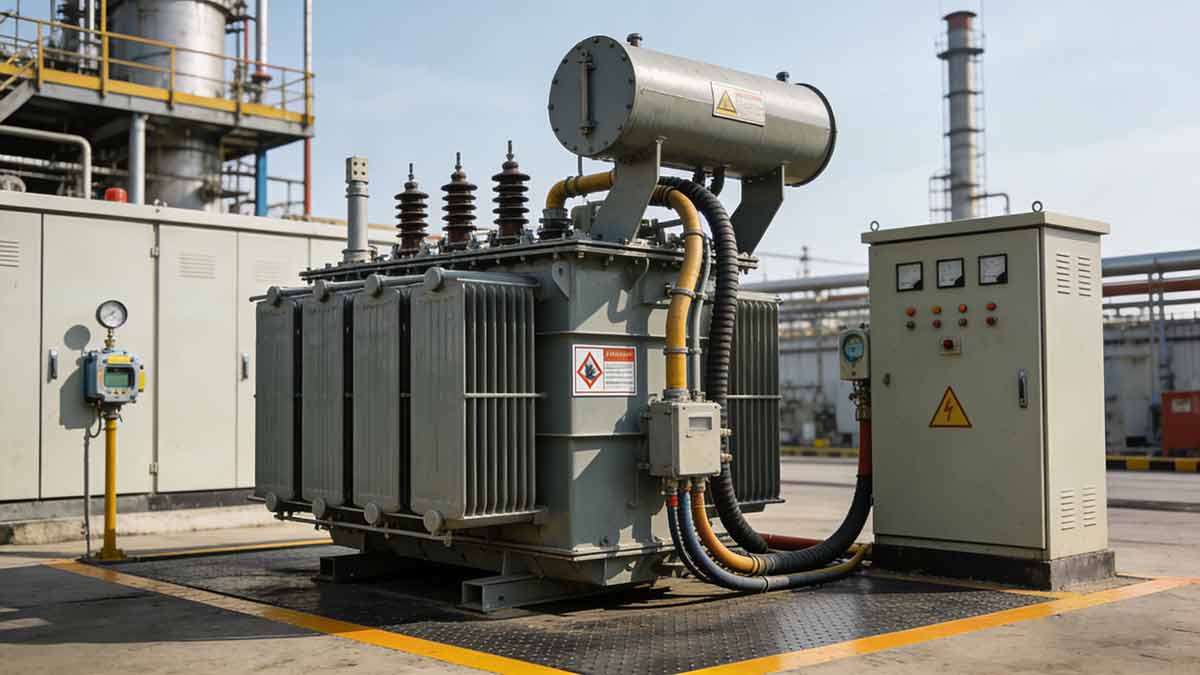
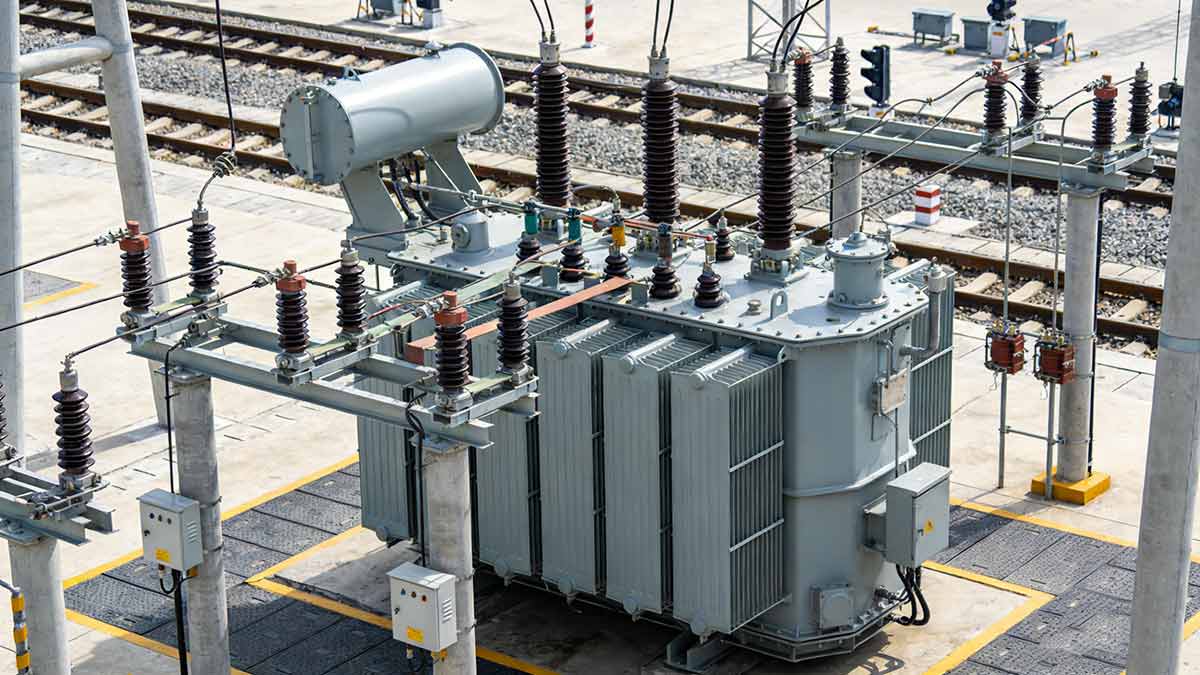
- Oil-immersed cooling: Used for high-power transformers and outdoor applications. The transformer windings and core are immersed in mineral oil or synthetic oil, which acts as both an insulator and a cooling medium. The oil absorbs heat from the core and windings, and the heat is dissipated through the transformer’s tank (via natural convection) or through radiators and fans (for forced cooling). Oil-immersed transformers offer higher efficiency and better heat dissipation than dry-type transformers, but require regular oil testing and maintenance to prevent leaks and degradation.
6. Tank and Enclosure
Critical Design Considerations for Industrial-Grade Step Down Transformers
1. Rated Voltage and Current
2. Power Rating (kVA)
3. Efficiency
4. Voltage Regulation
5. Short-Circuit Withstand Capacity
6. Environmental Conditions
- Transformers used in outdoor or high-temperature environments may require enhanced cooling systems (such as forced air or oil cooling with radiators).
- Transformers used in humid or corrosive environments (such as coastal areas or chemical plants) may need corrosion-resistant materials and sealed enclosures.
- Transformers used at high altitudes (above 1000 meters) may require derating (reduced power output) due to reduced air density, which affects heat dissipation and insulation performance.
7. Noise Level
Practical Applications Across Industries: From Manufacturing to Healthcare
1. Manufacturing and Metal Processing
- Welding equipment: Arc welders require low-voltage, high-current power to generate the electric arc needed for welding. Step down transformers convert mains voltage (such as 480V) to 20-40V, providing the high current (100-500A) required for welding steel, aluminum, and other metals.
- CNC machines: Computer numerical control (CNC) lathes, mills, and routers use precision motors and control systems that require stable low-voltage power (such as 24V or 48V). Step down transformers ensure that the voltage supplied to these systems remains consistent, preventing errors in machining and improving product quality.
- Conveyor systems: Industrial conveyor belts use electric motors that often operate on 240V or 120V. Step down transformers convert high-voltage factory power to the required voltage, ensuring smooth and reliable operation of the conveyor system.
2. Healthcare and Medical Equipment
- Diagnostic equipment: Magnetic resonance imaging (MRI) machines, computed tomography (CT) scanners, and ultrasound devices require precise voltage regulation to ensure accurate imaging. Step down transformers provide the low-voltage power needed for the control systems, sensors, and imaging components of these devices, while also isolating the equipment from the mains supply to reduce electromagnetic interference (EMI).
- Patient monitoring systems: Heart rate monitors, blood pressure monitors, and other patient monitoring devices operate on low-voltage power (such as 12V or 24V). Step down transformers ensure that these devices receive a stable and safe power supply, reducing the risk of equipment failure and ensuring continuous patient monitoring.
- Surgical equipment: Electrosurgical units, laser surgical tools, and other surgical equipment require low-voltage power for their control systems and high-frequency generators. Step down transformers with low noise and low EMI are used to prevent interference with other medical devices and ensure the safety of patients and medical staff.
3. Construction and Heavy Equipment
- Elevators and escalators: Elevators and escalators use electric motors and control systems that operate on low-voltage power. Step down transformers convert the high-voltage power supplied to the building (such as 480V) to the required voltage (such as 240V) for the elevator’s motor and control panel, ensuring smooth and safe operation.
- Construction machinery: Cranes, excavators, and concrete mixers often use diesel-electric systems, where a diesel engine drives a generator that produces high-voltage power. Step down transformers convert this high voltage to low voltage for the machinery’s control systems, hydraulic pumps, and lighting.
- Temporary power supply: Construction sites often require temporary power for tools and equipment. Portable step down transformers are used to convert the high-voltage power from generators or mains supply to the low-voltage power needed for drills, saws, and other construction tools.
4. Commercial Buildings and Infrastructure
- Lighting and HVAC systems: Commercial buildings use large-scale lighting systems (such as LED panels and fluorescent lights) and heating, ventilation, and air conditioning (HVAC) systems that operate on low-voltage power. Step down transformers convert the high-voltage mains supply to the required voltage for these systems, reducing energy consumption and improving efficiency.
- Data centers: Data centers house thousands of servers and networking equipment that require stable low-voltage power. Step down transformers with high efficiency and tight voltage regulation are used to power these systems, ensuring uninterrupted operation and preventing data loss.
- Security systems: Closed-circuit television (CCTV) cameras, access control systems, and alarm systems operate on low-voltage power (such as 12V or 24V). Step down transformers provide the necessary power for these systems, ensuring reliable security monitoring and access control.
5. Transportation and Automotive
- Electric vehicles: EVs use high-voltage batteries (typically 200-400V) to power the traction motor. Step down transformers (known as DC-DC converters in EVs) convert the high-voltage battery power to low-voltage power (12V or 24V) for the vehicle’s lights, infotainment system, and other auxiliary systems.
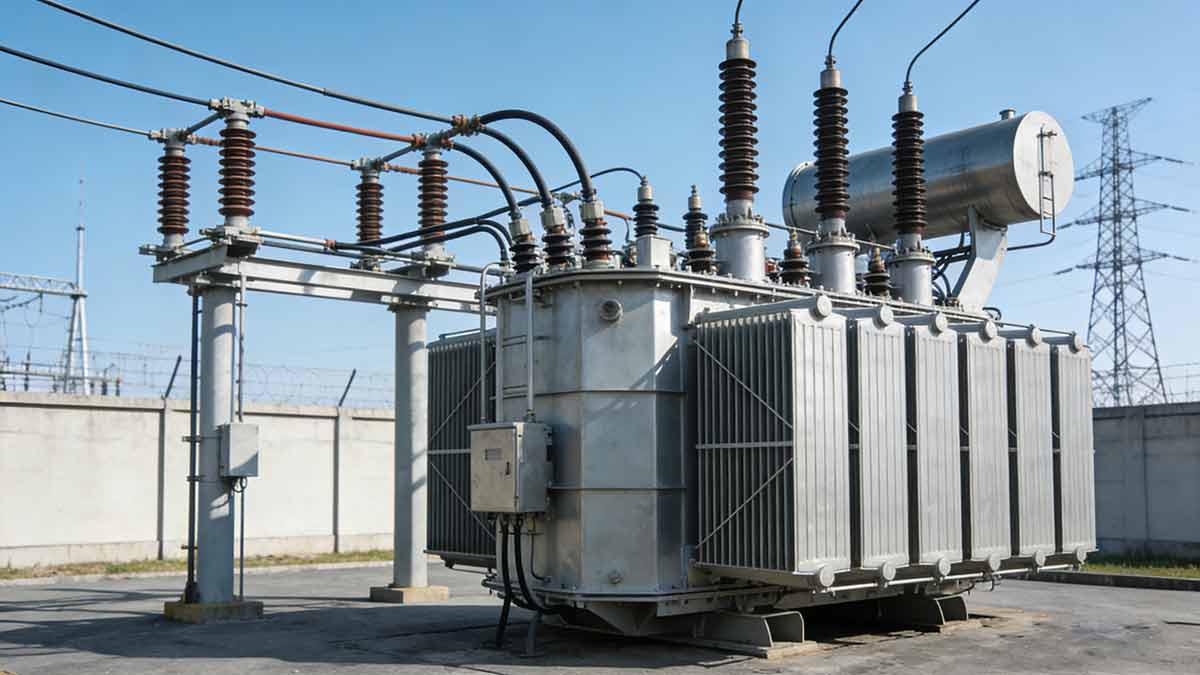
- Trains and railways: Electric trains use high-voltage power from overhead lines or third rails (typically 25kV or 15kV). Step down transformers on board the train convert this high voltage to low voltage for the train’s control systems, lighting, and passenger amenities.
- Ships and marine vessels: Marine vessels use generators that produce high-voltage power (such as 480V) for propulsion and auxiliary systems. Step down transformers convert this high voltage to low voltage for the ship’s lighting, navigation equipment, and living quarters.
Advantages of High-Quality Step Down Transformers in Modern Systems
1. Enhanced Energy Efficiency
2. Improved Reliability and Longevity
3. Tight Voltage Regulation
4. Low Noise and EMI
5. Compliance with Safety and Environmental Standards
6. Customization Options
Common Misconceptions About Step Down Transformers Debunked
Misconception 1: Step Down Transformers Consume a Lot of Energy
Misconception 2: The More Turns in the Secondary Winding, the Better
Misconception 3: Step Down Transformers Can Be Used with DC Power
Misconception 4: All Step Down Transformers Are the Same
Misconception 5: Step Down Transformers Do Not Require Maintenance
- Checking oil level and quality (for oil-immersed transformers).
- Inspecting windings and insulation for signs of damage or deterioration.
- Cleaning the transformer and cooling system to remove dust and debris.
- Testing voltage regulation, efficiency, and short-circuit withstand capacity.
Neglecting maintenance can lead to reduced efficiency, increased energy loss, and potential equipment failure.
Future Trends in Step Down Transformer Technology
1. Smart Transformers with IoT Integration
2. Higher Efficiency and Reduced Environmental Impact
3. Miniaturization and Lightweight Design
4. Integration with Renewable Energy Systems
5. Digitalization and Automation
How to Select the Right Step Down Transformer for Your Application
Step 1: Determine Your Voltage and Current Requirements
Step 2: Calculate the Required kVA Rating
Step 3: Consider the Operating Environment
- Temperature: If the transformer will be used in a high-temperature environment (such as a factory floor or outdoor installation), you may need a transformer with an enhanced cooling system (such as forced air or oil cooling).
- Humidity and Corrosion: If the transformer will be used in a humid or corrosive environment (such as a coastal area or chemical plant), you should select a transformer with a sealed enclosure and corrosion-resistant materials.
- Altitude: Transformers used at high altitudes may require derating due to reduced air density, which affects heat dissipation. You should consult the manufacturer’s specifications to determine the appropriate derating factor.
Step 4: Evaluate Efficiency and Voltage Regulation
Step 5: Check Safety and Compliance
Step 6: Consider Customization Options
Step 7: Choose a Reputable Manufacturer
Conclusion: The Indispensable Role of Step Down Transformers in Industrial Operations
FAQ About Step Down Transformer
What is a step-down transformer and its core function?
A step-down transformer is an electrical device that converts high alternating voltage to a lower alternating voltage while maintaining power consistency (neglecting minor energy losses). Its core function is to make high-voltage electricity from power transmission networks safe and usable for residential, commercial, and industrial applications. Without it, long-distance power transmission would be inefficient, and direct use of high voltage would cause severe damage to electrical equipment and pose significant safety hazards. It operates based on the principle of electromagnetic induction, enabling contactless voltage conversion to ensure electrical isolation and safety.
What is the turns ratio formula for a step-down transformer?
What are the key components of a step-down transformer?
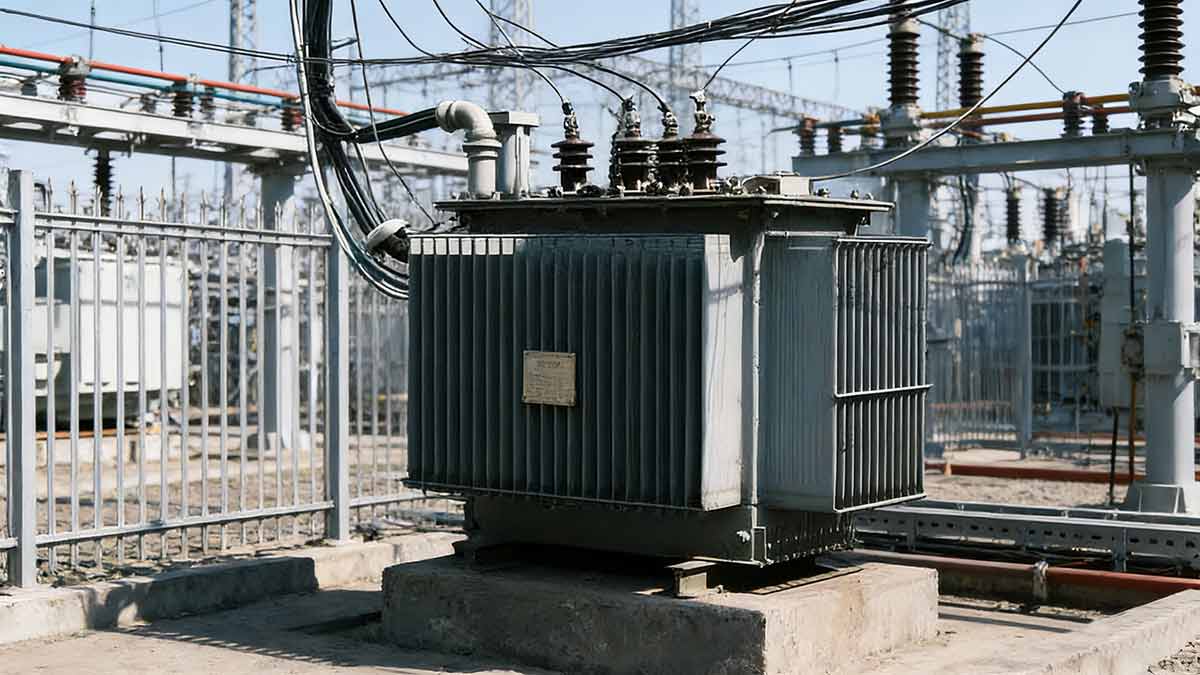
A step-down transformer consists of three core components: primary winding, secondary winding, and magnetic core. The primary winding is connected to the high-voltage power source and generates the magnetic field. The secondary winding outputs low voltage and is connected to the load. The magnetic core, typically made of laminated silicon steel sheets, forms a closed magnetic circuit to enhance magnetic flux linkage and reduce eddy current and hysteresis losses. Additional components include insulation materials (ensuring electrical isolation between windings), cooling systems (such as radiators for oil-immersed transformers), and protective devices (like gas relays and temperature sensors) to monitor operating status.
What are the common applications of step-down transformers in daily life and industry?
Step-down transformers are widely used in power distribution and electrical equipment. In daily life, they are integrated into power adapters for smartphones, laptops, and household appliances, converting 220V or 110V mains voltage to low voltages (e.g., 5V, 12V) suitable for device operation. In industry, they power machinery and production lines that require specific low voltages, ensuring stable operation and personnel safety. They also play a crucial role in renewable energy systems, such as connecting solar panels to the power grid by converting the generated high voltage to grid-compatible levels. Additionally, 220V to 110V step-down transformers enable the use of imported appliances in regions with different voltage standards.
What causes abnormal sounds in step-down transformers and how to respond?
Normal step-down transformers emit a uniform electromagnetic hum due to magnetostriction of silicon steel sheets, with intensity proportional to load current. Abnormal sounds (sharp squeals, intermittent knocks, dull roars) indicate faults. Sharp squeals with sparks may result from inter-turn short circuits or loose core laminations; intermittent knocks that fluctuate with load often stem from loose fasteners; dull roars suggest poor foundation resonance matching. When abnormal sounds occur, immediate response is required: first, strengthen monitoring and record key parameters (temperature, current, voltage); second, analyze the cause (e.g., loose components or internal short circuits); third, take targeted measures (tighten fasteners for loose parts, shut down for inspection if internal faults are suspected); fourth, activate protective tripping and emergency plans for serious faults (e.g., short circuits) to prevent accident expansion.
What are the differences between step-down transformers and step-up transformers?
The core difference lies in the turn ratio and application purpose. Step-down transformers have more primary winding turns than secondary turns (N₁ > N₂), reducing high voltage to low voltage for end-user applications (e.g., power distribution to homes). Step-up transformers have more secondary turns (N₂ > N₁), increasing low voltage (e.g., from power plants) to high voltage for long-distance transmission, which reduces current and line losses. In power grids, they work collaboratively: step-up transformers at power plants boost voltage for transmission, while step-down transformers at substations reduce voltage for distribution. Additionally, step-down transformers are more commonly used in daily and industrial scenarios, while step-up transformers are mainly used in power generation and transmission systems.
What causes abnormal temperature rise in step-down transformers and how to respond?
Abnormal temperature rise in step-down transformers may result from overloading, blocked cooling systems (e.g., clogged radiators), internal faults (short circuits, core saturation), or poor ventilation. Excessive temperature accelerates insulation aging, shortens service life, and may trigger fires. Immediate response measures include: first, strengthen monitoring and record real-time temperature, current, and voltage data; second, analyze the cause (e.g., overloading due to excessive load or cooling system failure); third, take targeted actions (reduce load to lower temperature, clean or repair cooling systems); fourth, shut down immediately if temperature continues to rise despite measures, activate fire-fighting equipment (dry powder or CO₂ for oil-immersed types) if fires occur, and implement emergency plans to avoid accident expansion.
What are the types of step-down transformers and their applicable scenarios?
Step-down transformers are classified into single-phase, three-phase, and center-tapped types based on winding structure and phase characteristics. Single-phase transformers (with two windings) are suitable for residential and small commercial applications (e.g., household appliance adapters, small lighting systems) due to their simple structure and low cost. Three-phase transformers (with three sets of primary and secondary windings) are used in industrial production lines, power distribution substations, and large commercial buildings, as they efficiently power three-phase machinery and handle high power loads. Center-tapped transformers have a tap in the middle of the secondary winding, providing two equal voltages (e.g., 12V split into two 6V outputs), making them ideal for power supply systems requiring symmetric voltage, such as audio equipment and rectifier circuits.
How to choose a suitable step-down transformer for home or industrial use?
Selecting a step-down transformer requires considering key factors: voltage rating (matching input high voltage and required output low voltage, e.g., 220V to 110V for imported appliances), power rating (meeting load power demand with a 10-20% margin to avoid overloading), phase type (single-phase for home use, three-phase for industrial three-phase loads), efficiency (prioritizing products with efficiency above 95% to reduce energy loss), and cooling method (air-cooled for small loads, oil-immersed for large industrial transformers). Additionally, check for compliance with safety standards (e.g., IEC, IEEE) and the presence of protective devices (overtemperature protection, short-circuit protection) to ensure safe operation.
How to maintain step-down transformers to ensure long-term stable operation?
Regular maintenance of step-down transformers includes the following: periodic inspection of windings and insulation for damage or aging; cleaning of radiators, cooling fans, and other cooling components to ensure effective heat dissipation; checking and replacing aging seals to prevent oil leakage (for oil-immersed types); monitoring oil quality (oil chromatography analysis) to detect early internal faults; calibrating protective devices (gas relays, temperature sensors) to ensure accurate operation; and tightening loose fasteners to avoid abnormal sounds. Additionally, maintain a clean and well-ventilated operating environment, avoid overloading, and conduct comprehensive inspections annually. Proper maintenance can reduce failure rates, extend service life, and ensure safe and efficient operation.
What are the energy loss mechanisms in step-down transformers and how to minimize them?
Energy losses in step-down transformers mainly include copper losses and core losses. Copper losses are caused by resistive heating in primary and secondary windings when current flows, which increase with load current. Core losses result from hysteresis (magnetic domain reversal in the core) and eddy currents (induced currents in the core), which are constant regardless of load. To minimize losses: use high-conductivity copper windings to reduce resistance; adopt laminated silicon steel cores to reduce eddy current losses; design an optimal turn ratio to avoid overloading; and install efficient cooling systems to reduce temperature-induced losses. Additionally, selecting transformers with high energy efficiency ratings (e.g., IE2, IE3) and operating them within the optimal load range can significantly improve energy efficiency.