How Does a Power Pole Transformer Work in Rural vs Urban Grids?
1 What Is a Lihe Power Pole Transformer, and How Does It Work?
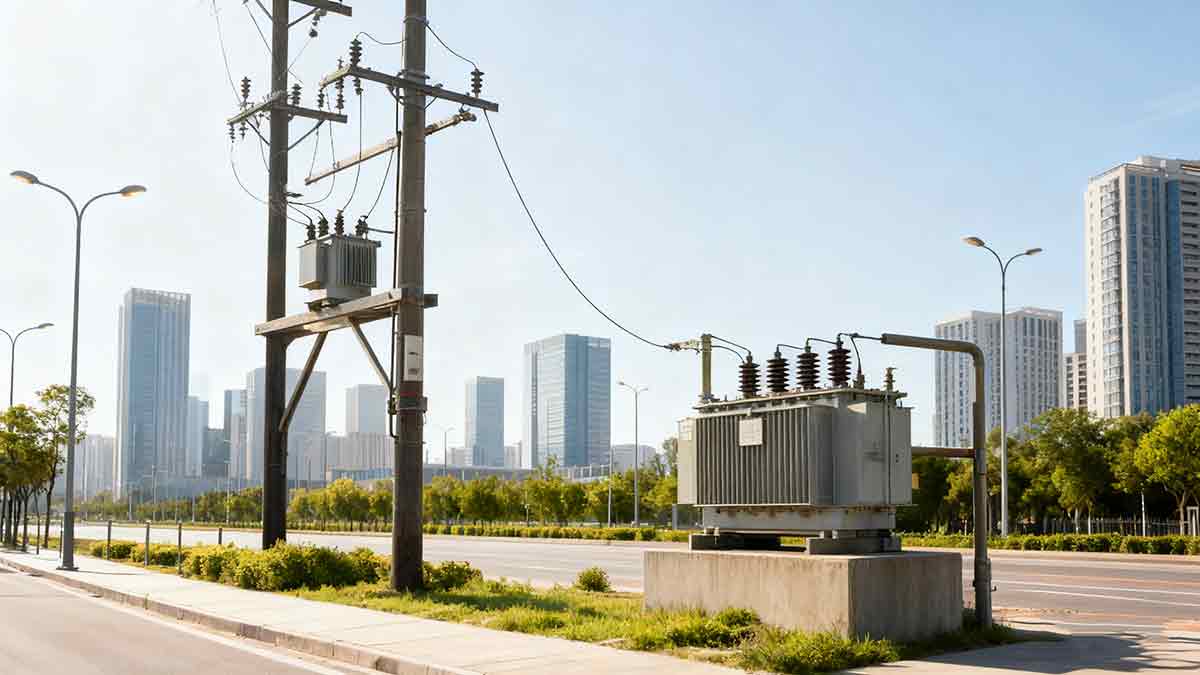
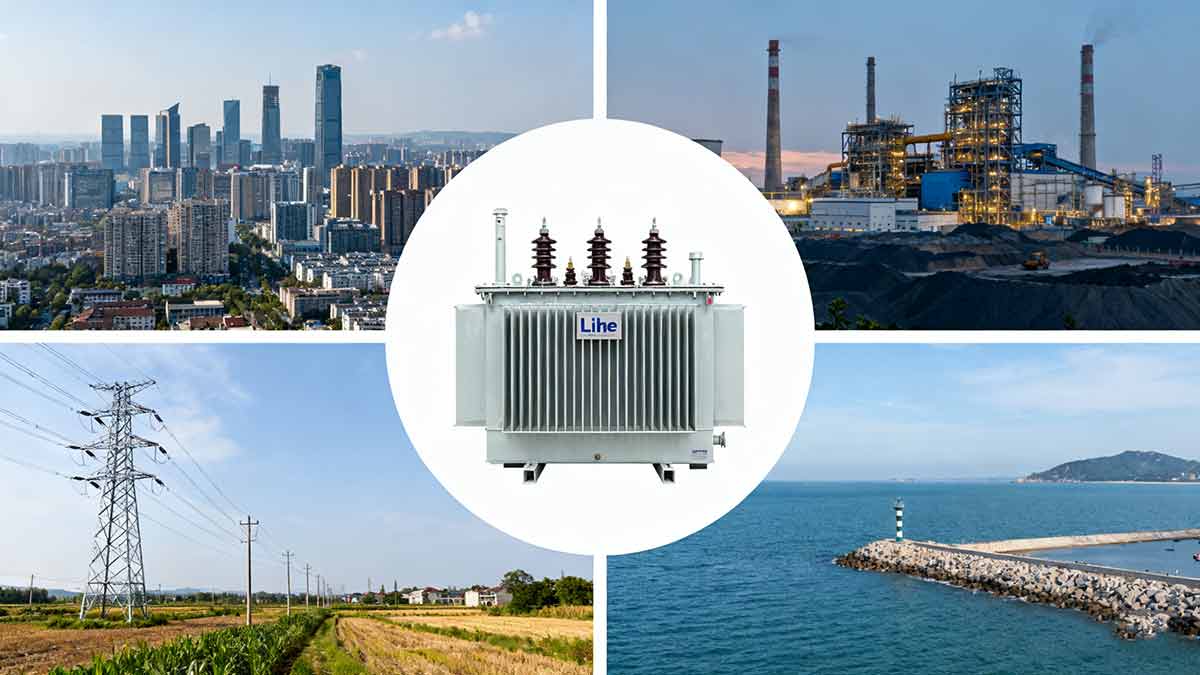
Core Function & Components of Lihe’s Pole-Mounted Transformers
- Key Components (Lihe’s Premium Design):
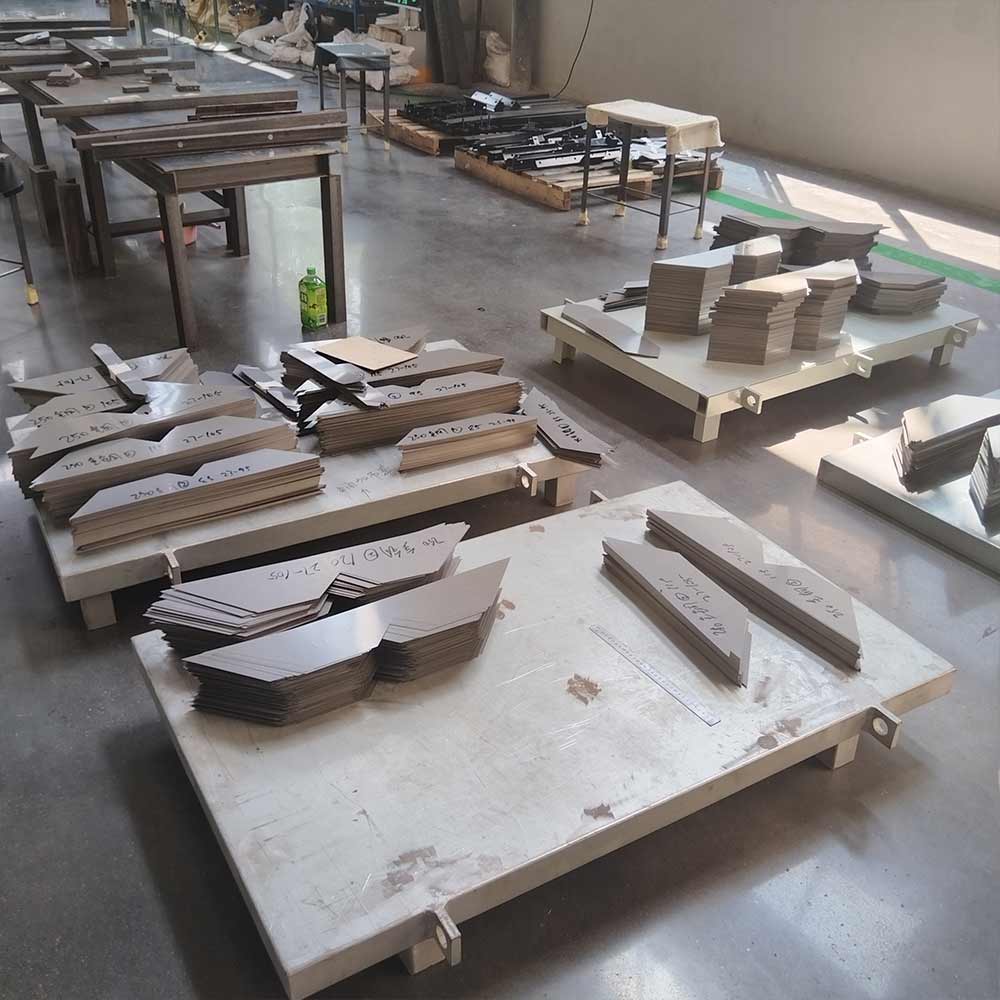
- Core: Laminated amorphous steel (reduces energy losses by 30% vs. standard steel).
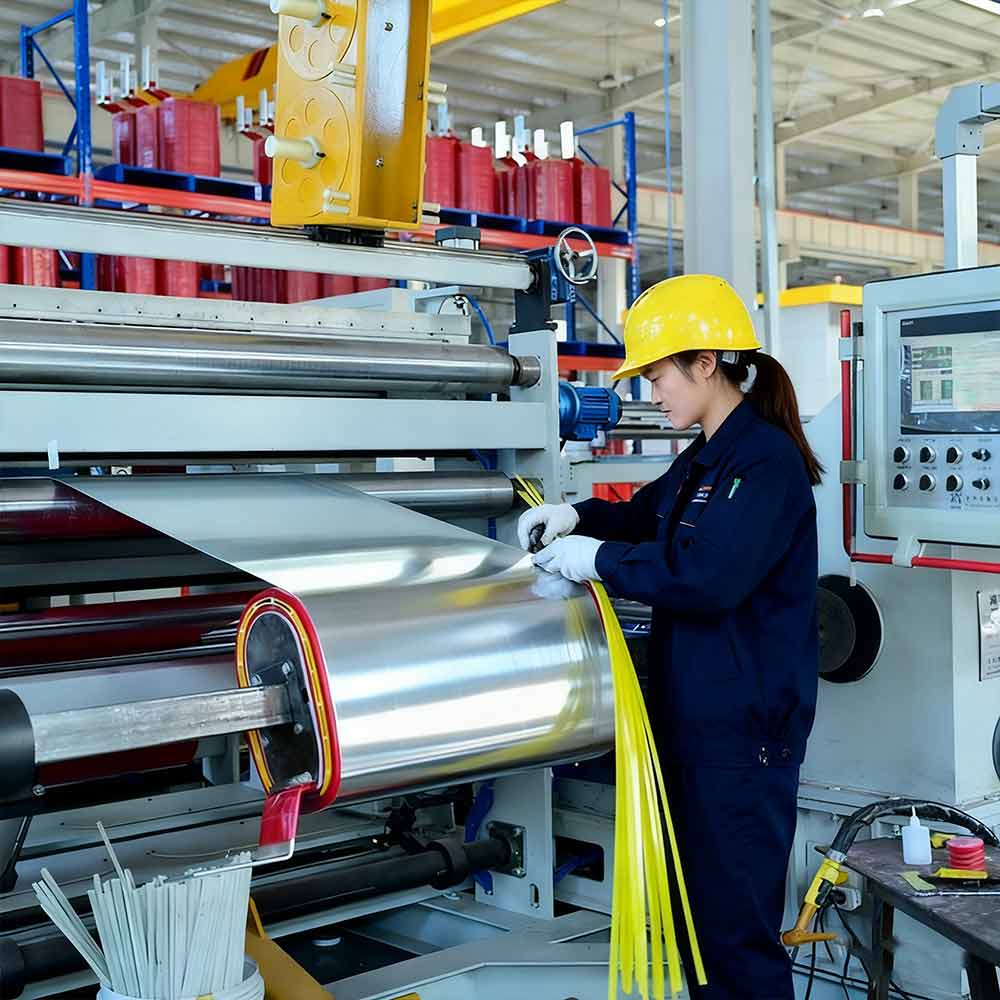
- Windings: High-grade copper coils (ensures efficient power transfer and long lifespan).
- Insulating Oil: Biodegradable, high-heat-resistant fluid (eco-friendly and durable).
- Tank: Corrosion-resistant steel (with UV protection for outdoor longevity).
- Bushings: Polymer-insulated (prevents leakage and withstands harsh weather).
- How It Works (Simplified):
- High-voltage electricity (4,000–34,500V) enters the primary winding.
- The winding creates a magnetic field in the amorphous steel core.
- The magnetic field induces a low-voltage current in the secondary winding.
- Safe, usable power (120/240V) exits to local distribution lines.
Why It Matters:
Lihe’s pole transformers enable efficient long-distance power transmission (high voltage = low energy loss) while ensuring safety for end-users. For an older suburban neighborhood plagued by power fluctuations, we replaced outdated units with Lihe’s high-efficiency pole transformers—reducing outages by 40% and cutting energy waste by 15%.
| Power Distribution Stage | Voltage Level | Lihe Transformer Role |
|---|---|---|
| Power Plant Generation | 10,000–25,000V | Feeds into transmission lines |
| Long-Distance Transmission | 155,000–765,000V | Step-down handled by Lihe substation transformers |
| Sub-Transmission | 69,000–138,000V | Further reduction to distribution voltage |
| Local Distribution | 4,000–34,500V | Lihe pole-mounted transformers step down to 120/240V |
| Home/Business Use | 120/240V | Safe, usable power for daily needs |
2 Key Differences Between Rural and Urban Power Distribution Systems
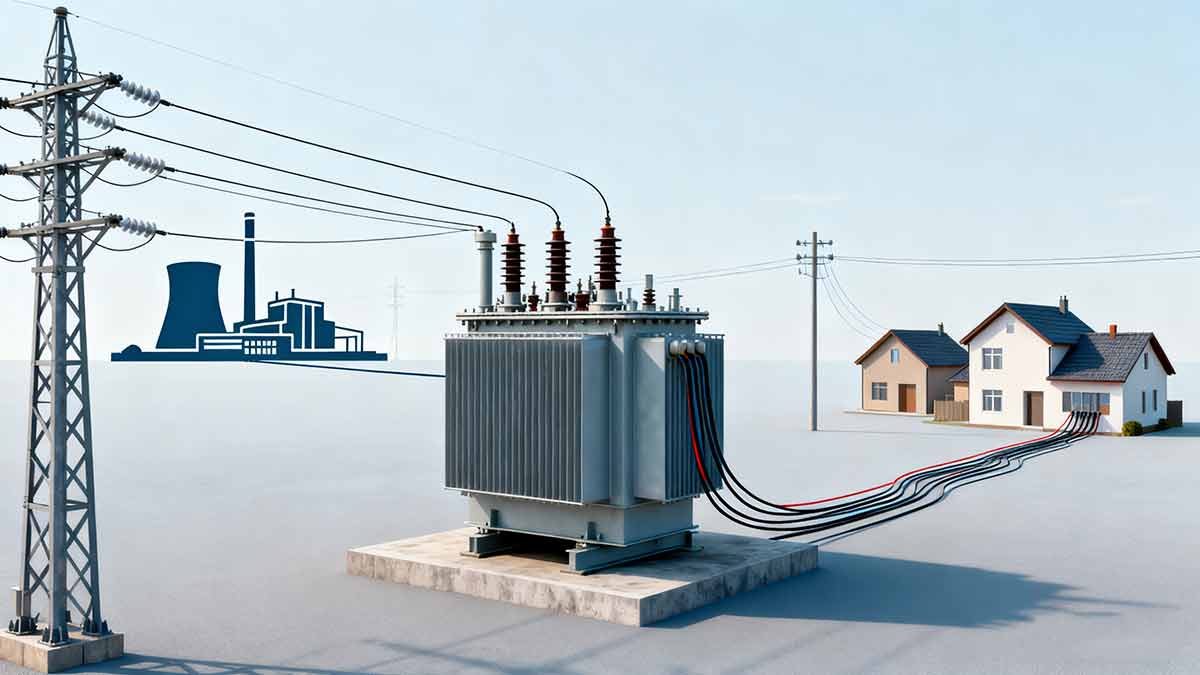
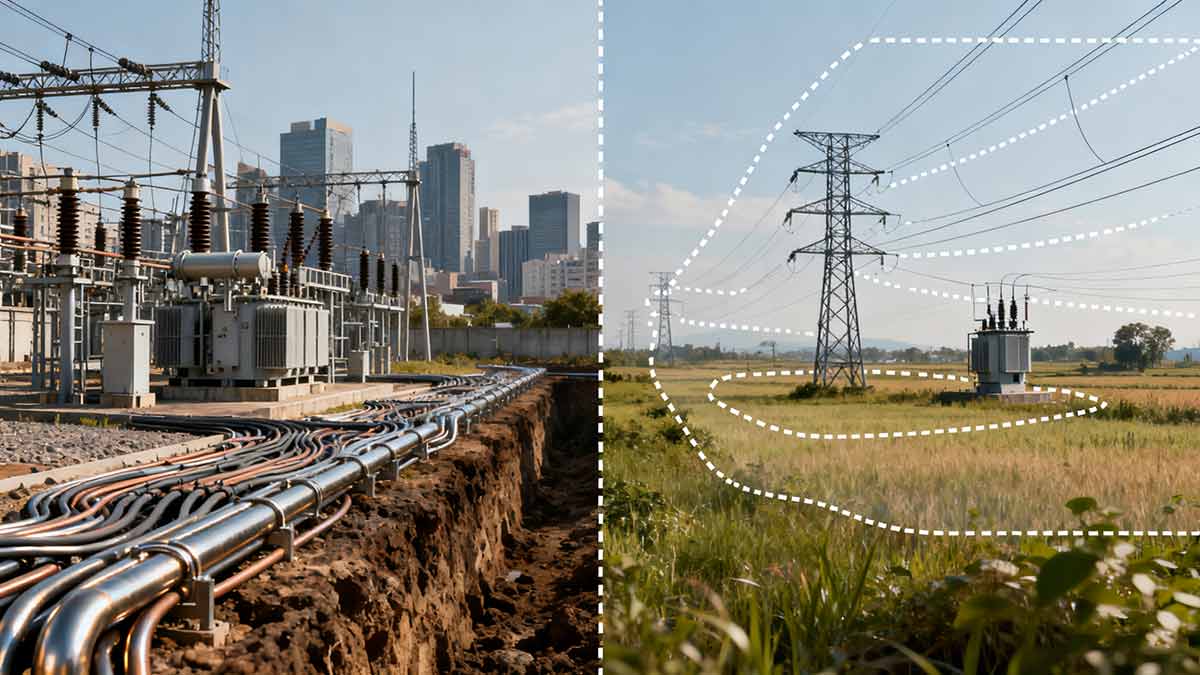
Rural vs. Urban Power Grids: Lihe’s Comparative Analysis
| Aspect | Urban Power Distribution (Lihe Solutions) | Rural Power Distribution (Lihe Solutions) |
|---|---|---|
| Load Density | High (100+ homes/businesses per square mile) | Low (1–10 homes per square mile) |
| Infrastructure Design | Complex, interconnected grid with multiple substations; mix of overhead/underground lines | Linear, simplified grid; mostly overhead lines; fewer substations |
| Transformer Deployment | Numerous small-to-medium Lihe pole transformers (50–75kVA) | Fewer, larger Lihe units (75–100kVA) covering wider areas |
| Line Length | Short (average 0.5 miles between transformers) | Long (5+ miles between transformers) |
| Reliability Drivers | Redundancy (backup transformers for critical areas); smart load balancing | Weather resistance; remote monitoring; surge protection |
Load Density & Demand:
Urban areas face concentrated demand (offices, retail, high-rises), so Lihe deploys multiple 50–75kVA pole transformers to avoid overloading. For a downtown district with 200+ businesses, our 75kVA units handle HVAC, lighting, and EV charging loads without voltage dips.
Rural areas have spread-out demand (farms, rural homes), so Lihe uses larger 75–100kVA transformers to serve 10–15 miles of territory—reducing infrastructure costs while maintaining efficiency.
Distance & Energy Loss:
Urban short lines mean minimal energy loss; Lihe’s standard pole transformers suffice. Rural long lines require Lihe’s voltage-regulating pole transformers, which compensate for voltage drop (common over 3+ miles) to ensure stable power for remote homes.
Infrastructure Access:
Urban grids benefit from easy maintenance access; Lihe’s compact pole transformers fit in narrow alleyways and near buildings. Rural grids require Lihe’s ruggedized units with remote monitoring (4G/IoT connectivity)—so technicians only travel to sites when issues arise, cutting downtime by 30%.
3 How Lihe’s Pole-Mounted Transformers Adapt to Urban Environments
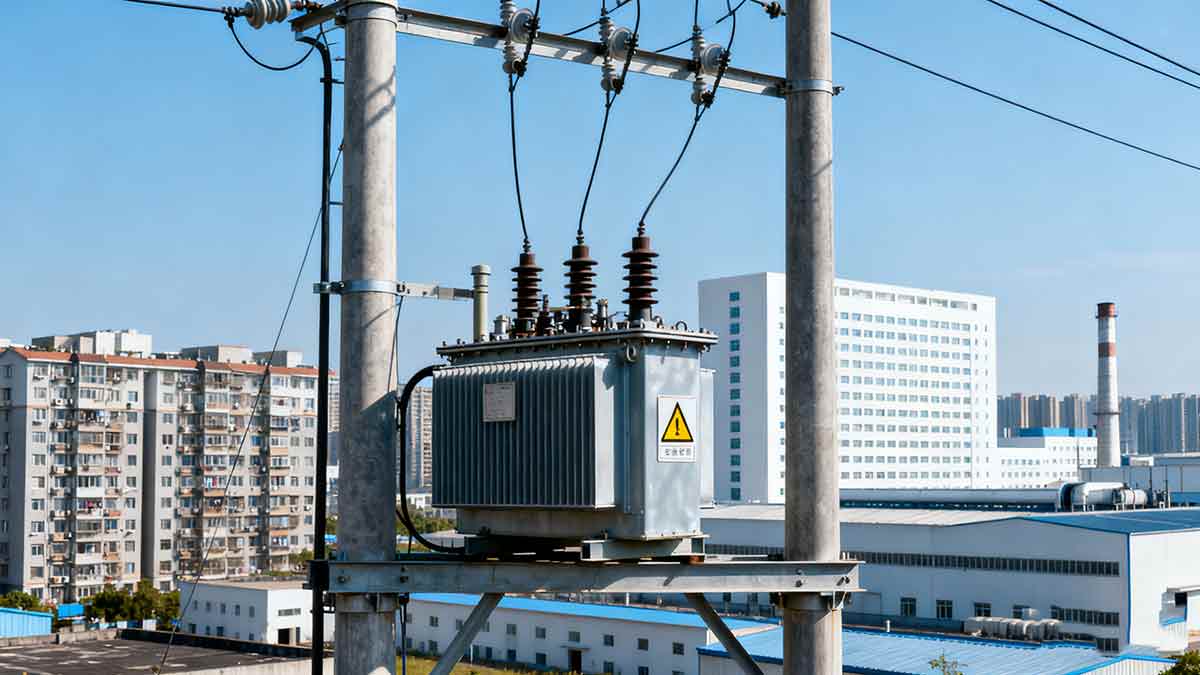
Lihe’s Urban Transformer Adaptations
Compact, Space-Saving Design:
Lihe’s urban pole transformers are 20% smaller than standard units (3ft diameter vs. 3.5ft) without sacrificing capacity. For a historic district with narrow sidewalks, we designed low-profile units that fit under tree canopies—preserving the area’s aesthetic while delivering 75kVA of power.
Enhanced Cooling Systems:
High urban loads generate heat, so Lihe’s units feature external cooling fins and high-efficiency insulating oil (operating temp up to 104°F). In a heat island city (average summer temp 95°F), our cooling system prevents overheating—extending transformer life by 15%.
Smart Grid Integration:
Lihe’s urban transformers include real-time load monitoring and automatic tap changers. For a busy financial district, the units balance load during peak hours (9 AM–5 PM) by shifting power from underused areas to high-demand offices—avoiding outages.
Vandalism & Safety Protection:
Urban units have tamper-proof enclosures (locked access panels, reinforced steel) and are mounted 12ft above ground—preventing theft or damage. Lihe’s polymer bushings also resist graffiti and corrosion from urban pollution.
Noise Reduction:
Cities require quiet operation; Lihe’s urban transformers use vibration-dampening mounts and low-noise core materials (≤55dB)—quieter than a household refrigerator. For a residential area near a power line, our units eliminated noise complaints while powering 50 homes.
4 Unique Challenges of Rural Areas: Lihe’s Pole-Mounted Transformer Solutions
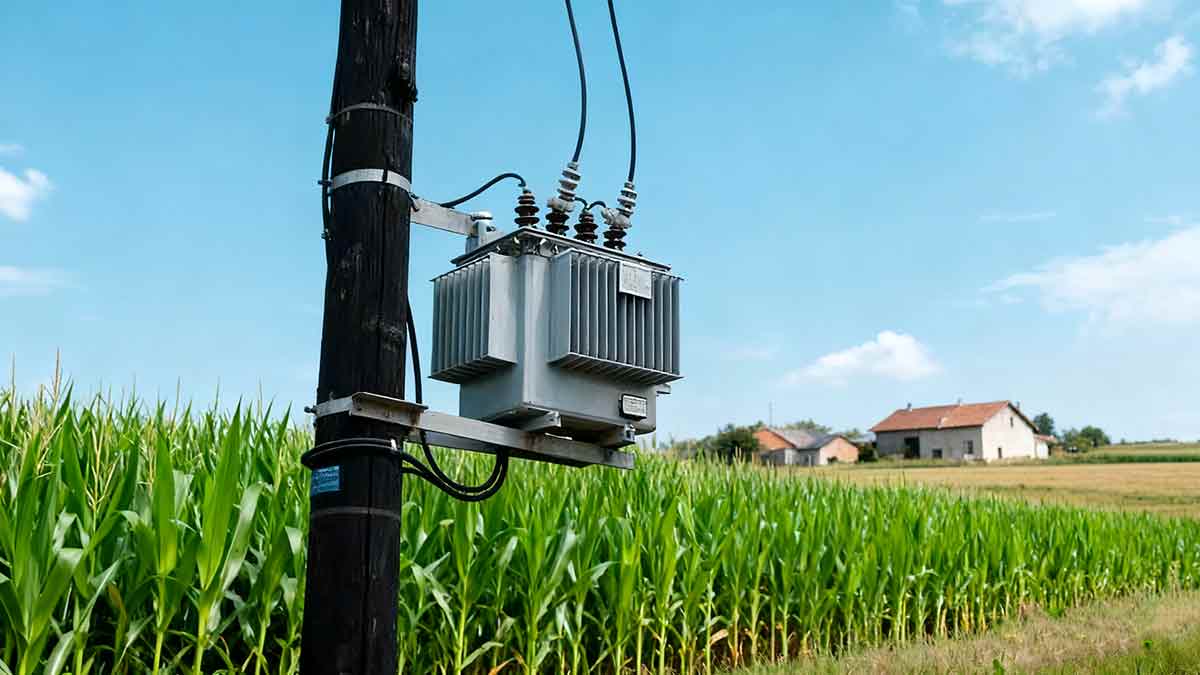
Lihe’s Solutions for Rural Transformer Challenges
| Rural Challenge | Lihe Transformer Solution | Benefit |
|---|---|---|
| Lightning Strikes | Built-in surge arresters; lightning-resistant windings | 90% reduction in lightning-related failures |
| Extreme Weather | UV-protected tank; cold-weather insulating oil (-40°F operating temp) | Operates reliably in -40°F to 120°F conditions |
| Wildlife Interference | Animal-proof enclosures; bird-safe bushings | Eliminates short circuits from squirrels/birds |
| Remote Maintenance | 4G/IoT remote monitoring (tracks voltage, temperature, load) | Technicians only dispatch for critical issues |
| Voltage Drop | Integrated voltage regulators | Stable power for homes 5+ miles from substations |
Weather Resilience:
Rural areas face tornadoes, blizzards, and hail—so Lihe’s rural transformers have reinforced steel tanks (10-gauge vs. standard 12-gauge) and impact-resistant bushings. For a tornado-prone rural county, our units survived 100+ mph winds with zero damage.
Wildlife Protection:
Squirrels, birds, and even bears cause 40% of rural outages. Lihe’s animal-proof enclosures have narrow grilles (≤0.5in) to block rodents, and bird-safe bushings that prevent nesting. In a bear-populated area, we added reinforced door latches—stopping animal damage entirely.
Remote Monitoring:
Maintenance teams can’t visit rural sites weekly, so Lihe’s rural transformers send real-time data to a cloud platform. If a unit overheats or detects a voltage dip, alerts are sent instantly—allowing technicians to resolve issues in hours, not days. For a remote village 50 miles from the nearest town, this cut outage time from 3 days to 4 hours.
Voltage Regulation:
Over long rural lines, voltage drops by 5–10%—making lights dim and appliances inefficient. Lihe’s pole-mounted voltage regulators automatically adjust output, ensuring 120/240V power for homes at the end of the line.
5 Summary: Which Environment Stresses Transformers More?
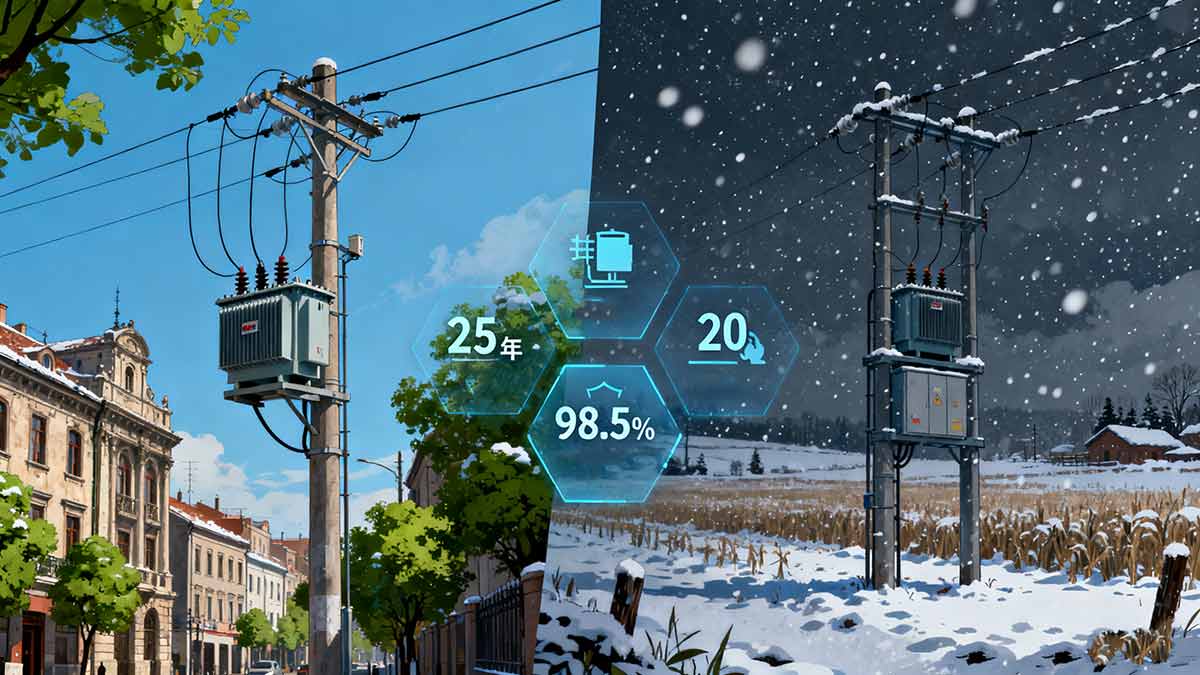
Stress Comparison: Lihe Transformers in Urban vs. Rural Settings
| Stress Factor | Urban Transformers (Lihe Design) | Rural Transformers (Lihe Design) |
|---|---|---|
| Load Stress | High (continuous 70–80% capacity use) | Low-to-moderate (30–50% capacity use, with seasonal peaks) |
| Environmental Stress | Moderate (heat islands, pollution, vandalism) | High (lightning, extreme temps, wildlife, storms) |
| Electrical Stress | High (harmonics from electronics, voltage fluctuations) | Moderate (voltage drop, surges from lightning) |
| Maintenance Stress | Low (easy access; frequent inspections) | High (remote locations; infrequent inspections) |
Urban Stress Mitigation:
Lihe uses high-efficiency cores to handle constant loads, compact designs for space constraints, and harmonic filters to reduce electrical stress from office equipment/LED lighting.
Rural Stress Mitigation:
Lihe deploys weather-resistant materials, surge arresters, remote monitoring, and voltage regulators to overcome environmental and distance challenges.
6 Conclusion


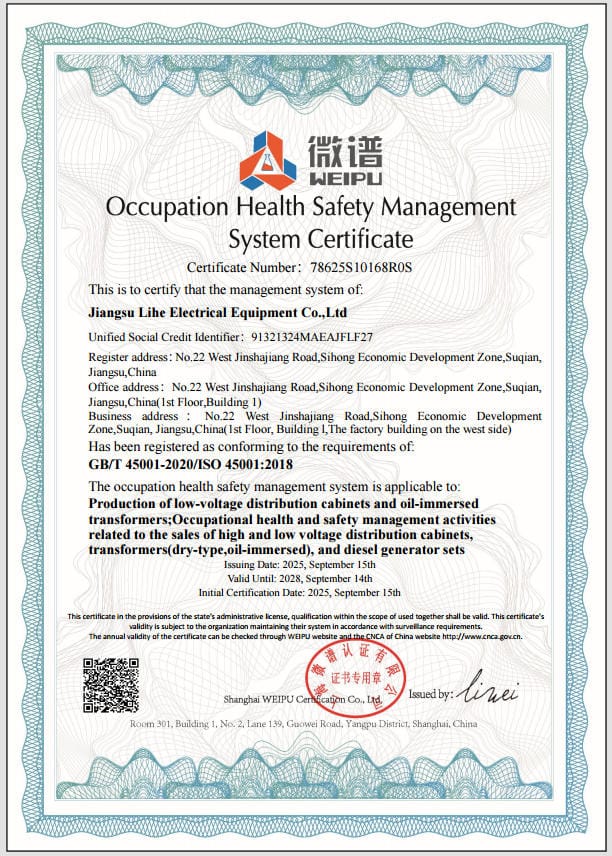
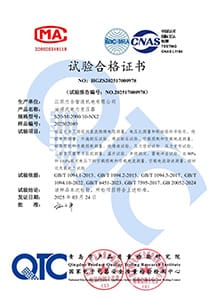
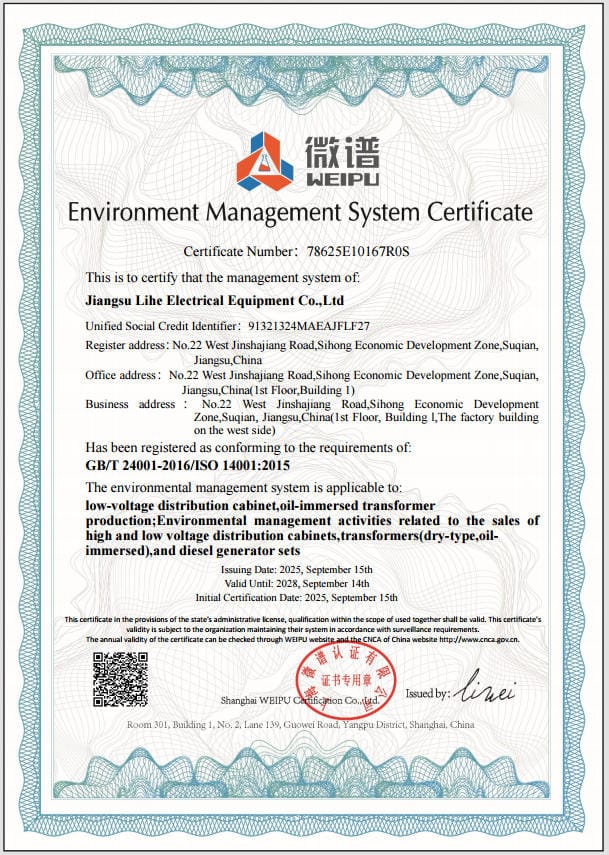
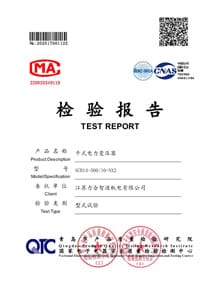
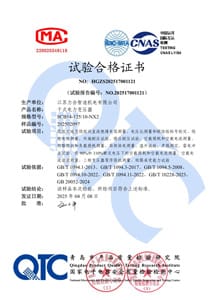
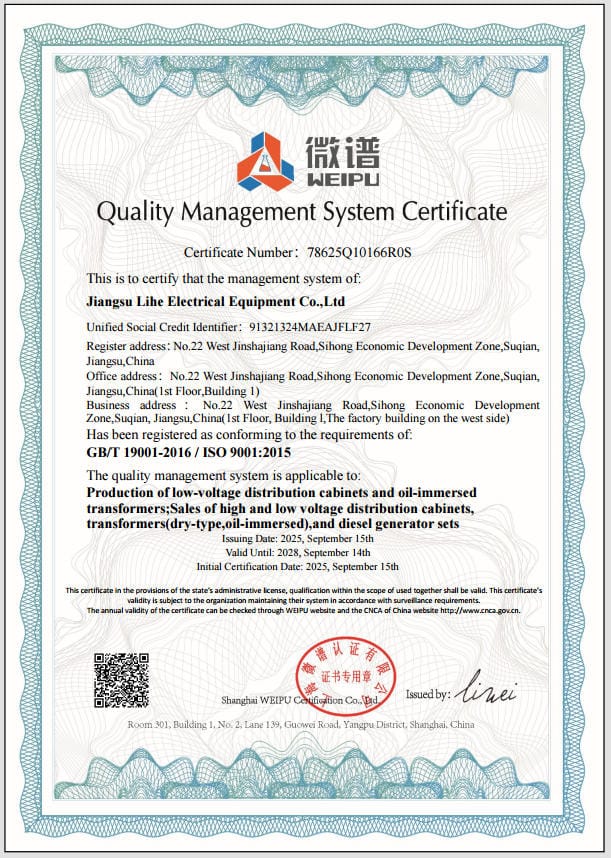
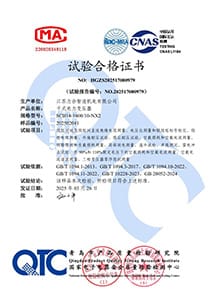
CERTIFICATE
Related Products

Compact Box Transformer Substation for Urban Areas
Transformer BoxBox Type Prefabricated Transformer Substations for Residential
Transformer Box250 KVA European-style Box-type Transformer Substation
Transformer Box500 kva Compact Substation Green Transformer Box
Transformer Box