
Distribution transformers are the unsung heroes of power delivery, quietly converting high-voltage electricity into usable power for homes, businesses, and industries. But many people ask: how does a distribution transformer work? Understanding its working principle is key to reducing energy loss, boosting reliability, and avoiding costly downtime.
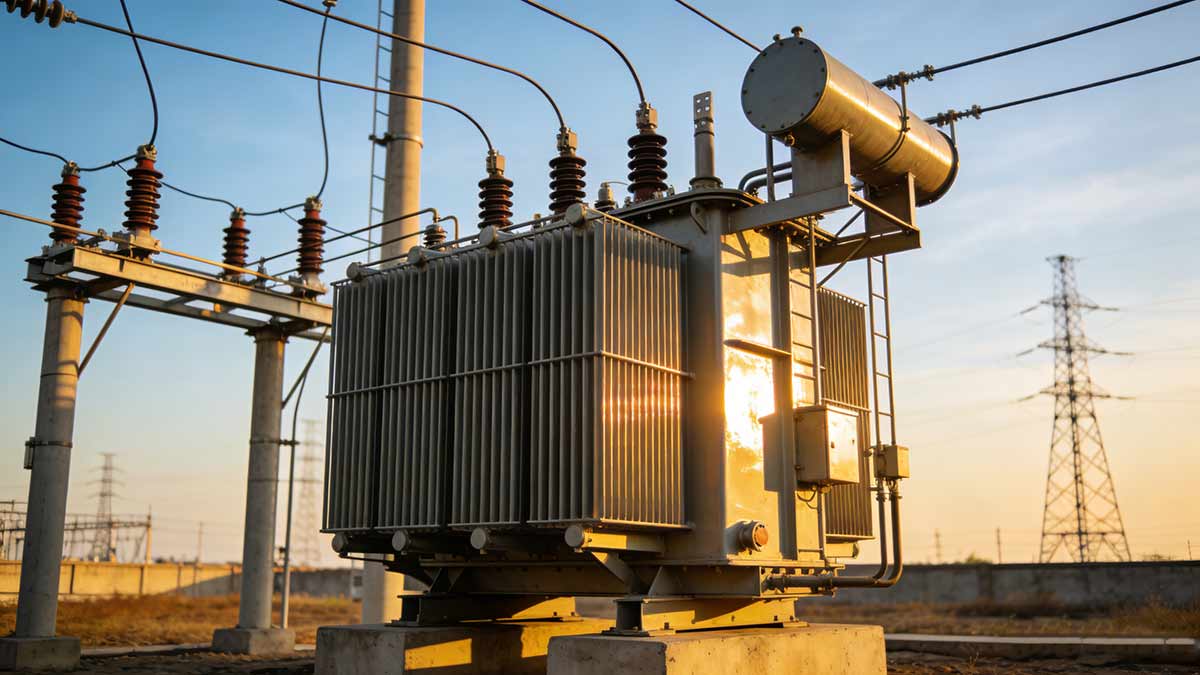
Whether you’re a utility professional, business owner, or property manager, this guide breaks down the basics in simple terms, explains how to minimize energy waste, and shares proven ways to keep your distribution transformer running smoothly. By the end, you’ll know exactly how these critical devices work—and how to get the most out of them.
The Basics: What Is a Distribution Transformer & Why It Matters
Before diving into how a distribution transformer works, it’s important to understand what it is and why it’s essential to the power grid. Distribution transformers are small to medium-sized transformers designed to step down high-voltage electricity from transmission lines to low-voltage power that can be used by everyday devices and equipment.
- They bridge the gap between power plants (which generate high-voltage electricity for efficient long-distance transmission) and end users (who need low-voltage power, typically 120/240V for homes and 480V for businesses).
- Unlike power transformers (used in power plants and substations), distribution transformers operate at lower power ratings (usually 5kVA to 2000kVA) and are installed closer to end users—on utility poles, in ground-mounted enclosures, or inside buildings.
- Their primary job is to deliver stable, safe power while minimizing energy loss—even small inefficiencies can add up to significant waste over time, increasing costs for utilities and consumers.
Common Question: Do all distribution transformers work the same way? While most follow the same basic working principle (electromagnetic induction), there are different types (e.g., oil immersed, dry type) that vary in design and efficiency—but their core function remains the same: voltage conversion.
Case Study: A small town in Indiana upgraded its aging distribution transformers to energy-efficient models. Within a year, the town saw a 12% reduction in energy loss, translating to $40,000 in annual savings for local utilities and lower electricity bills for residents. This highlights how understanding and optimizing distribution transformer performance can have real, measurable benefits.
How Does a Distribution Transformer Work? Core Working Principle
The working principle of a distribution transformer is based on electromagnetic induction—a phenomenon discovered by Michael Faraday in the 1830s. Simply put, it uses magnetic fields to transfer electrical energy from one circuit to another without direct electrical contact, while changing the voltage level. Here’s a step-by-step breakdown of how it works, in simple terms:
Key Components of a Distribution Transformer (And Their Roles)
To understand how a distribution transformer works, you first need to know its basic components. Every distribution transformer has two main parts, plus additional components that ensure safety and efficiency:
Component | Role | How It Contributes to the Working Principle |
|---|---|---|
Primary Winding | Receives high-voltage electricity from transmission lines | When current flows through the primary winding, it creates a magnetic field |
Secondary Winding | Delivers low-voltage electricity to end users | The magnetic field from the primary winding induces a current in the secondary winding at a lower voltage |
Magnetic Core | Focuses and guides the magnetic field between windings | Reduces energy loss by concentrating the magnetic field, ensuring efficient energy transfer |
Tank (Oil Immersed Models) | Holds transformer oil for cooling and insulation | Prevents overheating, which can disrupt the magnetic field and reduce efficiency |
Cooling System | Dissipates the heat generated during operation | Maintains optimal temperature for consistent magnetic field strength and energy transfer |
Step-by-Step: How a Distribution Transformer Converts Voltage
Now that you know the key components, let’s walk through exactly how a distribution transformer works to convert high voltage to low voltage:
- High-voltage electricity from transmission lines enters the transformer through the primary winding. The number of turns in the primary winding determines how much voltage it can handle—more turns mean higher voltage capacity.
- As electric current flows through the primary winding, it creates a magnetic field around the winding. The magnetic core (usually made of iron or steel laminations) channels this magnetic field, preventing it from escaping and ensuring it reaches the secondary winding.
- The magnetic field from the primary winding cuts across the secondary winding, inducing an electric current in the secondary winding. This is electromagnetic induction in action—no wires touch, but energy is transferred through the magnetic field.
- The voltage in the secondary winding depends on the number of turns relative to the primary winding. If the secondary winding has fewer turns than the primary, the voltage is stepped down (this is what distribution transformers do). For example, a primary winding with 1000 turns and a secondary with 50 turns will step down 12,470V to 623.5V.
- The low-voltage electricity from the secondary winding is then sent to homes, businesses, or other end users, powering lights, appliances, and equipment.
Tip: The ratio of primary turns to secondary turns is called the “turns ratio,” and it’s the key to how a distribution transformer works to adjust voltage. A higher turns ratio means a greater voltage step-down.
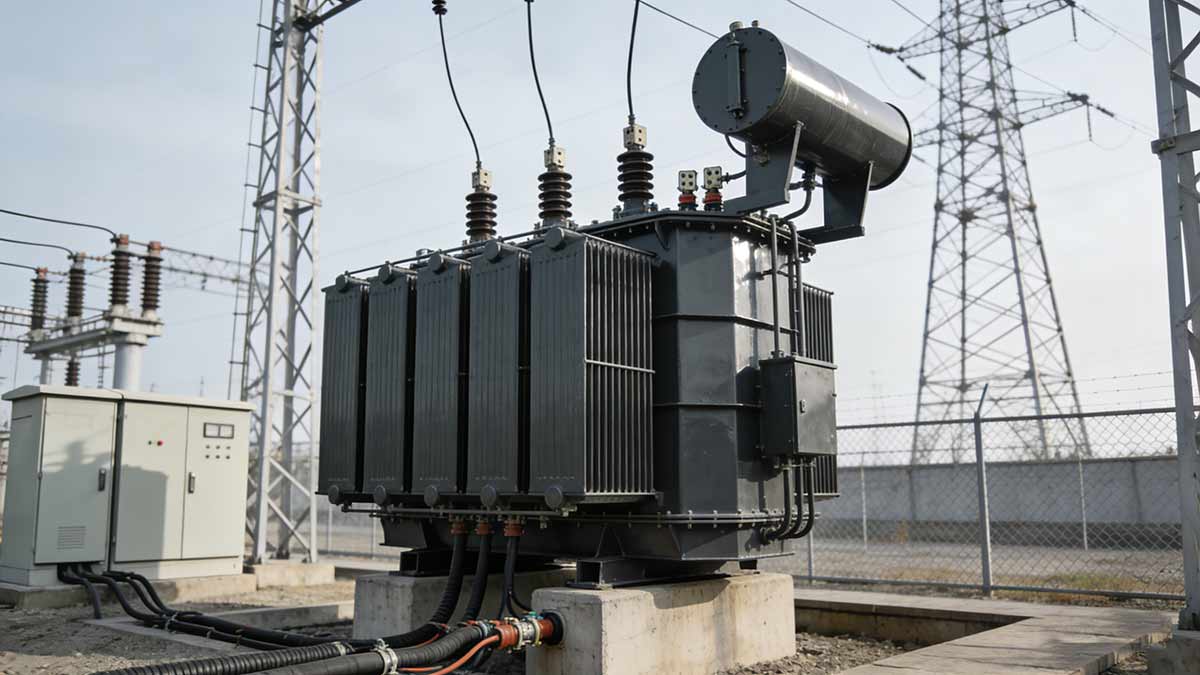
AC vs. DC: Why Distribution Transformers Use Alternating Current
You might wonder why distribution transformers use alternating current (AC) instead of direct current (DC). The answer lies in how electromagnetic induction works—this phenomenon only occurs when the magnetic field is changing. AC current alternates direction (usually 50 or 60 times per second), which creates a constantly changing magnetic field. This changing field is what induces current in the secondary winding.
- DC current flows in a single direction, creating a static magnetic field—this would not induce current in the secondary winding, so transformers cannot work with DC power.
- This is why power grids use AC electricity: it allows transformers to step voltage up (for long-distance transmission) and down (for end use), making efficient power delivery possible.
Why Energy Loss Happens in Distribution Transformers (And How to Stop It)
Even the best distribution transformers lose some energy during operation—but understanding how this loss occurs is the first step to reducing it. Energy loss not only wastes electricity but also increases operating costs and can reduce the transformer’s lifespan. Here’s what causes energy loss and how to stop it:
Common Types of Energy Loss in Distribution Transformers
There are two main types of energy loss in distribution transformers, both related to how the transformer works. These losses are unavoidable, but they can be minimized with proper design and maintenance:
- Iron Loss (Core Loss): This loss occurs in the magnetic core, caused by the changing magnetic field. It has two components: hysteresis loss (energy wasted as the magnetic field reverses direction) and eddy current loss (small electric currents induced in the core, which generate heat). Iron loss is constant, even when the transformer is not under load.
- Copper Loss (Winding Loss): This loss occurs in the primary and secondary windings, caused by the resistance of the copper wires. When current flows through the windings, some energy is lost as heat. Copper loss increases with the load—more current means more loss.
Energy Loss Comparison in Standard vs. Energy-Efficient Distribution Transformers
Transformer Type | Iron Loss (Wattage) | Copper Loss (Wattage at Full Load) | Total Annual Energy Loss (kWh) |
|---|---|---|---|
Standard Distribution Transformer (500kVA) | 350W | 3200W | 3,094 kWh |
Energy-Efficient Distribution Transformer (500kVA) | 220W | 2800W | 2,605 kWh |
Example: A utility company in Ohio replaced 50 standard distribution transformers with energy-efficient models. The annual energy loss dropped by 24,450 kWh, saving the company over $3,000 per year in electricity costs. This shows how small reductions in energy loss can add up.
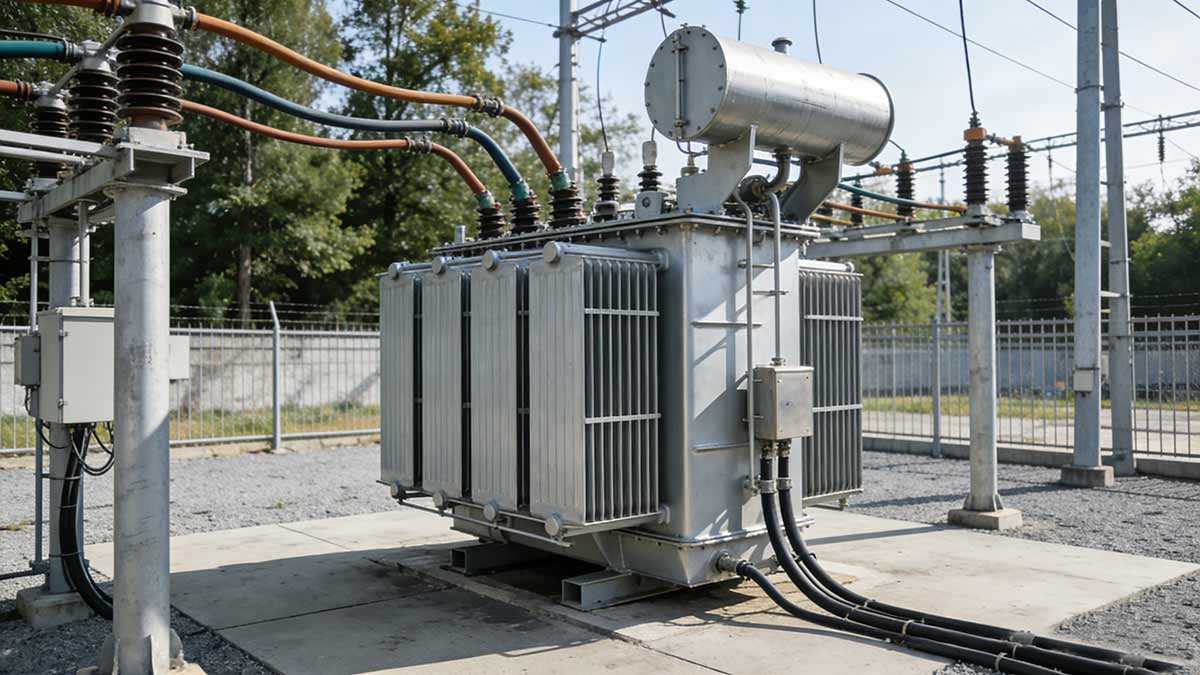
Practical Ways to Stop Energy Loss in Distribution Transformers
Reducing energy loss in distribution transformers doesn’t require complex technical knowledge—here are simple, actionable steps to minimize waste and boost efficiency:
- Choose Energy-Efficient Models: Look for distribution transformers with low iron and copper loss ratings (check the manufacturer’s specifications). Energy-efficient transformers use high-quality core materials (e.g., grain-oriented steel) and thicker copper windings to reduce resistance.
- Maintain Optimal Load Levels: Avoid overloading or underloading the transformer. Copper loss increases with load, so operating the transformer at 70–80% of its rated load is ideal for minimizing loss. If the load is consistently too low or too high, consider resizing the transformer.
- Regular Maintenance: Keep the transformer clean and well-maintained. Dirty cooling systems (radiators, fans) reduce heat dissipation, increasing energy loss. For oil immersed transformers, regular oil testing and replacement prevent contamination, which can degrade efficiency.
- Upgrade Aging Transformers: Older distribution transformers (20+ years old) have higher energy loss due to outdated design and worn components. Upgrading to modern, energy-efficient models can reduce loss by 20–30%.
Common Question: Can I completely eliminate energy loss in a distribution transformer? No—some loss is inherent to how distribution transformers work. But you can reduce it to minimal levels with the right strategies, saving money and energy.
Boosting Distribution Transformer Reliability: Key Strategies
A reliable distribution transformer is essential for uninterrupted power delivery. Even small issues can lead to downtime, which is costly for utilities and frustrating for end users. Here’s how to boost reliability, based on how distribution transformers work and their common failure points:
Address Common Causes of Transformer Failure
Most distribution transformer failures are caused by issues that disrupt their core working principle (electromagnetic induction) or damage key components. Here are the most common causes and how to prevent them:
- Overheating: Caused by poor cooling, overloading, or dirty components. Overheating degrades the magnetic core and windings, reducing efficiency and leading to failure. Prevent it by cleaning cooling systems, avoiding overloading, and installing temperature monitoring devices.
- Moisture Intrusion: Moisture can damage the windings and core, causing short circuits. For outdoor transformers, ensure the tank (oil immersed models) is sealed properly, and replace worn gaskets regularly. For dry type transformers, install them in dry, well-ventilated areas.
- Loose Connections: Loose wiring in the primary or secondary windings can cause arcing, which damages components and disrupts the magnetic field. Inspect connections annually and tighten any loose parts.
- Oil Contamination (Oil Immersed Models): Contaminated oil (from water, dirt, or degradation) reduces insulation and cooling efficiency. Test oil quarterly and replace it when it becomes contaminated.
Regular Maintenance Schedule for Reliability
Regular maintenance is the best way to boost distribution transformer reliability. Here’s a simple schedule to follow, tailored to how distribution transformers work and their maintenance needs:
Maintenance Task | Frequency | Purpose |
|---|---|---|
Visual Inspection | Monthly | Check for loose parts, leaks, dirt, or damage |
Cooling System Cleaning | Semi-annually | Remove debris from radiators/fans to prevent overheating |
Oil Testing (Oil Immersed Models) | Quarterly | Check for contamination and degradation |
Load and Voltage Checks | Bi-annually | Ensure the transformer is operating within its limits |
Component Inspection (Windings, Core) | Annually | Detect wear or damage early |
Real-World Example: Boosting Reliability with Proactive Maintenance
A commercial building in Florida had frequent distribution transformer failures, leading to costly downtime. An inspection revealed that the transformer was overheating due to a dirty cooling system and was operating at 110% of its rated load. The building management implemented a regular maintenance schedule, upgraded to a larger transformer (better suited for the load), and cleaned the cooling system. Within six months, the transformer had zero failures, and downtime was reduced by 100%.
Different Types of Distribution Transformers (And How They Work Differently)
While all distribution transformers follow the same basic working principle (electromagnetic induction), there are different types designed for specific applications. Understanding the differences can help you choose the right transformer for your needs, boosting efficiency and reliability:
Oil Immersed Distribution Transformers
Oil immersed transformers are the most common type for outdoor use. They use mineral oil or synthetic oil for cooling and insulation, which makes them durable and efficient:
- How they work: The oil surrounds the core and windings, absorbing heat and preventing electrical arcing. The oil is cooled by radiators or fans, ensuring the transformer operates at optimal temperature.
- Advantages: Long lifespan (25–40 years), good heat dissipation, suitable for harsh outdoor environments.
- Best for: Utility poles, ground-mounted outdoor installations, rural areas.
Dry Type Distribution Transformers
Dry type transformers use air or resin for cooling and insulation, making them ideal for indoor use:
- How they work: Instead of oil, they use air circulation (natural or forced) to cool the core and windings. Resin-coated windings provide insulation, preventing short circuits.
- Advantages: No oil leaks, safe for indoor use (e.g., commercial buildings, hospitals), low maintenance.
- Best for: Indoor installations, areas with strict environmental regulations, small to medium loads.
Pad-Mounted Distribution Transformers
Pad-mounted transformers are enclosed in a steel cabinet and installed on a concrete pad, typically used in residential and commercial areas:
- How they work: They follow the same electromagnetic induction principle but are designed for compact, safe installation. The enclosure protects components from weather and vandalism.
- Advantages: Compact, safe, low profile, suitable for urban areas.
- Best for: Residential neighborhoods, shopping centers, office parks.
How to Choose the Right Distribution Transformer for Your Needs
Choosing the right distribution transformer depends on your application, load requirements, and environment. Here’s a step-by-step guide to help you select a transformer that works efficiently and reliably:
Step 1: Determine Your Load Requirements
Calculate the total power load (in kVA) you need to power. This includes all appliances, equipment, and devices that will use electricity from the transformer. Choose a transformer with a rated load that exceeds your current needs by 20–30% to avoid overloading.
Step 2: Consider the Environment
Indoor vs. outdoor installation: Dry type transformers are best for indoor use, while oil immersed transformers are ideal for outdoor use. For harsh environments (e.g., hot, humid, or dusty areas), choose a transformer with a durable design and an effective cooling system.
Step 3: Prioritize Energy Efficiency
Look for transformers with low iron and copper loss ratings. Energy-efficient models may have a higher initial cost but will save you money in the long run by reducing energy loss.
Step 4: Check Safety and Compliance
Ensure the transformer meets local safety and environmental standards. For example, oil immersed transformers in environmentally sensitive areas may require fire-resistant oil.
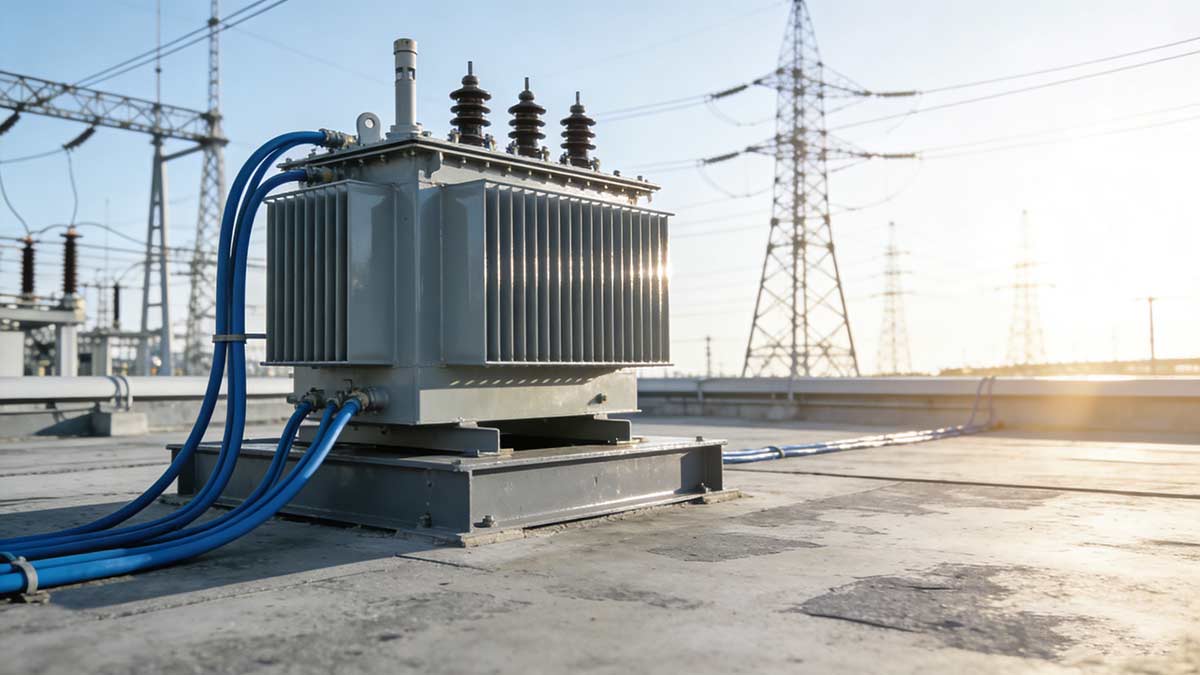
Troubleshooting Common Distribution Transformer Issues
Even with proper maintenance, distribution transformers can experience issues. Here are common problems, their causes (related to how the transformer works), and simple troubleshooting steps:
Problem 1: No Power Output
- Cause: Faulty primary or secondary winding (disrupted electromagnetic induction), loose connections, or a tripped circuit breaker.
- Troubleshooting: Check the circuit breaker and reset if needed. Inspect connections for looseness. If the issue persists, call a professional to test the windings.
Problem 2: Overheating
- Cause: Dirty cooling system, overloading, or oil contamination (oil immersed models).
- Troubleshooting: Clean the cooling system, reduce the load, or test/replace the oil (if applicable).
Problem 3: Noise or Vibration
- Cause: Loose components, core saturation, or overloading—all of which disrupt the magnetic field and the transformer’s working principle.
- Troubleshooting: Tighten loose parts, check the load, and ensure the transformer is mounted on a stable surface with anti-vibration pads.
Conclusion: Mastering How a Distribution Transformer Works for Efficiency & Reliability
Understanding how a distribution transformer works is the foundation of reducing energy loss, boosting reliability, and getting the most out of your power system. These critical devices use electromagnetic induction to convert high-voltage electricity to usable low-voltage power, with key components like the primary winding, secondary winding, and magnetic core working together to ensure efficient energy transfer.
By choosing energy-efficient models, following a regular maintenance schedule, and addressing issues early, you can minimize energy loss, extend the transformer’s lifespan, and avoid costly downtime. Whether you’re a utility professional, business owner, or property manager, the tips in this guide will help you optimize your distribution transformer’s performance.
If you’re unsure how to choose the right distribution transformer for your needs, need help troubleshooting an issue, or want to learn more about boosting efficiency, our team of transformer experts is here to assist. We offer high-quality, energy-efficient distribution transformers and professional guidance to ensure your power system runs smoothly and reliably—helping you save energy, reduce costs, and avoid disruptions. Now that you know how a distribution transformer works, take the next step to optimize your power delivery.