
Why Is Daily Maintenance of Oil Immersed Transformer Critical for Power Systems
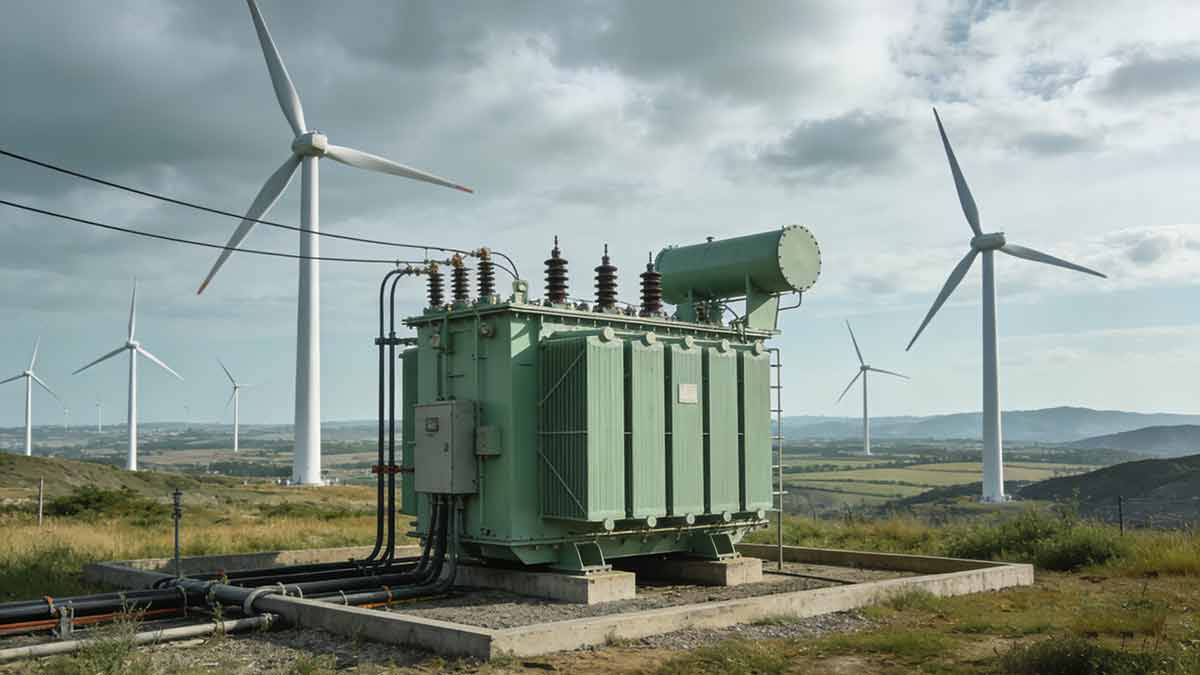
Daily maintenance of oil immersed transformer is the foundation of safe, stable, and efficient electrical distribution. These transformers serve industrial, commercial, utility, and residential networks, and consistent upkeep prevents unplanned downtime, reduces fire and explosion risks, extends service life, and lowers long‑term operational costs.
Without structured daily checks, minor issues such as abnormal noise, oil discoloration, loose connections, or insulation degradation can quickly develop into catastrophic failures. A proactive daily maintenance routine ensures early detection and correction, supporting continuous power delivery and compliance with global electrical safety standards.
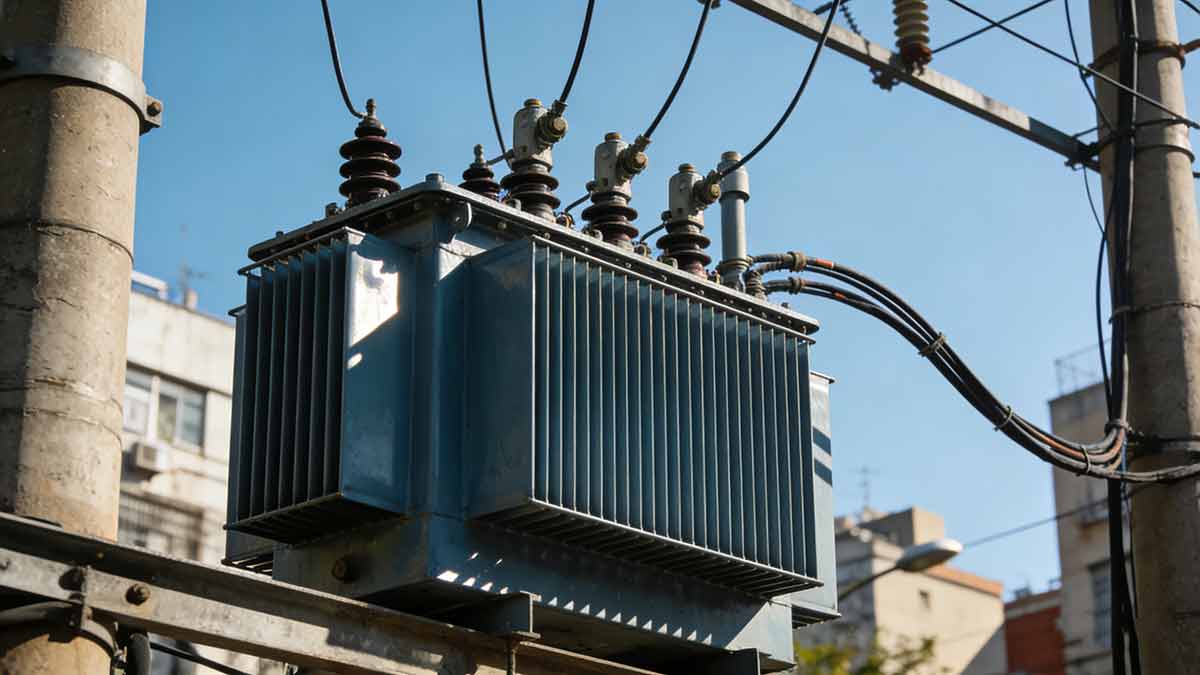
Core Definition and Role of Oil Immersed Transformer
An oil immersed transformer uses insulating transformer oil as both coolant and dielectric medium. The oil circulates around the core and coil assemblies to dissipate heat generated during operation while maintaining high insulation performance.
Key components include:
- Tank and sealing system
- Core and winding assembly
- Insulating oil
- Bushing insulators
- Cooling system (radiators, fans, pumps)
- Tap changer and monitoring devices
- Neutral point connection and grounding equipment
How Neutral Point Integration Affects Transformer Operation
What Is the Function of Neutral Point of Transformer
Voltage Stabilization and Phase Balance
- Provides a fixed reference point for three‑phase voltage symmetry
- Prevents neutral displacement that causes overvoltage on individual phases
- Supports balanced loading across the entire transformer unit
Safe Grounding and Fault Protection
- Enables proper grounding schemes to limit overvoltages during lightning or switching surges
- Allows protective relays to detect phase‑to‑ground faults quickly
- Reduces thermal and mechanical stress on windings during short circuits
Supporting Dual Voltage Levels
- In distribution systems, the neutral permits simultaneous delivery of line‑to‑line and line‑to‑neutral voltages
- Improves compatibility with household, commercial, and industrial loads
- Simplifies system grounding and protective device coordination
Insulation and Lifetime Protection
- Reduces uneven electrical stress on winding insulation
- Lowers the risk of partial discharge and long‑term degradation
- Works with the daily maintenance of oil immersed transformer to extend service life
| Neutral Point Function | Practical Benefit for Maintenance |
|---|---|
| Voltage balance control | Reduces overheating and uneven wear |
| Ground fault detection | Simplifies troubleshooting during daily checks |
| Overvoltage limitation | Protects bushings and internal insulation |
| Stable reference point | Improves the accuracy of current and voltage monitoring |
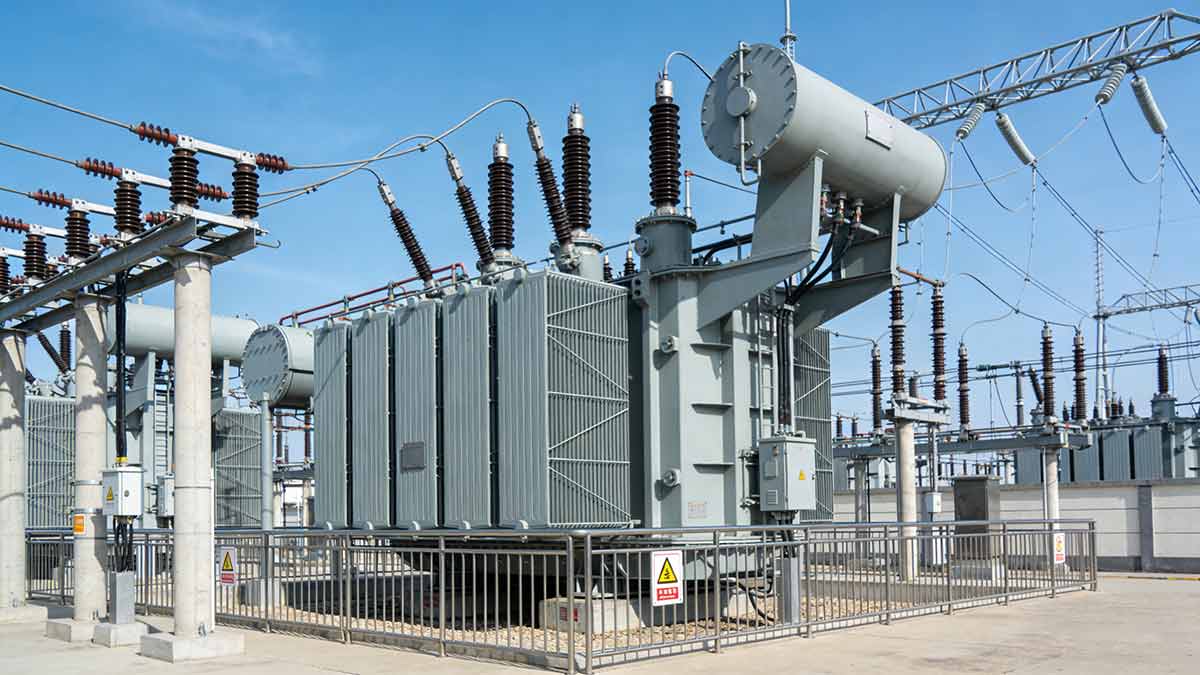
Visual and Acoustic Inspection During Daily Operation
How to Judge Normal Electromagnetic Sound
- Listen for steady, low‑pitched, uniform humming
- Recognize changes in pitch, volume, or rhythm
- Distinguish normal hum from rattling, buzzing, or squealing
- Compare sound with baseline records from commissioning
Abnormal Noise Types and Immediate Actions
- Sharp buzzing: loose core clamping or winding vibration
- Rattling: loose external parts, cooling panels, or connections
- Hissing or crackling: internal discharge, insulation damage, or oil contamination
- Roaring noise: severe overload, internal short circuit, or cooling failure
Insulation Oil Inspection in Daily Maintenance of Oil Immersed Transformer
Visual Oil Condition Assessment
- Check clarity, transparency, and color
- Note cloudiness, sediment, or foaming
- Monitor for rapid darkening, indicating overheating or oxidation
- Compare appearance with reference samples
Oil Level Monitoring Standards
- Verify the level against the marked gauge scales
- Check for sudden drops indicating leaks
- Ensure the level remains within the operating temperature range
- Record readings for trend analysis
Oil Quality Thresholds for Maintenance Action
| Oil Appearance | Condition | Recommended Action |
|---|---|---|
| Clear, light yellow | Excellent | Continue routine checks |
| Slightly dark yellow | Good | Monitor in daily maintenance |
| Cloudy or turbid | Degraded | Filter or process oil |
| Dark brown/black | Severe deterioration | Change oil and inspect internal parts |
| Visible particles or sludge | Contaminated | Full oil treatment and cleaning |
Electrical Parameter Monitoring for Daily Maintenance
Operating Current Range Verification
- Confirm phase currents stay within rated limits
- Check for unbalanced current between phases
- Record sudden increases indicating overload or internal fault
- Compare with the nameplate and historical data
Neutral Point Current Observation
- Monitor small neutral current under balanced conditions
- Investigate the unexpected neutral current rise
- Link abnormal readings to the function of the neutral point of the transformer
- Use trends to predict insulation or load issues
Temperature and Thermal Behavior
- Check the top oil temperature and winding temperature indicators
- Verify cooling system initiation temperatures
- Look for abnormal temperature divergence between phases
- Link high temperatures to oil degradation or overload
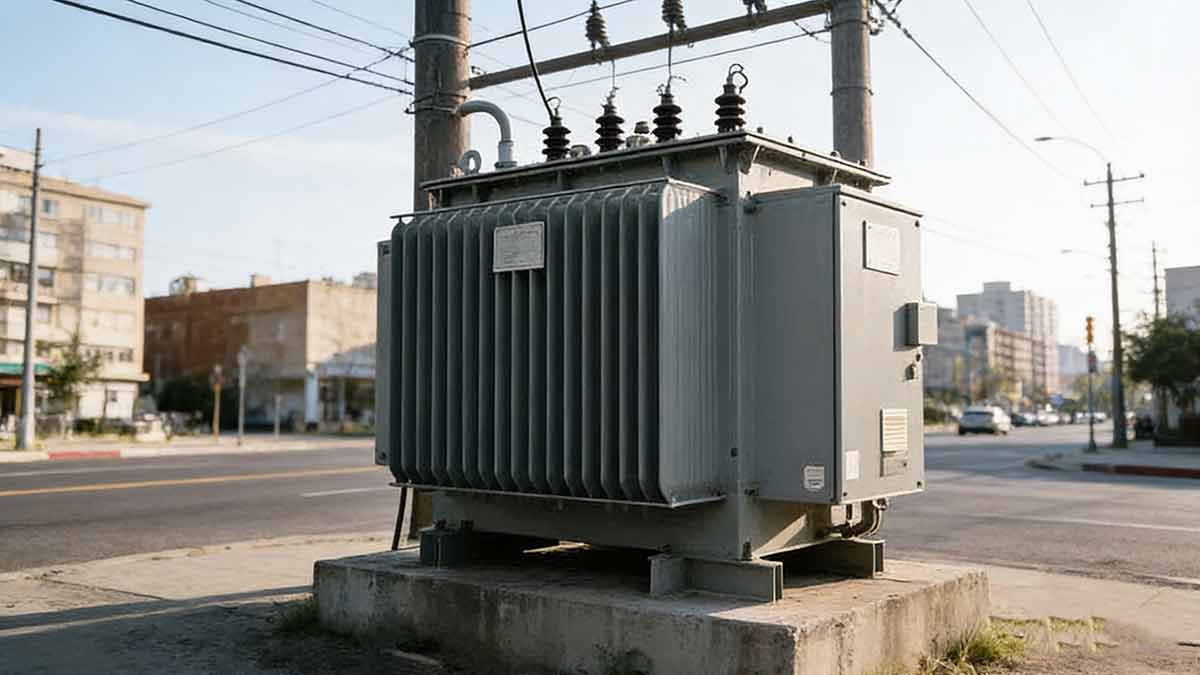
Connection, Cable, and Bushing Inspections
Heating Detection on Terminals and Connectors
- Inspect for discoloration, melting, or oxidation
- Check for hot spots using infrared detection if available
- Tighten connections to the specified torque
- Clean corroded surfaces and apply an anti‑oxidant compound
Cable and Lead Condition Check
- Examine cable insulation for cracking, swelling, or heat damage
- Verify secure routing and support
- Check for oil contamination on cable surfaces
- Ensure clearances from grounded parts
Bushing and High‑Voltage Terminal Inspection
- Look for contamination, cracks, chips, or tracking
- Check for discharge marks, flashing, or powder deposits
- Verify the tightness and sealing of gaskets
- Clean dirty bushings to prevent flashover
Cooling System Functionality Check
- Confirm fans, pumps, and radiators operate as designed
- Check for blocked airflow or clogged fins
- Verify oil circulation and temperature control
- Listen for unusual motor noise or vibration
Environmental and Safety Inspection in Daily Maintenance
Cleanliness and Foreign Material Removal
- Keep tank, bushings, and cooling surfaces clean
- Remove dust, dirt, leaves, and debris
- Prevent bird nests, insect colonies, or animal intrusion
- Maintain clear access for inspection and emergency response
Flammable and Explosive Hazard Control
- Remove gasoline, oil rags, chemicals, and waste near the transformer
- Ensure proper fire safety equipment availability
- Maintain clearances per local and international standards
- Check for oil leaks that increase fire risk
Site Security and Structural Integrity
- Inspect fences, barriers, and warning signs
- Check the foundation for cracks, settlement, or oil leakage
- Ensure earthing and grounding connections are intact
- Verify neutral grounding matches the function of the neutral point of the transformer requirements
Step‑by‑Step Daily Maintenance Checklist
- Record transformer nameplate data and operating mode
- Listen for abnormal electromagnetic noise during operation
- Inspect oil color, clarity, and level in the gauge
- Check phase currents and unbalance values
- Monitor neutral current related to the function of the neutral point of the transformer
- Inspect terminals, connectors, and cables for overheating
- Examine bushings for cracks, dirt, or discharge traces
- Verify cooling system components are functioning
- Clean external surfaces and remove debris
- Check surroundings for fire and safety hazards
- Record all readings and observations in a log
- Flag abnormal conditions for follow‑up action
Maintenance Logging and Data Analysis
Benefits of Structured Logging
- Tracks long‑term trends in oil condition, noise, and temperature
- Supports early warning of developing faults
- Provides evidence for warranty and compliance
- Improves troubleshooting speed and accuracy
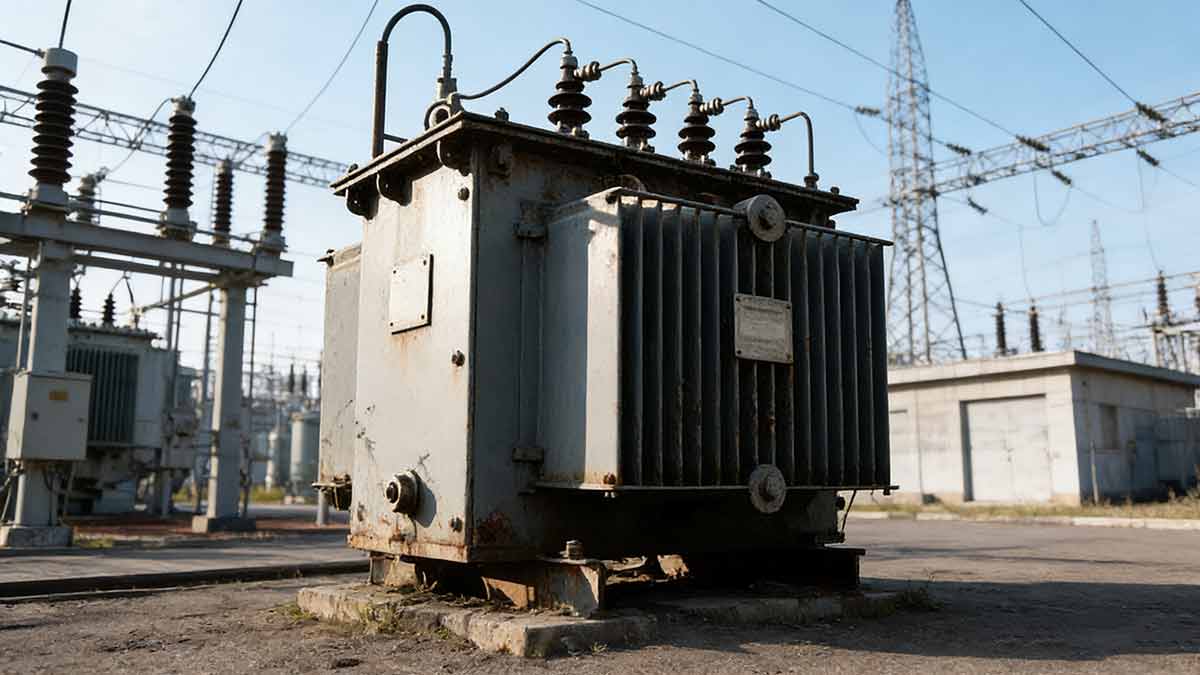
Key Data to Record Daily
- Date, time, and operator name
- Ambient temperature
- Oil level and appearance
- Phase current and voltage values
- Neutral current related to the function of the neutral point of the transformer
- Temperature readings
- Unusual sounds, smells, or visual defects
- Actions taken and follow‑up plans
Troubleshooting Common Issues Found in Daily Checks
Abnormal Noise Troubleshooting
- Tighten external bolts and clamps
- Check the cooling fan and motor mounting
- Investigate internal vibration if noise persists
- Compare with neutral point balance and load conditions
Oil Leakage Solutions
- Identify leak location (gasket, valve, weld, or bushing)
- Tighten or replace seals as needed
- Clean the area and monitor recurrence
- Top up oil with a matching grade after repair
Overheating Connections
- Disconnect power (when possible) and clean contacts
- Retorque bolts to manufacturer’s specification
- Replace damaged terminals or cables
- Improve ventilation if needed
Bushing Discharge or Tracking
- Clean bushing surfaces thoroughly
- Check for cracks or irreparable damage
- Replace defective bushings immediately
- Improve environmental sealing
Long‑Term Benefits of Strict Daily Maintenance
Extended Service Life
- Well‑maintained units often operate for 20–30 years
- Reduces internal wear and insulation aging
- Preserves oil quality and dielectric strength
- Protects core and coil integrity
Improved Safety Performance
- Minimizes fire, explosion, and electric shock risks
- Enhances grounding and fault clearance
- Supports the reliable function of the neutral point of the transformer
- Protects personnel and nearby equipment
Higher Operational Efficiency
- Maintains rated voltage and current performance
- Reduces energy loss from overheating or imbalance
- Lowers cooling system workload
- Stabilizes power quality for connected loads
Reduced Repair and Replacement Cost
- Catches small problems before major failure
- Cuts emergency repair expenses
- Extends intervals between major overhauls
- Improves return on investment
Conclusion
Daily maintenance of oil immersed transformer is a systematic, repeatable process that protects one of the most valuable assets in any power system. Combining careful visual checks, oil condition monitoring, electrical parameter measurement, connection inspection, and safety oversight ensures stable performance.
Understanding the function of the neutral point of a transformer adds depth to maintenance practices, helping technicians balance loads, interpret ground faults, and maintain proper grounding. With consistent daily maintenance, oil immersed transformers operate safely, efficiently, and reliably for decades.