
This article will conduct an in-depth comparative analysis of the two transformers, covering insulation mechanisms, safety performance, environmental impact, maintenance requirements, and other key dimensions, to provide authoritative answers for your selection decisions.
What Are the Core Differences in Insulating Materials Between Cast Resin and Oil Transformers?
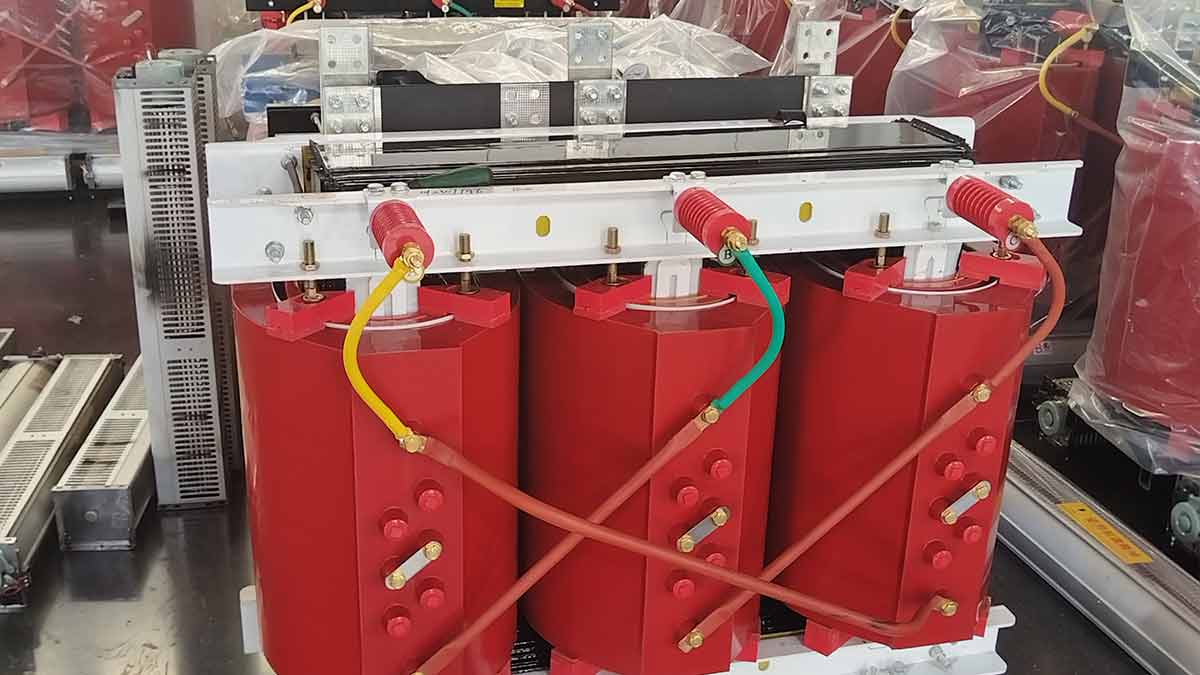
The insulating material is the core component that determines the transformer’s insulation performance, service life, and operational stability. Cast resin transformers and oil-immersed transformers adopt completely different insulating media, leading to significant differences in their overall performance. The following table details the characteristics of the two insulating materials and their impacts on transformer operation:
Comparison Dimension | Cast Resin Transformer (Epoxy Resin Insulation) | Oil-Immersed Transformer (Transformer Oil Insulation) |
|---|---|---|
Main Insulating Material | High-performance epoxy resin (usually modified bisphenol A epoxy resin) mixed with inorganic fillers (such as alumina, silica) for casting. | Special transformer oil (mineral oil is mainstream; synthetic oil, such as ester oil, is used in special scenarios), supplemented with insulating paper, cardboard, and other auxiliary insulation materials. |
Insulation Mechanism | Epoxy resin forms a dense, airtight insulation layer after curing, isolating the winding from the external environment and preventing partial discharge and insulation breakdown. | Transformer oil relies on its high dielectric strength to insulate windings, while also carrying away heat generated by the windings through convection and conduction. |
Temperature Resistance | Excellent temperature resistance, with a continuous operating temperature of 155°C (F-class insulation) or higher, and short-term overload temperature resistance up to 200°C without insulation degradation. | Mineral oil has a maximum operating temperature of 95°C; exceeding this temperature for a long time will accelerate oil aging and reduce insulation performance. Synthetic oil can withstand up to 120°C but has higher costs. |
Aging Resistance | Epoxy resin is resistant to oxidation, moisture, and chemical corrosion, with almost no aging or degradation under normal operating conditions, ensuring a service life of 25-30 years. | Transformer oil is prone to oxidation and contamination by moisture, impurities, and acidic substances, leading to reduced dielectric strength. Regular oil replacement is required to extend service life. |
Impact on Winding Protection | The cured epoxy resin layer provides mechanical protection for the winding, resisting vibration, shock, and external mechanical damage. | Transformer oil only provides insulation and cooling, with no mechanical protection for the winding; additional structural design is needed to enhance winding stability. |
Why Is Epoxy Resin Insulation Gaining Popularity in Modern Power Projects?
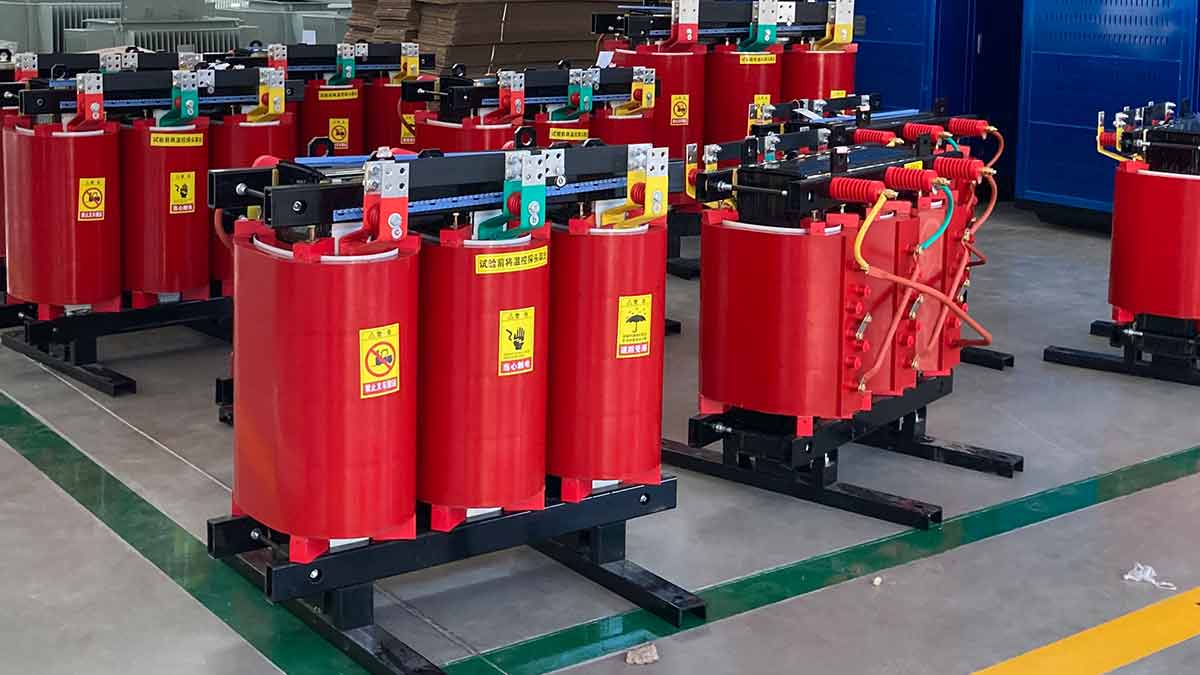
With the continuous upgrading of power distribution requirements, epoxy resin insulation technology has been widely recognized due to its comprehensive performance advantages. Unlike traditional insulation materials, modified epoxy resin not only has excellent dielectric properties but also integrates insulation, mechanical protection, and moisture resistance into one.
In scenarios such as urban high-rise buildings, data centers, and industrial workshops with high insulation requirements, cast resin transformers can avoid insulation failures caused by moisture, dust, and chemical gases, ensuring an uninterrupted power supply. In addition, the curing process of epoxy resin is controllable, and the insulation layer has uniform thickness and stable performance, which effectively reduces the risk of partial discharge and improves the transformer’s operational reliability.
What Are the Limitations of Transformer Oil Insulation?
Although transformer oil has a long application history and mature technology, its inherent characteristics bring certain limitations. First, transformer oil is a flammable liquid, and once a leak occurs, it is easy to cause fires and even explosions in high-temperature or open-flame environments. Second, transformer oil is prone to aging and deterioration during long-term operation, and the generated acidic substances and impurities will corrode the transformer’s internal components, affecting service life.
Third, the insulation performance of transformer oil is highly sensitive to moisture; even a small amount of water ingress will significantly reduce its dielectric strength, leading to insulation breakdown. Therefore, oil-immersed transformers require a strict sealing design and regular oil quality detection to ensure insulation stability.
How Do Temperature Rise Characteristics Affect Transformer Operation and Application?
Temperature rise is an important technical indicator of transformers, directly related to operational efficiency, service life, and safety performance. The temperature rise of a transformer refers to the difference between the temperature of the winding and the ambient temperature during operation. Different insulation materials and cooling methods lead to obvious differences in temperature rise between cast resin and oil-immersed transformers. The following table compares their temperature rise characteristics and corresponding impacts:
Indicator | Cast Resin Transformer | Oil-Immersed Transformer |
|---|---|---|
Typical Temperature Rise (Winding) | 80-100 K (under-rated load), lower than oil-immersed transformers due to efficient heat dissipation of epoxy resin and optimized winding structure. | 100-120 K (under rated load), higher temperature rise because the heat transfer efficiency of transformer oil is limited compared to cured epoxy resin. |
Cooling Method | Natural air cooling (AN) as standard; forced air cooling (AF) can be adopted for overload scenarios to further reduce temperature rise. | Natural oil circulation cooling (ONAN) for small and medium capacity; forced oil circulation cooling (OFAF) for large capacity to enhance heat dissipation. |
Impact on Service Life | Lower temperature rise slows down the aging rate of insulation materials and internal components, extending the service life to 25-30 years without additional cooling measures. | Higher temperature rise accelerates oil aging and insulation degradation; each 10°C increase in temperature rise reduces the service life by about 50%. |
Overload Capacity | Good overload capacity; can withstand 120-150% rated load for a short time, with small temperature rise fluctuation. | Limited overload capacity; long-term overload will cause excessive temperature rise, leading to oil boiling and insulation damage. |
Application Limitations Due to Temperature Rise | Suitable for indoor, enclosed, or high-temperature environments (such as workshops, basements) due to low heat generation. | Not suitable for indoor or poorly ventilated environments; high heat generation requires outdoor installation with sufficient heat dissipation space. |
How to Optimize Temperature Rise for Different Application Scenarios?
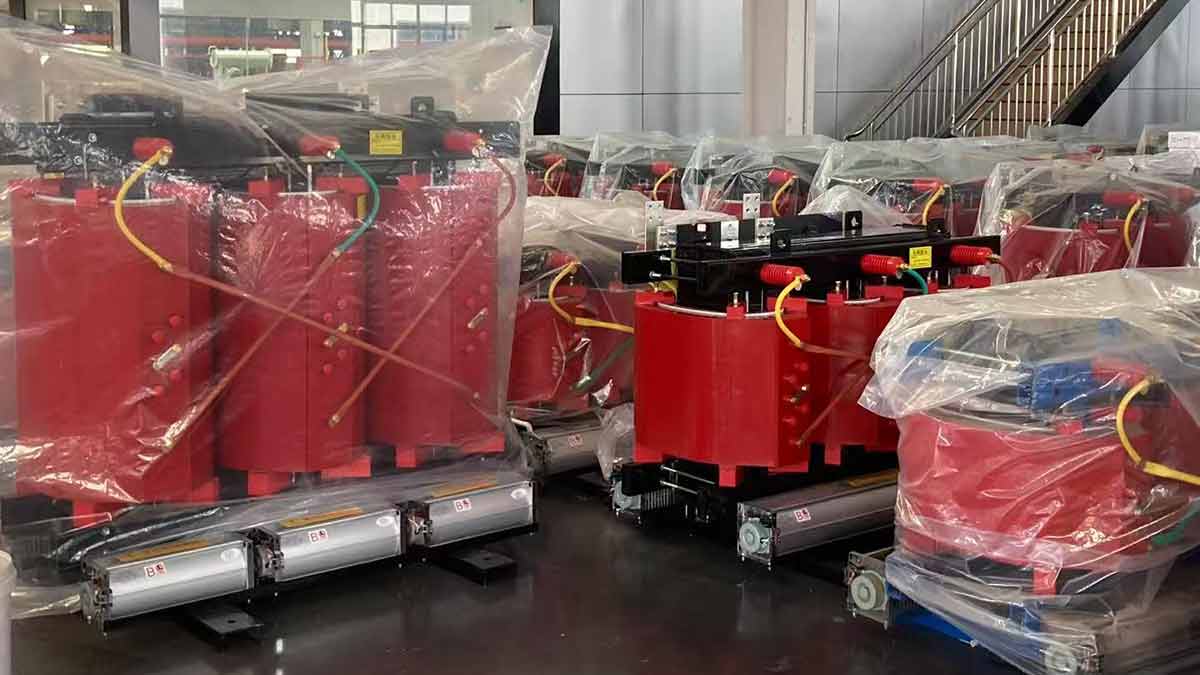
For cast resin transformers, optimizing the winding structure (such as adopting copper windings with high thermal conductivity) and increasing the surface area of the epoxy resin casting body can further improve heat dissipation efficiency. In high-temperature and high-humidity environments, adding a forced air cooling system can effectively control temperature rise and ensure stable operation.
For oil-immersed transformers, selecting high-quality transformer oil with good thermal conductivity, optimizing the radiator structure, and ensuring sufficient ventilation around the installation site are key measures to reduce temperature rise. In addition, installing temperature monitoring devices (such as thermometers, temperature sensors) can real-time monitor temperature changes, triggering alarms or shutting down protection when the temperature exceeds the limit, avoiding safety accidents.
What Are the Differences in Fire Safety and Environmental Friendliness?
With the increasing emphasis on safety, production, and environmental protection, fire safety and environmental friendliness have become core considerations in transformer selection, especially in urban areas, public buildings, and environmentally sensitive regions. Cast resin transformers and oil-immersed transformers show significant differences in these two aspects due to the characteristics of their insulating media.
Dimension | Cast Resin Transformer | Oil-Immersed Transformer |
|---|---|---|
Fire Safety Performance | Self-extinguishing and non-flammable, epoxy resin does not burn when exposed to open flame and will stop burning automatically after the fire source is removed. It meets the V0 flame retardant standard of UL94, with no fire spread risk. | High fire hazard; transformer oil is flammable (flash point 140-160°C), and leakage may cause large-area fires. Even with fireproof enclosures, the risk of fire cannot be completely eliminated. |
Toxic Gas Emission | No toxic gas emission during normal operation or fire; the pyrolysis products of epoxy resin are mainly water vapor and carbon dioxide, with no harmful substances. | Burning transformer oil will emit toxic gases such as carbon monoxide, sulfur dioxide, and aromatic hydrocarbons, which pollute the air and threaten human health. |
Environmental Pollution Risk | Environmentally friendly; no oil spillage risk, avoiding soil and water pollution. The epoxy resin material is recyclable, with no environmental burden after scrapping. | High pollution risk; oil leakage or spillage will contaminate soil, groundwater, and surface water, requiring expensive treatment costs. Waste transformer oil is hazardous waste and must be disposed of in accordance with environmental regulations. |
Compliance with Environmental Standards | Meets EU RoHS, REACH, and other environmental standards, suitable for green building and low-carbon project applications. | Mineral oil transformers are subject to strict environmental restrictions; in some environmentally sensitive areas (such as nature reserves, water sources), synthetic oil or oil-free alternatives are required. |
Safety Measures Required | No additional fire safety measures can be installed near flammable and explosive materials. | Must be installed in fireproof enclosures, with oil sump and fire-extinguishing systems; a safe distance from buildings and flammable materials must be maintained. |
Why Are Cast Resin Transformers Preferred in Indoor and Public Buildings?
Indoor environments such as shopping malls, hospitals, data centers, and high-rise buildings have limited space and high fire safety requirements. Cast resin transformers, with their non-flammable and self-extinguishing characteristics, eliminate the risk of fire caused by oil leakage, which is irreplaceable by oil-immersed transformers. For example, in hospitals, power outages and fires are strictly prohibited, and cast resin transformers can ensure 24/7 stable operation while avoiding fire hazards. In data centers, where equipment is dense and heat generation is high, the low temperature rise of cast resin transformers can reduce the load of the cooling system, saving energy consumption. In addition, the compact structure of cast resin transformers saves installation space, which is suitable for indoor environments with limited space.
How to Mitigate the Environmental Risks of Oil-Immersed Transformers?
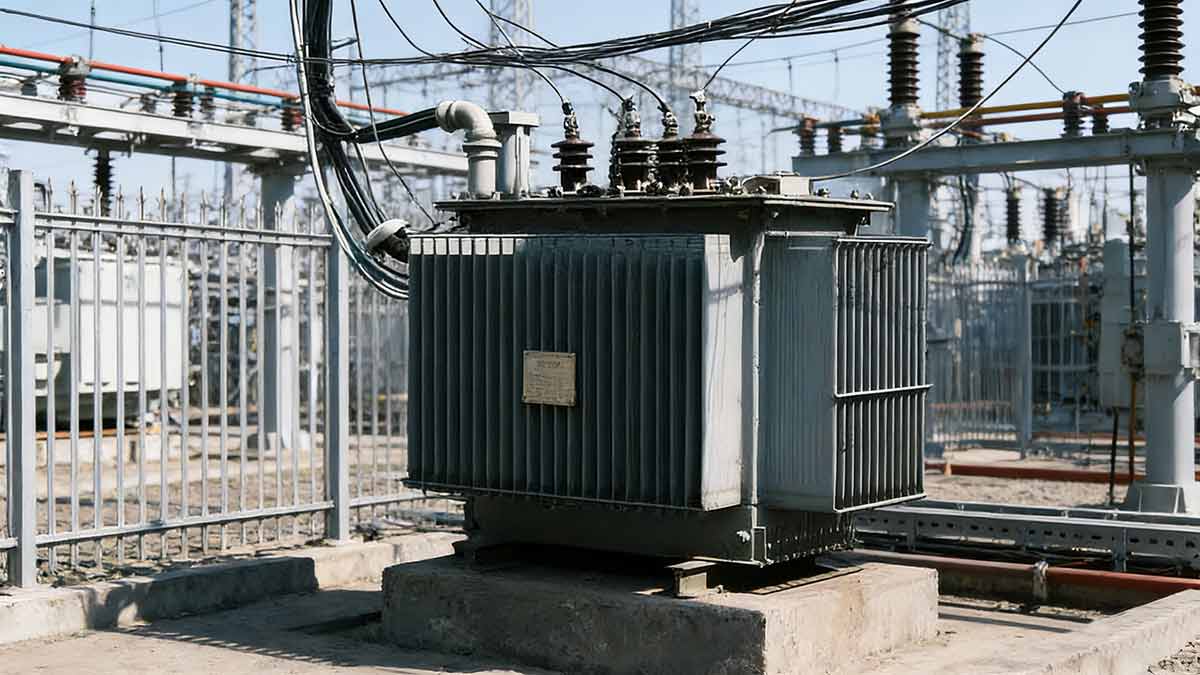
For scenarios where oil-immersed transformers are still needed (such as large-capacity outdoor power stations), a series of measures can be taken to reduce environmental risks. First, adopt high-quality sealing components (such as nitrile rubber gaskets, metal seals) to prevent oil leakage. Second, install oil leakage monitoring devices to detect and alarm oil leakage in real time.
Third, use synthetic transformer oil (such as natural ester oil) that is biodegradable and non-toxic, which can reduce environmental pollution in case of leakage. Fourth, set up oil collection sumps and anti-seepage layers around the transformer to prevent leaked oil from penetrating into the soil and groundwater. Finally, regularly handle waste oil in accordance with environmental regulations to avoid illegal discharge.
What Are the Maintenance Requirements and Long-Term Operation Costs?
The maintenance workload and long-term operation costs of transformers directly affect the overall operation efficiency and economic benefits of the power system. Cast resin transformers and oil-immersed transformers have significant differences in maintenance requirements due to their structural and material characteristics, which in turn lead to differences in long-term costs.
Maintenance and Cost Item | Cast Resin Transformer | Oil-Immersed Transformer |
|---|---|---|
Routine Maintenance Workload | Maintenance-free under normal operating conditions; no need for oil topping up, oil replacement, or gasket replacement. Only regular visual inspection (checking for cracks, dust accumulation) is required. | Regular maintenance is mandatory, including oil level check, oil quality testing (dielectric strength, moisture content, acid value), gasket replacement (every 3-5 years), and radiator cleaning. |
Maintenance Cycle | Visual inspection every 6-12 months; no regular maintenance cycle for core components. | Oil level and appearance inspection monthly; oil quality testing every 1-2 years; gasket replacement every 3-5 years; overall maintenance every 5-10 years. |
Maintenance Cost | Extremely low; only costs for labor and cleaning, accounting for less than 1% of the initial cost per year. | High, including oil replacement cost, gasket cost, testing cost, and labor cost, accounting for 3-5% of the initial cost per year. |
Downtime Due to Maintenance | Almost no downtime; visual inspection can be carried out during operation. | Long downtime; each maintenance requires a power outage, taking 1-3 days, affecting the normal power supply. |
Initial Cost | Higher, 15-30% higher than oil-immersed transformers of the same capacity, due to the high cost of epoxy resin and the precision casting process. | Lower, mature production technology and low-cost insulation materials reduce the initial investment. |
Long-Term Operation Cost (10 Years) | Low; total cost = initial cost + low maintenance cost + low energy consumption cost. | High; total cost = initial cost + high maintenance cost + high energy consumption cost (due to poor efficiency) + potential accident loss (fire, pollution). |
How to Balance Initial Cost and Long-Term Operation Cost?
Many users tend to focus on the initial cost when selecting transformers, but ignore the long-term operation cost. For projects with a long service life (more than 10 years) and high reliability requirements (such as data centers, hospitals, and industrial parks), cast resin transformers are more cost-effective in the long run. Although their initial cost is higher, the maintenance-free feature saves a lot of maintenance costs and downtime losses.
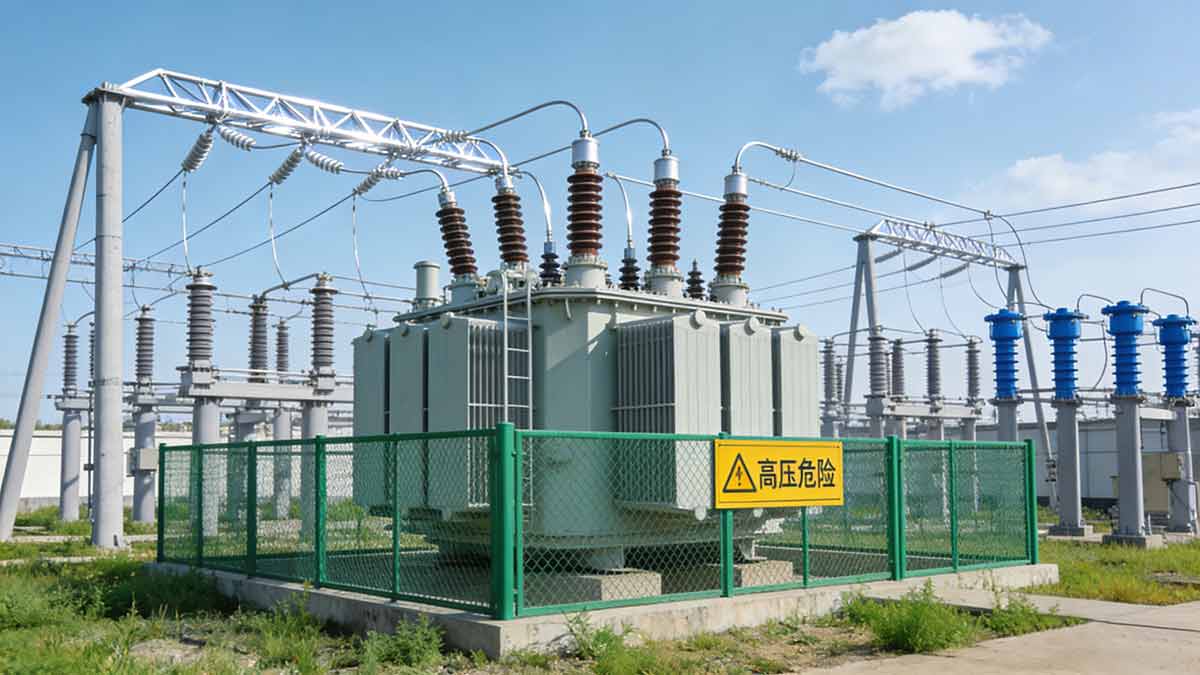
For example, a 1000kVA cast resin transformer has an initial cost of about 15% higher than an oil-immersed transformer, but the cumulative maintenance cost of the oil-immersed transformer in 10 years can reach 20-30% of its initial cost, and the downtime loss caused by maintenance is even more significant. In contrast, cast resin transformers have almost no maintenance cost and downtime, offsetting the difference in initial cost.
For short-term projects (less than 5 years) or outdoor power stations with sufficient maintenance resources and low environmental requirements, oil-immersed transformers can be selected to reduce the initial investment. However, it is necessary to factor in the maintenance cost and potential safety risks into the project budget to avoid unexpected losses.
What Are the Installation Requirements and Application Scenarios for Each Transformer?
The installation requirements of transformers are closely related to their structural characteristics, weight, volume, and safety performance. Cast resin transformers and oil-immersed transformers have different installation conditions and are suitable for different application scenarios.
Installation and Application Item | Cast Resin Transformer | Oil-Immersed Transformer |
|---|---|---|
Weight and Volume | Lightweight and compact; weight is 30-50% lighter than oil-immersed transformers of the same capacity, and volume is 40-60% smaller. | Heavy and bulky, the weight of transformer oil and the need for a large radiator increase the overall weight and volume. |
Installation Location | Flexible installation; can be installed indoors (basements, machine rooms), outdoors (open air, shelters), and even in enclosed spaces. | Mainly installed outdoors; indoor installation requires special fireproof enclosures and ventilation systems, with high restrictions. |
Installation Conditions | Simple installation; no need for special foundations (only a flat concrete surface is required), and hoisting is easy due to light weight. | Complex installation; requires a reinforced concrete foundation to bear the weight, and additional oil sump, fireproof enclosure, and ventilation facilities. |
Transportation Requirements | Easy transportation; lightweight and small volume reduce transportation costs and difficulty, suitable for narrow spaces (such as high-rise buildings, old urban areas). | Difficult transportation; heavy weight requires large transport vehicles and hoisting equipment, and the risk of oil leakage during transportation needs to be prevented. |
Suitable Application Scenarios | Indoor power distribution (high-rise buildings, shopping malls, hospitals), data centers, industrial workshops, urban subway systems, and areas with high environmental requirements. | Outdoor power stations, rural power distribution networks, large industrial plants (outdoor), and scenarios with sufficient installation space and maintenance resources. |
Capacity Range | Suitable for small and medium capacity (50kVA-2000kVA); large capacity (above 2000kVA) is available but with higher costs. | Wide capacity range, from small capacity (10kVA) to large capacity (100MVA+), mature technology for large-capacity products. |
Key Considerations for Transformer Installation in Special Scenarios
In urban subway systems and tunnel projects, space is extremely limited, and fire safety requirements are high. Cast resin transformers are the optimal choice due to their compact structure and non-flammable characteristics. During installation, attention should be paid to dust prevention and moisture resistance to ensure the insulation performance of the epoxy resin layer.
In rural power distribution networks, where installation space is sufficient and maintenance resources are limited, oil-immersed transformers can be selected, but it is necessary to strengthen the sealing design and install oil leakage monitoring devices to adapt to harsh outdoor environments.
In coastal areas with high salt spray, both types of transformers need anti-corrosion treatment; cast resin transformers can be coated with anti-corrosion paint, while oil-immersed transformers need to enhance the corrosion resistance of the shell and radiator.
Cast Resin Transformer VS Oil Transformer: How to Make the Right Selection?
The selection of cast resin transformers and oil-immersed transformers should not be based solely on cost, but on a comprehensive consideration of application scenarios, safety requirements, environmental regulations, maintenance capabilities, and long-term operation costs. The following is a summary of selection suggestions for different scenarios:
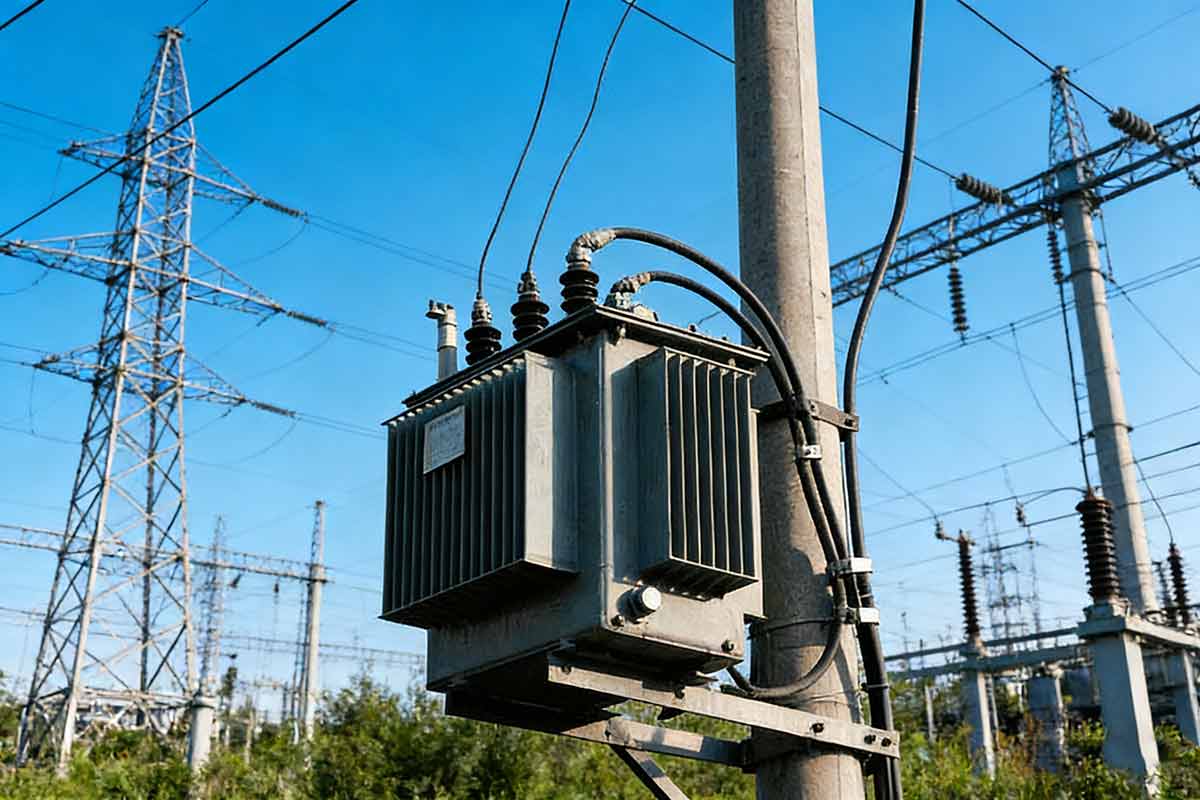
Choose Cast Resin Transformers If:
- The transformer needs to be installed indoors (such as high-rise buildings, hospitals, and data centers) or in enclosed spaces with high fire safety requirements.
- You pursue a low-maintenance workload and long-term operational stability, and hope to reduce downtime losses.
- The project is located in environmentally sensitive areas (such as nature reserves, water sources) where oil leakage pollution is strictly prohibited.
- The installation space is limited, and lightweight, compact equipment is required (such as in old urban areas, subway systems).
- The service life of the project is long (more than 10 years), and long-term cost-effectiveness is emphasized.
Choose Oil-Immersed Transformers If:
- The transformer is installed outdoors with sufficient space and no strict restrictions on fire safety and environmental pollution.
- The project has a tight initial budget and short service life (less than 5 years), and maintenance resources are sufficient.
- Large-capacity transformers (above 2000kVA) are required, and cost control is the primary goal.
- The application scenario is a rural power distribution network or outdoor power station with mature maintenance systems.
Conclusion
Cast resin transformers and oil-immersed transformers each have unique advantages and limitations, and their applicability depends on specific project requirements. Cast resin transformers, with their excellent fire safety, environmental friendliness, maintenance-free performance, and compact structure, are becoming the preferred choice for modern urban power distribution and high-end industrial projects. Oil-immersed transformers, with their mature technology, low initial cost, and wide capacity range, still play an important role in outdoor power stations and rural power distribution networks.
When selecting a transformer, it is recommended to conduct a comprehensive evaluation based on factors such as installation location, safety requirements, environmental regulations, maintenance capabilities, and long-term operation costs, rather than simply focusing on the initial investment. For projects with unclear requirements, consulting professional electrical engineers or transformer manufacturers can help make more scientific and reasonable decisions, ensuring the stability, safety, and economic efficiency of the power distribution system.