
Applications of Voltage Transformer in Utility Substations & Smart Grids are critical to maintaining reliable, safe, and efficient power distribution. As the backbone of modern power systems, utility substations and smart grids rely on voltage transformers to bridge high-voltage transmission and low-voltage distribution, while ensuring precision and safety.
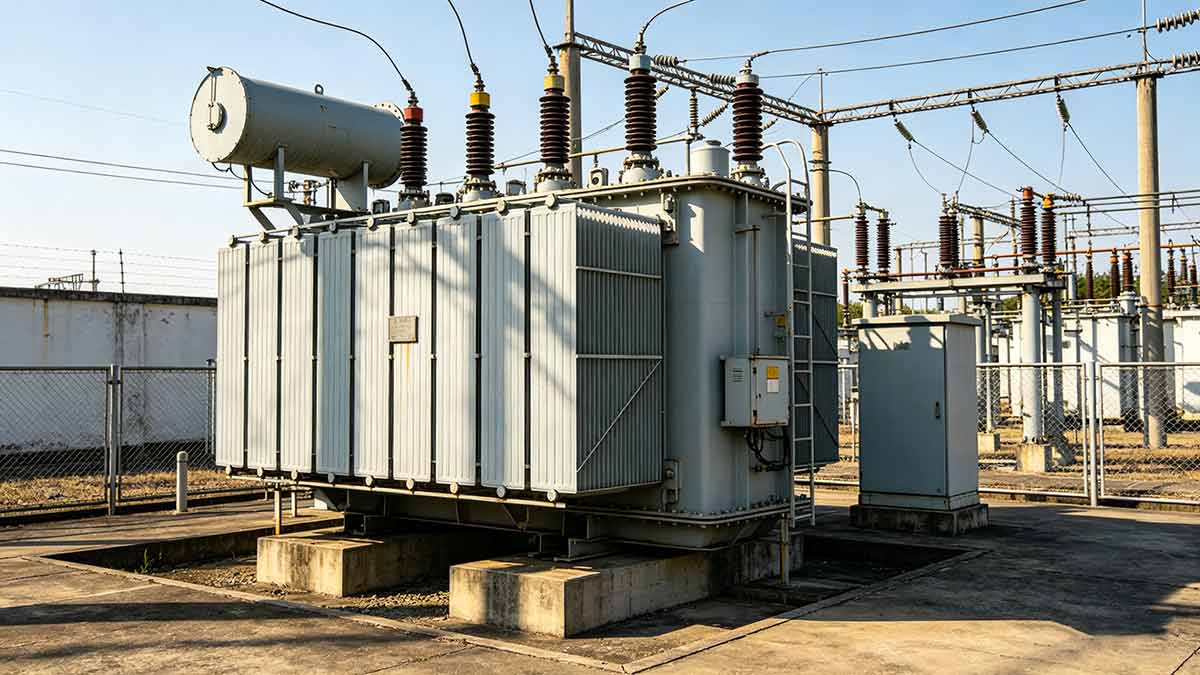
Whether it’s monitoring voltage levels, protecting equipment from damage, or enabling smart grid automation, voltage transformers play an irreplaceable role. This article breaks down their core applications, addresses common questions, and explains why they are essential for both traditional utility substations and advanced smart grid systems.
⚡ Core Roles of Voltage Transformers in Utility Substations & Smart Grids
Voltage transformers (VTs), also known as potential transformers (PTs), are specialized devices designed to convert high-voltage signals into standard low-voltage signals (usually 100V) that are safe for measurement, monitoring, and protection equipment. In utility substations and smart grids, their roles extend far beyond simple voltage conversion—they are the “sensory organs” of the power system, providing critical data and protection to keep the grid running smoothly.
Unlike other transformers, voltage transformers are designed to operate at near-no-load conditions, ensuring their output voltage is proportional to the input voltage with minimal distortion. This precision is essential for the applications below, which are foundational to both utility substations and smart grids:
📊 Accurate Voltage Measurement & Metering
One of the most basic yet vital applications of voltage transformer in utility substations & smart grids is accurate voltage measurement and energy metering. Both utilities and end-users rely on precise voltage data to monitor power quality, calculate energy usage, and ensure fair billing:
- Utility substations use voltage transformers to measure the high voltage of incoming and outgoing power lines (e.g., 11kV, 33kV, 110kV), converting it to a safe, measurable level for meters and monitoring tools.
- Smart grids integrate voltage transformers with digital metering systems to collect real-time voltage data, which is used to optimize power distribution and identify areas with poor power quality (e.g., voltage fluctuations).
- For commercial and industrial users connected to utility substations, voltage transformers ensure accurate energy metering, preventing overbilling or underbilling and helping businesses track their energy consumption efficiently.
Table: Voltage Transformer Measurement Precision for Different Applications
Application | Precision Level | Key Use Case |
|---|---|---|
Utility Substation Metering | 0.2–0.5 Class | Trade settlement between utilities and large users |
Smart Grid Real-Time Monitoring | 0.5–1.0 Class | Voltage fluctuation detection and grid optimization |
Industrial Facility Monitoring | 1.0–2.0 Class | Internal energy usage tracking and equipment protection |
Common Question: Why is measurement precision so important for voltage transformers in utility substations? Poor precision can lead to incorrect energy billing, misdiagnosis of grid issues, and even equipment damage—all of which cost utilities and users time and money. A 0.2-class voltage transformer ensures measurement errors are less than 0.2%, making it ideal for critical metering applications.
🛡️ Equipment Protection & Fault Prevention
Utility substations and smart grids handle high voltages, and even small faults (e.g., overvoltage, short circuits) can cause catastrophic damage to expensive equipment (e.g., transformers, switchgear, cables). Voltage transformers play a key role in protecting these assets by providing accurate voltage data to protective relays:
- Overvoltage protection: When voltage spikes occur (e.g., due to lightning strikes or grid overloads), voltage transformers detect the surge and send a signal to protective relays, which shut down the affected circuit to prevent equipment burnout.
- Undervoltage protection: Low voltage can damage motors and other industrial equipment. Voltage transformers monitor for undervoltage conditions and trigger alarms or automatic adjustments to restore voltage levels.
- Fault localization: In smart grids, voltage transformers work with other devices to pinpoint the location of faults (e.g., a damaged power line), allowing utilities to quickly repair the issue and minimize downtime.
Case Study: A mid-sized utility company in Europe upgraded its substation voltage transformers to improve protection. Before the upgrade, the company experienced 8–10 equipment failures per year due to voltage surges. After installing high-precision voltage transformers with advanced protective features, failures dropped to 1–2 per year, saving the company over $200,000 in repair and replacement costs annually.
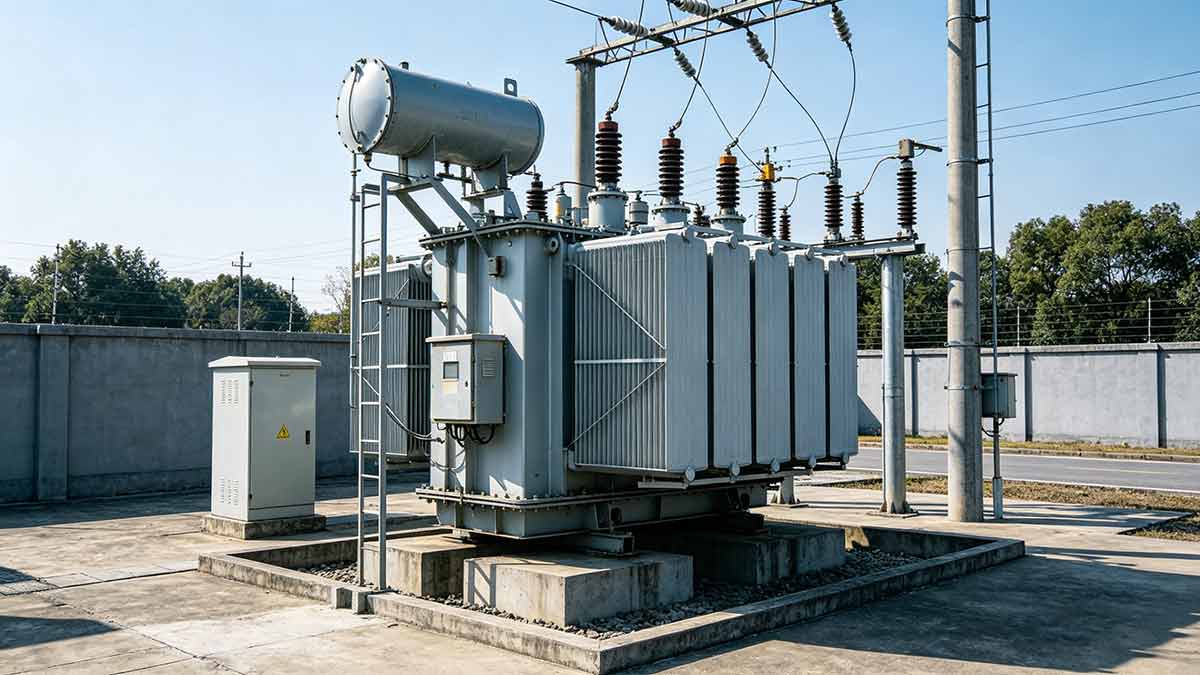
🔄 Enabling Smart Grid Automation & Control
Smart grids rely on real-time data and automation to optimize power distribution, reduce energy waste, and improve reliability—and voltage transformers are essential to this process. Unlike traditional utility substations, smart grids integrate voltage transformers with digital control systems to enable advanced automation features:
- Real-time data transmission: Voltage transformers send continuous voltage data to smart grid control centers, allowing operators to monitor grid performance remotely and make adjustments in real time.
- Load balancing: By monitoring voltage levels across different parts of the grid, voltage transformers help utilities balance loads, ensuring no single circuit is overloaded and reducing the risk of blackouts.
- Renewable energy integration: As more solar and wind power is added to the grid, voltage transformers help stabilize voltage levels, ensuring renewable energy sources integrate smoothly without disrupting the grid.
Example: A smart grid project in the U.S. used voltage transformers to integrate 500MW of solar power into the existing utility substation network. The voltage transformers monitored voltage fluctuations caused by variable solar output, sending data to the control center to adjust power flow—reducing energy waste by 15% and improving grid stability.
🏭 Key Applications of Voltage Transformer in Utility Substations
Utility substations act as the “hub” of power distribution, converting high-voltage electricity from transmission lines into lower voltages for homes, businesses, and industries. Voltage transformers are used in every critical link of a utility substation, from incoming power monitoring to outgoing distribution. Below are their most common applications in this setting:
📥 Incoming High-Voltage Monitoring
Utility substations receive high-voltage power (often 110kV or higher) from transmission lines. Voltage transformers are installed at the substation entrance to:
- Measure the incoming voltage to ensure it meets safety and operational standards.
- Detect voltage surges or drops from the transmission grid, allowing substation operators to take corrective action before the issue affects downstream equipment.
- Provide data for grid-wide load balancing, helping utilities manage power flow across multiple substations.
Tip: Most utility substations use oil-immersed or gas-insulated voltage transformers for incoming high-voltage monitoring, as these types are more durable and can withstand harsh outdoor conditions.
📤 Outgoing Low-Voltage Distribution
After converting high voltage to lower levels (e.g., 11kV, 33kV), utility substations distribute power to local grids. Voltage transformers are used here to:
- Monitor the voltage of outgoing power lines to ensure it is stable and within the required range for end-users.
- Protect distribution transformers from voltage spikes or drops, which can damage the transformers and cause power outages.
- Enable accurate metering of power distributed to commercial and industrial users, ensuring fair billing.
🔧 Substation Equipment Control & Maintenance
Voltage transformers provide critical data for maintaining substation equipment, helping utilities reduce downtime and extend the lifespan of their assets:
- Monitor the voltage across substation equipment (e.g., switchgear, circuit breakers) to detect signs of wear or malfunction.
- Provide data for predictive maintenance, allowing utilities to repair or replace equipment before it fails.
- Ensure the substation’s internal control systems have accurate voltage data to operate efficiently.
Table: Common Voltage Transformer Types Used in Utility Substations
Transformer Type | Key Features | Best For |
|---|---|---|
Oil-Immersed Voltage Transformer | Durable, good heat dissipation, suitable for high voltage | Outdoor utility substations, high-voltage applications |
Dry-Type Voltage Transformer | No oil, low maintenance, fire-resistant | Indoor substations, urban areas with fire safety requirements |
Gas-Insulated Voltage Transformer | Compact, resistant to moisture and dust | High-humidity or polluted environments |
📱 Advanced Applications of Voltage Transformer in Smart Grids
Smart grids take power distribution to the next level, using digital technology to create a more efficient, reliable, and sustainable system. Voltage transformers are not just “add-ons” in smart grids—they are integral to the advanced features that make smart grids unique. Below are their key applications in this evolving landscape:
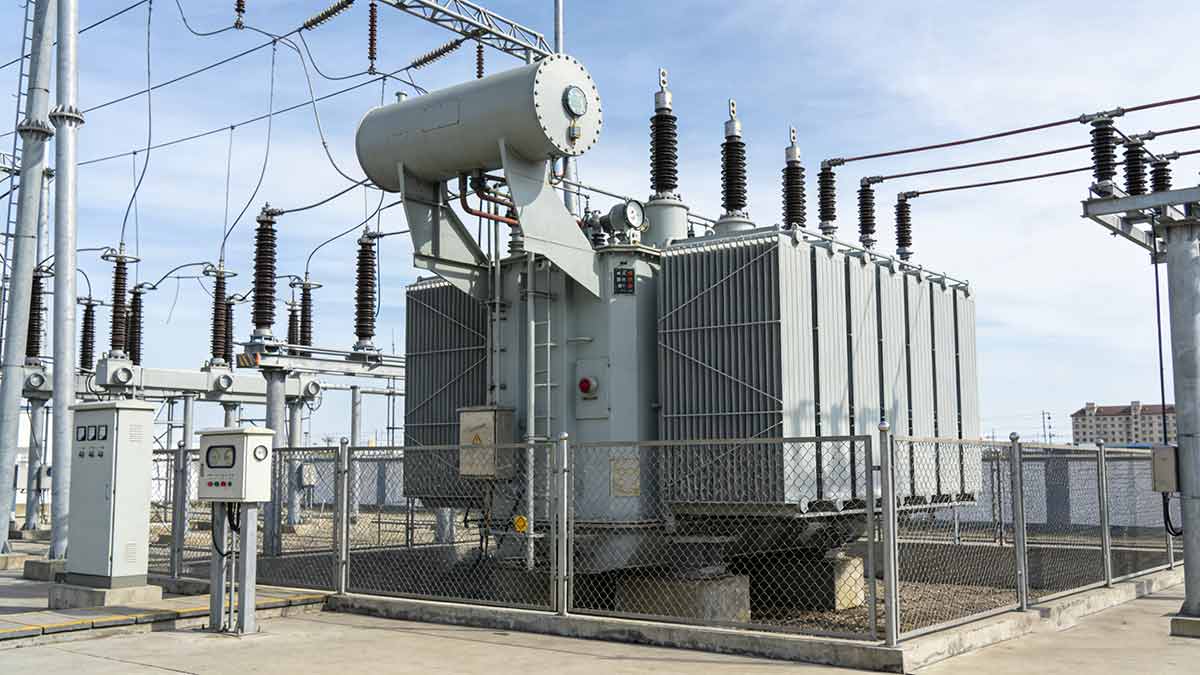
📈 Real-Time Grid Monitoring & Data Analytics
Smart grids rely on big data to optimize performance, and voltage transformers are a primary source of this data. They work with smart meters and sensors to:
- Collect real-time voltage data from across the grid, which is analyzed to identify inefficiencies (e.g., areas with excessive voltage fluctuations).
- Detect power quality issues (e.g., harmonics, voltage sags) that can damage sensitive equipment (e.g., computers, industrial machinery).
- Provide insights into energy usage patterns, helping utilities predict peak demand and adjust power distribution accordingly.
Common Question: How do voltage transformers integrate with smart grid data systems? Most modern voltage transformers have digital outputs that connect directly to smart grid control platforms, allowing data to be transmitted in real time. This eliminates the need for manual data collection and ensures operators have up-to-date information to make informed decisions.
🔌 Renewable Energy Integration
As the world shifts to renewable energy (solar, wind, hydro), smart grids must accommodate variable power outputs. Voltage transformers play a critical role in integrating these renewable sources into the grid:
- Monitor the voltage of renewable energy generators (e.g., solar panels, wind turbines) to ensure it matches the grid’s voltage level.
- Stabilize voltage fluctuations caused by variable renewable output (e.g., cloud cover reducing solar power, wind speed changes affecting wind turbines).
- Prevent renewable energy sources from causing grid instability, which could lead to power outages.
Case Study: A smart grid in Australia integrated 1GW of wind power using voltage transformers to monitor and stabilize voltage levels. The voltage transformers detected fluctuations in wind power output and sent signals to the grid control center, which adjusted power flow from other sources to maintain stability. This reduced grid disruptions by 60% and increased the amount of wind power that could be safely integrated into the grid.
🏠 Demand Response & Consumer Engagement
Smart grids enable demand response programs, where utilities encourage consumers to reduce energy usage during peak demand periods. Voltage transformers support this by:
- Monitoring voltage levels to identify peak demand periods (when voltage drops due to high usage).
- Providing data to smart meters, which show consumers their real-time energy usage and encourage them to reduce consumption during peak times.
- Helping utilities adjust power distribution to reward consumers who participate in demand response programs, reducing overall grid stress.
🔒 Cybersecurity & Grid Resilience
Smart grids are digital, which means they face cybersecurity risks. Voltage transformers contribute to grid resilience by:
- Providing real-time data that can detect unusual voltage patterns, which may indicate a cyberattack (e.g., unauthorized changes to power flow).
- Ensuring critical grid functions (e.g., protection, monitoring) continue to operate even if other digital systems are compromised.
- Supporting backup power systems, which kick in during cyberattacks or natural disasters to maintain voltage stability.
❓ Common Questions About Voltage Transformer in Utility Substations & Smart Grids
Utility and smart grid operators often have questions about voltage transformers—from installation to maintenance. Below are the most frequently asked questions, answered clearly and concisely to help you make informed decisions:
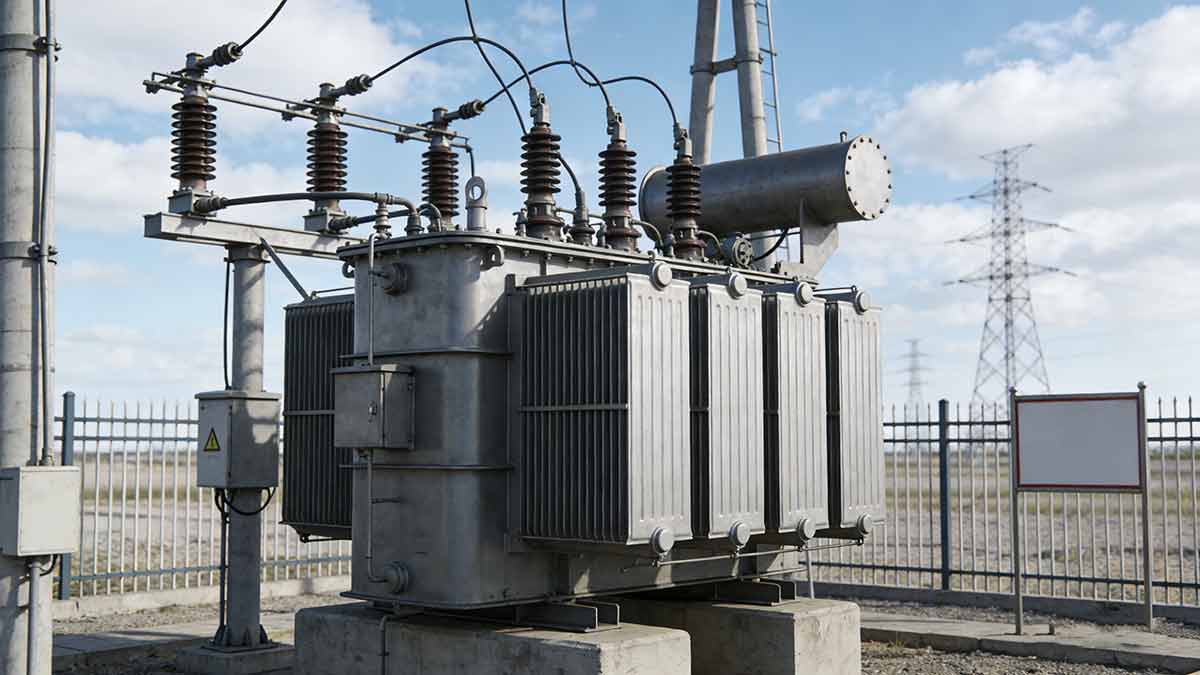
❔ What’s the Difference Between Voltage Transformers for Utility Substations vs. Smart Grids?
While the core function (voltage conversion) is the same, voltage transformers for smart grids are often digital, with built-in communication capabilities to connect to smart grid control systems. Utility substation voltage transformers may be analog or digital, but they focus more on durability and high-voltage performance. Smart grid voltage transformers also prioritize real-time data transmission, while substation transformers focus on long-term reliability.
❔ How Often Should Voltage Transformers Be Maintained?
The maintenance frequency depends on the type of transformer and its application:
- Oil-immersed voltage transformers: Oil sampling and testing every 6–12 months, with full maintenance every 2–3 years.
- Dry-type voltage transformers: Visual inspection every 3–6 months, with electrical testing every 1–2 years.
- Smart grid voltage transformers: Software updates and data calibration every 3–6 months, in addition to regular electrical maintenance.
Proper maintenance extends the lifespan of voltage transformers—most last 20–30 years with regular care.
❔ Can Voltage Transformers Be Used in Both Indoor and Outdoor Settings?
Yes—there are voltage transformers designed for both indoor and outdoor use. Outdoor transformers (e.g., oil-immersed, gas-insulated) are built to withstand harsh weather conditions (rain, snow, extreme temperatures), while indoor transformers (e.g., dry-type) are smaller and fire-resistant, making them ideal for urban substations or smart grid control rooms.
❔ How Do Voltage Transformers Improve Grid Efficiency?
Voltage transformers improve grid efficiency by providing accurate voltage data, which allows utilities to: balance loads, reduce energy waste, prevent equipment damage, and integrate renewable energy sources. By ensuring voltage levels are stable and consistent, they reduce the need for costly repairs and downtime, while also optimizing power distribution to meet demand without overusing resources.
✅ Choosing the Right Voltage Transformer for Your Utility Substation or Smart Grid
Not all voltage transformers are created equal—choosing the right one depends on your specific application, voltage requirements, and environment. Below are key factors to consider:
📏 Voltage Rating
Select a voltage transformer with a primary voltage rating that matches your substation or smart grid’s voltage level (e.g., 11kV, 33kV, 110kV). The secondary voltage should be a standard 100V to ensure compatibility with metering and protection equipment.
🛠️ Type of Transformer
Choose the type based on your environment and needs:
- Outdoor utility substations: Oil-immersed or gas-insulated transformers for durability and weather resistance.
- Indoor substations or smart grid control rooms: Dry-type transformers for fire safety and low maintenance.
- Smart grids: Digital voltage transformers with communication capabilities to integrate with smart systems.
📐 Precision Level
Select a precision class based on your application: 0.2–0.5 class for critical metering, 0.5–1.0 class for smart grid monitoring, and 1.0–2.0 class for general monitoring.
🔄 Compatibility
Ensure the voltage transformer is compatible with your existing equipment (e.g., metering tools, protective relays, smart grid control systems). For smart grids, look for transformers with digital outputs (e.g., Modbus, Ethernet) to enable real-time data transmission.
🎯 Conclusion: Why Voltage Transformer in Utility Substations & Smart Grids Is Indispensable
Applications of Voltage Transformer in Utility Substations & Smart Grids are essential to modern power distribution—they ensure accurate measurement, protect critical equipment, enable smart automation, and support the integration of renewable energy. Without voltage transformers, utility substations would struggle to safely convert and distribute high-voltage power, and smart grids would lack the real-time data needed to operate efficiently.
Whether you’re managing a traditional utility substation or upgrading to a smart grid, choosing the right voltage transformer is key to maximizing reliability, reducing costs, and improving grid performance. By understanding their core applications and selecting the right type for your needs, you can ensure your power system runs smoothly for years to come. To learn more about how our voltage transformers can support your utility substation or smart grid project, or to get a customized solution for your specific requirements, reach out to our team of industry experts.