
Selecting a power transformer is one of those engineering decisions that can look straightforward on a spreadsheet and become complicated very quickly in the field. A transformer may have the right MVA rating and voltage ratio yet still be poorly suited to the project because of impedance, harmonics, ambient temperature, installation constraints, fault levels, or an overlooked requirement in the utility specification.
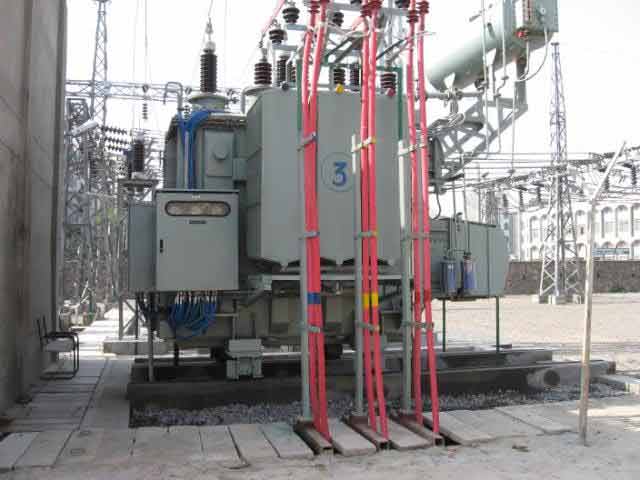
The better approach is to start with the electrical system rather than the transformer catalog. Define the load, understand how that load behaves, establish the required voltage and insulation levels, then work through cooling, installation, protection, testing, and lifecycle cost.
That process takes more effort at the specification stage, but it is far cheaper than correcting an unsuitable transformer after delivery.
What Is a Power Transformer and Where Is It Used?
What Is a Power Transformer?
A power transformer is a static electrical device that transfers AC power between circuits through electromagnetic induction while changing voltage and current levels.
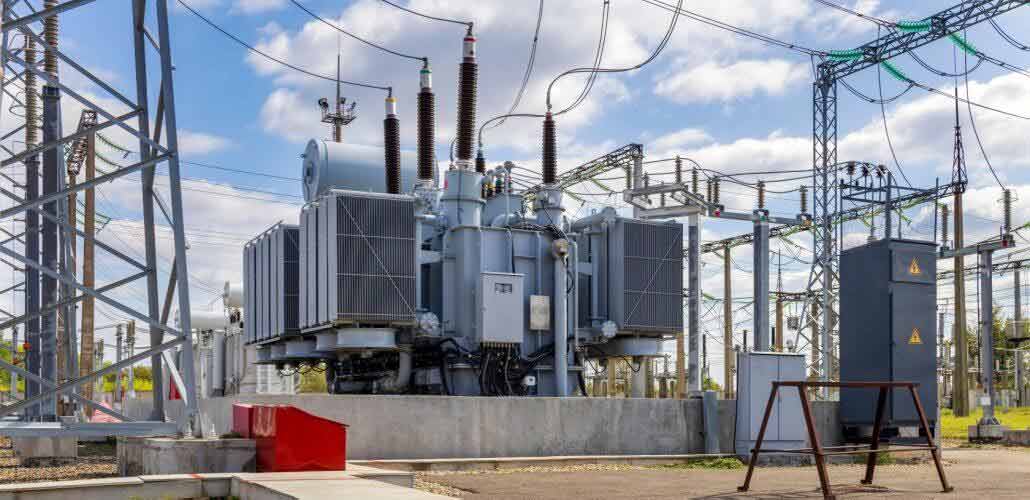
In a substation, for example, it may step voltage down before power enters an industrial distribution network. In a generating station, the same basic principle can be used in reverse to raise voltage for efficient transmission.
From a procurement perspective, however, “power transformer” is not a complete specification. Rated power, voltage ratio, frequency, impedance, vector group, insulation level, cooling arrangement, losses, tap range, service conditions, and testing requirements all have to be defined.
IEC 60076-1 covers general requirements for power transformers, including ratings, connections, rating-plate information, service conditions, and tests.
That is why two transformers carrying the same 25 MVA nameplate should never be assumed to be interchangeable.
How Does a Power Transformer Work?
The operating principle is electromagnetic induction.
AC voltage applied to the primary winding creates an alternating magnetic flux in the core. That changing flux induces a voltage in the secondary winding. The relationship between the winding turns determines the basic voltage transformation.
The textbook explanation ends there. The engineering work does not.
Real transformers have winding resistance, leakage reactance, core losses, stray losses, thermal limits, insulation constraints, and voltage regulation requirements. Those factors determine how the unit behaves when it is actually connected to a live network.
For example, a transformer can have the correct nominal voltage ratio and still produce unacceptable voltage drop if its impedance is inappropriate for the system. Likewise, a transformer that looks adequate at normal load may run hotter than expected if the site has a high ambient temperature or poor ventilation.
The working principle is simple. Getting the specification right is the difficult part.
Where Are Power Transformers Used?
Power transformers are used throughout electrical infrastructure, including:
- Power generation plants
- Transmission and utility substations
- Industrial facilities
- Renewable energy projects
- Mining and heavy-processing plants
- Data centers
- Commercial infrastructure
- Transportation systems
- Large building and campus electrical networks
The application changes the selection priorities.
A utility substation may place heavy emphasis on fault withstand capability, insulation coordination, transportability, monitoring, and long-term reliability. An indoor transformer serving a commercial facility may place greater emphasis on fire safety, noise, footprint, ventilation, and building-code requirements.
Renewable-energy applications introduce another layer of consideration. Converter-based generation can produce harmonic content and different loading patterns from conventional grid-connected loads. Transformer requirements therefore need to be coordinated with the actual generator or inverter system rather than copied from a conventional substation project. IEC/IEEE 60076-16, for example, specifically addresses transformers used in wind-turbine step-up applications.
Define Your Project Requirements Before Transformer Selection
Determine Load Demand and Future Capacity
The first question in power transformer selection should not be:
“Which transformer rating should we order?”
It should be:
“What will this transformer actually be asked to do?”
Start with the real load profile.
Review the connected load, maximum demand, average demand, power factor, motor loads, variable-speed drives, nonlinear loads, seasonal changes, and planned expansion. A plant with 5 MW of connected equipment does not necessarily require a 5 MVA transformer. Conversely, a facility with a modest average load can still need substantial capacity if its peak demand is high.
Motor starting is a classic example. A transformer may comfortably carry a plant’s steady-state load but experience an unacceptable voltage dip when a large motor starts. The starting method, motor size, starting current, and system impedance need to be considered together.
Future growth deserves the same attention.
If a factory plans to add another production line, a transformer selected purely around today’s measured load may become the bottleneck within a few years. But simply adding a large “future-proof” margin is not automatically good engineering either. Oversizing can increase capital cost and, depending on the loading profile, leave the transformer operating inefficiently for long periods.
A sensible capacity study considers:
- Present maximum demand
- Average operating load
- Power factor
- Peak and intermittent loads
- Motor starting
- Harmonic-producing equipment
- Planned expansion
- Required redundancy
- Acceptable transformer loading
- Site-specific derating conditions
The objective is not to buy the largest transformer available. It is to select enough transformer capacity to meet the project’s actual operating requirements with an appropriate margin.
Match Voltage, Frequency and Electrical System Requirements
After establishing the load, define exactly how the transformer will connect to the electrical system.
At minimum, confirm:
- Primary voltage
- Secondary voltage
- Frequency
- Rated power
- Number of phases
- Connection arrangement
- Vector group
- Tap range
- Insulation level
- Short-circuit withstand requirements
Pay particular attention to the transformer voltage rating.
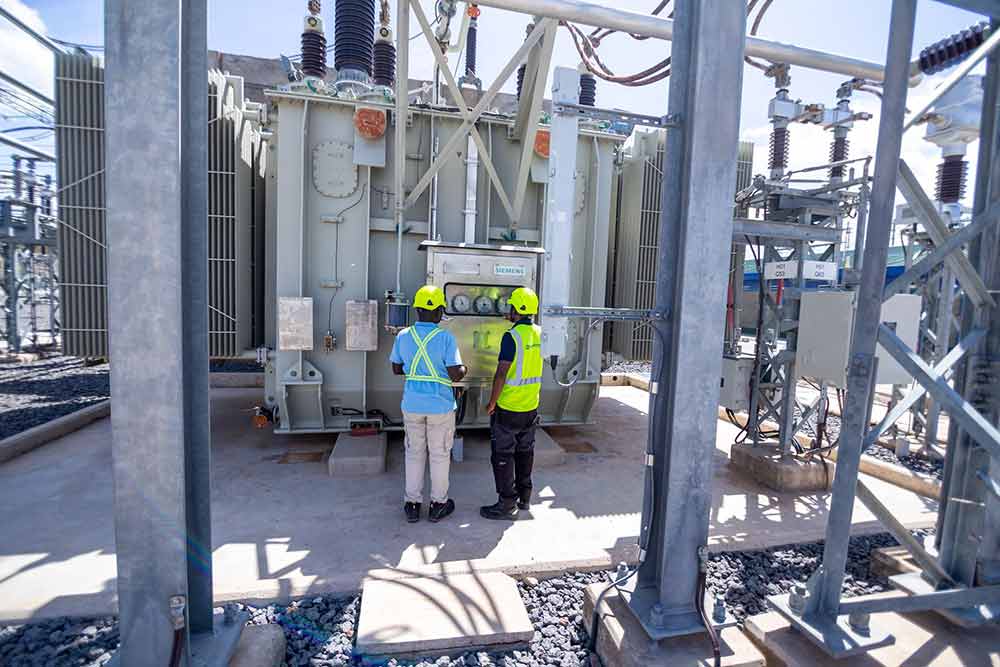
A specification that says only “11 kV to 415 V” may not be enough for a detailed procurement package. The manufacturer may need the system’s highest voltage for equipment, required insulation level, tap arrangement, neutral treatment, and other project-specific information.
Frequency also needs to be explicit. A 50 Hz project and a 60 Hz project are not interchangeable simply because their nominal voltages look similar.
The same applies to the vector group. It determines phase displacement and winding connection and can become critical when transformers operate in parallel or interface with a particular network configuration.
One of the most expensive procurement mistakes is allowing these details to remain “to be confirmed” until after the purchase order. If the design changes after the active part has been engineered or manufacturing has started, the resulting redesign can affect drawings, components, testing, delivery, and cost.
Identify Installation and Operating Conditions
A transformer rating is meaningful only under defined service conditions.
Before asking a manufacturer for a quotation, document the site environment:
- Maximum ambient temperature
- Average ambient temperature
- Installation altitude
- Indoor or outdoor location
- Humidity
- Dust and pollution level
- Corrosive atmosphere
- Ventilation
- Available floor area
- Noise limitations
- Fire protection requirements
- Access for installation and maintenance
Standard service conditions should not be treated as universal. IEC-based guidance, for example, identifies reference service conditions around an altitude of 1,000 m and a maximum ambient temperature of 40 °C; different site conditions may require additional consideration.
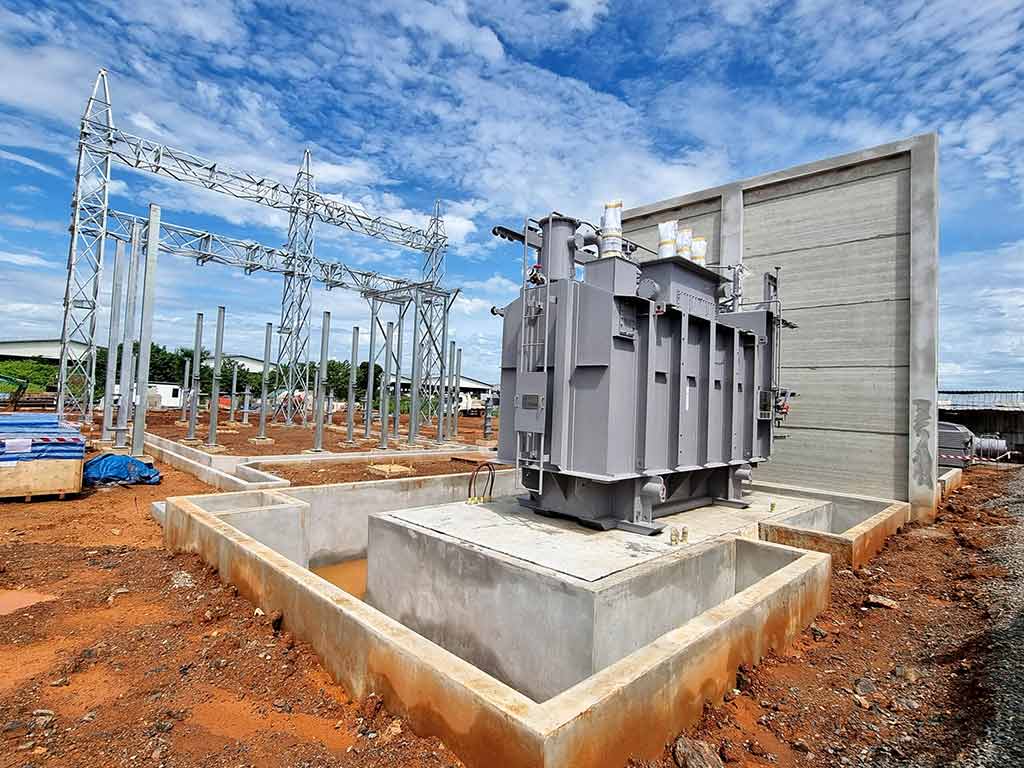
High-altitude sites deserve particular attention because reduced air density affects heat dissipation and insulation considerations.
Indoor installations have their own trap: the transformer may be correctly rated but installed in a room that cannot remove its heat. In that situation, the electrical calculation is not necessarily wrong—the installation design is.
For an oil-immersed unit, also consider oil containment, fire separation, drainage, access, and environmental requirements. For a dry-type unit, ventilation, enclosure protection, dust accumulation, and cleaning access become more important.
How to Size a Power Transformer and Evaluate Key Specifications
Calculate the Required Transformer Capacity
One of the most common questions from project teams is:
How do I size a power transformer?
For a three-phase system, apparent power can be calculated from voltage and current:
S = √3 × V × I
If the load is given in real power:
S = P / PF
where:
- S = apparent power
- P = real power
- PF = power factor
Consider a plant with a maximum expected demand of 2.4 MW and a power factor of 0.90.
The apparent load is approximately:
2.4 / 0.90 = 2.67 MVA
That 2.67 MVA figure is a starting point—not an automatic transformer order size.
The engineer still needs to check future load growth, motor starting, ambient conditions, harmonic loading, allowable operating temperature, redundancy, and the available standard ratings.
This distinction is important because “What size power transformer do I need?” is not really a single-number question.
Suppose the next expansion phase is expected to add another 1 MW of demand. A project team might compare several strategies:
- Install a larger transformer now
- Install two transformers for staged capacity
- Use a transformer with an appropriate forced-cooling rating
- Install additional capacity later
- Design for N+1 redundancy
The right answer depends on the cost of downtime, expansion schedule, available space, system architecture, and capital budget.
Capacity should therefore be selected as part of the overall electrical design—not as an isolated equipment purchase.
Evaluate the Most Important Power Transformer Specifications
Once capacity is established, review the complete power transformer specifications rather than focusing on MVA alone.
The important parameters typically include:
Rated power: The transformer’s reference capacity under specified service conditions.
Primary and secondary voltage: Must match the actual network and required voltage transformation.
Frequency: Must correspond to the electrical system.
Impedance: Influences voltage regulation, fault current, and parallel operation.
Insulation level: Defines the transformer’s dielectric withstand requirements.
Temperature rise: Establishes thermal operating limits under specified conditions.
Cooling class: Defines how heat is removed from the transformer.
Losses: Include no-load and load losses and should be evaluated over the expected operating profile.
Tap changer: Provides voltage adjustment where required by the system.
Vector group: Determines phase displacement and winding connections.
Short-circuit withstand: Must be coordinated with the system fault level and protection design.
IEC 60076-3 specifically addresses insulation requirements, dielectric tests, and external clearances. These are not optional “documentation details”; they form part of the electrical coordination between the transformer and the system.
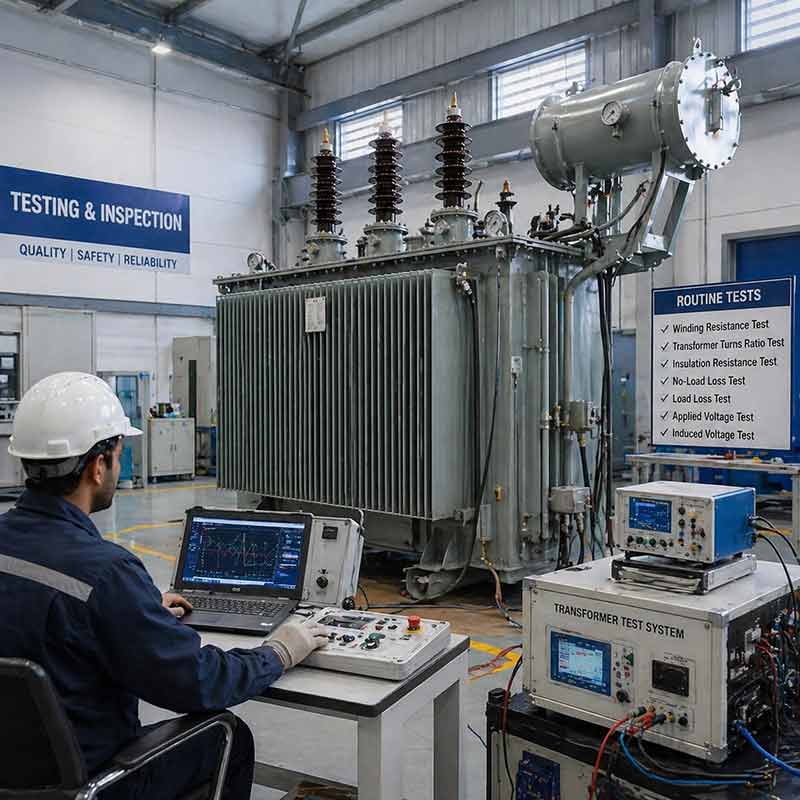
For procurement, it is also worth separating guaranteed values from typical or estimated values. A supplier’s quotation may show typical losses, while the project specification may require guaranteed maximum losses. Those are not equivalent.
Why Transformer Impedance and Other Electrical Parameters Matter
Transformer impedance is one of the easiest specifications to misunderstand.
In simple terms, it influences how much voltage drops across the transformer under load and how much short-circuit current the transformer will allow to flow.
Higher impedance generally helps limit fault current but can increase voltage drop. Lower impedance can improve voltage regulation while increasing prospective short-circuit current.
Neither is automatically “better.”
The correct impedance has to fit the network.
This becomes even more important when transformers operate in parallel. Matching voltage ratio, polarity, phase displacement, impedance, and related characteristics is necessary for predictable load sharing. A mismatch can cause circulating current or uneven loading even when the transformers have identical MVA ratings.
For a project with a significant fault level, impedance should be checked against the short-circuit study and protection coordination before it is frozen in the purchase specification.
This is one area where copying a previous transformer datasheet can create a surprisingly expensive problem.
Consider Losses and Lifecycle Cost, Not Just Purchase Price
Transformer losses continue whether the equipment is making money for the plant or sitting at partial load.
That makes the initial purchase price only one part of the decision.
When comparing suppliers, review:
- No-load loss
- Load loss
- Total loss at representative loading
- Efficiency
- Guaranteed maximum values
- Cooling requirements
- Expected operating profile
For a transformer that runs continuously at high utilization, load losses can have a substantial lifetime cost. For a lightly loaded transformer that remains energized around the clock, no-load losses deserve more attention.
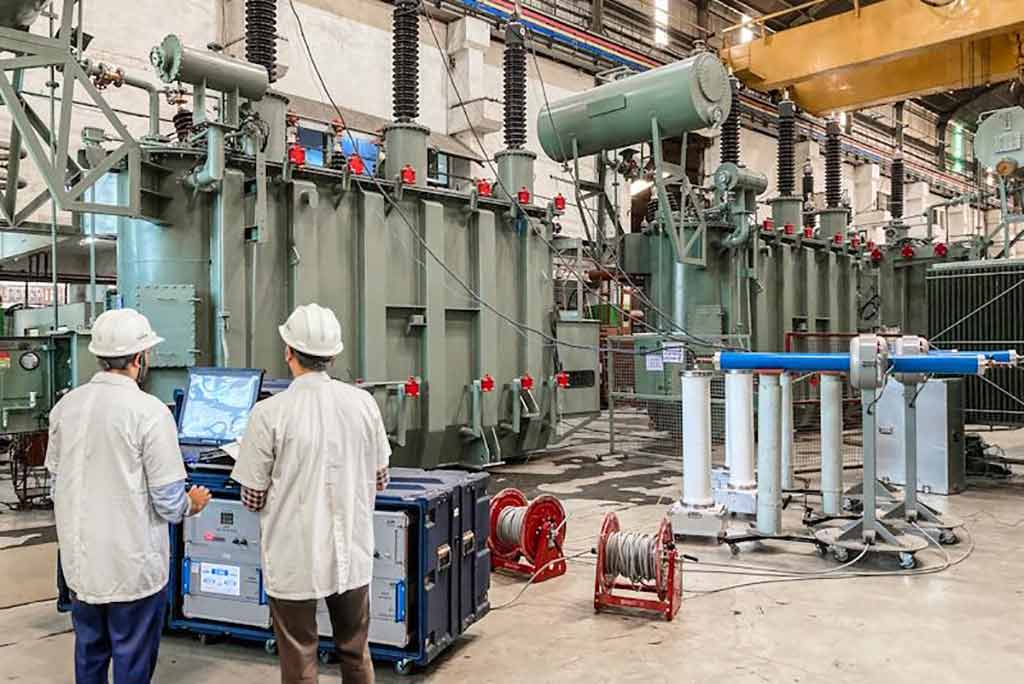
The useful comparison is therefore not:
Supplier A is $8,000 cheaper.
It is:
What will each transformer cost to own and operate over its expected service life?
A rigorous RFQ should require comparable guaranteed loss figures so that suppliers are being evaluated on the same basis.
Choose Between Oil-Immersed and Dry-Type Transformers
When Should I Use an Oil-Immersed Transformer?
An oil-immersed transformer uses insulating liquid to provide electrical insulation and transfer heat away from the active part.
This technology is widely used in outdoor substations, utility systems, industrial facilities, renewable-energy projects, and larger-capacity applications.
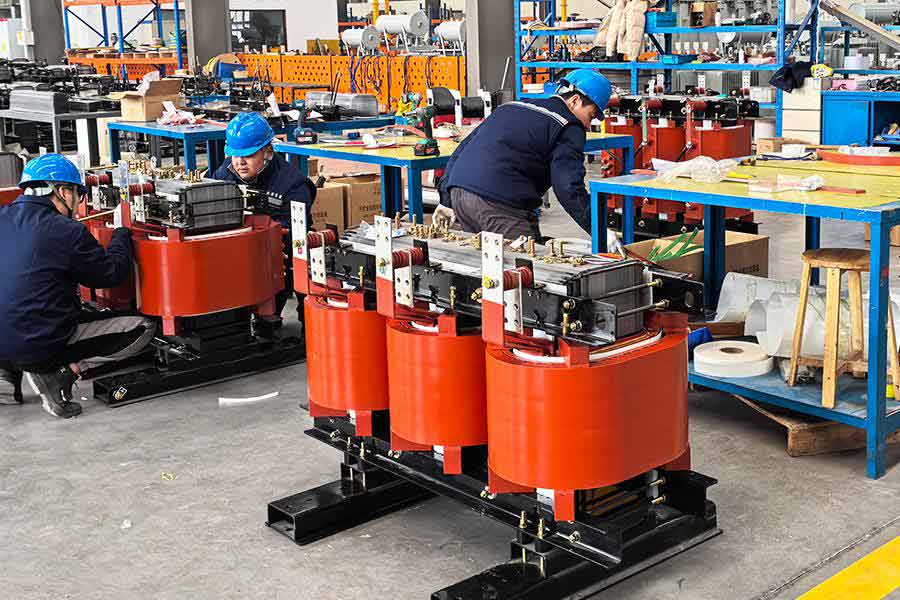
Oil-immersed construction is often attractive when the project requires:
- High power capacity
- Strong thermal performance
- Outdoor installation
- Long operating life
- Efficient heat transfer
- Economical high-capacity construction
The cooling arrangement matters. An oil-immersed transformer can use natural oil circulation with natural air cooling or incorporate fans and other forced-cooling arrangements depending on the design.
Don’t specify only “oil cooled” and leave it at that. The required cooling class should be stated and coordinated with the required rating and loading profile.
Site conditions matter as well. An outdoor substation with adequate clearance and oil containment is a very different application from an oil-filled transformer proposed for a basement electrical room.
The latter may be possible under specific designs and regulations, but it requires a much more detailed fire-safety and containment review.
When Should I Use a Dry Type Transformer?
A dry-type transformer uses solid insulation and air rather than insulating liquid.
It is commonly considered for indoor installations, commercial buildings, hospitals, data centers, transportation facilities, and industrial areas where liquid containment or fire risk is a significant concern.
Dry-type technology can be particularly attractive where:
- The transformer must be installed inside a building
- Fire-safety requirements are stringent
- Oil containment is undesirable
- Maintenance access is limited
- Environmental considerations favor avoiding liquid insulation
But “dry type” should never be treated as synonymous with “maintenance-free.”
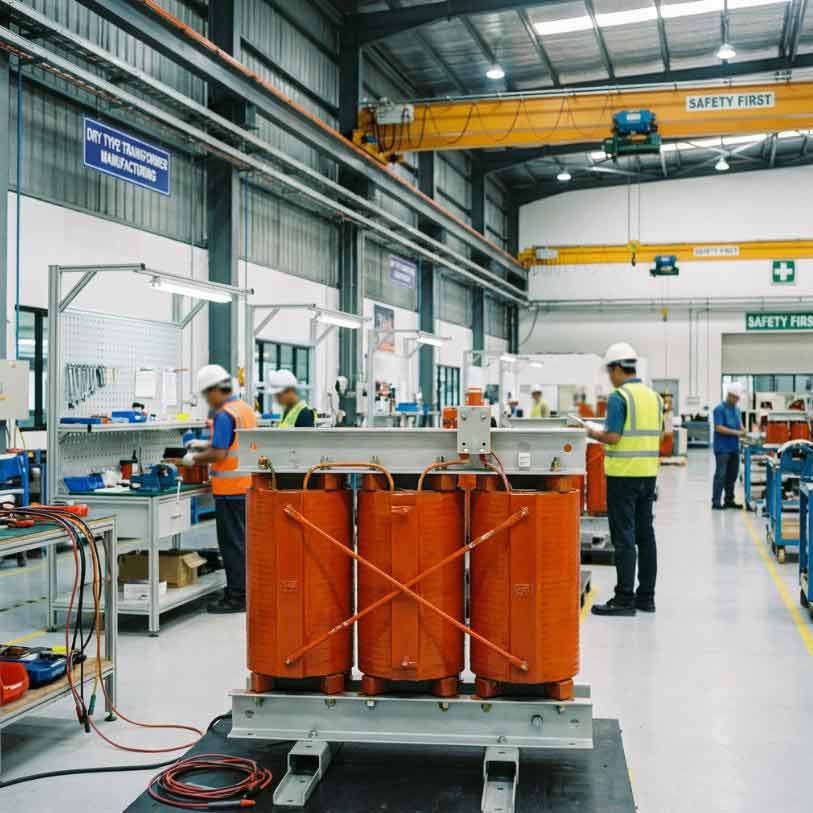
Dust can accumulate on windings and ventilation paths. High humidity can affect insulation performance. Poor room ventilation can restrict heat dissipation. Enclosure requirements may also change depending on the installation.
IEC 60076-11 specifically addresses dry-type transformers, while the broader IEC 60076 series provides the applicable framework for transformer design and testing.
In other words, removing oil solves one set of site concerns. It does not eliminate the need for proper thermal and environmental engineering.
Oil-Immersed vs. Dry-Type: Which Is Better for Your Project?
There is no universal winner.
The better technology is the one that fits the project’s electrical duty, environment, safety requirements, maintenance strategy, and lifecycle economics.
| Selection Factor | Oil-Immersed | Dry-Type |
|---|---|---|
| Outdoor substations | Excellent fit | Less common |
| Large power ratings | Strong option | More limited depending on design |
| Indoor occupied buildings | Requires detailed fire/containment review | Often preferred |
| Fire-sensitive locations | Requires additional precautions | Often advantageous |
| Heat transfer | Excellent | Dependent on air cooling |
| Oil maintenance | Required | No insulating liquid |
| High dust environments | Depends on enclosure/design | Requires careful enclosure and cleaning strategy |
| High-capacity applications | Widely used | Application-dependent |
| Lifecycle considerations | Includes oil management | Includes ventilation and insulation maintenance |
A good engineering team makes this decision before the transformer specification becomes overly detailed.
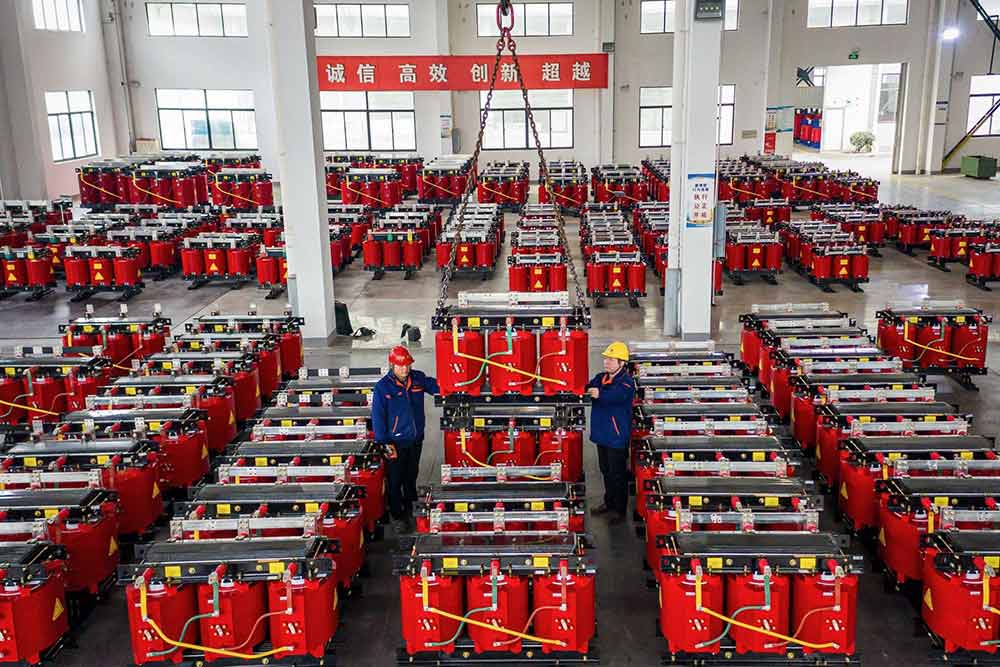
Changing from oil-immersed to dry-type after the electrical room, fire strategy, foundation, cable routing, and ventilation design have already been finalized can trigger a chain of secondary changes.
Choose the technology early.
Avoid Common Power Transformer Selection Mistakes
Common Sizing and Specification Mistakes
Mistake 1: Selecting the transformer from connected load alone.
Connected load is useful, but it does not tell you how the plant actually operates. Use demand, diversity, power factor, peak conditions, and future expansion.
Mistake 2: Using today’s load as the entire design basis.
If expansion is already part of the project plan, put it into the transformer study rather than hoping the spare capacity will be enough later.
Mistake 3: Treating MVA as the whole specification.
MVA tells you capacity. It does not tell you whether the transformer has the correct impedance, losses, insulation level, cooling arrangement, or tap range.
Mistake 4: Copying impedance from another project.
The previous project may have had a different short-circuit level, voltage regulation requirement, or protection philosophy.
Mistake 5: Ignoring harmonics.
Modern industrial plants can contain substantial nonlinear loads from VFDs, rectifiers, UPS systems, and power electronics. Where harmonic loading is significant, it should be addressed explicitly in the transformer design and loss assessment.
Mistake 6: Treating the standard rating as the guaranteed operating capability under every site condition.
Temperature, altitude, cooling, and loading conditions all matter. Service conditions should be specified rather than assumed.
Common Installation, Standards and Compliance Mistakes
A transformer can be technically correct and still fail the project because the installation requirements were not addressed.
Before issuing the purchase order, confirm:
- Applicable IEC or IEEE standards
- Utility-specific requirements
- Local electrical codes
- Fire regulations
- Environmental requirements
- Noise limits
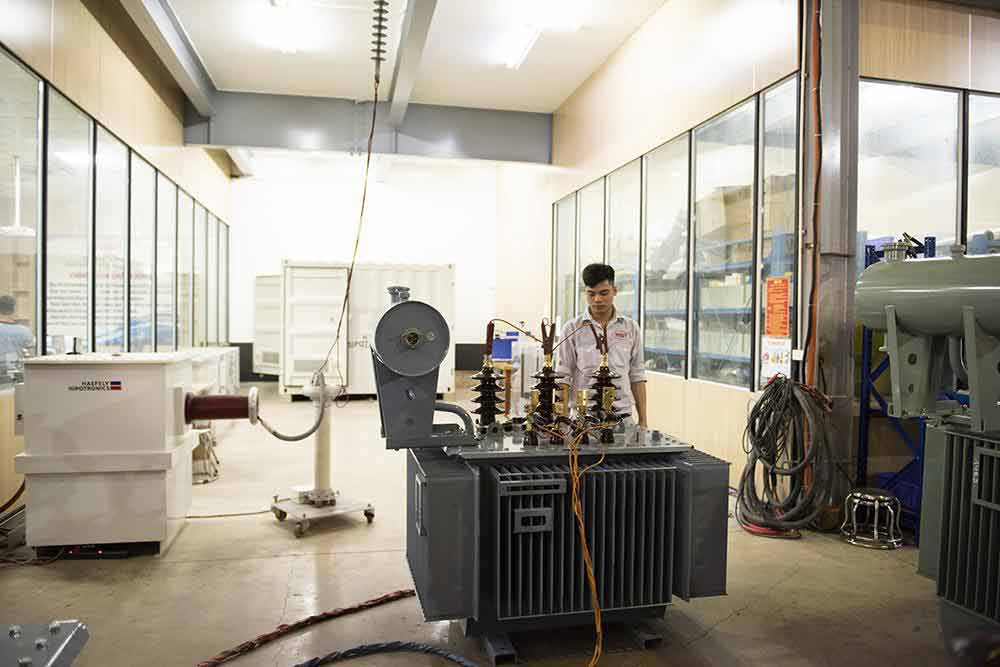
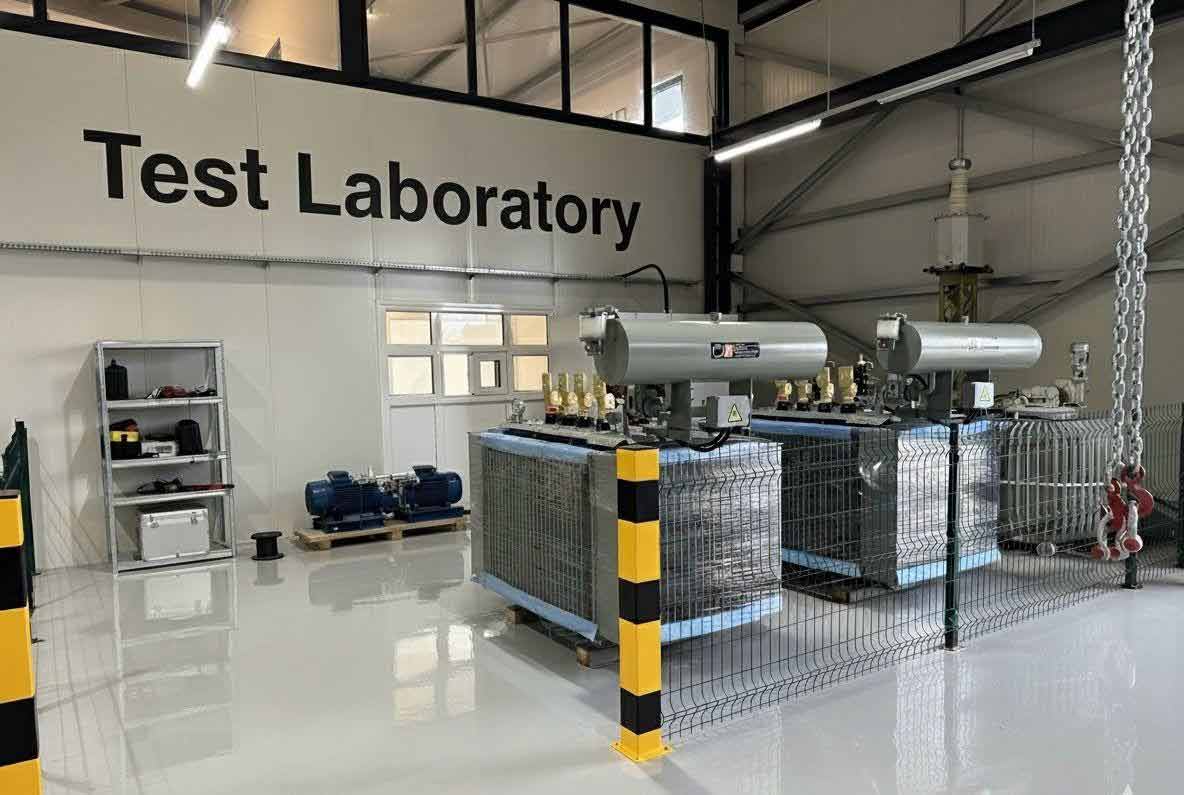
- Factory test requirements
- FAT procedures
- Transportation limitations
- Foundation loading
- Cable entry arrangements
- Maintenance clearances
- Protection and monitoring requirements
IEC 60076-1 includes provisions covering service conditions, safety and environmental requirements, tolerances, tests, transport, and information required for enquiry and order. That makes it a useful reference when building a serious transformer procurement specification rather than a generic product description.
Insulation requirements should also be tied to the actual system. IEC 60076-3 covers insulation levels, dielectric tests, and external clearances, so BIL or equivalent insulation requirements should not be selected as an isolated catalog field.
How to Select a Transformer Manufacturer and Finalize Your Decision
Once the technical requirements are clear, supplier comparison becomes much more meaningful.
Do not award a transformer order based on the lowest quotation before performing a technical bid evaluation.
Ask each manufacturer for comparable information:
- Complete technical datasheet
- Guaranteed losses
- Guaranteed impedance
- Voltage and tap information
- Vector group
- General arrangement drawing
- Weight and dimensions
- Shipping dimensions
- Winding and insulation information
- Routine test scope
- Type-test documentation where required
- Quality certifications
- Manufacturing references
- FAT procedure
- Warranty terms
- Spare-parts recommendations
- Installation and maintenance documentation
The manufacturer’s response to the specification is often more revealing than its brochure.
Look for whether the supplier identifies missing data, asks sensible engineering questions, flags site-specific constraints, and clearly distinguishes guaranteed values from typical values.
A manufacturer that simply returns a price against an incomplete specification may be cheaper at the quotation stage and more expensive during engineering and commissioning.
For international projects, also verify experience with the destination market. Standards compliance is not the same thing as successful project delivery. Documentation, packaging, transport, local approvals, commissioning support, and after-sales service can all affect the final outcome.
The best RFQ is one that leaves little room for suppliers to quote different products under the same line item.
Power Transformer Selection FAQ
What is a power transformer?
A power transformer is a static electrical device that transfers AC electrical energy between circuits through electromagnetic induction while changing voltage and current levels. It is commonly used in generation, transmission, substations, industrial facilities, and large electrical networks.
How does a power transformer work?
A power transformer uses electromagnetic induction. AC current in the primary winding creates changing magnetic flux in the core, which induces voltage in the secondary winding. The winding turns ratio determines the basic voltage transformation, while impedance, losses, insulation, and cooling affect actual operating performance.
How to choose a power transformer?
Choose a power transformer by first defining the load and future demand, then specifying capacity, primary and secondary voltage, frequency, impedance, insulation level, cooling, installation conditions, standards, protection, and testing requirements. Compare suppliers against the same technical specification before making the final purchase decision.
How do I size a power transformer?
Calculate the project’s apparent power demand from real power, power factor, voltage, and current. Then account for peak demand, motor starting, future growth, environmental conditions, redundancy, and allowable loading. The calculated load should be treated as the engineering starting point rather than the final nameplate rating.
What size power transformer do I need?
The required transformer size depends on the project’s maximum apparent power demand and operating conditions. A correct selection also considers power factor, future expansion, motor starting, ambient temperature, altitude, harmonic loading, redundancy, and the transformer’s specified loading capability.
What power transformer specifications should I consider?
Important specifications include rated power, primary and secondary voltage, frequency, impedance, vector group, insulation level, temperature rise, cooling class, losses, tap range, short-circuit withstand capability, dimensions, accessories, testing requirements, and applicable standards.
How do you calculate transformer capacity?
For a three-phase system, apparent power can be calculated using S = √3 × V × I. When real power is known, S can be estimated from P / PF. The resulting value must then be reviewed against future load growth, peak demand, environmental conditions, operating strategy, and available standard transformer ratings.
Why is transformer impedance important?
Transformer impedance affects voltage regulation and prospective short-circuit current. It must be compatible with the electrical network and protection system. It is particularly important when transformers operate in parallel because incompatible impedance and phase characteristics can result in unequal loading or circulating current.
When should I use an oil-immersed transformer?
Use an oil-immersed transformer when the project requires high capacity, efficient heat transfer, outdoor installation, or economical long-term operation, and the site can accommodate the associated oil containment, fire protection, and maintenance requirements.
When should I use a dry type transformer?
Use a dry-type transformer when indoor installation, fire-safety requirements, environmental considerations, or avoidance of liquid insulation make a dry design more appropriate. Dry-type transformers still require adequate ventilation, environmental protection, and routine inspection.
Where are power transformers used?
Power transformers are used in power generation plants, transmission and utility substations, industrial plants, renewable energy projects, mining facilities, data centers, commercial buildings, transportation infrastructure, and other high-capacity electrical systems.
How to select a transformer for an industrial project?
For an industrial project, start with the actual load profile and future production plans. Define transformer capacity, voltage ratio, frequency, impedance, vector group, insulation, cooling, harmonic requirements, environmental conditions, protection, standards, and testing. Then evaluate manufacturers on technical compliance, testing capability, quality, delivery, lifecycle cost, and relevant project experience.
Final Power Transformer Selection Checklist
Before releasing a transformer purchase order, make sure the engineering team can answer these questions without relying on assumptions:
- What is the present maximum demand?
- What is the expected load after expansion?
- What transformer capacity is required?
- What are the primary and secondary voltage ratings?
- Is the system 50 Hz or 60 Hz?
- What impedance does the network require?
- What vector group is required?
- What insulation level and dielectric tests apply?
- Is an oil-immersed transformer or dry-type transformer better suited to the site?
- What cooling arrangement is required?
- What are the maximum ambient temperature and site altitude?
- Is the transformer indoors or outdoors?
- What fire, environmental, and noise requirements apply?
- What are the guaranteed no-load and load losses?
- What standards and tests must the supplier meet?
- Are FAT requirements clearly defined?
- Can the transformer be transported to the site without special redesign?
- Is there adequate space for installation and maintenance?
- Does the manufacturer have relevant project experience?
- What documentation, commissioning support, warranty, and spare parts are included?
The strongest power transformer selection process is not complicated, but it is disciplined.
Start with the load. Define the electrical interface. Check impedance and fault levels. Account for the actual site environment. Choose the appropriate cooling and transformer technology. Then lock down standards, testing, documentation, and supplier responsibilities.
That sequence prevents a common procurement mistake: choosing a transformer first and trying to make the project fit around it afterward.
A well-selected transformer should not merely satisfy today’s load calculation. It should operate predictably under the conditions for which it was designed, integrate cleanly with the protection and electrical system, leave appropriate room for the project’s future, and remain economically sensible throughout its service life.
Load → Capacity → Voltage → Impedance → Cooling → Environment → Standards → Testing → Supplier
That is the foundation of a reliable transformer specification—and a much safer way to approach the purchase than comparing MVA ratings and unit prices alone.