
What does the daily maintenance of power transformer include? For transformer owners and utility professionals, daily maintenance is the foundation of reliable, long-lasting performance—preventing costly breakdowns, reducing downtime, and ensuring safe operation. Unlike occasional repairs or annual inspections, daily maintenance consists of simple, consistent checks that anyone can perform with basic knowledge, no advanced technical skills required.
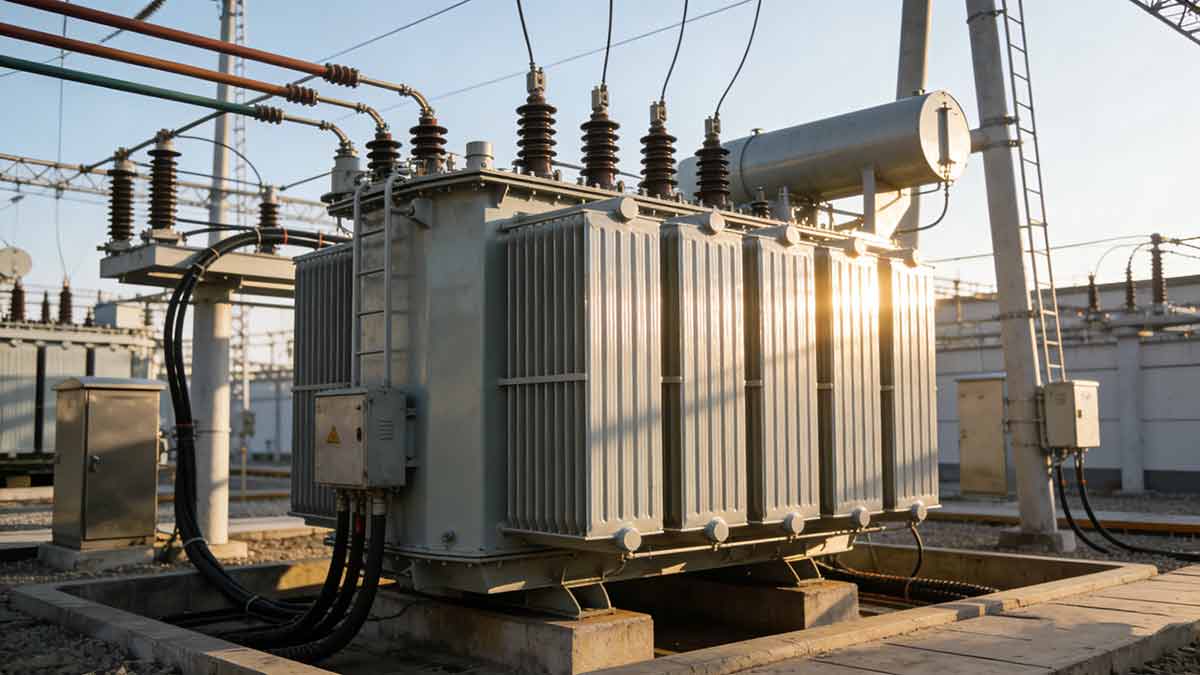
This article details every essential component of daily power transformer maintenance, answers common questions, shares real-world examples, and provides actionable tips to make your daily maintenance routine effective and efficient.
⚙️ Core Components of Daily Maintenance of Power Transformer
Daily maintenance of power transformer is not about complex repairs or technical tests—it’s about regular, proactive checks to spot small issues before they escalate into major problems. These checks focus on the transformer’s key components, ensuring they operate within safe limits and show no signs of wear, damage, or malfunction. Below are the non-negotiable elements of a daily maintenance routine, organized by component for clarity.
🔍 Visual Inspection: The First Line of Defense
A thorough visual check takes just 5–10 minutes daily but can prevent catastrophic failures. Focus on the transformer’s exterior, connections, and surrounding area to identify obvious signs of trouble:
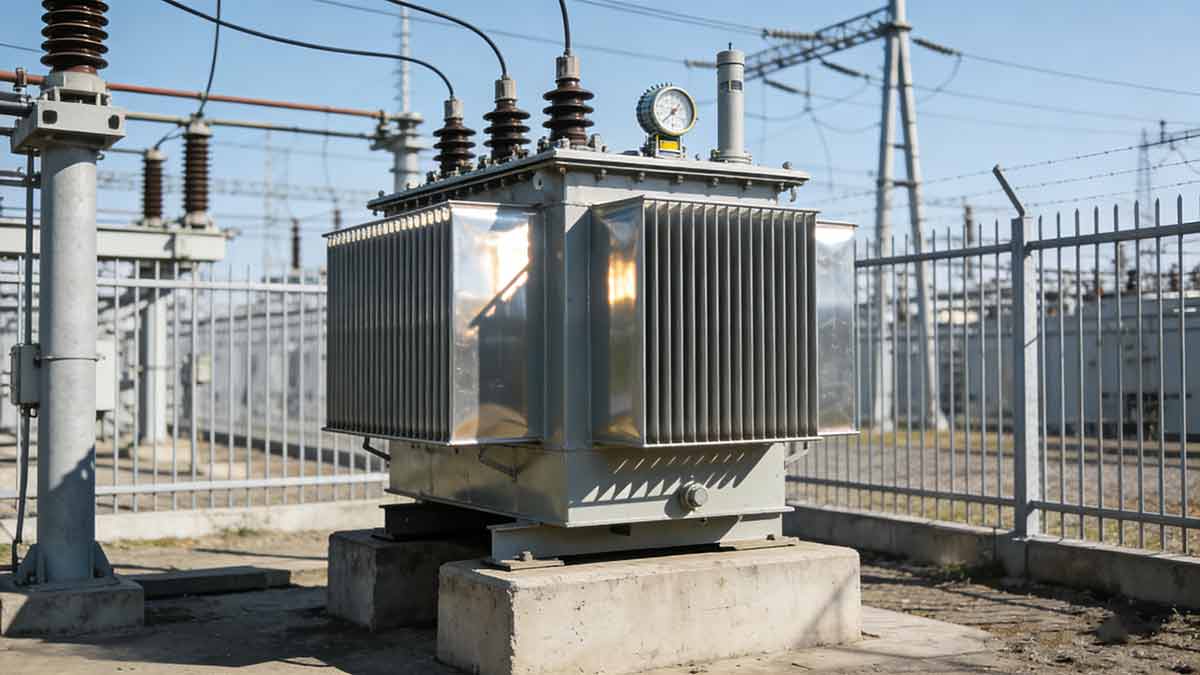
- Exterior condition: Check for cracks, dents, or corrosion on the transformer tank (for oil-immersed units) or casing (for dry-type units). Even small cracks can lead to oil leaks (in oil-immersed transformers) or moisture ingress (in dry-type units), which damage internal components.
- Connections and terminals: Inspect all electrical connections, including cables and terminals, for signs of overheating (discoloration, melting, or burning), loose wires, or corrosion. Loose connections cause resistance, which generates heat and can damage windings over time.
- Surrounding area: Ensure the area around the transformer is clean, clear of debris, and free from obstacles. Keep flammable materials (e.g., oil, paper, chemicals) at least 10 feet away to reduce fire risk, and trim any vegetation that could touch the transformer or block ventilation.
- Labels and signage: Verify that all safety labels, warning signs, and nameplates are visible and legible. These labels provide critical information (e.g., voltage rating, load capacity) that is essential for safe maintenance and operation.
Common Question: How often should I perform a visual inspection? Every day, even a quick 2–3 minute check can catch issues like oil leaks or loose connections before they cause damage. For busy sites, assign a designated person to complete the visual check and log their findings.
🌡️ Temperature and Cooling System Checks
Transformers generate heat during operation, and overheating is one of the most common causes of failure. Daily temperature checks and cooling system inspections ensure the transformer stays within safe operating limits:
- Temperature monitoring: Use a thermometer or the transformer’s built-in temperature gauge to check the operating temperature. Most power transformers have a safe temperature range of 50–85℃; if the temperature exceeds 90℃, shut down the transformer and investigate the cause (e.g., overloading, cooling system failure).
- Cooling system functionality: For oil-immersed transformers, check that cooling fans or radiators are working properly—ensure fans spin freely, radiators are clean, and there are no blockages. For dry-type transformers, verify that air vents are clear and cooling fans (if equipped) are operational.
- Heat distribution: Feel the transformer’s exterior (carefully, to avoid burns) to check for uneven heat distribution. Hot spots may indicate internal issues, such as winding damage or core problems.
Case Study: A manufacturing plant in Texas ignored daily temperature checks on its 800kVA oil-immersed transformer. One summer day, the cooling fan failed, and the transformer temperature rose to 92℃ (near the跳闸 threshold of 95℃), forcing a production shutdown. After implementing daily cooling system checks, the plant avoided similar issues and reduced unplanned downtime by 40%.
🛢️ Oil Level and Quality Checks (For Oil-Immersed Transformers)
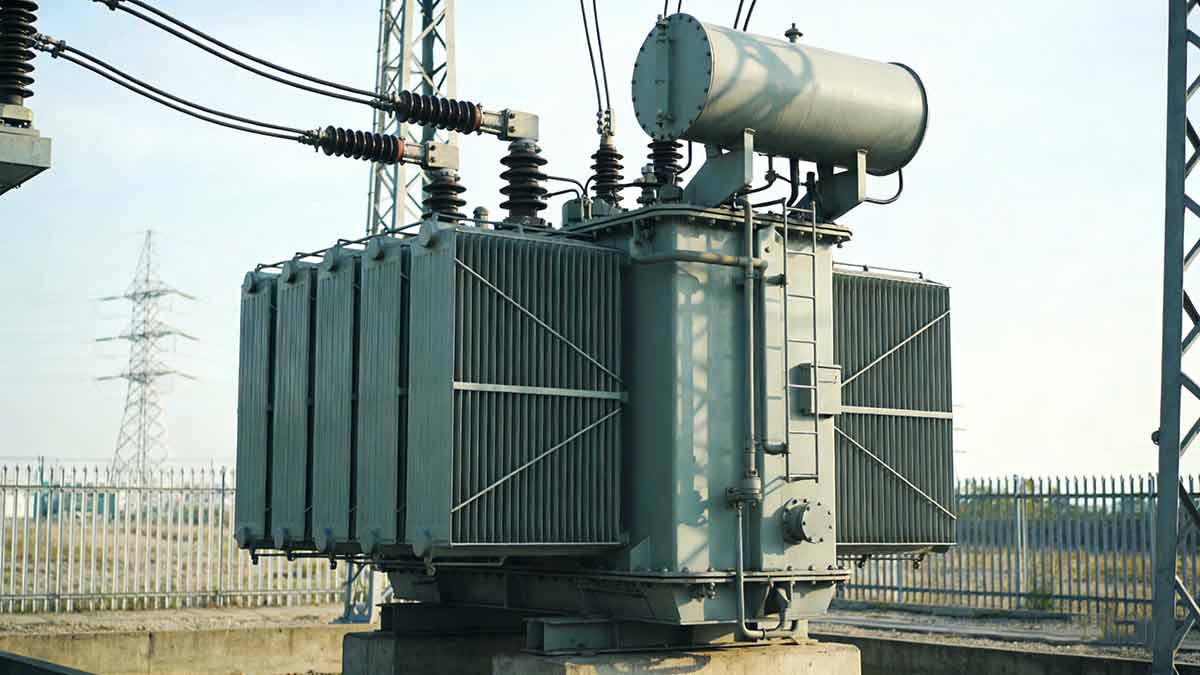
Oil-immersed transformers rely on transformer oil for insulation and cooling, so daily oil checks are critical to their performance. These checks are simple and require no specialized tools:
- Oil level: Check the oil level gauge to ensure it falls within the “safe” range (marked on the gauge). Low oil levels reduce insulation and cooling efficiency, increasing the risk of overheating and short circuits. If the oil level is low, add the correct type of transformer oil (consult the manufacturer’s guidelines) and check for leaks.
- Oil color and clarity: Observe the oil through the gauge—clean transformer oil should be clear or slightly amber. Cloudy, dark, or discolored oil indicates contamination (e.g., water, dirt, or internal damage), which can degrade insulation and cause internal arcing. If the oil is discolored, schedule a professional oil test.
- Oil leaks: Look for oil stains or puddles around the transformer tank, gaskets, or connections. Even small leaks can lead to low oil levels and environmental damage. Tighten loose gaskets or replace damaged seals immediately to stop leaks.
Quick Reference for Oil-Immersed Transformer Daily Oil Checks
Check Item | Normal Condition | Warning Signs | Immediate Action |
|---|---|---|---|
Oil Level | Within the marked “safe” range | Below safe range | Add correct transformer oil; check for leaks |
Oil Color | Clear or slightly amber | Cloudy, dark, or black | Schedule professional oil testing |
Oil Leaks | No stains or puddles | Oil stains around the tank or connections | Tighten gaskets or replace damaged seals |
🔊 Sound and Vibration Checks
Transformers produce a steady, low hum during normal operation—any change in sound or vibration can indicate a problem. Daily sound and vibration checks are quick and easy to perform:
- Sound: Listen to the transformer—normal operation produces a consistent, smooth hum. Unusual sounds (e.g., buzzing, crackling, popping, or grinding) may indicate loose components, internal arcing, or winding damage.
- Vibration: Place your hand lightly on the transformer’s exterior to feel for excessive vibration. Excessive vibration can loosen connections, damage internal parts, and reduce the transformer’s lifespan. Common causes of vibration include uneven mounting, loose components, or nearby equipment (e.g., pumps, motors) transferring vibration.
Tip: If you hear unusual sounds or feel excessive vibration, shut down the transformer immediately and contact a professional technician. Continuing to operate the transformer can lead to severe damage and costly repairs.
📋 Daily Maintenance of Power Transformer: Step-by-Step Routine
To make daily maintenance simple and consistent, follow this step-by-step routine—each step takes just a few minutes, and you can complete the entire routine in 15–20 minutes per transformer. This routine works for both oil-immersed and dry-type power transformers, with minor adjustments for each type.
📝 Pre-Maintenance Preparation
Before starting any maintenance, take these safety precautions to protect yourself and the equipment:
- Wear appropriate personal protective equipment (PPE): Safety glasses, gloves, and non-slip shoes to protect against electrical hazards, oil spills, and heat.
- Ensure the transformer is in a safe operating state: If the transformer is running, verify it is not overloaded, and the temperature is within safe limits. If you need to access internal components, shut down the transformer and lock out the power source to prevent accidental startup.
- Gather basic tools: A thermometer, a flashlight (for dark areas), and a notebook to log findings. For oil-immersed transformers, keep a small supply of the correct transformer oil on hand for topping up.
🔄 Step-by-Step Daily Maintenance Checklist
- Step 1: Visual inspection (5–10 minutes)
- Check the transformer exterior for cracks, dents, or corrosion.
- Inspect connections and terminals for overheating, looseness, or corrosion.
- Clear debris and flammable materials from the surrounding area.
- Verify safety labels and nameplates are visible and legible.
- Step 2: Temperature and cooling system check (3–5 minutes)
- Record the transformer’s operating temperature using the built-in gauge or a thermometer.
- Check cooling fans, radiators, or air vents for proper operation and blockages.
- Feel the exterior for hot spots or uneven heat distribution.
- Step 3: Oil checks (for oil-immersed transformers only, 3–5 minutes)
- Check the oil level gauge to ensure it is within the safe range.
- Inspect the oil color and clarity for signs of contamination.
- Look for oil leaks around the tank, gaskets, and connections.
- Step 4: Sound and vibration check (2–3 minutes)
- Listen for unusual sounds (buzzing, crackling, popping) during operation.
- Feel for excessive vibration on the transformer’s exterior.
- Step 5: Log and report findings (2–3 minutes)
- Record all observations in a maintenance log, including temperature, oil level (if applicable), and any issues found.
- Report any abnormal findings (e.g., overheating, oil leaks, unusual sounds) to a supervisor or professional technician immediately.
Common Question: Can I skip any steps in the daily maintenance routine? No—each step is critical to identifying potential issues. Skipping even one step (e.g., oil checks or sound checks) could allow a small problem to escalate into a major failure, resulting in costly downtime and repairs.
⚠️ Common Daily Maintenance Mistakes to Avoid
Even with a simple routine, many transformer owners make mistakes that undermine the effectiveness of daily maintenance. Avoid these common pitfalls to ensure your maintenance efforts protect your transformer and extend its lifespan:
❌ Mistake 1: Ignoring Small Issues
Many people dismiss small issues (e.g., a minor oil leak, a faint buzzing sound) as “not a big deal.” However, small issues rarely stay small—they escalate over time, leading to major failures. For example, a minor oil leak can lead to low oil levels, which reduces cooling and insulation, eventually causing the transformer to overheat and fail. Always address small issues immediately, even if they seem insignificant.
❌ Mistake 2: Skipping Maintenance on “New” Transformers
New transformers are not immune to issues—even brand-new units can have manufacturing defects, loose connections, or oil leaks. Skipping daily maintenance on new transformers can allow these issues to go unnoticed, leading to premature failure. Start your daily maintenance routine as soon as the transformer is installed, regardless of its age.
❌ Mistake 3: Using the Wrong Tools or Materials
Using the wrong tools (e.g., a non-insulated screwdriver) or materials (e.g., the wrong type of transformer oil) can damage the transformer and create safety hazards. Always use tools that are rated for electrical work, and use only manufacturer-recommended materials (e.g., transformer oil, gaskets) for repairs or top-ups.
❌ Mistake 4: Not Logging Maintenance Findings
Without a maintenance log, it’s impossible to track trends (e.g., increasing temperature, recurring oil leaks) that indicate underlying issues. A maintenance log helps you identify patterns, schedule proactive repairs, and demonstrate compliance with industry standards (e.g., ANSI/NETA MTS-2023). Make logging a non-negotiable part of your daily routine.
❌ Mistake 5: Forgetting Safety Precautions
Transformers are high-voltage equipment, and safety should always be your top priority. Never perform maintenance without wearing PPE, never access internal components without shutting down the power, and never work alone. Even a small mistake can lead to serious injury or death.
📊 How Daily Maintenance Improves Transformer Performance and Longevity
Daily maintenance is an investment in your transformer’s performance and lifespan. By performing simple, consistent checks, you can achieve significant benefits that save time, money, and frustration. Below are the key benefits of a regular daily maintenance routine, supported by real-world data and industry standards.
✅ Reduces Unplanned Downtime
Unplanned downtime is costly—for utilities and businesses, every hour of downtime can cost thousands of dollars in lost productivity, repairs, and customer dissatisfaction. Daily maintenance catches issues early, before they cause the transformer to fail, reducing unplanned downtime by 30–50% (according to industry data). For example, a utility company in Canada reduced unplanned transformer downtime by 55% after implementing a daily maintenance routine for its rural distribution transformers.
✅ Extends Transformer Lifespan
The average lifespan of a power transformer is 25–40 years, but this can be shortened significantly without proper maintenance. Daily checks prevent wear and tear, reduce stress on internal components, and address issues that accelerate aging (e.g., overheating, contamination). With a consistent daily maintenance routine, you can extend your transformer’s lifespan by 10–15 years, delaying the need for costly replacements.
Transformer Lifespan Comparison (With vs. Without Daily Maintenance)
Transformer Type | Lifespan Without Daily Maintenance | Lifespan With Daily Maintenance | Lifespan Extension |
|---|---|---|---|
Oil-Immersed Transformer | 20–30 years | 30–45 years | 10–15 years |
Dry-Type Transformer | 15–25 years | 25–35 years | 10 years |
✅ Lowers Maintenance and Repair Costs
Preventive maintenance (like daily checks) is far less expensive than reactive repairs. Fixing a small oil leak or tightening a loose connection costs just a few dollars, while repairing a burned-out winding or replacing a failed transformer can cost tens of thousands of dollars. According to industry research, transformer owners who perform daily maintenance spend 40–60% less on repairs and replacements compared to those who skip daily checks.
✅ Ensures Compliance with Industry Standards
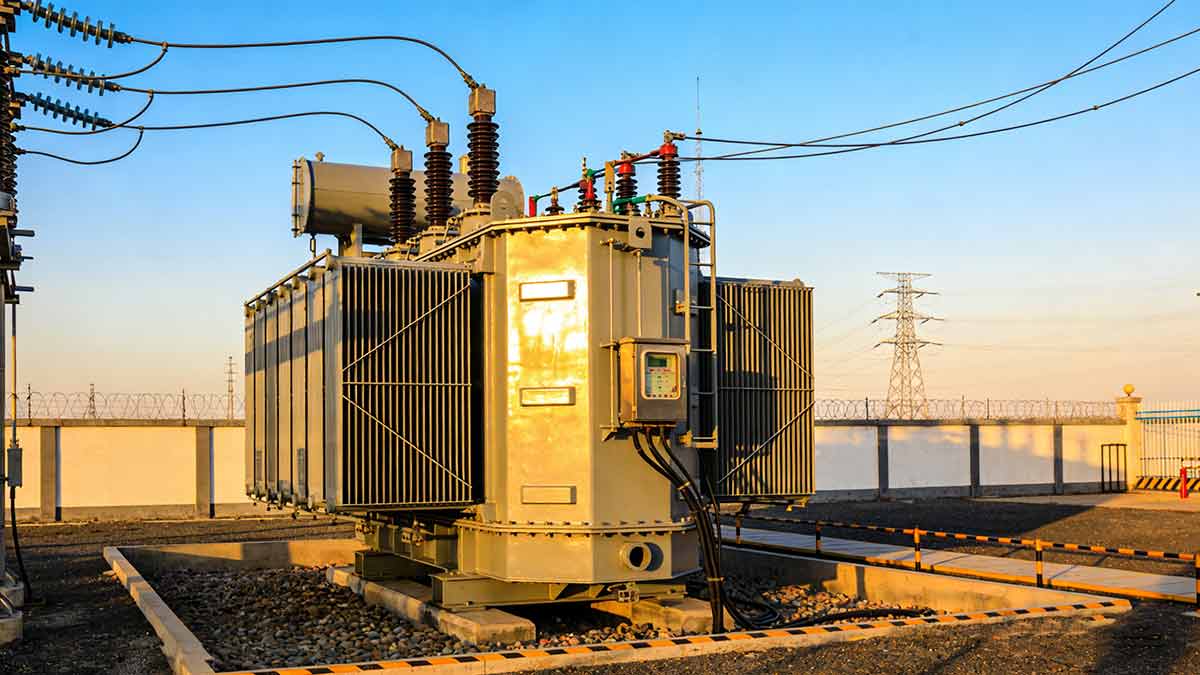
Many industries (e.g., utilities, manufacturing, healthcare) are required to comply with industry standards (e.g., ANSI/NETA MTS-2023, IEEE standards) that mandate regular transformer maintenance. Daily maintenance helps you meet these requirements, avoiding fines and penalties, and demonstrating a commitment to safety and reliability. For example, ANSI/NETA MTS-2023 requires regular visual and mechanical checks to assess equipment health and prevent failures.
❓ Frequently Asked Questions About Daily Maintenance of Power Transformer
We’ve compiled answers to the most common questions about the daily maintenance of power transformer, based on industry best practices and real-world experience. These answers address common concerns and help you avoid mistakes in your maintenance routine.
❔ How long does daily maintenance of power transformer take?
Daily maintenance takes just 15–20 minutes per transformer, depending on the size and type. The routine is designed to be efficient, so you can fit it into your daily schedule without disrupting operations. For multiple transformers, assign a dedicated person to complete the checks to ensure consistency.
❔ Do I need specialized training to perform daily maintenance?
No—daily maintenance consists of simple, visual checks and basic measurements that require no specialized training. However, it’s recommended to provide basic training to anyone performing maintenance, including how to identify warning signs, use PPE, and log findings. For complex issues (e.g., internal damage), always contact a professional technician.
❔ What’s the difference between daily maintenance and annual inspections?
Daily maintenance focuses on simple, proactive checks to spot small issues early. Annual inspections are more comprehensive, including technical tests (e.g., insulation resistance tests, oil analysis) that require specialized tools and expertise. Both are essential—daily maintenance prevents issues from escalating, while annual inspections ensure long-term performance and compliance with industry standards.
❔ Can daily maintenance prevent all transformer failures?
While daily maintenance cannot prevent all failures (e.g., sudden power surges, manufacturing defects), it can prevent the majority of failures caused by wear, neglect, and environmental factors. According to industry data, 70–80% of transformer failures are preventable with regular daily maintenance.
❔ What should I do if I find an issue during daily maintenance?
If you find a minor issue (e.g., low oil level, loose connection), address it immediately. If you find a major issue (e.g., overheating, oil leaks, unusual sounds), shut down the transformer (if safe to do so), log the issue, and contact a professional technician for repairs. Never attempt to repair complex issues yourself—this can cause further damage and create safety hazards.
🎯 Conclusion: Daily Maintenance of Power Transformer Is Non-Negotiable
So, what does daily maintenance of power transformer include? It includes simple, consistent checks of the transformer’s exterior, temperature, cooling system, oil (for oil-immersed units), and sound/vibration—all designed to spot small issues before they escalate into major failures. This routine requires minimal time, no specialized training, and delivers significant benefits: reduced downtime, extended lifespan, lower costs, and compliance with industry standards.
Whether you own a single transformer or manage a fleet of units, a regular daily maintenance routine is the best way to protect your investment and ensure reliable performance. By following the step-by-step routine, avoiding common mistakes, and addressing issues immediately, you can keep your power transformer running safely and efficiently for decades.
If you need guidance on creating a customized daily maintenance plan, or if you have questions about maintaining your specific transformer model, reach out to our team of transformer experts—we’re here to help you get the most out of your equipment.