
⚡ Introduction to Transformer Cooling: The Key to Reliability
Understanding power transformer cooling methods is essential for any facility manager or utility professional. Overheating is the single largest contributor to premature transformer failure, which is why selecting the right cooling strategy directly impacts maintenance costs and overall lifespan.
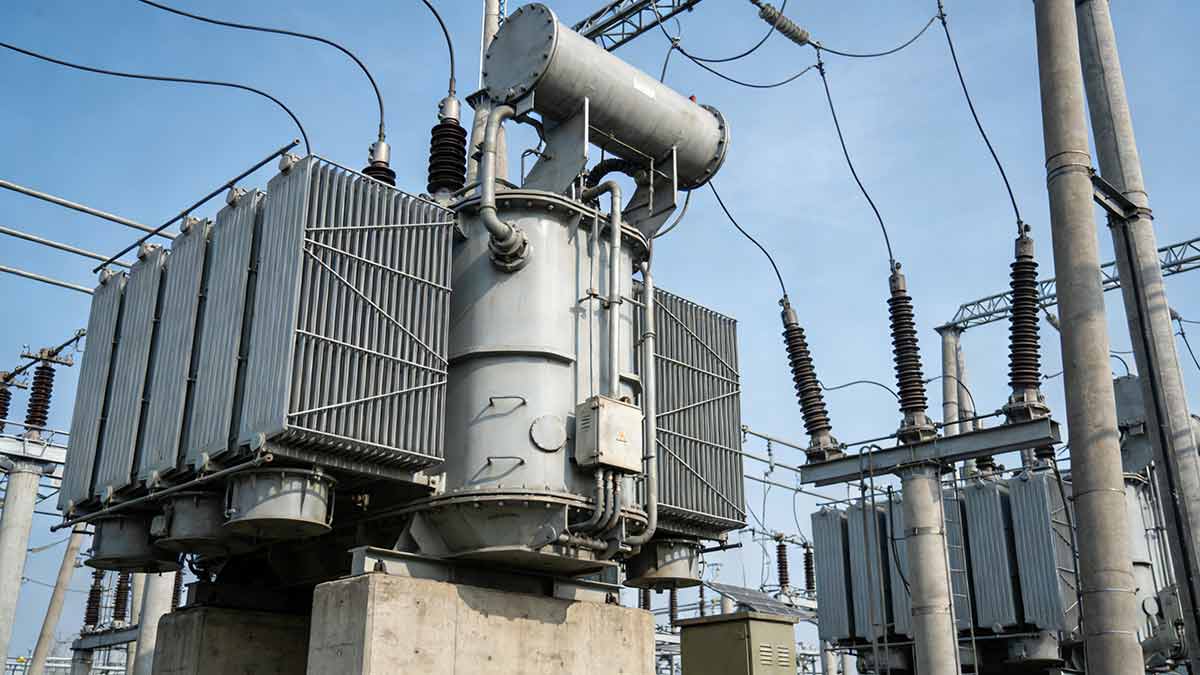
Transformers generate heat during normal operation through electrical losses. If this heat isn’t dissipated effectively, insulation degradation accelerates, leading to breakdowns and costly replacements. Modern transformers employ various cooling techniques, each with distinct advantages for different operating environments. This comprehensive guide breaks down the most effective cooling solutions, their applications, and how to implement them to maximize your transformer’s longevity while minimizing maintenance needs.
🌡️ Understanding Transformer Heat Generation & Cooling Basics
Before examining specific cooling methods, it’s crucial to grasp the fundamentals of heat management in power transformers.
The Science of Transformer Heat
- Transformers produce two primary heat sources:
- Copper losses (I²R losses) in windings
- Iron losses (core losses) from magnetic flux
- Heat buildup follows a predictable pattern: higher load = more heat
- Temperature rise directly correlates with the insulation degradation rate
- Each 10°C increase above the rated temperature reduces lifespan by approximately 50%
Why Cooling Matters Economically
- Typical transformer maintenance costs range from $5,000 to $25,000 per unit annually
- Failed transformers can cost 5-10 times their purchase price in downtime and replacements
- Proper cooling reduces maintenance frequency by 30-40%
- An extended lifespan (from 20-25 years to 35-40 years) provides significant ROI
🌬️ Natural Cooling Methods: Energy-Efficient & Low-Maintenance
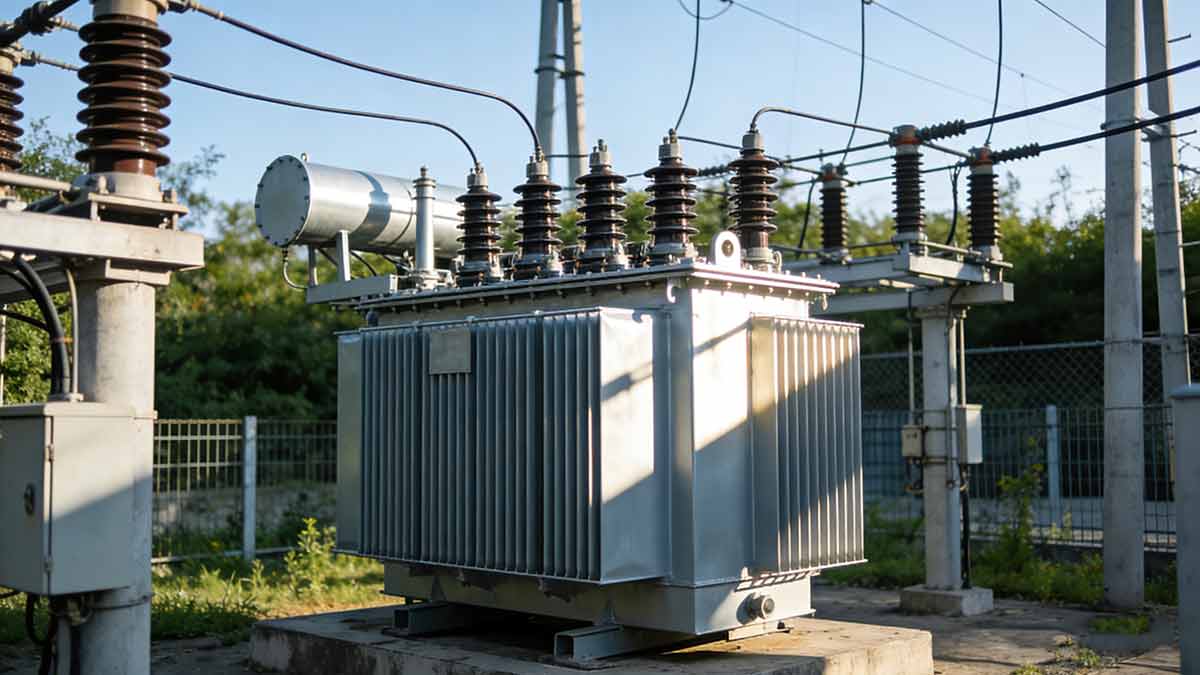
Natural cooling systems leverage basic physics—convection and radiation—to dissipate heat without external energy consumption. These methods are ideal for transformers with moderate load requirements.
ONAN: Oil Natural, Air Natural Cooling
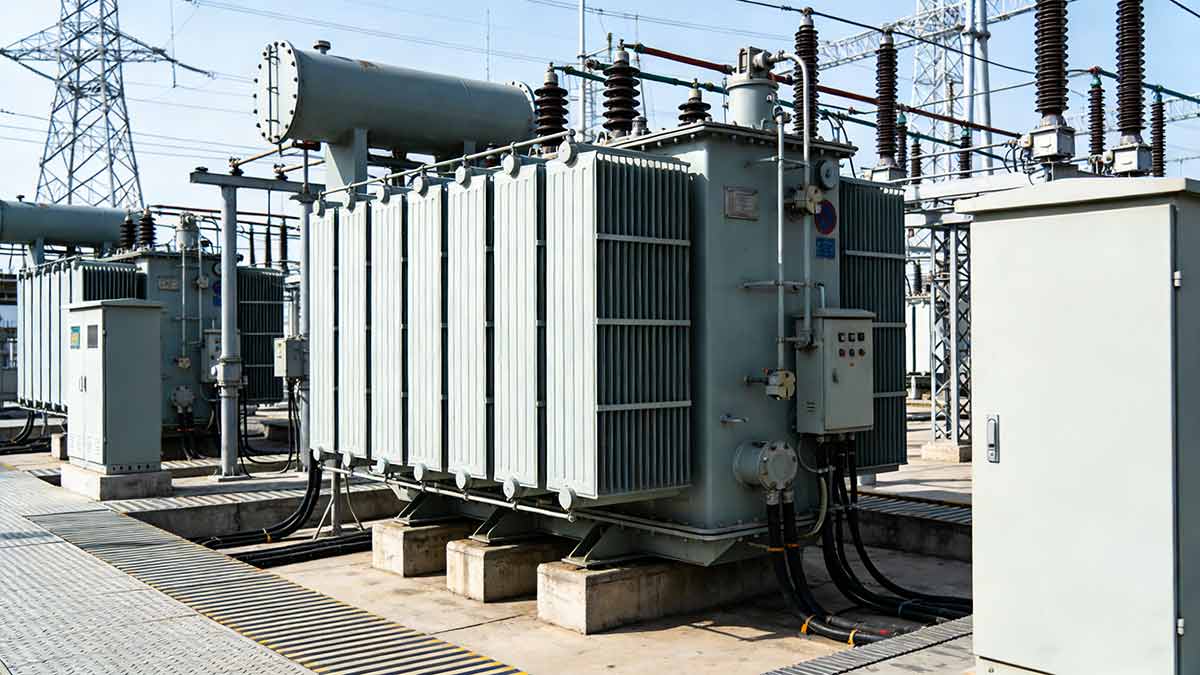
The most common natural cooling method, ONAN (Oil Natural, Air Natural), relies on:
- Natural convection of transformer oil to carry heat to the tank walls
- Radiation and convection from tank surfaces to ambient air
- No moving parts or auxiliary equipment required
Implementation Benefits:
- Exceptionally low maintenance needs
- Zero energy consumption for cooling
- High reliability with minimal failure points
- Cost-effective for standard distribution transformers
Performance Considerations:
- Effective for transformers with load factors below 70%
- Limited cooling capacity during peak load conditions
- Performance affected by ambient temperature and installation orientation
ONAF: Oil Natural, Air Forced Cooling
ONAF builds upon natural convection with auxiliary cooling:
- Transformer oil circulates naturally to the upper sections
- Radiators are equipped with fans to enhance heat dissipation
- Fans activate only when temperature thresholds are reached
Typical Applications:
- Distribution transformers with moderate peak load demands
- Industrial transformers are experiencing regular load fluctuations
- Transformers in warmer climates where ambient temperatures challenge natural cooling
Economic Advantages:
- 20-30% improved cooling capacity over ONAN
- Fan operation only during peak conditions minimizes energy use
- Reduced maintenance compared to fully forced cooling systems
🔄 Forced Cooling Methods: Maximizing Performance Under Load
For transformers operating at higher loads or in constrained spaces, forced cooling systems provide superior temperature control through active mechanical components.
OFAF: Oil Forced, Air Forced Cooling
This high-performance cooling method offers:
- Pressurized oil circulation through cooling elements
- Fans providing continuous airflow over radiators
- Temperature control through automated fan banks
Performance Advantages:
- 50-70% higher cooling capacity than natural methods
- Consistent performance across varying load conditions
- Ability to maintain rated capacity in high ambient temperatures
Ideal Applications:
- Large power transformers in utility substations
- Industrial transformers with unpredictable load profiles
- Transformers in enclosed environments with limited airflow
OFWF: Oil Forced, Water Forced Cooling
For extreme cooling requirements, water-based systems provide:
- Forced oil circulation through cooling tubes
- Water circulation through cooling elements for maximum heat transfer
- Precision temperature control through automated systems
Key Benefits:
- Highest cooling capacity of all standard methods
- Compact footprint compared to air-based systems
- Excellent thermal stability for critical applications
Considerations:
- Higher installation and maintenance costs
- Water quality management requirements
- Need for dedicated water circulation systems
📊 Cooling Method Comparison: Performance & Cost Analysis
| Cooling Method | Initial Cost | Maintenance Cost | Energy Use | Peak Load Capacity | Typical Application |
|---|---|---|---|---|---|
| ONAN | Low | Very Low | None | Standard | Standard Distribution Transformers |
| ONAF | Medium | Low | Minimal | Enhanced | Moderate Industrial Loads |
| OFAF | Medium-High | Medium | Moderate | High | Utility Substations, Heavy Industry |
| OFWF | High | High | Significant | Maximum | Critical Applications, Extreme Environments |
🛠️ Optimizing Cooling Systems for Minimum Maintenance
Regardless of the cooling method chosen, implementing these strategies will significantly reduce maintenance requirements and extend operational life.
Proactive Temperature Monitoring
- Install temperature sensors at critical points (winding, oil, radiator outlets)
- Implement automated alerts for abnormal temperature trends
- Use historical data to identify cooling inefficiencies before failures occur
Regular Maintenance Protocols
- ONAF/ONAF Systems:
- Inspect and clean radiators quarterly
- Test fan operation and motor functionality semi-annually
- Verify temperature controls and thermostats annually
- OFAF/OFWF Systems:
- Perform comprehensive pump inspection and maintenance annually
- Clean cooling elements to remove debris and mineral deposits
- Test water treatment systems for OFWF applications
Environmental Considerations
- Position transformers to maximize natural airflow
- Install sunshades or protective enclosures in high-exposure environments
- Maintain proper clearance around cooling elements for unrestricted airflow
🔍 Diagnosing Cooling System Issues: Early Warning Signs
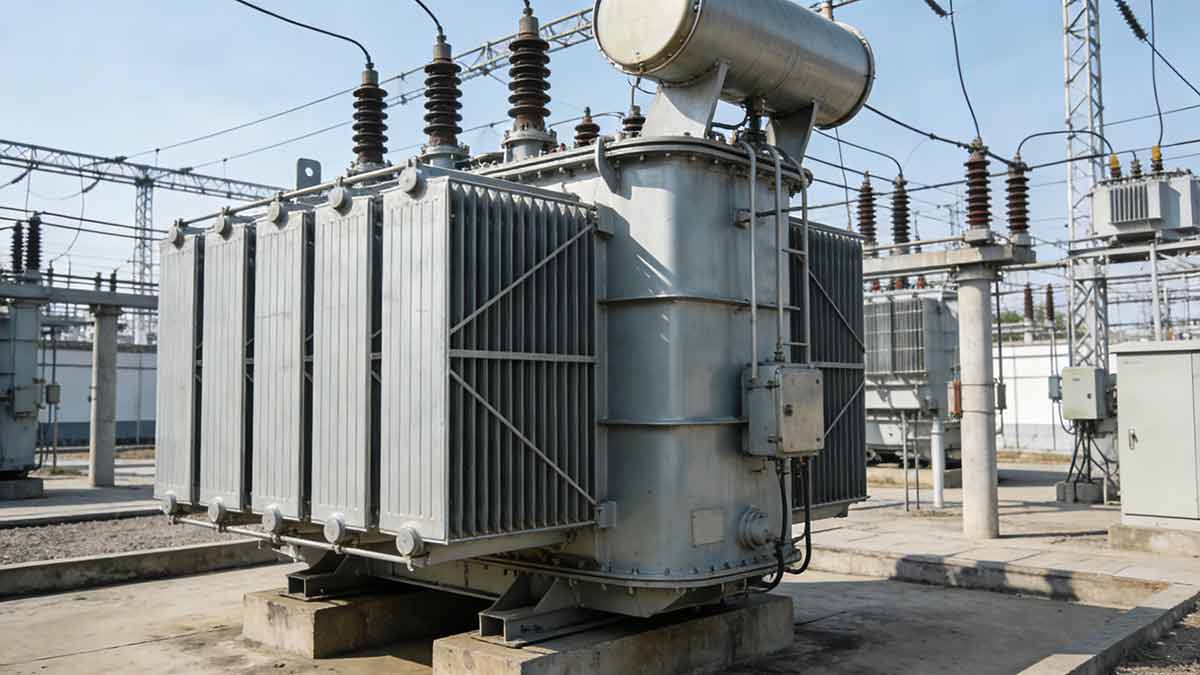
Recognizing cooling problems early can prevent catastrophic failures and reduce maintenance costs significantly.
Common Cooling System Failures
- Temperature Spikes:
- Sudden increases in winding temperature despite a stable load
- Oil temperature exceeding manufacturer’s recommendations
- Inconsistent temperature readings across different locations
- Reduced Cooling Efficiency:
- Dirt or debris accumulation on cooling surfaces
- Unusual noises from cooling fans or pumps
- Visible oil leaks near cooling connections
- Automation System Malfunctions:
- Fans failing to activate at programmed temperatures
- Pump pressure fluctuations in forced cooling systems
- Inaccurate temperature sensor readings
Diagnostic Best Practices
- Conduct thermal imaging scans quarterly
- Perform oil analysis to detect degradation and contamination
- Compare load profiles with temperature data to identify abnormal patterns
- Establish baseline performance metrics for future comparisons
🌱 Future-Proofing Your Cooling Strategy: Emerging Technologies
The transformer cooling landscape continues to evolve with innovative solutions that offer improved efficiency and lower maintenance costs.
Advanced Cooling Fluids
- Synthetic esters and biodegradable fluids with superior thermal properties
- Nanofluids containing nanoparticles to enhance heat transfer characteristics
- Environmentally safe alternatives to traditional mineral oils
Smart Cooling Systems
- IoT-enabled temperature and cooling performance monitoring
- AI algorithms that optimize cooling based on real-time load conditions
- Predictive maintenance systems that identify cooling issues before they affect performance
Hybrid Cooling Approaches
- Combined natural/forced cooling systems with automated transition
- Modular cooling units that can be added or removed as load demands change
- Phase-change cooling materials for extreme temperature management
🎯 Selecting the Right Cooling Method: Decision Framework
Choosing the optimal cooling strategy requires balancing performance requirements, environmental factors, and economic considerations.
Assessment Criteria
- Load Profile Analysis:
- Average load percentage
- Peak load duration and frequency
- Load variability and predictability
- Environmental Factors:
- Ambient temperature range
- Humidity and altitude considerations
- Installation space constraints
- Economic Projections:
- Total cost of ownership over a 10-15 year period
- Energy consumption costs for cooling systems
- Maintenance requirements and associated costs
Decision Matrix
| Factor | ONAN | ONAF | OFAF | OFWF |
|---|---|---|---|---|
| Load Factor < 60% | ★★★★★ | ★★★★☆ | ★★★☆☆ | ★★☆☆☆ |
| Load Factor 60-80% | ★★★☆☆ | ★★★★★ | ★★★★☆ | ★★★☆☆ |
| Load Factor > 80% | ★★☆☆☆ | ★★★☆☆ | ★★★★★ | ★★★★☆ |
| Space Constraints | ★★★★☆ | ★★★☆☆ | ★★☆☆☆ | ★★★★★ |
| Maintenance Complexity | ★★★★★ | ★★★★☆ | ★★★☆☆ | ★★☆☆☆ |
| Energy Efficiency | ★★★★★ | ★★★★☆ | ★★★☆☆ | ★★☆☆☆ |
📈 Case Studies: Real-World Cooling Optimization Success
Industrial Transformer Cooling Upgrade
A manufacturing facility operating three 50MVA transformers experienced increased downtime and maintenance costs due to cooling inefficiencies.
Challenge: Transformers operated at 85-95% load during production shifts, exceeding natural cooling capacity.
Solution: Upgraded from ONAN to ONAF cooling systems with automated fan controls.
Results:
- Reduced peak operating temperatures by 18°C
- Decreased maintenance frequency by 42%
- Extended transformer lifespan projection by 12 years
- Achieved 22% energy savings compared to previous forced cooling alternatives
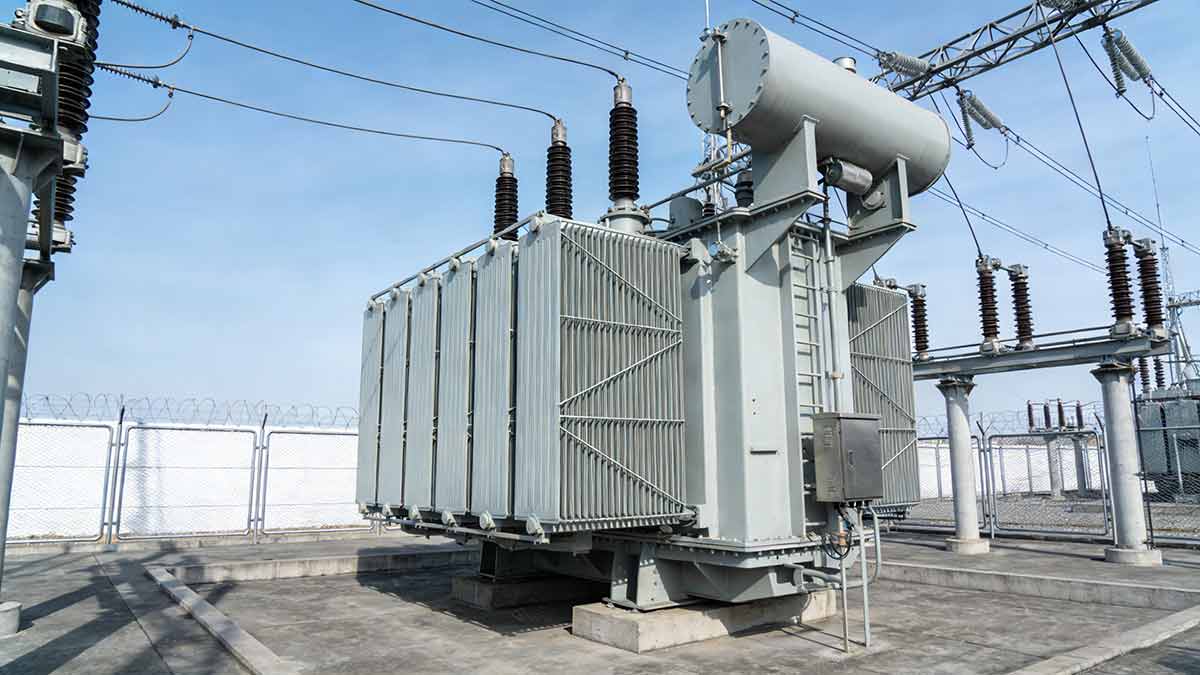
Utility Substation Cooling Optimization
A regional utility company transformed the performance of its 132kV distribution transformer fleet through strategic cooling system upgrades.
Challenge: High ambient temperatures in desert climates limited transformer capacity.
Solution: Implemented hybrid OFAF cooling systems with predictive temperature controls.
Results:
- Increased effective capacity by 35%
- Reduced emergency maintenance by 58%
- Achieved 15% lower operational costs
- Extended asset life by 15+ years
🔚 Conclusion: Choosing Cooling Methods That Maximize Value
Selecting the right power transformer cooling methods is a critical decision that directly impacts maintenance costs, operational reliability, and overall asset value. By understanding the different cooling technologies—from simple natural convection systems to advanced forced cooling configurations—facility managers and utility professionals can make informed choices that align with their specific operational needs.
The most effective cooling strategy combines appropriate technology with proactive maintenance and continuous monitoring. Whether implementing ONAN systems for standard distribution transformers or investing in OFWF solutions for high-demand industrial applications, prioritizing effective heat management will ensure your transformers deliver reliable performance while minimizing long-term costs.
Remember, the goal isn’t simply to choose a cooling method, but to implement a comprehensive thermal management strategy that protects your investment for decades. By selecting cooling systems that match your load profile, environmental conditions, and maintenance capabilities, you’ll achieve the optimal balance of performance, reliability, and cost-effectiveness.
To discuss your specific transformer cooling requirements or learn more about optimizing your existing equipment’s performance, our team of transformer experts is available to provide customized recommendations tailored to your operation.