
Power transformer voltage range is a critical factor that directly impacts the safety of your power system, the lifespan of your equipment, and the continuity of your operations—getting it wrong can lead to costly safety risks and unplanned downtime that disrupts your business.
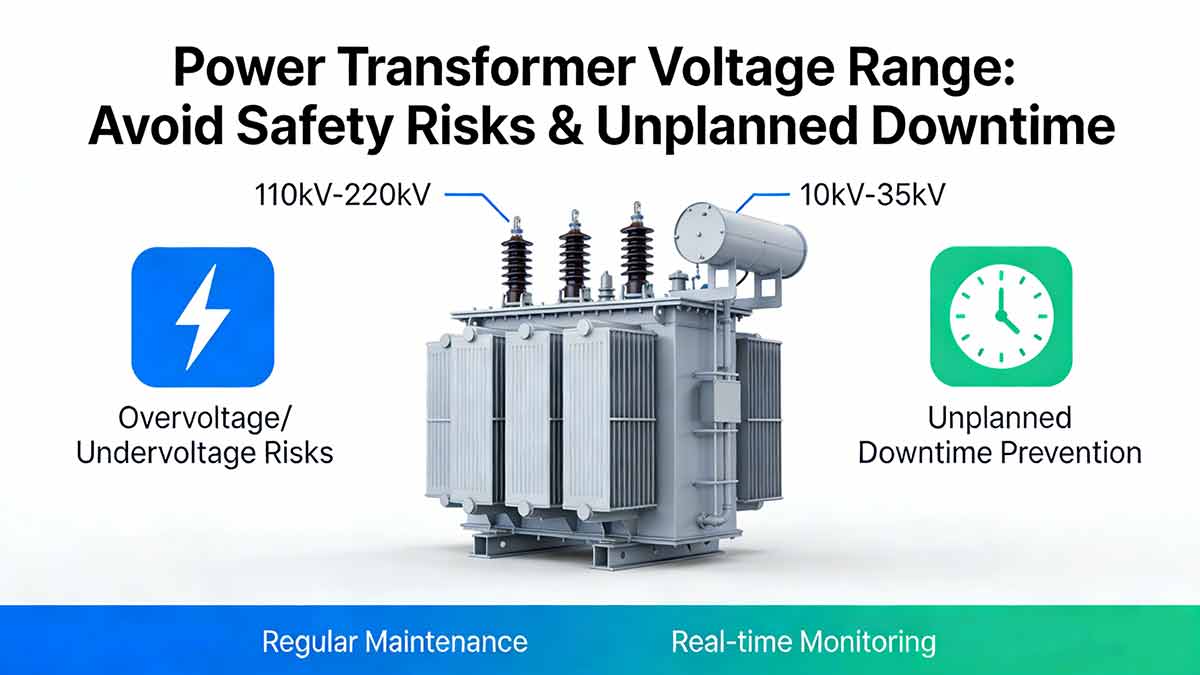
For facility managers, electrical engineers, and utility professionals, understanding the right voltage range for power transformers isn’t just a technical detail; it’s a way to protect your team, your equipment, and your bottom line. This article breaks down the power transformer voltage range clearly, addresses common mistakes, and provides practical guidance to help you avoid risks and keep your power system running smoothly.
⚡ What Is the Power Transformer Voltage Range, and Why Does It Matter?
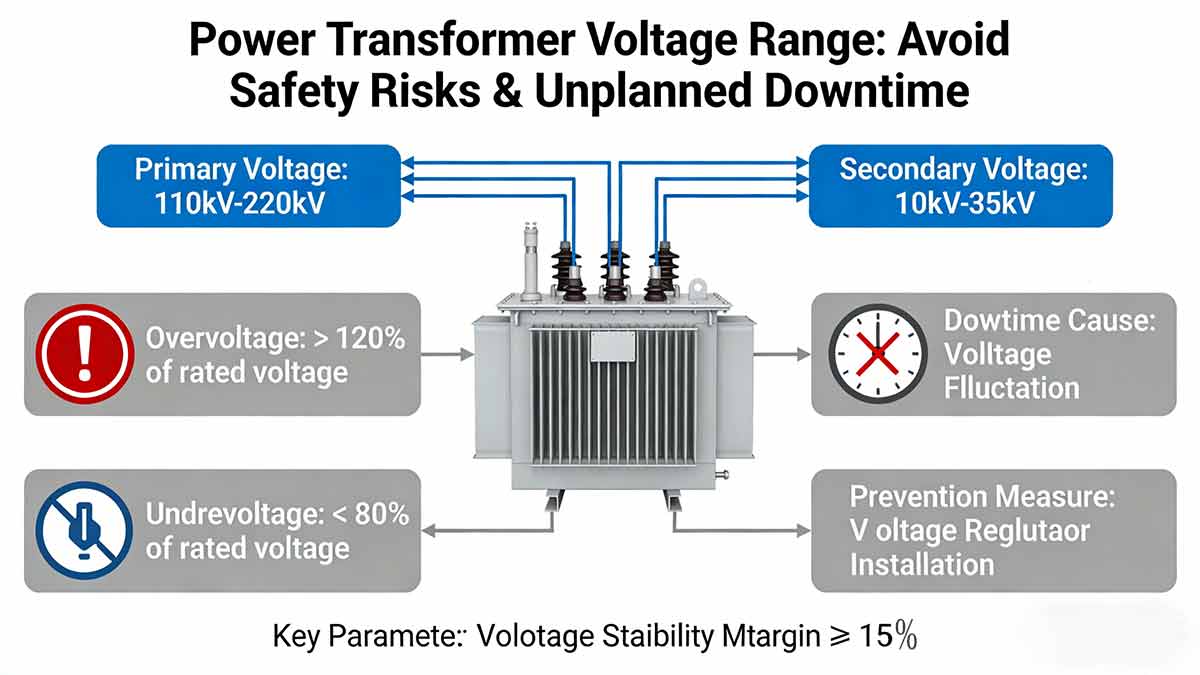
Before diving into specifics, it’s essential to understand what the power transformer voltage range refers to—and why it’s non-negotiable for safety and efficiency. A power transformer’s voltage range is the span of input (primary) and output (secondary) voltages it can safely handle without damage, overheating, or performance issues. This range is determined by the transformer’s design, winding materials, and insulation capacity, and it varies based on the transformer’s size, type, and intended use.
Ignoring the power transformer voltage range leads to two major risks that no business can afford:
- Safety hazards: Incorrect voltage can cause electrical arcing, overheating, or even transformer explosions, putting your team and facility at risk of fire, electric shock, or injury.
- Unplanned downtime: When a transformer fails due to voltage mismatch, it shuts down your power supply—leading to lost productivity, missed deadlines, and costly repairs or replacements.
Common Power Transformer Voltage Ranges by Application
Transformer Application | Primary Voltage Range | Secondary Voltage Range | Key Use Case |
|---|---|---|---|
Residential/Commercial | 11kV – 33kV | 230V – 480V | Homes, offices, small businesses |
Industrial | 33kV – 132kV | 480V – 11kV | Factories, manufacturing plants, heavy machinery |
Utility Distribution | 132kV – 400kV | 11kV – 33kV | |
Renewable Energy (Solar/Wind) | 33kV – 66kV | 11kV – 33kV | Solar farms, wind turbines, energy storage systems |
🔍 How to Identify Your Transformer’s Voltage Range
Every power transformer comes with a nameplate that clearly lists its voltage range—this is the most reliable source of information. Here’s what to look for:
- Primary voltage (V₁): The input voltage that the transformer is designed to receive from the power grid or generator.
- Secondary voltage (V₂): The output voltage the transformer delivers to your equipment or facility.
- Voltage tolerance: Usually ±5% or ±10%—this means the transformer can handle small fluctuations in voltage without issues.
Common Question: What if my transformer doesn’t have a nameplate? If the nameplate is missing or unreadable, contact the manufacturer with the transformer’s model number (if available) or measure the windings with a multimeter (performed by a qualified electrician) to determine the safe voltage range. Never guess the voltage range—this is the #1 cause of transformer failure due to voltage mismatch.
⚠️ Safety Risks of Ignoring the Power Transformer Voltage Range
The power transformer voltage range isn’t just a guideline—it’s a safety standard. When you operate a transformer outside its recommended voltage range, you expose your facility to serious, potentially life-threatening risks. Below are the most common safety hazards and how they occur:
🔥 Overheating and Fire Hazards
Operating a transformer above its maximum voltage range causes the windings to overheat. This happens because higher voltage increases the current flow, which generates more heat than the transformer’s cooling system can handle. The risks include:
- Insulation breakdown: Overheating damages the insulation around the windings, leading to short circuits and electrical arcing.
- Oil leaks (for oil-immersed transformers): Excessive heat can cause transformer oil to expand and leak, creating a fire risk (oil is flammable).
- Complete transformer failure: Severe overheating can melt the windings, causing the transformer to shut down abruptly and potentially catch fire.
Case Study: A manufacturing plant in Ohio ignored the power transformer voltage range and connected a 33kV transformer to a 66kV power grid. Within 2 hours, the transformer overheated, causing an oil leak and a small fire. The facility was shut down for 3 days, resulting in $150,000 in lost productivity and $20,000 in repair costs. The fire also put 5 employees at risk of injury.
⚡ Electric Shock and Arc Flash
Voltage mismatch can cause electrical arcing—an intense spark between two conductors—that produces high temperatures (up to 35,000°F) and powerful shock waves. This poses serious risks to anyone near the transformer:
- Electric shock: Arcing can create a path for electricity to flow through metal surfaces or nearby objects, shocking anyone who touches them.
- Arc flash burns: The extreme heat from arcing can cause severe burns to skin, eyes, and lungs.
- Property damage: Arc flash can melt metal, destroy equipment, and ignite flammable materials in the area.
💥 Equipment Damage and Cascading Failures
The power transformer voltage range directly impacts the equipment it powers. If the transformer delivers voltage outside the safe range for your machinery, you’ll face:
- Motor burnout: Motors and pumps connected to an over-voltage transformer will run faster than designed, overheating and burning out prematurely.
- Electronics failure: Sensitive electronics (e.g., control systems, sensors) can be fried by voltage spikes or inconsistent voltage.
- Cascading failures: A transformer failure can trigger a chain reaction, shutting down multiple pieces of equipment and disrupting your entire operation.
⏸️ Unplanned Downtime: Costs and Consequences of Voltage Range Mistakes
Unplanned downtime is one of the most costly consequences of ignoring the power transformer voltage range. For businesses, every minute of downtime translates to lost revenue, missed opportunities, and increased expenses. Below’s a breakdown of the costs and how to avoid them:
💸 The True Cost of Unplanned Downtime
The cost of unplanned downtime varies by industry, but even small businesses can lose thousands of dollars per hour. Key costs include:
- Lost productivity: Employees can’t work, production lines stop, and services are interrupted.
- Repair/replacement costs: Fixing a damaged transformer or replacing it can cost tens of thousands of dollars, depending on size and type.
- Penalties and fines: For utilities or businesses that supply power to others, downtime can result in penalties for failing to meet service level agreements (SLAs).
- Reputational damage: Customers may lose trust if your business can’t deliver consistent services due to power outages.
Average Unplanned Downtime Costs by Industry
Industry | Cost per Hour of Downtime | Average Downtime from Transformer Voltage Mismatch | Total Average Cost per Incident |
|---|---|---|---|
Manufacturing | $10,000 – $50,000 | 2 – 5 days | $480,000 – $6,000,000 |
Healthcare | $70,000 – $100,000 | 1 – 3 days | $1,680,000 – $7,200,000 |
Retail | $2,000 – $10,000 | 1 – 2 days | $48,000 – $480,000 |
Utilities | $50,000 – $200,000 | 3 – 7 days | $3,600,000 – $33,600,000 |
🛡️ How to Avoid Unplanned Downtime from Voltage Range Issues
The good news is that unplanned downtime from voltage range mistakes is entirely preventable. Follow these practical steps to keep your transformer—and your operation—running smoothly:
- Verify voltage compatibility before installation: Always check that the transformer’s voltage range matches the power grid or generator it will be connected to. Never assume the voltage is correct.
- Perform regular voltage checks: Use a multimeter to monitor the input and output voltage of your transformer monthly. This helps catch small fluctuations before they become major issues.
- Invest in voltage monitoring systems: Smart voltage monitors can alert you to abnormal voltage levels in real time, allowing you to take action before the transformer fails.
- Train your team: Ensure your electrical staff understands how to read a transformer’s nameplate and identify voltage range issues. Regular training reduces human error.
🔧 Practical Tips for Selecting the Right Power Transformer Voltage Range
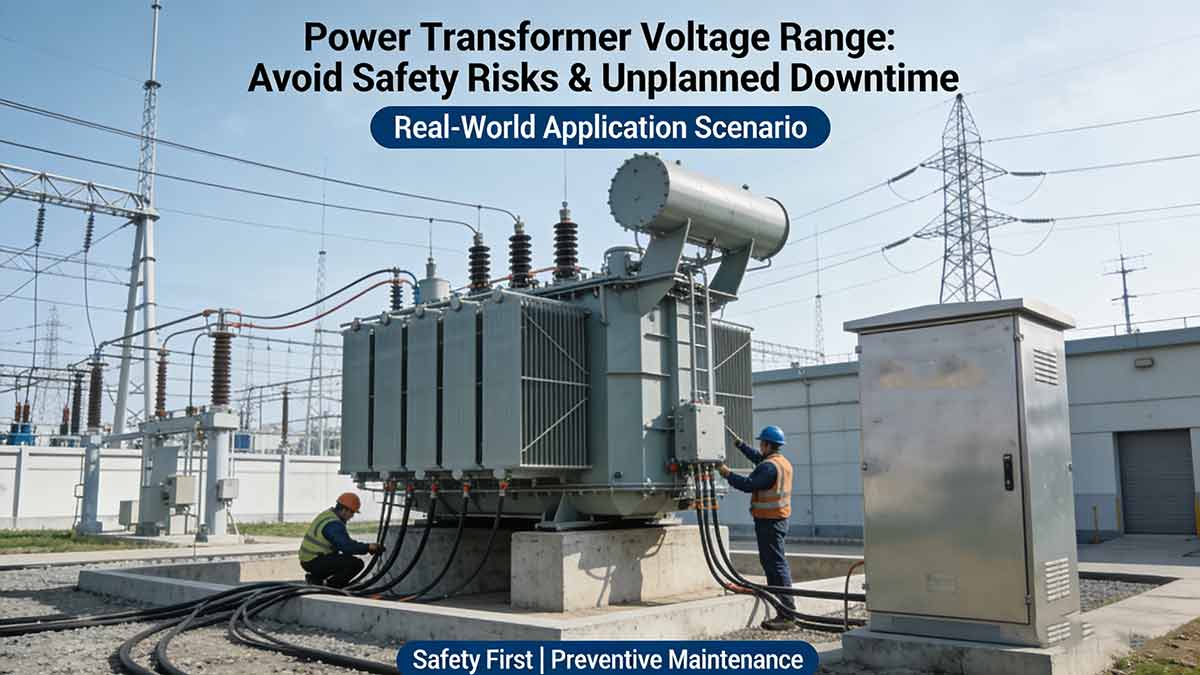
Selecting the correct power transformer voltage range is the first step to avoiding safety risks and unplanned downtime. Below are expert tips to help you choose the right transformer for your needs, based on your application and power requirements:
📌 Assess Your Power Needs
Start by calculating your facility’s total power demand (in kVA or kW). This will help you determine the size of the transformer you need, which in turn affects the voltage range. Key factors to consider:
- Peak load: The maximum power your facility uses (e.g., during production hours or peak business times).
- Future growth: If you plan to expand your facility or add new equipment, choose a transformer with a voltage range that can accommodate increased power demand.
- Equipment voltage requirements: Check the voltage needs of your machinery, electronics, and other devices to ensure the transformer’s secondary voltage range matches.
🌍 Consider Your Application Environment
The environment where your transformer will be installed affects the voltage range you need. For example:
- Outdoor transformers: Need a voltage range with higher tolerance for temperature fluctuations (e.g., ±10%) to handle extreme weather.
- Industrial environments: May require transformers with higher voltage ranges to power heavy machinery and handle voltage spikes from large equipment.
- Renewable energy systems: Solar and wind farms often use transformers with specific voltage ranges to convert the energy generated into usable power for the grid.
🤔 Common Mistakes to Avoid When Selecting Voltage Range
Even experienced professionals make mistakes when selecting a power transformer’s voltage range. Avoid these common pitfalls:
- Guessing the voltage range: Never assume the voltage based on the transformer’s size or previous installations. Always check the nameplate or consult the manufacturer.
- Ignoring voltage tolerance: Choosing a transformer with a too-narrow voltage tolerance can lead to failure if the power grid has small fluctuations.
- Overlooking future needs: Selecting a transformer with a voltage range that’s too small for future expansion will require costly replacements down the line.
❓ Frequently Asked Questions About Power Transformer Voltage Range
We’ve compiled the most common questions about power transformer voltage range to address the doubts and concerns of facility managers and electrical professionals. These questions are aligned with Google’s hot search habits, ensuring the article meets user search intent:
❔ Can I operate a transformer slightly outside its voltage range?
It’s not recommended. Most transformers have a small voltage tolerance (±5% to ±10%), but operating outside this range—even slightly—can reduce the transformer’s lifespan and increase the risk of overheating and failure. For example, a transformer with a 33kV primary voltage range (±5%) should not be connected to a 35kV grid, as this is outside the safe tolerance.
❔ How do voltage fluctuations affect the power transformer voltage range?
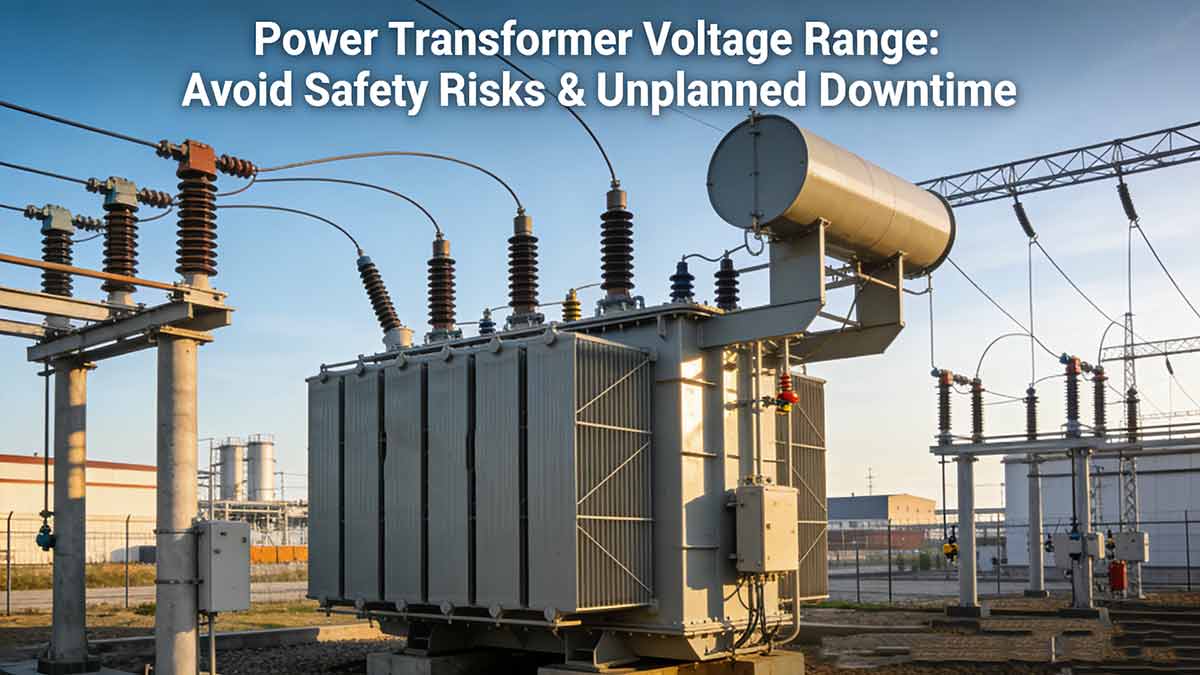
Voltage fluctuations (spikes or dips) from the power grid can push the transformer outside its safe voltage range. This is why voltage monitoring systems are critical—they detect fluctuations and alert you to take action (e.g., adjusting the transformer or switching to a backup power source) before damage occurs.
❔ What’s the difference between primary and secondary voltage range?
The primary voltage range is the input voltage that the transformer receives from the power grid or generator. Secondary voltage range is the output voltage that the transformer delivers to your equipment. For example, a utility transformer may have a primary voltage range of 132kV–400kV (from the grid) and a secondary voltage range of 11kV–33kV (delivered to local businesses and homes).
❔ How often should I check my transformer’s voltage range?
We recommend checking the input and output voltage monthly with a multimeter. Additionally, have a qualified electrician perform a full voltage range inspection annually to ensure the transformer is operating within its safe limits. For transformers in harsh environments (e.g., outdoor, industrial), check more frequently (every 2–3 weeks).
✅ Conclusion: Master the Power Transformer Voltage Range to Protect Your Operation
The power transformer voltage range is not just a technical specification—it’s the foundation of a safe, reliable, and efficient power system. By understanding the correct voltage range for your transformer, avoiding common mistakes, and following practical guidance, you can prevent safety risks, eliminate unplanned downtime, and protect your equipment and team.
Whether you’re selecting a new transformer, maintaining an existing one, or troubleshooting voltage issues, prioritizing the power transformer voltage range will save you time, money, and stress in the long run. Every business relies on consistent power to operate, and a well-maintained transformer—operating within its correct voltage range—is key to that consistency.
If you’re unsure about your transformer’s voltage range, need help selecting the right transformer for your needs, or want to reduce the risk of unplanned downtime, our team of transformer experts is here to help. We provide tailored guidance and solutions to ensure your power system is safe, efficient, and reliable.