
Power transformers serve as the foundational backbone of industrial manufacturing operations, playing a pivotal role in ensuring that all machinery, production lines, and critical processes receive a consistent, appropriate supply of power to operate with optimal efficiency and safety. Without these essential electrical components, modern industrial manufacturing operations would be rendered inoperable—facilities would encounter frequent power interruptions, equipment would suffer premature failure, and operational costs would escalate dramatically.
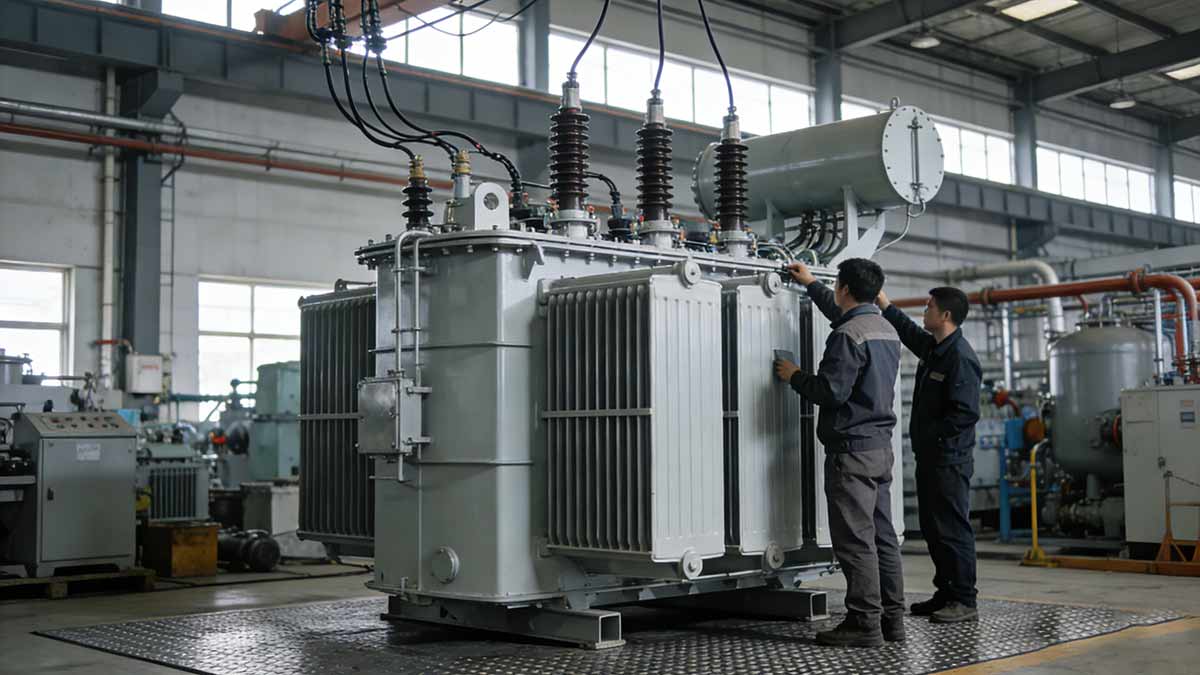
This article will elaborate on the non-negotiable importance of power transformers in industrial manufacturing, examine their core functions, address common industry questions, and outline how selecting the appropriate transformer solution can enhance the overall performance of industrial facilities.
⚡ The Core Role of Power Transformers in Industrial Manufacturing
Industrial manufacturing relies on a steady, reliable power supply to keep operations running 24/7. Power transformers act as the bridge between the high-voltage electricity from the grid and the low-voltage power needed by factory machinery. Their primary function is to convert voltage levels—stepping up or stepping down electricity—to match the specific needs of different equipment, processes, and systems. Below are the key ways power transformers support industrial manufacturing, with practical examples to illustrate their importance:
🔌 Voltage Regulation: Matching Power to Equipment Needs
Every piece of industrial equipment has a specific voltage requirement to operate safely and efficiently. For example, large motors, furnaces, and smelters may need medium voltage, while precision instruments and control systems require low voltage. Power transformers ensure that the electricity supplied to each piece of equipment is exactly what it needs, preventing damage and optimizing performance.
− Voltage stepping down: Most industrial facilities receive high-voltage electricity (often 110kV, 220kV, or higher) from the grid. Power transformers step this voltage down to usable levels (such as 380V or 415V) for machinery and tools. Without this conversion, high-voltage electricity would burn out sensitive equipment and pose safety hazards.
− Voltage stepping up: In some cases, manufacturing facilities generate their own power (e.g., from on-site solar panels or generators). Power transformers step up this low-voltage power to match grid levels, allowing excess power to be fed back into the grid or used for long-distance transmission within the facility.
− Consistent voltage supply: Power transformers stabilize voltage fluctuations from the grid, ensuring that equipment receives a steady flow of power. Fluctuations can cause machinery to malfunction, produce defective products, or even shut down entirely—costing factories thousands of dollars in downtime and repairs.
🔄 Efficient Power Distribution Across Large Facilities
Industrial manufacturing plants are often large, with multiple production lines, warehouses, and office areas spread across a wide area. Power transformers enable efficient power distribution, ensuring that every corner of the facility receives reliable power without significant energy loss.
− Long-distance transmission: High-voltage electricity travels more efficiently over long distances, as it reduces energy loss due to heat buildup in power lines. Power transformers step up voltage at the main power entry point, allowing electricity to be transmitted to distant parts of the facility with minimal waste.
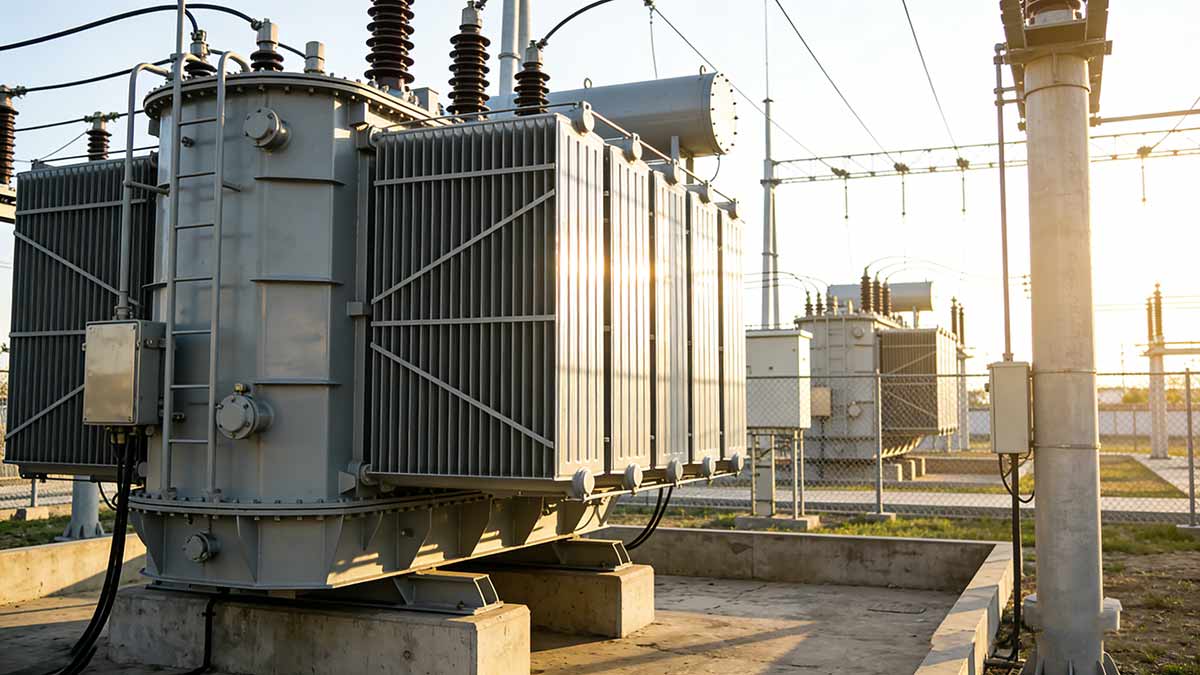
− Zone-specific distribution: Many large factories use multiple power transformers to distribute power to different zones (e.g., production, packaging, maintenance). This allows for better control over power usage, reduces the risk of widespread outages, and makes it easier to troubleshoot issues if a problem occurs.
− Energy loss reduction: High-quality power transformers operate at efficiency levels of 95% or higher, minimizing energy loss during voltage conversion and distribution. This not only reduces energy costs but also supports sustainability goals—an increasingly important factor for modern industrial facilities.
🛡️ Electrical Isolation and Safety for Workers and Equipment
Safety is a top priority in industrial manufacturing, and power transformers play a critical role in protecting workers and equipment from electrical hazards. They provide electrical isolation between different parts of the facility’s electrical system, preventing faults in one area from spreading to others.
− Fault containment: If a short circuit or electrical fault occurs in one part of the facility, power transformers isolate that area, preventing the fault from affecting other production lines or equipment. This limits damage, reduces downtime, and protects workers from electric shock.
− Worker protection: By stepping down high-voltage grid power to safer levels, power transformers reduce the risk of electric shock for workers who operate or maintain machinery. Isolation transformers, a type of power transformer, further enhance safety by separating the primary (grid) and secondary (equipment) circuits, preventing leakage current.
− Equipment protection: Electrical surges and voltage spikes can damage expensive industrial equipment. Power transformers act as a buffer, absorbing surges and stabilizing voltage to protect machinery from premature failure.
📊 How Power Transformers Impact Industrial Productivity and Costs
The performance of power transformers directly affects a manufacturing facility’s productivity, operational costs, and bottom line. A reliable, high-quality power transformer can reduce downtime, lower energy bills, and extend the lifespan of equipment—while a poorly chosen or faulty transformer can lead to costly disruptions. Below is a breakdown of these impacts, with a table comparing the benefits of quality transformers versus the risks of subpar ones:
Factor | Quality Power Transformers | Subpar/Faulty Power Transformers |
|---|---|---|
Downtime | Minimal downtime due to reliable performance; designed to withstand harsh industrial conditions | Frequent downtime from failures; unplanned outages can last hours or days |
Energy Costs | High efficiency (95%+) reduces energy loss; lower monthly energy bills | Low efficiency increases energy waste; higher energy costs over time |
Equipment Lifespan | Stable voltage protects machinery; extends equipment lifespan by 10–15 years | Voltage fluctuations damage equipment; premature replacement costs |
Maintenance Costs | Durable design requires minimal maintenance; lower long-term costs | Frequent repairs and replacements; high maintenance costs |
Production Quality | Stable power ensures consistent production; fewer defective products | Voltage fluctuations cause product defects; increased waste |
💸 The True Cost of Transformer Failure in Manufacturing
Many industrial facility managers underestimate the cost of transformer failure, focusing only on the cost of replacing the transformer itself. However, the biggest cost comes from unplanned downtime—lost production, missed deadlines, and damaged equipment. Recent surveys show that a single hour of manufacturing downtime can cost between $500,000 and $5 million for large, high-volume facilities, depending on the industry.
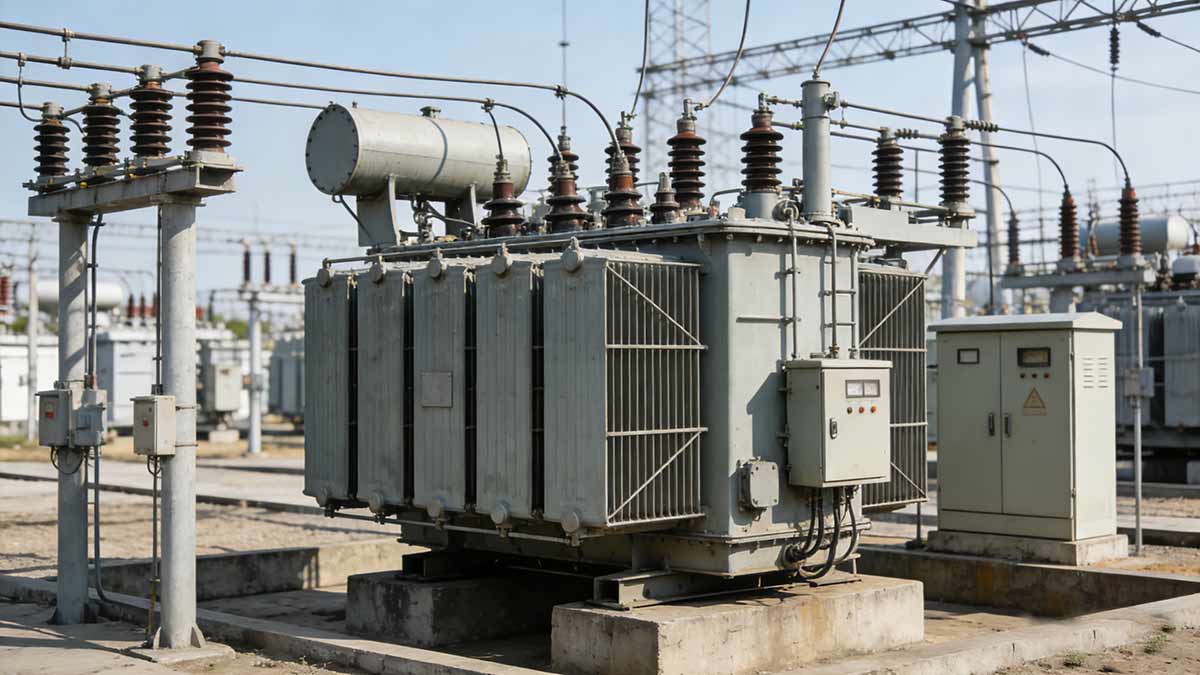
For example, a steel mill relying on a faulty power transformer might experience a 4-hour outage. During that time, production stops, workers are paid to stand idle, and the mill may miss delivery deadlines—resulting in penalties and lost customer trust. Additionally, if the outage causes damage to furnaces or other expensive equipment, the repair costs can add up quickly.
This raises an important question: why do industrial plants need power transformers that are reliable and high-quality? The answer is simple: to avoid these costly disruptions and protect their bottom line. Investing in a quality power transformer is not an expense—it’s a long-term investment in productivity and stability.
⚙️ How Power Transformers Support Automation in Modern Manufacturing
Modern industrial manufacturing is increasingly automated, with robots, IoT devices, and computerized control systems playing a key role in production. These automated systems require a steady, precise power supply to operate correctly—and power transformers are essential to meeting this demand.
− Precision power for automation: Automated equipment (e.g., robotic arms, CNC machines, IoT sensors) is highly sensitive to voltage fluctuations. Even small changes in voltage can cause these systems to malfunction, leading to production delays and defective products. Power transformers ensure that automated systems receive a consistent, precise voltage supply, keeping them running smoothly.
− Integration with renewable energy: Many manufacturing facilities are adopting renewable energy sources (e.g., solar, wind) to reduce carbon footprints and energy costs. Power transformers integrate these renewable sources into the facility’s electrical system, stepping up the low-voltage power generated by solar panels or wind turbines to match the grid or facility’s needs.
− Scalability for growing facilities: As manufacturing facilities expand or add new production lines, their power needs increase. Power transformers are scalable, allowing facilities to add additional transformers or upgrade existing ones to meet growing demand without overhauling their entire electrical system.
🔍 Common Types of Power Transformers for Industrial Manufacturing
Not all power transformers are the same—different types are designed to meet specific industrial needs. Choosing the right type of power transformer is critical to ensuring optimal performance, safety, and cost savings. Below are the most common types used in industrial manufacturing, along with their key features and applications:
📦 Step-Down Transformers
Step-down transformers are the most common type used in industrial manufacturing. They take high-voltage electricity from the grid (e.g., 10kV, 35kV) and step it down to usable levels (e.g., 380V, 415V) for machinery, tools, and control systems.
− Key features: Designed for high efficiency, durable construction to withstand industrial environments, and precise voltage regulation.
− Applications: Used in almost all industrial facilities, including factories, steel mills, chemical refineries, and manufacturing plants. Ideal for powering motors, conveyors, and production lines.
📈 Step-Up Transformers
Step-up transformers are used to increase voltage levels, typically for long-distance power transmission or feeding excess power back into the grid.
− Key features: High power capacity, designed to handle high voltages, and efficient energy transmission.
− Applications: Used in facilities with on-site power generation (e.g., solar farms, generators), steel mills, and large manufacturing complexes that need to transmit power over long distances within the facility.
🛡️ Isolation Transformers
Isolation transformers provide electrical isolation between the primary (grid) and secondary (equipment) circuits, without changing voltage levels. They are designed to enhance safety and reduce electrical noise.
− Key features: 1:1 turns ratio, high insulation resistance, and noise suppression capabilities.
− Applications: Used in facilities with sensitive equipment (e.g., precision instruments, PLCs, medical devices), as well as in hazardous environments where electrical safety is critical.
🔥 Specialized Industrial Transformers
Some industrial processes require specialized power transformers designed for specific applications:
− Furnace transformers: Used in steel mills and foundries to power electric arc furnaces, which require high power and low voltage.
− Rectifier transformers: Convert alternating current (AC) to direct current (DC) for processes like electrolysis, electroplating, and battery charging.
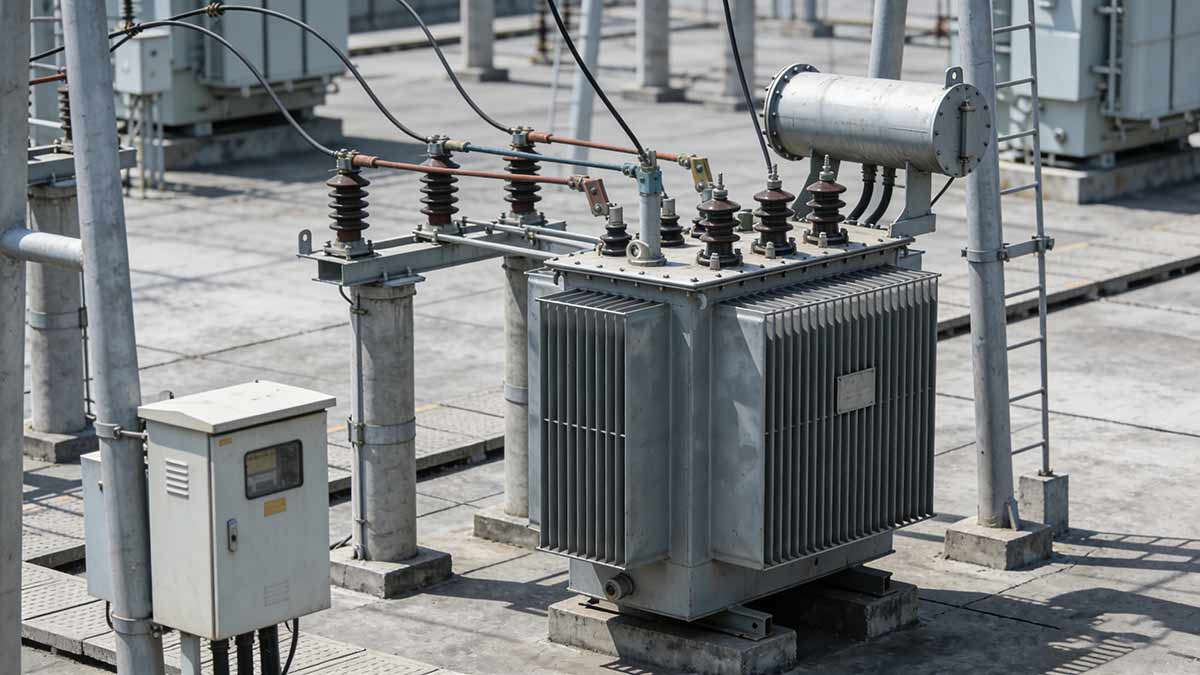
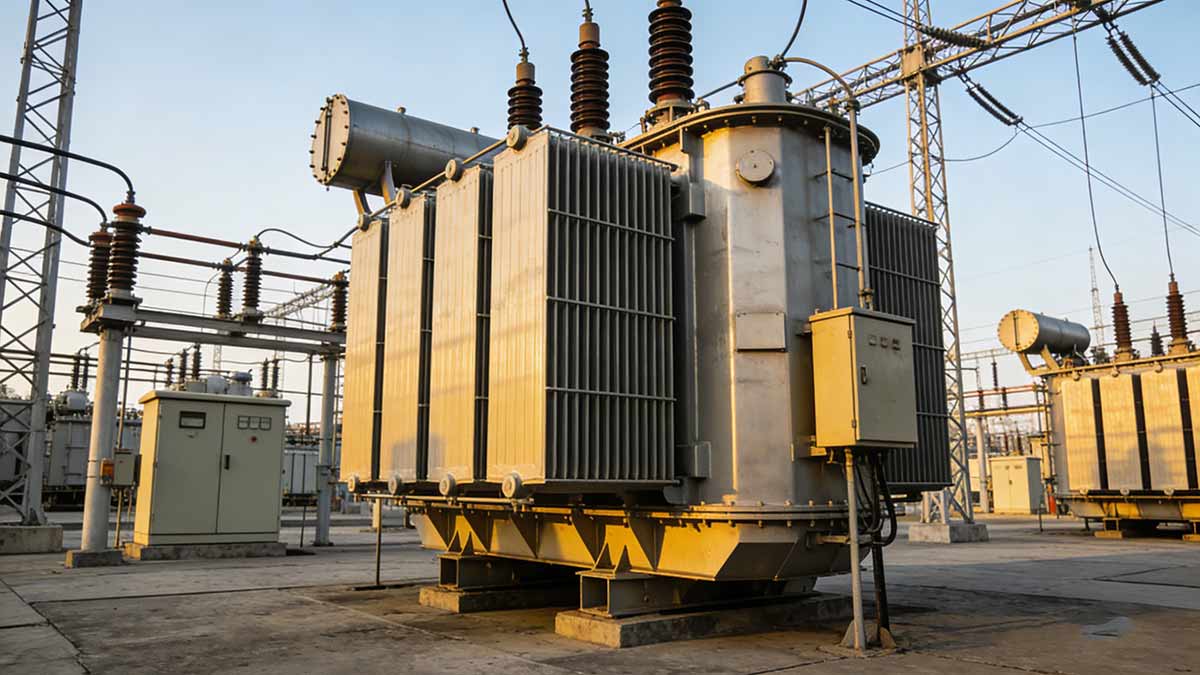
− Oil-immersed transformers: Used in outdoor or harsh industrial environments, as the oil provides insulation and cooling to withstand high temperatures and heavy loads.
❓ Frequently Asked Questions About Power Transformers in Industrial Manufacturing
Industrial facility managers and procurement teams often have questions about power transformers—from how to choose the right one to how to maintain them. Below are answers to the most common questions, designed to provide practical value and address key pain points:
❔ How to Choose Power Transformers for Manufacturing Facilities?
Choosing the right power transformer depends on several key factors, including your facility’s power needs, equipment requirements, and operating environment. Follow these steps to make the right choice:
− Assess your power needs: Calculate the total power required by your equipment (including a 10–15% buffer for future growth). This will determine the transformer’s power rating (measured in kVA or MVA).
− Match voltage requirements: Determine the input voltage (from the grid) and output voltage (needed by your equipment). Choose a step-up or step-down transformer based on these requirements.
− Consider the operating environment: If your facility is in a harsh environment (e.g., high temperature, dust, humidity), choose a transformer with a durable design (e.g., oil-immersed, IP54 or higher protection rating).
− Prioritize efficiency: Look for transformers with an efficiency rating of 95% or higher to reduce energy costs and minimize waste.
− Check certifications: Ensure the transformer meets international standards (e.g., IEC 60076, IEEE C57.12) for safety and performance.
❔ How Often Should Industrial Power Transformers Be Maintained?
Regular maintenance is critical to extending the lifespan of power transformers and preventing failures. The frequency of maintenance depends on the type of transformer and operating conditions, but a general guideline is:
− Monthly inspections: Check for signs of damage (e.g., leaks, overheating, unusual noise), and verify voltage levels.
− Annual maintenance: Conduct a thorough inspection, including oil testing (for oil-immersed transformers), cleaning, and tightening connections.
− 5-year service: Schedule a comprehensive service by a professional, including winding tests, insulation checks, and replacement of worn parts.
Following this maintenance schedule can extend the lifespan of your power transformer to 25–30 years, reducing long-term costs.
❔ What Are the Signs of a Failing Power Transformer?
Early detection of transformer issues can prevent costly failures and downtime. Watch for these warning signs:
− Unusual noise: Buzzing, humming, or clicking sounds may indicate loose parts, faulty windings, or voltage issues.
− Overheating: A transformer that feels excessively hot to the touch or emits heat waves may be overloaded or have a cooling system failure.
− Leaks: Oil leaks (in oil-immersed transformers) or coolant leaks indicate a problem with the transformer’s seal or cooling system.
− Voltage fluctuations: If your equipment is malfunctioning or experiencing frequent power surges, it may be a sign that the transformer is failing to regulate voltage.
− Warning lights or alarms: Many modern transformers have built-in sensors that trigger alarms when issues are detected—never ignore these warnings.
❔ Can Power Transformers Be Recycled or Upgraded?
Yes, power transformers can be recycled or upgraded, making them a sustainable choice for industrial facilities:
− Recycling: Old or faulty transformers can be recycled to recover valuable materials (e.g., copper, steel, oil). Reputable recycling companies ensure that hazardous materials (e.g., insulating oil) are disposed of safely and in compliance with environmental regulations.
− Upgrading: In many cases, existing transformers can be upgraded (e.g., adding better cooling systems, improving insulation) to meet new power needs or efficiency standards. This is often more cost-effective than replacing the entire transformer.
✅ Why Investing in Quality Power Transformers Is a Smart Decision for Industrial Manufacturing
Power transformers are not just another piece of equipment—they are the backbone of industrial manufacturing. Investing in high-quality power transformers offers numerous long-term benefits, including:
− Reduced downtime: Quality transformers are more reliable, minimizing unplanned outages and keeping production on track.
− Lower energy costs: High-efficiency transformers reduce energy loss, cutting monthly energy bills and improving profitability.
− Extended equipment lifespan: Stable voltage protects expensive industrial machinery, reducing replacement costs.
− Enhanced safety: Quality transformers provide better isolation and voltage regulation, protecting workers and equipment from electrical hazards.
− Scalability: High-quality transformers can be easily integrated into expanding facilities, supporting future growth.
In today’s competitive industrial landscape, every advantage counts. Power transformers ensure that your facility operates efficiently, safely, and reliably—helping you stay ahead of the competition and meet your production goals. Whether you’re building a new facility, upgrading your existing electrical system, or replacing a faulty transformer, choosing the right power transformers is critical to your success.
If you’re unsure which power transformers are right for your industrial manufacturing facility, or if you need help assessing your power needs, our team of experts is here to help. We offer tailored solutions designed to meet the unique requirements of your facility, ensuring that you get the most out of your investment in power transformers. Let us help you keep your operations running smoothly, reduce costs, and achieve your production goals.