
Dry type transformers are widely used in commercial buildings, industrial facilities, and utilities for their compact design, low maintenance, and suitability for indoor installation. But despite their popularity, dry type transformer electric shock is a serious risk that many users overlook—often with devastating consequences. Electric shock from dry transformers can cause severe injury, equipment damage, or even fatalities, making it critical to understand the hazards before installation and use.
This article breaks down the key electric shock risks, common causes, safety guidelines, and real-world examples to help you stay protected. By the end, you’ll know exactly how to mitigate shock risks and use dry type transformers safely.
Why Electric Shock Risk in Dry Type Transformers Can’t Be Ignored
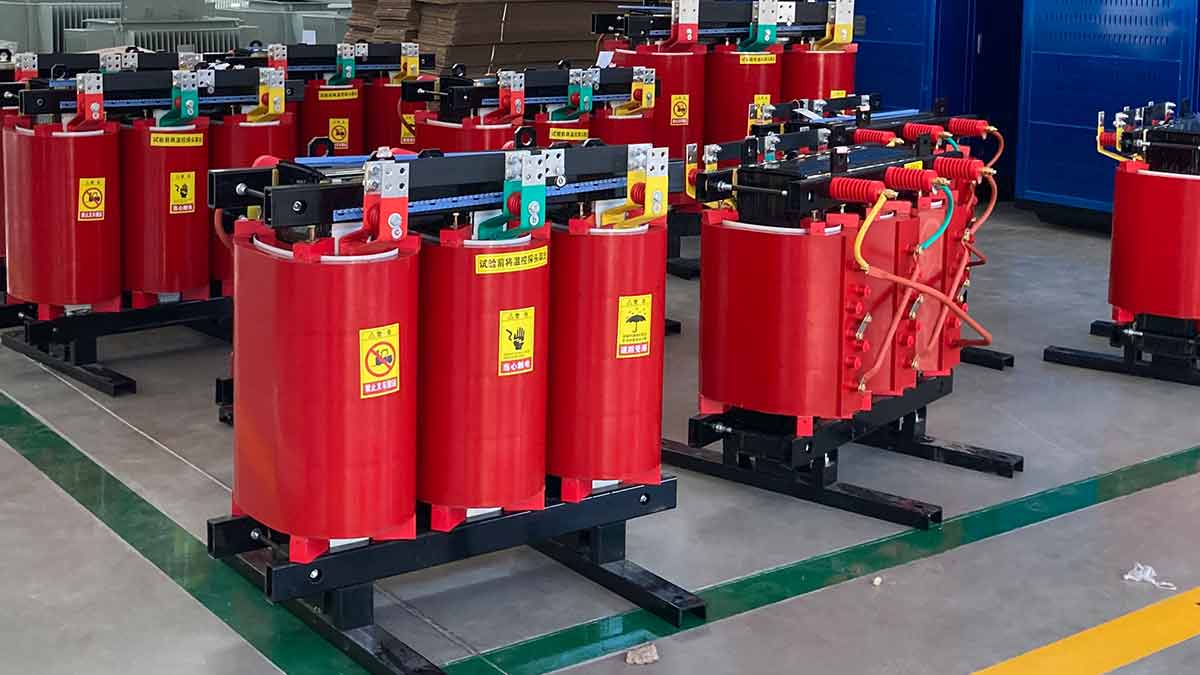
Unlike oil immersed transformers, which are enclosed in a sealed oil tank that provides an extra layer of insulation, dry type transformers have exposed components (such as windings, bushings, and terminals) that are more accessible. This accessibility, combined with their common use in indoor, human-occupied spaces, increases the risk of electric shock. Ignoring these risks can lead to:
- Serious injury or death: Electric shock from high-voltage dry transformers (common in industrial settings) can cause cardiac arrest, burns, or nerve damage.
- Equipment damage: A shock can short-circuit the transformer or connected equipment, leading to costly repairs or replacement.
- Legal and financial liability: For businesses and utilities, failure to address dry type transformer electric shock risks can result in OSHA fines, lawsuits, or lost revenue due to downtime.
Case Study: A commercial office building in New York installed a new dry type transformer in its basement without proper safety measures. A maintenance worker accidentally touched an exposed terminal while checking the unit, resulting in a severe electric shock that left him with permanent nerve damage. An investigation revealed the transformer lacked proper insulation and warning labels—violating OSHA safety standards. The building owner faced a $120,000 fine and a lawsuit from the worker.
Common Question: Are dry type transformers more dangerous than oil immersed transformers? Not inherently—but their exposed components and indoor installation make electric shock risks more likely if not properly managed. Oil immersed transformers’ sealed tanks reduce direct access to live parts, lowering shock hazards.
Key Electric Shock Risks in Dry Type Transformers (And Their Causes)
Electric shock from dry type transformers occurs when a person or conductive material comes into contact with live electrical components. The risks stem from a variety of factors, including poor installation, maintenance gaps, or design flaws. Below are the most common shock risks and their root causes, paired with actionable insights to identify them early.
Exposed Live Components
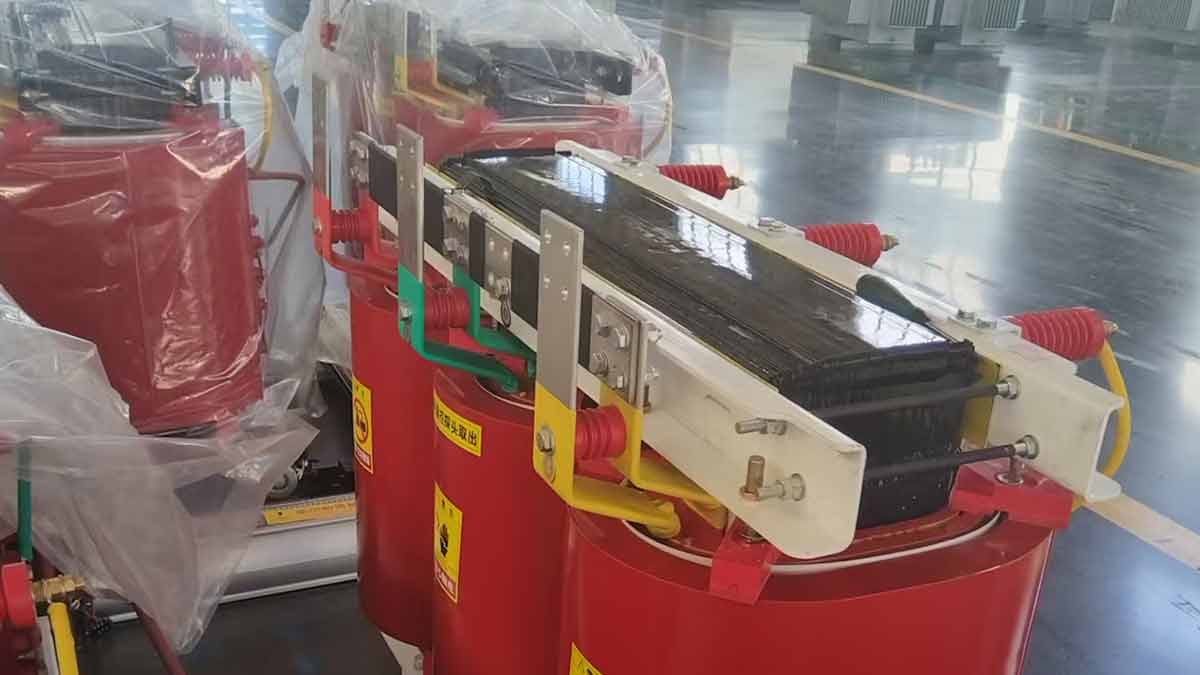
Dry type transformers rely on air or resin for insulation, and many have partially exposed windings, bushings, or terminal blocks. This exposure is the most common cause of electric shock, especially in units that are not properly enclosed or guarded.
- Causes: Improper installation (missing covers or guards), damage to insulation (cracks or wear), or using transformers in areas with easy access (e.g., unenclosed basements or utility rooms).
- Key Warning Signs: Visible exposed wires, missing terminal covers, or cracks in resin-insulated windings. You may also notice a buzzing sound (indicative of loose or exposed connections).
- Example: A manufacturing plant in Ohio used a dry type transformer with missing terminal covers. A line worker leaned against the unit while carrying tools, touching an exposed terminal, and suffering a mild electric shock. The plant immediately installed protective covers and added warning signs to prevent future incidents.
Insulation Degradation
Dry type transformers use insulation materials (such as resin or paper) to separate live components from the transformer’s casing and the environment. Over time, this insulation can degrade, leading to electrical leakage and shock risks.
- Causes: High temperatures (from overloading or poor cooling), moisture exposure (common in humid environments), chemical contamination, or age (insulation breaks down after 15–20 years of use).
- Key Warning Signs: Discolored or cracked insulation, a burning smell (from overheated insulation), or frequent tripping of circuit breakers (indicative of electrical leakage).
Insulation Stage | Visual Signs | Shock Risk Level | Action Needed |
|---|---|---|---|
Good (New/Well-Maintained) | Smooth, intact insulation; no discoloration | Low | Routine inspection |
Degrading (Early Stage) | Minor cracks; slight discoloration | Medium | Increased inspection; address root cause (e.g., overheating) |
Severely Degraded | Large cracks; dark discoloration; crumbling insulation | High | Shut down transformer; replace insulation or unit |
Failed | Exposed live parts; burning insulation | Critical | Immediate shutdown; emergency repair/replacement |
Overloading and Overheating
Dry type transformers are designed to handle a specific load (measured in kVA). When overloaded, they overheat, which degrades insulation and increases the risk of electrical arcing (a spark between live components). This arcing can cause electric shock if a person is nearby or touches the transformer.
- Causes: Adding too many appliances or equipment to the transformer’s circuit, poor load management, or using a transformer with a lower kVA rating than needed.
- Key Warning Signs: A hot-to-the-touch transformer, loud buzzing or humming, or frequent circuit breaker trips. Overheated transformers may also emit a burning smell.
- Example: A retail store in Florida added new refrigeration units and lighting without upgrading its dry type transformer. The unit became overloaded, overheated, and its insulation degraded—causing an electric shock to a store employee who touched the casing. The store replaced the transformer with a higher kVA unit and implemented load monitoring to prevent overloading.
Poor Grounding and Earthing
Proper grounding (earthing) is critical for dry type transformers—it redirects electrical current away from people and equipment in the event of a fault. Without adequate grounding, electrical leakage can build up on the transformer’s casing, causing a shock if touched.
- Causes: Improper installation (missing ground wires), corroded ground connections, or damage to the grounding system (e.g., from digging or construction).
- Key Warning Signs: A tingling sensation when touching the transformer’s casing, flickering lights near the unit, or no visible ground wire connected to the transformer.
Human Error and Improper Use
Many dry type transformer electric shock incidents are caused by human error—either from improper operation, lack of training, or ignoring safety protocols.
- Causes: Working on a live transformer (without shutting off power), using damaged tools (e.g., uninsulated screwdrivers), touching live components while wearing conductive clothing (e.g., metal jewelry, wet gloves), or allowing untrained personnel to handle the transformer.
- Key Warning Signs: Unlocked transformer enclosures, lack of safety training records for personnel, or tools left near live components.
- Example: A maintenance contractor in Texas sent an untrained intern to inspect a dry type transformer. The intern attempted to check the windings without shutting off power, touching a live component, and suffering a severe electric shock. The contractor was fined for violating safety regulations and implemented mandatory training for all personnel.
Critical Safety Guidelines to Prevent Electric Shock in Dry Type Transformers
Mitigating dry type transformer electric shock risks is straightforward with proper safety protocols. Below are actionable guidelines to follow before installation, during use, and during maintenance—designed to protect personnel and equipment.
Before Installation: Choose the Right Transformer and Location
Proper planning before installation is key to reducing shock risks. Follow these steps to set up your dry type transformer safely:
- Select the right transformer: Choose a dry type transformer with the correct kVA rating for your load to avoid overloading. Opt for units with enclosed designs (e.g., resin-cast transformers) to minimize exposed live parts.
- Choose a safe location: Install the transformer in a dedicated, enclosed area (e.g., a locked utility room) with limited access. Keep it away from moisture, chemicals, and high-traffic areas.
- Ensure proper grounding: Hire a qualified electrician to install the transformer with a robust grounding system. Verify that ground wires are securely connected and free from corrosion.
During Use: Maintain Safe Practices
Once installed, following safe operating practices is critical to preventing electric shock. These steps should be followed by all personnel who work near or interact with the transformer:
- Never touch exposed components: Avoid touching windings, terminals, or bushings—even if you think the transformer is off. Always assume the unit is live until proven otherwise.
- Use insulated tools: When working near the transformer, use tools with insulated handles (e.g., insulated screwdrivers, pliers) to reduce shock risk.
- Wear proper PPE: Personnel should wear non-conductive gloves, safety glasses, and non-slip shoes when working near the transformer. Avoid wearing metal jewelry or wet clothing.
- Post warning signs: Place clear “High Voltage” and “Danger—Electric Shock Risk” signs near the transformer to alert personnel and visitors.
During Maintenance: Follow Lockout-Tagout (LOTO) Procedures
Maintenance is a high-risk time for electric shock, as personnel often need to access internal components. Follow these LOTO procedures to ensure safety:
- Shut off power: Before any maintenance, turn off the transformer’s power supply and lock the switch in the “off” position. Place a tag on the switch indicating that maintenance is in progress.
- Test for voltage: Use a voltage tester to verify that the transformer is completely de-energized before touching any components. Never skip this step—even if the switch is off.
- Use a qualified technician: Only trained, certified electricians should perform maintenance on dry type transformers. Avoid DIY repairs or inspections.
- Inspect insulation and grounding: During maintenance, check for insulation damage, loose connections, and corroded ground wires. Address any issues immediately.
Regular Inspections: Catch Issues Early
Routine inspections help identify potential shock risks before they lead to incidents. Establish a regular inspection schedule and document all findings:
- Visual inspections: Check the transformer weekly for exposed components, insulation damage, or signs of overheating (e.g., discoloration, burning smell).
- Monthly checks: Test the grounding system to ensure it’s working properly. Check for loose bolts, terminal connections, or damaged warning signs.
- Annual professional inspection: Hire a qualified technician to perform a comprehensive inspection, including insulation testing and load monitoring.
Inspection Task | Frequency | Purpose |
|---|---|---|
Visual check for exposed components/insulation damage | Weekly | Identify immediate shock hazards |
Grounding system test | Monthly | Ensure proper current redirection |
Load and temperature check | Bi-weekly | Prevent overloading and insulation degradation |
Comprehensive professional inspection | Annually | Catch hidden issues (e.g., internal insulation damage) |
Common Myths About Dry Type Transformer Electric Shock (Debunked)
Misconceptions about dry type transformer electric shock often lead to unsafe practices. Below are the most common myths, along with facts to keep you informed:
Myth 1: Dry Type Transformers Are “Safe” Because They Don’t Use Oil
Fact: Oil immersion provides an extra layer of insulation, but dry type transformers are not inherently safe. Their exposed components and indoor installation make electric shock risks more likely if not properly managed. Safety depends on installation, maintenance, and safe practices—not the absence of oil.
Myth 2: If the Transformer Is Not Hot, It’s Not Live
Fact: Dry type transformers can be live without feeling hot. Even if the unit is not under load, live components can still cause electric shock. Always use a voltage tester to verify that the transformer is de-energized before touching it.
Myth 3: Grounding Is Optional for Small Dry Type Transformers
Fact: Grounding is mandatory for all dry type transformers, regardless of size. Even small transformers (e.g., 50kVA) can carry enough voltage to cause electric shock. Proper grounding redirects electrical leakage away from people and equipment.
Myth 4: Only Electricians Are at Risk of Shock
Fact: Anyone near a dry type transformer can be at risk. Maintenance workers, janitors, or even visitors can accidentally touch exposed components or a poorly grounded casing. This is why warning signs and restricted access are critical.
Real-World Examples: How Proper Safety Prevents Dry Type Transformer Electric Shock
Many businesses and utilities have successfully mitigated dry type transformer electric shock risks by following proper safety protocols. Below are two examples of how these practices made a difference:
Example 1: Industrial Facility Reduces Shock Risks with Training and Inspections
A manufacturing facility in Michigan had two near-miss electric shock incidents involving its dry type transformers. The facility implemented the following changes:
- Mandatory safety training for all personnel who work near transformers, including LOTO procedures and proper PPE use.
- Installed enclosed covers on all dry type transformers to prevent access to live components.
- Established a weekly inspection schedule and documented all findings.
Result: The facility had zero electric shock incidents in the following year. Maintenance costs also decreased by 25% due to early detection of insulation damage and loose connections.
Example 2: Commercial Building Improves Grounding to Eliminate Shock Hazards
A hotel in California received complaints from maintenance staff about a tingling sensation when touching the dry type transformer in its utility room. An inspection revealed that the transformer’s grounding system was corroded and ineffective.
- The hotel hired a qualified electrician to replace the corroded ground wires and install a new grounding rod.
- Added warning signs and locked the utility room to restrict access.
- Implemented monthly grounding system tests to ensure ongoing effectiveness.
Result: The tingling sensation was eliminated, and the hotel avoided potential shock incidents. The electrician also identified and repaired minor insulation damage, further reducing risks.
How to Choose a Safe Dry Type Transformer (To Minimize Shock Risks)
Choosing the right dry type transformer is the first step in preventing electric shock. Here are key factors to consider when selecting a unit:
Insulation Type
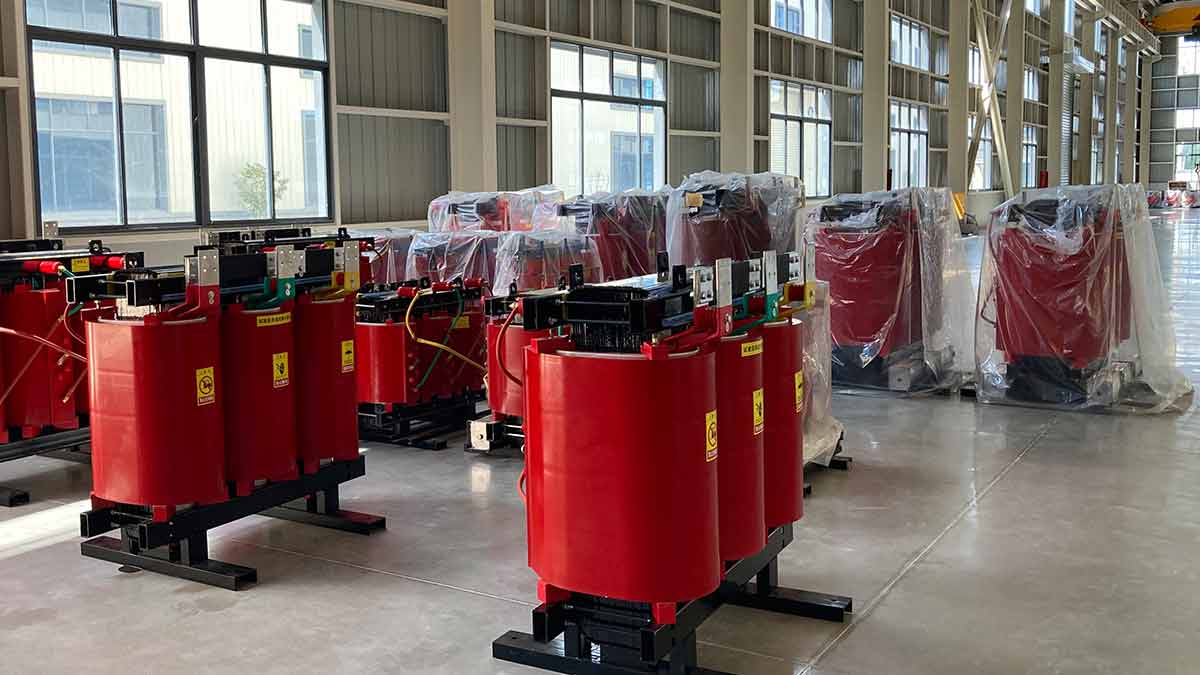
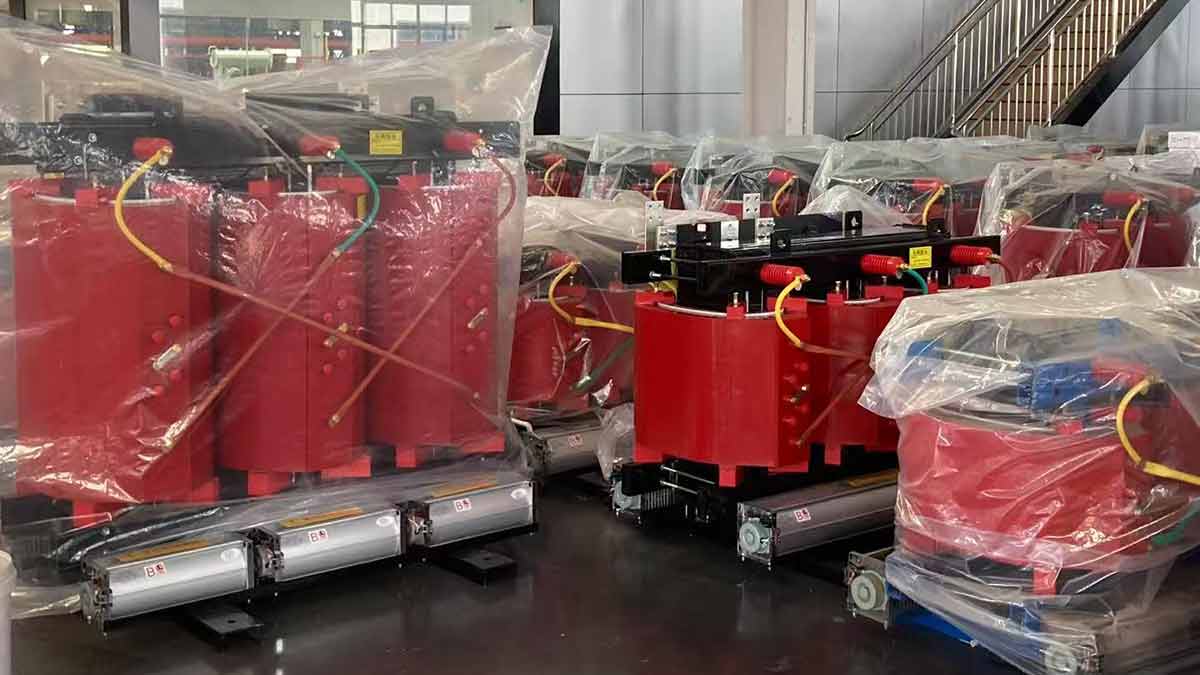
Opt for transformers with high-quality insulation to reduce leakage and shock risks. Resin-cast dry type transformers are a good choice—they have fully encapsulated windings that minimize exposed live parts. Avoid units with paper insulation, which degrades more quickly.
Enclosure Design
Choose transformers with enclosed designs (e.g., NEMA 3R or NEMA 4X enclosures) to protect live components from access and environmental damage. Enclosed units are especially important for indoor spaces with high foot traffic.
Safety Features
Look for transformers with built-in safety features, such as: Overload protection: Automatically shuts down the transformer if it exceeds its rated load. Ground fault circuit interrupters (GFCIs): Detect electrical leakage and cut power to prevent shock.Visual fault indicators: Alert personnel to issues (e.g., overheating, insulation damage) before they become hazards.
Compliance with Standards
Ensure the transformer meets industry safety standards, such as IEEE C57.12.01 (for dry type transformers) and OSHA requirements. Compliance ensures the unit is designed and tested to minimize shock risks.
What to Do If an Electric Shock Incident Occurs
Even with proper safety measures, electric shock incidents can happen. Knowing how to respond quickly can save lives and minimize damage:
- Shut off power immediately: If safe to do so, turn off the transformer’s power supply to stop the shock. Do not touch the victim or the transformer until power is off.
- Call for emergency help: Dial 911 (or your local emergency number) and request medical assistance for the victim. Electric shock can cause hidden injuries (e.g., cardiac issues) even if the victim appears unharmed.
- Secure the area: Keep personnel and visitors away from the transformer to prevent additional incidents.
- Investigate the cause: After the incident, have a qualified technician inspect the transformer to identify the root cause (e.g., insulation damage, poor grounding) and make necessary repairs.
Conclusion: Prioritize Safety to Avoid Dry Type Transformer Electric Shock
Dry type transformer electric shock is a preventable risk—one that requires careful planning, proper installation, routine maintenance, and safe practices. By understanding the common causes of shock, following critical safety guidelines, and choosing the right transformer, you can protect personnel, equipment, and your business from costly and dangerous incidents. Remember, the cost of safety measures is far less than the cost of a shock incident—whether in terms of injury, fines, or downtime.
If you’re unsure how to assess the electric shock risks of your dry type transformer, or if you need help choosing a safe, reliable dry type transformer for your facility, our team of transformer experts is here to help. We offer high-quality, safety-compliant dry type transformers and professional guidance to ensure you can use your equipment safely. Don’t take chances with dry type transformer electric shock—prioritize safety today to protect what matters most.