
If your transformer is making a loud noise—whether a buzzing, humming, or clanking sound—don’t brush it off. Transformer loud noise is never normal; it’s a clear warning sign of underlying issues that can lead to costly breakdowns, safety hazards, or even complete transformer failure. For utilities, businesses, and property managers, a noisy transformer can disrupt operations, damage equipment, and put personnel at risk.
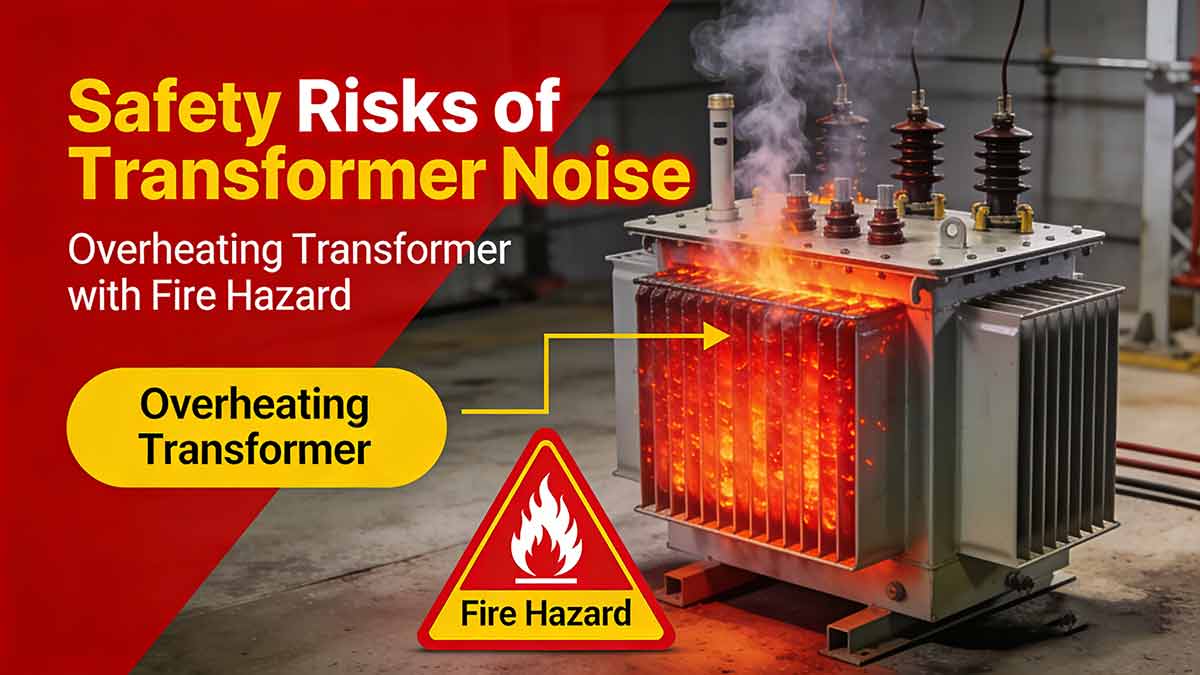
In this article, we break down the 7 most critical causes of transformer loud noise, how to identify each one, and simple steps to address them—plus real-world examples to help you avoid common mistakes. By the end, you’ll know exactly what to do when your transformer starts making unusual sounds.
Why Transformer Loud Noise Is a Warning Sign You Can’t Ignore
Transformers are designed to operate quietly—most produce a low, steady hum caused by magnetic core vibration (a normal byproduct of electrical current). But when that hum turns into a loud buzz, rattle, or bang, it means something is wrong. Ignoring transformer’s loud noise can lead to serious consequences:
- Costly repairs: Small issues (like loose parts) can escalate into major failures (like winding damage) if left unaddressed, costing thousands in replacement parts and labor.
- Safety risks: Loud noise often indicates overheating, short circuits, or gas buildup—all of which can cause fires, explosions, or electrical shocks.
- Unplanned downtime: A failed transformer can shut down power to your facility, business, or entire neighborhood, leading to lost revenue and customer dissatisfaction.
Case Study: A manufacturing plant in Ohio ignored a loud buzzing sound from its main transformer for two weeks. The noise gradually got louder, and one morning, the transformer failed—causing a 12-hour power outage. An inspection revealed a loose core clamp that had worn down the windings, resulting in $15,000 in repairs and $20,000 in lost production. This could have been avoided with a simple check once the noise started.
Common Question: Is all transformer noise bad? No—low, consistent humming is normal. It’s the sudden increase in volume, change in tone (e.g., from hum to buzz), or new sounds (e.g., clanking, hissing) that indicate a problem.
7 Critical Causes of Transformer Loud Noise (And How to Identify Them)
Transformer loud noise can stem from mechanical issues, electrical problems, or environmental factors. Below are the 7 most common causes, along with key signs to look for and quick troubleshooting tips. Each cause is paired with real-world examples to help you spot the issue early.
1. Loose Core or Winding Components
The transformer’s core and windings are held together by clamps and bolts. Over time, vibration, temperature changes, or poor installation can loosen these components—causing them to rattle or buzz loudly when the transformer is in operation. This is one of the most common causes of transformer loud noise, especially in older units.
- Key Signs: A loud, rhythmic rattle or buzz that gets louder when the transformer is under load (e.g., during peak power usage). You may also hear a “clinking” sound if parts are loose.
- Troubleshooting Tips: Visually inspect the transformer’s exterior for loose bolts or clamps. If safe to do so, gently tap the tank (for oil immersed transformers) or casing (for dry type) to see if the noise changes—loose parts will rattle more when tapped.
- Example: A utility company in Florida noticed a loud rattle from a 10-year-old oil immersed transformer. An inspection found loose core clamps that had come undone due to constant vibration from nearby traffic. Tightening the clamps and adding anti-vibration pads eliminated the noise and prevented further damage.
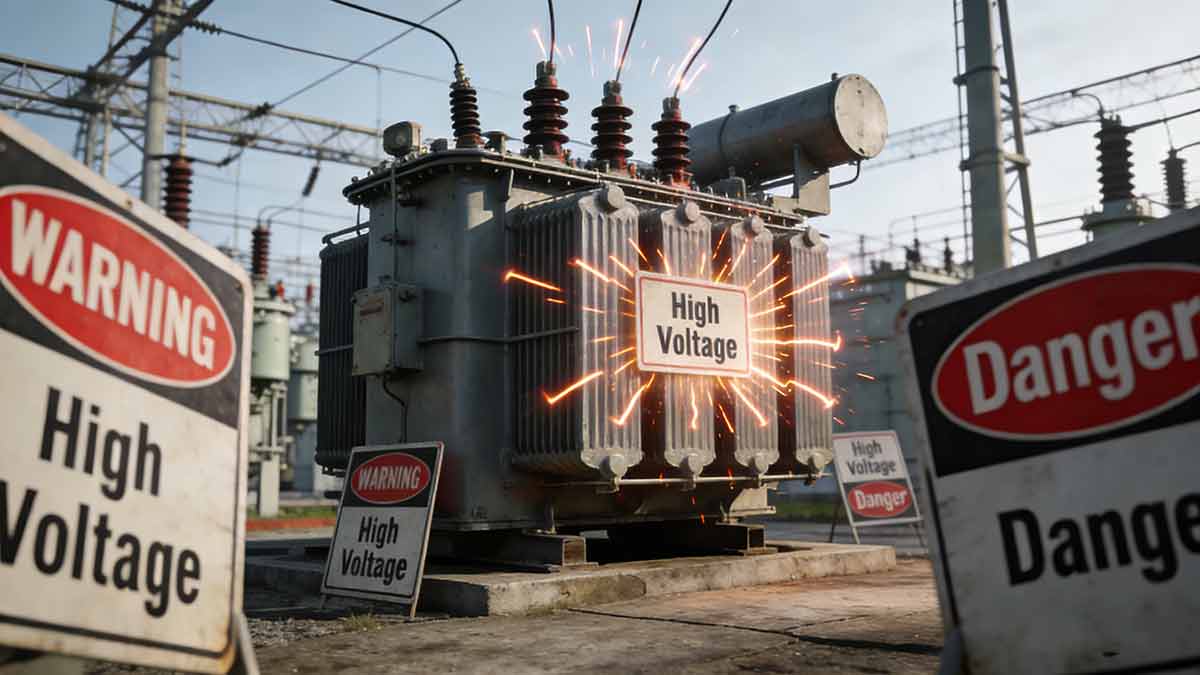
2. Overloading the Transformer
Transformers are designed to handle a specific load (measured in kVA). When you exceed this load—by adding too many appliances, equipment, or circuits—the transformer has to work harder, leading to overheating and loud noise. This is common in commercial buildings or industrial facilities that expand their operations without upgrading their transformer.
- Key Signs: A loud, strained buzz that gets louder during peak hours (e.g., morning or evening for utilities, production hours for factories). The transformer may also feel hot to the touch.
- Troubleshooting Tips: Check the transformer’s nameplate to find its rated load. Use a clamp meter to measure the actual load—if it’s consistently above the rated capacity, you’re overloading the unit.
Table: Transformer Load vs. Noise Level
Load Level | Noise Description | Risk Level |
70% or below (normal) | Low, steady hum | Low—no issues |
71–90% (moderate load) | Slightly louder hum | Medium—monitor closely |
91–110% (overload) | Loud, strained buzz | High risk of overheating |
110%+ (severe overload) | Very loud buzz + hissing | Critical—immediate shutdown needed |
3. Faulty Cooling System (Oil Immersed Transformers)
Oil immersed transformers rely on oil to cool their core and windings. If the cooling system (radiators, fans, or oil pumps) fails, the oil temperature rises—causing the transformer to overheat and produce a loud noise. This is a common issue in hot climates or units with poor maintenance.
- Key Signs: A loud hum combined with a hissing or gurgling sound (from boiling oil). The transformer’s oil level may be low, or the radiators may feel hot and uncool to the touch.
- Troubleshooting Tips: Check the oil level using the transformer’s sight glass. Inspect radiators for dirt, debris, or blockages (which prevent heat dissipation). If the transformer has cooling fans, ensure they’re running properly.
- Example: A shopping mall in Arizona experienced a loud hissing noise from their oil immersed transformer during a summer heatwave. An inspection found that the cooling fans had failed, causing the oil to overheat. Replacing the fans and refilling the oil eliminated the noise and prevented the transformer from failing.
4. Magnetic Core Saturation
The transformer’s magnetic core is responsible for transferring electrical energy. If the core becomes saturated (due to high voltage or voltage fluctuations), it produces a loud, distorted buzz. This is often caused by power surges, faulty voltage regulators, or grid instability.
- Key Signs: A loud, irregular buzz that changes tone with voltage fluctuations. You may also notice flickering lights or power surges in nearby equipment.
- Troubleshooting Tips: Use a voltage meter to check for voltage spikes or fluctuations. If the voltage is consistently above the transformer’s rated voltage, the core may be saturated.
- Example: A residential community in Texas experienced frequent loud buzzing from its distribution transformer after a severe thunderstorm. The storm had damaged a nearby voltage regulator, causing voltage spikes that saturated the transformer’s core. Repairing the voltage regulator and adjusting the voltage to the rated level stopped the noise and prevented core damage.
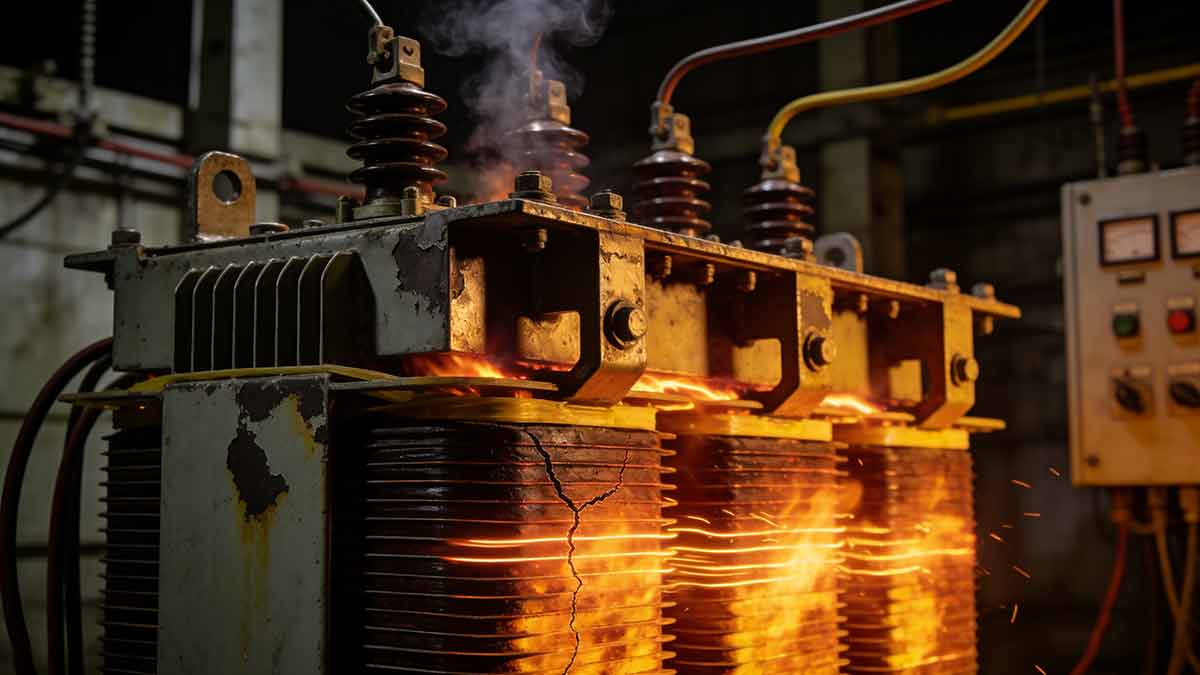
5. Loose or Damaged Bushings
Bushings are insulating components that connect the transformer’s internal windings to external power lines. Over time, bushings can become loose, cracked, or contaminated—causing electrical arcing (a spark between conductors) that produces a loud hissing or crackling noise. Damaged bushings are a safety hazard and can lead to short circuits if not addressed.
- Key Signs: A loud hissing, crackling, or popping sound near the top of the transformer (where bushings are located). You may also see visible damage (cracks, discoloration, or oil leaks) on the bushings.
- Troubleshooting Tips: Visually inspect the bushings for cracks, dirt, or oil stains. If you hear hissing, avoid touching the transformer—electrical arcing can cause shocks. Contact a professional to test the bushings for insulation damage.
- Example: A warehouse in Illinois noticed a loud crackling sound from their transformer’s bushings. An inspection revealed that the bushings had become loose and contaminated with dust, causing arcing. Replacing the bushings and cleaning the surrounding area eliminated the noise and reduced the risk of a short circuit.
6. Vibration Issues (Including Poor Installation)
Transformers naturally vibrate during operation, but excessive vibration can cause loud noise—especially if the unit is poorly installed or mounted on an unstable surface. Vibration can also loosen internal components over time, worsening the noise and increasing the risk of failure.
- Key Signs: A loud, low-frequency rumble or buzz that vibrates through the floor or surrounding structures. The noise may get louder when the transformer is under load, and you may feel vibration when touching the transformer’s tank or casing.
- Troubleshooting Tips: Check the transformer’s mounting surface—ensure it’s level, stable, and free from debris. Look for missing or damaged anti-vibration pads (which absorb vibration). If the transformer is mounted on a concrete pad, check for cracks that could cause instability.
- Example: A restaurant in California installed a new transformer in its basement but noticed a loud rumble that shook the dining area above. The issue was poor installation— the transformer was mounted directly on a concrete pad without anti-vibration pads. Adding high-density rubber pads between the transformer and the pad eliminated the vibration and noise.
7. Internal Faults (Short Circuits or Winding Damage)
Internal faults—such as short circuits between windings or winding damage—are the most serious cause of transformer loud noise. These issues often occur due to age, overheating, or electrical surges, and they can lead to catastrophic failure if not addressed immediately.
- Key Signs: A loud, sudden bang or pop, followed by a continuous loud buzz or hum. The transformer may emit a burning smell, or you may see smoke (a critical safety sign). The circuit breaker may trip repeatedly.
- Troubleshooting Tips: If you hear a bang or see smoke, shut down the transformer immediately and contact a professional. Do not attempt to inspect or repair internal faults yourself—this is extremely dangerous.
- Example: A manufacturing facility in Michigan heard a loud pop from its main transformer, followed by a burning smell. The circuit breaker tripped, and the transformer was shut down. An inspection revealed a short circuit in the windings, caused by years of overloading and poor maintenance. Replacing the transformer was necessary, but shutting it down immediately prevented a fire and further damage to the facility.
Transformer Noise Troubleshooting: Step-by-Step Guide
When your transformer starts making a loud noise, follow these simple steps to troubleshoot the issue safely and effectively. This guide is designed for non-professionals—always contact a qualified technician for complex or dangerous issues.
- Step 1: Identify the noise type (buzz, rattle, hissing, clanking) and location (top, sides, bottom of the transformer). This helps narrow down the cause (e.g., hissing near the top likely points to bushings or cooling issues).
- Step 2: Check for obvious issues—loose bolts, dirty radiators, low oil level (for oil immersed transformers), or visible damage to bushings.
- Step 3: Measure the load and voltage to rule out overloading or core saturation. Use a clamp meter for load and a voltage meter for voltage levels.
- Step 4: If the noise is mild (e.g., loose clamp) and you’re comfortable, make simple fixes (e.g., tightening bolts). For any hissing, burning smells, or bangs, shut down the transformer and call a professional.
- Step 5: Schedule regular maintenance to prevent future noise issues—oil testing for oil immersed transformers, inspection of bushings and clamps, and cleaning of radiators.
Common Question: Can I fix the transformer loud noise myself? Simple issues like loose bolts or dirty radiators can be fixed by non-professionals, but internal faults, bushing damage, or cooling system failures require a qualified technician. Safety should always be your top priority—never work on a live transformer.
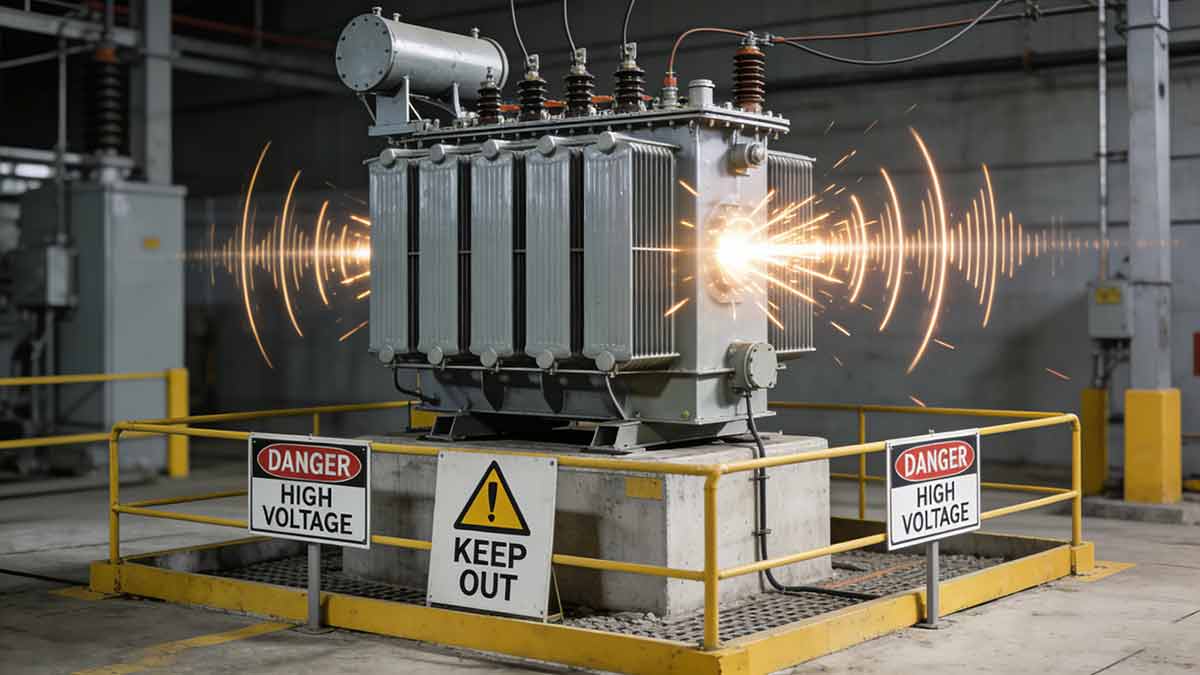
How to Prevent Transformer Loud Noise (And Extend Transformer Life)
Preventing transformer loud noise is easier than fixing it. By following these maintenance tips, you can keep your transformer quiet, efficient, and long-lasting—avoiding costly repairs and downtime.
- Schedule regular maintenance: For oil immersed transformers, test the oil quarterly and replace it every 5–10 years. Inspect clamps, bushings, and cooling systems annually.
- Avoid overloading: Ensure your transformer’s load never exceeds its rated capacity. If you’re expanding your operations, upgrade to a larger transformer.
- Install properly: Use anti-vibration pads, ensure the mounting surface is stable, and follow manufacturer guidelines for installation.
- Protect from environmental damage: Keep transformers free from debris, water, and extreme temperatures. For outdoor units, use weatherproof enclosures if needed.
- Monitor noise levels: Keep track of your transformer’s normal noise level—any sudden change is a warning sign to investigate.
Table: Recommended Maintenance Schedule for Transformers
Maintenance Task | Frequency | Purpose |
Oil sampling/testing (oil immersed) | Quarterly | Detect contamination or degradation |
Inspect clamps, bolts, and bushings | Annually | Prevent loose parts and arcing |
Clean radiators/fans | Semi-annually | Ensure proper cooling |
Load and voltage check | Bi-annually | Avoid overloading and core saturation |
When to Replace a Noisy Transformer (Instead of Repairing It)
In some cases, repairing a noisy transformer is not cost-effective—especially if the unit is old or has severe internal damage. Here are signs that it’s time to replace your transformer:
- The transformer is over 20 years old and has frequent noise issues or failures.
- Internal faults (e.g., winding damage, short circuits) are found—repairs would cost more than 50% of a new transformer.
- The transformer is consistently overloaded, and upgrading to a larger unit is more efficient than frequent repairs.
- The transformer is not compliant with current safety or environmental standards (e.g., old oil that can’t be recycled).
Example: A utility company in Pennsylvania had a 25-year-old noisy transformer that required monthly repairs. The cost of repairs over one year was $8,000—compared to $12,000 for a new, energy-efficient transformer. The company replaced the unit, which eliminated noise issues and reduced maintenance costs by 70% in the first year.
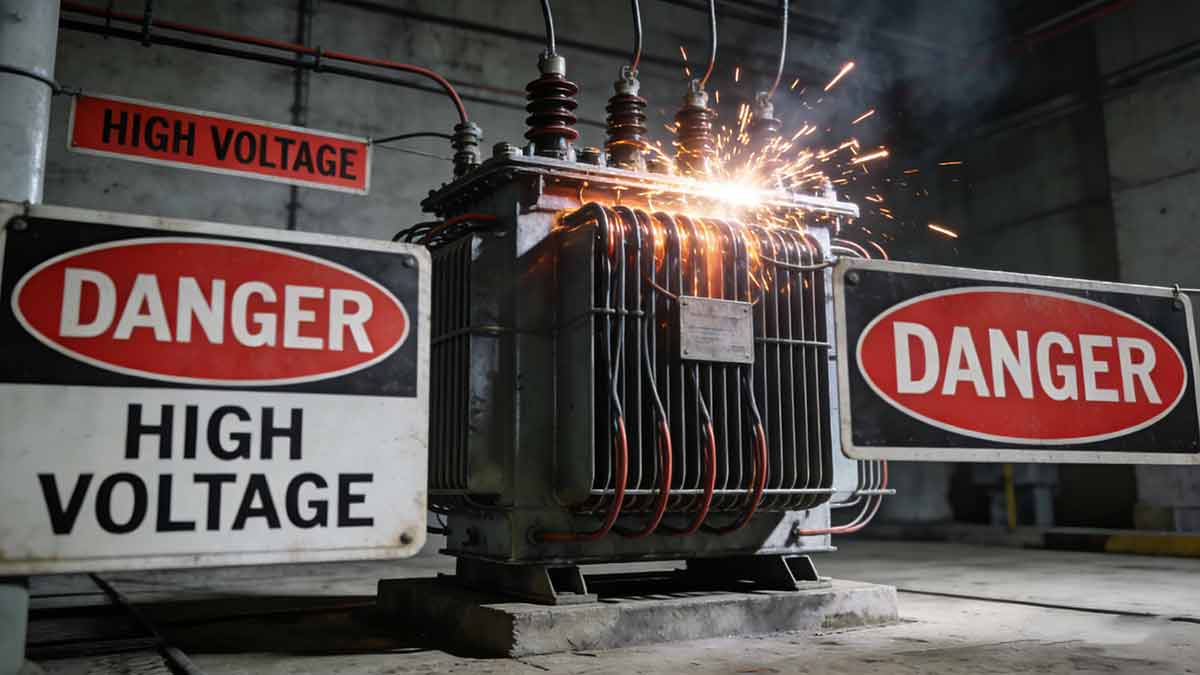
Conclusion: Address Transformer Loud Noise Before It’s Too Late
Transformer loud noise is not just an annoyance—it’s a critical warning sign of underlying issues that can lead to costly failures, safety hazards, and unplanned downtime. By understanding the 7 key causes of transformer loud noise, how to identify them, and how to troubleshoot safely, you can keep your transformer running smoothly and avoid unnecessary expenses. Remember, regular maintenance is the best way to prevent noise issues and extend your transformer’s life.
If your transformer is making a loud noise and you’re unsure how to address it, or if you need help choosing a new transformer to replace an old, noisy unit, our team of transformer experts is here to help. We offer reliable, high-quality transformers and professional troubleshooting services to keep your power system running safely and efficiently. Don’t ignore transformer loud noise—take action today to protect your equipment, your business, and your personnel.