
When it comes to power distribution, utilities face non-negotiable demands: consistent performance, long service life, and cost efficiency. Among all transformer types, oil immersed transformers stand out as the preferred choice for top utilities worldwide. These transformers are engineered to handle the rigors of distribution networks, from urban grids to remote rural areas, delivering power safely and reliably to homes, businesses, and industries. But what exactly makes oil immersed transformers the first choice for leading utility companies? This article breaks down the key reasons, addresses common questions, and shares real-world examples of how these transformers elevate distribution systems.
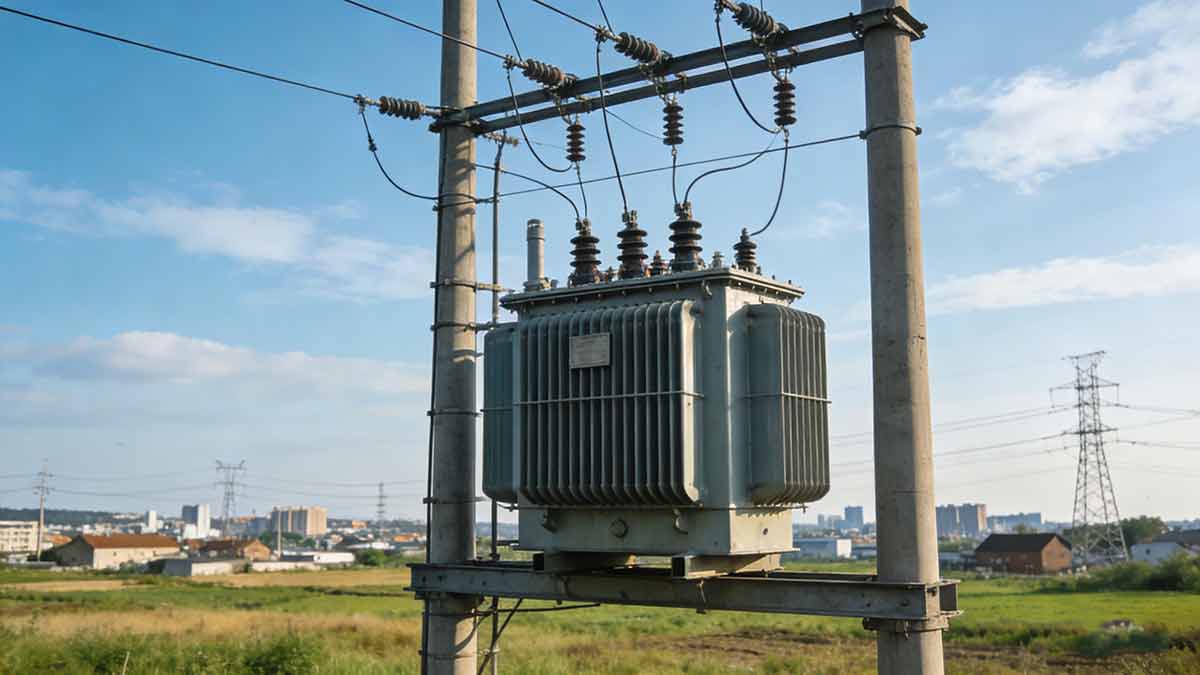
Why Oil Immersed Transformers Are the Backbone of Utility Distribution
Utilities prioritize equipment that minimizes downtime, reduces maintenance costs, and adapts to varying load demands—and oil immersed transformers check all these boxes. Unlike dry type transformers, which rely on air or resin for cooling and insulation, oil immersed transformers use high-quality mineral oil or synthetic oil to perform two critical functions: cooling the core and windings, and insulating electrical components to prevent short circuits. This design gives them distinct advantages that align perfectly with utility distribution needs, making them the most trusted option for power delivery networks.
Unmatched Reliability in Harsh Operating Conditions
Utility distribution transformers operate in diverse and often challenging environments—from hot, humid coastal regions to cold, snowy rural areas, and even industrial zones with high dust and pollution. Oil immersed transformers are built to thrive in these conditions, thanks to their robust design and the protective properties of transformer oil:
- Oil acts as a natural insulator, preventing electrical arcing and short circuits even in high-voltage applications. This reduces the risk of unexpected failures that can disrupt power to thousands of customers.
- The sealed tank design of oil immersed transformers protects internal components from moisture, dust, and debris—common culprits of transformer breakdowns in outdoor or industrial settings.
- Transformer oil has excellent thermal stability, meaning it can withstand extreme temperature fluctuations without degrading. This ensures consistent performance in both hot summers and cold winters.
Case Study: A leading utility company in the Midwest serves over 500,000 customers across rural and industrial areas. After switching from dry type to oil immersed transformers in 2019, the company saw a 40% reduction in unplanned downtime. The oil immersed units withstood harsh winter temperatures (as low as -20°F) and summer heatwaves (exceeding 95°F) without performance issues, while the previous dry type transformers required frequent repairs during extreme weather.
Long Service Life That Reduces Total Cost of Ownership
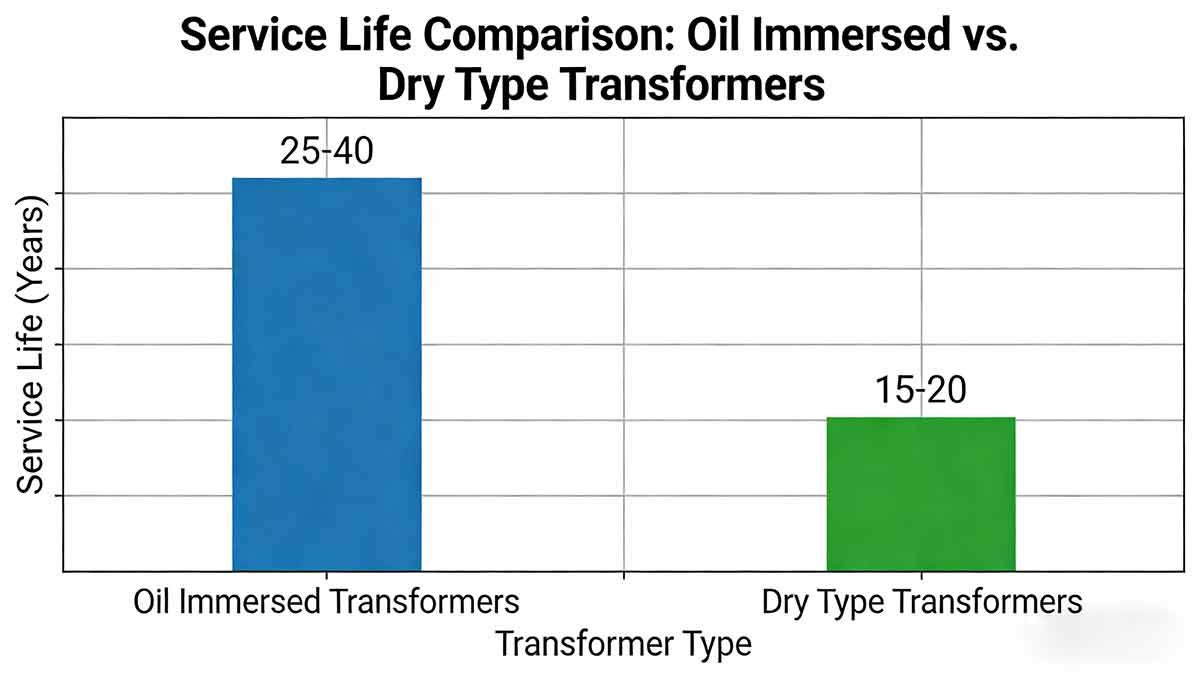
For utilities, equipment longevity directly impacts profitability. Oil immersed transformers have an average service life of 25–40 years, compared to 15–20 years for dry type transformers. This extended lifespan translates to lower replacement costs and reduced long-term expenses. Key factors contributing to their durability include:
- Oil’s ability to lubricate internal components reduces wear and tear on the core and windings.
- Regular oil maintenance (sampling and filtration) can extend the transformer’s life even further—many utilities report oil immersed transformers lasting 40+ years with proper care.
- The robust steel tank design protects against physical damage, such as impact from debris or animals, which is common in outdoor distribution sites.
Table: Cost Comparison Between Oil Immersed and Dry Type Transformers (20-Year Lifespan)
Cost Category | Dry Type Transformers | |
|---|---|---|
Initial Purchase Cost | Slightly Higher (+10–15%) | Lower |
Annual Maintenance Cost | Lower ($500–$1,000/unit) | Higher ($1,200–$1,800/unit) |
Replacement Cost (20 Years) | 1 Replacement | 2 Replacements |
Total 20-Year Cost | Lower by 20–25% | Higher |
Superior Cooling Performance for High Load Demands
Utility distribution networks experience fluctuating load demands—peak hours (morning and evening) can see a 50–100% increase in power usage compared to off-peak times. Oil immersed transformers excel at handling these load spikes because of their efficient cooling system:
- Transformer oil has a higher heat capacity than air, meaning it can absorb more heat from the core and windings without a significant temperature rise.
- Many oil immersed transformers are equipped with radiators or cooling fans that enhance heat dissipation, allowing them to operate at full load for extended periods without overheating.
- For high-load applications, such as urban distribution networks, oil immersed transformers can be designed with forced oil cooling (FOC) systems to handle even the most demanding power requirements.
Common Question: Can oil immersed transformers handle sudden load surges? Yes—their cooling system and thermal stability allow them to tolerate short-term load surges (up to 120% of rated capacity) for 30–60 minutes without damage. This is critical for utilities, as unexpected load spikes (e.g., during extreme weather or large events) can occur at any time.
Key Advantages of Oil Immersed Transformers for Utility Distribution
Beyond reliability, longevity, and cooling performance, oil immersed transformers offer several other benefits that make them ideal for utility distribution. These advantages address the specific needs of utilities, from safety to environmental compliance, and help streamline operations.
Enhanced Safety Features for Public and Personnel
Utilities prioritize safety—both for their personnel and the public. Oil immersed transformers are designed with multiple safety features to minimize risks:
- Sealed tank design: Prevents oil leaks, which can cause fires or environmental damage. Modern oil immersed transformers use high-quality gaskets and seals to ensure a tight, leak-proof fit.
- Gas relay (Buchholz relay): A critical safety device that detects internal faults (e.g., winding short circuits) by monitoring gas buildup in the oil. It triggers an alarm or shuts down the transformer to prevent catastrophic failure.
- Fire-resistant oil options: For utilities in high-risk areas (e.g., near homes or forests), synthetic fire-resistant oil can be used instead of mineral oil, reducing the risk of fire spread.
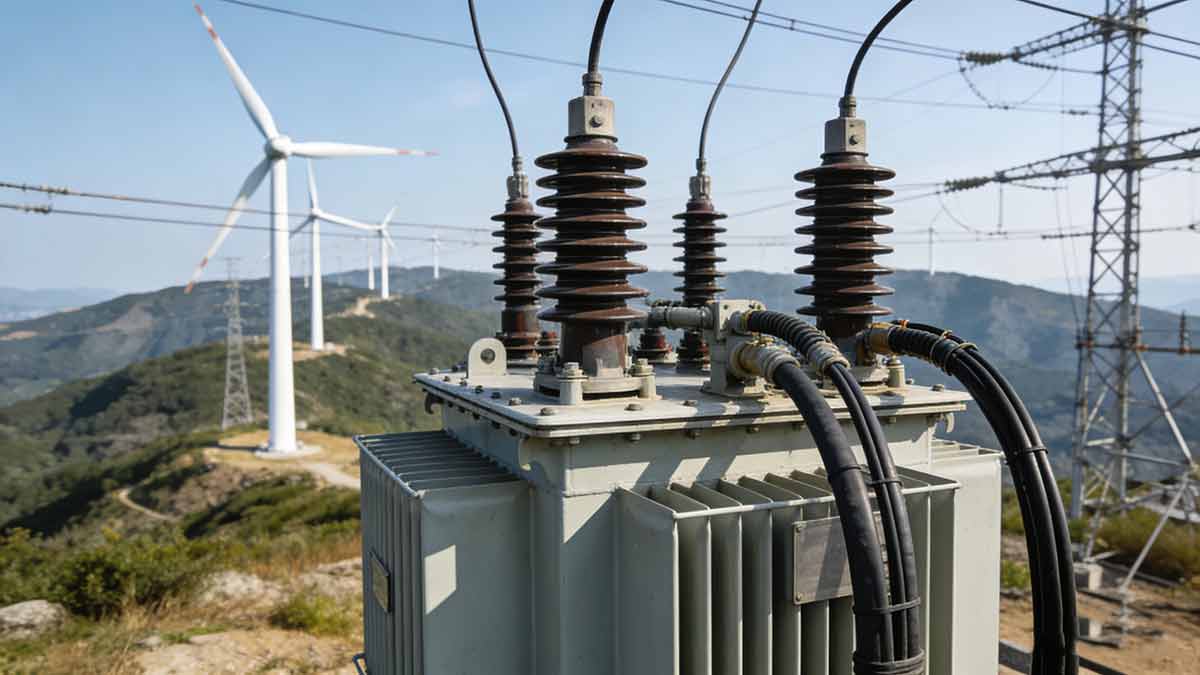
Example: A utility in California installed oil immersed transformers with fire-resistant synthetic oil in wildfire-prone areas. During a 2022 wildfire, the transformers remained intact, preventing power outages in critical evacuation zones and avoiding additional fire hazards.
Cost-Effective Maintenance and Easy Servicing
Utilities manage hundreds or thousands of transformers, so maintenance efficiency is key. Oil immersed transformers require minimal routine maintenance, and most servicing tasks can be performed on-site without shutting down the entire distribution network:
- Oil sampling and testing: A simple, low-cost procedure that can be done quarterly to check oil quality and detect potential issues early. This prevents costly repairs down the line.
- Seal replacement: Aging seals can be replaced quickly without draining the entire oil tank, reducing downtime.
- Cooling system maintenance: Radiators and fans can be cleaned or repaired on-site, ensuring the transformer remains operational during servicing.
Tip: Utilities that implement a regular oil maintenance schedule (quarterly sampling, annual filtration) reduce transformer failures by 35% and extend service life by 10–15 years.
Compatibility with Existing Distribution Infrastructure
Most utility distribution networks were built decades ago, and upgrading infrastructure can be costly and time-consuming. Oil immersed transformers are compatible with existing high-voltage lines, switchgear, and control systems, making them easy to integrate into older networks without major modifications:
- They are available in standard sizes and voltage ratings (11kV, 22kV, 33kV), which match the most common utility distribution voltages.
- Oil immersed transformers can be designed to fit existing transformer pads and enclosures, eliminating the need for expensive site modifications.
- They work seamlessly with protective relays and monitoring systems that utilities already use, reducing the need for new equipment or training.
Addressing Common Myths About Oil Immersed Transformers for Utilities
Despite their many advantages, some utilities have misconceptions about oil immersed transformers that prevent them from making the switch. Below are the most common myths, debunked with facts:
Myth 1: Oil Immersed Transformers Are Bad for the Environment
Fact: Modern oil immersed transformers use environmentally friendly mineral oil or synthetic oil that is non-toxic and biodegradable. Additionally, sealed tank designs prevent oil leaks, and most utilities have oil recycling programs to reuse or dispose of old oil safely. In fact, oil immersed transformers are more environmentally friendly than dry type transformers in the long run, as their longer lifespan reduces the number of transformers that end up in landfills.
Myth 2: Oil Immersed Transformers Require More Space Than Dry Type
Fact: While oil immersed transformers do have a slightly larger footprint due to the oil tank, modern designs have reduced their size significantly. For most utility distribution sites, the difference in space is negligible. Additionally, oil immersed transformers can be installed outdoors, eliminating the need for indoor enclosures (which save space and cost compared to dry type transformers, which often require climate-controlled rooms).
Myth 3: Oil Immersed Transformers Are More Prone to Fires
Fact: When properly maintained, oil immersed transformers are no more prone to fires than dry type transformers. In fact, the sealed tank design and fire-resistant oil options make them safer in many cases. The most common cause of transformer fires is poor maintenance (e.g., dirty windings, oil contamination)—not the type of transformer. Regular oil testing and maintenance eliminate this risk.
How Top Utilities Are Using Oil Immersed Transformers to Improve Distribution
Leading utility companies around the world have adopted oil immersed transformers to enhance their distribution networks, reduce costs, and improve reliability. Below are two real-world examples of how these transformers have made a difference:
Example 1: Rural Utility Improves Reliability in Remote Areas
A utility serving remote rural communities in Canada struggled with frequent transformer failures due to harsh winter conditions and limited access to maintenance. The company replaced all dry type transformers with oil immersed units equipped with winterized cooling systems and synthetic oil. The results were dramatic:
- Unplanned downtime was reduced by 55% in the first year.
- Maintenance costs decreased by 30%, as the oil immersed transformers required fewer repairs.
- Customer satisfaction scores increased by 25%, thanks to more consistent power delivery.
Example 2: Urban Utility Handles High Load Demands
A large urban utility in Texas needed to upgrade its distribution network to handle a growing population and increased power usage (especially during summer heatwaves). The utility installed oil immersed transformers with forced oil cooling systems in high-density areas. The transformers were able to handle peak load demands (up to 110% of rated capacity) without overheating, and the utility saw:
- A 40% reduction in load-related failures.
- Improved voltage stability, reducing power fluctuations for customers.
- Lower long-term costs, as the transformers are expected to last 35+ years with proper maintenance.
Choosing the Right Oil Immersed Transformer for Your Utility
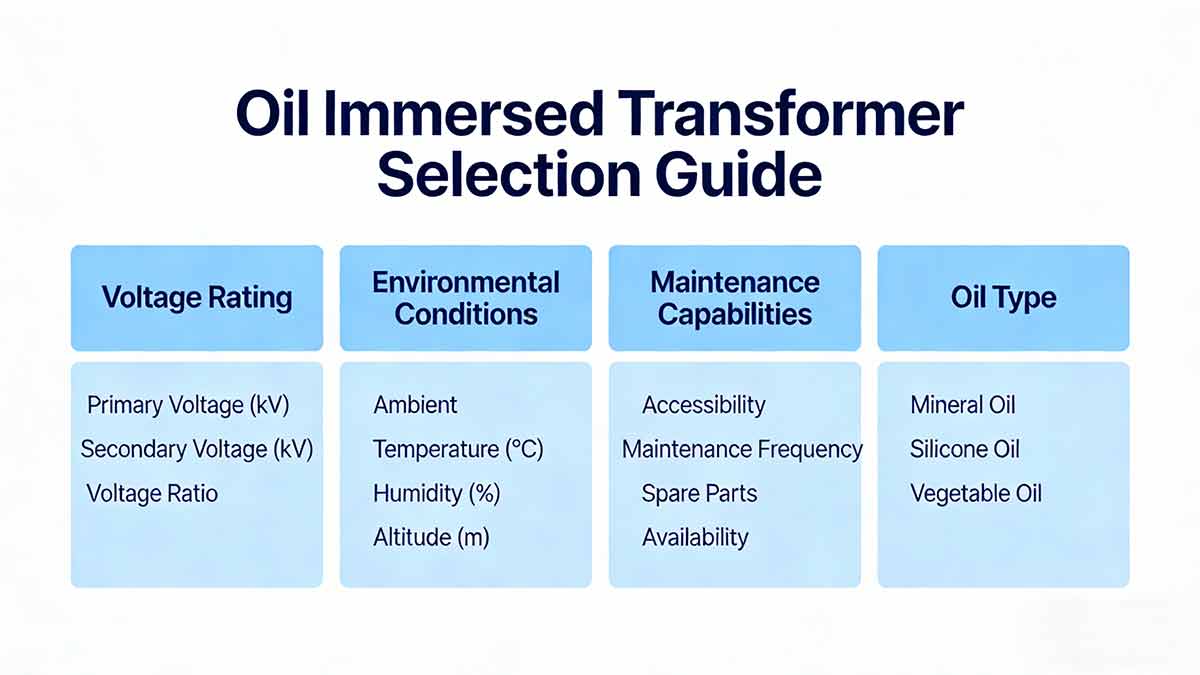
Not all oil immersed transformers are created equal—choosing the right unit for your utility’s specific needs is critical to maximizing performance and reducing costs. Here are key factors to consider:
Voltage and Load Requirements
Determine the voltage rating (e.g., 11kV, 22kV) and maximum load capacity needed for your distribution network. Oil immersed transformers are available in a range of sizes, from small 50kVA units for rural areas to large 2000kVA units for urban grids.
Environmental Conditions
Consider the climate and environment where the transformer will be installed. For harsh winters, choose units with winterized cooling systems; for coastal areas, select corrosion-resistant tanks to withstand saltwater exposure.
Maintenance Capabilities
If your utility has limited on-site maintenance personnel, choose oil immersed transformers with self-monitoring features (e.g., remote oil quality sensors) to reduce the need for frequent on-site checks.
Oil Type
Select the right oil type for your needs: mineral oil is cost-effective for most applications, while synthetic oil is ideal for high-risk or environmentally sensitive areas.
Conclusion: Oil Immersed Transformers Are the Smart Choice for Utility Distribution
Top utilities choose oil immersed transformers for distribution because they deliver unmatched reliability, long service life, superior cooling performance, and cost-effectiveness. These transformers are designed to handle the rigors of utility networks, from harsh environmental conditions to fluctuating load demands, and their compatibility with existing infrastructure makes them easy to integrate. By debunking common myths and focusing on data-driven benefits, it’s clear why oil immersed transformers are the backbone of modern power distribution.
Whether you’re upgrading an existing network or building a new one, oil immersed transformers offer the performance and durability utilities need to deliver stable, safe power to their customers. With proper maintenance, these transformers will provide decades of reliable service, reducing costs and minimizing downtime. To learn more about how oil immersed transformers can improve your utility’s distribution system, or to find the right solution for your specific needs, reach out to our team of transformer experts.