
In actual engineering applications, many transformer failures and potential safety hazards are directly related to improper selection of the installation site. Blindly choosing a location without a comprehensive evaluation of the geographical environment, safety conditions, maintenance accessibility, and supporting equipment layout will lead to frequent faults, increased maintenance costs, and even large-scale power outages. This article starts from the core principles of selecting the installation site of the transformer, systematically explains the selection standards, avoidable areas, equipment installation specifications, and daily maintenance requirements, providing authoritative and practical guidance for power engineering technicians, installation teams, and power system managers.
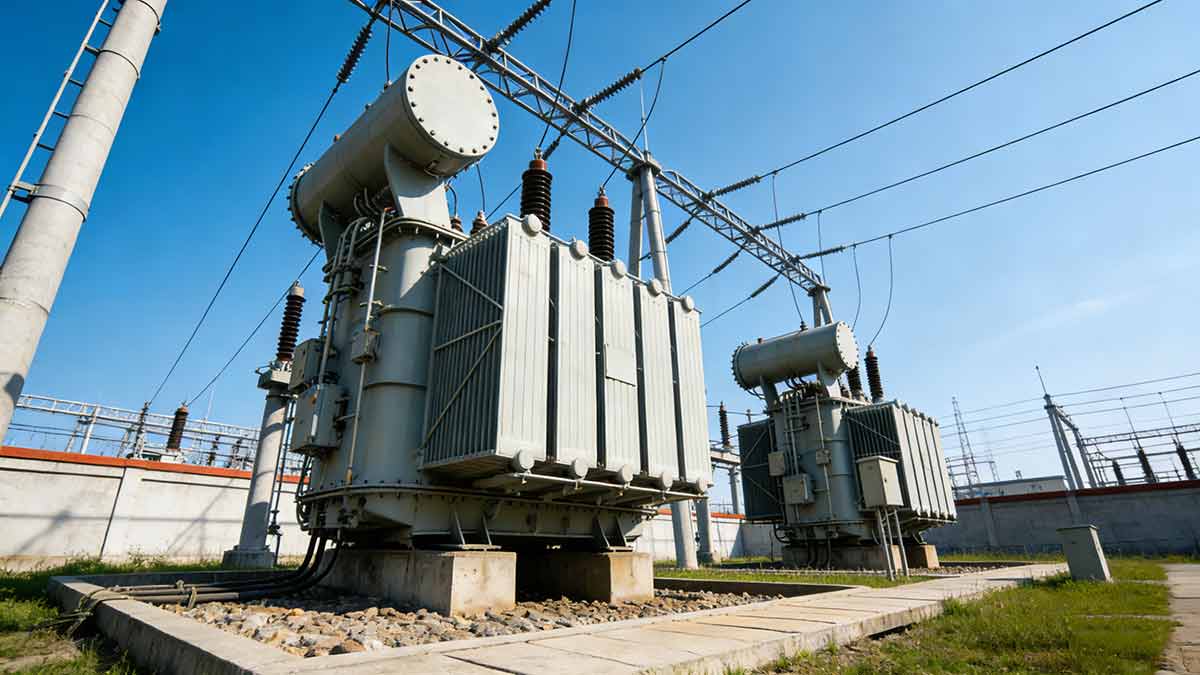
Key Principles for Selecting the Installation Site of the Transformer
The selection of the installation site of the transformer is not a random decision, but a systematic work that needs to follow multiple professional principles. Only by comprehensively balancing power supply needs, safety performance, management convenience, and anti-risk capabilities can a truly suitable installation location be determined.
Compliance with Voltage and Power Supply Demands
The primary goal of the installation site of the transformer is to meet the voltage quality and power supply coverage requirements of end users. The installation location must be planned according to the load distribution, power transmission distance, and line loss control standards of the power supply area.
- The installation site should be close to the central area of the load to reduce the length of low-voltage distribution lines and control line loss within the standard range.
- The geographical height and surrounding environment of the site must ensure that the transformer can output a stable voltage without being affected by terrain or external interference to cause voltage fluctuations.
- The site should reserve sufficient space for future load growth to avoid the need for relocation or reconstruction due to increased power demand in the short term.
Balancing Accessibility and Operational Safety
The installation site of the transformer must ensure that operation and maintenance personnel can reach it quickly and safely, while avoiding potential safety risks to surrounding personnel and facilities.
- The site should have a clear and unobstructed access path for daily inspection, troubleshooting, and component replacement.
- The surrounding environment should be free of flammable, explosive, corrosive gases or liquids to prevent damage to the transformer body and insulation components.
- The installation height and protective measures should be set according to the local flood control, waterlogging prevention, and geological stability standards.
Anti-Theft and Anti-Vandalism Considerations
Distribution transformers involve high-value copper components and electrical parts, making them a target for theft and vandalism in some areas. The installation site of the transformer must have basic anti-theft and anti-damage conditions.
- The site should be within the visual or monitoring range of residential areas, factories, or public management areas as much as possible.
- Isolated areas with no personnel passing by for a long time should be avoided to reduce the risk of illegal disassembly and theft.
- For areas with high theft risk, the installation site can be equipped with protective fences and monitoring facilities in combination with the geographical environment.
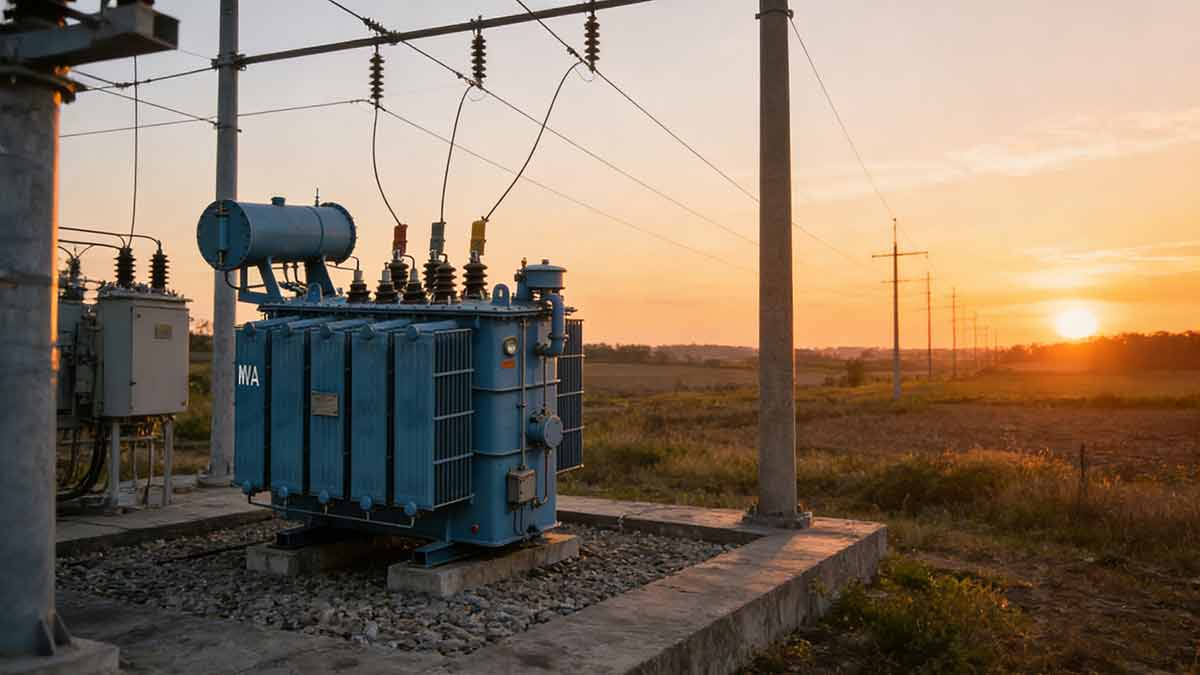
Unfavorable Locations to Avoid for Transformer Installation
Choosing the wrong installation site of the transformer will directly lead to continuous operational risks and shorten the service life of the equipment. The following types of areas are strictly not suitable for transformer installation and need to be focused on avoiding in engineering design.
Remote Mountainous and Lightning-Prone Areas
Wild mountainous areas, high-altitude ridges, and unshielded open areas are high-risk areas for transformer installation, mainly due to the threat of lightning strikes and harsh natural environments.
- Mountainous and open areas are more likely to be directly struck by lightning, which will cause instantaneous overvoltage to break through the transformer insulation and burn out the winding.
- The traffic in mountainous areas is blocked, and once a fault occurs, it is impossible to carry out emergency repair in a short time, resulting in a long-term power outage.
- The geological conditions of mountainous areas are complex, with risks such as landslides and debris flows, which may damage the transformer foundation and equipment.
Isolated Locations Far From Residential and Monitoring Zones
Many installation teams choose remote areas to avoid affecting residents, but excessively isolated locations will bring a series of management and safety problems.
Impacts of Remote Installation on Routine Maintenance
The installation site of the transformer being too far from residential and management areas will greatly reduce the efficiency of daily maintenance and increase the failure rate.
- Operation and maintenance personnel cannot conduct regular inspections as scheduled, and small faults such as loose connectors and abnormal noise cannot be found in time.
- Extreme weather, such as heavy rain, strong winds, and snowstorms, will cause damage to the transformer, but no one will find and deal with it at first.
- The lack of daily management makes it easy for weeds, branches, and debris to accumulate around the transformer, forming potential safety hazards.
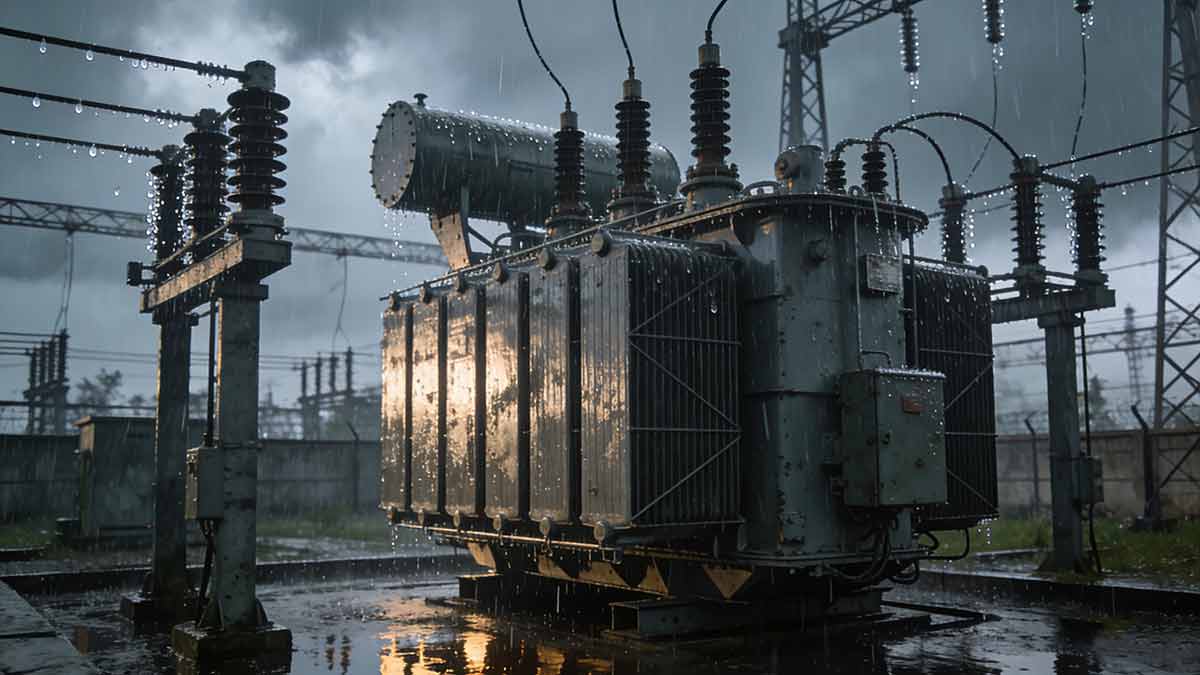
Critical Equipment Placement Rules at the Transformer Installation Site
In addition to the geographical location, the layout of supporting equipment at the installation site of the transformer also directly affects the operational safety of the transformer. Improper equipment placement will cause continuous hidden dangers and even lead to complete damage to the transformer.
Risks of Improper Low-Voltage Metering Box Installation
Installing low-voltage metering boxes directly on distribution transformers is a non-standard operation with great risks, which is not allowed in formal engineering construction.
Long-Term Damage Caused by Unprotected Metering Components
The improper installation of metering boxes at the installation site of the transformer will trigger a chain reaction of failures.
- The glass of the metering box is easily damaged by external forces or weathering, and rainwater will infiltrate into the box and the transformer connection parts.
- The low-voltage pile heads of the transformer are exposed to a humid environment for a long time, which will cause corrosion, poor contact, and heating.
- Once the metering components are damaged, they cannot be replaced in time in remote locations, which will cause the electricity meter to burn out and further lead to short-circuit damage of the transformer.
The following table summarizes the hidden dangers and consequences of improper metering box installation at the installation site of the transformer:
| Installation Behavior | Direct Hidden Danger | Final Consequence |
|---|---|---|
| Installing a low-voltage metering box on the transformer | Rainwater infiltration, component corrosion | Electricity meter burnout, transformer short circuit |
| No protective measures for metering components | Glass damage, wire exposure | Line heating, insulation breakdown |
| Delayed replacement of damaged metering parts | Fault expansion | Complete damage to the distribution transformer |
Operational Protocols to Protect Transformers at the Installation Site
Even if the installation site of the transformer is reasonably selected, standardized daily operation and maintenance are still needed to avoid man-made faults and environmental interference.
Prohibited Private Adjustment of Tap Changers
The tap changer of the transformer is a precision component used to adjust the output voltage, and any private adjustment without professional tools and technical parameters is strictly prohibited.
- Non-professional private adjustment will lead to the tap changer not being in place, resulting in an inter-phase short circuit.
- An inter-phase short circuit will generate a huge instantaneous current, directly burning the transformer winding and core.
- Voltage adjustment must be completed by professional technicians in accordance with the operating procedures and parameter standards.
Regular Line Inspection and Channel Clearing
The lines connected to the transformer at the installation site of the transformer need regular inspection and maintenance to prevent external factors from causing faults.
- Regularly inspect the insulation layer, connector tightness, and voltage stability of high and low voltage lines.
- Clean up the line channel in time, cut down branches and weeds that are too close to the wires.
- Branches touching the live wires will cause a low-voltage short circuit, which will transmit the fault to the transformer and burn out the equipment.
- In seasons with frequent wind and rain, the frequency of inspection and cleaning should be increased to ensure the safety of the line channel.
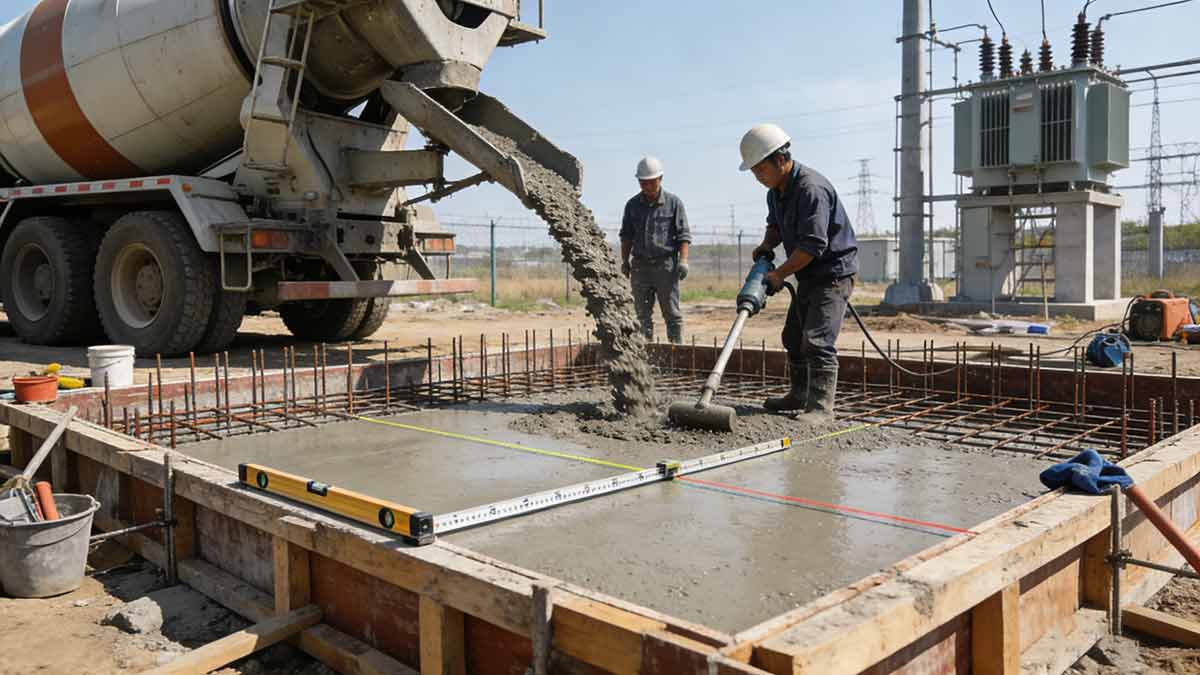
The following table lists the key points of daily maintenance at the installation site of the transformer:
| Maintenance Item | Operation Frequency | Key Inspection Content | Purpose |
|---|---|---|---|
| Transformer appearance and temperature | Daily | Shell temperature, oil level (oil-immersed type), and abnormal noise | Find overheating and internal faults in time |
| Line channel cleaning | Monthly | Branches, weeds, debris around wires | Prevent short circuit caused by foreign matter contact |
| Tap changer status | Quarterly | Whether it is fixed firmly, with no loose or private adjustment | Avoid inter-phase short circuit |
| Anti-theft and protection facilities | Monthly | Fence, monitoring, shell integrity | Prevent theft and vandalism |
Summary of Best Practices for the Installation Site of the Transformer
The selection and management of the installation site of the transformer follow the logic of “safety first, accessibility priority, standard layout, and regular maintenance”. The following core best practices can be used as a reference for engineering, construction,n and daily management:
- Prioritize the central load area with convenient traffic and close to the monitoring range.
- Strictly avoid lightning-prone mountainous areas, isolated remote areas, and flood-prone low-lying areas.
- Do not install low-voltage metering boxes directly on the transformer to prevent rainwater damage.
- Prohibit non-professionals from adjusting the tap changer privately to avoid short-circuit burnout.
- Regularly inspect lines and clean channels to eliminate potential safety hazards caused by external factors.
Conclusion
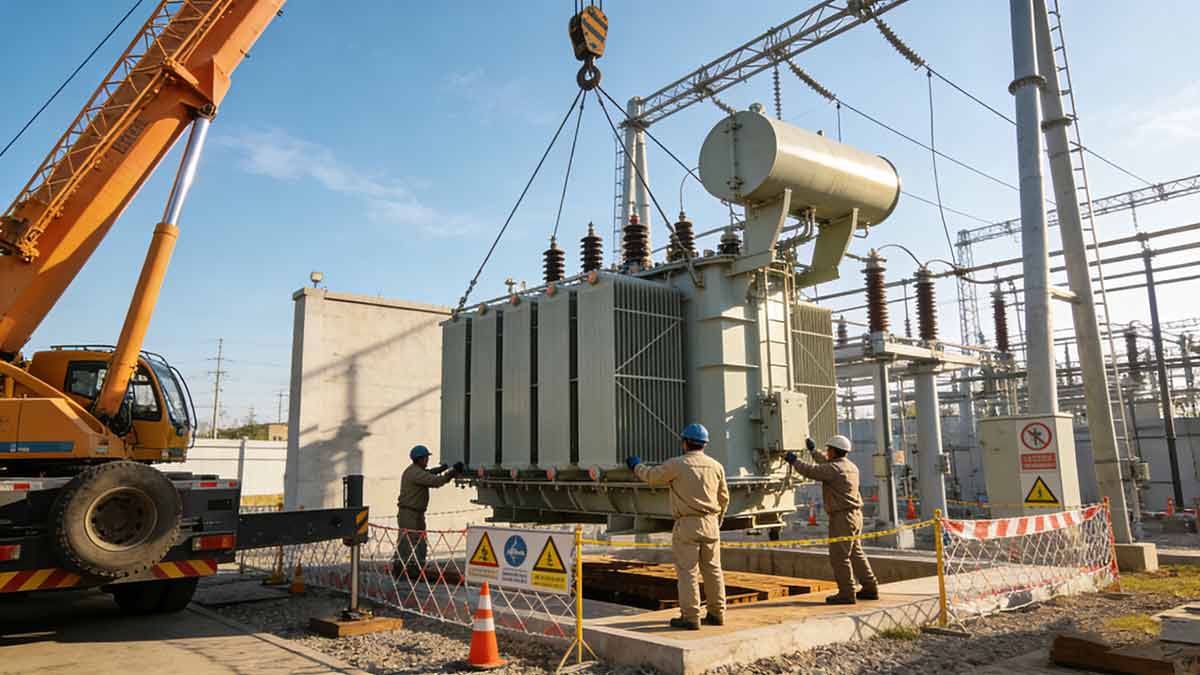
The installation site of the transformer is the foundation of the safe and stable operation of distribution transformers. A scientific and reasonable selection of the installation location, combined with standardized equipment layout and strict daily maintenance, can maximize the service life of the transformer, reduce the failure rate and maintenance cost, and ensure the continuity and stability of power supply.
For power engineering designers, installation teams, and operation managers, it is necessary to take the selection of the installation site of the transformer as a key link in the entire power distribution project, comprehensively consider the geographical environment, safety standards, maintenance convenience, and anti-theft requirements, and avoid common wrong practices. Only in this way can the distribution transformer play its due role in the power system and provide reliable power support for residential electricity and industrial and commercial production.