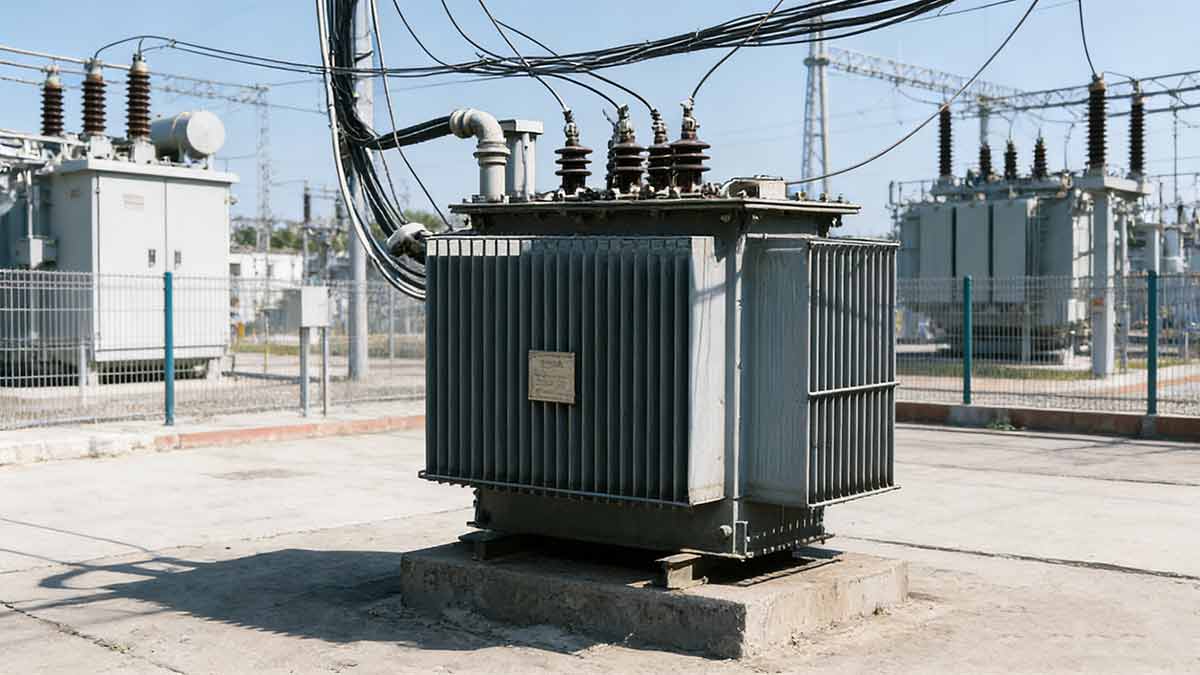
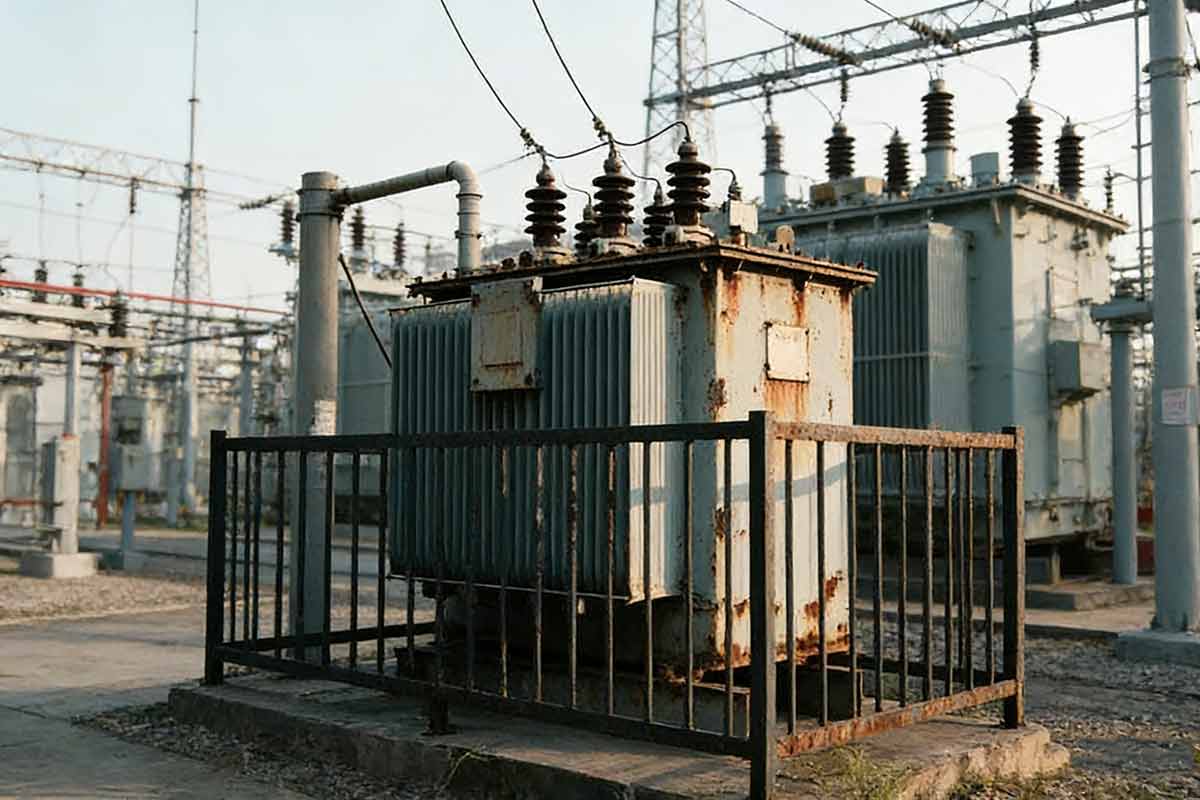
Why Is Proactive Transformer Accident Detection and Maintenance Critical?
● Reduces unplanned power outages and associated economic losses for industrial and utility clients
● Extends the service life of transformers and optimizes asset investment returns
● Ensures compliance with international power equipment operation and safety standards
● Minimizes the risk of fire, electric shock, and environmental pollution caused by transformer oil leakage
● Provides real-time operational data for predictive maintenance and smart grid construction
| Consequence Category | Impact of Neglecting Transformer Accident Detection and Maintenance |
|---|---|
| Equipment Damage | Permanent failure of transformer coils, lead wires, and iron cores; irreversible oil degradation |
| Operational Disruption | Regional power outages, production halts in manufacturing facilities, and grid instability |
| Safety Hazards | Oil spill fires, electric discharge injuries, and environmental contamination |
| Economic Loss | High replacement costs for transformers, penalty fees for grid non-compliance, and production revenue losses |
How to Distinguish Normal and Abnormal Oil Level Changes in Transformers?
Normal Oil Level Fluctuation Mechanisms
○ Transformer oil volume expands with rising oil temperature and contracts with falling oil temperature, creating a linear correlation between oil level and oil temperature
○ Oil level fluctuations align with transformer load changes: higher load increases internal heat generation, driving oil level upward; lower load leads to temperature and oil level drops
○ Ambient temperature directly affects oil temperature, causing seasonal and diurnal oil level adjustments within a calibrated normal range
○ Normal oil level changes stay within the marked scale range of the transformer oil level gauge, with no sudden spikes or drops
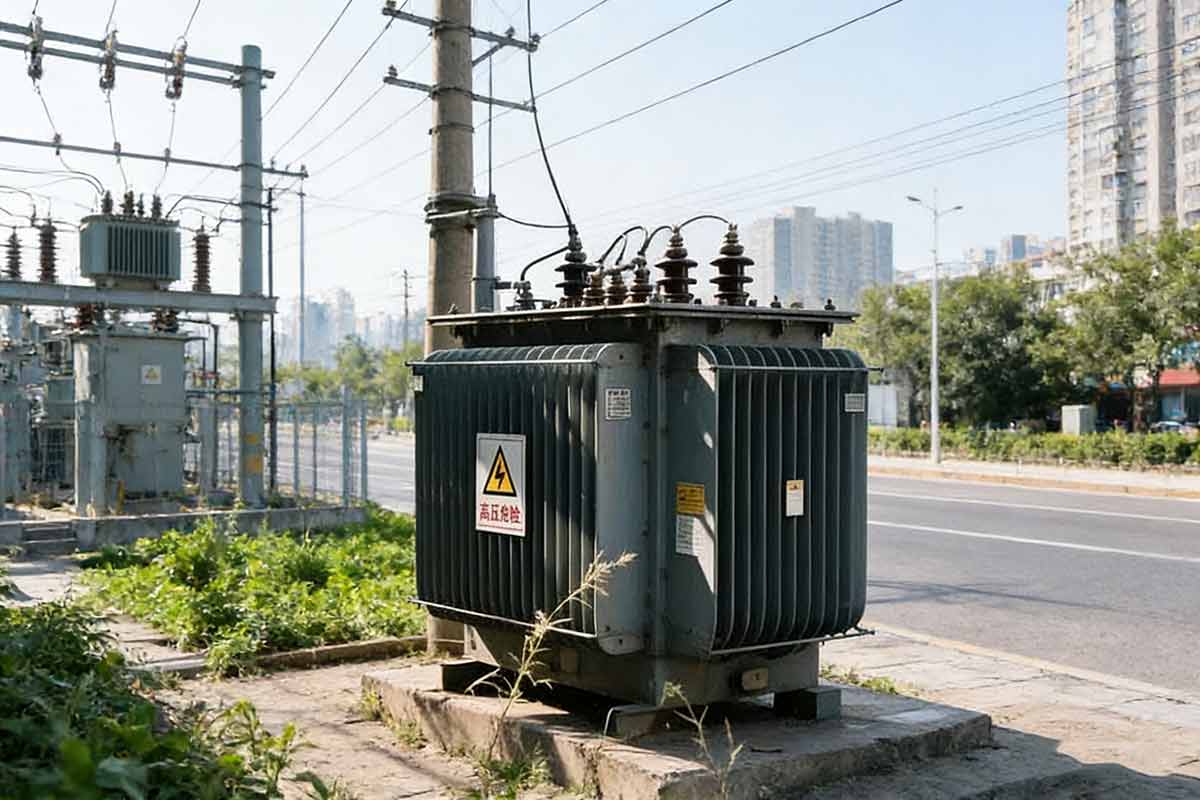
Abnormal Oil Level Changes Indicating Transformer Accidents
● Sudden oil level drop without corresponding temperature or load reduction, indicating oil leakage from seals, pipelines, or tank welds
● Abnormal oil level rise accompanied by oil seepage from the conservator or explosion-proof pipe, suggesting internal overpressure or gas accumulation
● Oil level fluctuation with visible moisture or impurities in the oil, confirming water seepage into the transformer tank
● Inconsistent oil level readings between the oil level gauge and actual oil volume, pointing to measuring system malfunctions
| Oil Level Change Type | Correlation with Temperature/Load | Typical Root Cause | Maintenance Priority |
|---|---|---|---|
| Normal Fluctuation | Strictly positive correlation | Thermal expansion/contraction | Routine monitoring |
| Abnormal Drop | No correlation or inverse correlation | Oil leakage, tank damage | High (emergency) |
| Abnormal Rise | No correlation or excessive rise | Internal gas accumulation, overheating | High (emergency) |
| Erratic Fluctuation | Unpredictable changes | False oil level, sensor failure | Medium (scheduled troubleshooting) |
What Causes False Oil Level in Transformers and How to Detect It?
Core Mechanical Causes of False Oil Level
○ Blocked oil gauge pipe: Sediments, carbon deposits, or deteriorated rubber seal fragments accumulate in the oil gauge connecting pipe, cutting off the oil pressure transmission path and causing the gauge to show a fixed or deviated reading
○ Clogged explosion-proof pipe vent: Dust, ice, or insect nests block the vent, leading to unbalanced internal and external pressure in the explosion-proof pipe; this pressure difference distorts the oil level display and affects oil circulation
○ Damaged oil level gauge float: Mechanical deformation or oil contamination of the float causes it to stick, resulting in static false readings
○ Faulty conservator air bag: Leakage or collapse of the conservator air bag disrupts oil level regulation, creating a mismatch between gauge reading and actual oil level
Impacts of False Oil Level on Transformer Safety
▶ Delayed detection of real oil leakage or insufficient oil volume, leading to exposed coils and internal discharge
▶ Unnecessary oil addition or oil discharge based on false readings, worsening oil system imbalance
▶ Triggering of gas relay false alarms or tripping, causing unplanned power outages
▶ Masking internal overheating or gas production faults, leading to gradual degradation of transformer insulation
What Are the Severe Risks of Extreme Oil Level Deviations?
Hazards of Excessively High Transformer Oil Level
● Overpressure inside the transformer tank forces transformer oil to spill from the conservator, explosion-proof pipe, or flange seals, causing oil loss and environmental pollution
● Increased internal tank pressure accelerates the aging of rubber seals and gaskets, raising the risk of chronic oil leakage
● Excess oil restricts heat dissipation, leading to higher operating temperatures and accelerated degradation of oil insulation performance
● Potential activation of pressure relief valves, resulting in abnormal oil injection and increased accident probability
Hazards of Excessively Low Transformer Oil Level
○ Transformer internal lead wires and coils are exposed to air, losing the insulation and cooling protection of transformer oil
○ Exposed live components trigger internal corona discharge and arc discharge, damaging coil insulation and causing short circuits
○ Insufficient oil volume reduces the cooling efficiency of the transformer, leading to overheating of core and coil components
○ Severe oil shortage may cause the gas relay to malfunction, failing to send fault signals in a timely manner
| Extreme Oil Level State | Primary Hazard | Secondary Risk | Recommended Response Time |
|---|---|---|---|
| Excessively High Oil Level | Oil spillage, seal aging, overheating | Environmental pollution, insulation degradation | Within 24 hours |
| Excessively Low Oil Level | Internal discharge, coil exposure | Transformer burnout, power outage | Immediate (within 1 hour) |
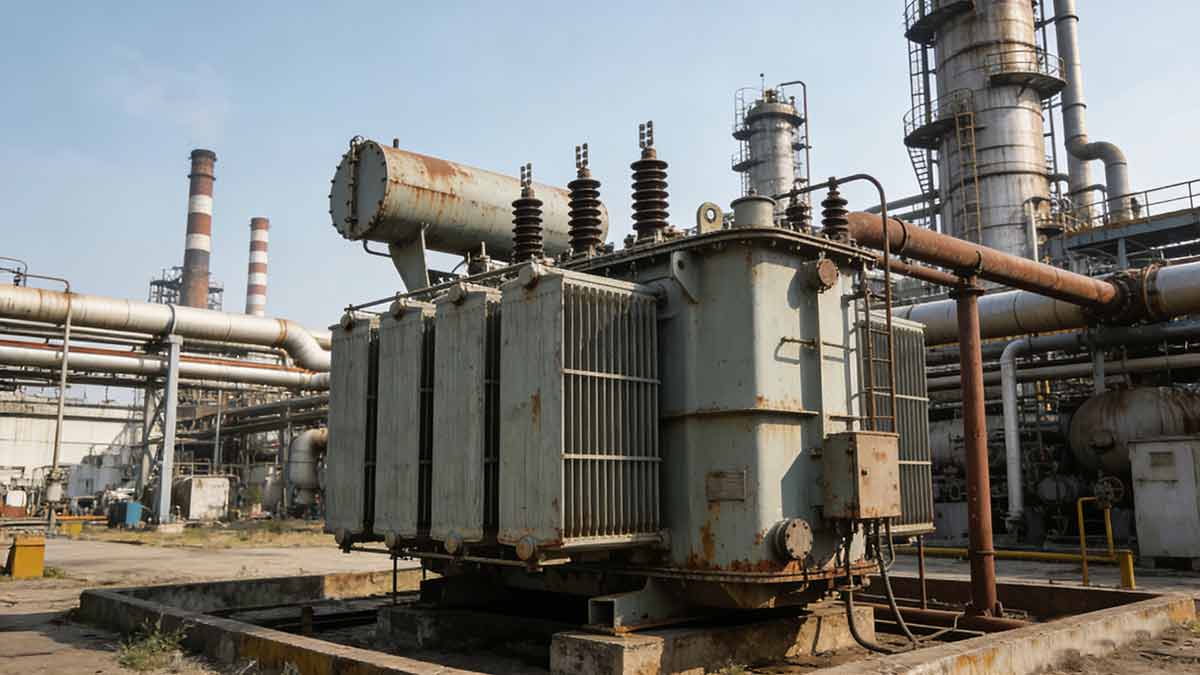
What Are the Standard Maintenance Methods for Transformer Oil Level Anomalies?
Routine Maintenance for Oil Level Monitoring
● On-site electrical operators shall conduct hourly oil level gauge checks during peak load periods and daily checks under normal operating conditions
● Record oil level readings alongside real-time load data, oil temperature, and ambient temperature to establish a fluctuation correlation database
● Calibrate oil level gauges quarterly to verify reading accuracy and eliminate early signs of false oil level
● Conduct annual oil sampling and testing to detect water content, impurities, and insulation performance, linking oil quality to oil level anomalies
Corrective Maintenance for Specific Oil Level Faults
Remedies for Excessively High Oil Level
○ Confirm the oil level rise is not caused by internal overpressure or gas accumulation before oil discharge
○ Use specialized oil extraction equipment to discharge a proper amount of transformer oil, avoiding excessive discharge
○ Monitor the oil level in real time during the process, stopping discharge once the reading reaches the middle of the normal scale
○ Inspect the conservator and explosion-proof pipe for oil spillage after treatment, and clean any leaked oil promptly
Remedies for Excessively Low Oil Level
▶ Select transformer oil of the same brand and model as the original oil to avoid incompatibility and insulation degradation
▶ Filter the supplementary oil to remove moisture and impurities before filling
▶ Fill oil slowly to prevent air entrainment, and stop filling when the oil level reaches the rated scale
▶ If oil leakage is confirmed, conduct leak location and repair before refueling to avoid repeated oil loss
What Emergency Measures Should Be Taken for Transformer Oil-Related Accidents?
Pre-Emergency Protection to Prevent False Tripping
○ When false oil level or minor oil level anomalies are detected, temporarily remove the gas relay trip circuit while retaining the alarm circuit
○ Assign dedicated personnel to conduct continuous on-site monitoring of oil level, temperature, and abnormal sounds
○ Prepare emergency tools such as oil extraction equipment, oil filling devices, and power cutoff tools
● Restore the trip circuit immediately after the fault is resolved to ensure normal protection function
Immediate Emergency Response for Confirmed Accidents
Emergency Power Cutoff Protocols
○ Issue a power outage notice to the dispatching center in accordance with grid operation procedures
○ Cut off the high-voltage and low-voltage side circuit breakers of the transformer sequentially, and lock the isolation switches
○ Verify the transformer is completely de-energized using a voltage tester before on-site inspection
Post-Shutdown Emergency Handling
● Isolate the faulty transformer from the power grid and install safety warning signs to prevent unauthorized access
● For oil leakage accidents, contain spilled oil with absorbent materials and avoid environmental pollution
● For oil injection from the conservator or explosion-proof pipe, inspect for internal overpressure and component damage
● Arrange professional maintenance personnel for on-site fault assessment and formulate a repair plan
| Emergency Scenario | Step 1 Action | Step 2 Action | Step 3 Action |
|---|---|---|---|
| Gas Relay False Tripping Risk | Remove trip circuit, retain alarm | Continuous on-site monitoring | Restore trip circuit post-fault fix |
| Massive Transformer Oil Leakage | Emergency power cutoff | Leak containment and oil cleanup | Power-off leak repair |
| Abnormal Oil Injection from Explosion-Proof Pipe | Immediate transformer de-energization | Pressure relief and component inspection | Fault component replacement |
Long-Term Preventive Maintenance to Reduce Transformer Accidents
Scheduled Preventive Maintenance Regimen
● Weekly visual inspection of oil level gauges, conservators, and explosion-proof pipe vents for blockages and damage
● Monthly cleaning of explosion-proof pipe vents to remove dust, ice, and debris
● Quarterly dredging of oil gauge pipes to eliminate sediment blockages
● Semi-annual replacement of aging seals and gaskets to prevent oil leakage
● Annual comprehensive overhaul of the transformer oil system, including oil regeneration, component calibration, and leak testing
Key Component Preventive Maintenance
Conservator and Explosion-Proof Pipe Maintenance
○ Inspect the conservator air bag for leaks and replace damaged air bags annually
○ Clean and test the explosion-proof pipe pressure relief device quarterly to ensure flexible action
● Seal the pipe connections tightly to prevent water seepage and dust entry
○ Paint anti-corrosion coatings on metal pipe surfaces to extend service life
Oil Level Monitoring System Maintenance
▶ Calibrate oil level sensors and gauges semi-annually to ensure reading accuracy
▶ Replace faulty floats and sensing elements promptly to avoid false oil level
▶ Establish a digital monitoring system for remote real-time tracking of oil level, temperature, and load data
| Maintenance Component | Maintenance Frequency | Core Task |
|---|---|---|
| Oil Gauge Pipe | Quarterly | Dredging, sediment removal |
| Explosion-Proof Pipe Vent | Monthly | Cleaning, unclogging |
| Conservator Air Bag | Annual | Leak testing, replacement |
| Transformer Seals | Semi-annually | Aging inspection, replacement |
| Oil Level Gauge | Semi-annually | Calibration, sensor testing |
FAQs About Transformer Accident Detection and Maintenance
How often should transformer oil level be checked for accident prevention?
Can transformer oil level anomalies be repaired without a power outage?
What is the first step in transformer accident detection for oil system faults?