
Key Electrical Performance Characteristics of Power Transformers
Electrical performance stands as the foundational attribute defining the operational validity of power transformers, directly influencing energy transfer efficiency, operational stability and long-term service reliability. This section breaks down the core electrical performance characteristics with detailed data and comparative analysis, addressing common concerns about transformer electrical indicators for engineering and procurement teams.
Low Energy Loss & Operational Economic Benefits
Low loss is a pivotal characteristic of high-performance power transformers, directly translating to tangible economic value during continuous grid operation. Unlike conventional transformers with high energy dissipation, modern power transformers are engineered to minimize energy loss throughout their service life, creating sustained cost-saving advantages for end users.
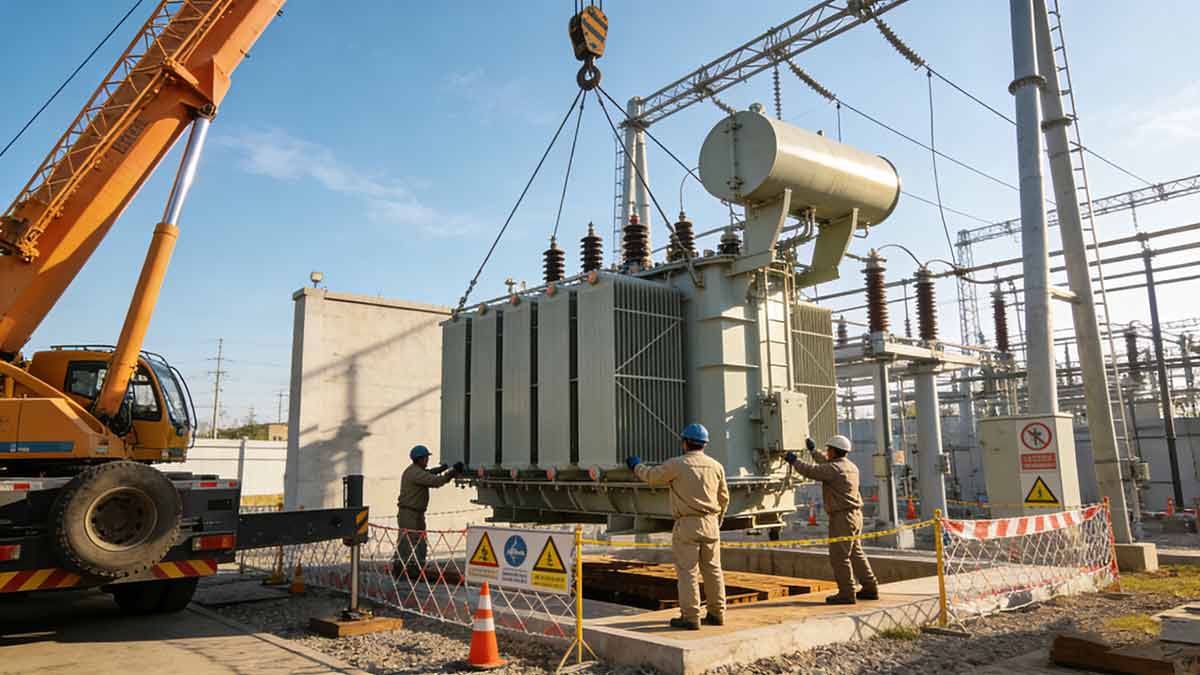
The loss performance of power transformers is categorized into two core dimensions: load loss and no-load loss, both of which are optimized through precision material selection and structural design. The low-loss design ensures that the transformer consumes minimal electrical energy during both active load operation and standby no-load status, reducing unnecessary power waste and lowering the total cost of ownership (TCO) for power supply systems.
| Loss Type | Optimization Mechanism | Operational Benefit |
|---|---|---|
| No-load Loss | Minimized via high-quality magnetic core materials and precision assembly | Reduces continuous standby energy consumption, cutting long-term operational expenses |
| Load Loss | Optimized through high-conductivity winding materials and low-resistance structural design | Lowers energy dissipation during high-load operation, enhancing overall power transmission efficiency |
| Combined Loss Performance | Integrated optimization of core and winding components | Delivers stable power-saving effects, generating consistent economic returns throughout the transformer’s lifecycle |
This characteristic addresses a critical industry question: how to balance power transmission efficiency with operational costs. The low-loss design of power transformers eliminates excessive energy waste, making them an economically viable solution for urban power grids, industrial power systems, and commercial power facilities.
Ultra-Low Partial Discharge & High Insulation Reliability
Partial discharge level is a critical indicator reflecting the insulation integrity and operational safety of power transformers, with strict industry standards governing this parameter for high-reliability equipment. Premium power transformers feature a partial discharge level controlled below 10PC, a benchmark that ensures stable insulation performance and extended service life.
The design supporting this low partial discharge characteristic includes moisture and dust-resistant winding structures, which prevent environmental contaminants from compromising insulation performance. The windings are manufactured with a sealed, non-absorbent structure that repels moisture and dust accumulation, maintaining consistent insulation strength even in harsh operating environments.
Complementing the insulation design is exceptional mechanical strength, which enables the transformer to withstand operational vibrations, transportation shocks, and short-term electrical stress without structural deformation. This combination of low partial discharge, contamination resistance, and high mechanical strength establishes a high-reliability operational foundation, reducing the risk of insulation failures and unplanned downtime.
Short-Circuit Withstand & Lightning Impulse Resistance
Power transformers must possess robust resistance to extreme electrical disturbances to ensure grid stability, and short-circuit withstand capability, along with lightning impulse resistance, are non-negotiable protective characteristics. These features safeguard the transformer and connected power systems from sudden electrical anomalies, preventing catastrophic equipment damage and grid disruptions.
Short-circuit withstand performance is engineered to handle sudden overcurrent events caused by grid faults, with the winding and core structures reinforced to maintain structural integrity under extreme electromagnetic forces. Lightning impulse resistance, meanwhile, protects the transformer from high-voltage surges induced by lightning strikes or switching operations, preserving internal components and ensuring an uninterrupted power supply.
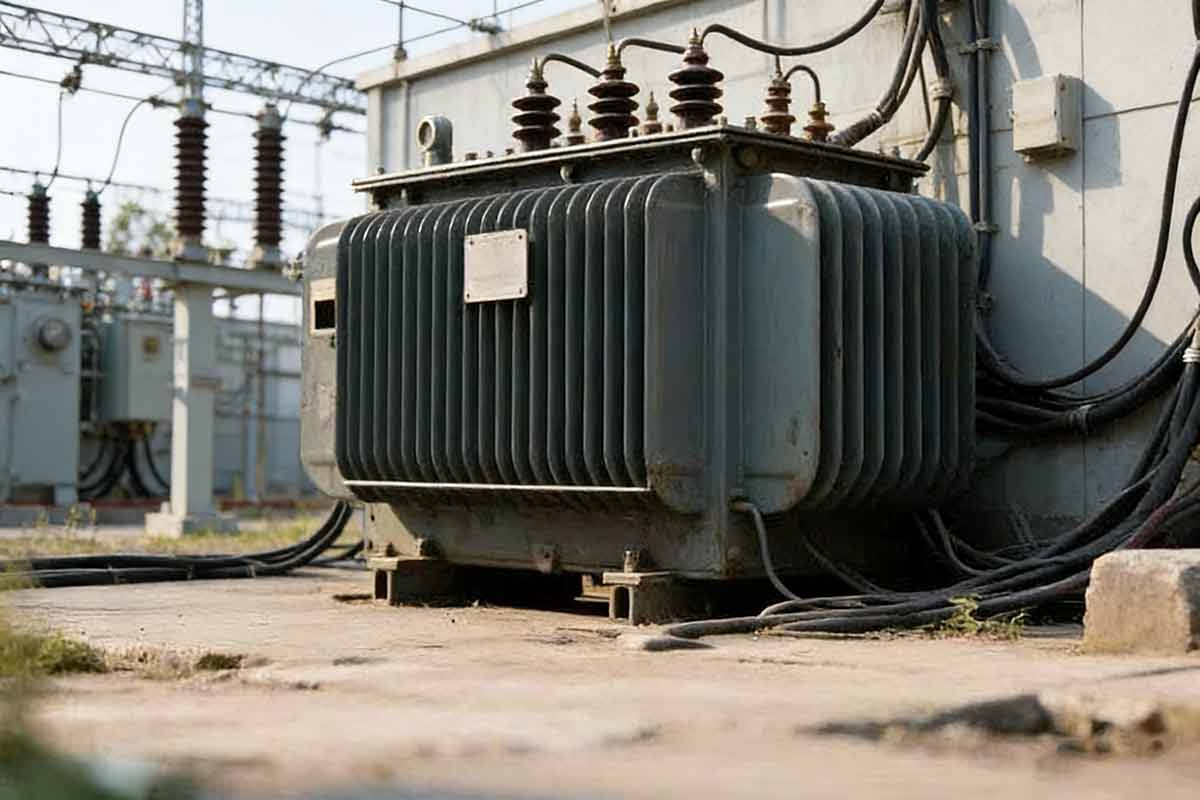
These protective characteristics are essential for grid resilience, addressing the key concern of transformer survivability under abnormal electrical conditions. They ensure that power transformers can operate reliably in regions with frequent lightning activity or grids prone to transient electrical disturbances.
Core Design & Material Characteristics of Power Transformers
The core is the central magnetic component of power transformers, and its material composition and structural design directly determine magnetic conductivity, energy loss, and operational noise. This section details the specialized core characteristics that distinguish high-performance power transformers, providing technical insights for engineering evaluation.
High-Performance Magnetic Core Materials
The core of professional power transformers is fabricated from high-permeability, high-quality grain-oriented silicon steel, a material selected for its superior magnetic properties that optimize energy transfer efficiency. Grain-oriented silicon steel offers minimal magnetic reluctance, enabling efficient magnetic flux conduction and reducing energy loss during the magnetization-demagnetization cycle.
This material choice directly addresses the industry demand for low no-load loss and low no-load current, two key metrics that define transformer operational efficiency. The high magnetic permeability of the silicon steel ensures that the core operates with minimal energy dissipation, even under continuous standby conditions.
Precision Core Structural Design
The core features a 45° full oblique stepping joint structure, a precision engineering design that minimizes air gaps and magnetic flux leakage at core joints. This design eliminates discontinuities in the magnetic circuit, further reducing no-load loss and operational noise compared to conventional joint structures.
The core is constructed with a specialized square tube drawing board structure, enhancing structural rigidity and dimensional stability. The core column is securely bound with high-grade insulating tape, preventing structural loosening and maintaining consistent magnetic performance throughout the transformer’s service life.
Core Surface Protection & Performance Enhancement
A specialized resin coating is applied to the entire core surface, providing dual protection against moisture and rust. This protective layer prevents environmental corrosion and moisture ingress, preserving the magnetic properties of the silicon steel and maintaining consistent performance in humid or corrosive operating environments.
The combined effects of material selection, structural design, and surface protection deliver measurable performance improvements, as outlined in the table below:
| Core Design Feature | Technical Function | Performance Improvement |
|---|---|---|
| High-permeability grain-oriented silicon steel | Optimizes magnetic flux conduction | Reduces the no-load loss and the no-load current significantly |
| 45° full oblique stepping joints | Minimizes magnetic flux leakage and air gaps | Lowers operational noise and enhances magnetic circuit efficiency |
| Square tube drawing board structure | Improves core structural stability | Ensures dimensional consistency and mechanical durability |
| Insulating tape binding for the core column | Secures core components | Prevents structural loosening and maintains magnetic performance |
| Specialized resin surface coating | Provides moisture and rust protection | Preserves core integrity and extends service life |
Structural & Enclosure Characteristics of Power Transformers
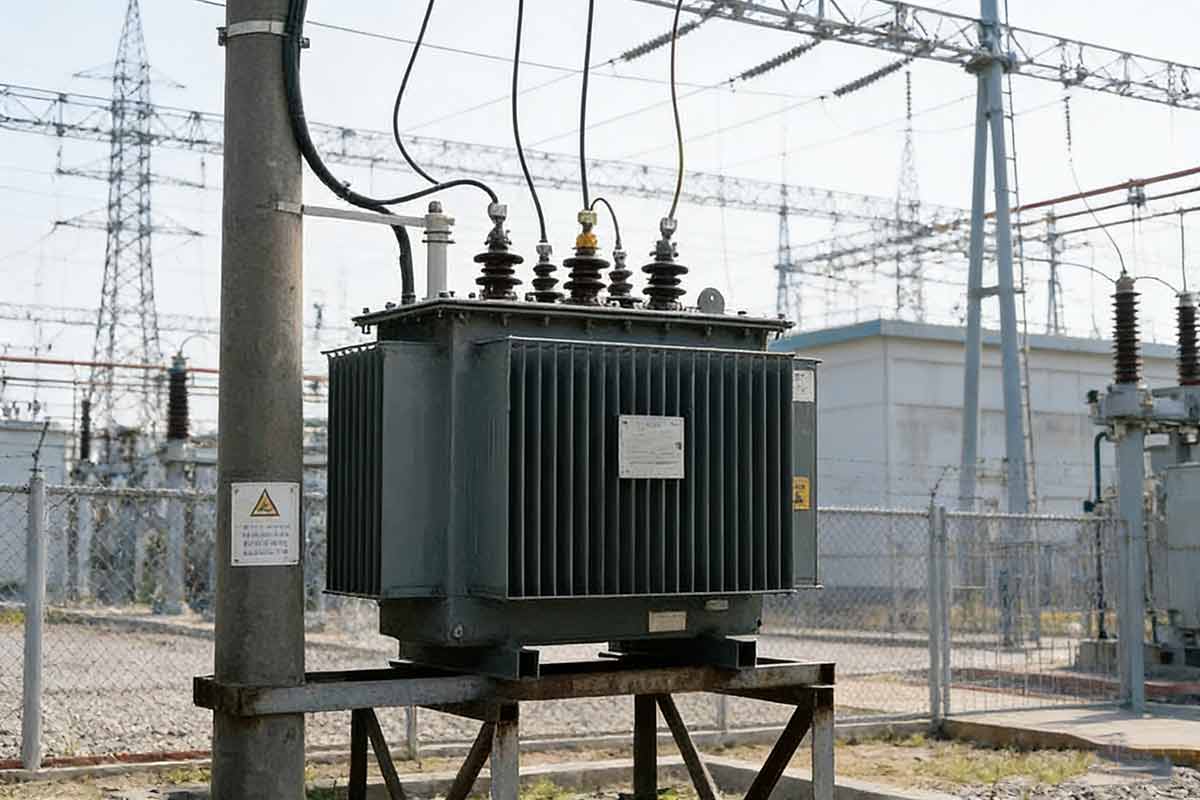
The enclosure and external structural design of power transformers influence heat dissipation, installation flexibility, and environmental adaptability. This section analyzes the material options, heat dissipation method,s and wiring configurations that define the structural characteristics of modern power transformers.
Enclosure Material Options
Power transformer enclosures are manufactured using three high-quality industrial materials, each selected for specific environmental and operational requirements: stainless steel, cold-rolled steel plate, and aluminum alloy. These materials offer excellent mechanical strength, corrosion resistanc,e and durability, ensuring the enclosure protects internal components throughout the transformer’s service life.
| Enclosure Material | Key Properties | Suitable Application Environments |
|---|---|---|
| Stainless Steel | High corrosion resistance, rust-proof, and high mechanical strength | Coastal areas, humid industrial zones, corrosive environments |
| Cold-Rolled Steel Plate | Good structural rigidity, cost-effective, easy processing | General industrial facilities, urban power distribution stations |
| Aluminum Alloy | Lightweight, excellent thermal conductivity, corrosion-resistant | Projects with weight constraints, commercial buildings, compact installation spaces |
Heat Dissipation System Characteristics
The transformers are equipped with a draft cooling heat dissipation system, a design that efficiently regulates operating temperature and prevents overheating during continuous high-load operation. The draft cooling mechanism ensures optimal heat exchange, maintaining the transformer’s internal temperature within safe operating ranges and preserving the performance of winding insulation and core components.
Effective heat dissipation is a critical characteristic that extends transformer service life, as excessive temperature rise accelerates insulation degradation and reduces operational efficiency. The draft cooling design ensures stable thermal performance, even under peak load conditions.
Flexible Wiring & Installation Configuration
A key practical characteristic of power transformers is the flexibility of inlet and outlet wiring configurations, which supports diverse installation scenarios. The wiring system allows for multiple connection modes: top-entry and top-exit, bottom-entry and top-exit, and bottom-entry and bottom-exit.
This wiring flexibility addresses the challenge of adapting to different installation spaces and electrical layout requirements, enabling seamless integration into existing power systems. It reduces the need for custom wiring modifications during installation, lowering overall project implementation time and costs.
Safety, Environmental & Maintenance Characteristics
Safety, environmental compatibility, and maintenance accessibility are core characteristics that align power transformers with modern industrial and urban power grid standards. This section explores these attributes, which address critical concerns regarding operational safety, environmental impact, and long-term maintenance costs.
Flame-Retardant, Explosion-Proof & Pollution-Free Properties
Modern power transformers are engineered with inherent flame-retardant and explosion-proof characteristics, eliminating fire and explosion risks during operation. The materials and structural design comply with strict fire safety standards, making the transformers suitable for high-safety environments.
Additionally, the transformers feature a pollution-free operational profile, with no harmful emissions or fluid leaks that could impact the surrounding environment. This environmental compatibility aligns with global green energy and sustainable power system initiatives, meeting regulatory requirements for eco-friendly electrical equipment.
Maintenance-Free Operational Design
A defining practical characteristic is the maintenance-free design, which eliminates the need for regular maintenance tasks. This design reduces labor costs, maintenance downtime, and resource consumption, providing a hassle-free operational solution for power system operators.
The maintenance-free attribute is enabled by the robust, sealed internal structure, contamination-resistant components, and durable material selection, which prevent performance degradation and component wear that would require servicing.
Distributed Load Center Installation Advantage
The combination of safety, compact design, and maintenance-free operation allows for dispersed installation at load centers, a key characteristic that optimizes power system layout and reduces overall investment. Installing transformers directly at load centers minimizes power transmission distances, reducing line loss and infrastructure costs associated with long-distance power delivery.
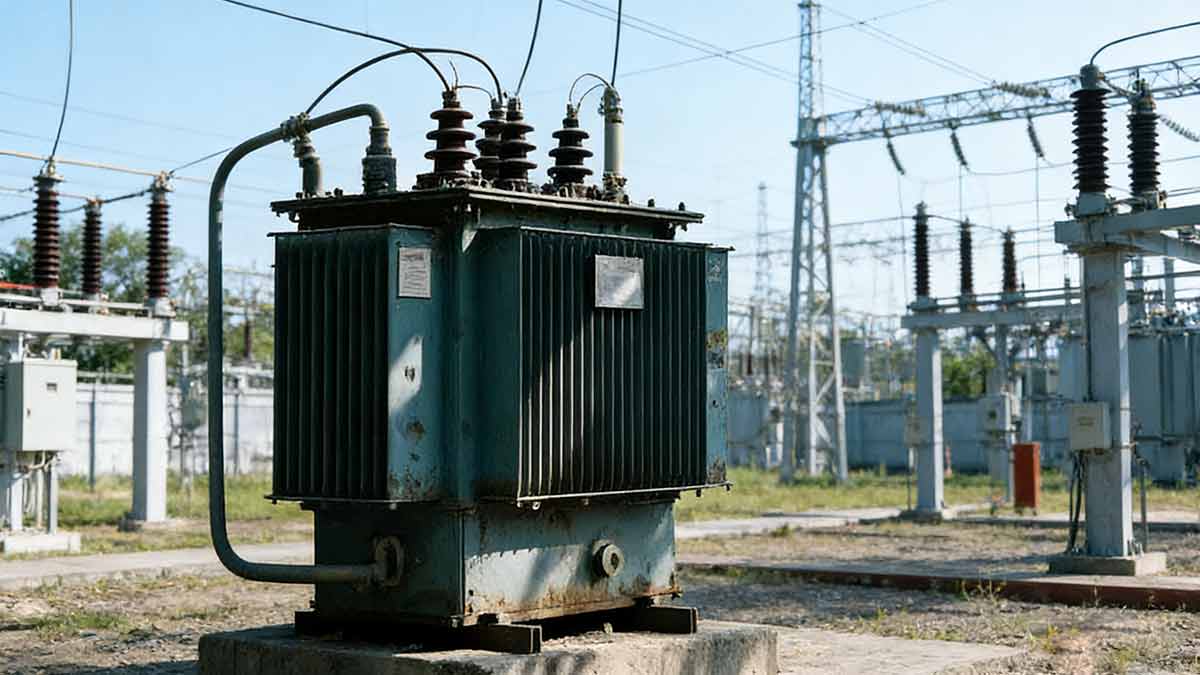
This installation flexibility lowers the total capital investment for power distribution projects, while also improving power supply efficiency and voltage stability at the load end. It addresses the industry need for cost-effective, decentralized power distribution solutions.
Application-Oriented Characteristics of Power Transformers
The comprehensive characteristics of power transformers make them highly adaptable to a wide range of critical applications, with performance tailored to meet the specific requirements of different operating scenarios. This section outlines the application-oriented characteristics and suitable use cases.
Power transformers are classified as high-performance equipment with superior electrical strength, mechanical strength, and thermal resistance, making them an ideal solution for urban power grid renovation projects. The combination of all core characteristics positions these transformers as premium assets for modernizing aging power distribution systems.
Key Application Scenarios & Matching Characteristics
The transformers’ safety, reliability, and environmental characteristics make them particularly suitable for important facilities with stringent operational requirements. The table below matches key application scenarios with the relevant transformer characteristics:
| Application Scenario | Matching Core Characteristics | Rationale for Suitability |
|---|---|---|
| High-Rise Buildings | Flame-retardant, explosion-proof, maintenance-free, compact design | Meets strict fire safety codes; requires minimal maintenance in limited building spaces |
| Airports | High reliability, short-circuit withstand, lightning impulse resistance | Ensures uninterrupted power supply for critical airport operations; withstands electrical disturbances |
| Power Stations | High electrical strength, low loss, robust core design | Supports stable power generation and transmission; optimizes operational efficiency |
| Commercial Centers | Pollution-free, flexible wiring, distributed installation | Adapts to commercial power demands; complies with urban environmental standards |
This adaptability to critical applications stems from the integration of all core characteristics, ensuring the transformers meet the most demanding operational and safety standards in the power industry.
Conclusion
The characteristics of power transformers encompass a holistic blend of electrical performance, material science, structural engineering, safety design, and practical application adaptability. From low-loss energy efficiency and ultra-reliable electrical performance to robust safety features and flexible installation, each characteristic is engineered to address key industry challenges and end-user requirements.
The optimized core design, premium material selection, advanced thermal management, and maintenance-free operation collectively establish these transformers as a superior choice for modern power systems. Their ability to deliver economic benefits, ensure operational safety, reduce environmental impact, and adapt to diverse critical applications solidifies their role as an essential component in urban grid renovation, industrial power distribution, and high-sensitivity facility power supply.
Understanding these core characteristics is essential for informed decision-making in transformer selection, ensuring that power systems achieve optimal efficiency, reliability, and cost-effectiveness throughout their operational lifecycle. As power grid technology continues to evolve, the foundational characteristics of power transformers remain central to building resilient, sustainable, and high-performance electrical infrastructure.