
What Are the Core Structural Differences Between Dry Type and Oil Type Transformers?
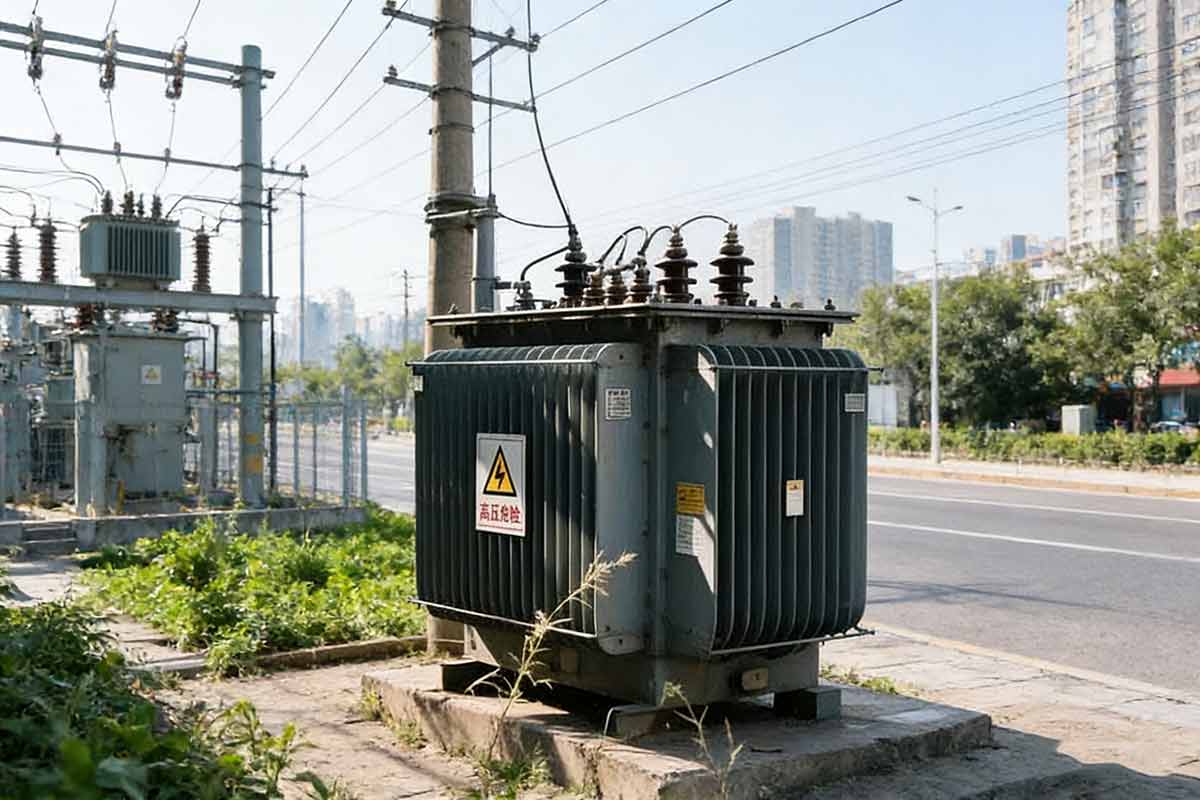
External Structure and Visible Components
The fundamental structural divergence between dry type and oil type transformers establishes their distinct physical identities, which directly influence installation, inspection, and daily maintenance workflows. This structural variance is not merely cosmetic but underpins their operational characteristics and suitability for different environments.
| Comparison Aspect | Dry Type Transformer | Oil Type Transformer |
|---|---|---|
| Core and Coil Exposure | The iron core and copper/aluminum coils are fully exposed and visible without any enclosed liquid medium; the winding structure can be directly observed during routine checks | The core and coil assembly is completely enclosed within a sealed metal tank, with no direct visibility of internal components; all vital parts are submerged and protected from external exposure |
| Outer Enclosure | Features an open or semi-open protective casing, often with ventilation grilles to facilitate air circulation; the casing serves as a physical barrier without a liquid containment function | Utilizes a robust, hermetically sealed steel tank as the primary enclosure, engineered to contain insulating oil and prevent leakage; the tank is the main structural and protective component |
| Overall Profile | Compact, modular design with a smaller footprint relative to its capacity; lighter in weight for equivalent low-to-medium power ratings | Bulkier structure due to the oil tank and cooling radiator assembly; significantly heavier, requiring sturdier foundation support for installation |
Bushing and Terminal Design
Bushings act as critical insulation interfaces between the transformer’s internal windings and external electrical connections, and the material and design selection for bushings directly correlate with the transformer’s insulation system and operational environment.
| Comparison Aspect | Dry Type Transformer | Oil Type Transformer |
|---|---|---|
| Primary Bushing Material | Predominantly constructed from high-grade silicone rubber, with some models utilizing epoxy resin composite materials for enhanced mechanical strength | Primarily manufactured from porcelain ceramic, with modern high-voltage models incorporating polymer composite bushings for improved impact resistance |
| Bushing Design Features | Lightweight, flexible design with excellent hydrophobic properties; resistant to cracking and suitable for indoor, low-pollution environments | Rigid, high-voltage insulation design with superior dielectric strength; engineered to withstand outdoor environmental stressors and high electrical stress |
| Terminal Connection Style | Direct, accessible terminal connections integrated with the silicone rubber bushings; simplified for indoor wiring and connection procedures | Sealed, oil-tight terminal connections integrated with porcelain bushings; designed to maintain oil integrity and prevent moisture ingress in outdoor settings |
How Do Insulation and Heat Dissipation Mechanisms Differ in Dry Type vs Oil Type Transformers?
Insulation Material and System Design
Insulation is the cornerstone of transformer reliability, determining dielectric performance, operational lifespan, and resistance to environmental factors. The insulation systems of dry type and oil type transformers are engineered around entirely different material principles, leading to varied performance profiles.
| Comparison Aspect | Dry Type Transformer | Oil Type Transformer |
|---|---|---|
| Primary Insulation Medium | Cast epoxy resin or vacuum pressure impregnated (VPI) resin systems; solid, dry insulation with no liquid components | Mineral insulating oil (or synthetic ester oil for eco-friendly models); liquid insulation that also functions as a heat transfer medium |
| Insulation Performance | High fire-retardant properties, low smoke emission, and zero risk of liquid leakage; stable dielectric strength in dry, controlled environments | Excellent dielectric properties and natural cooling capabilities; provides superior insulation for high-voltage, high-capacity applications |
| Environmental Compatibility | Resistant to humidity only in controlled indoor settings; performance may degrade in excessively damp or polluted conditions | Immune to moderate humidity and airborne contaminants, the oil medium protects internal components from environmental corrosion |
Heat Dissipation Technology and Efficiency
Effective heat dissipation is essential to maintain optimal winding temperatures and prevent thermal degradation, directly impacting the transformer’s overload capacity and service life. The two transformer types employ fundamentally different thermal management approaches.
| Comparison Aspect | Dry Type Transformer | Oil Type Transformer |
|---|---|---|
| Primary Cooling Method | Natural air convection (AN) is the standard cooling mode for standard capacity models; no liquid involvement in heat transfer | Forced oil circulation with radiator cooling (ONAN/ONAF/ODAF); insulating oil absorbs heat from windings and transfers it to external radiators |
| Augmented Cooling for High Loads | Forced air cooling (AF) via external fans, activated automatically when winding temperatures exceed preset thresholds | Forced oil flow combined with forced air cooling over radiators, with options for water-cooled heat exchangers for ultra-high capacity units |
| Thermal Efficiency | Lower thermal conductivity compared to oil; requires larger winding cross-sections to manage heat, limiting compactness for high capacities | Exceptional thermal conductivity of insulating oil enables efficient heat removal; supports higher power densities and continuous overload operation |
| Temperature Control Precision | Temperature monitoring relies on direct winding temperature sensors; heat distribution is less uniform across the coil structure | Uniform heat distribution throughout the oil medium; precise temperature regulation with multiple monitoring points for optimal thermal management |
What Are the Capacity and Voltage Rating Limitations for Dry Type vs Oil Type Transformers?
Standard Capacity Ranges
The physical and thermal constraints of each transformer type define their practical capacity ranges, shaping their roles in power distribution and transmission networks.
| Transformer Type | Standard Capacity Range | Special Capacity Applications |
|---|---|---|
| Dry Type Transformer | Primarily designed for low to medium capacity, with the majority of models rated below 1600 kVA; extended designs can reach up to 10,000 kVA for specialized indoor applications | Limited to distribution-level power supply; not suitable for bulk power transmission or large-scale industrial power generation facilities |
| Oil Type Transformer | Covers the full spectrum of capacity ratings, from small distribution units (10 kVA) to ultra-high capacity power transformers (1,000,000 kVA and above) | The exclusive choice for large-scale power transmission substations, industrial power plants, and high-power industrial operations |
Voltage Level Applications
Voltage compatibility is a defining factor in transformer selection, with each type engineered to excel within specific voltage tiers based on its insulation and structural design.
| Transformer Type | Standard Voltage Ratings | High-Voltage Application Capability |
|---|---|---|
| Dry Type Transformer | Optimized for low to medium voltage distribution, typically up to 10 kV; specialized models are available for 35 kV distribution networks | Not designed for extra-high voltage (EHV) or ultra-high voltage (UHV) transmission; structural and insulation limitations prevent use in grid transmission systems |
| Oil Type Transformer | Compatible with all voltage levels, from low-voltage distribution (0.4 kV) to ultra-high voltage transmission (1000 kV and above) | The only technically viable option for UHV transmission lines, including China’s under-construction 1000 kV UHV test and commercial transmission networks |
Where Are Dry Type and Oil Type Transformers Most Commonly Applied, and Why?
Ideal Application Scenarios for Dry Type Transformers
Dry type transformers are selected based on their safety and environmental attributes, making them the preferred choice for settings where fire risk and leakage concerns are critical priorities.
- Commercial and Residential High-Rise Buildings: Deployed in indoor substations of skyscrapers, shopping malls, hospitals, and data centers, where fire safety and non-toxic operation are mandatory to protect occupants and sensitive equipment.
- Indoor Industrial Facilities: Utilized in food processing plants, pharmaceutical manufacturing, electronics assembly, and other indoor industrial environments where liquid leakage could contaminate products or production processes.
- Public Infrastructure Venues: Installed in underground transportation hubs, subway stations, airports, and government buildings, where enclosed spaces demand fire-resistant, low-smoke electrical equipment.
- Urban Compact Substations: Fitted into small, urban distribution substations with limited space, where outdoor installation is not feasible, and noise and safety regulations are stringent.
Ideal Application Scenarios for Oil Type Transformers
Oil type transformers are chosen for their superior performance in high-capacity, high-voltage, and outdoor environments, prioritizing efficiency and durability over indoor safety constraints.
- Outdoor Power Distribution Substations: The standard choice for outdoor distribution substations in urban and rural areas, where ample space is available, and environmental exposure is manageable.
- High-Voltage Transmission Networks: Exclusively used in EHV and UHV transmission substations, serving as the core component of national and regional power grid infrastructure.
- Large Industrial Complexes: Deployed in steel mills, chemical plants, oil refineries, and heavy manufacturing facilities, requiring high-capacity, continuous power supply with excellent thermal stability.
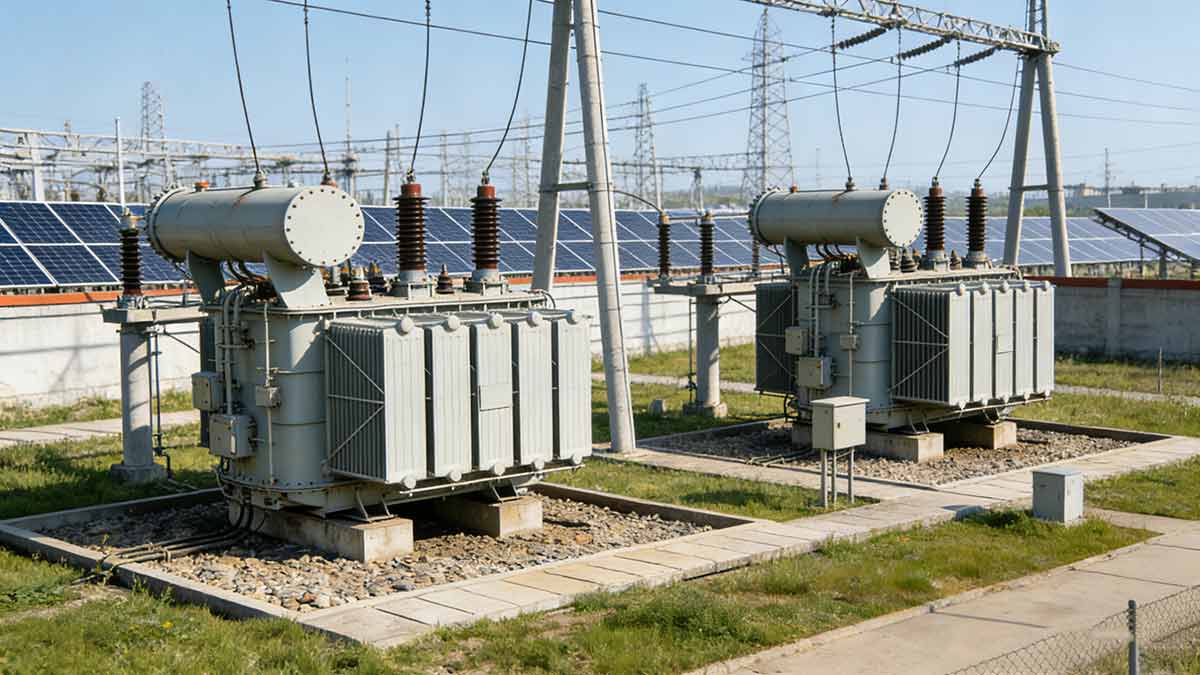
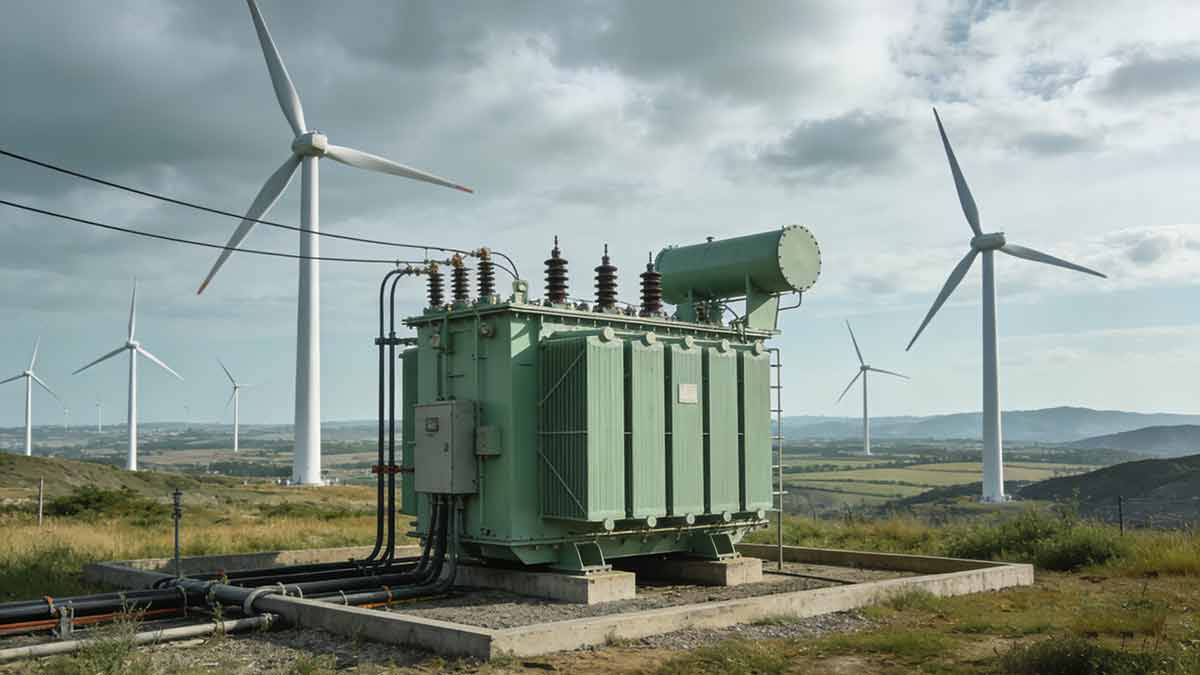
- Remote and Outdoor Installations: Suitable for remote power stations, wind farms, solar farms, and mining operations, where the transformer must withstand harsh outdoor weather conditions and temperature fluctuations.
- Specialized Outdoor Installations: Installed in locations with dedicated oil containment systems, including engineered oil sumps and drainage systems to mitigate fire and environmental risks in case of leakage.
What Are the Safety and Environmental Compliance Differences Between Dry Type and Oil Type Transformers?
Fire Safety and Hazard Risk Profiles
Safety compliance is a primary consideration for transformer procurement, with distinct risk profiles dictating regulatory requirements and installation protocols.
| Safety Aspect | Dry Type Transformer | Oil Type Transformer |
|---|---|---|
| Fire Risk | Inherently fire-retardant due to solid resin insulation; does not support combustion and produces minimal smoke in the event of a fault; eliminates the risk of flammable liquid ignition | Carries a moderate fire risk associated with insulating oil; mineral oil is flammable, and a fault could lead to oil ignition, thermal runaway, or fire spread |
| Leakage Hazard | Zero risk of liquid leakage; no hazardous material release, making it safe for indoor and sensitive environmental locations | Potential for oil leakage due to tank damage or seal failure; leaked oil poses environmental contamination risks and requires specialized cleanup procedures |
| Explosion Risk | Virtually no explosion risk; operates without a pressurized liquid medium, eliminating the potential for explosive rupture | Low but non-zero explosion risk under extreme fault conditions; pressure build-up within the oil tank can lead to structural failure in rare, severe scenarios |
Environmental Protection and Regulatory Compliance
Environmental impact and adherence to international standards are increasingly important in transformer selection, aligning with global sustainability initiatives.
| Compliance Aspect | Dry Type Transformer | Oil Type Transformer |
|---|---|---|
| Environmental Impact | Eco-friendly with no liquid waste; minimal environmental footprint throughout its lifecycle, from manufacturing to disposal | Requires proper management of insulating oil; used oil must be recycled or disposed of per environmental regulations to prevent soil and water contamination |
| Installation Regulatory Requirements | No requirement for oil containment structures; can be installed directly on standard floors in indoor facilities, reducing construction costs | Mandates the installation of oil containment pits, drainage systems, and fire suppression systems in outdoor installations to comply with environmental and safety regulations |
| Disposal and Recycling | Simplified end-of-life processing; solid resin components are non-hazardous and easier to dismantle and recycle | Requires specialized disposal of insulating oil and tank materials; strict adherence to hazardous waste management protocols is essential |
How Do Maintenance Requirements and Lifecycle Costs Compare for Dry Type vs Oil Type Transformers?
Routine Maintenance Protocols
Maintenance frequency and complexity directly impact operational costs and downtime, with each transformer type having unique maintenance demands.
| Maintenance Task | Dry Type Transformer | Oil Type Transformer |
|---|---|---|
| Regular Inspection | Visual inspections of coils, core, and bushings; cleaning of ventilation grilles; temperature sensor calibration; minimal disassembly required | Oil quality testing (dielectric strength, moisture content, acidity); inspection of tank seals, radiators, and pressure relief devices; bushing integrity checks |
| Maintenance Frequency | Low maintenance requirements; annual visual inspections are sufficient for most standard applications | Scheduled maintenance every 1–3 years, depending on operating conditions; oil sampling and testing at regular intervals to monitor degradation |
| Maintenance Complexity | Simple, performed by on-site electrical staff with basic training; no specialized equipment or chemical handling required | More complex, often requiring certified technicians and specialized testing equipment; involves safe handling and testing of insulating oil |
Lifecycle Cost Analysis
Total cost of ownership encompasses initial investment, installation, maintenance, and end-of-life costs, providing a holistic view of economic viability.
| Cost Component | Dry Type Transformer | Oil Type Transformer |
|---|---|---|
| Initial Purchase Cost | Higher upfront capital investment due to specialized resin insulation and manufacturing processes | Lower initial purchase cost for equivalent capacity and voltage ratings, with cost efficiency increasing at higher capacity tiers |
| Installation Cost | Lower installation expenses; no need for oil containment systems, fire suppression modifications, or specialized foundation work | Higher installation cost; includes construction of oil sumps, reinforced foundations, and additional fire safety infrastructure |
| Operational and Maintenance Cost | Lower long-term maintenance costs; reduced labor and material expenses over the transformer’s lifespan | Higher ongoing maintenance costs; includes oil testing, filtration, replacement, and periodic tank maintenance |
| Lifespan and Replacement Cost | Typical service life of 20–25 years with proper maintenance; replacement costs align with initial investment | Typical service life of 30–35 years with regular oil maintenance; longer operational lifespan reduces frequency of full replacement |
What Key Factors Should Be Considered When Choosing Between Dry Type and Oil Type Transformers?
To select the optimal transformer type, project stakeholders must evaluate a combination of technical, environmental, and economic factors tailored to their specific application requirements.
Primary Selection Criteria
- Installation Environment: Indoor, fire-sensitive locations prioritize dry type transformers; outdoor, spacious locations with containment capabilities are suitable for oil type transformers.
- Capacity and Voltage Requirements: Low-to-medium capacity distribution needs favor dry type transformers; high-capacity, high-voltage transmission demands necessitate oil type transformers.
- Safety and Regulatory Standards: Projects subject to strict fire codes and indoor safety regulations should select dry type transformers to ensure compliance.
- Budget and Total Cost of Ownership: Short-term budget constraints may lean toward oil type transformers, while long-term operational cost savings can justify dry type transformer investments.
- Environmental Sustainability Goals: Eco-conscious projects with zero-leakage and minimal waste objectives will benefit from dry type transformer solutions.
- Space Limitations: Urban, compact indoor installations with limited space are better suited for the compact footprint of dry type transformers.
Final Recommendation Framework
| Project Scenario | Recommended Transformer Type | Key Justification |
|---|---|---|
| Indoor high-rise, data center, hospital | Dry Type Transformer | Superior fire safety, zero leakage risk, compliance with strict indoor safety standards |
| Outdoor substation, high-voltage grid, large industrial plant | Oil Type Transformer | High capacity/voltage compatibility, long lifespan, cost-efficiency for large-scale applications |
| Urban compact indoor distribution | Dry Type Transformer | Compact design, low maintenance, suitability for confined indoor spaces |
| Remote outdoor power facility | Oil Type Transformer | Durability in harsh environments, high thermal efficiency, minimal environmental impact with proper containment |
This comprehensive analysis of dry type transformer vs oil type transformer covers all critical technical, operational, safety, and economic dimensions, providing authoritative guidance for engineers, project managers, and procurement professionals. By understanding these nuanced differences, stakeholders can make informed decisions that align with their project’s performance requirements, safety regulations, budget constraints, and sustainability objectives, ensuring reliable and efficient power distribution for years to come.