
Whether you are an operations manager overseeing a manufacturing facility, an IT director responsible for data center uptime, or an engineer optimizing utility power networks, gaining a profound understanding of the 2 MVA Transformer’s functionality, applications, selection criteria, and maintenance requirements is indispensable. This guide addresses the most pressing questions surrounding 2 MVA Transformers, delivering authoritative insights to empower you to make informed decisions aligned with your specific power system needs.
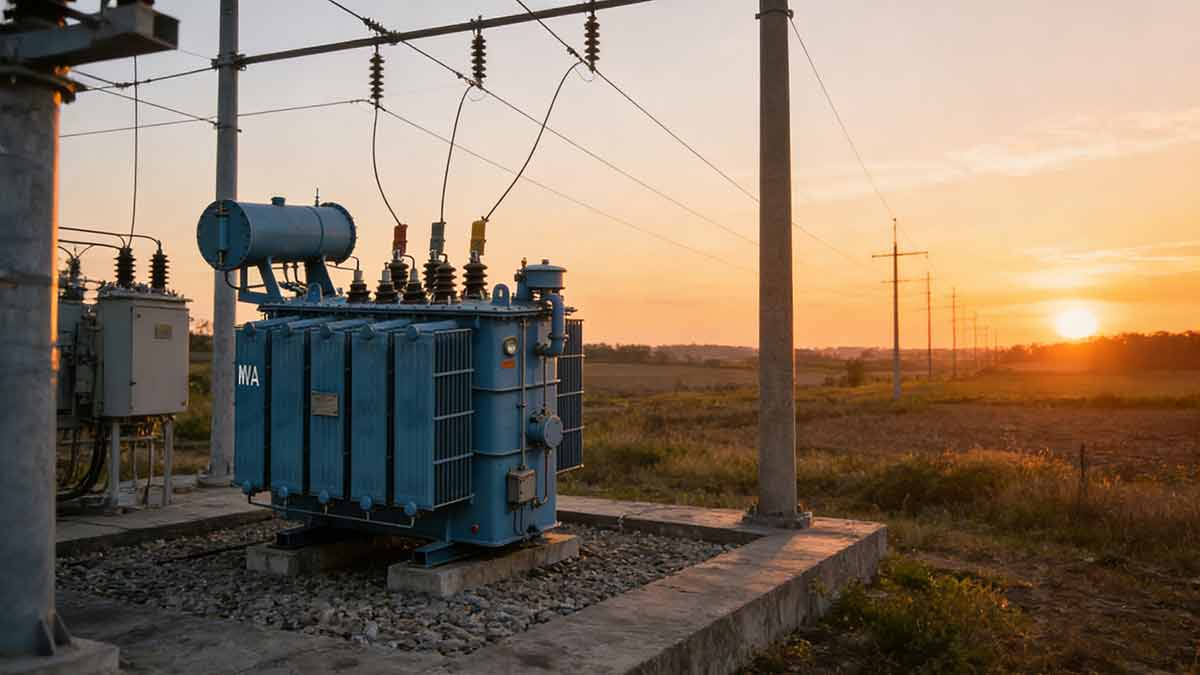
2 MVA Transformer: Definition and Core Working Principles
Before exploring the practical applications and selection processes, it is critical to establish a clear comprehension of what a 2 MVA Transformer entails and how its core mechanisms drive industrial power distribution. Unlike low-capacity transformers designed for residential or light commercial use, 2 MVA Transformers are engineered to handle substantial power loads, making their operational principles and design specifications central to seamless industrial operations.
What Does “2 MVA” Signify in a Transformer?
The designation “2 MVA” denotes the apparent power rating of the transformer, quantified in Megavolt-amperes (MVA). Apparent power represents the total electrical capacity a transformer can manage, encompassing both real power (the energy used for actual work, measured in kilowatts, kW) and reactive power (the energy required to generate the magnetic field essential for power transfer, measured in kilovolt-amperes reactive, kVAR). A 2 MVA Transformer is equivalent to a 2000 kilovolt-ampere (kVA) unit, signifying its capability to transmit 2000 kVA of apparent power across electrical circuits.
This rating is not arbitrary; it serves as a foundational design parameter that dictates critical aspects of the transformer, including its physical size, winding configuration, insulation system, and cooling requirements. For industrial users, a clear grasp of the 2 MVA rating is essential to ensure the transformer can accommodate peak power demands without overheating, voltage fluctuations, or premature failure—issues that could lead to costly downtime and safety hazards.
Electromagnetic Induction: The Fundamental Mechanism of 2 MVA Transformers
Like all transformers, the 2 MVA Transformer operates on the principle of electromagnetic induction, a phenomenon first documented by Michael Faraday in the 19th century. This principle enables the transfer of electrical power between two separate circuits without direct electrical contact, a feature that is pivotal for both safety and precise voltage regulation in industrial settings.
A typical 2 MVA Transformer comprises two primary components: a primary winding and a secondary winding, both coiled around a magnetic core (usually constructed from laminated steel to minimize energy loss). When alternating current (AC) flows through the primary winding, it generates a changing magnetic flux within the core. This fluctuating flux induces an electromotive force (EMF) in the secondary winding, which in turn produces an alternating current in the secondary circuit. The voltage ratio between the primary and secondary windings is directly proportional to the number of turns in each winding—a relationship that enables the transformer to either step up (increase) or step down (decrease) voltage levels as required.
What distinguishes 2 MVA Transformers from smaller units is their robust construction to handle high power loads. The windings are fabricated using thicker conductors to accommodate the high current associated with large power ratings, while the magnetic core is larger to support the higher flux density needed for transferring 2 MVA of power efficiently. These design features ensure minimal energy loss (specifically hysteresis and eddy current losses in the core), optimizing overall operational efficiency.
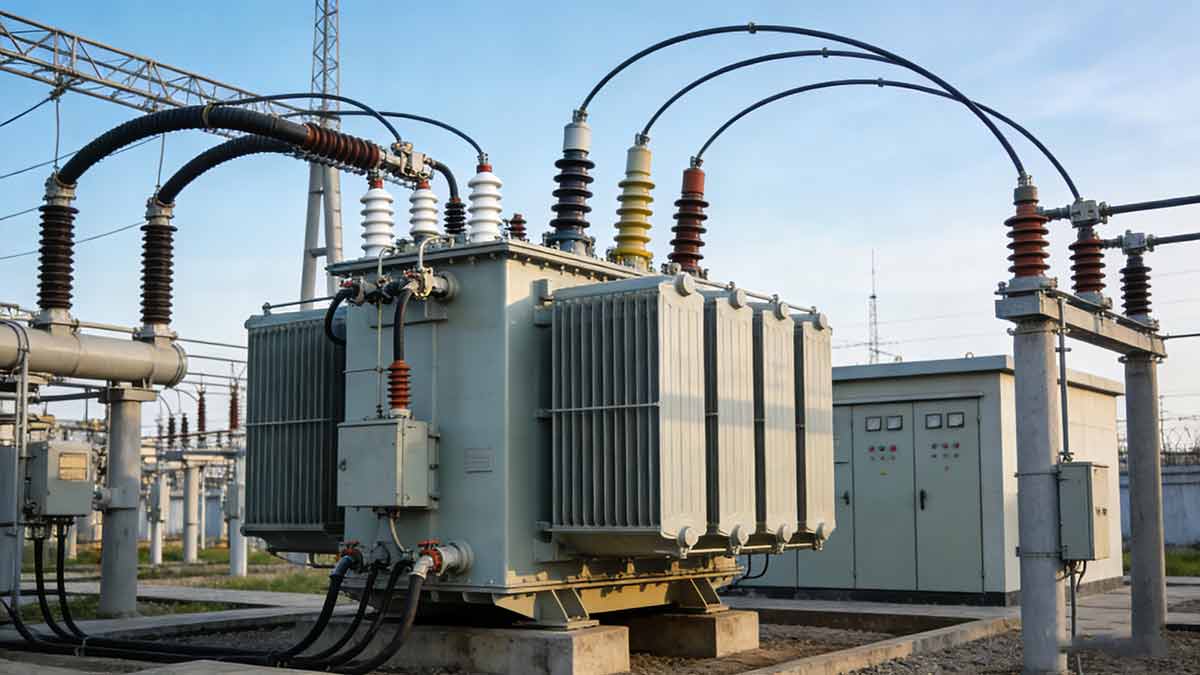
Key Applications of 2 MVA Transformer in Modern Industrial Environments
The high power capacity and versatility of 2 MVA Transformers make them indispensable across a diverse range of medium to large-scale industrial and commercial applications. Their ability to regulate voltage, isolate circuits, and ensure stable power distribution addresses the unique needs of various sectors. Below are the most prominent applications where 2 MVA Transformers play a critical role in sustaining operations.
Large-Scale Manufacturing Facilities
Manufacturing plants—including automotive assembly lines, steel mills, chemical refineries, and textile factories—require immense amounts of power to operate heavy machinery, conveyor systems, heating and cooling equipment, and automated production technologies. These facilities typically receive high-voltage power from the utility grid, which is too elevated for direct use by most industrial machinery. A 2 MVA Transformer steps down this high voltage to a lower, usable level (for example, from 11 kV to 415 V), ensuring that equipment receives the precise voltage required for efficient and safe operation.
Moreover, manufacturing plants often feature multiple production lines with varying power demands. 2 MVA Transformers can be strategically configured to supply power to specific sections of the facility, enabling better load management and reducing the risk of a single power outage affecting the entire plant. For instance, a steel mill might utilize one 2 MVA Transformer to power its blast furnace auxiliary systems, while another unit handles the energy needs of the rolling mill operations.
Data Centers and Telecommunication Facilities
Modern data centers house thousands of servers, storage devices, and networking equipment—all of which require continuous, uninterrupted power to prevent data loss and costly downtime. The power demands of large data centers are staggering; some consume as much electricity as a small city. 2 MVA Transformers are integral to these facilities, stepping down utility grid voltage to a level compatible with the data center’s internal power distribution system, which then supplies power to Uninterruptible Power Supply (UPS) systems, cooling units, and IT infrastructure.
Circuit isolation is another critical benefit of 2 MVA Transformers in data centers. By separating the primary (utility) circuit from the secondary (data center) circuit, the transformer acts as a barrier against electrical disturbances—such as voltage spikes or surges from the grid—that could damage sensitive IT equipment. This isolation also enhances safety by limiting the spread of electrical faults between the utility grid and the data center’s internal systems.
Utility Companies and Power Distribution Networks
Utility companies rely on transformers to distribute power from generation plants (including coal, natural gas, nuclear, and renewable energy facilities) to residential, commercial, and industrial consumers. 2 MVA Transformers are a key component in medium-voltage distribution networks, typically deployed between substations and industrial or large commercial customers. For example, a utility company might use a 2 MVA Transformer to step down power from a 33 kV substation to 11 kV for distribution to industrial parks, or further reduce it to 415 V for large commercial buildings such as shopping malls, hospitals, or office complexes.
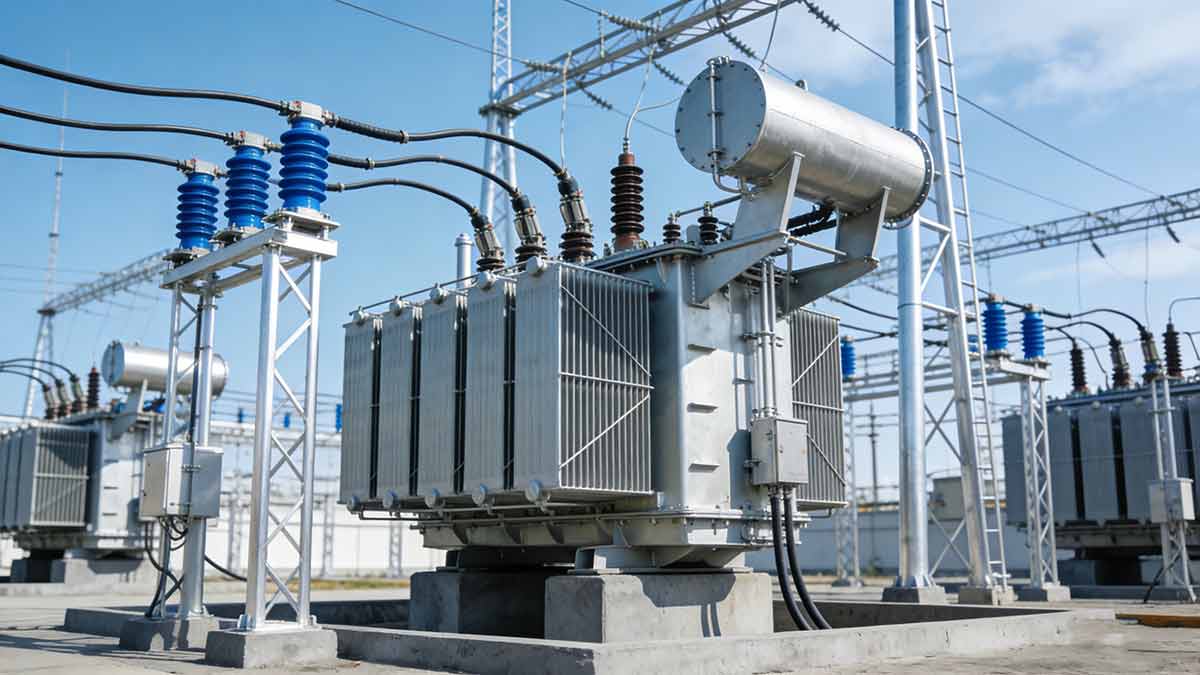
In renewable energy systems—such as wind farms and solar parks—2 MVA Transformers play a crucial role in integrating generated power into the utility grid. Wind turbines and solar panels produce low-voltage direct current (DC) power, which is first converted to alternating current (AC) by an inverter. A 2 MVA Transformer then steps up this low AC voltage to the high voltage required for efficient transmission through the grid, minimizing power loss during transit.
Commercial and Public Infrastructure
Large commercial buildings and public infrastructure projects also benefit significantly from 2 MVA Transformers. This category includes shopping malls, hotels, hospitals, airports, stadiums, and government buildings—all of which have high power demands due to lighting, heating, ventilation, and air conditioning (HVAC) systems, elevators, security systems, and other electrical equipment. A 2 MVA Transformer ensures that the power supply remains stable and properly regulated, preventing voltage fluctuations that could damage equipment or disrupt operations.
Hospitals, in particular, require ultra-reliable power to operate life-saving equipment such as ventilators, MRI machines, and operating room systems. 2 MVA Transformers are often paired with backup generators and UPS systems in these facilities to provide a redundant power supply, ensuring that critical equipment remains operational even during grid outages.
Critical Functions of 2 MVA Transformer Beyond Voltage Regulation
While voltage step-up and step-down capabilities are the most well-known functions of 2 MVA Transformers, these units offer several other critical benefits that are essential for maintaining safe and efficient industrial power systems. These additional functions contribute to the overall reliability, safety, and performance of the entire power distribution network, solidifying the transformer’s role as a multi-functional component.
Circuit Isolation and Safety Enhancement
Circuit isolation stands as one of the most important safety features of 2 MVA Transformers. By separating the primary circuit (connected to the utility grid or power source) from the secondary circuit (connected to the load), the transformer eliminates direct electrical contact between the two circuits. This isolation significantly reduces the risk of electric shock for workers maintaining the system, as the secondary circuit is not directly connected to the high-voltage primary circuit.
Isolation also protects equipment from electrical faults. For example, if a short circuit occurs in the secondary circuit, the transformer limits the current flow from the primary circuit, preventing the fault from spreading to the power source. This containment minimizes damage to equipment and reduces the likelihood of widespread power outages affecting other parts of the system.
Mitigation of Electrical Interference
Industrial environments are often plagued by electrical noise and interference from machinery, motors, and other electrical equipment. This interference can disrupt the operation of sensitive electronic devices, leading to data errors, equipment malfunctions, or reduced performance. 2 MVA Transformers help mitigate this interference by acting as a barrier between the noisy load side and the power source.
The magnetic core and winding configuration of the transformer effectively filter out high-frequency noise, preventing it from being transmitted to the primary circuit (and vice versa). This noise suppression is particularly critical in facilities with sensitive equipment, such as data centers, laboratories, and precision manufacturing plants, where electrical interference can result in significant financial losses and operational disruptions.
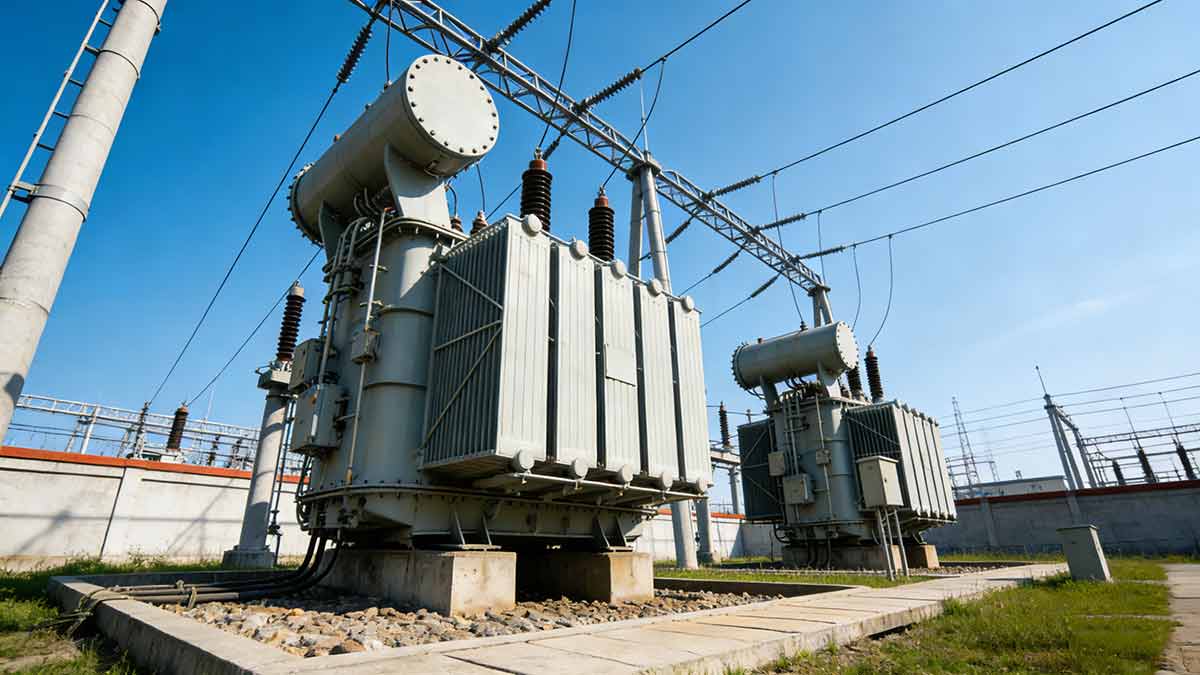
Load Balancing and Power Quality Improvement
In industrial power systems, uneven load distribution can lead to voltage fluctuations, increased energy loss, and reduced equipment lifespan. 2 MVA Transformers can be deployed to balance loads across different parts of the system, ensuring that each transformer operates within its rated capacity. For example, in a manufacturing plant with multiple production lines, separate 2 MVA Transformers can be assigned to each line, preventing one overloaded transformer from impacting the entire facility’s operations.
Additionally, 2 MVA Transformers play a key role in improving power quality by stabilizing voltage levels. Voltage sags (temporary drops) and surges (temporary increases) are common in industrial environments, often caused by the startup of heavy machinery or fluctuations in the utility grid. The transformer’s inductive reactance helps dampen these voltage variations, ensuring that the load receives a consistent and stable supply of power. This stable power supply enhances equipment performance, extends lifespan, and reduces maintenance costs and downtime.
Key Factors to Consider When Selecting a 2 MVA Transformer
Selecting the right 2 MVA Transformer for your application is a critical decision that directly impacts the efficiency, reliability, and safety of your power system. Choosing an incompatible or low-quality transformer can lead to frequent breakdowns, elevated energy costs, and even safety risks. Below are the key factors to consider when evaluating 2 MVA Transformers for your specific needs.
Input and Output Voltage Requirements
The primary consideration when selecting a 2 MVA Transformer is the input (primary) and output (secondary) voltage levels required for your application. The primary voltage is determined by the power source—for example, utility grid voltage may be 11 kV, 22 kV, or 33 kV—while the secondary voltage is dictated by the load requirements (e.g., 415 V for machinery, 230 V for lighting). It is essential to ensure that the transformer’s voltage ratio precisely matches these requirements to avoid equipment damage or inefficient operation.
Voltage tolerance is another important factor to consider. Most industrial equipment requires voltage to remain within a specific range (e.g., ±5% of the rated voltage) to operate correctly. Selecting a transformer with tight voltage regulation ensures that the secondary voltage remains stable even as the load changes. Many 2 MVA Transformers are equipped with tap changers, which allow for fine-tuning of the secondary voltage to accommodate variations in the primary voltage or load demands.
Frequency Compatibility
The frequency of the electrical system is a critical parameter that cannot be overlooked. Most countries use either 50 Hz or 60 Hz as the standard frequency—for example, 50 Hz in Europe, Asia, and Africa, and 60 Hz in North America, South America, and some parts of Asia. A 2 MVA Transformer is designed to operate at a specific frequency, and using it at a different frequency can result in increased energy loss, overheating, and reduced lifespan.
When selecting a transformer, always confirm that its rated frequency matches the frequency of your power source. For specialized applications that require operation at multiple frequencies (e.g., industrial test facilities), consider investing in a specialized transformer designed for variable frequency operation.
Insulation System and Material
The insulation system of a 2 MVA Transformer is critical for preventing electrical breakdown and ensuring safe, long-term operation. The insulation must be able to withstand high voltage, elevated temperatures, and harsh environmental conditions (e.g., humidity, dust, chemicals) without deteriorating.
There are two primary types of insulation systems used in 2 MVA Transformers: liquid-insulated (typically using mineral oil) and dry-type (air-insulated or resin-insulated). Liquid-insulated transformers are widely used in outdoor applications or large industrial facilities, as they offer excellent heat dissipation and insulation properties. Dry-type transformers, on the other hand, are preferred for indoor applications—such as data centers, hospitals, and office buildings—where fire safety is a top priority, as they do not use flammable oil.
When evaluating insulation systems, consider the operating temperature rating (e.g., Class A, B, F, H), which indicates the maximum temperature the insulation can withstand. Higher temperature ratings allow the transformer to operate at higher loads without compromising insulation life. Additionally, look for certifications from reputable organizations (e.g., IEC, ANSI, IEEE) that verify the insulation system’s performance and safety.
Cooling System
2 MVA Transformers generate heat during operation due to core losses (hysteresis and eddy current losses) and copper losses (energy loss in the windings). An effective cooling system is essential to dissipate this heat, preventing overheating and ensuring the transformer operates within its temperature limits. The type of cooling system required depends on the transformer’s location (indoor vs. outdoor), load capacity, and environmental conditions.
Common cooling systems for 2 MVA Transformers include:
- Oil-Immersed Natural Cooling (ONAN): Utilizes mineral oil to transfer heat from the windings and core to the transformer tank, where it is dissipated by natural convection and radiation. Suitable for low to medium load conditions and outdoor applications.
- Oil-Immersed Forced Air Cooling (ONAF): Incorporates fans to blow air over the transformer tank, enhancing heat dissipation. Ideal for higher load conditions where natural cooling is insufficient.
- Dry-Type Natural Cooling (AN): Relies on natural air convection to dissipate heat. Suitable for small to medium 2 MVA Transformers in indoor applications with good ventilation.
- Dry-Type Forced Air Cooling (AF): Uses fans to circulate air over the windings, improving heat dissipation. Designed for high-load indoor applications.
When selecting a cooling system, take into account the ambient temperature of the installation location. For example, transformers installed in hot, arid regions may require a more robust cooling system than those deployed in temperate climates.
Environmental and Installation Conditions
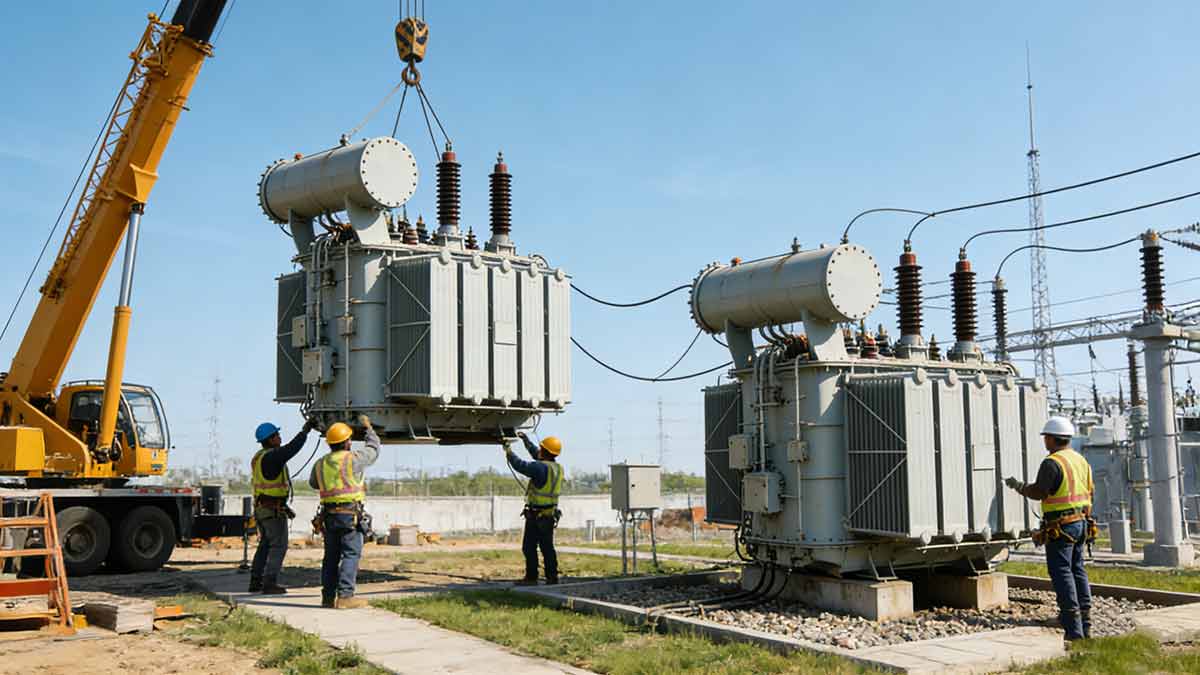
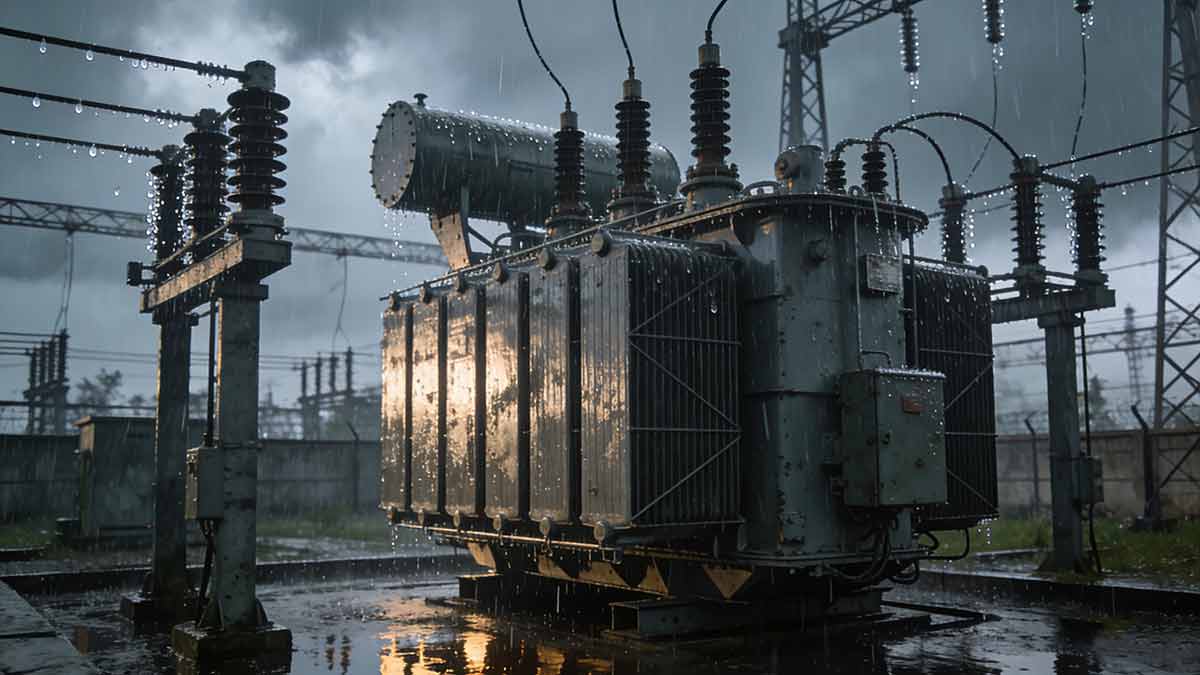
The environmental conditions where the transformer will be installed play a significant role in the selection process. Outdoor transformers must be able to withstand extreme temperatures, rain, snow, dust, and humidity. They may require additional protection, such as weatherproof enclosures or corrosion-resistant materials (e.g., galvanized steel tanks for oil-immersed transformers).
Indoor transformers, on the other hand, must comply with fire safety regulations. Dry-type transformers are often the preferred choice for indoor use because they do not pose a fire risk from oil leaks. Additionally, indoor installations may have space constraints, so it is important to consider the transformer’s size and weight to ensure it fits in the available space.
For harsh industrial environments—such as chemical refineries, steel mills, or coastal areas—transformers may require specialized coatings or seals to protect against chemical vapors, dust, saltwater, or vibration. Vibration-resistant transformers are also available for installations near heavy machinery.
Maintenance and Monitoring Best Practices for 2 MVA Transformer
Proper maintenance and monitoring are essential to ensure the longevity, efficiency, and reliability of 2 MVA Transformers. Neglecting maintenance can lead to premature failure, increased energy consumption, and costly downtime. Below are the key maintenance and monitoring best practices to follow.
Regular Inspections and Testing
Scheduled inspections are critical for identifying potential issues before they escalate. For oil-immersed transformers, regular inspections should include checking the oil level, oil condition (for signs of contamination or degradation), and tank integrity (for leaks or corrosion). For dry-type transformers, inspections should focus on the winding insulation (for signs of dust accumulation, overheating, or damage) and cooling fans (if equipped).
In addition to visual inspections, regular testing is essential. Key tests for 2 MVA Transformers include:
- Insulation Resistance Test: Measures the resistance of the insulation to ensure it is not deteriorating.
- Turns Ratio Test: Verifies that the voltage ratio between the primary and secondary windings is within the specified range.
- Load Loss Test: Measures the copper losses at full load to assess operational efficiency.
- Dissolved Gas Analysis (DGA): For oil-immersed transformers, DGA tests the oil for dissolved gases that indicate internal faults (e.g., overheating or arcing).
Cooling System Maintenance
The cooling system is critical for preventing overheating, so regular maintenance of this system is essential. For oil-immersed transformers, this includes checking the oil level, cleaning the radiator fins (to remove dust and debris), and inspecting the cooling fans or pumps (if equipped) for proper operation. For dry-type transformers, ensure that the cooling fans are functioning correctly and that the air intake and exhaust vents are free from obstruction.
Monitoring Operational Parameters
Continuous monitoring of key operational parameters can help detect issues in real time. Many modern 2 MVA Transformers are equipped with monitoring systems that track parameters such as temperature, voltage, current, and oil condition (for liquid-insulated units). These systems can send alerts when parameters exceed safe limits, allowing for prompt intervention.
For facilities without automated monitoring systems, manual monitoring should be conducted regularly. Keep a log of temperature readings, voltage levels, and load conditions to identify trends that may indicate potential problems.
Prompt Repairs and Replacements
If an inspection or test reveals a problem—such as insulation degradation, oil contamination, or cooling system failure—prompt repairs are essential. Delaying repairs can lead to more severe damage and increase the risk of transformer failure. In cases where the transformer is beyond repair (e.g., extensive winding damage), replacing it with a new, properly sized 2 MVA Transformer is the safest and most cost-effective option.
Conclusion: The Indispensable Role of 2 MVA Transformer in Industrial Power Systems
The 2 MVA Transformer is a cornerstone of modern industrial power distribution, offering reliable voltage regulation, circuit isolation, and power quality improvement for medium to large-scale applications. From manufacturing plants and data centers to utility networks and renewable energy systems, these transformers play a critical role in sustaining operations, enhancing safety, and optimizing efficiency.
When selecting a 2 MVA Transformer, it is essential to consider factors such as voltage requirements, frequency compatibility, insulation and cooling systems, and environmental conditions. By following proper maintenance and monitoring practices, you can ensure that your transformer operates efficiently and reliably for decades.
Whether you are upgrading an existing power system or designing a new one, understanding the capabilities and requirements of 2 MVA Transformers is key to making informed decisions that align with your operational needs and long-term goals. With the right 2 MVA Transformer in place, you can build a robust power infrastructure that supports growth, minimizes downtime, and ensures safety.