
In this comprehensive guide, we delve into the core essentials of distribution transformer maintenance, addressing common industry doubts, outlining evidence-based best practices, and highlighting the importance of proactive upkeep. Whether you’re responsible for a small commercial transformer or a large utility-scale unit, understanding these maintenance principles will help you minimize downtime, extend equipment lifespan, and safeguard the integrity of your power distribution system.
Understanding the Importance of Maintenance of Distribution Transformer
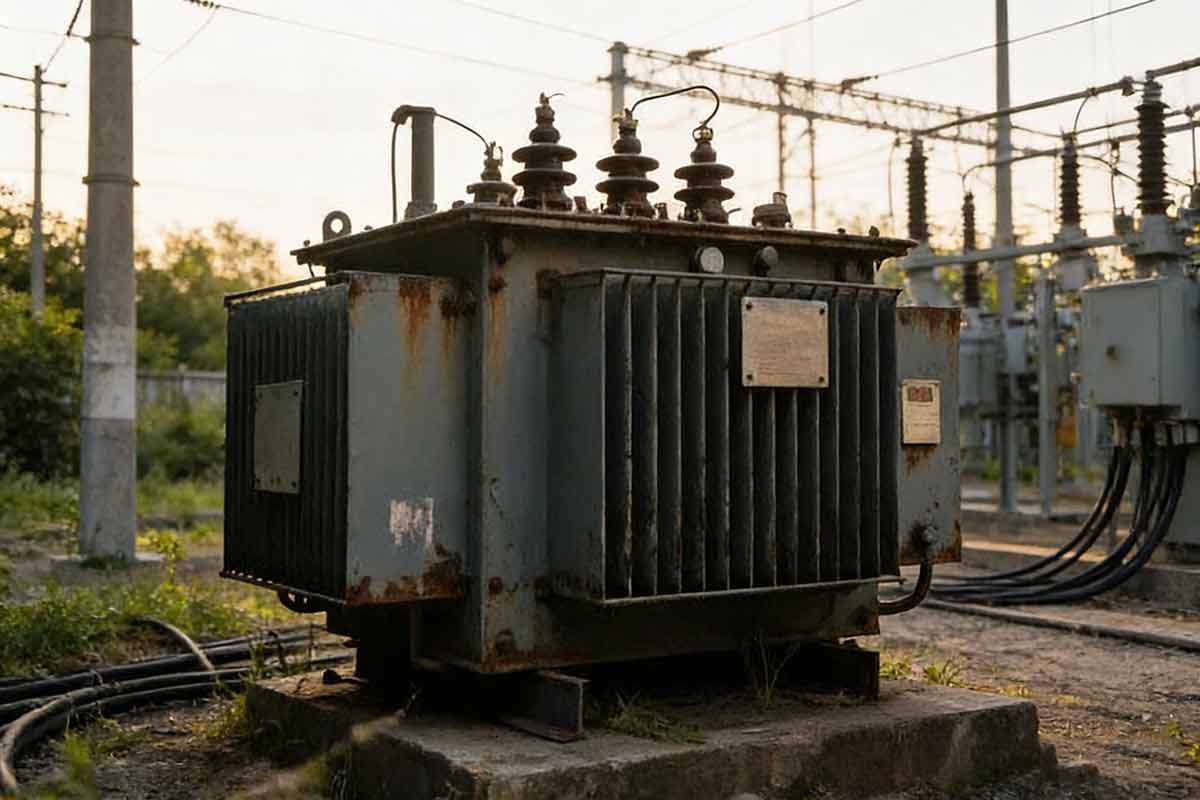
Before diving into specific maintenance procedures, it’s critical to grasp why regular maintenance of distribution transformer is non-negotiable for power system operators. Distribution transformers operate under continuous load conditions, often in harsh outdoor environments exposed to temperature fluctuations, humidity, dust, and corrosive elements. Over time, these factors can degrade components, compromise insulation, and lead to catastrophic failures.
A single transformer breakdown can disrupt power supply to hundreds or thousands of consumers, resulting in financial losses for businesses, inconvenience for residents, and reputational damage for utility providers. According to industry data, unplanned transformer outages cost utility companies an average of $10,000 to $50,000 per hour in repair costs and lost revenue, not including indirect losses to end-users. In contrast, proactive maintenance of distribution transformer typically reduces unplanned downtime by 60-70% and extends equipment lifespan by 15-20 years—making it a cost-effective investment in long-term system reliability.
Risks of Neglecting Maintenance of Distribution Transformer
Neglecting regular maintenance of distribution transformer exposes the equipment to a range of avoidable risks. One of the most common consequences is insulation degradation, which can lead to short circuits and transformer burnout. Insulation materials, such as paper and oil-impregnated components, break down over time due to heat, moisture, and chemical contamination. Without proper maintenance, this degradation accelerates, increasing the risk of arcing and electrical faults.
Another major risk is oil contamination. Transformer oil serves dual purposes: cooling the windings and providing electrical insulation. When oil becomes contaminated with moisture, dust, or oxidized compounds, its dielectric strength decreases, and its cooling efficiency drops. This can cause overheating, which further damages windings and insulation. In extreme cases, contaminated oil can even ignite, leading to transformer fires and explosions.
Mechanical component failures are also prevalent in poorly maintained transformers. Parts such as bushings, tap changers, and connecting contacts can loosen or corrode over time, leading to poor electrical connections, voltage fluctuations, and increased energy loss. Additionally, environmental factors like extreme cold, heat, or humidity can exacerbate these issues, making regular maintenance even more critical for transformers operating in harsh climates.
Core Components of Effective Maintenance of Distribution Transformer
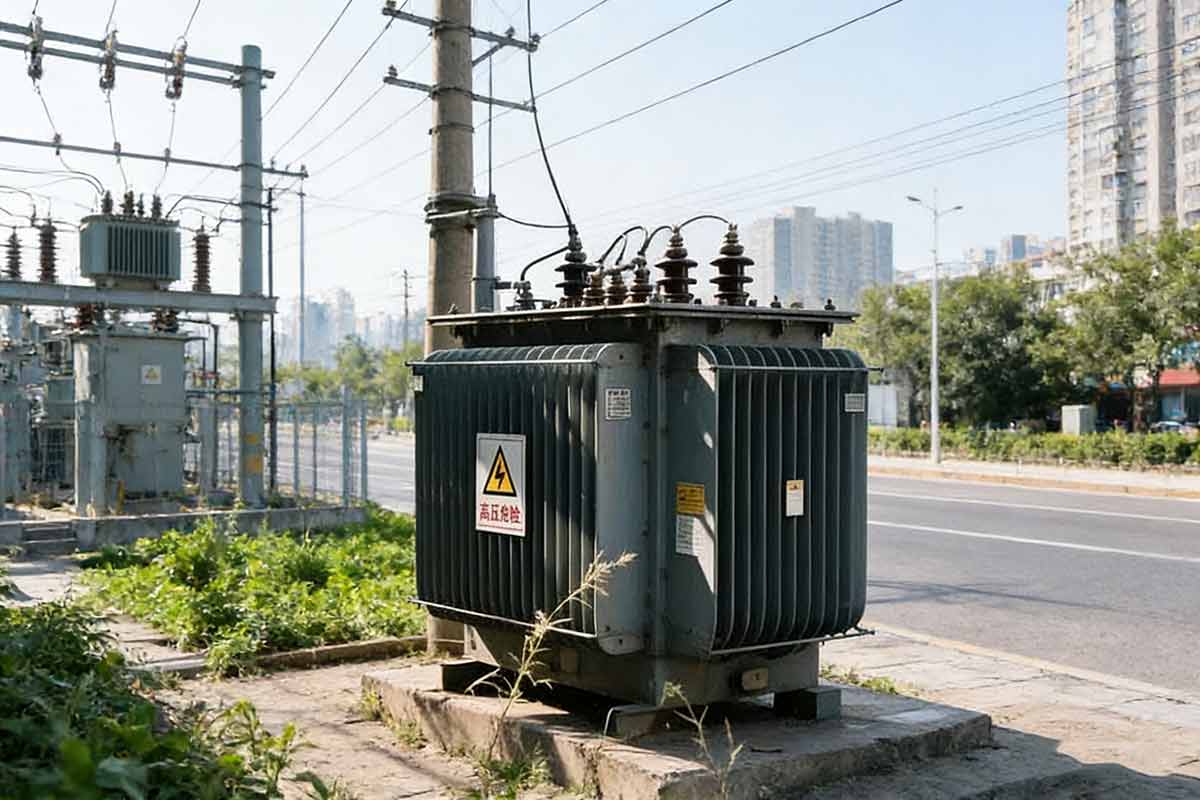
Effective maintenance of distribution transformer is not a one-time task but a systematic, scheduled process that covers inspection, testing, cleaning, and corrective action. The goal is to identify potential issues early—before they escalate into major failures—and ensure all components operate at peak efficiency. Below are the core components of a comprehensive maintenance program, each designed to address specific aspects of transformer performance and durability.
Scheduled Periodic Inspection for Maintenance of Distribution Transformer
Scheduled periodic inspection is the foundation of proactive maintenance of distribution transformer. These inspections should be conducted at regular intervals—typically monthly for visual checks, quarterly for detailed inspections, and annually for comprehensive assessments—depending on the transformer’s age, load capacity, and operating environment.
During a visual inspection, maintenance technicians should check for obvious signs of damage or wear, including:
- Leaking oil (a sign of seal degradation or tank damage)
- Discoloration or bulging of the transformer tank (indicating overheating)
- Damage to bushings (cracks, contamination, or arcing marks)
- Loose or corroded electrical connections
- Debris accumulation on the transformer surface (which can block cooling vents)
- Signs of pest infestation (which can damage wiring and insulation)
Quarterly and annual inspections go beyond visual checks, involving measurements of key performance metrics such as winding temperature, oil level, and voltage output. Technicians should also verify that safety devices—such as pressure relief valves and temperature gauges—are functioning correctly. Any anomalies identified during these inspections should be documented and addressed immediately to prevent further damage.
Oil Sampling and Testing in Maintenance of Distribution Transformer
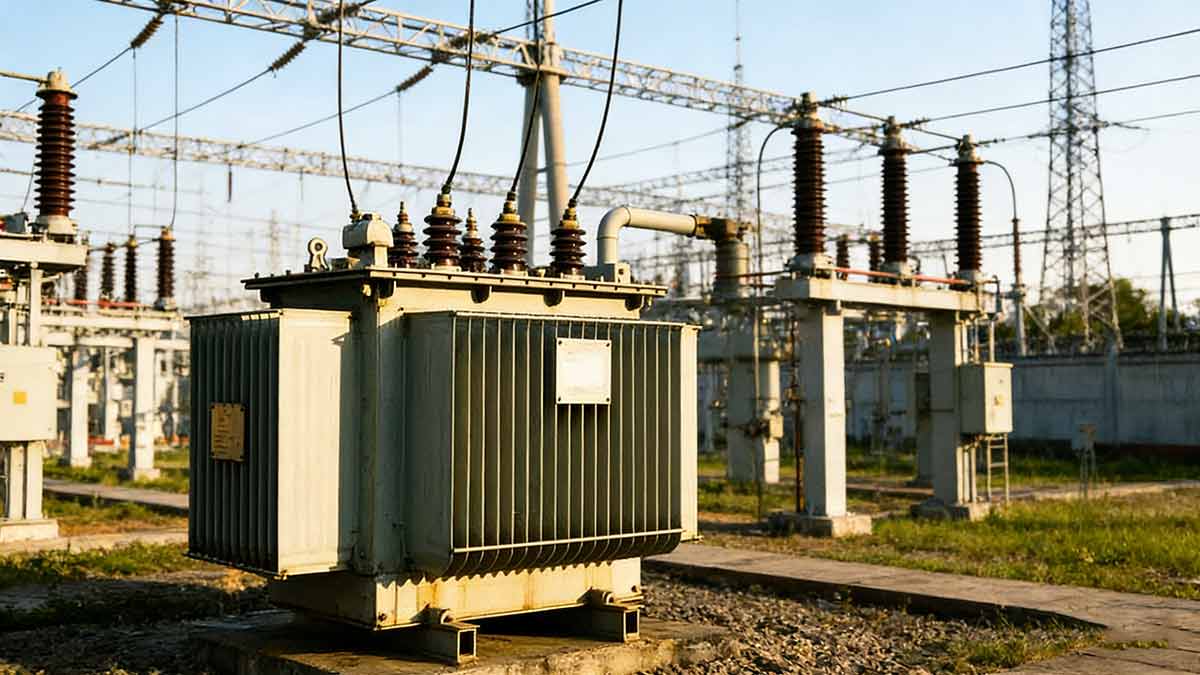
Transformer oil is often referred to as the “lifeblood” of the transformer, and its condition is a critical indicator of overall equipment health. Regular oil sampling and testing are therefore essential components of maintenance of distribution transformer. These tests help identify early signs of contamination, degradation, or internal faults that may not be visible during visual inspections.
Key oil tests include:
- Dielectric Strength Test: Measures the oil’s ability to resist electrical breakdown. A significant drop in dielectric strength indicates moisture or contaminant presence.
- Moisture Content Test: Excess moisture in oil reduces its insulation properties and accelerates corrosion. The acceptable moisture level for transformer oil is typically below 10 ppm (parts per million).
- Acidity Test: Measures the oil’s total acid number (TAN). An increase in TAN indicates oxidation, which can degrade insulation materials and corrode metal components.
- Dissolved Gas Analysis (DGA): Detects and quantifies gases (such as methane, ethane, and carbon monoxide) produced by internal faults like overheating or arcing. Abnormal gas levels signal potential issues that require immediate investigation.
Oil sampling should be conducted by trained technicians using sterile, sealed containers to avoid cross-contamination. Test results should be compared to industry standards (such as IEEE C57.106) and historical data for the transformer to identify trends. If test results indicate contamination or degradation, corrective actions—such as oil filtration, drying, or replacement—should be implemented promptly.
Insulation System Inspection for Maintenance of Distribution Transformer
The insulation system of a distribution transformer is responsible for preventing electrical leakage and maintaining the integrity of the windings. A compromised insulation system is one of the leading causes of transformer failures, making its inspection a critical part of maintenance of distribution transformer.
Insulation inspection involves assessing both the solid insulation (paper, pressboard, and epoxy components) and the liquid insulation (transformer oil). During inspections, technicians should check for:
- Signs of insulation aging, such as brittleness or discoloration of paper components
- Moisture absorption (which can be detected via oil moisture tests and visual checks of insulation materials)
- Contamination by dust, dirt, or oil residues
- Damage from mechanical stress (such as winding displacement due to vibration)
In addition to visual inspections, non-destructive testing techniques—such as insulation resistance (IR) testing and polarization index (PI) testing—are used to assess the insulation’s electrical performance. IR testing measures the resistance of the insulation to current flow, while PI testing evaluates the insulation’s ability to resist moisture absorption over time. Low IR or PI values indicate insulation degradation and require further investigation.
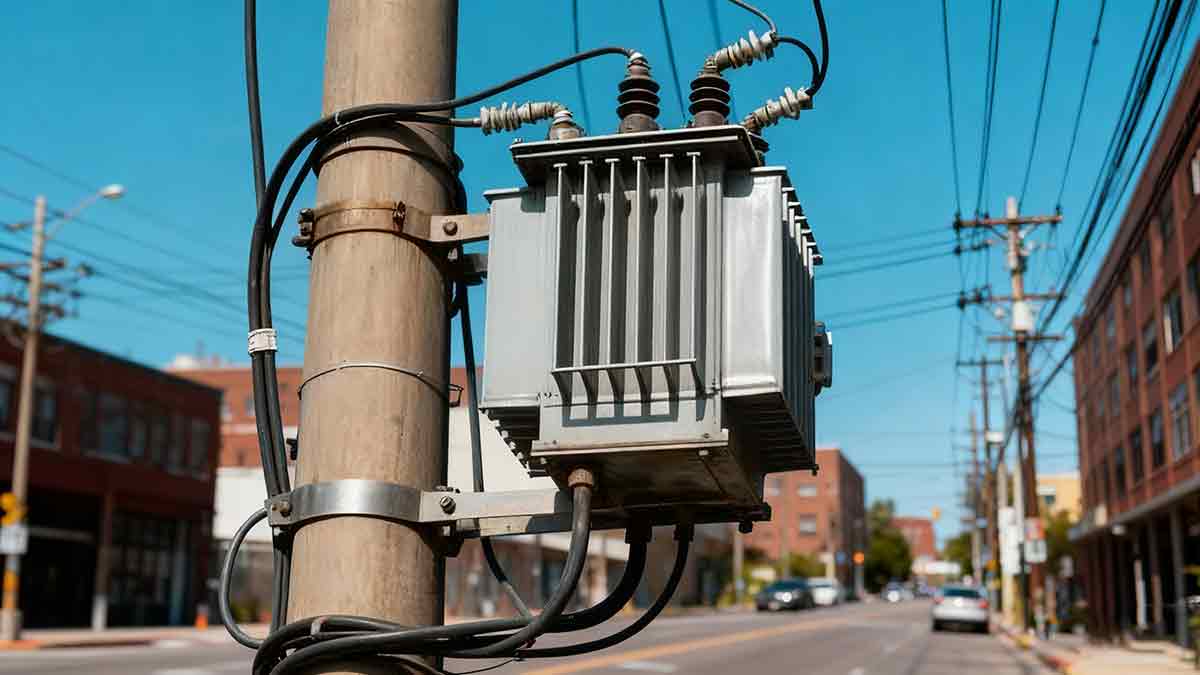
If insulation damage is detected, repairs may include cleaning contaminated components, replacing damaged insulation materials, or drying the insulation system to remove moisture. In severe cases, rewinding the transformer may be necessary to restore its reliability.
Cooling System Maintenance for Distribution Transformer
Distribution transformers generate significant heat during operation, and an efficient cooling system is essential to prevent overheating. Overheating can accelerate insulation degradation, reduce oil life, and damage windings—making cooling system maintenance a key part of maintenance of distribution transformer.
Most distribution transformers use either natural convection cooling (ONAN) or forced air cooling (ONAF) systems. Maintenance of these systems involves:
- Cleaning cooling fins or radiators to remove dust, debris, and vegetation (which can block airflow)
- Inspecting fans and pumps (for forced cooling systems) to ensure they are operating correctly
- Checking coolant levels (for liquid-cooled transformers) and topping up or replacing coolant as needed
- Verifying that temperature sensors and cooling system controls are calibrated and functioning properly
In regions with extreme weather conditions—such as high temperatures or heavy snowfall—additional cooling system maintenance may be required. For example, in hot climates, technicians may need to install shade covers or upgrade cooling systems to handle increased heat loads. In cold climates, heating elements (to prevent oil from thickening) should be inspected regularly to ensure they are working correctly.
Mechanical Component Maintenance of Distribution Transformer
Distribution transformers contain a range of mechanical components that are critical to their operation, including bushings, tap changers, connecting contacts, and pressure relief valves. Regular maintenance of these components is essential to ensure smooth operation and prevent electrical faults.
Bushing Maintenance
Bushings are insulating devices that allow electrical conductors to pass through the transformer tank while maintaining insulation. They are exposed to the elements and are prone to contamination, cracking, and arcing. Maintenance of bushings involves cleaning them with a mild detergent (to remove dust and grime), inspecting for cracks or damage, and checking the tightness of mounting hardware. If bushings are severely damaged or contaminated, they should be replaced to prevent electrical leakage.
Tap Changer Maintenance
Tap changers adjust the transformer’s turns ratio to regulate output voltage. They are subject to mechanical wear and electrical arcing, which can lead to poor contact and voltage fluctuations. Maintenance of tap changers involves:
- Inspecting for signs of arcing (such as discoloration or carbon deposits)
- Lubricating moving parts (using manufacturer-recommended lubricants)
- Verifying that tap positions are correctly aligned
- Testing electrical continuity to ensure proper contact
For load tap changers (which can be adjusted under load), additional testing—such as transition resistance testing—may be required to ensure smooth voltage transitions and prevent arcing.
Pressure Relief Valve Maintenance
Pressure relief valves protect the transformer tank from excessive pressure caused by overheating or internal faults. Maintenance of these valves involves inspecting for blockages, verifying that they open and close correctly, and testing their pressure settings. If a pressure relief valve is faulty, it may fail to open during an emergency, leading to tank rupture or explosion.
Environmental Considerations in Maintenance of Distribution Transformer
Environmental factors play a significant role in the performance and lifespan of distribution transformers. Maintenance of distribution transformer must therefore take into account the specific environmental conditions in which the equipment operates. Below are key environmental factors to consider and how to address them in your maintenance program.
Temperature and Humidity Control
Extreme temperatures—both hot and cold—can degrade transformer components. High temperatures accelerate oil oxidation and insulation aging, while low temperatures can cause oil to thicken, reducing its cooling efficiency. Humidity can lead to moisture absorption, which compromises insulation and causes corrosion.
To address these issues, maintenance should include:
- Installing temperature and humidity monitors near the transformer to track environmental conditions
- Cleaning cooling systems regularly to ensure they can handle high temperatures
- Using desiccants (such as silica gel) to absorb moisture in humid environments
- Insulating transformers in cold climates to prevent oil thickening
Protection Against Corrosive Elements
Transformers operating in coastal areas, industrial zones, or areas with high pollution are exposed to corrosive elements such as saltwater, industrial chemicals, and dust. These elements can corrode the transformer tank, bushings, and electrical connections, leading to structural damage and electrical faults.
Maintenance measures to address corrosion include:
- Regularly cleaning the transformer surface to remove corrosive deposits
- Applying anti-corrosive coatings to the transformer tank and metal components
- Installing protective enclosures to shield the transformer from direct exposure to corrosive elements
- Using corrosion-resistant materials for bushings and electrical connections
Protection Against Natural Disasters
Transformers in regions prone to natural disasters—such as earthquakes, floods, or hurricanes—require additional maintenance and protection. For example, flood-prone areas should have transformers installed on elevated platforms to prevent water damage. Earthquake-prone areas should have transformers secured with seismic brackets to prevent displacement during tremors.
Maintenance should include regular inspections of these protective measures to ensure they are intact and functioning correctly. After a natural disaster, a comprehensive inspection of the transformer should be conducted to identify any damage and address it immediately.
Best Practices for Developing a Maintenance of Distribution Transformer Program
Developing a structured, proactive maintenance program is essential to ensure the effectiveness of maintenance of distribution transformer. Below are the best practices to follow when creating your program:
Follow Manufacturer Guidelines
Transformer manufacturers provide detailed maintenance guidelines specific to their equipment, including recommended inspection intervals, testing procedures, and replacement schedules for components. These guidelines are based on rigorous testing and should be the foundation of your maintenance program. Deviating from manufacturer recommendations can void warranties and increase the risk of equipment failure.
Document All Maintenance Activities
Detailed documentation of all maintenance activities—including inspections, tests, repairs, and component replacements—is critical for tracking equipment health over time. Documentation should include dates, test results, corrective actions taken, and the name of the technician performing the work. This data can be used to identify trends, predict potential failures, and optimize maintenance schedules.
Train Maintenance Technicians
Maintenance of distribution transformer requires specialized knowledge and skills. Ensuring that maintenance technicians are properly trained in transformer operation, inspection, and testing is essential to the success of your maintenance program. Training should include both theoretical knowledge (such as transformer design and operation) and hands-on experience (such as oil sampling and insulation testing). Regular refresher training should also be provided to keep technicians updated on the latest industry best practices and technologies.
Use Predictive Maintenance Technologies
Advancements in technology have made predictive maintenance a valuable tool for maintenance of distribution transformer. Predictive maintenance uses sensors, data analytics, and machine learning to monitor equipment performance in real time and predict potential failures before they occur. For example, vibration sensors can detect abnormal mechanical movement in tap changers, while thermal imaging cameras can identify overheating components.
Integrating predictive maintenance technologies into your program can help you:
- Reduce unplanned downtime by predicting failures early
- Optimize maintenance schedules by focusing on components that need attention
- Extend equipment lifespan by addressing issues before they escalate
FAQ About Maintenance of Distribution Transformer
To further address common industry doubt, we’ve compiled answers to some of the most frequently asked questions about maintenance of distribution transformer:
How Often Should Maintenance of Distribution Transformer Be Performed?
The frequency of maintenance depends on several factors, including the transformer’s age, load capacity, operating environment, and manufacturer recommendations. As a general guideline:
- Visual inspections: Monthly
- Detailed inspections and oil sampling: Quarterly
- Comprehensive maintenance (including insulation testing and mechanical component checks): Annually
- For older transformers or those operating in harsh environments, more frequent maintenance may be required.
What Is the Cost of Maintenance of Distribution Transformer?
The cost of maintenance varies depending on the transformer’s size, age, and the scope of work. On average, annual maintenance costs for a medium-voltage distribution transformer (500 kVA to 2 MVA) range from $1,500 to $5,000. This includes inspection, testing, cleaning, and minor repairs. While this may seem like a significant investment, it pales in comparison to the cost of unplanned downtime (which can exceed $50,000 per hour) or transformer replacement (which can cost $50,000 to $200,000 or more).
Can Maintenance of Distribution Transformer Be Performed While the Transformer Is in Operation?
Some maintenance tasks—such as visual inspections, oil sampling, and temperature monitoring—can be performed while the transformer is in operation. However, more complex tasks—such as insulation testing, tap changer maintenance, and component replacement—typically require the transformer to be de-energized for safety reasons. It’s important to follow strict lockout-tagout (LOTO) procedures when de-energizing transformers to prevent electrical accidents.
What Are the Signs That a Distribution Transformer Needs Immediate Maintenance?
Several warning signs indicate that a distribution transformer requires immediate maintenance, including:
- Leaking oil
- Unusual noises (such as humming, buzzing, or cracking)
- Overheating (indicated by a hot tank or high temperature gauge readings)
- Voltage fluctuations or power outages
- Discoloration or bulging of the transformer tank
- Tripped circuit breakers or protective relays
If any of these signs are observed, the transformer should be inspected immediately by a qualified technician.
Conclusion: Investing in Maintenance of Distribution Transformer for Long-Term Reliability
Maintenance of distribution transformer is not just a regulatory requirement or a cost center—it’s an investment in the long-term reliability, safety, and efficiency of your power distribution system. By implementing a proactive maintenance program that includes regular inspection, testing, cleaning, and corrective action, you can minimize unplanned downtime, extend equipment lifespan, and reduce the risk of costly failures.
Key takeaways from this guide include:
- Regular maintenance of distribution transformer is critical to avoiding power outages and reducing financial losses.
- Core maintenance activities include oil sampling and testing, insulation inspection, cooling system maintenance, and mechanical component checks.
- Environmental factors—such as temperature, humidity, and corrosive elements—must be considered in maintenance programs.
- Following manufacturer guidelines, documenting maintenance activities, training technicians, and using predictive technologies are key to effective maintenance.
By prioritizing maintenance of distribution transformer and following the best practices outlined in this guide, you can ensure that your transformers operate reliably for decades, providing a stable power supply to your customers and supporting the growth of your business.