
Power Transformer Maintenance: A Comprehensive Guide to Maximizing Reliability & Longevity
Power transformers stand as the backbone of electrical power systems, enabling the safe and efficient transmission and distribution of electricity across cities, industries, and remote regions. From stepping up voltage for long-distance power transfer to reducing it to usable levels for residential, commercial, and industrial applications, these critical assets directly impact the stability of power grids and the continuity of operations. However, even the most robust transformers are not immune to wear, environmental stress, or operational degradation. Without systematic and proactive maintenance, transformers face increased risks of unexpected failures, costly downtime, and potential damage to adjacent power infrastructure.
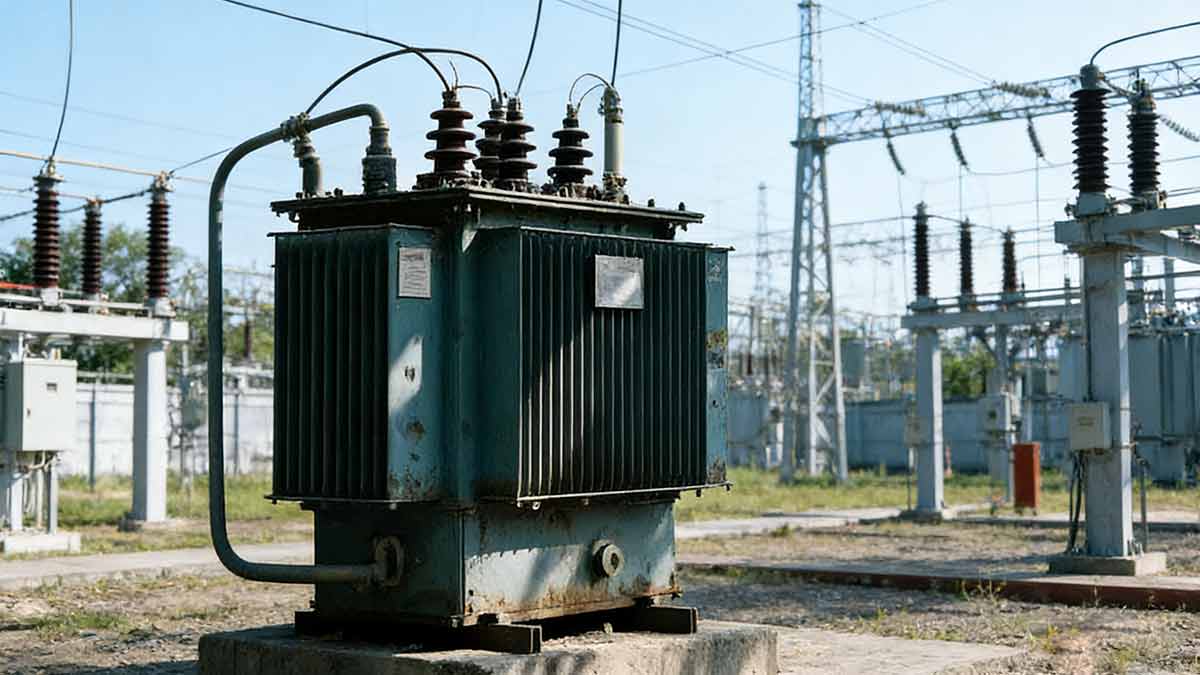
The Critical Importance of Power Transformer Maintenance
Key Risks of Inadequate Maintenance
- Unexpected Downtime: A transformer failure can take days or weeks to resolve, leading to lost productivity for industries, disrupted services for communities, and significant revenue losses for power providers. For example, a manufacturing plant relying on a dedicated transformer may face production halts costing thousands of dollars per hour.
- Increased Repair Costs: Minor issues, such as oil leaks or loose connections, are relatively inexpensive to fix when detected early. However, if left unaddressed, these problems can escalate into major faults—such as insulation breakdown or winding damage—that require costly replacements or overhauls.
- Safety Hazards: Faulty transformers pose serious safety risks, including electrical shocks, fires, and explosions. Insulation degradation, for instance, can lead to arcing, which may ignite transformer oil and spread to surrounding equipment.
- Reduced Efficiency: As transformers age or deteriorate, their energy efficiency declines, leading to higher power losses and increased operational costs. A poorly maintained transformer can waste up to 5% of the electricity it processes, adding up to substantial energy costs over time.
- Grid Instability: Transformers are integral to voltage regulation and power flow control. A failed or underperforming transformer can cause voltage sags, surges, or blackouts, destabilizing the entire power grid and affecting thousands of end-users.
Long-Term Benefits of Proactive Maintenance
- Extended Service Life: Regular maintenance can extend a transformer’s operational life by 10–20 years, delaying the need for costly replacements.
- Enhanced Reliability: Proactive inspections and repairs reduce the likelihood of unexpected failures, ensuring consistent performance even in demanding conditions.
- Improved Efficiency: Well-maintained transformers operate at peak efficiency, minimizing energy losses and lowering utility bills.
- Compliance with Industry Standards: Many regions—including African countries adhering to IEC (International Electrotechnical Commission) or local regulatory standards—require regular transformer maintenance to ensure safety and environmental compliance.
- Lower Total Cost of Ownership (TCO): While maintenance requires an initial investment, the savings from avoided downtime, reduced repairs, and improved efficiency far outweigh the costs over the transformer’s lifecycle.
Core Principles of Effective Power Transformer Maintenance
1. Regular Visual and Mechanical Inspections
Frequency of Inspections
- Daily/Weekly Checks: For transformers in critical applications (e.g., power generation plants, large industrial facilities), daily or weekly visual checks are recommended to monitor for immediate issues.
- Monthly/Quarterly Inspections: For most commercial and utility transformers, monthly or quarterly inspections are sufficient to track performance and detect early signs of wear.
- Annual Comprehensive Inspections: A thorough annual inspection involves detailed checks of all components, including internal parts (when accessible) and auxiliary systems.
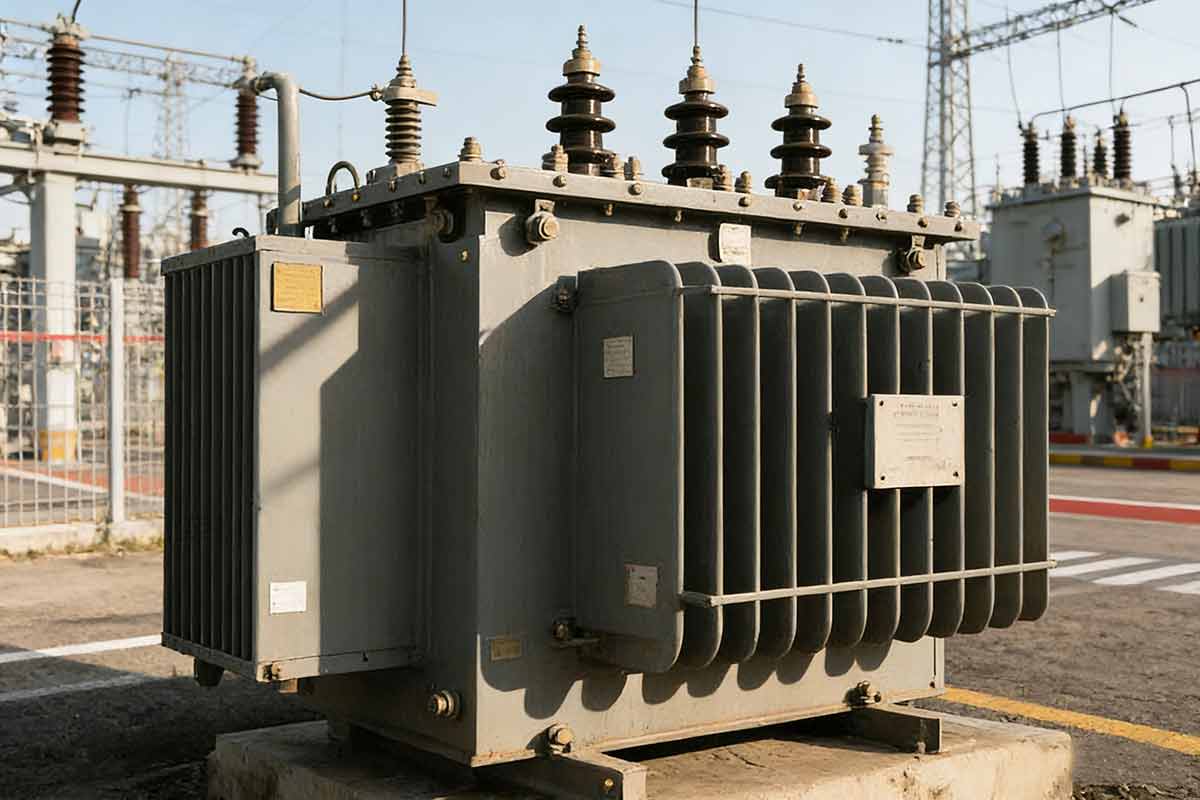
Key Inspection Points
- Exterior Condition: Check for signs of physical damage, such as dents, cracks, or corrosion on the tank, cover, and bushings. Corrosion is particularly common in coastal regions of Africa, where saltwater mist can accelerate metal degradation.
- Oil Leaks: Inspect the tank seams, valve connections, and oil level gauge for leaks. Even small leaks can lead to low oil levels, compromising insulation and cooling.
- Bushings: Examine bushings for cracks, discoloration, or contamination (e.g., dust, oil residue). Damaged bushings can cause arcing or flashovers, leading to transformer failure.
- Connections: Verify that all electrical connections (e.g., terminal blocks, busbars) are tight and free from corrosion. Loose connections generate heat, which can damage insulation and increase energy losses.
- Cooling System: For oil-immersed transformers, check the cooling fans, radiators, or heat exchangers for debris buildup, damage, or proper operation. A malfunctioning cooling system can cause overheating, which is a leading cause of transformer failure.
- Pressure Relief Devices: Inspect pressure relief valves or rupture discs to ensure they are functioning correctly. These devices protect the transformer from excessive internal pressure caused by overheating or arcing.
- Instrumentation: Check that meters (e.g., oil temperature gauge, winding temperature gauge, pressure gauge) are calibrated and provide accurate readings. Inaccurate instrumentation can mask underlying issues.
2. Oil Maintenance: The Lifeline of Oil-Immersed Transformers
Maintaining Proper Oil Levels
- Monitoring Oil Levels: Check the oil level gauge regularly (daily or weekly for critical transformers) to ensure it remains within the manufacturer’s recommended range. The oil level should be high enough to fully immerse the windings and core.
- Topping Up Oil: If the oil level is low, top it up with the same type of transformer oil (e.g., mineral oil, synthetic oil) specified by the manufacturer. Never mix different types of oil, as this can degrade oil quality and compromise insulation.
- Addressing Leaks: If a leak is detected, identify and repair the source immediately. Common leak points include valve stems, gasket seals, and tank welds. Temporary fixes (e.g., sealants) can be used in emergencies, but permanent repairs are essential for long-term reliability.
Regular Oil Testing and Analysis
Key Oil Tests and Their Significance
- Dissolved Gas Analysis (DGA): This test measures the concentration of gases (e.g., methane, ethane, ethylene, acetylene) dissolved in the oil. Different types of faults (e.g., overheating, arcing, partial discharge) produce specific gas signatures. For example, high levels of acetylene indicate arcing, while elevated methane and ethane suggest overheating. DGA is often performed quarterly or semi-annually for critical transformers.
- Moisture Content Test: Moisture in transformer oil reduces its insulation resistance, increasing the risk of electrical breakdown. The acceptable moisture level varies by transformer type but typically ranges from 10–30 ppm (parts per million) for new oil. Moisture testing should be conducted at least annually.
- Acidity Test: Oxidation of transformer oil produces acidic compounds that corrode metal components and degrade insulation. The acidity level (measured as total acid number, TAN) should be kept below 0.2 mg KOH/g. If TAN exceeds this threshold, the oil may need to be treated or replaced.
- Insulation Resistance Test: This test measures the oil’s ability to resist electrical current. A drop in insulation resistance indicates contamination or degradation. The test is often performed in conjunction with winding insulation resistance tests.
- Particle Count Test: Contaminants such as dust, metal particles, or sludge can scratch insulation and cause abrasion. The particle count test ensures that the oil remains clean, with particle levels meeting industry standards (e.g., ISO 4406).
Actions Based on Oil Test Results
- Oil Filtration: If the oil is contaminated with particles or moisture but otherwise in good condition, filtration (using vacuum dehydrators or oil filters) can remove impurities and restore oil quality.
- Oil Regeneration: For oil with high acidity or oxidation levels, regeneration processes (e.g., clay treatment, vacuum distillation) can remove acidic compounds and extend the oil’s lifespan.
- Oil Replacement: If the oil is severely degraded (e.g., high moisture, excessive acidity, or presence of harmful gases), complete replacement is necessary. When replacing oil, ensure the new oil meets the manufacturer’s specifications and is properly degassed and dehydrated before use.
3. Insulation System Maintenance
Key Insulation Maintenance Practices
- Insulation Resistance Testing: This test measures the resistance of the insulation to electrical current, helping to detect moisture, contamination, or degradation. The test is performed using a megohmmeter, and results are compared to baseline values (taken when the transformer is new or in good condition). A significant drop in insulation resistance indicates a problem that requires further investigation.
- Polarization Index (PI) Test: The PI test is a more detailed insulation test that measures the ratio of insulation resistance at 10 minutes to the resistance at 1 minute. A PI value greater than 2.0 indicates good insulation condition, while a value less than 1.5 suggests degradation.
- Monitoring for Insulation Deterioration: During inspections, look for signs of insulation damage, such as:
- Cracking, swelling, or discoloration of paper insulation on windings or leads.
- Oil discoloration or the presence of sludge (indicating insulation breakdown products).
- Partial discharge (visible as blue sparks or corona) around bushings or connections.
- Controlling Operating Temperature: Excessive heat accelerates insulation aging. Ensure the transformer’s cooling system is functioning properly, and avoid overloading the transformer beyond its rated capacity. Most transformers are designed to operate at a maximum top oil temperature of 90°C, with a maximum winding temperature of 110°C.
- Preventing Moisture Ingress: Moisture is one of the most damaging factors for insulation. Seal all openings (e.g., manholes, valve covers) tightly, and ensure the transformer’s breather (silica gel) is in good condition. Silica gel absorbs moisture from the air entering the transformer, and it should be replaced when it turns from blue to pink.
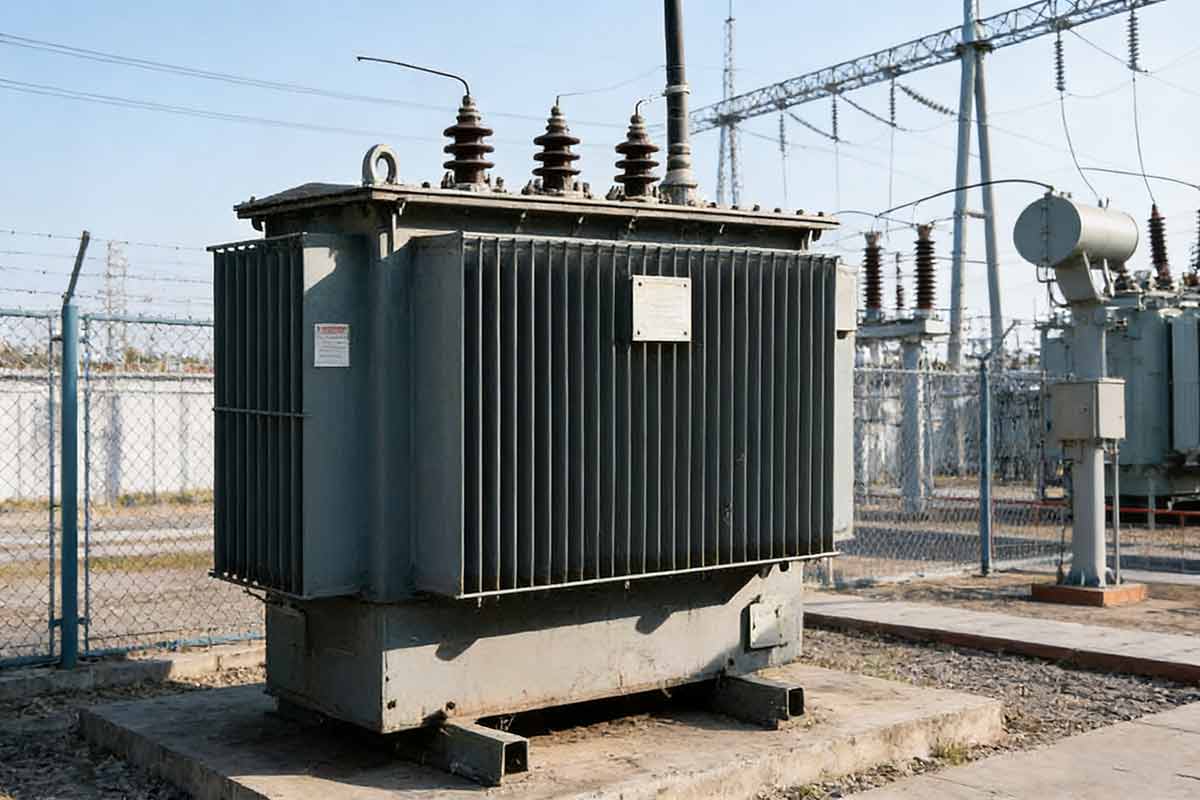
4. Grounding System Maintenance
Key Grounding Maintenance Practices
- Inspecting Ground Connections: Regularly check the transformer’s grounding electrodes, conductors, and connections for corrosion, loose bolts, or damage. Corroded or loose connections can increase ground resistance, reducing the effectiveness of the grounding system.
- Testing Ground Resistance: Ground resistance should be measured annually using a ground resistance tester. The acceptable ground resistance value varies by application, but is typically less than 5 ohms for power transformers. If the resistance is too high, additional grounding electrodes may be required, or existing electrodes may need to be cleaned or replaced.
- Verifying Bonding Connections: Ensure that all metal components of the transformer (e.g., tank, frame, cooling system) are properly bonded to the grounding system. Bonding prevents the formation of dangerous voltage differences between components during faults.
- Protecting Against Lightning and Surges: In regions prone to lightning (such as many parts of Africa), install surge arresters (lightning arresters) to protect the transformer from transient voltage surges. Surge arresters should be inspected annually for damage and tested to ensure they are functioning correctly.
5. Cooling System Maintenance
Types of Cooling Systems and Maintenance Requirements
- Natural Cooling (ONAN): Oil-immersed transformers with natural cooling rely on convection to circulate oil through radiators. Maintenance involves:
- Cleaning radiators regularly to remove dust, dirt, and debris that block airflow.
- Inspecting radiator fins for damage (e.g., bending, corrosion) that can reduce cooling efficiency.
- Checking for oil leaks in radiator tubes or connections.
- Forced Air Cooling (ONAF): These transformers use fans to blow air over the radiators, enhancing heat dissipation. Maintenance includes:
- Testing fan motors regularly to ensure they start and run smoothly.
- Cleaning fan blades and motor housings to remove debris.
- Inspecting fan wiring and connections for damage or corrosion.
- Replace worn or faulty fans immediately to avoid overheating.
- Forced Oil Cooling (OFAF/OFAN): Large transformers may use pumps to circulate oil through coolers (air or water-cooled). Maintenance involves:
- Checking pump operation (flow rate, pressure) to ensure adequate oil circulation.
- Inspecting pump seals for leaks.
- Cleaning strainers and filters to prevent blockages.
- For water-cooled systems, checking water quality (pH, conductivity) and ensuring proper water flow.
6. Load Management and Overload Prevention
Key Load Management Practices
- Monitor Load Levels: Use metering equipment to track the transformer’s load (current, power) and ensure it stays within rated limits. Most transformers have a nameplate indicating their rated kVA, voltage, and current.
- Plan for Peak Demand: During periods of high power demand (e.g., hot weather, holidays), distribute the load across multiple transformers to avoid overloading any single unit.
- Avoid Unbalanced Loads: Three-phase transformers are sensitive to unbalanced loads, which can cause overheating of windings and reduce efficiency. Ensure that the load is evenly distributed across all three phases.
- Implement Load Shedding: In cases of extreme demand, use load shedding (temporarily disconnecting non-critical loads) to reduce the transformer’s load and prevent overheating.
Special Considerations for Transformer Maintenance in Africa
1. Environmental Challenges
- Extreme Temperatures: Many parts of Africa experience high ambient temperatures (often exceeding 35°C) for extended periods. High temperatures increase transformer cooling requirements and accelerate insulation aging. To mitigate this:
- Install transformers in shaded areas or use heat shields to reduce direct sunlight exposure.
- Upgrade cooling systems (e.g., add extra fans, use larger radiators) to handle high ambient temperatures.
- Increase the frequency of temperature monitoring and oil testing.
- Humidity and Moisture: Tropical regions of Africa (e.g., West Africa, Central Africa) have high humidity levels, which increase the risk of moisture ingress into transformers. To address this:
- Use high-quality seals and gaskets to prevent moisture from entering the transformer tank.
- Replace silica gel breathers more frequently (every 3–6 months) to maintain moisture absorption capacity.
- Conduct moisture testing of transformer oil more regularly (every 3–6 months).
- Dust and Contamination: Arid regions (e.g., North Africa, Southern Africa) are prone to dust storms, which can deposit large amounts of dust on transformer radiators, bushings, and connections. Dust buildup blocks airflow (reducing cooling efficiency) and can cause electrical tracking on bushings. To mitigate this:
- Clean radiators, bushings, and connections more frequently (monthly or quarterly).
- Use dust covers for transformers installed in dusty areas.
- Inspect bushings regularly for dust buildup and clean them with a dry cloth or compressed air.
- Corrosion: Coastal regions (e.g., East Africa, West Africa) are exposed to saltwater mist, which causes rapid corrosion of metal components. To prevent corrosion:
- Use corrosion-resistant materials (e.g., stainless steel, galvanized steel) for transformer components.
- Apply anti-corrosion coatings to the transformer tank and frame.
- Increase the frequency of inspections for corrosion, especially in coastal areas.
2. Infrastructure and Logistical Challenges
- Limited Access to Spare Parts: In remote areas of Africa, accessing spare parts (e.g., fans, pumps, bushings, transformer oil) can be difficult and time-consuming. To address this:
- Stock critical spare parts at local facilities or partner with regional suppliers.
- Use standardized transformer components to simplify spare part sourcing.
- Conduct regular inventory checks to ensure spare parts are available when needed.
- Power Outages and Unstable Grid: Frequent power outages and voltage fluctuations are common in many African countries, which can stress transformers when power is restored. To mitigate this:
- Install voltage regulators or surge protectors to stabilize voltage.
- Implement proper startup procedures after power outages (e.g., gradual loading) to avoid sudden surges.
- Monitor transformer performance closely after power restoration to detect any issues.
- Lack of Skilled Technicians: In some regions, there is a shortage of trained transformer maintenance technicians. To address this:
- Invest in training programs for local technicians, partnering with industry associations or manufacturers.
- Hire certified technicians from regional or international firms for complex maintenance tasks.
- Develop detailed maintenance manuals and standard operating procedures (SOPs) to guide on-site personnel.
3. Regulatory and Compliance Considerations
- Safety Standards: Transformers must meet IEC 60076 (Power Transformers) standards for electrical safety, insulation, and temperature rise.
- Environmental Standards: Proper disposal of used transformer oil (which is classified as hazardous waste) is required under international and local regulations. Used oil should be collected by licensed waste management companies for recycling or safe disposal.
- Certification: Transformers may require certification from local regulatory bodies (e.g., Nigerian Electricity Regulatory Commission, Kenyan Energy and Petroleum Regulatory Authority) before installation and operation.
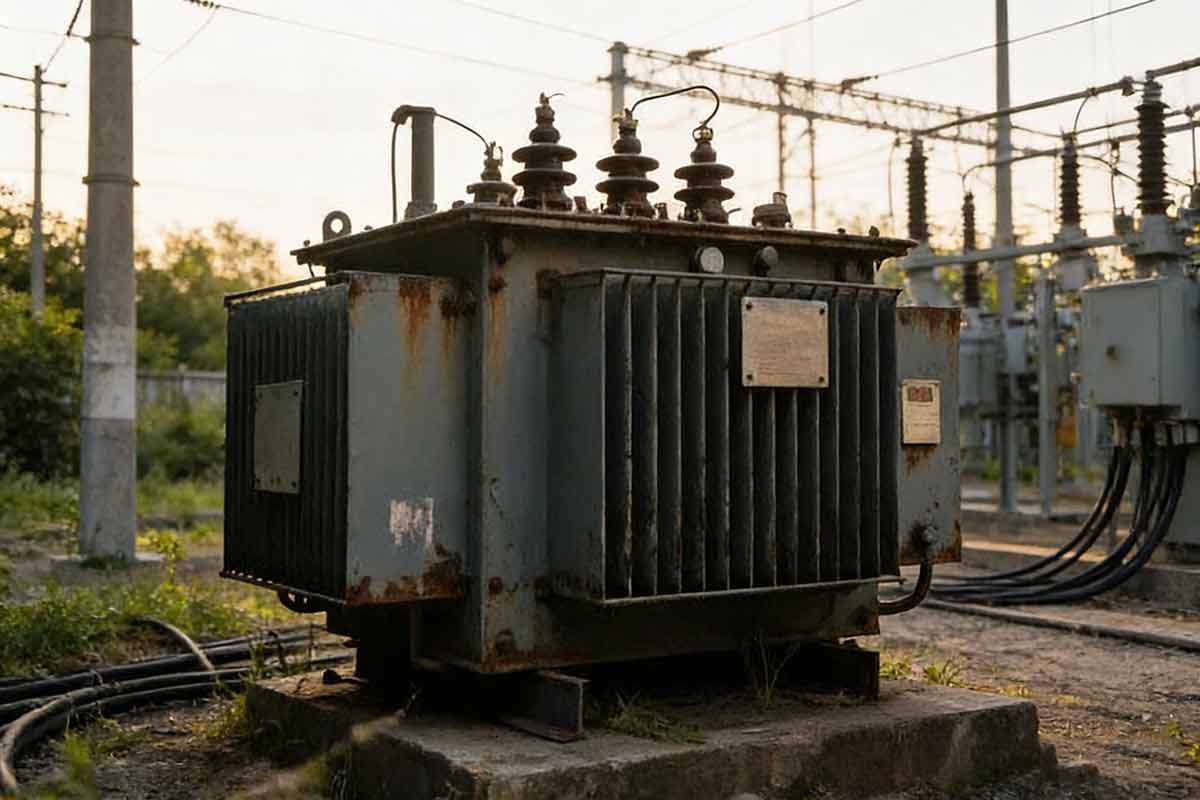
Professional Maintenance vs. In-House Maintenance: Making the Right Choice
Benefits of In-House Maintenance
- Cost Savings: In-house maintenance can reduce labor costs, especially for routine tasks (e.g., visual inspections, oil level checks).
- Quick Response: On-site personnel can address minor issues immediately, minimizing downtime.
- Familiarity with Equipment: In-house technicians have intimate knowledge of the organization’s transformers and operating conditions.
Benefits of Professional Maintenance
- Expertise and Experience: Professional service providers have certified technicians with specialized training in transformer maintenance. They are equipped to handle complex tasks (e.g., DGA, insulation testing, winding repairs) and can identify issues that may be missed by in-house personnel.
- Advanced Equipment: Professional firms invest in state-of-the-art testing equipment (e.g., DGA analyzers, insulation resistance testers, thermal imaging cameras) that may be too costly for organizations to purchase.
- Compliance Assurance: Professional maintenance ensures that all tasks are performed in accordance with industry standards and regulatory requirements, reducing the risk of non-compliance penalties.
- Reduced Liability: Outsourcing maintenance transfers the risk of accidents or errors to the service provider, protecting the organization from liability.
Recommended Approach
- In-House Maintenance: Handle routine tasks such as daily visual inspections, oil level checks, and basic cleaning.
- Professional Maintenance: Outsource complex tasks such as DGA, insulation testing, cooling system repairs, and major overhauls.
Transformer Maintenance Schedule: A Practical Guide
| Maintenance Task | Frequency | Responsible Party | Key Notes |
|---|---|---|---|
| Visual Inspection (Exterior, Connections, Bushings) | Weekly (Critical Transformers) / Monthly (Standard Transformers) | In-House Technicians | Check for leaks, corrosion, dust buildup, and loose connections. |
| Oil Level Check | Weekly (Critical Transformers) / Monthly (Standard Transformers) | In-House Technicians | Top up oil if levels are low; address leaks immediately. |
| Cooling System Inspection (Fans, Pumps, Radiators) | Monthly | In-House Technicians | Clean radiators/fans; test fan/pump operation. |
| Silica Gel Breather Check | Monthly | In-House Technicians | Replace silica gel if it turns pink. |
| Ground Connection Inspection | Quarterly | In-House Technicians | Check for corrosion and loose connections. |
| Insulation Resistance Test | Semi-Annually | Professional Service Provider | Compare results to baseline values. |
| Dissolved Gas Analysis (DGA) | Semi-Annually (Critical Transformers) / Annually (Standard Transformers) | Professional Service Provider | Analyze gas levels for signs of internal faults. |
| Oil Moisture and Acidity Testing | Annually | Professional Service Provider | Test for moisture, acidity, and contamination. |
| Comprehensive Annual Inspection | Annually | Professional Service Provider | Inspect all components, including internal parts (if accessible); perform load testing and thermal imaging. |
| Cooling System Overhaul | Every 2–3 Years | Professional Service Provider | Replace worn fans/pumps; clean or replace filters. |
| Transformer Oil Replacement/Regeneration | Every 5–10 Years (or as needed) | Professional Service Provider | Replace oil if it is severely degraded; regenerate oil if possible. |
Case Study: The Impact of Proactive Maintenance on Transformer Reliability
- Weekly visual inspections and oil level checks by in-house technicians.
- Semi-annual DGA and insulation resistance testing.
- Annual comprehensive inspections and oil testing.
- Cooling system overhauls every 3 years.
Future Trends in Power Transformer Maintenance
1. Predictive Maintenance (PdM)
2. Remote Monitoring
3. Digital Twins
4. Eco-Friendly Maintenance Practices
- Using biodegradable transformer oil (e.g., vegetable-based oil) as an alternative to mineral oil.
- Recycling used transformer oil reduces waste.
- Implementing energy-efficient cooling systems to reduce carbon emissions.
Conclusion
FAQ About Power Transformer Maintenance
What is the recommended maintenance frequency for power transformers?
Regular maintenance frequency adheres to IEEE C57.93-2007 and IEC 60076 standards. Daily/weekly checks focus on oil level, silica gel color, and leakage. Monthly inspections include breather oil cap levels and bushing oil checks. Half-yearly tasks involve oil quality testing (dielectric strength, moisture), while annual maintenance covers cooling system functionality, bushing cleaning, and Buchholz relay inspection. High-voltage or critical transformers may require quarterly assessments to mitigate risks.
How to identify common faults in power transformers during maintenance?
Fault detection combines visual, electrical, and analytical methods. Visual cues include oil leakage, charred insulation, or abnormal noise. Electrical tests (megger, winding resistance) reveal short circuits or open windings. Dissolved Gas Analysis (DGA) identifies overheating (methane/ethylene) or discharge (acetylene) via gas content in insulation oil. Frequency Response Analysis (FRA) per IEEE C57.149-2024 detects winding deformation, while infrared thermography spots overheated joints.
What are the key maintenance differences between oil-immersed and dry-type transformers?
Oil-immersed transformers require regular oil testing (DGA, moisture control) and seal inspections to prevent leaks and fire risks. Their maintenance includes silica gel replacement and cooling system servicing, with annual costs averaging $10,000-$30,000. Dry-type units (epoxy/NOMEX insulation) focus on dust removal, terminal tightening, and temperature monitoring (F-class insulation withstands 155°C). They have 50% lower annual maintenance costs and suit fire-sensitive areas like data centers or hospitals.
What preventive maintenance measures extend power transformer lifespan?
Core measures include routine oil filtration/dehydration to maintain dielectric strength, periodic insulation resistance testing (absorption ratio ≥1.3), and torque tightening of electrical connections. Regular cleaning of radiators and bushings prevents overheating and flashovers. Replacing silica gel in breathers when ≥2/3 saturated controls moisture ingress. Following load limits (three-phase current imbalance ≤10%) and cooling system calibration also slows aging, extending service life by 5-10 years.
What safety protocols must be followed during transformer maintenance?
Strict adherence to “lockout-tagout” procedures is mandatory—de-energize, disconnect electricity, and ground before work. Personal protective equipment (insulated gloves, boots, goggles) is required, especially for oil handling. Fire prevention measures include no open flames near oil-immersed units. High-altitude work demands safety harnesses, and gas detection (for SF6 or combustible gases) precedes internal inspections. All operations align with GB and DL/T safety standards to avoid electric shock or equipment damage.
What role does oil analysis play in transformer maintenance?
Oil analysis is a cornerstone of predictive maintenance. Routine tests measure dielectric strength (≥35kV), moisture (≤30ppm), acidity, and dissolved gases. DGA identifies latent faults: hydrogen (overheating), acetylene (arcing), and carbon monoxide (insulation paper degradation). IFT (interfacial tension) and furan tests assess oil and paper aging. Results guide actions—filtering for contamination, drying for moisture, or complete oil replacement—to avoid catastrophic failures.
How to optimize maintenance costs without compromising reliability?
Cost optimization uses condition-based maintenance (CBM) to replace fixed schedules, reducing unnecessary inspections. Prioritizing critical assets (e.g., grid-connected transformers) for online monitoring lowers overall spending. Strategic spare parts inventory (seals, silica gel, fuses) avoids emergency procurement premiums. Training staff to perform routine checks (visual inspections, oil level checks) reduces third-party service fees, while energy-efficient upgrades (e.g., low-loss cores) cut long-term operational costs.
What digital technologies are transforming transformer maintenance?
Digital innovations include IoT sensors for real-time parameter tracking, AI-driven diagnostic platforms that analyze DGA and PD data, and digital twins for virtual condition simulation. Blockchain ensures secure data sharing between stakeholders, while edge computing processes on-site data to reduce latency. These technologies enable predictive maintenance, cutting downtime by 25-30% and extending asset life by optimizing maintenance timing.
What maintenance steps are critical for transformers in renewable energy systems?
Renewable energy transformers (e.g., wind/solar farm units) require frequent load fluctuation checks, as variable generation causes thermal cycling. Enhanced PD monitoring detects insulation stress from voltage spikes. Corrosion protection (for offshore wind transformers) includes anti-corrosive coatings and regular terminal inspections. Cooling systems must handle intermittent high loads, so fan/pump functionality checks are intensified. Compliance with grid codes for voltage regulation adds maintenance tasks like tap changer calibration.
What common causes of transformer failure can maintenance prevent?
Preventable failure causes include insulation degradation (addressed via oil maintenance and moisture control), loose connections (fixed by torque tightening and thermographic checks), and cooling system failure (prevented by regular fan/pump testing). Overloading is avoided through load monitoring and adherence to rated capacity, while contamination (dust, debris) is mitigated by routine cleaning. Proper handling of tap changers (lubrication, contact checks) prevents voltage regulation issues and arcing.